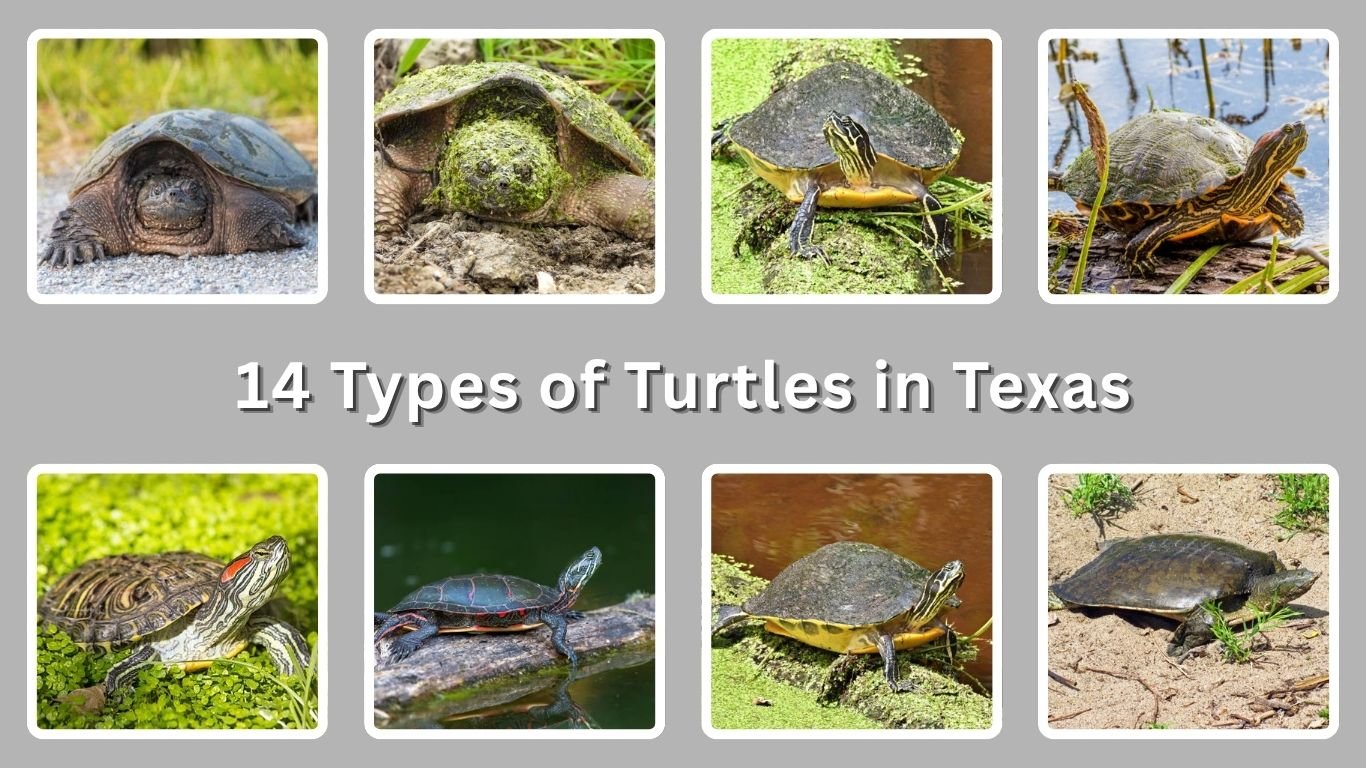
Texas is home to a wide variety of turtles, ranging from large snapping turtles and river-dwelling species to small aquatic turtles and even land-based tortoises. With its diverse landscapes including rivers, lakes, wetlands, and dry scrublands the state provides ideal habitats for many different turtle species. These reptiles play a vital role in maintaining healthy ecosystems by controlling insect populations, cleaning up organic matter, and supporting aquatic balance.
In this guide, you’ll discover 14 types of turtles found in Texas, along with helpful information about their identification, habitat, diet, and conservation status.
1. Common Snapping Turtle
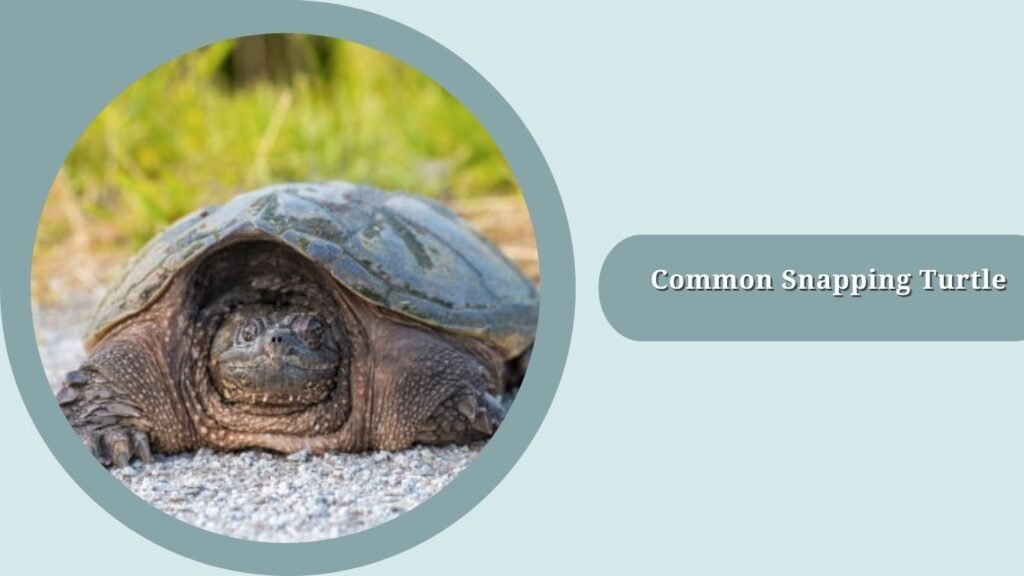
The common snapping turtle is one of the largest and most powerful freshwater turtles found in Texas. Known for its strong jaws and rugged appearance, it is a highly adaptable species that can survive in a wide range of aquatic environments.
Identification
- Large, dark brown or black shell with a rough, ridged surface
- Long tail with saw-like ridges
- Large head with a hooked beak
- Can weigh between 10–35 pounds or more
Habitat
Common snapping turtles inhabit freshwater environments such as ponds, lakes, rivers, and marshes. In Texas, they are widespread and can also be found in slow-moving or muddy waters with plenty of vegetation.
Diet
They are omnivores and opportunistic feeders. Their diet includes fish, frogs, insects, aquatic plants, and carrion. They play an important role in keeping aquatic ecosystems clean by scavenging dead animals.
Conservation Status
The common snapping turtle is not currently endangered and has a stable population in Texas. However, threats such as habitat loss, pollution, and road mortality can impact local populations.
2. Alligator Snapping Turtle
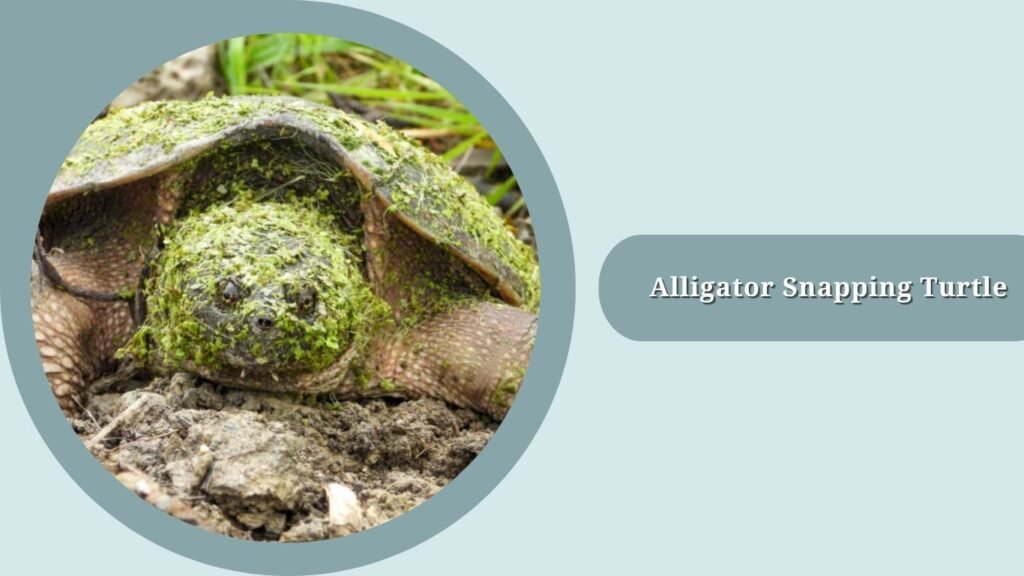
The alligator snapping turtle is the largest freshwater turtle in North America and one of the most distinctive species found in Texas. Known for its prehistoric appearance and powerful bite, it is much less common than the common snapping turtle.
Identification
- Very large, heavy body with a rugged, ridged shell
- Three prominent keels (raised ridges) on the back
- Large head with a strong, hooked beak
- Worm-like appendage on the tongue used to lure prey
Habitat
Alligator snapping turtles prefer deep rivers, lakes, and swamps with slow-moving water. In Texas, they are mainly found in eastern parts of the state, especially in river systems with muddy bottoms and submerged logs.
Diet
They are primarily carnivorous and use a unique ambush hunting technique. By lying still with their mouths open and wiggling their tongue like a worm, they attract fish and quickly snap them up. They also eat amphibians and small aquatic animals.
Conservation Status
Alligator snapping turtles are considered vulnerable in many areas. Threats include habitat destruction, overharvesting, and slow reproduction rates. Conservation efforts focus on protecting habitats and limiting human impact.
3. Eastern River Cooter
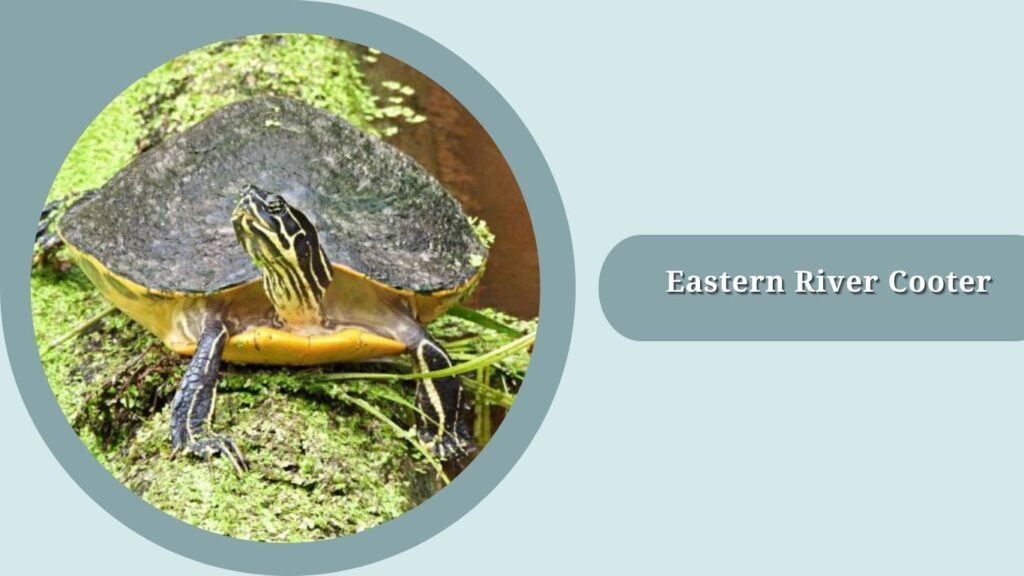
The eastern river cooter is a large freshwater turtle commonly found in Texas rivers and lakes. It is often seen basking on logs or rocks and is known for its calm nature.
Identification
- Large, oval-shaped shell with brown or olive coloration
- Yellow stripes on the head, neck, and limbs
- Light-colored underside with darker markings
- Can grow up to 12–16 inches in length
Habitat
Eastern river cooters inhabit rivers, lakes, and ponds with plenty of aquatic vegetation. In Texas, they are commonly found in slow-moving waters where basking sites are available.
Diet
They are mostly herbivores, feeding on aquatic plants, algae, and vegetation. Occasionally, they may consume small invertebrates.
Conservation Status
Eastern river cooters are generally stable in Texas. However, they can be affected by water pollution, habitat loss, and human disturbance. Maintaining clean waterways is important for their continued survival.
4. Texas River Cooter
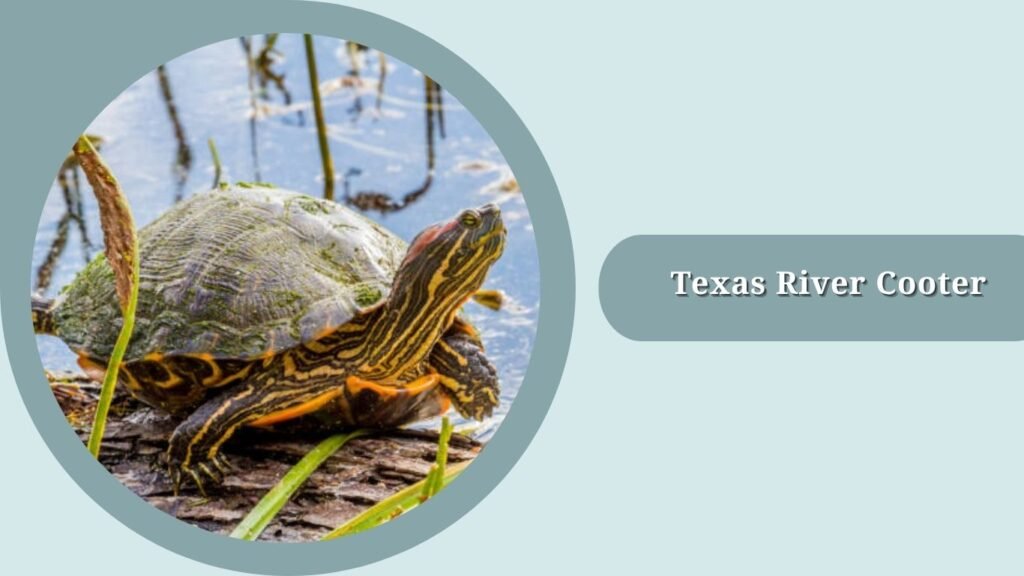
The Texas river cooter is a freshwater turtle native to parts of Texas and closely related to other cooter species. It is commonly seen basking in the sun along riverbanks and is an important part of aquatic ecosystems.
Identification
- Dark brown or olive shell with subtle lighter markings
- Yellow stripes on the head and neck
- Smooth, oval-shaped carapace
- Medium to large size, typically 9–13 inches
Habitat
Texas river cooters are primarily found in rivers, streams, and reservoirs with clear, flowing water. They prefer areas with abundant aquatic vegetation and places to bask, such as logs or rocks.
Diet
They are mostly herbivores, feeding on aquatic plants, algae, and vegetation. Occasionally, they may eat small invertebrates.
Conservation Status
The Texas river cooter is not currently endangered but can be affected by habitat degradation, water pollution, and human activity. Protecting freshwater systems is key to their survival.
5. Red-eared Slider
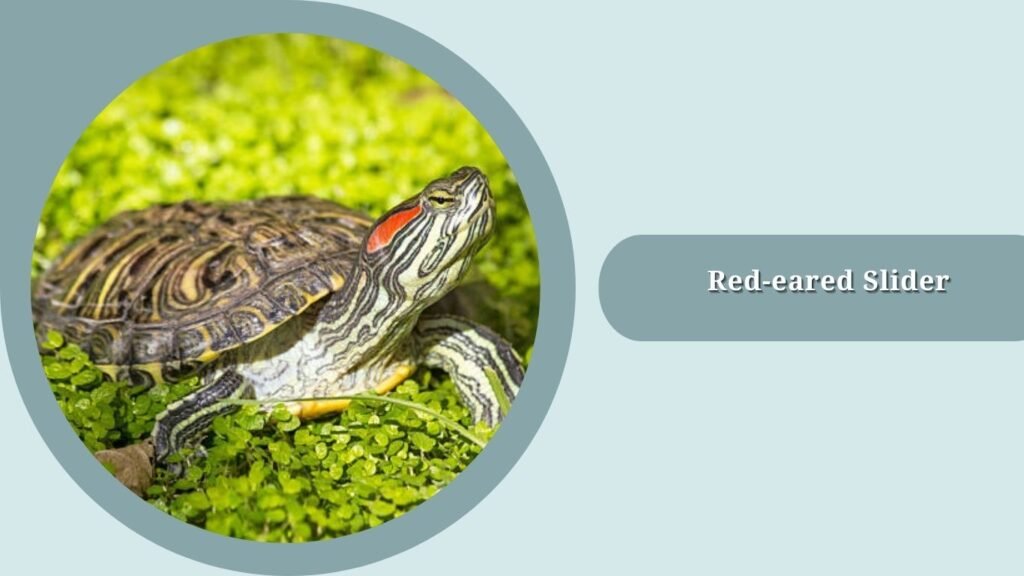
The red-eared slider is one of the most recognizable and widespread turtles in Texas. It is popular as a pet but is also commonly found in the wild throughout the state.
Identification
- Olive to dark green shell with yellow markings
- Distinct red stripe behind each eye
- Smooth, slightly domed shell
- Typically grows 6–12 inches in length
Habitat
Red-eared sliders live in a wide range of freshwater habitats, including ponds, lakes, rivers, and marshes. They prefer slow-moving water with plenty of basking spots and vegetation.
Diet
They are omnivores, eating aquatic plants, insects, fish, and small amphibians. Younger turtles tend to eat more protein, while adults consume more plant matter.
Conservation Status
Red-eared sliders have a stable population and are not considered threatened. However, releasing pet turtles into the wild can disrupt local ecosystems, so responsible pet ownership is important.
6. Painted Turtle
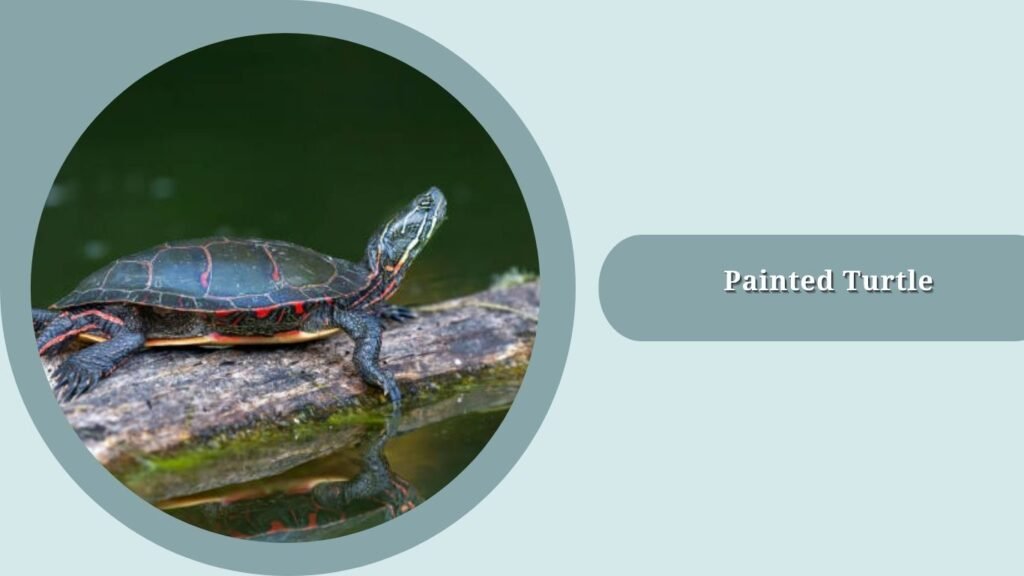
The painted turtle is one of the most colorful freshwater turtles found in Texas. It is easily recognized by its bright markings and is often seen basking in groups along the edges of ponds and lakes.
Identification
- Smooth, dark shell with red and yellow markings along the edges
- Bright red and yellow stripes on the head, neck, and limbs
- Flat, oval-shaped carapace
- Usually grows 4–10 inches in length
Habitat
Painted turtles prefer calm, shallow freshwater habitats such as ponds, lakes, marshes, and slow-moving streams. They are commonly found in areas with abundant vegetation and basking spots.
Diet
They are omnivores, feeding on aquatic plants, insects, small fish, and crustaceans. Their diet helps maintain balance in aquatic ecosystems.
Conservation Status
Painted turtles are widespread and not currently threatened. However, they can be impacted by pollution, habitat loss, and road mortality.
7. Western Chicken Turtle
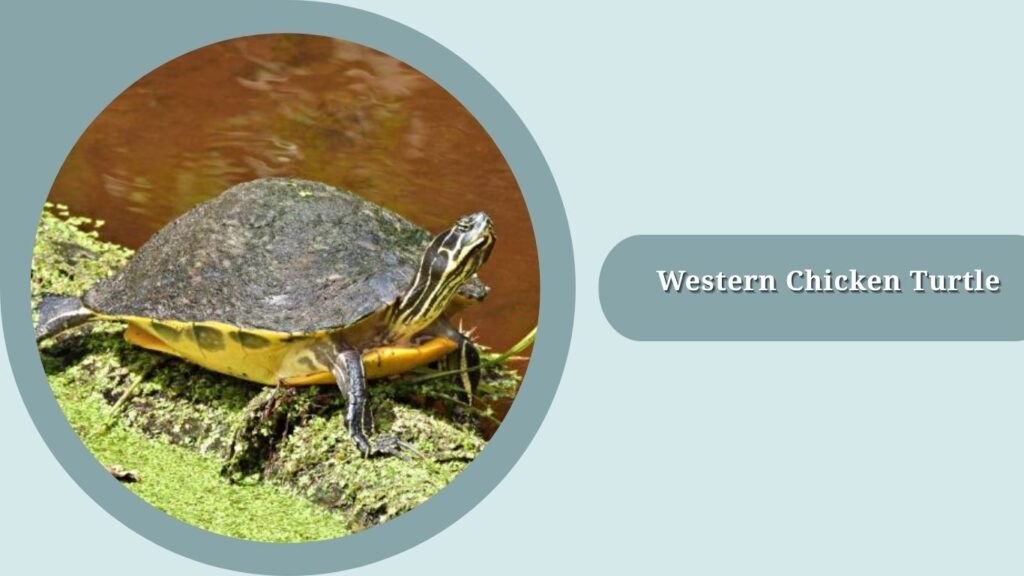
The western chicken turtle is a less commonly seen species in Texas, known for its long neck and unique behavior of traveling over land between water sources.
Identification
- Oval, yellowish to brown shell with dark patterns
- Long neck compared to other turtles
- Yellow stripes on the head and limbs
- Typically 6–10 inches in length
Habitat
Western chicken turtles inhabit shallow, still or slow-moving freshwater areas such as ponds, marshes, and ditches. They often prefer temporary or seasonal wetlands.
Diet
They are omnivores and feed on insects, small fish, amphibians, and aquatic plants. They are active foragers both in water and on land.
Conservation Status
Western chicken turtles are considered uncommon in many parts of Texas. Threats include habitat loss, wetland drainage, and road mortality during their movements between habitats.
8. Spiny Softshell Turtle
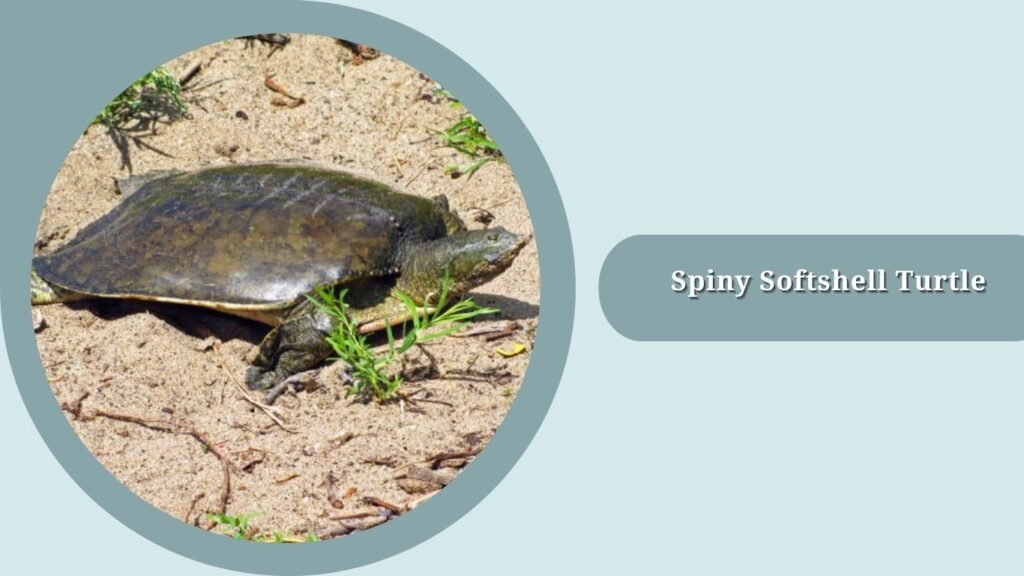
The spiny softshell turtle is a fast and highly aquatic species found in many parts of Texas. It is known for its flat, flexible shell and excellent swimming ability.
Identification
- Flat, soft shell with small spines along the front edge
- Long neck and pointed, snorkel-like nose
- Olive or tan coloration with dark spots
- Females are larger, reaching up to 18 inches
Habitat
Spiny softshell turtles live in rivers, lakes, and large streams with sandy or muddy bottoms. They prefer areas where they can easily bury themselves and remain hidden.
Diet
They are carnivorous, feeding on fish, insects, crustaceans, and other small aquatic animals. They are active hunters and rely on speed and stealth.
Conservation Status
Spiny softshell turtles are generally stable but can be affected by water pollution, habitat disturbance, and human activity.
9. Smooth Softshell Turtle
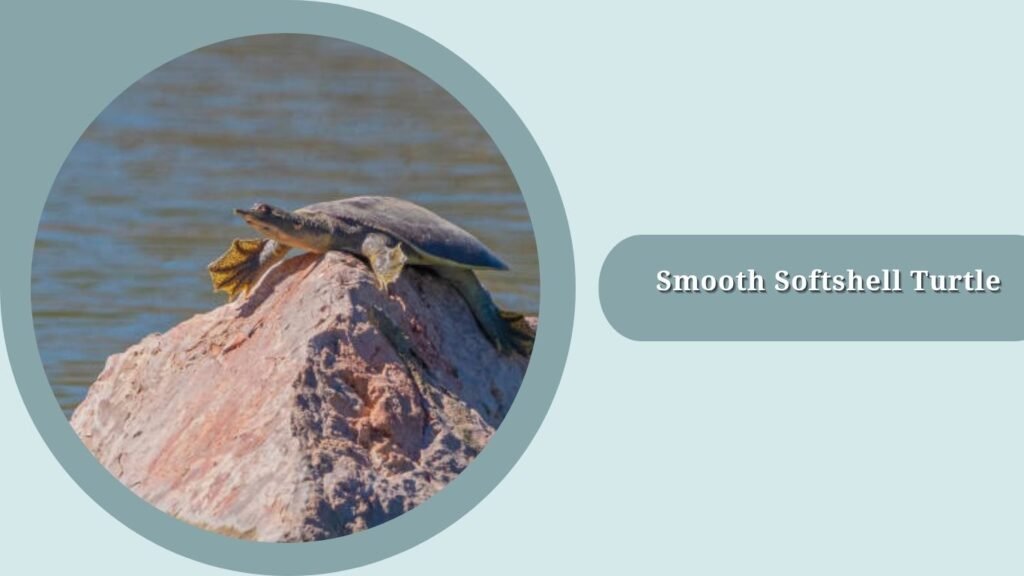
The smooth softshell turtle is similar to the spiny softshell but lacks the small spines on its shell. It is known for its streamlined body and strong swimming skills.
Identification
- Smooth, soft shell without spines
- Long neck with a pointed snout
- Light brown or olive coloration with subtle markings
- Typically grows 6–14 inches
Habitat
Smooth softshell turtles prefer large rivers and streams with sandy bottoms. In Texas, they are found in clear, flowing waters where they can bury themselves for camouflage.
Diet
They are carnivores and feed on fish, insects, and small aquatic invertebrates. Their speed allows them to catch prey efficiently.
Conservation Status
Smooth softshell turtles are not currently endangered, but they are sensitive to water quality changes and habitat disruption. Protecting clean river systems is essential for their survival.
10. Texas Map Turtle
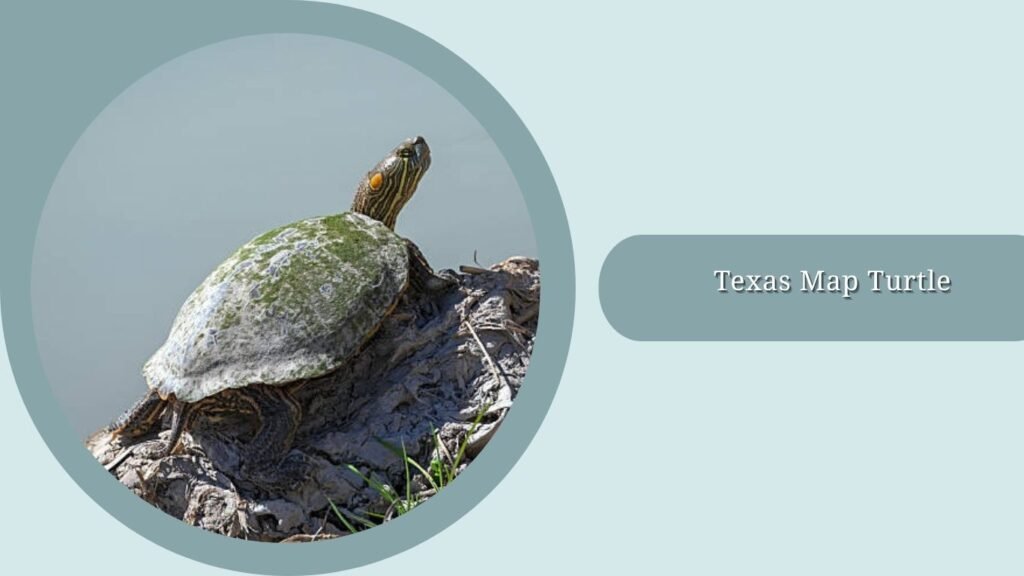
The Texas map turtle is a freshwater species native to Texas and is known for the map-like patterns on its shell. It is often seen basking on rocks or logs in rivers.
Identification
- Olive or brown shell with fine, map-like markings
- Slightly raised keel running along the center of the shell
- Yellow or green lines on the head and neck
- Females are larger than males, reaching up to 10 inches
Habitat
Texas map turtles are mainly found in rivers and reservoirs with moderate to fast-moving water. They prefer areas with plenty of basking sites and submerged structures.
Diet
They are omnivores, feeding on insects, snails, mussels, and aquatic plants. Females tend to eat more hard-shelled prey due to their stronger jaws.
Conservation Status
The Texas map turtle is considered near threatened in some areas. Habitat alteration, water pollution, and disturbance can impact their populations.
11. Mississippi Map Turtle
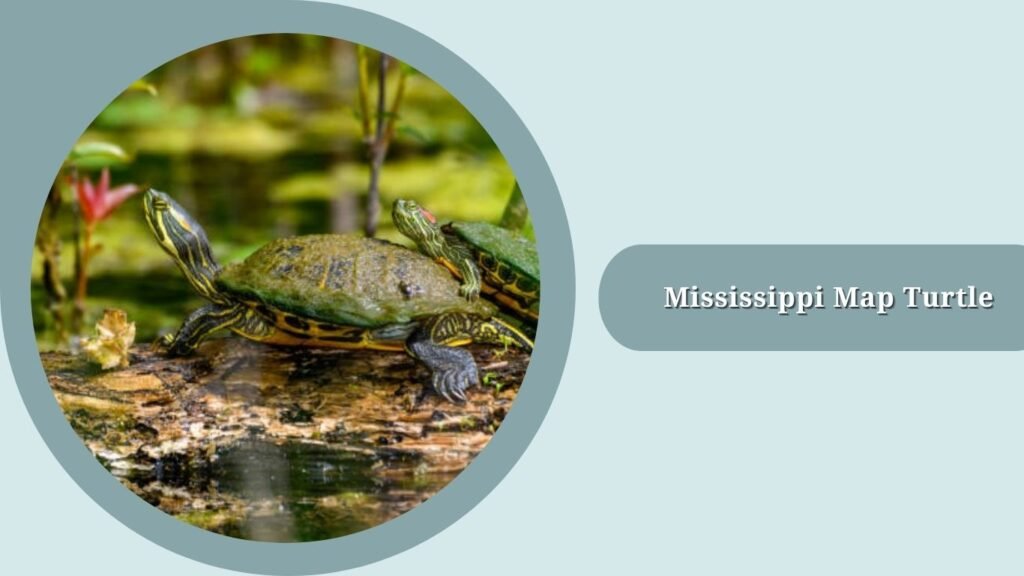
The Mississippi map turtle is closely related to the Texas map turtle and is found in parts of eastern Texas. It is named for the river systems it commonly inhabits.
Identification
- Olive to brown shell with intricate, map-like patterns
- Prominent keel along the back
- Distinct yellow markings behind the eyes
- Medium-sized, usually 5–10 inches long
Habitat
Mississippi map turtles prefer large rivers, streams, and reservoirs with moderate currents. They are frequently seen basking in groups on logs and rocks.
Diet
They primarily feed on aquatic insects, snails, and mollusks. Like other map turtles, females often consume more hard-shelled prey.
Conservation Status
Mississippi map turtles are generally stable but can be affected by water pollution, habitat modification, and human disturbance. Conservation efforts focus on protecting river habitats.
12. Razor-backed Musk Turtle
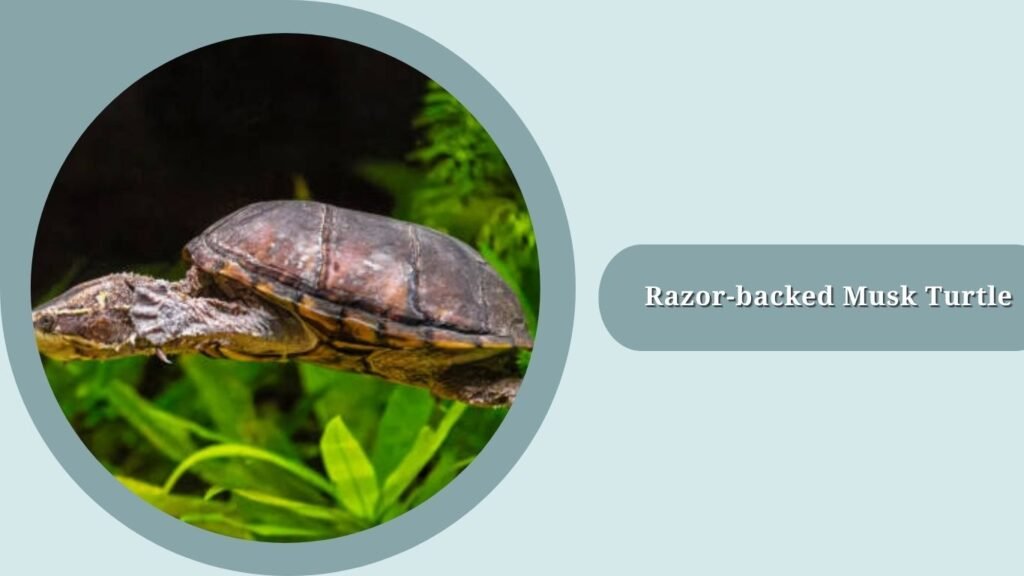
The razor-backed musk turtle is a small, aquatic turtle found in parts of Texas. It gets its name from the sharp, raised ridge along the center of its shell.
Identification
- High, narrow shell with a sharp central ridge (keel)
- Dark brown or black coloration
- Pointed head with lighter markings
- Typically grows 4–6 inches in length
Habitat
Razor-backed musk turtles prefer slow-moving freshwater habitats such as rivers, streams, and bayous. They are often found in areas with submerged vegetation and soft bottoms.
Diet
They are carnivorous, feeding on insects, snails, small fish, and other aquatic invertebrates. They often forage along the bottom in search of food.
Conservation Status
Razor-backed musk turtles are generally stable but may be impacted by water pollution and habitat degradation. Maintaining clean waterways is important for their survival.
13. Common Musk Turtle
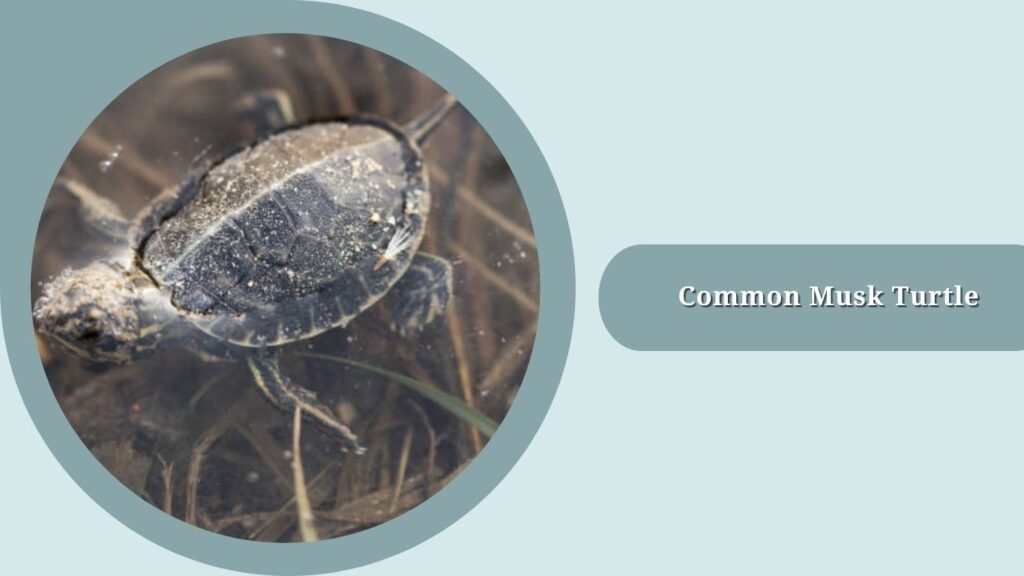
The common musk turtle, also known as the “stinkpot,” is a small freshwater species known for releasing a strong odor when threatened.
Identification
- Small, dark shell that is smooth and slightly domed
- Two light stripes on the head
- Long neck and relatively large head
- Usually 3–5 inches in length
Habitat
Common musk turtles inhabit slow-moving or still freshwater environments such as ponds, lakes, and streams. They prefer areas with plenty of cover like logs and vegetation.
Diet
They are omnivores, feeding on insects, snails, small fish, and plant matter. They are mostly bottom feeders and are active both day and night.
Conservation Status
Common musk turtles are widespread and not considered threatened. However, they can be affected by water pollution and habitat loss.
14. Texas Tortoise
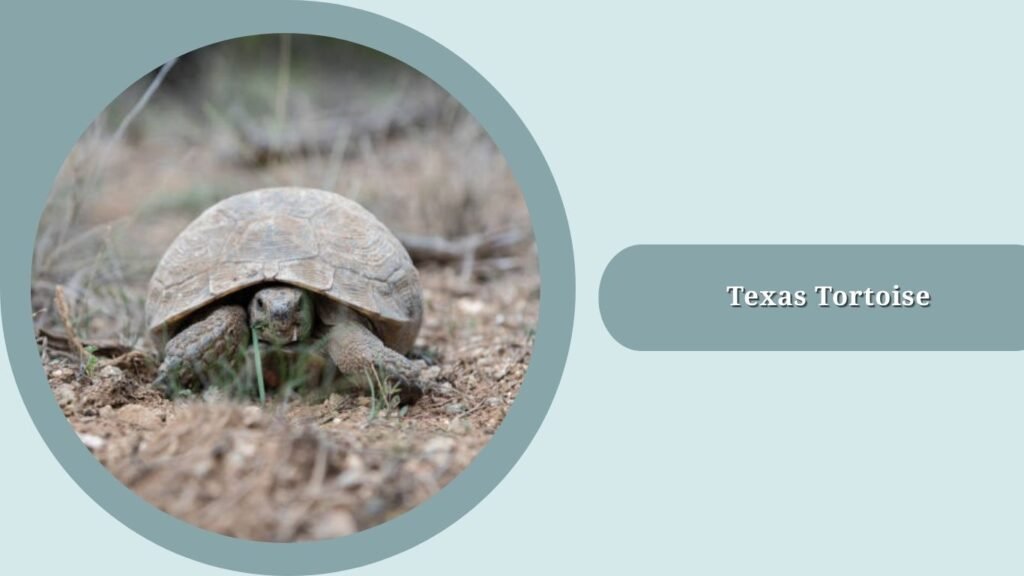
The Texas tortoise is the only true land-dwelling tortoise native to Texas. It is well adapted to dry environments and is commonly found in the southern parts of the state.
Identification
- High-domed, gray or brown shell
- Elephant-like legs adapted for walking on land
- Short tail and blunt head
- Typically 5–9 inches in length
Habitat
Texas tortoises live in dry, brushy areas such as deserts, scrublands, and grasslands. They prefer regions with loose soil and plenty of low vegetation for shelter and food.
Diet
They are herbivores, feeding on grasses, fruits, flowers, and cactus pads. Their diet helps disperse seeds and supports plant growth in their environment.
Conservation Status
The Texas tortoise is protected in Texas due to declining populations. Threats include habitat loss, road mortality, and illegal collection. Conservation efforts focus on habitat preservation and public awareness.
FAQs
1. How many types of turtles are found in Texas?
Texas is home to over 35 species of turtles, including freshwater turtles, sea turtles along the coast, and land-dwelling tortoises.
2. What is the largest turtle in Texas?
The alligator snapping turtle is the largest freshwater turtle in Texas and can weigh over 150 pounds.
3. Are turtles protected in Texas?
Some species, like the Texas tortoise and alligator snapping turtle, are protected due to declining populations. Regulations vary by species, so it’s important to follow local wildlife laws.
4. Where can you see turtles in Texas?
Turtles can be found in rivers, lakes, ponds, wetlands, and coastal areas. Land species like the Texas tortoise are found in dry southern regions.
5. What do turtles in Texas eat?
Their diet depends on the species. Some are herbivores that eat plants, while others are omnivores or carnivores that feed on insects, fish, snails, and other small animals.