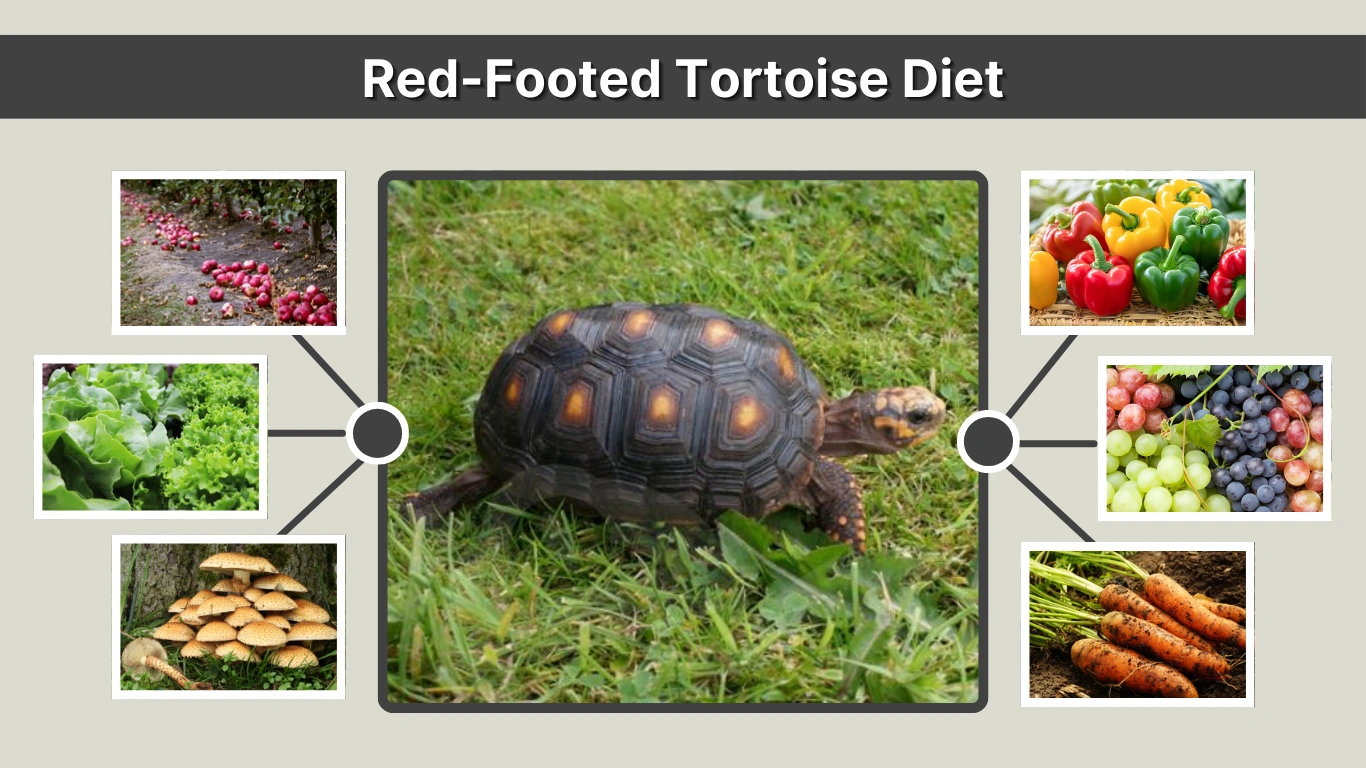
Red-footed tortoises are natural forest-floor foragers with a diverse and colorful diet. In the wild they eat fruits, fallen leaves, flowers, fungi, and occasional protein such as insects or carrion. Captive tortoises thrive when their meals mimic this natural variety. This guide explains exactly what red-footed tortoises can eat, including safe fruits, vegetables, greens, protein options, meal frequency, and food items to avoid. Each food category includes serving tips and the best choices for everyday feeding.
What Red-Footed Tortoises Eat in the Wild
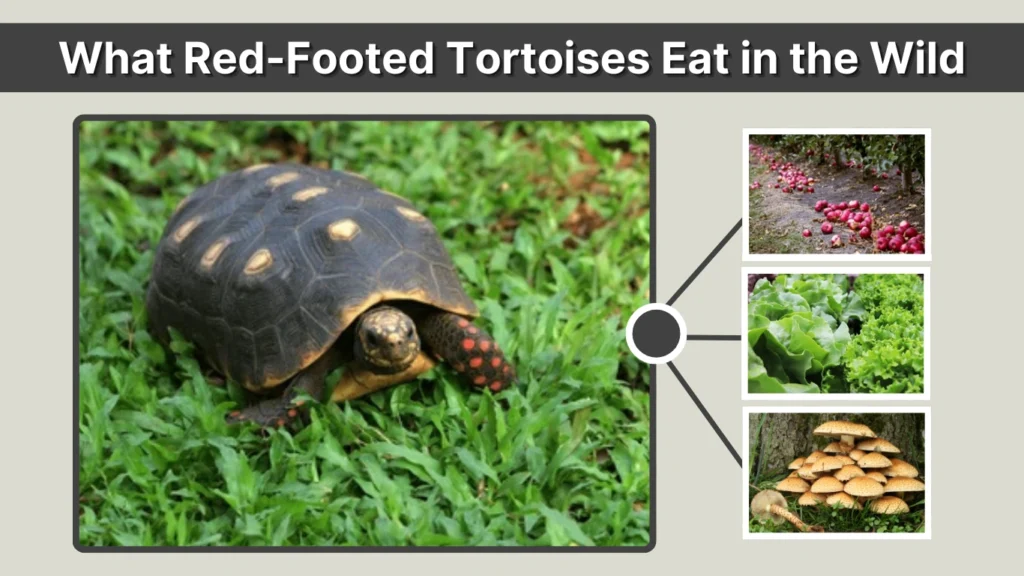
Red-footed tortoises live in tropical South American forests where food sources are abundant. Their diet is naturally omnivorous, though heavily plant-based. They eat a mixture of:
- Fallen fruits
- Tender leaves and greens
- Mushrooms and fungi
- Flowers and shoots
- Insects or small amounts of carrion
This natural diversity is one reason why red-footed tortoises can safely handle a wider range of fruits than many other tortoise species. However, the balance of the diet still matters, especially in captivity.
Complete Red-Footed Tortoise Diet Breakdown
A healthy diet for a red-footed tortoise should follow a consistent ratio that reflects the foods they naturally encounter. This balance helps maintain fiber intake, hydration, and essential vitamins.
Diet Composition Guidelines
- 50% leafy greens – Their daily staple
- 20% vegetables – Adds nutrients and texture
- 20% fruit – Natural part of their wild diet, but offer moderately
- 10% protein – Optional but beneficial once or twice weekly
This structure prevents nutritional imbalance and avoids the overfeeding of sugary items.
Feeding Frequency
Red-footed tortoises should eat regularly, but not excessively. Most adult tortoises do best when fed every other day, while juveniles may eat daily. During cooler months, appetite naturally slows, so slight reductions in feeding frequency are normal. Always keep a dish of fresh water available, as hydration plays a major role in digestion.
Fruits Red-Footed Tortoises Can Eat
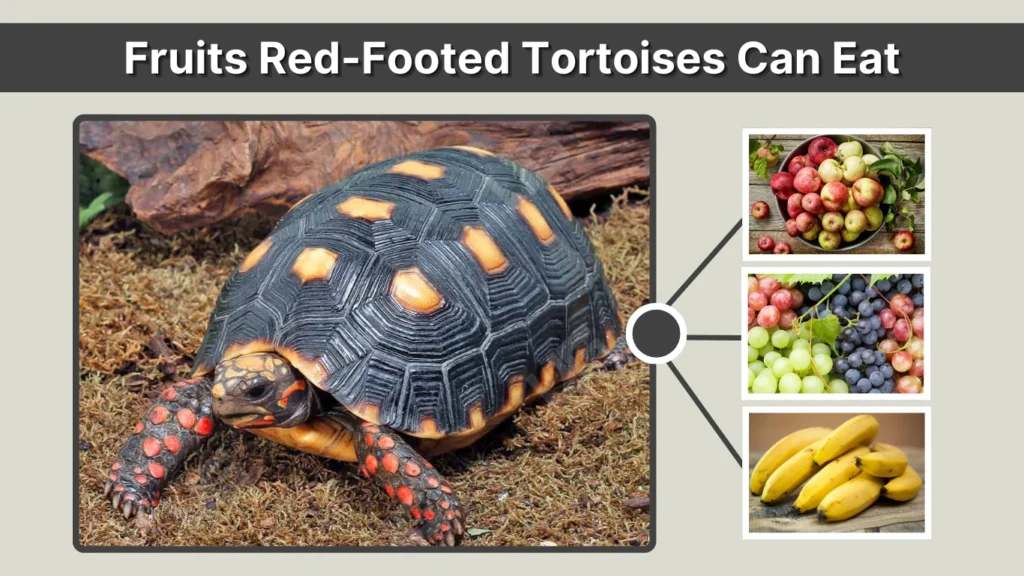
Red-footed tortoises enjoy a wider variety of fruit than most tortoise species. Many fruits in your keyword list are safe and nutritious when served in moderation. Fruits contribute hydration, vitamins, and natural sugars that match their tropical origins.
Safe Fruits They Can Eat
- Apples (seedless)
- Grapes
- Bananas
- Watermelon
- Blueberries
- Blackberries
- Strawberries
- Raspberries
- Mango
- Kiwi
- Pineapple
- Cantaloupe
- Peaches
- Pomegranate
- Cherries (pitted)
- Dragon fruit
These fruits are rich in antioxidants and moisture and can be rotated weekly to prevent overexposure to sugar.
Serving Notes and Limits
Fruits should make up around 20% of the total diet, not a daily main course. Overfeeding fruit may cause loose stools or excess weight gain. Always remove seeds or pits, chop fruit into manageable pieces, and rotate between several types to provide nutritional variety.
Vegetables Red-Footed Tortoises Can Eat
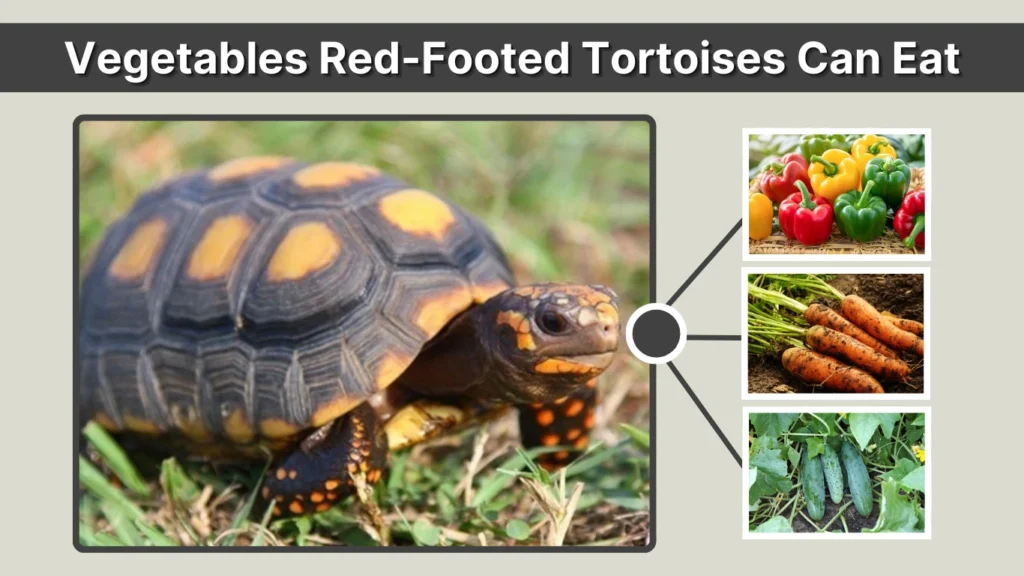
Vegetables add important vitamins and minerals to the tortoise diet. They are denser and less sugary than fruits and make up a core 20% of their weekly meal plan.
Safe Vegetables to Include
- Bell peppers
- Carrots
- Cucumbers
- Zucchini
- Butternut squash
- Pumpkin
- Sweet potatoes
- Cabbage (moderation)
- Celery
- Cauliflower
- Brussels sprouts (rare occasions)
- Eggplant (moderation)
- Radishes and radish tops
Vegetables offer fiber and variety, but they should never replace greens as the primary food source.
Chop them finely and serve raw, except for squash and sweet potato, which are often easier to digest when lightly softened.
Leafy Greens Red-Footed Tortoises Can Eat
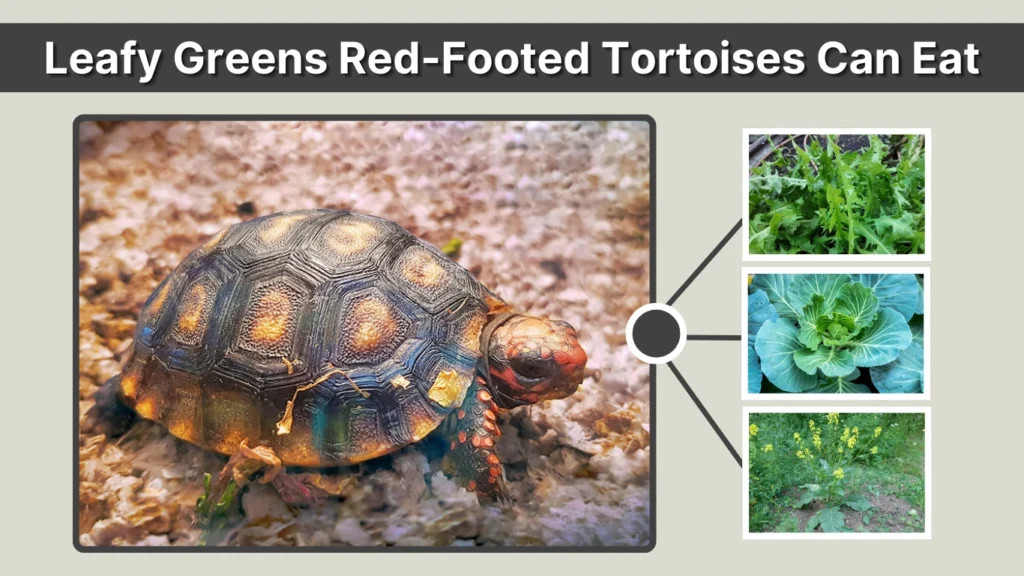
Leafy greens are the largest portion of the diet and the foundation of daily nutrition. Red-footed tortoises thrive on nutrient-rich greens similar to what they browse on in the forest.
Best Leafy Greens for Daily Feeding
- Dandelion greens
- Collard greens
- Mustard greens
- Turnip greens
- Romaine lettuce
- Kale (in moderation)
- Spring mix blends
Greens to Limit
- Spinach (binds calcium)
- Beet greens
- Swiss chard
These high-oxalate greens should be offered occasionally rather than regularly.
Foods Red-Footed Tortoises Should Avoid
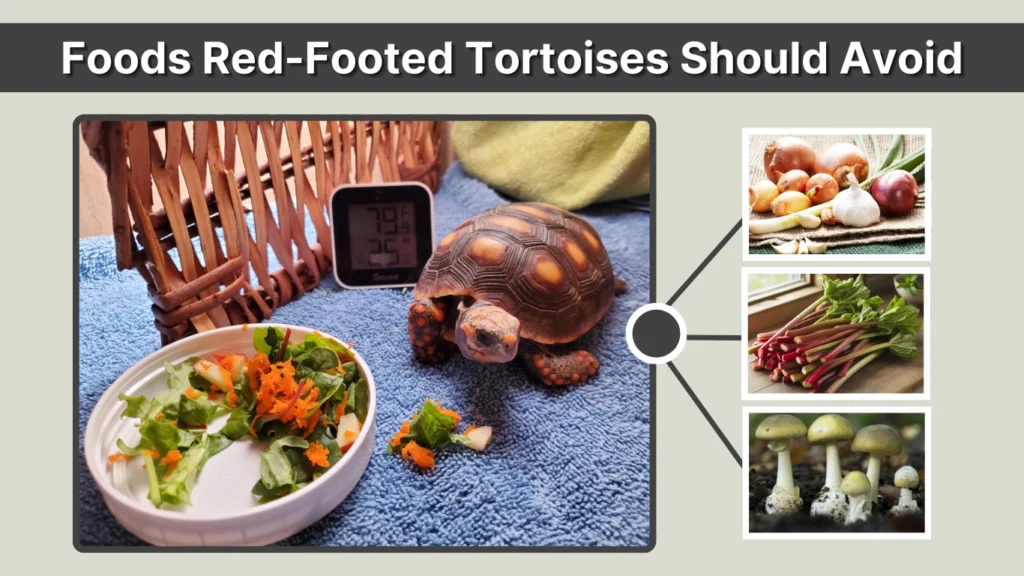
Not all foods are safe. Some items from the keyword list pose digestive risks, while others are outright toxic. Understanding these dangers helps prevent illness and long-term health issues.
Toxic or Dangerous Foods
- Avocado – Contains persin, toxic to tortoises
- Onion and garlic – Damages red blood cells
- Rhubarb – Extremely high in oxalates
- Wild mushrooms – Potential toxin exposure
Foods Not Recommended
- Potatoes – Too starchy and low in nutrients
- Iceberg lettuce – Mostly water, lacks nutrition
- Too much fruit – Can cause diarrhea or weight gain
- Processed human foods – Always unsafe
Animal Protein in the Red-Footed Tortoise Diet

Red-footed tortoises are unusual compared to many tortoise species because they naturally consume small amounts of animal protein in the wild. They may encounter insects, slugs, or even carrion during forest foraging. In captivity, protein should remain a small treat, offered once or twice weekly at most.
Safe Protein Options
- Mealworms (occasional)
- Hard-boiled egg (tiny amount, rarely)
- Commercial tortoise protein pellets (sparingly)
Too much protein can cause rapid shell growth, kidney strain, or pyramiding. The key is small portions and infrequent servings.
Food-by-Food Safety Guide
This section answers your individual keyword questions concisely. Each item uses Yes/No + Safety Information based on red-footed tortoise dietary needs.
Common Fruits
- Grapes — Yes. High in sugar; offer sparingly.
- Apples — Yes. Remove seeds; slice before feeding.
- Bananas — Yes. Soft and sweet; occasional treat only.
- Watermelon — Yes. Excellent hydration; feed mostly the red flesh.
- Blueberries — Yes. Small and antioxidant-rich; great rotation food.
- Blackberries — Yes. Safe but mildly seedy; feed in moderation.
- Strawberries — Yes. Sweet; limit servings.
- Kiwi — Yes. Tart and safe in small pieces.
- Mango — Yes. High sugar; rotate moderately.
Vegetables
- Tomatoes — Yes. Soft and hydrating; best as an occasional fruit-like treat.
- Bell peppers — Yes. Nutritious and crunchy.
- Broccoli — Yes, but rarely. Contains goitrogens; limit intake.
- Brussels sprouts — Rarely. Can cause gas; small portions only.
- Cabbage — Yes, in moderation. May cause digestive issues if overfed.
- Carrots — Yes. High in vitamin A; serve grated.
- Celery — Yes. Low nutrient density; use sparingly.
- Cucumber — Yes. Hydrating but not nutrient-dense.
- Zucchini — Yes. Mild and safe for regular rotation.
- Pumpkin — Yes. Nutritious; can be raw or gently softened.
- Sweet potatoes — Yes. Rich but feed sparingly.
- Radishes — Yes. Leaves preferred over roots.
- Eggplant — Yes, moderately. Avoid overfeeding.
- Cauliflower — Yes, small amounts. Gas-producing.
Leafy Greens
- Kale — Yes, sparingly. Oxalates limit frequent feeding.
- Spinach — Rarely. High oxalates reduce calcium absorption.
- Romaine lettuce — Yes. Hydrating and safe.
Other Food Items
- Avocado — No. Toxic.
- Mushrooms — No. Unknown toxin risk unless store-bought, but still not recommended.
- Hard-boiled eggs — Rarely. Only pea-sized amounts.
- Potatoes — No. Poor nutrition and overly starchy.
How Often Red-Footed Tortoises Should Eat
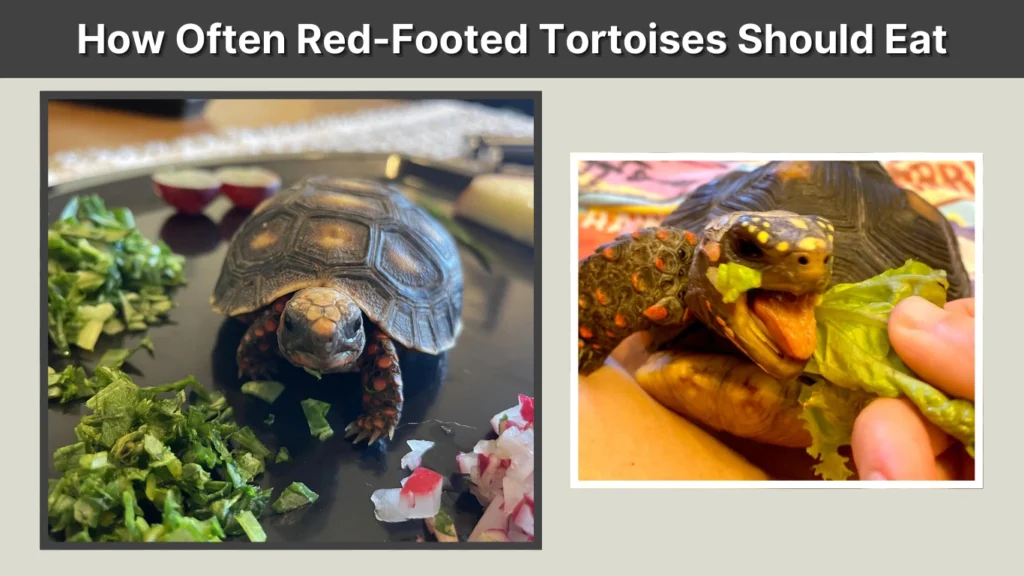
A balanced feeding schedule keeps digestion healthy and prevents obesity.
General Feeding Frequency
- Adults: Every other day
- Juveniles: Daily, small portions
- Hatchlings: Daily, soft foods and finely chopped greens
Morning feeding is ideal because tortoises are most active earlier in the day.
Sample Weekly Schedule
- Mon: Mixed leafy greens + bell pepper
- Tue: Fruit rotation (berries or melon) + greens
- Wed: Greens + squash
- Thu: Protein day (small portion) + greens
- Fri: Mixed vegetables
- Sat: Greens + a small fruit mix
- Sun: Rest day or light greens only
Why Your Red-Foot Tortoise Is Not Eating
Appetite loss is common and often fixable with simple adjustments.
Common Causes
- Incorrect temperatures — Too cold leads to slow digestion.
- Low humidity — Causes dehydration and lethargy.
- Poor lighting — UVB deficiencies reduce appetite.
- Stress — New environment, noise, or handling.
- Seasonal slowdown — Cooler months may reduce eating.
When to Seek Help
If your tortoise refuses food for more than 7–10 days, appears lethargic, or shows breathing issues, a reptile vet should evaluate for parasites or underlying illness.
Flowers Red-Footed Tortoises Can Eat
Flowers mimic a natural part of their forest diet and add color, scent, and enrichment.
Safe Flowers
- Hibiscus
- Dandelion flowers
- Rose petals (unsprayed)
- Nasturtium
- Marigold (non-toxic varieties)
Avoid any blooms treated with pesticides or fertilizers.
Diet Chart & Food Rotation Table
Fruit Rotation (Offer 2–3× Weekly)
| Fruit | Serving Notes |
| Grapes | Small slices, high sugar |
| Watermelon | Hydrating; mostly flesh |
| Berries | Excellent antioxidants |
| Mango/Peach | Soft pieces, rotate |
Vegetable Rotation (Daily Mix)
| Vegetable | Benefits |
| Bell pepper | Vitamin-rich |
| Zucchini | Easy to digest |
| Carrots | Vitamin A source |
| Squash | Fiber + nutrients |
FAQs
How long can a red-foot tortoise go without eating?
A healthy adult can sometimes go 1–2 weeks without food, especially during cooler periods. However, this is not ideal. Juveniles should never go more than a few days. If refusal lasts longer or is paired with lethargy, consult a reptile veterinarian.
Can red-footed tortoises eat tomatoes?
Yes—tomatoes are safe in small portions. They contain moisture and mild acidity, making them a light treat. Because tomatoes are technically a fruit with higher sugar and less fiber, they shouldn’t replace greens or vegetables in the diet.
What fruit can red-footed tortoises eat regularly?
Berries, melon, papaya, mango, and grapes can be rotated weekly. Tropical fruits match their natural environment, but only 20% of the diet should be fruit to avoid excessive sugar intake.
Why is my red-foot tortoise not eating new foods?
Tortoises often resist unfamiliar textures or scents. Gradually introduce new foods mixed with their favorites. Warmth, lighting, and hydration also influence appetite—small husbandry changes often resolve picky eating.
What vegetables are best for daily feeding?
Bell peppers, squash, zucchini, cucumbers, carrots, and radish tops are excellent choices. Combine them with leafy greens to maintain proper fiber balance, hydration, and vitamin intake.