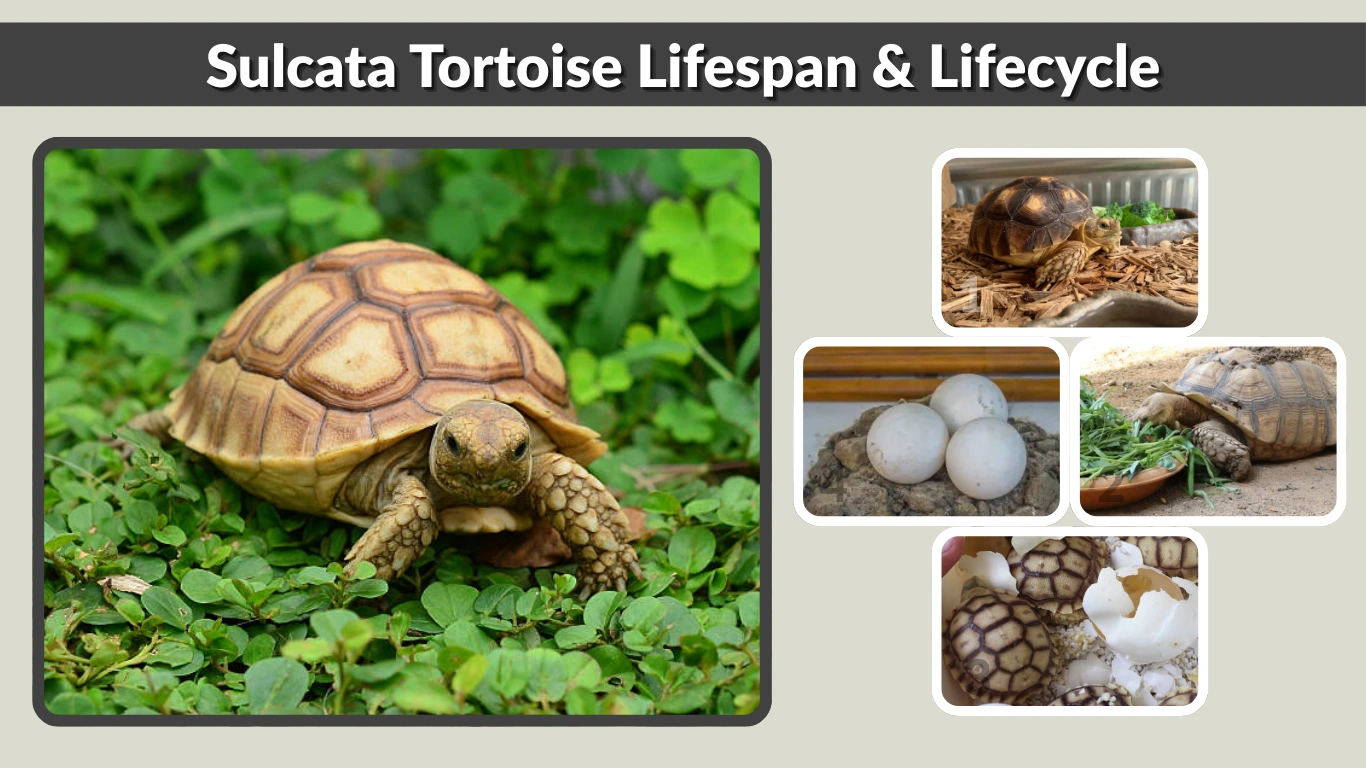
Sulcata tortoises, also known as African spurred tortoises, are among the largest and longest-living tortoise species in the world. Understanding their lifecycle—from egg to old age—is essential for providing proper long-term care. These tortoises can outlive their owners, making their lifespan an important part of responsible ownership. This guide explains each life stage, growth patterns, and the factors that influence their remarkable longevity.
What is Sulcata Tortoises?
Native to the southern edge of the Sahara Desert, Sulcata tortoises have adapted to harsh environments with extreme heat and seasonal droughts. They survive by grazing on tough grasses, digging deep burrows for cooler temperatures, and conserving moisture efficiently. These environmental adaptations shape their slow but steady development and contribute to their extended lifespans. In captivity, replicating these conditions helps ensure healthy growth and longevity.
Lifecycle Stages of Sulcata Tortoises
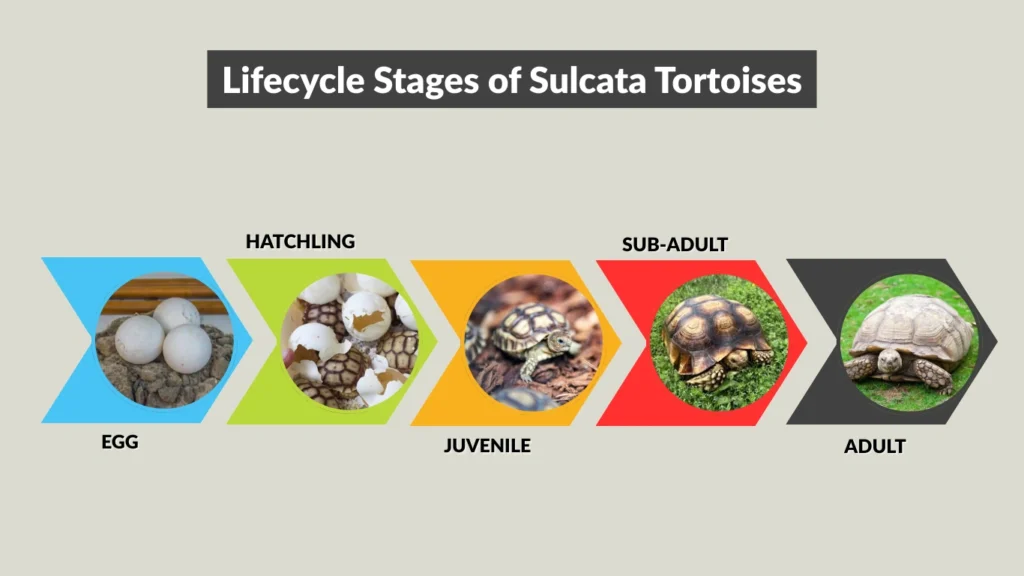
1. Eggs & Incubation
Sulcata tortoises begin life as eggs laid in shallow nests dug by the female. A typical clutch contains 15–30 eggs, though larger females may produce more. The incubation period lasts 70–120 days, depending on temperature and humidity. Interestingly, temperature determines the sex: warmer incubation produces more females, while cooler temperatures yield more males. Proper incubation is critical, as fluctuations can cause developmental problems or low hatch rates.
2. Hatchlings (0–1 Year)
When Sulcatas hatch, they measure about 1.5–2 inches and weigh just a few ounces. Despite their tiny size, they are surprisingly active and curious. However, hatchlings are vulnerable because their shells are still soft and their immune systems underdeveloped. They require warm temperatures, access to water for soaking, and a high-fiber diet. Early growth is rapid, and proper care during this stage sets the foundation for a lifetime of healthy development.
3. Juvenile Stage (1–5 Years)
Juvenile Sulcatas experience some of the fastest growth of any tortoise species. During these years, a healthy tortoise may grow several inches annually, depending on diet and environment. This is also the stage where shell development becomes critical. Poor diet or humidity conditions can lead to pyramiding—abnormal shell growth. Juveniles display high activity levels, strong appetites, and increasing strength. Adequate outdoor space and sunlight exposure are essential for proper bone density and metabolism.
4. Sub-Adult Stage (5–15 Years)
As Sulcatas transition into sub-adulthood, their growth rate slows but remains steady. By this stage, many individuals already weigh 20–40 pounds, with shells that have noticeably thickened. Their behavior becomes more predictable, though males may begin displaying mild territorial behaviors. Diet remains focused on grasses and fibrous plants, but appetite increases as body size grows. This stage prepares the tortoise for full adulthood, with continued improvements in strength, shell hardness, and overall endurance.
5. Adult Stage (15–30+ Years)
Sulcata tortoises reach full physical maturity around 15–20 years of age. Adults may weigh anywhere from 70–150 pounds, with some males exceeding 200 pounds. Their behavior becomes more territorial, especially males that may dig large burrows or pace enclosure boundaries. Adults are capable of breeding, with females producing multiple clutches per year. At this stage, growth slows dramatically, but their nutritional and environmental needs remain just as important. Proper care ensures they maintain strong bones, healthy organs, and stable behavior.
6. Senior Stage (50–100+ Years)
Many Sulcata tortoises live well beyond 50 years, and some surpass 100 when properly cared for. Senior tortoises may move slower, eat less, or spend more time resting, but they remain hardy animals. Aging Sulcatas may require softer grazing areas, consistent hydration, and more frequent health checks. Their shells may show smooth wear from decades of movement, and metabolism naturally slows. With attentive long-term care, these tortoises can thrive throughout their exceptionally long lives.
Sulcata Tortoise Growth Timeline (From Egg to Adult)
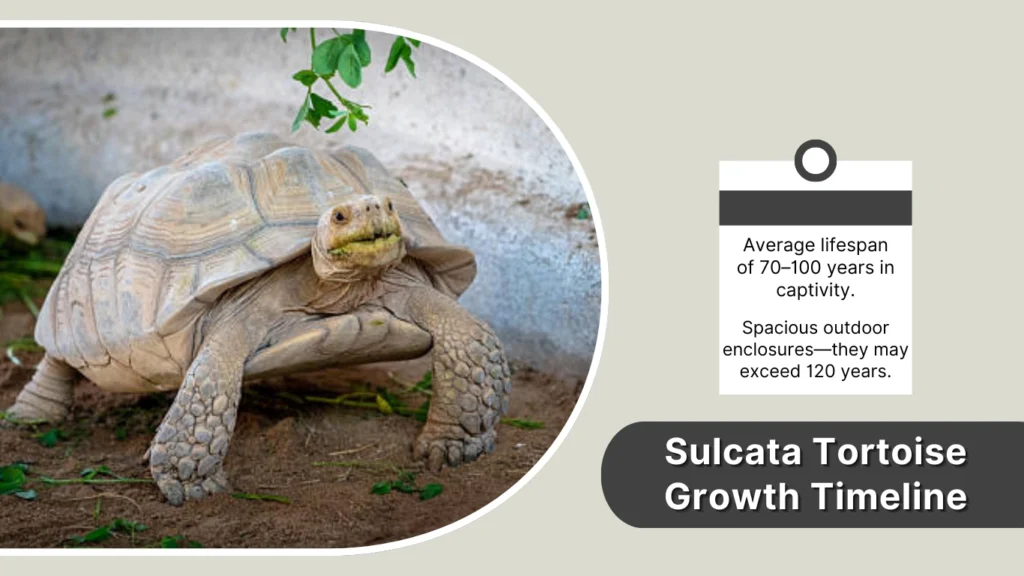
A Sulcata’s growth trajectory varies, but most follow a steady pattern: a small, fragile hatchling transforms into a large, powerful tortoise over decades. Size and weight milestones are influenced by diet, genetics, humidity, and lighting. Healthy growth shows a smooth shell, strong limbs, and predictable weight gain. Deviations from this pattern may signal dietary or environmental issues that require correction.
Average Lifespan of Sulcata Tortoises
Sulcata tortoises are among the longest-living reptiles, with an average lifespan of 70–100 years in captivity. In optimal conditions—proper diet, UVB exposure, and spacious outdoor enclosures—they may exceed 120 years. Their longevity is influenced heavily by environmental stability and consistent nutrition. In the wild, harsh climates and predators shorten life expectancy, but captivity often provides protection and resources that allow for extended longevity.
Factors That Influence Sulcata Lifespan
Diet & Nutrition
A Sulcata’s diet is one of the most significant factors affecting its lifespan. High-fiber grasses and weeds support natural digestion and slow, healthy growth. Diets high in protein or sugar can lead to metabolic bone disease, obesity, shell deformities, and organ damage—conditions that drastically reduce lifespan. Long-lived Sulcatas typically have consistent access to grasses, calcium, and natural sunlight.
Environment & Enclosure
Sulcatas thrive in environments that mimic their native African savannas. Warm temperatures, low humidity, and ample outdoor space contribute to physical and mental well-being. Improper housing—such as small enclosures or cold climates—can cause respiratory illnesses, stress, and stunted growth. Safe, secure enclosures reduce the risk of injuries, escapes, and predatory attacks, all of which influence long-term survival.
Health & Veterinary Care
Routine checkups help detect early signs of respiratory infections, parasites, or shell abnormalities. Many health issues in tortoises develop slowly, so early detection is vital. Dehydration, vitamin deficiencies, and untreated injuries can shorten lifespan. Proper hydration practices, including periodic soaking for younger or dehydrated tortoises, help prevent kidney-related issues that often affect captive Sulcatas.
Stress & Behavioral Factors
Sulcatas are sensitive to environmental stress. Overhandling, constant noise, or overcrowded enclosures can lead to chronic stress, weakening the immune system and reducing quality of life. Territorial adults, especially males, require plenty of space to prevent aggression. Enrichment, such as grazing areas, burrowing zones, and natural décor, supports mental stimulation and long-term well-being.
Captivity vs. Wild Lifespan Comparison
In the wild, Sulcata tortoises face numerous challenges—extreme temperatures, droughts, food shortages, and predators—that significantly reduce average lifespan. Many hatchlings never reach adulthood due to predation. Captive Sulcatas, however, benefit from steady food supplies, veterinary care, and climate-controlled environments. While captivity increases longevity, it also demands responsible ownership, as these tortoises often outlive their keepers. Long-term planning, including rehoming considerations, is essential for ethical care.
How to Ensure a Long, Healthy Life for Your Sulcata
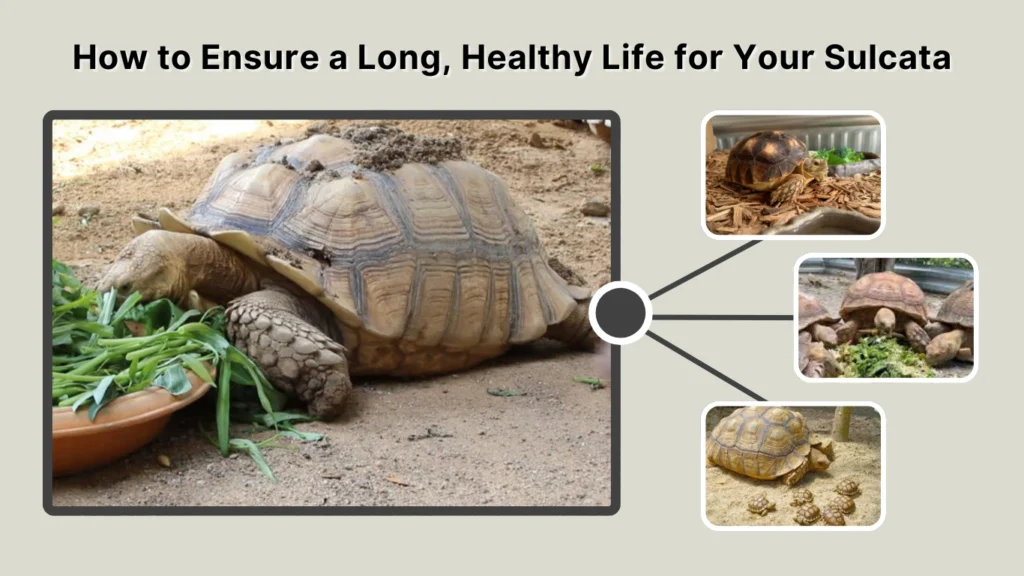
Supporting a long-lived Sulcata begins with providing a natural, grass-based diet and a spacious outdoor habitat. UVB exposure, whether through sunlight or high-quality lamps, ensures strong bones and proper metabolism. Hydration is critical, especially in young tortoises, and regular soaking prevents dehydration. Owners should monitor shell growth, overall weight, appetite, and activity. Because Sulcatas live for generations, establishing a care plan that includes emergency resources and future housing arrangements is highly recommended.
Signs of Aging in Sulcata Tortoises
As Sulcatas enter their senior years, their movement may slow, and they may bask longer to maintain body temperature. Appetite may decrease slightly, and their shells may show natural wear. Older tortoises may need softer food sources or easier access to grazing areas. Subtle behavioral changes—such as increased resting or reduced digging—are normal signs of aging. Routine health checks help ensure that age-related issues don’t go unnoticed.
FAQ
How long does a Sulcata tortoise live in captivity?
With proper care, most Sulcata tortoises live 70–100 years, and many surpass a century. Captivity provides steady food, medical care, and protection from predators, increasing their lifespan compared to wild populations.
At what age do Sulcata tortoises stop growing?
Sulcatas grow rapidly for the first 10–15 years, reach near-adult size by 20, and may continue slow growth throughout adulthood. Their growth never truly stops, but it becomes extremely gradual after maturity.
Do male and female Sulcatas age differently?
Both sexes have similar lifespans, though males may experience more stress-related issues due to territorial behaviors. Females expend more energy during egg production, but proper nutrition minimizes long-term effects.
Can poor diet shorten a Sulcata’s lifespan?
Yes. Diets high in protein, fruit, or low-fiber greens can lead to metabolic bone disease, pyramiding, kidney failure, and obesity—conditions that significantly reduce lifespan. A grass-based diet is essential for longevity.
How big do Sulcatas get at each life stage?
Hatchlings measure 1.5–2 inches, juveniles grow rapidly to 6–10 inches, sub-adults reach 12–16 inches, and adults commonly exceed 20 inches. Weight ranges from a few ounces at birth to 70–150+ pounds in adulthood.