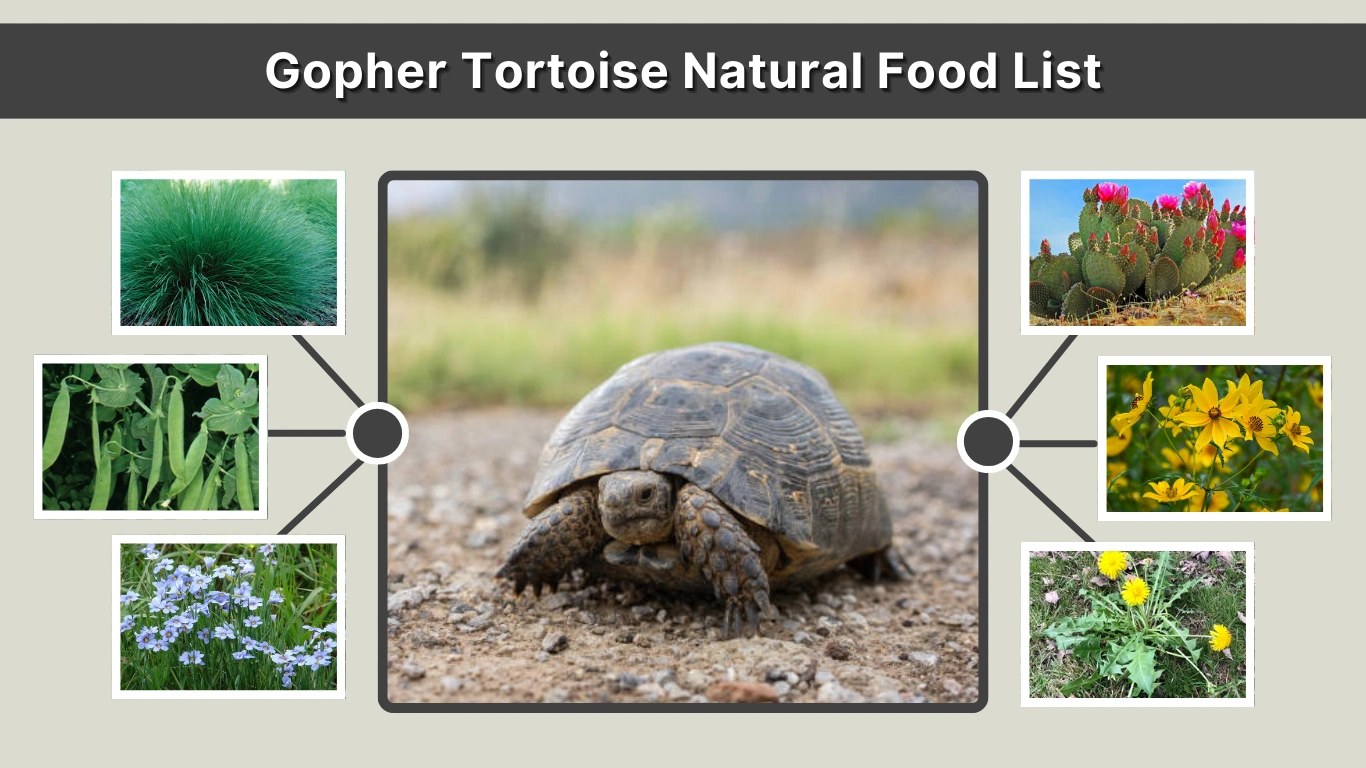
Gopher tortoises rely on a wide variety of native grasses, weeds, and low-growing plants to stay healthy in the wild. Their diet is naturally high in fiber and closely tied to the longleaf pine ecosystem they inhabit. Understanding the foods gopher tortoises eat helps promote habitat conservation and protects this keystone species. Below is a carefully selected list of natural food plants that support proper digestion, shell health, and normal grazing behavior in gopher tortoises.
1. Wiregrass (Aristida stricta)
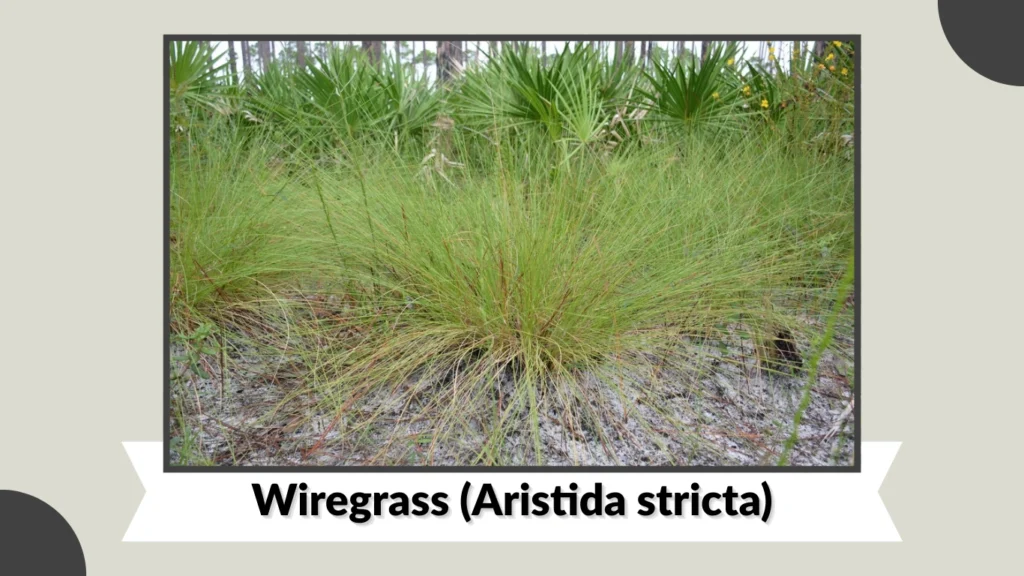
Wiregrass is one of the most important and natural food sources for gopher tortoises. It makes up a large portion of their wild diet and supports their overall health and normal grazing behavior.
Health Benefits
- High fiber supports healthy digestion
- Promotes proper gut movement
- Helps maintain healthy body weight
- Mimics natural wild diet
How to Feed
Gopher tortoises graze on wiregrass naturally in the wild. For habitat support, maintaining native wiregrass in their environment is ideal rather than offering it as cut food.
Feeding Tips
Healthy wiregrass grows best in open, sunny areas with native soil. Avoid disturbing wild gopher tortoises—never feed or handle them, as they are a protected species.
2. Prickly Pear Cactus Pads (Opuntia)
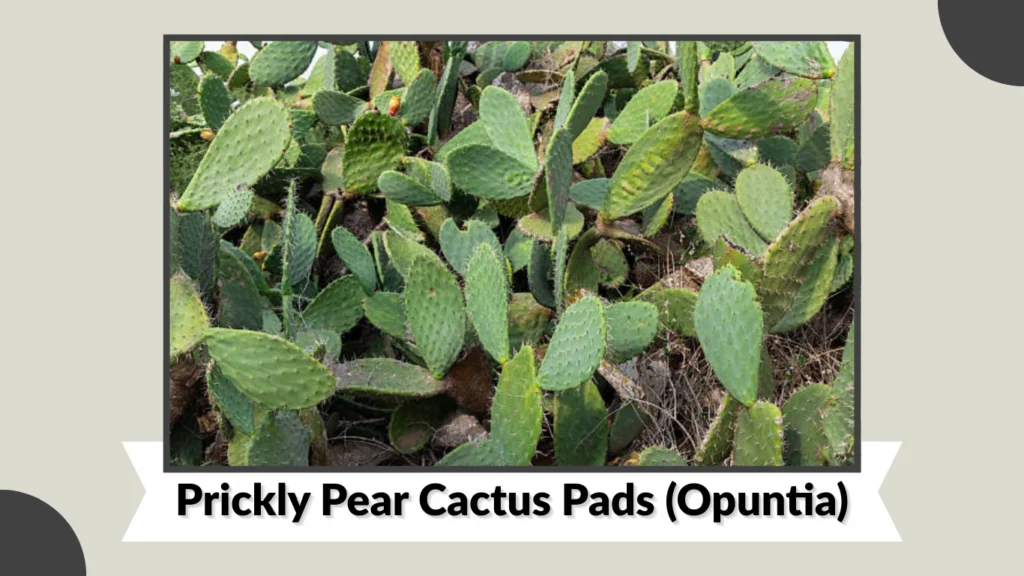
Prickly pear cactus pads are a valuable natural food for gopher tortoises, especially in dry habitats. They provide both nutrition and moisture.
Health Benefits
- High calcium supports shell strength
- Provides natural hydration
- Aids digestion with good fiber
- Helps tortoises during dry seasons
How to Feed
Gopher tortoises eat cactus pads naturally in the wild. Pads should not be offered by hand—this plant is best supported by preserving native habitat.
Feeding Tips
Ensure spines remain part of the natural plant in the wild. Never alter plants or habitats used by wild gopher tortoises.
3. Frogfruit (Phyla nodiflora)
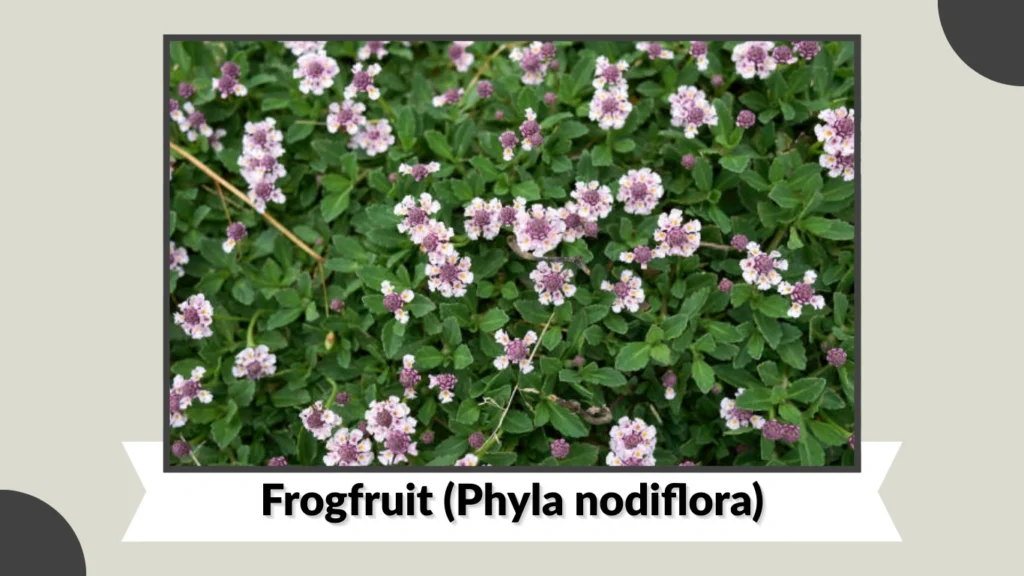
Frogfruit is a low-growing native plant commonly eaten by gopher tortoises. It spreads easily and is an excellent forage option in natural environments.
Health Benefits
- Supports digestive health
- Provides essential nutrients
- Encourages natural grazing behavior
- Safe and non-toxic
How to Feed
Frogfruit is naturally grazed by gopher tortoises in the wild. It is best included as part of native ground cover in protected habitats.
Feeding Tips
Promote frogfruit growth in native landscapes. Do not collect or feed wild tortoises—observe only, as they are federally protected.
4. Gopher Apple (Geobalanus oblongifolius)
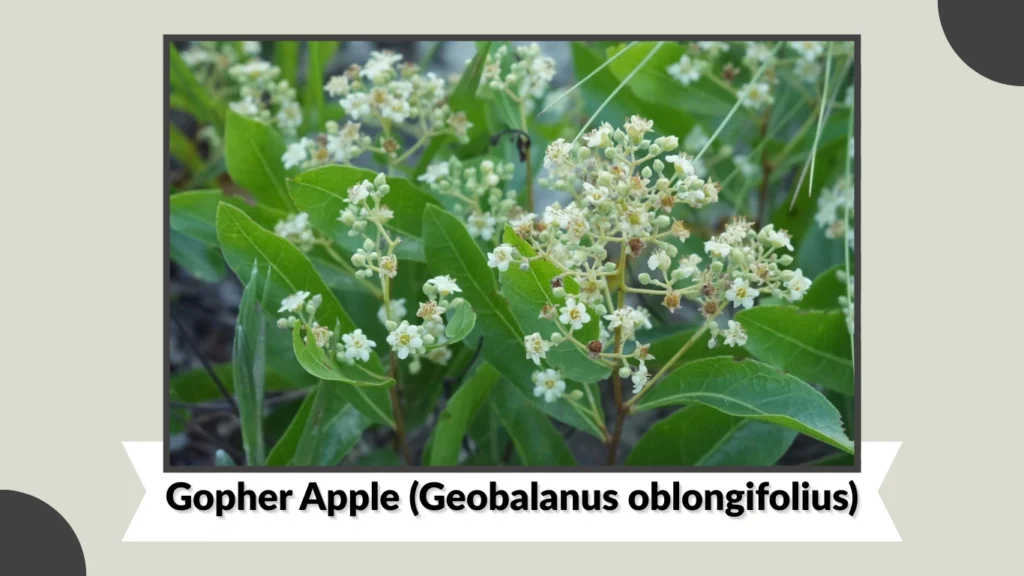
Gopher apple is a native groundcover plant and a favorite food of gopher tortoises. It is well adapted to sandy soils and supports natural foraging behavior.
Health Benefits
- Provides natural fiber for digestion
- Supplies essential nutrients
- Supports energy and overall health
- Matches native diet closely
How to Feed
Gopher tortoises consume gopher apple naturally in the wild. The plant should be preserved and encouraged in native habitats rather than harvested.
Feeding Tips
Plant gopher apple in restoration areas to support gopher tortoise populations. Never feed or disturb wild tortoises.
5. Dandelion Greens (Taraxacum officinale)
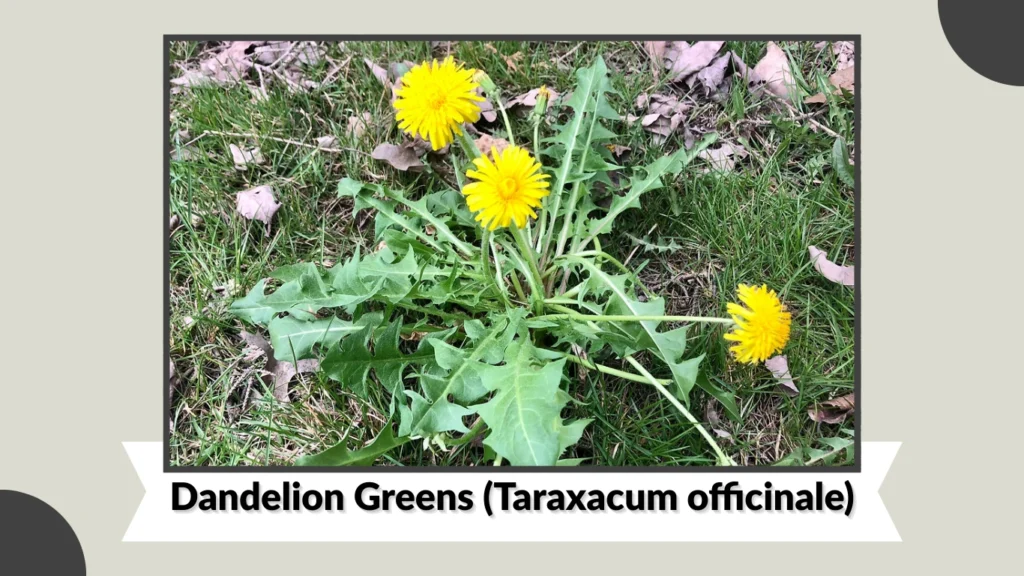
Dandelion greens are a nutritious plant that gopher tortoises eat when available. They provide important minerals and vitamins.
Health Benefits
- Rich in calcium for shell strength
- Supports digestion
- Provides vitamins A and K
- Helps maintain healthy metabolism
How to Feed
Wild gopher tortoises forage on dandelions naturally. Human feeding is not recommended.
Feeding Tips
Protect natural foraging areas and avoid introducing non-native plants. Gopher tortoises should only eat plants found naturally in their habitat.
6. Broadleaf Plantain (Plantago major)
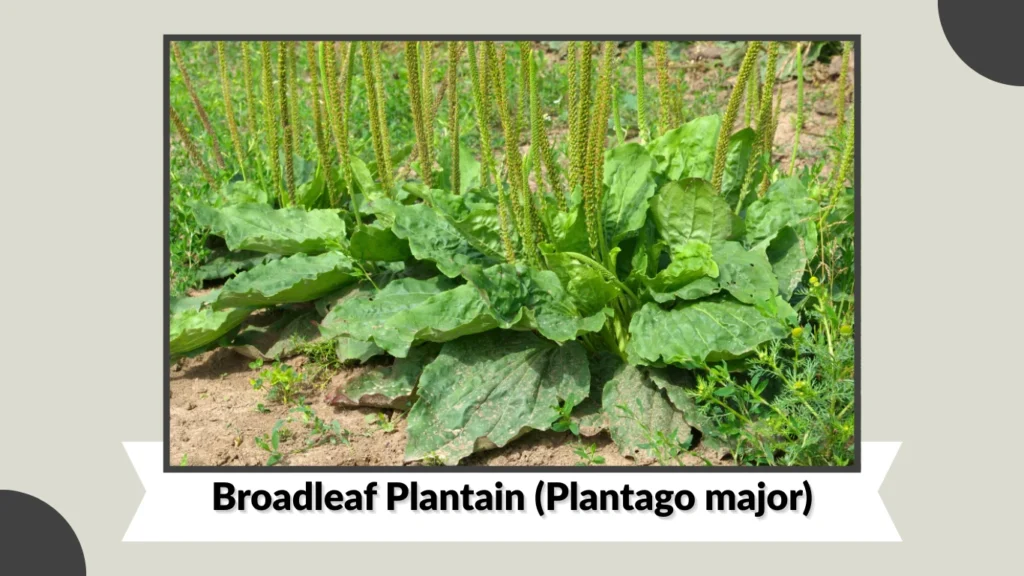
Broadleaf plantain is a common native weed that gopher tortoises readily consume. It grows low to the ground and fits well into their natural grazing pattern.
Health Benefits
- High fiber aids digestion
- Good calcium content supports shell health
- Helps maintain gut balance
- Supports natural foraging behavior
How to Feed
Gopher tortoises eat broadleaf plantain naturally in the wild. It should not be hand-fed or transplanted from wild areas.
Feeding Tips
Encourage native plant growth in conservation lands. Avoid mowing or disturbing areas where plantain grows near burrows.
7. Native Legumes
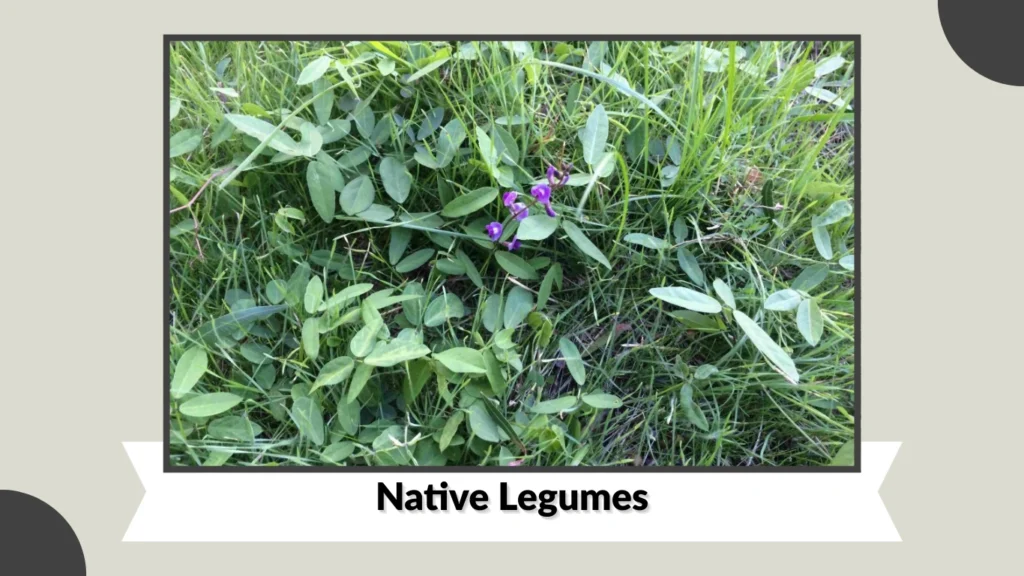
Native legumes, such as wild beans and peas, are an important seasonal food source for gopher tortoises. They provide added nutrition during growth periods.
Health Benefits
- Provides plant-based protein
- Supports muscle and tissue health
- Supplies essential nutrients
- Aids overall growth and energy
How to Feed
These plants are naturally browsed in the wild. Feeding by humans is discouraged to avoid altering natural behavior.
Feeding Tips
Preserve native legume species in longleaf pine ecosystems to support a healthy gopher tortoise diet.
8. Blackberry Leaves (Rubus spp.)
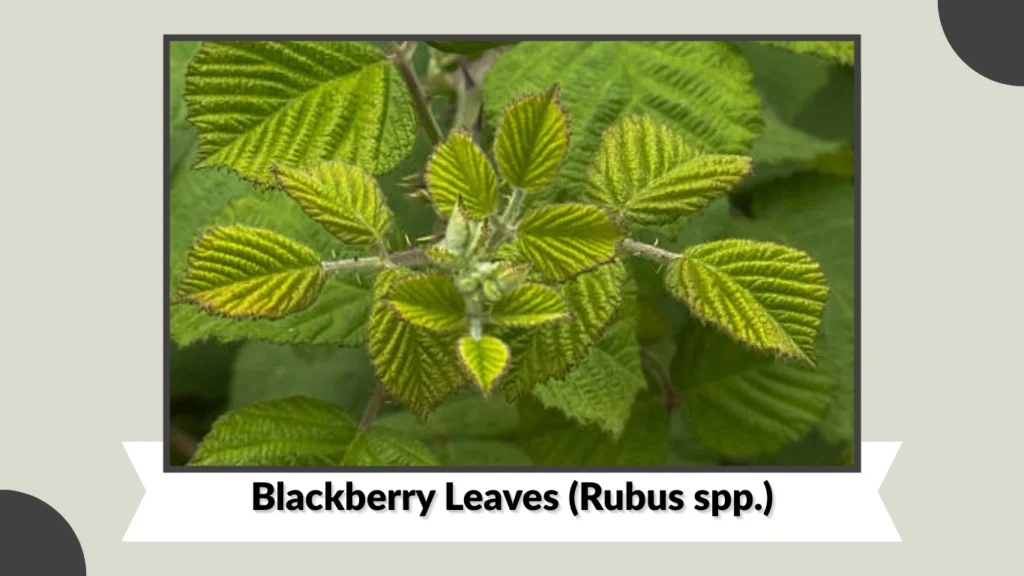
Blackberry leaves are a natural browse plant for gopher tortoises. They are fibrous and provide useful nutrients when available in their habitat.
Health Benefits
- Good fiber supports digestion
- Provides essential minerals
- Supports gut health
- Safe for natural grazing
How to Feed
Gopher tortoises consume blackberry leaves naturally in the wild. These plants should remain undisturbed in native habitats.
Feeding Tips
Allow native bramble growth in conservation areas. Avoid clearing vegetation near active burrows.
9. Opuntia Cactus Fruit
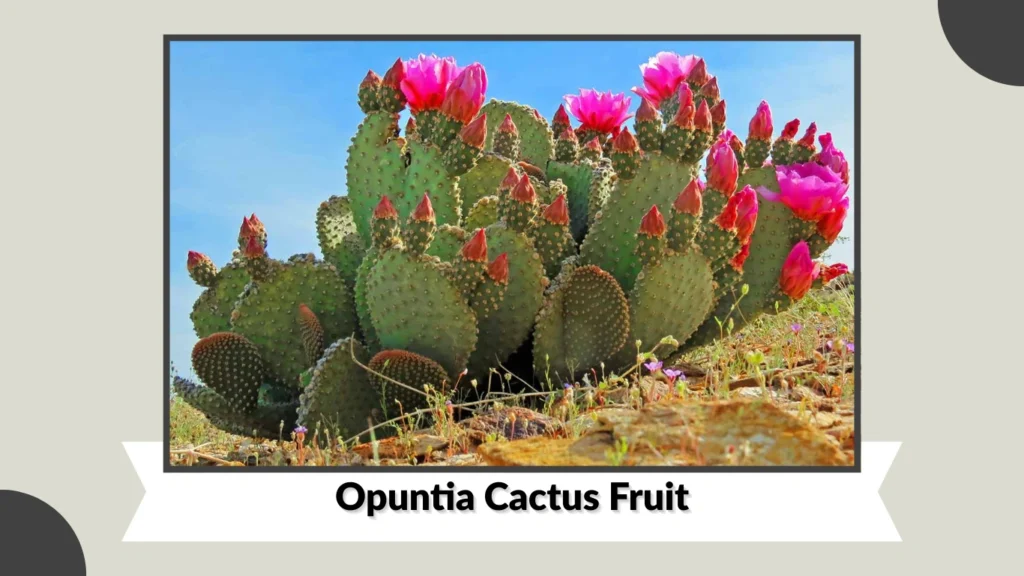
The fruit of the prickly pear cactus is eaten seasonally by gopher tortoises. It provides extra energy and moisture.
Health Benefits
- Provides natural sugars for energy
- Adds hydration
- Contains vitamins and minerals
- Supports seasonal nutrition
How to Feed
Gopher tortoises eat cactus fruit naturally when it falls from the plant. Human feeding is not appropriate.
Feeding Tips
Protect cactus populations in native habitats. Never place fruit near burrows, as feeding wildlife is illegal in many regions.
10. Tickseed Sunflower (Helianthus spp.)
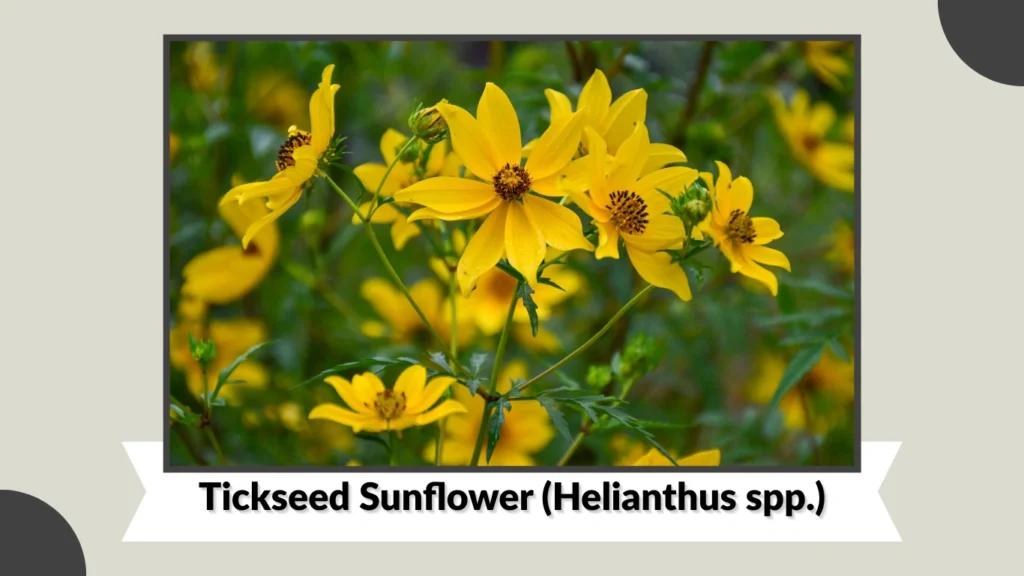
Tickseed sunflower is a native flowering plant that gopher tortoises graze on, especially the leaves and young growth. It also supports overall ecosystem health.
Health Benefits
- Provides fiber for digestion
- Supplies essential nutrients
- Supports healthy growth
- Encourages natural foraging
How to Feed
This plant is eaten naturally in the wild. Conservation of native wildflowers is the best way to support gopher tortoises.
Feeding Tips
Promote native sunflower species in longleaf pine habitats. Avoid landscaping that removes native flowering plants.
11. Goatweed (Croton spp.)
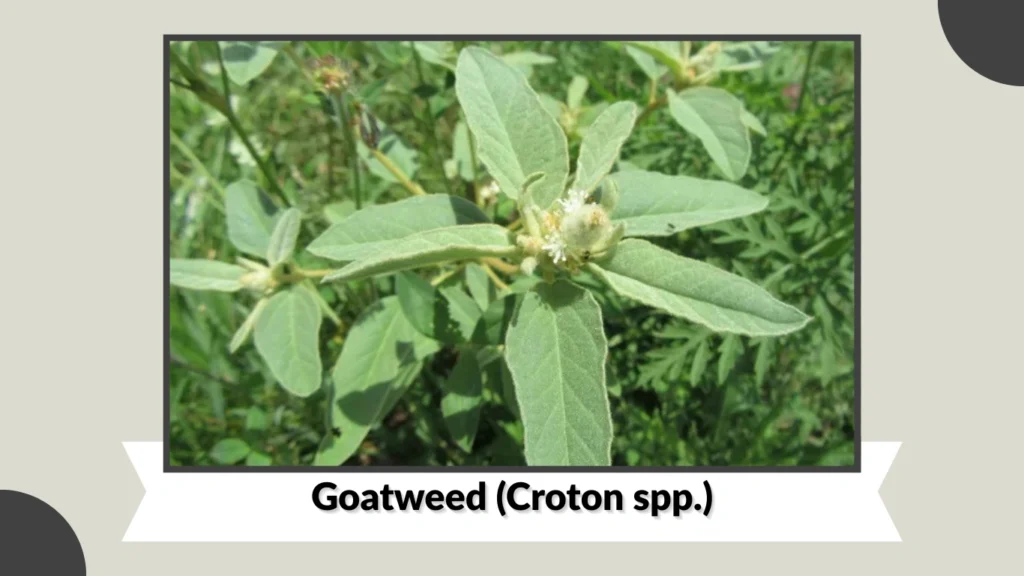
Goatweed is a common native plant in gopher tortoise habitats and is frequently consumed during grazing.
Health Benefits
- Supports digestive health
- Provides natural nutrients
- Safe, non-toxic forage
- Contributes to diet variety
How to Feed
Gopher tortoises browse goatweed naturally. It should not be harvested or fed by humans.
Feeding Tips
Maintain open, sandy habitats where goatweed thrives. Do not disturb burrows or nearby vegetation.
12. Blue-Eyed Grass (Sisyrinchium spp.)
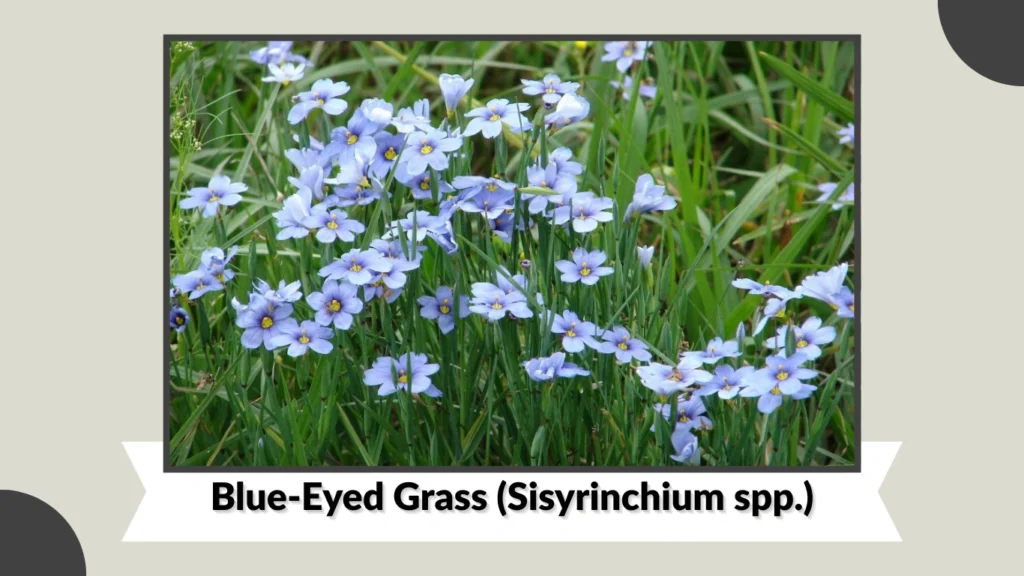
Blue-eyed grass is a small native plant that gopher tortoises graze on, especially during its active growing season. It fits well into their natural low-growing forage diet.
Health Benefits
- Provides fiber for digestion
- Supplies essential minerals
- Supports gut health
- Encourages natural grazing
How to Feed
This plant is consumed naturally in the wild. It should be left undisturbed in native habitats rather than collected.
Feeding Tips
Protect open groundcover where blue-eyed grass grows. Avoid mowing or land disturbance near burrows.
13. Sea Oxeye Daisy (Borrichia frutescens)
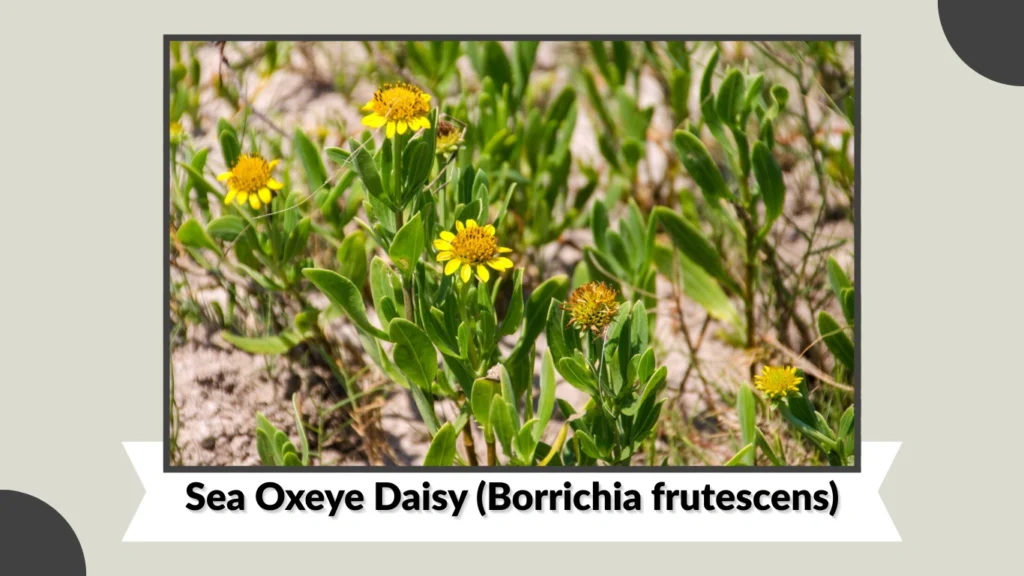
Sea oxeye daisy is a coastal native plant eaten by gopher tortoises living in or near coastal habitats.
Health Benefits
- Supports digestion
- Provides natural nutrients
- Safe native forage
- Adds seasonal variety
How to Feed
Gopher tortoises eat this plant naturally in coastal ecosystems. Human feeding is not appropriate.
Feeding Tips
Preserve native coastal vegetation. Do not transplant or remove plants from protected areas.
14. Wild Peas (Vigna spp.)
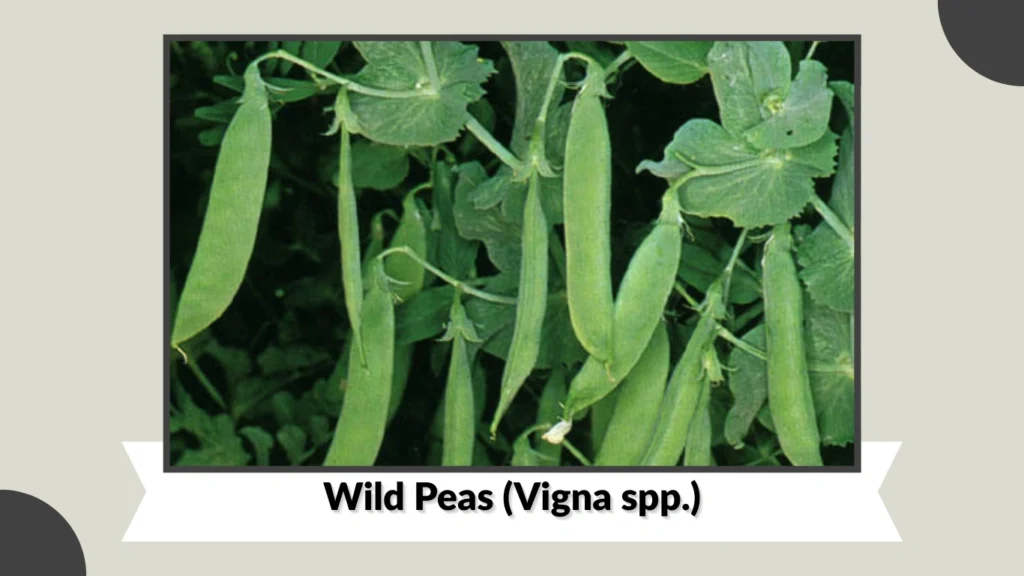
Wild peas are native legumes that gopher tortoises eat seasonally, especially when the plants are young and tender. They add nutritional variety to the natural diet.
Health Benefits
- Provides plant-based protein
- Supports muscle and tissue development
- Supplies essential nutrients
- Boosts energy during growth periods
How to Feed
Wild peas are foraged naturally in the wild. They should not be offered directly by humans.
Feeding Tips
Encourage native legume growth in protected habitats. Never feed wild gopher tortoises, as it can disrupt natural behavior.
15. Native Grasses
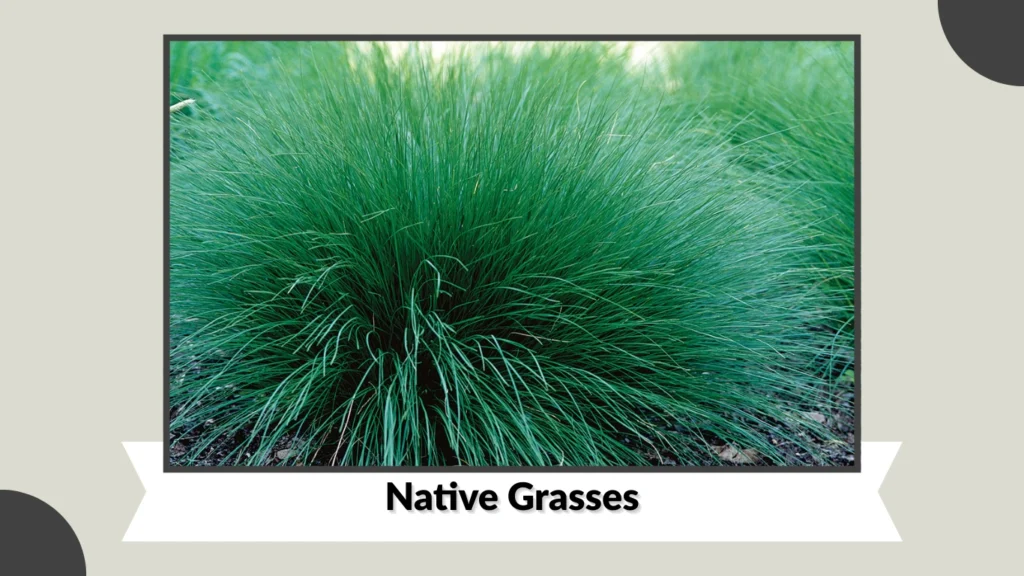
Native grasses form the foundation of a gopher tortoise’s diet. They provide constant access to fibrous plant material needed for digestion and overall health.
Health Benefits
- High fiber supports healthy digestion
- Maintains proper gut movement
- Helps prevent obesity
- Closely matches natural diet
How to Feed
Gopher tortoises graze freely on native grasses in the wild. Habitat preservation is essential.
Feeding Tips
Maintain open, grassy areas in longleaf pine ecosystems. Avoid removing native grasses near tortoise burrows.