
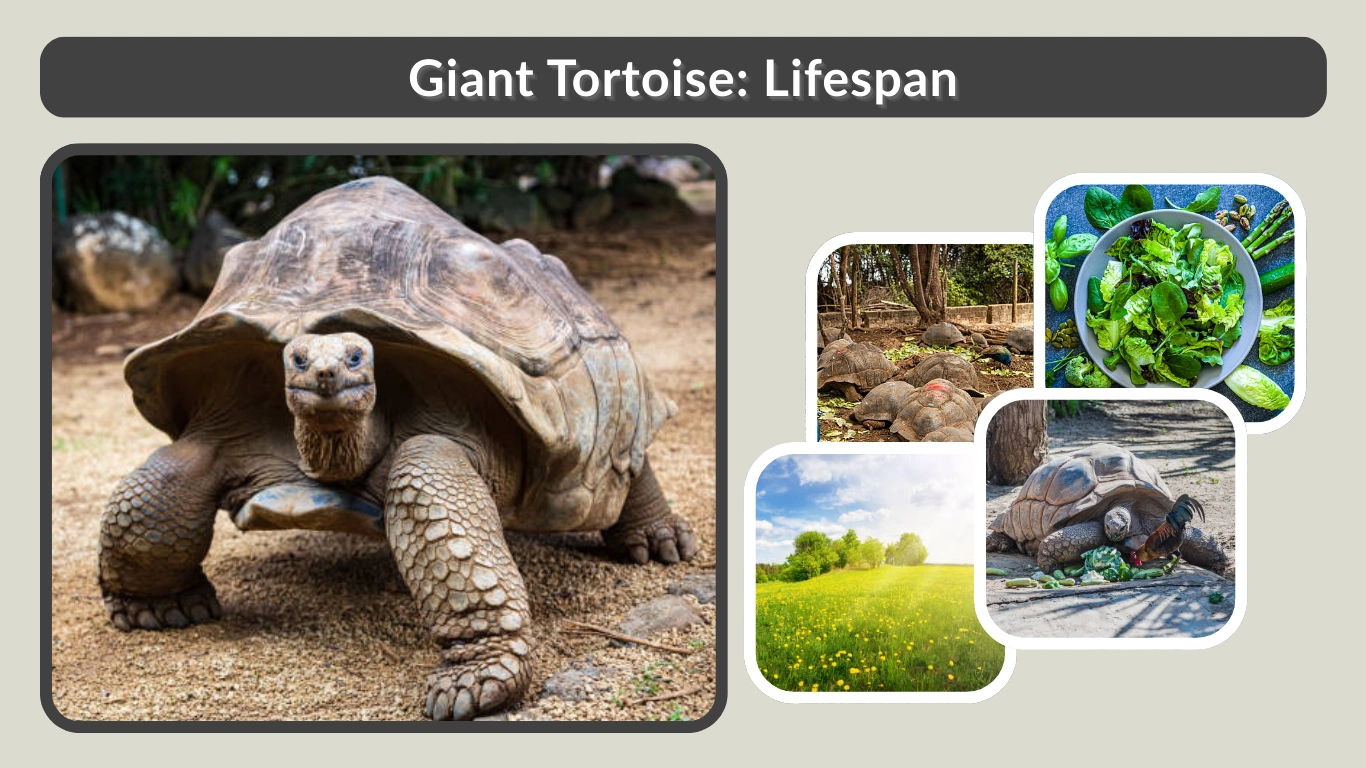
Giant tortoises are among the most remarkable reptiles on Earth, known for their massive size, calm nature, and extraordinary lifespan. These slow-moving animals have fascinated scientists, explorers, and wildlife enthusiasts for centuries, often symbolizing longevity and resilience. Native mainly to isolated island ecosystems, giant tortoises have evolved unique physical and behavioral traits that allow them to survive in harsh environments with limited resources. From their domed shells to their ability to live for more than a century, giant tortoises are truly living relics of the natural world. This article explores what makes giant tortoises unique, including their species, physical characteristics, habitats, size, and the reasons behind their incredible longevity.
What Is a Giant Tortoise?
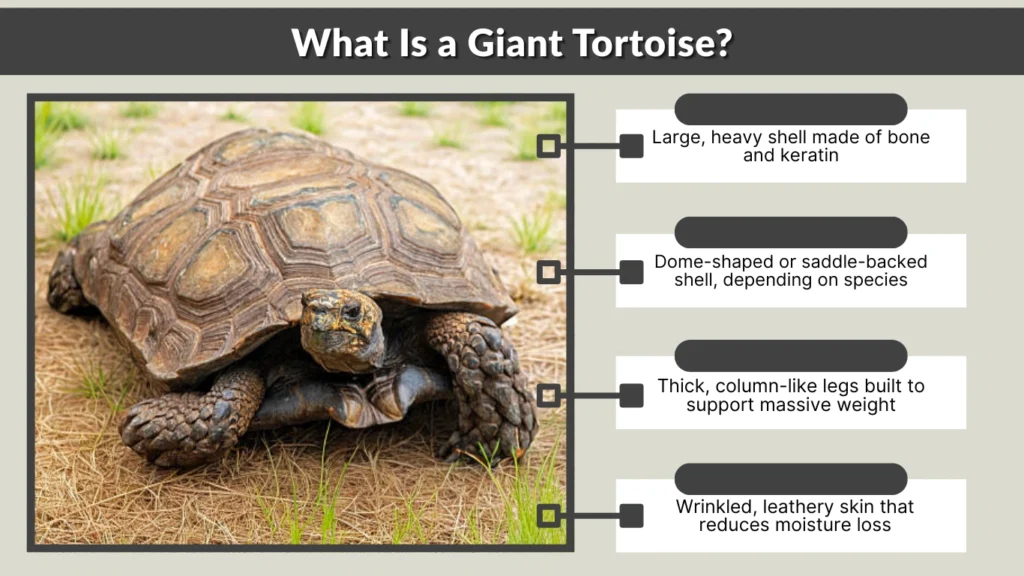
A giant tortoise is a large, land-dwelling reptile belonging to the family Testudinidae. Unlike smaller tortoise species found across continents, giant tortoises are defined by their exceptional size, slow metabolism, and long lifespan. Not every large tortoise qualifies as a giant tortoise; the term is generally reserved for species that can weigh over 200 kilograms and grow more than four feet in length.
Giant tortoises are cold-blooded animals, meaning their body temperature depends on their environment. This trait, combined with their slow metabolism, allows them to conserve energy efficiently. They are strictly herbivorous and spend most of their lives grazing, resting, and slowly moving across their habitats. Their evolutionary history dates back millions of years, making them one of the oldest surviving reptile groups on the planet.
Key Physical Characteristics
- Large, heavy shell made of bone and keratin
- Dome-shaped or saddle-backed shell, depending on species
- Thick, column-like legs built to support massive weight
- Wrinkled, leathery skin that reduces moisture loss
- Long neck for reaching ground or elevated vegetation
- Slow metabolism that conserves energy and water
Giant Tortoise Species
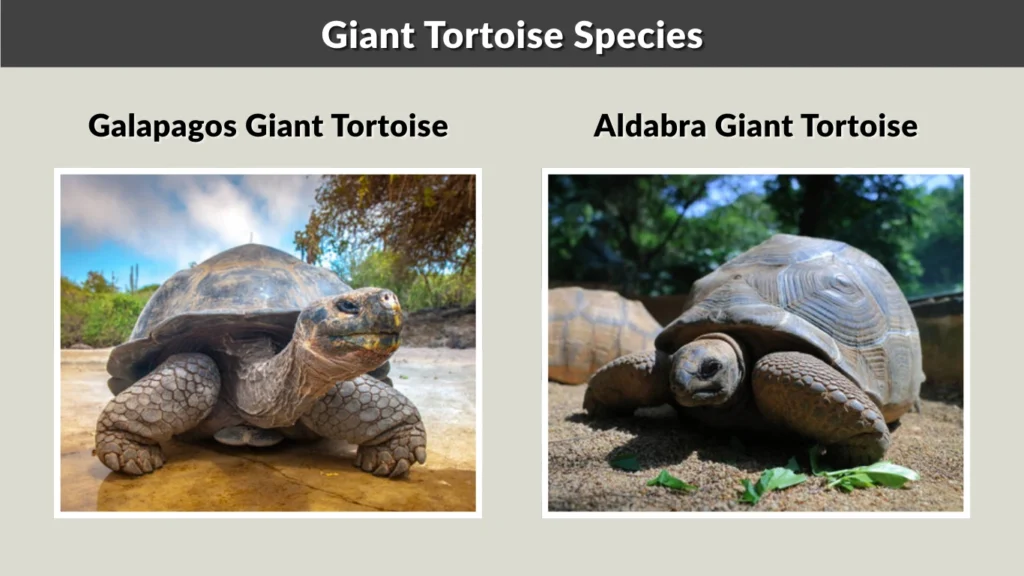
Today, only two main groups of giant tortoises survive, although many species once existed across different parts of the world. These living species are confined mainly to remote islands, where they evolved without major predators.
Galapagos Giant Tortoise
The Galapagos giant tortoise is perhaps the most famous giant tortoise species. It is native to the Galapagos Islands, located in the Pacific Ocean off the coast of Ecuador. Rather than being a single species, Galapagos giant tortoises consist of several subspecies, each adapted to the specific conditions of its island.
These tortoises vary in shell shape, size, and neck length depending on food availability. Tortoises living on islands with abundant ground vegetation typically have dome-shaped shells, while those on drier islands often have saddle-backed shells that help them reach higher plants. Galapagos giant tortoises can live well over 100 years and have played a crucial role in shaping the ecosystems of the islands.
Aldabra Giant Tortoise
The Aldabra giant tortoise is found primarily on Aldabra Atoll in the Indian Ocean. It is one of the largest tortoise species in the world and closely rivals the Galapagos tortoise in size and weight. Aldabra giant tortoises inhabit grasslands, mangroves, and scrub forests, where they graze on grasses and leaves.
This species has survived largely due to the isolation of its habitat, which protected it from extensive human exploitation. Aldabra giant tortoises are known for their social behavior and are often seen grazing in groups, especially during cooler parts of the day.
Extinct Giant Tortoise Species
In the past, giant tortoises were found on many islands and continents, including parts of the Caribbean and the Indian Ocean. Unfortunately, many of these species became extinct due to overhunting, habitat destruction, and the introduction of invasive animals by humans. These extinctions highlight how vulnerable giant tortoises are to environmental changes, especially when human activity is involved.
Natural Habitat and Distribution
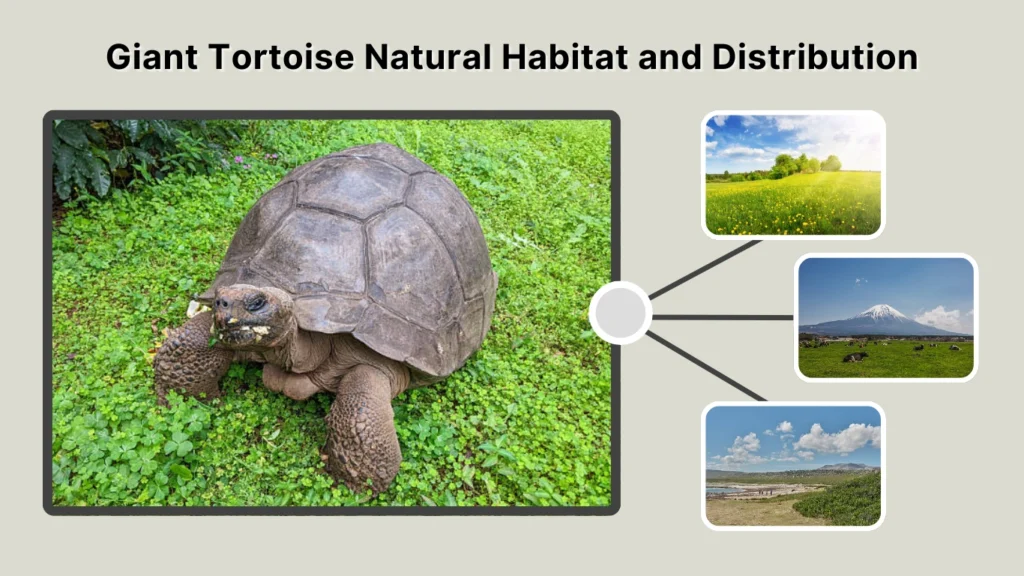
Giant tortoises are primarily found in isolated island environments with warm climates. These habitats typically include dry grasslands, volcanic plains, and coastal scrub areas. The absence of large predators allowed giant tortoises to evolve slowly, grow large, and develop long lifespans. Island ecosystems also provided abundant vegetation, which supports their herbivorous diet.
Why Islands Are Ideal Habitats
Islands offer a unique balance of limited threats and stable food sources. With few natural predators, giant tortoises did not need to develop aggressive defenses or fast movement. Over time, this led to their calm behavior, slow pace, and energy-efficient lifestyle, all of which contribute to their longevity.
Giant Tortoise Size and Weight
Giant tortoises are the largest living tortoises in the world, and their size is one of their most defining features. Adult giant tortoises typically measure between four and five feet in length, with some individuals growing even larger under ideal conditions. Their weight can range from 200 to over 400 kilograms, depending on the species, age, and sex.
Male giant tortoises are usually larger and heavier than females, a difference known as sexual dimorphism. Their large body mass helps them retain water and energy, allowing them to survive long periods without food or drinking. When compared to smaller tortoise species, which may weigh only a few kilograms, the sheer scale of giant tortoises highlights their unique evolutionary path.
Giant Tortoise Lifespan
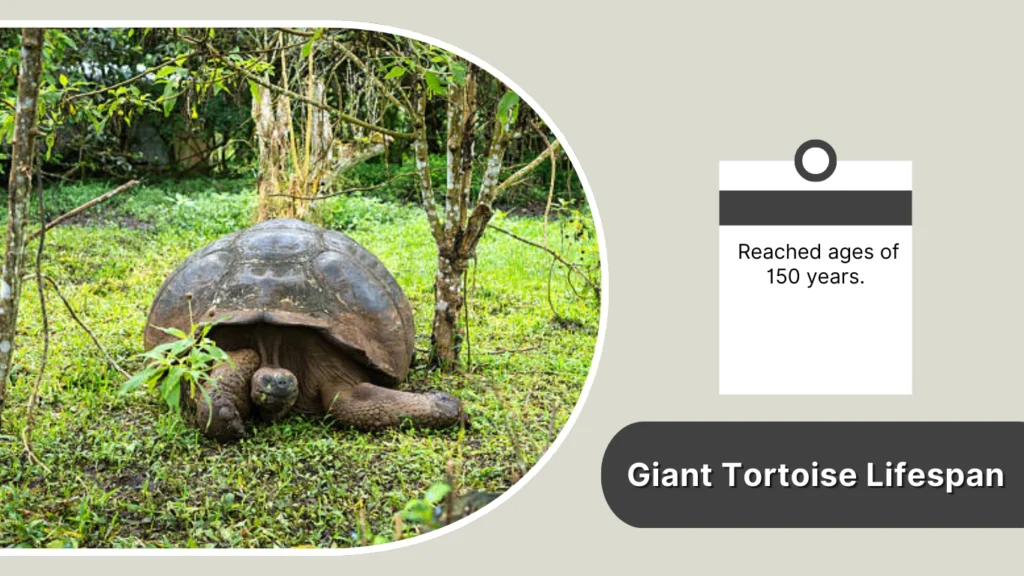
One of the most fascinating aspects of giant tortoises is their extraordinary lifespan. These reptiles are among the longest-living vertebrates on Earth, with many individuals living well beyond 100 years. Some documented giant tortoises have reportedly reached ages of 150 years or more, making them living symbols of longevity.
In the wild, giant tortoises benefit from a stable environment, a slow metabolism, and minimal predation, all of which contribute to their long lives. Even in captivity, where conditions are carefully managed, they often live for several decades and sometimes surpass the lifespans of their wild counterparts.
Why Do Giant Tortoises Live So Long?
Several biological factors contribute to the impressive longevity of giant tortoises. Their slow metabolism reduces cellular damage over time, while their low-stress lifestyle minimizes the physical strain experienced by many other animals. Additionally, their herbivorous diet, which is high in fiber and low in fat, supports long-term health. These factors combined allow giant tortoises to age slowly and remain active for many decades.
Diet and Feeding Habits
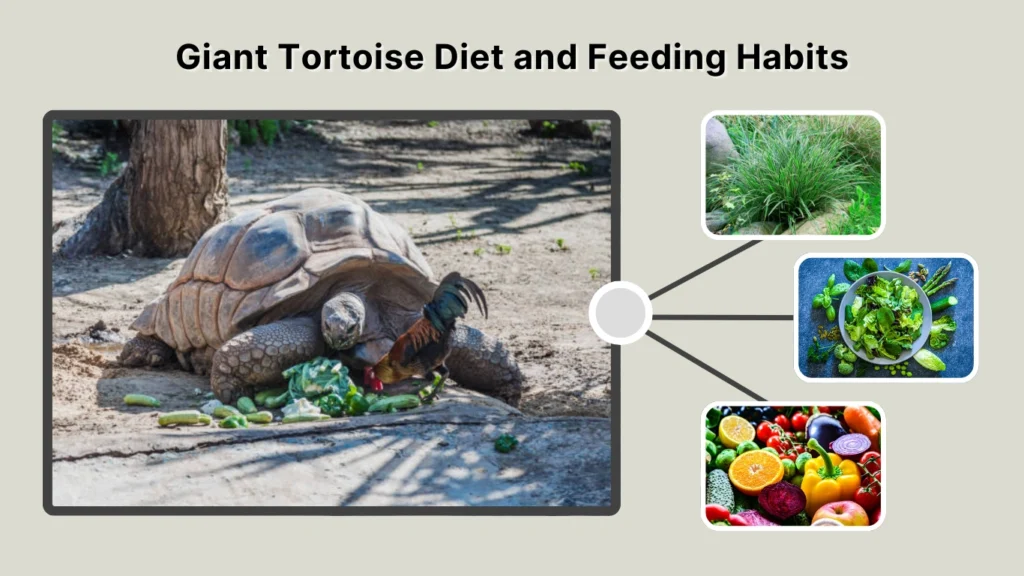
Giant tortoises are strictly herbivorous, feeding on a wide variety of plant matter. Their diet mainly consists of grasses, leaves, shrubs, cactus pads, fruits, and fallen vegetation. In the wild, they spend much of their day grazing and slowly moving between feeding areas.
Their strong jaws and beak-like mouths allow them to tear through tough plant material. Because food availability can vary seasonally, giant tortoises are highly adaptable feeders. They can switch between different plant types depending on what is available in their environment.
How Giant Tortoises Survive Food Shortages
Giant tortoises are well adapted to survive periods of scarcity. They can store large amounts of water in their bodies and rely on fat reserves for energy. In extreme conditions, they may go for months without eating, a survival strategy that has allowed them to endure droughts and environmental changes on isolated islands.
Behavior and Daily Life
Despite their massive size, giant tortoises are gentle and generally non-aggressive animals. They follow simple daily routines that include feeding, basking in the sun, resting, and slowly traveling between food and water sources. During the hottest parts of the day, they often seek shade or wallow in mud to regulate their body temperature.
Giant tortoises are not highly social, but they do tolerate the presence of others and may gather in groups where food is abundant. Mating usually occurs during specific seasons, and females travel long distances to find suitable nesting sites where they lay their eggs.
Are Giant Tortoises Endangered?
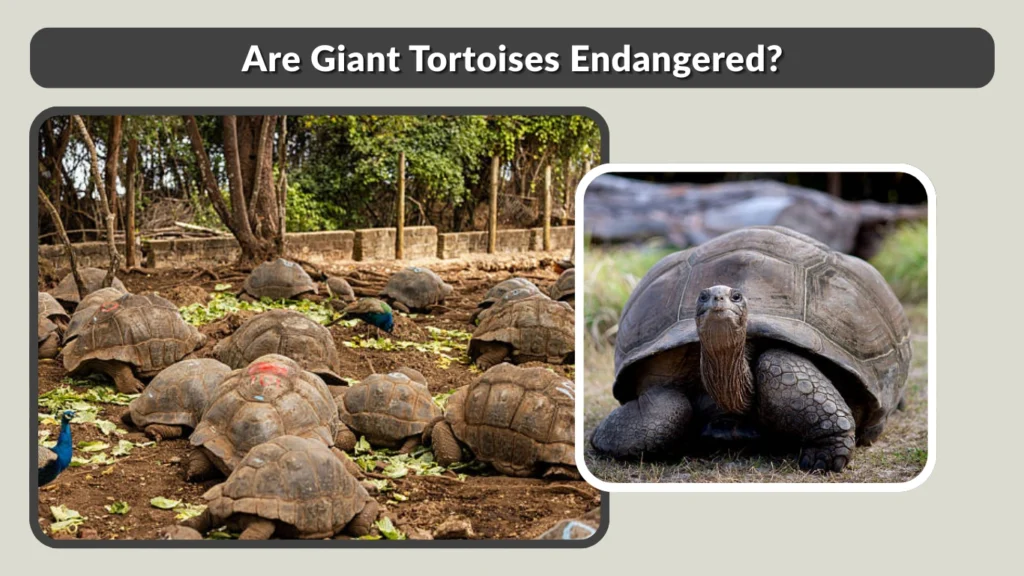
Many giant tortoise populations are currently considered vulnerable or endangered. Human activities have had a significant impact on their numbers, particularly during historical periods when sailors hunted them for food. Habitat loss and the introduction of invasive species such as rats, goats, and pigs have further threatened their survival.
Human Impact on Giant Tortoises
Invasive animals often destroy vegetation or prey on tortoise eggs and hatchlings, preventing populations from recovering naturally. Human settlement and tourism can also disrupt nesting sites and natural habitats. These pressures make conservation efforts essential for the survival of remaining giant tortoise species.
Conservation and Protection Efforts
Conservation programs have played a critical role in protecting giant tortoises from extinction. Breeding and reintroduction programs, particularly in the Galapagos Islands, have successfully increased population numbers. Conservation organizations work to restore habitats, control invasive species, and monitor tortoise health.
Zoos and wildlife reserves also contribute by raising awareness and supporting research. These combined efforts have shown that with proper protection and management, giant tortoise populations can recover and thrive once again.
Interesting Facts About Giant Tortoises
Giant tortoises can survive for long periods without food or water, thanks to their slow metabolism. Some individuals can recognize their human caretakers and respond to familiar voices. Because of their long lives, they are often seen as symbols of patience, endurance, and wisdom across many cultures.
Conclusion
Giant tortoises are extraordinary animals that represent both the resilience and fragility of nature. Their immense size, long lifespan, and calm behavior make them unique among reptiles. However, their survival depends heavily on continued conservation efforts. By protecting their habitats and managing human impact, we can ensure that these ancient creatures continue to roam the Earth for generations to come.
FAQs
What is the average lifespan of a giant tortoise?
Giant tortoises commonly live over 100 years, with many individuals reaching 120 to 150 years under natural or protected conditions.
Where do giant tortoises live in the wild?
They are mainly found on remote islands such as the Galapagos Islands and Aldabra Atoll, where warm climates and limited predators support their survival.
What do giant tortoises eat?
Giant tortoises are herbivores and feed on grasses, leaves, cactus pads, fruits, and other plant materials available in their habitat.
Are giant tortoises endangered?
Some giant tortoise species are endangered or vulnerable due to habitat loss, invasive species, and historical overhunting, though conservation efforts are improving their numbers.
Why are giant tortoises so slow?
Their slow movement is linked to a low metabolism, which helps them conserve energy and contributes to their exceptionally long lifespan.