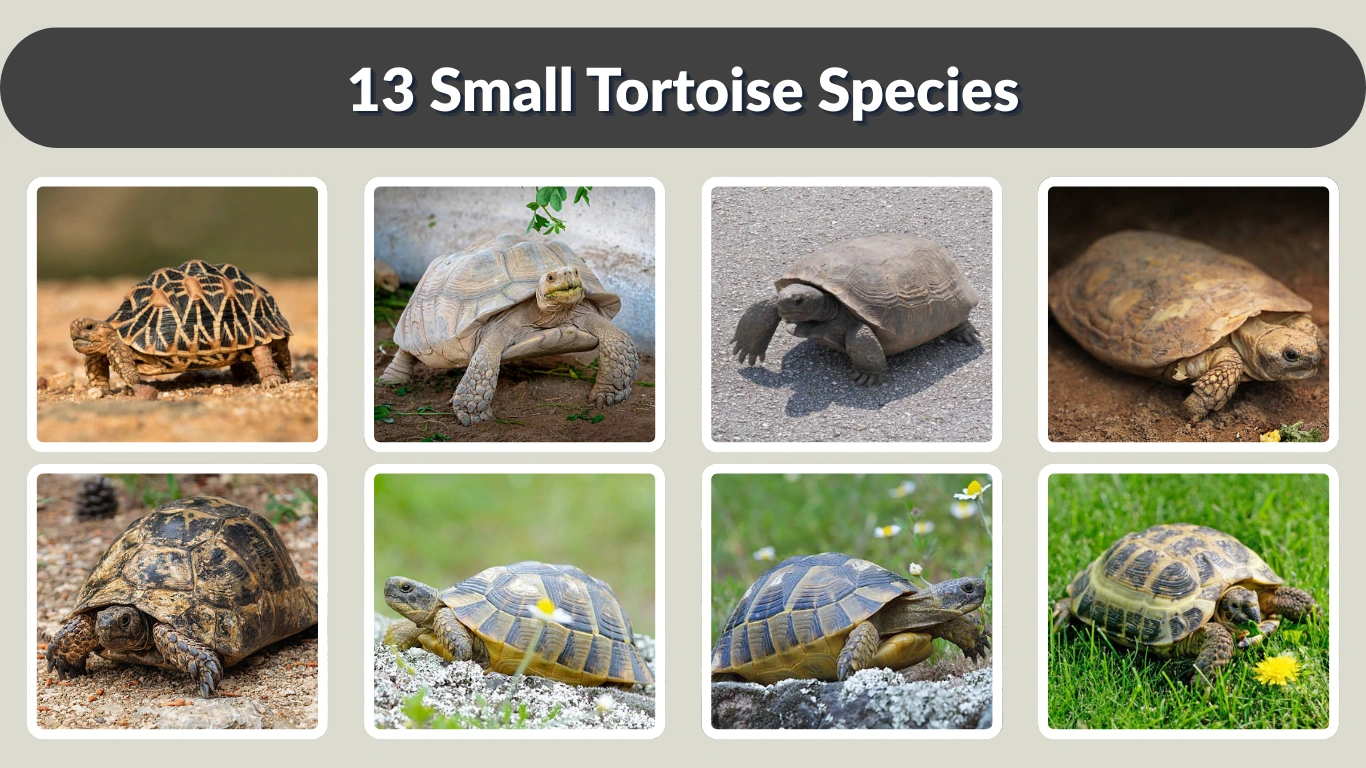
Small tortoises are fascinating reptiles known for their compact size, hardy nature, and long lifespans. Found across different parts of the world, these species adapt well to dry, semi-arid, and grassland environments. Their unique shell patterns, behaviors, and habitats make them especially interesting to learn about. In this guide, you’ll discover 13 small tortoise species, each with distinct characteristics that set them apart in the tortoise world.
1. Russian Tortoise
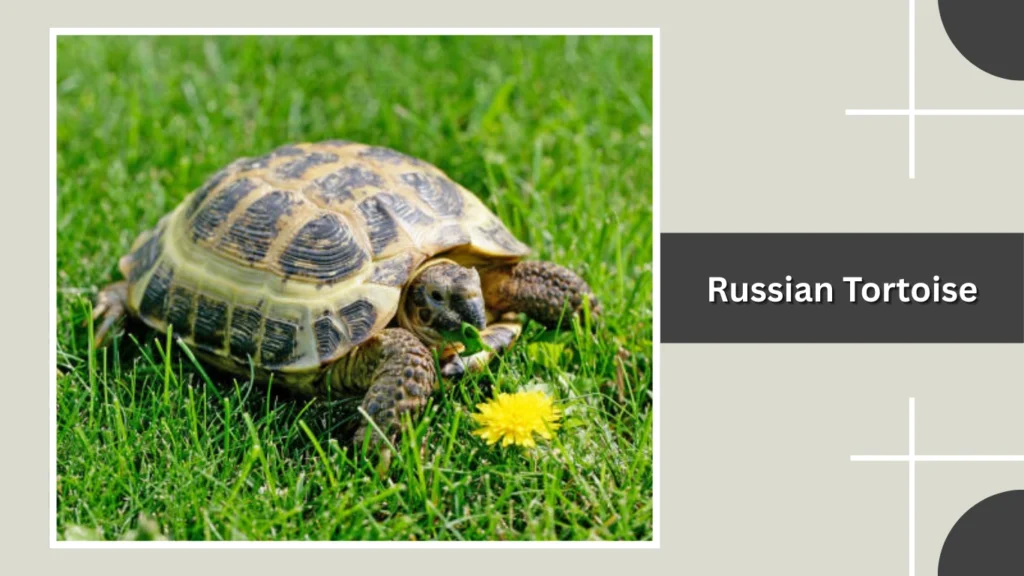
The Russian Tortoise (Testudo horsfieldii) is a small, hardy tortoise native to Central Asia. It is well known for its compact size, calm nature, and ability to adapt to dry, harsh environments, which makes it one of the most popular small tortoises in captivity.
Identification
- Small, rounded shell with olive to brown coloring
- Dark blotches on each scute
- Short, sturdy legs with strong claws
- Typically grows 6–8 inches in length
Habitat
Russian Tortoises naturally live in dry steppes, deserts, and rocky hillsides. They dig deep burrows to escape extreme heat in summer and cold temperatures in winter.
Diet
They are strict herbivores, feeding mainly on grasses, weeds, and leafy greens. A high-fiber, low-protein diet is essential for their healthy growth.
Behavior
Russian Tortoises are active and curious, especially during cooler parts of the day. They are known for digging, exploring, and having a strong survival instinct.
2. Greek Tortoise
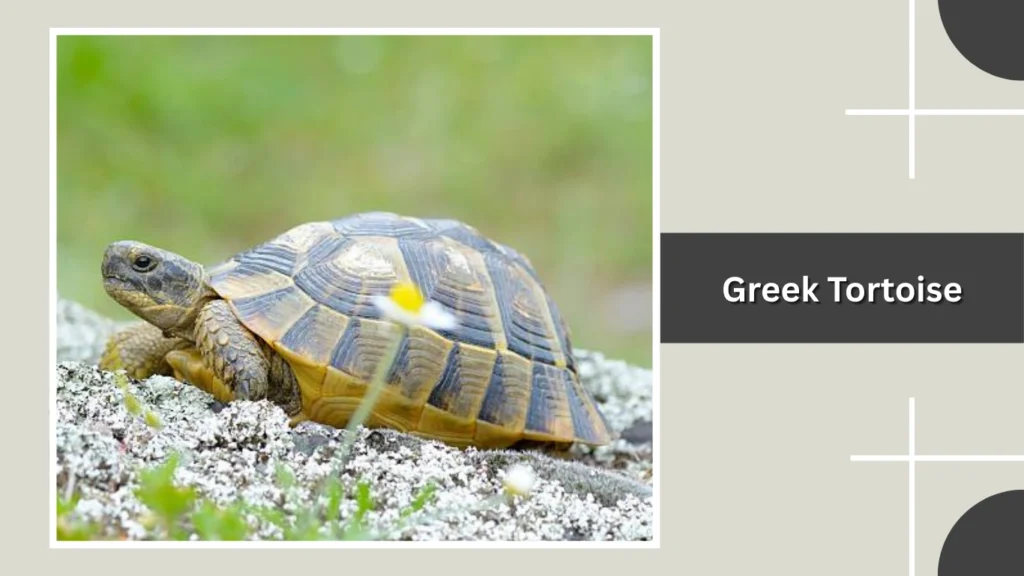
The Greek Tortoise (Testudo graeca) is a small to medium-sized tortoise widely distributed across Southern Europe, North Africa, and parts of the Middle East. It is admired for its domed shell, long lifespan, and relatively calm temperament. Due to its adaptability, it is one of the most recognized tortoise species in the world.
Identification
- Highly domed shell with yellow and dark brown patterns
- Shell coloration varies greatly by region
- Thick, sturdy legs covered with large scales
- Adults usually grow between 6–10 inches
Habitat
Greek Tortoises inhabit dry forests, scrublands, grasslands, and semi-arid regions. They prefer warm climates and often shelter under bushes or rocks to avoid extreme temperatures.
Diet
Their diet consists mainly of wild grasses, weeds, flowers, and leafy plants. They require a calcium-rich, low-protein diet to maintain proper shell and bone health.
Behavior
Greek Tortoises are generally calm but can be shy. They are most active during mornings and late afternoons and tend to rest during peak heat hours. They can live for several decades with proper care.
3. Hermann’s Tortoise
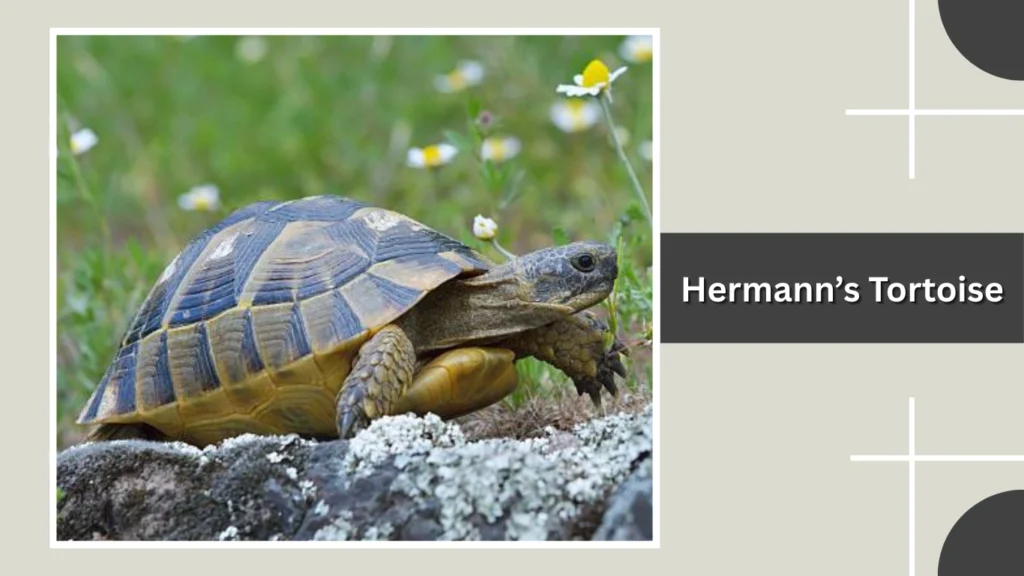
Hermann’s Tortoise (Testudo hermanni) is a small, attractive tortoise native to Southern Europe. Known for its bright shell patterns and manageable size, it is a favorite among tortoise enthusiasts and is often considered ideal for beginners.
Identification
- Bright yellow and black patterned shell
- Distinct black markings on the plastron
- Short tail with a noticeable spur at the tip
- Adults typically reach 5–8 inches
Habitat
In the wild, Hermann’s Tortoises live in Mediterranean woodlands, grassy hills, and scrubby areas. They thrive in warm, dry environments with access to sunlight and shelter.
Diet
They are herbivores, feeding on grasses, dandelion leaves, plantain, and other leafy greens. A varied, fiber-rich diet supports healthy digestion and shell development.
Behavior
Hermann’s Tortoises are active, alert, and curious. They enjoy exploring their surroundings and basking in sunlight. With proper care, they can live 50 years or more, making them a long-term companion species.
4. Egyptian Tortoise
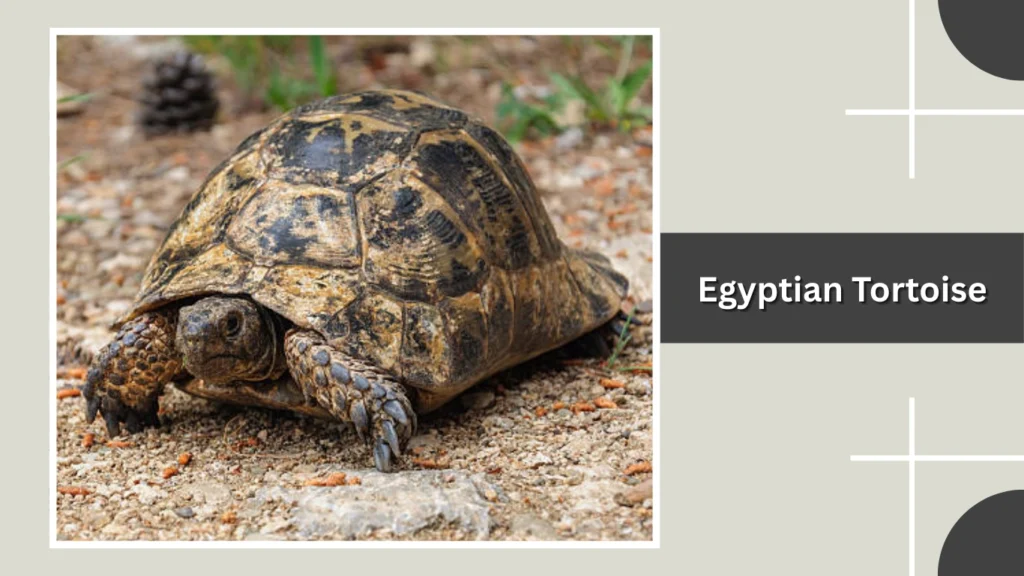
The Egyptian Tortoise (Testudo kleinmanni) is one of the smallest tortoise species in the world and is highly valued for its delicate appearance and gentle nature. Native to North Africa, this tortoise is well adapted to hot, arid environments and spends much of its life conserving energy and moisture.
Identification
- Very small, pale yellow to ivory-colored shell
- Light brown or tan markings on the scutes
- Smooth, rounded shell shape
- Adults usually grow only 4–5 inches
Habitat
Egyptian Tortoises are found in coastal deserts and semi-arid regions with sandy soil. They rely on sparse vegetation and often hide under plants or in shallow burrows to escape extreme heat.
Diet
Their natural diet includes dry grasses, weeds, and desert plants. They require a low-protein, high-fiber diet and are especially sensitive to improper feeding, which can affect shell growth.
Behavior
This species is shy, slow-moving, and mostly active during cooler hours. Egyptian Tortoises are known for their calm demeanor but are sensitive to stress and environmental changes.
5. Marginated Tortoise
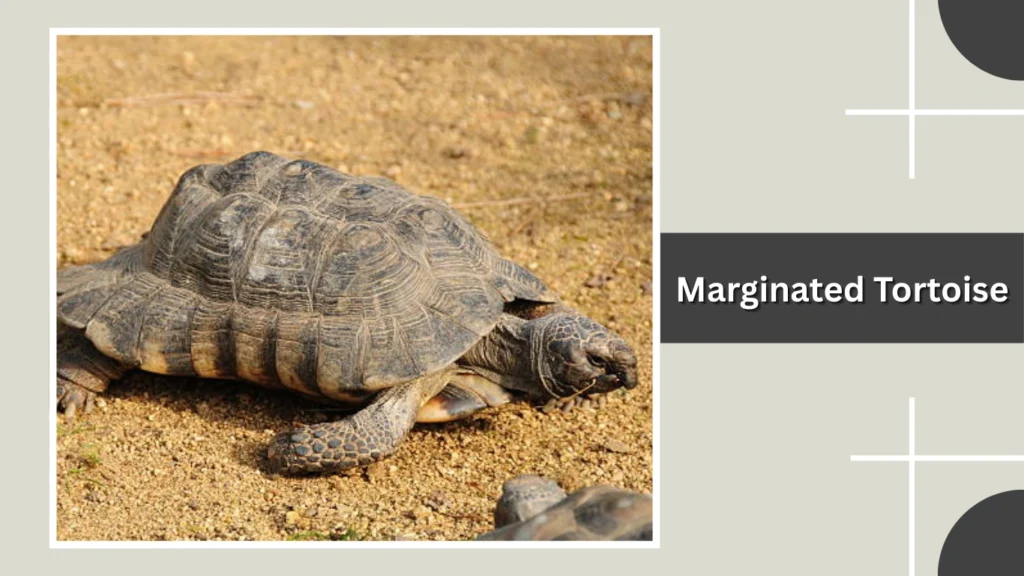
The Marginated Tortoise (Testudo marginata) is the largest species of the Testudo genus and is easily recognized by its uniquely flared shell edges. Native to Greece and parts of the Balkans, it combines striking appearance with a hardy nature.
Identification
- Dark shell with flared, skirt-like rear edges
- Pale yellow markings on the shell
- Long, strong limbs adapted for walking
- Adults can reach 10–14 inches
Habitat
Marginated Tortoises inhabit rocky hillsides, open forests, and Mediterranean scrublands. They prefer dry climates with plenty of sun and natural hiding spots.
Diet
They are herbivores that feed on grasses, leafy greens, flowers, and weeds. A varied plant-based diet supports their larger body size and long-term health.
Behavior
Marginated Tortoises are generally calm but more active than many smaller species. They enjoy roaming and basking and can live well over 70 years when properly cared for.
6. Pancake Tortoise
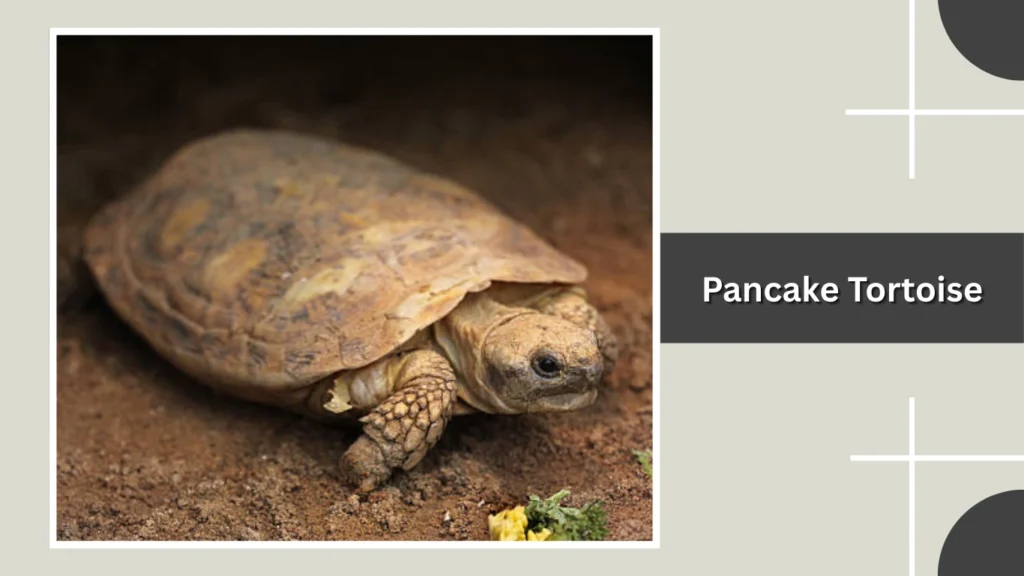
The Pancake Tortoise (Malacochersus tornieri) is one of the most unusual tortoise species due to its flat, flexible shell. Native to East Africa, this small tortoise is adapted for life among rocky outcrops rather than digging burrows like most tortoises.
Identification
- Extremely flat, thin shell with flexible edges
- Light brown shell with dark radiating lines
- Long limbs compared to shell size
- Adults usually grow 6–7 inches
Habitat
Pancake Tortoises live in rocky hills, crevices, and kopjes. Instead of burrowing, they wedge themselves tightly into rock cracks for protection from predators and extreme temperatures.
Diet
They feed on grasses, leaves, flowers, and occasional succulents. A high-fiber, calcium-rich plant diet is essential to support their unique shell structure and overall health.
Behavior
Unlike most tortoises, Pancake Tortoises are agile and quick. They are shy and secretive, spending much of their time hidden in rocks and becoming active mainly during cooler parts of the day.
7. Texas Tortoise
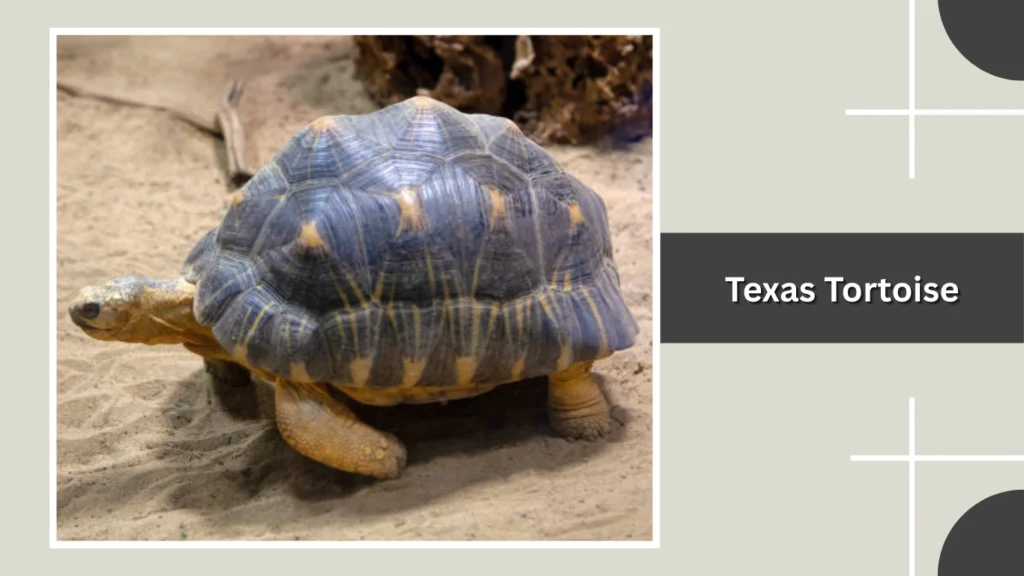
The Texas Tortoise (Gopherus berlandieri) is a small North American species known for its domed shell and adaptability to dry environments. It is one of the smallest tortoises found in the United States and plays an important role in its native ecosystem.
Identification
- High-domed shell with yellow and brown patterns
- Light-colored head and limbs
- Short, sturdy legs for walking
- Adults typically reach 6–8 inches
Habitat
Texas Tortoises inhabit dry grasslands, thorn scrub, and semi-arid regions of southern Texas and northeastern Mexico. They often shelter under vegetation or shallow depressions to avoid heat.
Diet
Their diet consists mainly of grasses, cactus pads, flowers, and weeds. Seasonal plants make up most of their nutrition, and proper hydration is crucial in hot climates.
Behavior
Texas Tortoises are generally calm and slow-moving. They are most active after rainfall and during mild temperatures. This species can live several decades and is protected in many areas due to habitat loss.
8. Gopher Tortoise
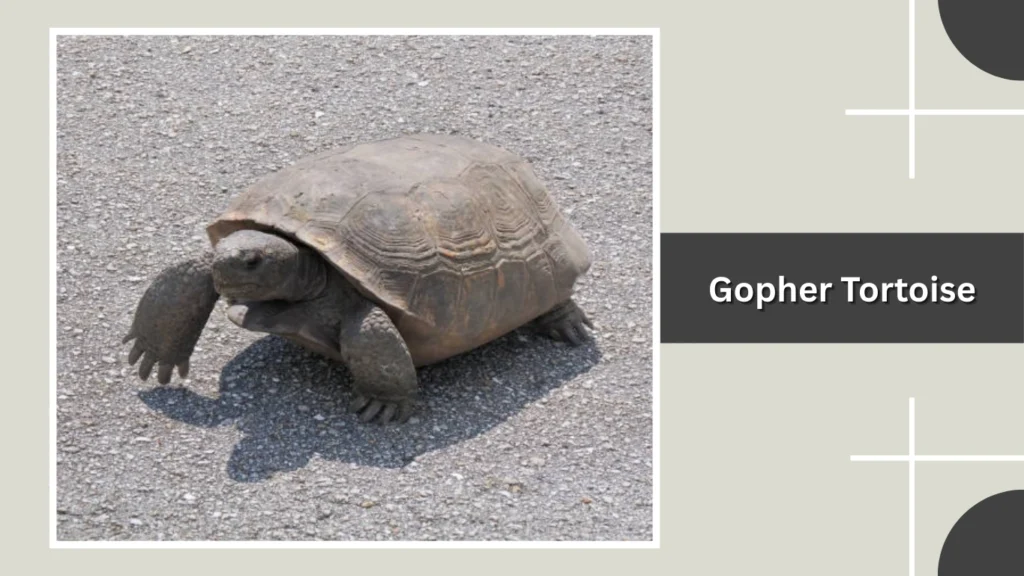
The Gopher Tortoise (Gopherus polyphemus) is a small to medium-sized tortoise native to the southeastern United States. It is especially important ecologically because its burrows provide shelter for many other animal species.
Identification
- Brown to gray, dome-shaped shell
- Stout, shovel-like front legs adapted for digging
- Flattened forelimbs with thick scales
- Adults usually grow 9–11 inches
Habitat
Gopher Tortoises live in dry, sandy areas such as pine forests, coastal dunes, and scrublands. They dig long burrows that protect them from predators, fire, and extreme temperatures.
Diet
They are herbivores, feeding on grasses, legumes, flowers, and low-growing plants. A fiber-rich plant diet supports their digestive health and strong shell growth.
Behavior
Gopher Tortoises are slow, peaceful, and mostly solitary. They spend much of their time near their burrows and are active during warmer daylight hours.
9. Chaco Tortoise
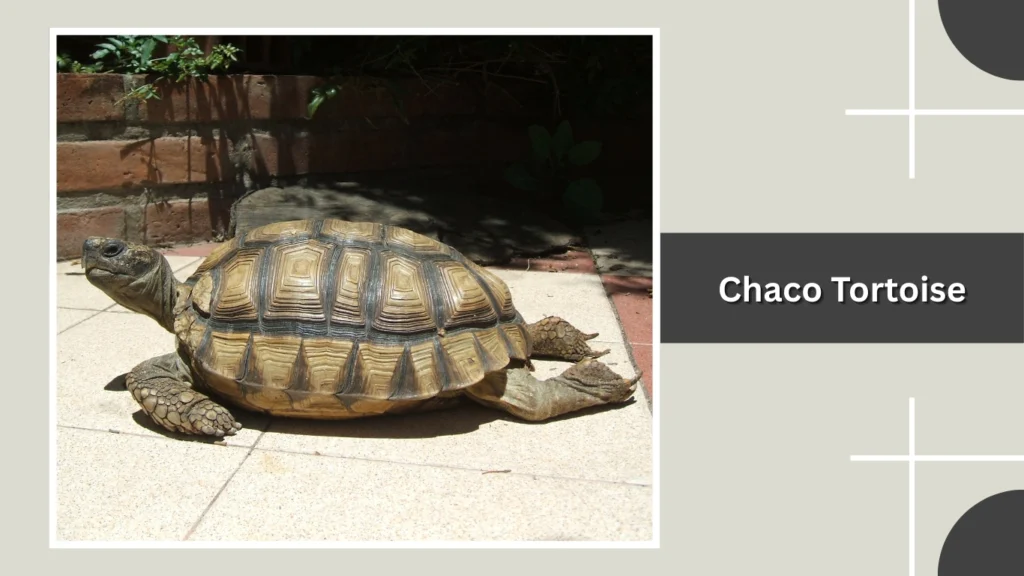
The Chaco Tortoise (Chelonoidis chilensis) is a small tortoise native to South America. Despite its name, it is found beyond the Chaco region and is known for its resilience in dry and semi-arid environments.
Identification
- Rounded shell with tan to olive coloration
- Dark central markings on the scutes
- Strong, thick legs with large scales
- Adults typically reach 7–10 inches
Habitat
Chaco Tortoises inhabit dry forests, scrublands, and semi-desert regions of Argentina, Bolivia, and Paraguay. They often take shelter under bushes or in shallow burrows.
Diet
Their diet consists mainly of grasses, leaves, flowers, and some fruits. They rely on seasonal vegetation and can survive in areas with limited water availability.
Behavior
This species is generally calm but can be active during favorable weather. Chaco Tortoises often rest during extreme heat and may become more active after rainfall.
10. Desert Tortoise
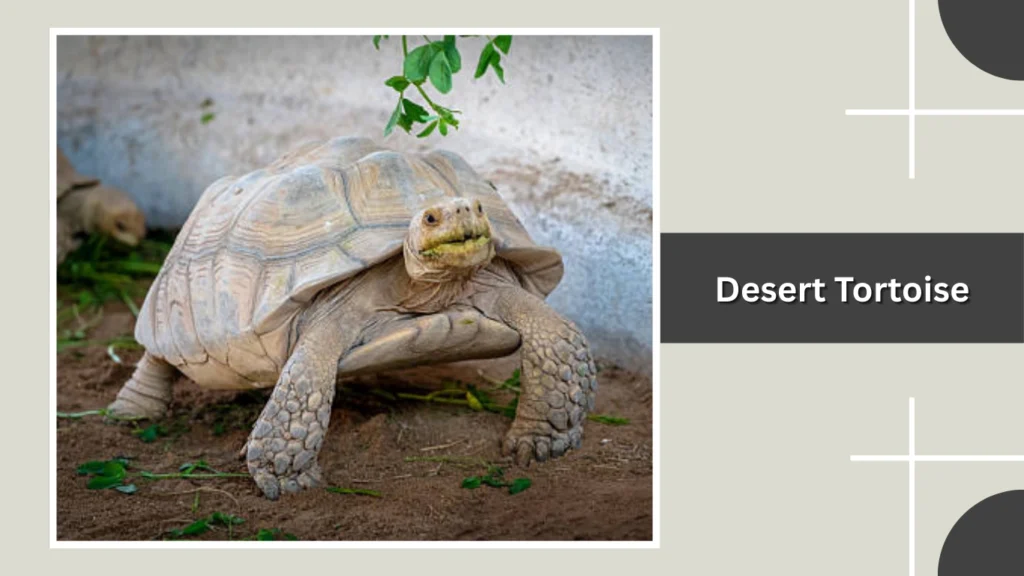
The Desert Tortoise (Gopherus agassizii) is a small to medium-sized tortoise adapted to some of the harshest environments in North America. Found in the Mojave and Sonoran Deserts, it is well known for its ability to survive extreme heat and long periods without water.
Identification
- High-domed shell with brown or gray coloration
- Thick, scaly limbs designed for digging
- Short tail and blunt head
- Adults usually grow 9–14 inches
Habitat
Desert Tortoises inhabit arid deserts with sandy or rocky soils. They dig deep burrows to escape intense summer heat and cold winter temperatures, spending much of their life underground.
Diet
They are herbivores that feed on desert grasses, wildflowers, and leafy plants. Much of their water intake comes from the moisture in their food, especially during spring growth.
Behavior
Desert Tortoises are slow and solitary. They are most active during spring and fall and may remain inactive for long periods during extreme weather conditions.
11. Burmese Star Tortoise
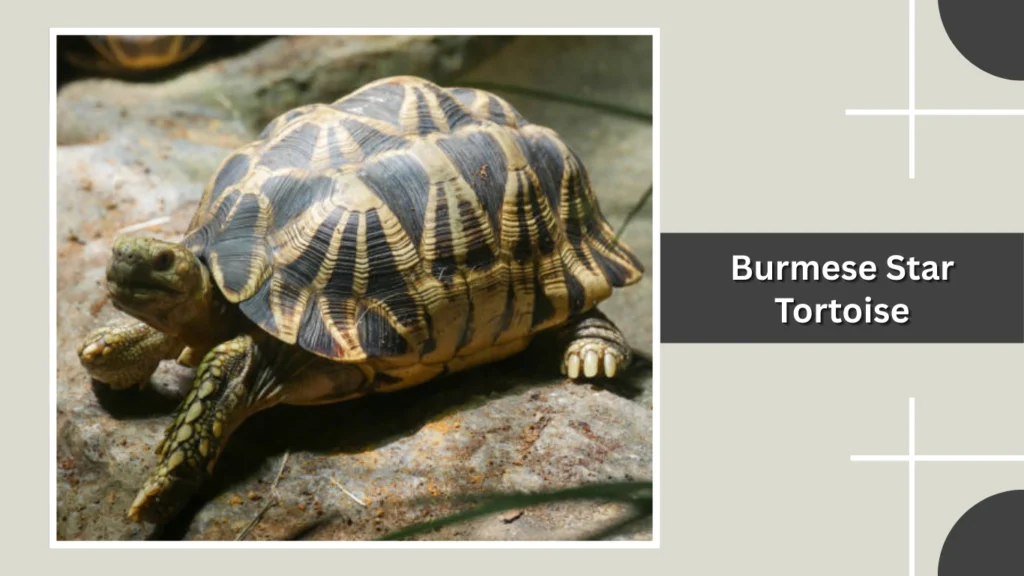
The Burmese Star Tortoise (Geochelone platynota) is a small, visually striking tortoise native to Myanmar. It is famous for its beautiful star-patterned shell and was once considered critically endangered due to habitat loss and illegal trade.
Identification
- Dark shell with bright yellow star-shaped patterns
- Smooth, rounded carapace
- Thick, sturdy legs
- Adults typically reach 8–10 inches
Habitat
Burmese Star Tortoises live in dry forests, grasslands, and scrubby areas. They prefer warm climates with access to sunlight and shaded hiding spots.
Diet
Their diet consists mainly of grasses, leaves, flowers, and other plant matter. A varied, high-fiber diet is essential for maintaining shell color and overall health.
Behavior
This species is generally calm and slow-moving. Burmese Star Tortoises are active during daylight hours and spend time basking and foraging. With conservation efforts, their populations are slowly recovering.
12. Indian Star Tortoise
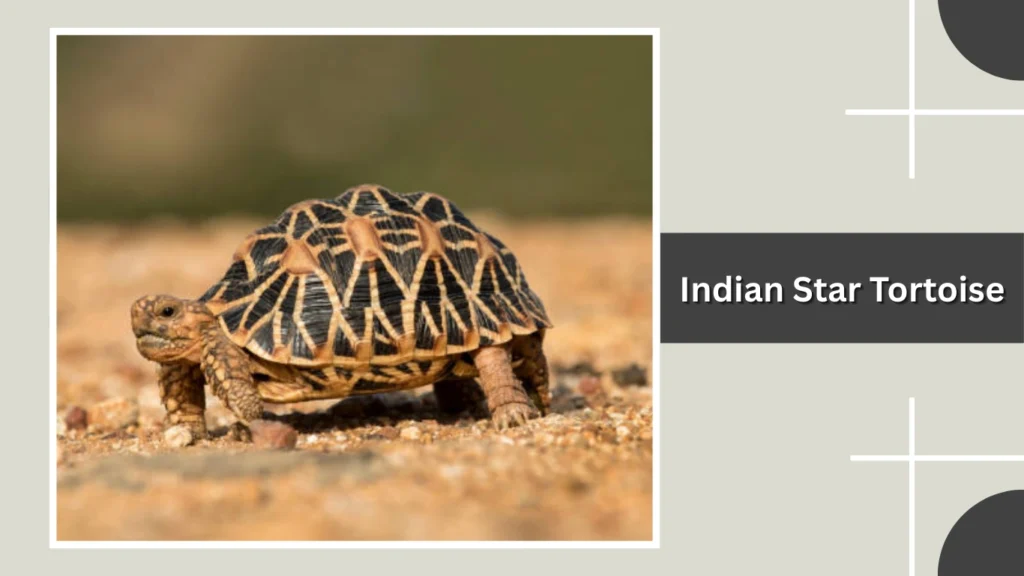
The Indian Star Tortoise (Geochelone elegans) is one of the most recognizable small tortoise species due to its stunning star-patterned shell. Native to India, Sri Lanka, and parts of Pakistan, this tortoise is admired worldwide for its beauty and gentle nature.
Identification
- Dark brown or black shell with bright yellow star patterns
- Smooth, high-domed carapace
- Strong, thick legs with rounded scales
- Adults usually grow 7–10 inches
Habitat
Indian Star Tortoises live in dry grasslands, scrub forests, and semi-arid regions. They experience seasonal monsoons and dry periods, which strongly influence their activity levels and feeding habits.
Diet
They are strict herbivores, feeding on grasses, leaves, flowers, and some fruits. A high-fiber, low-protein diet with adequate calcium is essential to prevent shell deformities and support healthy growth.
Behavior
Indian Star Tortoises are calm, slow-moving, and shy. They are most active during cooler parts of the day and tend to hide during extreme heat. With proper care, they can live for several decades.
13. Bolson Tortoise
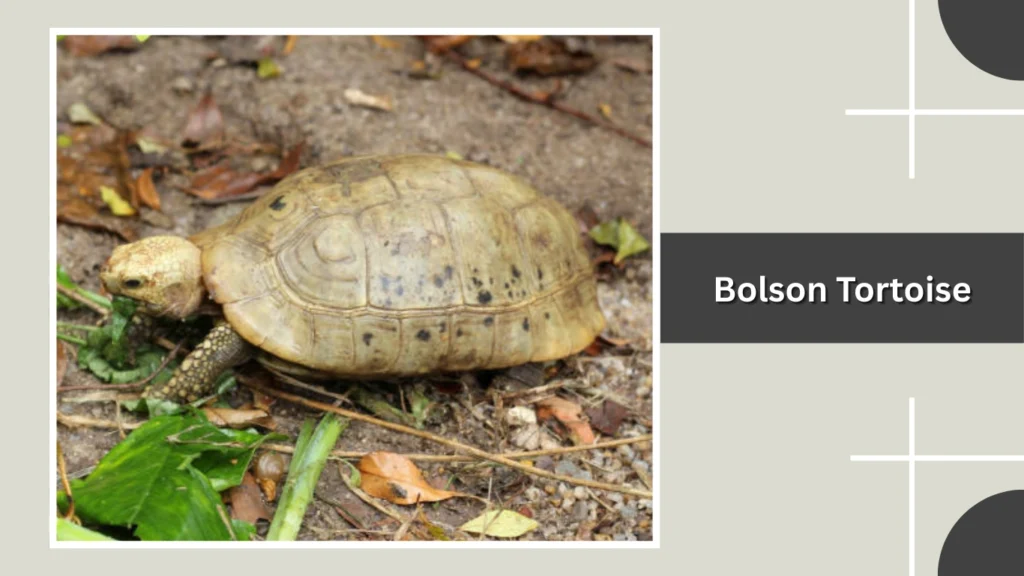
The Bolson Tortoise (Gopherus flavomarginatus) is the largest tortoise native to North America, yet it is still often included among smaller tortoise discussions due to its close relation to other Gopherus species. It is native to a limited region in northern Mexico and is considered rare.
Identification
- Large, high-domed shell with yellowish margins
- Dark brown to gray shell coloration
- Powerful, thick limbs adapted for digging
- Adults can reach 14–16 inches
Habitat
Bolson Tortoises inhabit dry grasslands and desert scrub areas. They dig deep burrows that protect them from extreme temperatures and predators, often remaining underground for long periods.
Diet
Their diet consists mainly of grasses, herbs, and low-growing plants. Seasonal vegetation plays a major role in their nutrition, and they rely on natural rainfall for hydration.
Behavior
Bolson Tortoises are slow, solitary, and long-lived. They spend much of their life near their burrows and are most active during favorable weather conditions. Due to their limited range, conservation efforts are crucial for their survival.