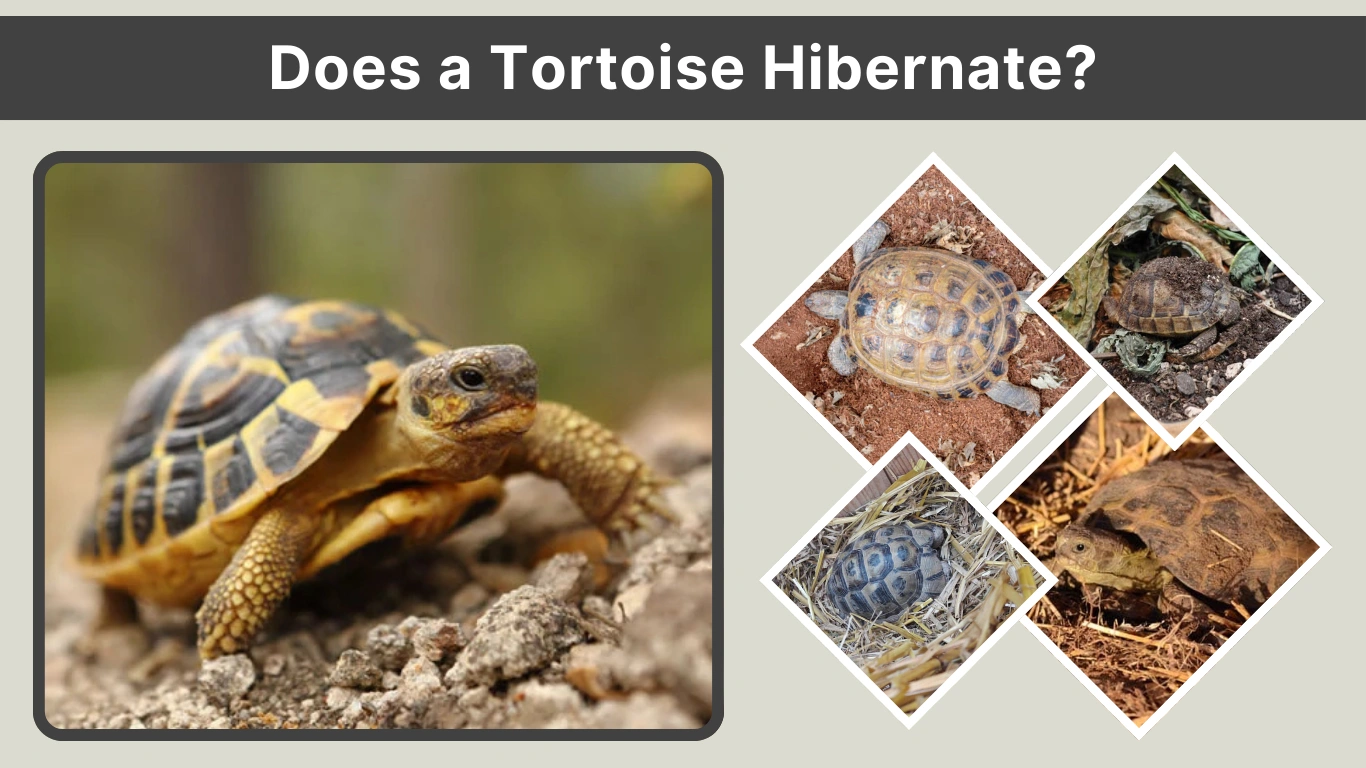
Many people wonder, does a tortoise hibernate like other animals during winter? The answer is not as simple as yes or no. While some tortoises do enter a long winter sleep, others remain active all year. The confusion mainly comes from the difference between hibernation and brumation, a process unique to reptiles. Understanding how tortoises respond to cold weather is essential for pet owners and wildlife enthusiasts alike, as improper care during winter can be dangerous for these slow-moving reptiles.
Do Tortoises Hibernate or Brumate?
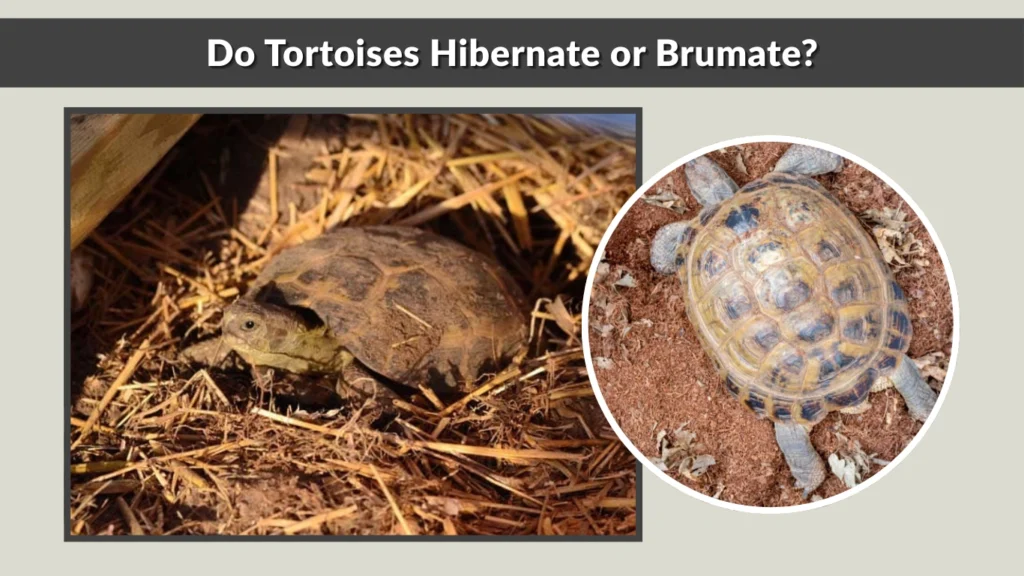
Technically speaking, tortoises do not truly hibernate. Instead, they go through a process called brumation. Hibernation is a deep sleep seen in warm-blooded animals like bears, where the body regulates its own temperature and enters a prolonged dormant state. Tortoises, however, are cold-blooded reptiles, meaning their body temperature depends on their surroundings.
Brumation is similar to hibernation but less intense. During brumation, a tortoise becomes inactive, eats very little or nothing at all, and its metabolism slows dramatically. Because the term “hibernate” is more familiar, many people still use it when talking about tortoises, even though brumation is the more accurate word.
Difference Between Hibernation and Brumation
The key difference lies in how the body functions. Hibernating animals maintain internal body heat and can wake up periodically. Brumating tortoises rely entirely on environmental temperatures. Their digestion almost completely stops, and they remain still for long periods. This is why feeding a tortoise just before or during brumation can be harmful, as undigested food may rot inside their body.
Why Do Tortoises Sleep During Winter?
Tortoises sleep during winter as a natural survival strategy. Since they are ectothermic (cold-blooded), their bodies cannot generate enough heat to stay active in cold conditions. As temperatures drop, their metabolism slows, making movement and digestion difficult.
Another reason is food scarcity. In the wild, plants become limited during winter, so remaining active would waste precious energy. By entering brumation, tortoises conserve energy and survive until warmer temperatures return. This adaptation has allowed them to thrive for millions of years in regions with seasonal climate changes.
Which Tortoise Species Hibernate?
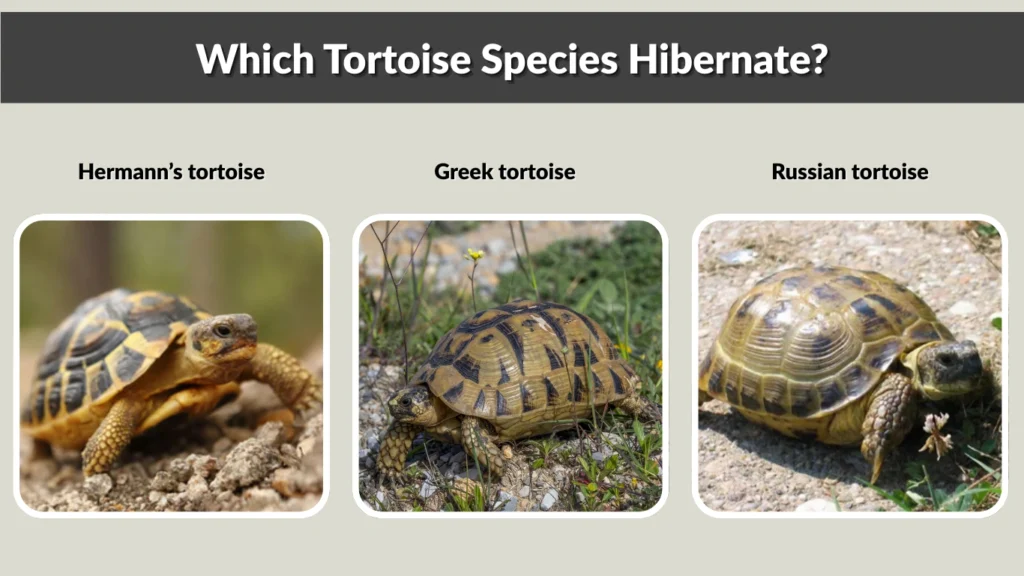
Not all tortoises hibernate. Whether a tortoise brumates depends largely on its species and native habitat. Knowing this is critical, especially for pet owners.
Tortoises That Commonly Hibernate
Mediterranean and temperate-zone tortoises usually brumate during winter. These species have evolved to survive cold seasons:
- Hermann’s tortoise
- Greek tortoise
- Russian tortoise
In their natural habitats, winter temperatures drop significantly, triggering brumation. These tortoises instinctively burrow into soil or hide under leaves and rocks to stay protected from extreme cold.
Tortoises That Do Not Hibernate
Tropical tortoises do not hibernate because they originate from warm climates where temperatures remain fairly stable year-round. Common examples include:
- Sulcata tortoise
- Leopard tortoise
- Red-footed tortoise
These species can become sick or even die if exposed to cold conditions. For them, winter care focuses on maintaining warmth rather than allowing brumation.
When Do Tortoises Hibernate?
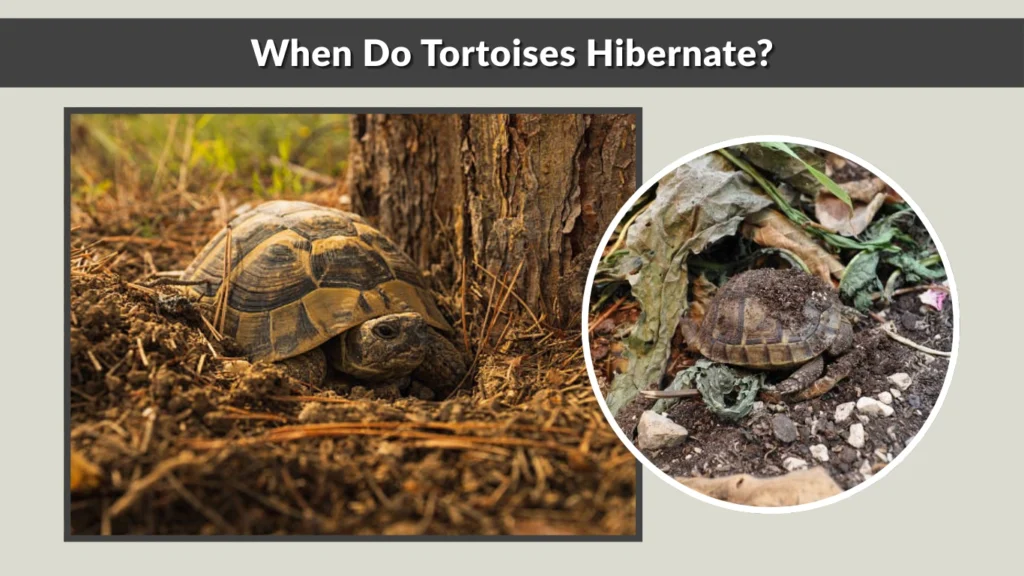
Tortoises usually begin brumation in late autumn, when temperatures consistently fall below a certain range. For most hibernating species, this happens when daytime temperatures drop below 10–12°C (50–54°F). Brumation typically lasts until early spring, when warmer weather signals it is safe to become active again.
The exact timing varies depending on climate and location. A tortoise living outdoors in a colder region may start earlier than one kept in a controlled indoor environment. Gradual temperature changes are important, as sudden cold can be dangerous.
How Long Does Tortoise Hibernation Last?
On average, tortoise brumation lasts two to four months, but this can vary. Some species may brumate for shorter periods, while others remain inactive for much longer. Factors such as age, health, species, and environmental conditions all play a role.
Healthy adult tortoises usually tolerate brumation well, while young, underweight, or sick tortoises should not hibernate. This is why careful observation before winter begins is essential.
Do Pet Tortoises Hibernate?
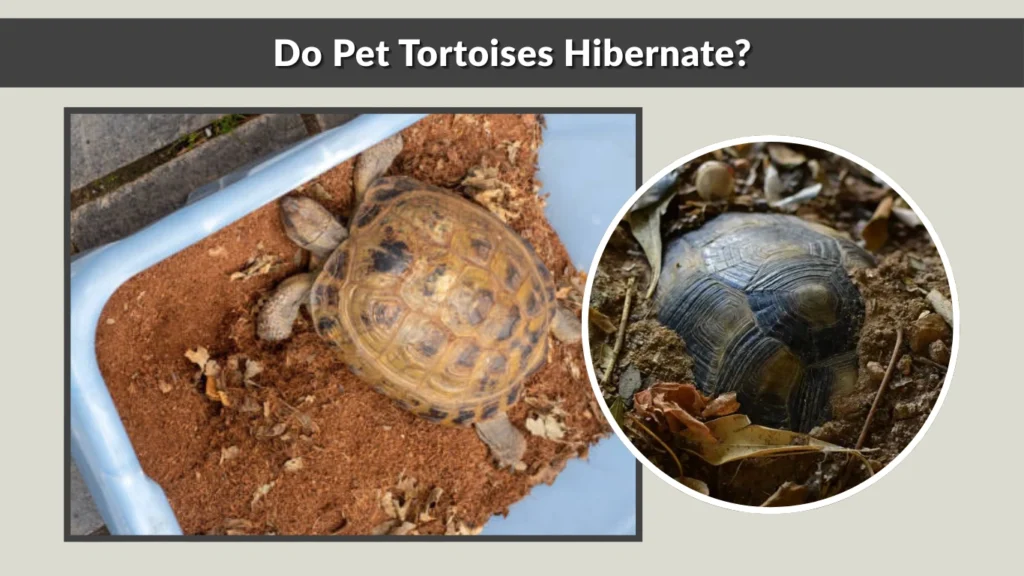
Pet tortoises may or may not hibernate, depending on their species, living conditions, and overall health. In the wild, tortoises respond naturally to seasonal changes in temperature and daylight. In captivity, however, those environmental cues are often controlled by the owner. Indoor heating, artificial lighting, and constant food availability can prevent a tortoise from entering brumation.
Some owners choose to allow hibernation for species that naturally brumate, while others decide to prevent it by keeping temperatures warm throughout winter. Both approaches can be safe if done correctly. What matters most is understanding your tortoise’s specific needs rather than forcing a natural process without proper preparation.
Should You Let a Pet Tortoise Hibernate?
Hibernation should only be considered for healthy, adult tortoises that belong to species known to brumate. Young tortoises, especially those under three years old, often lack sufficient body reserves and may struggle to survive a long period without food. A veterinary check-up before winter is strongly recommended to ensure the tortoise is fit for brumation.
If a tortoise shows signs of illness, weight loss, or dehydration, hibernation should be avoided. In such cases, maintaining a warm, active environment is the safer option.
Is Hibernation Safe for Tortoises?
When done properly, brumation is generally safe and natural for the right species. However, improper hibernation is one of the most common causes of death in pet tortoises. Problems usually arise from incorrect temperatures, poor hydration, or attempting to hibernate an unhealthy animal.
A tortoise that becomes too cold may freeze, while one kept too warm may partially wake and burn energy without access to food. Both situations can be fatal. Careful monitoring and preparation are essential to reduce these risks.
Signs a Tortoise Should Not Hibernate
Certain warning signs indicate that hibernation is unsafe. These include persistent weight loss, respiratory infections, injuries, or abnormal behavior. Tortoises that are underweight or recovering from illness should remain active during winter under controlled conditions.
How Do Tortoises Prepare for Hibernation?
As winter approaches, tortoises naturally begin to prepare for brumation. One of the first signs is a reduced appetite. They gradually eat less as their digestion slows. Activity levels also decrease, and the tortoise may spend more time resting or hiding.
In the wild, tortoises burrow into soil or seek sheltered areas to protect themselves from cold temperatures. Their heart rate and metabolism slow significantly, allowing them to survive for months without eating. This process must happen gradually, as sudden changes in temperature or feeding routines can cause stress and health problems.
What Happens If a Tortoise Does Not Hibernate?
Not hibernating does not automatically harm a tortoise. Tropical species naturally remain active year-round, and even hibernating species can stay awake if kept warm and properly cared for. Many indoor pet tortoises live healthy lives without ever brumating.
To prevent hibernation safely, owners must provide adequate warmth, proper UVB lighting, and a balanced diet throughout winter. Without these essentials, a tortoise may become lethargic or develop health issues. Long-term, the key factor is consistent, species-appropriate care rather than hibernation itself.
How to Care for a Tortoise During Winter
Winter care depends on whether the tortoise is hibernating or staying active. Active tortoises require a stable heat source, proper lighting, and continued access to food and clean water. UVB light is especially important, as lack of sunlight can lead to shell and bone problems.
For tortoises that are brumating, disturbance should be minimal. They should be kept in a safe, temperature-controlled environment where conditions remain stable. Regular but gentle checks help ensure the tortoise remains healthy throughout the winter months.
FAQs
Do all tortoises hibernate?
No. Only certain species brumate. Tropical tortoises do not hibernate and should be kept warm year-round.
Can a tortoise die during hibernation?
Yes, if hibernation is done incorrectly or the tortoise is unhealthy. Proper preparation greatly reduces the risk.
What temperature is too cold for a tortoise?
Temperatures below freezing are dangerous. Even hibernating tortoises require carefully controlled conditions.
Is brumation the same as hibernation?
They are similar, but brumation applies to reptiles and involves less metabolic activity than mammal hibernation.
Can beginners safely hibernate a tortoise?
Beginners should proceed with caution and seek veterinary advice before attempting hibernation.
Conclusion
So, does a tortoise hibernate? The answer depends on the species, environment, and individual health of the tortoise. While some tortoises naturally brumate during winter, others remain active all year. Understanding the difference between hibernation and brumation is crucial for responsible care. Whether you allow hibernation or prevent it, providing the right conditions and paying close attention to your tortoise’s needs will ensure a healthy and stress-free winter.