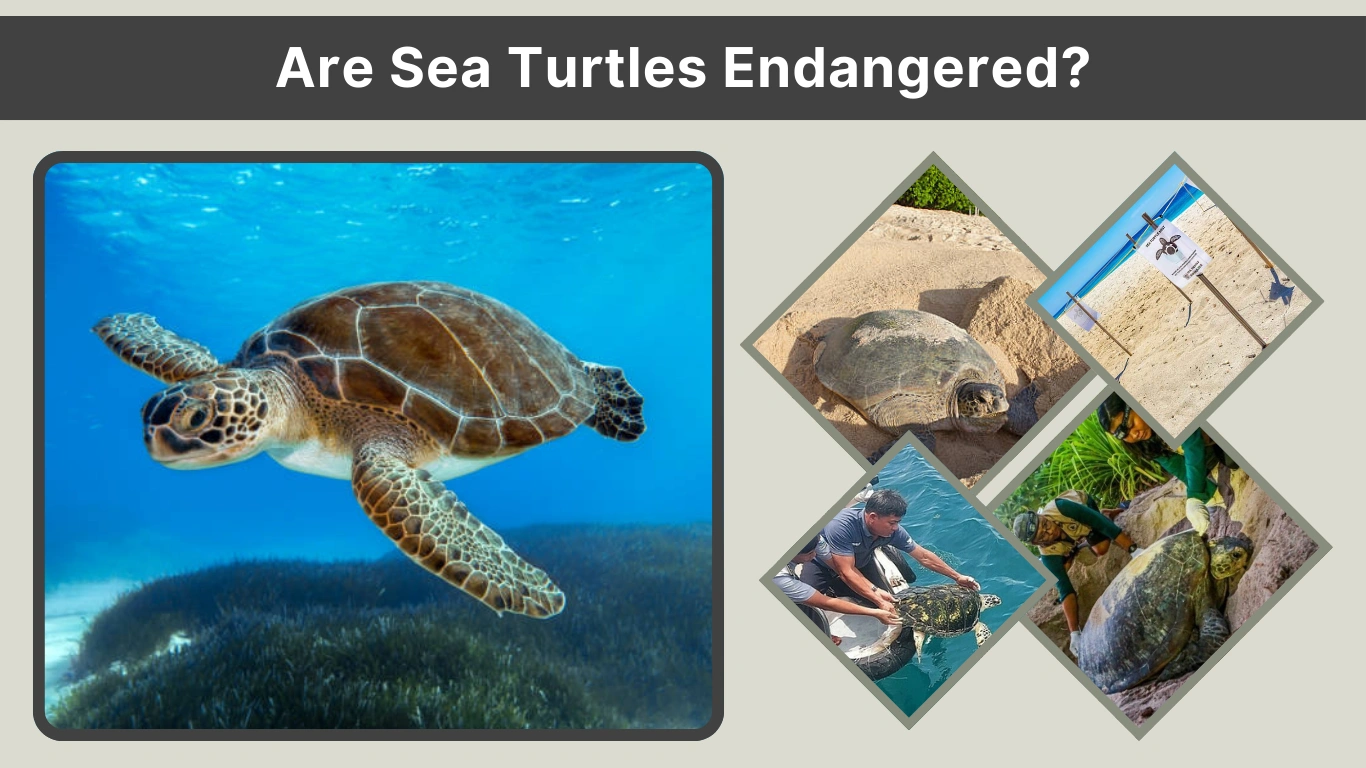
Sea turtles have lived in the world’s oceans for more than 100 million years, yet today they face serious threats to their survival. Many people ask whether sea turtles are endangered and what that actually means. The short answer is that most sea turtle species are either endangered or threatened, largely due to human activities and environmental changes. Understanding their conservation status helps explain why protecting sea turtles has become a global priority.
Understanding Sea Turtle Conservation Status
When scientists say a species is endangered, they mean it is at risk of becoming extinct in the wild. Conservation status is determined by studying population size, nesting trends, habitat conditions, and threats such as fishing, pollution, and climate change. Sea turtles are especially vulnerable because they grow slowly, take many years to reach maturity, and rely on specific nesting beaches to reproduce.
What the IUCN Red List Is
The International Union for Conservation of Nature (IUCN) maintains the Red List of Threatened Species, which is the most widely used system for assessing extinction risk. Species are placed into categories such as Vulnerable, Endangered, or Critically Endangered based on scientific evidence. Most sea turtle species fall into one of these threatened categories, showing how widespread the problem is.
How Many Sea Turtle Species Are There?
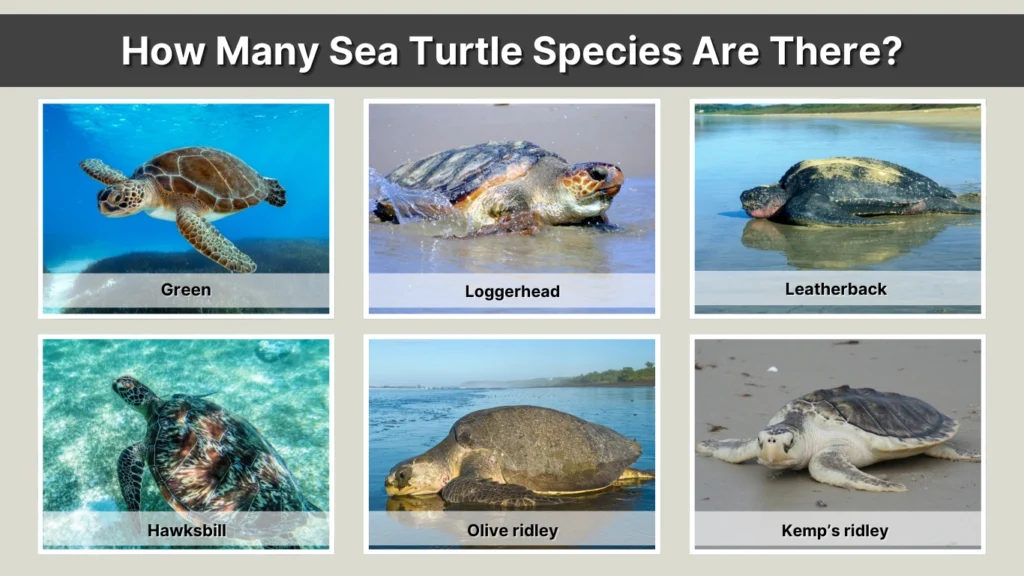
There are seven species of sea turtles worldwide: green, loggerhead, leatherback, hawksbill, olive ridley, Kemp’s ridley, and flatback sea turtles. While each species has different habitats and behaviors, they all face similar threats. Some species have extremely small populations, while others are more numerous but still declining in certain regions.
The flatback sea turtle, found mainly in Australian waters, is considered less threatened than other species, but it still faces habitat-related risks. The remaining six species are listed as vulnerable, endangered, or critically endangered on a global scale.
Which Sea Turtles Are Endangered?
Critically Endangered Sea Turtle Species
Two sea turtle species are considered critically endangered, meaning they face an extremely high risk of extinction. The hawksbill sea turtle has suffered severe population declines due to illegal trade in its beautiful shell, which has been used for jewelry and decorative items. Habitat loss and coral reef destruction have further reduced its numbers.
Kemp’s ridley sea turtle is the rarest sea turtle species in the world. It nests primarily along the Gulf of Mexico and has very limited nesting sites. Although conservation efforts have helped stabilize its population in recent years, it remains highly vulnerable to oil spills, fishing bycatch, and coastal development.
Endangered and Vulnerable Species
Other sea turtle species are classified as endangered or vulnerable. Green sea turtles have experienced population declines due to habitat loss, egg harvesting, and entanglement in fishing gear. Loggerhead sea turtles are affected by longline fishing, boat strikes, and pollution, particularly in coastal waters.
Leatherback sea turtles are listed as vulnerable globally, but some populations are endangered. They face unique challenges because they feed primarily on jellyfish, often mistaking plastic bags for food. Olive ridley sea turtles are considered vulnerable and are heavily impacted by bycatch and illegal egg collection in some regions.
Why Are Sea Turtles Endangered?
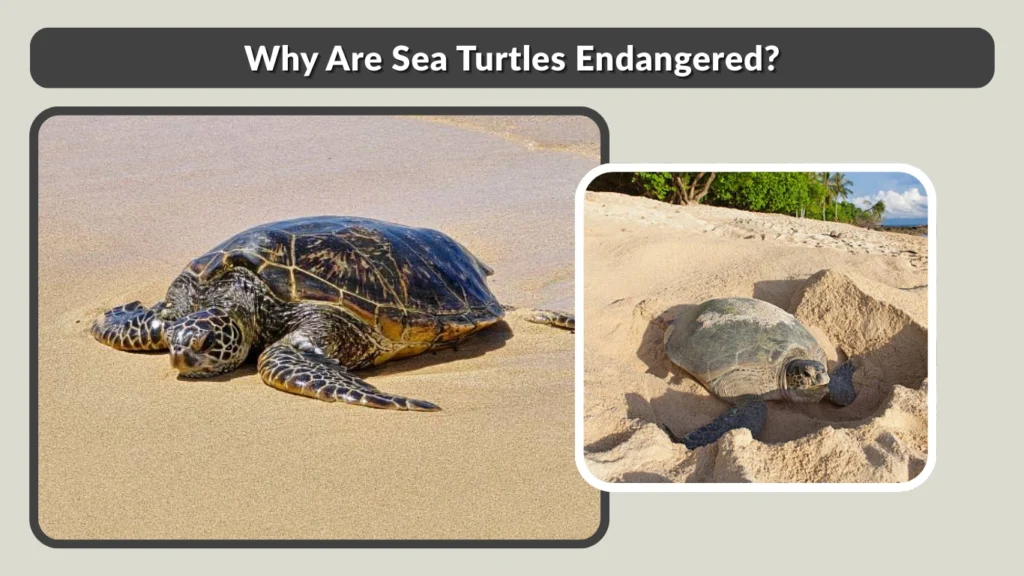
Sea turtles face a combination of natural challenges and human-caused threats, but human activity is the primary reason their populations have declined so dramatically. One of the biggest issues is habitat loss. Coastal development has destroyed or altered many nesting beaches, leaving fewer safe places for females to lay their eggs.
Artificial lighting from hotels, streets, and homes near beaches also causes serious problems. Lights can disorient nesting females and hatchlings, leading young turtles away from the ocean and increasing mortality rates.
Fishing bycatch is another major threat. Sea turtles often become accidentally caught in fishing nets, trawls, and longlines. Many drown before they can be released. Pollution, especially plastic waste, further threatens sea turtles in both coastal and open-ocean habitats.
Climate change adds an additional layer of risk. Rising temperatures affect nesting beaches by altering sand temperatures, which can lead to imbalanced sex ratios among hatchlings. Sea-level rise also threatens to flood or erode nesting areas.
Human Activities and Their Impact on Sea Turtles
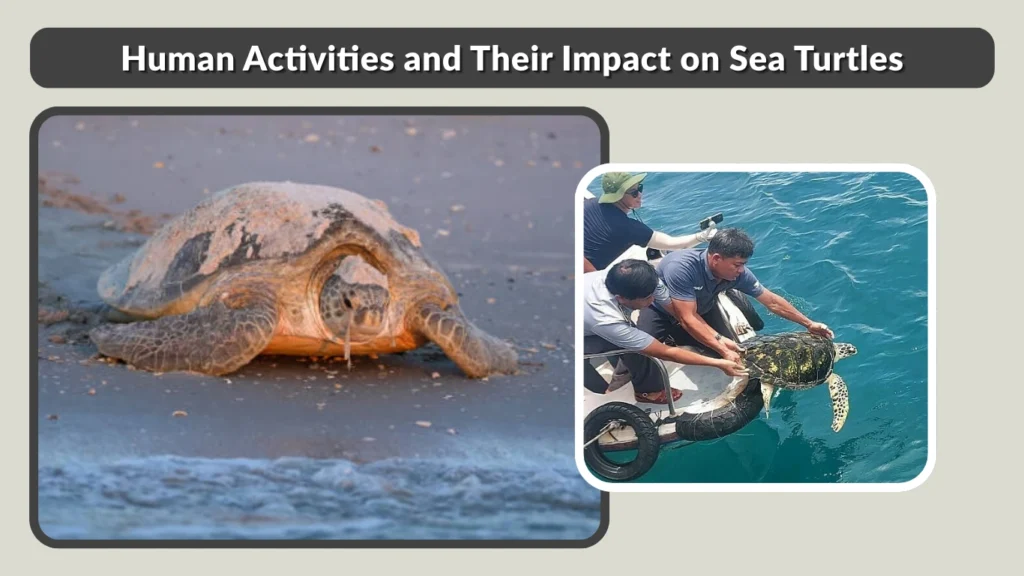
Human activities play a major role in the decline of sea turtle populations. In many parts of the world, sea turtles and their eggs have been hunted for food, traditional medicine, or cultural practices. Although illegal in most countries today, poaching still occurs and continues to threaten vulnerable populations.
Boat strikes are another growing concern, especially in busy coastal areas. Sea turtles often swim near the surface to breathe or rest, making them vulnerable to collisions with boats and personal watercraft. Tourism can also have negative effects when nesting beaches are crowded or disturbed during breeding seasons.
Are Sea Turtles Protected by Law?
International Protection Efforts
Sea turtles are protected by several international agreements aimed at preventing extinction. One of the most important is the Convention on International Trade in Endangered Species of Wild Fauna and Flora (CITES), which restricts the trade of sea turtles and their products. These agreements help reduce illegal trade and encourage countries to work together on conservation.
Global conservation organizations also play a key role by funding research, protecting habitats, and supporting local conservation projects.
National and Regional Laws
Many countries have laws that protect sea turtles and their habitats. In the United States, sea turtles are protected under the Endangered Species Act, which makes it illegal to harm, harass, or kill them. Similar laws exist in other countries, restricting fishing practices and protecting nesting beaches.
Marine protected areas and seasonal fishing regulations are also used to reduce human impact and give sea turtle populations a better chance to recover.
Conservation Efforts to Protect Sea Turtles
Nesting Beach Protection Programs
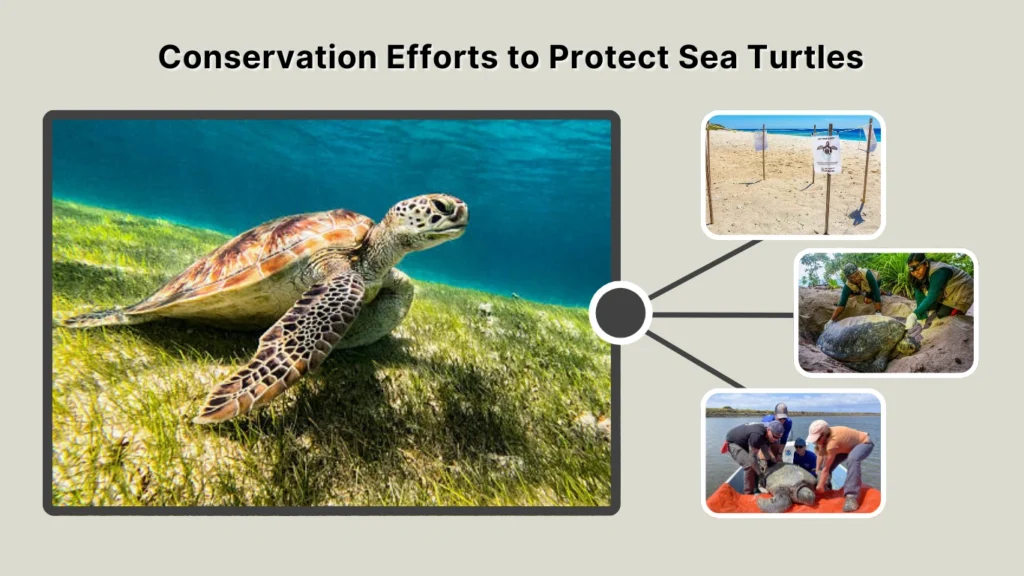
Protecting nesting beaches is one of the most effective ways to help sea turtles. Conservation programs often monitor beaches during nesting season, mark nests, and sometimes relocate eggs to safer areas. Efforts to reduce artificial lighting near beaches have also proven successful in increasing hatchling survival.
Sustainable Fishing Practices
Fishing-related deaths have decreased in some regions thanks to improved technology and regulations. Turtle Excluder Devices (TEDs) allow turtles to escape fishing nets while still allowing fish to be caught. Education programs help fishers understand how to release turtles safely when accidental captures occur.
Community and Education Programs
Local communities play a critical role in conservation. Education programs raise awareness about the importance of sea turtles and encourage people to protect nesting beaches and reduce pollution. In many areas, community-led conservation has helped transform former poaching sites into protected habitats.
Are Sea Turtle Populations Recovering?
There is some good news. In certain regions, sea turtle populations are showing signs of recovery due to long-term conservation efforts. For example, increased nesting numbers have been recorded for green and Kemp’s ridley sea turtles in parts of the Atlantic and Gulf of Mexico.
However, recovery is slow and uneven. Sea turtles take decades to reach adulthood, so population growth happens gradually. Continued protection and global cooperation are essential to maintain these positive trends.
What Can Individuals Do to Help Sea Turtles?
Individuals can make a real difference in protecting sea turtles. Reducing plastic use helps prevent pollution in the ocean. Supporting conservation organizations through donations or volunteering also contributes to habitat protection and research.
When visiting beaches, people can follow local guidelines, avoid disturbing nests, and keep beaches clean. Choosing sustainable seafood and supporting responsible tourism further reduces pressure on sea turtle populations.
Conclusion
So, are sea turtles endangered? The answer is yes—most sea turtle species face serious threats and are classified as endangered or vulnerable. Human activities have played a major role in their decline, but conservation efforts are making a difference. By protecting habitats, enforcing laws, and raising awareness, there is hope that sea turtles will continue to survive and thrive in the world’s oceans for generations to come.