
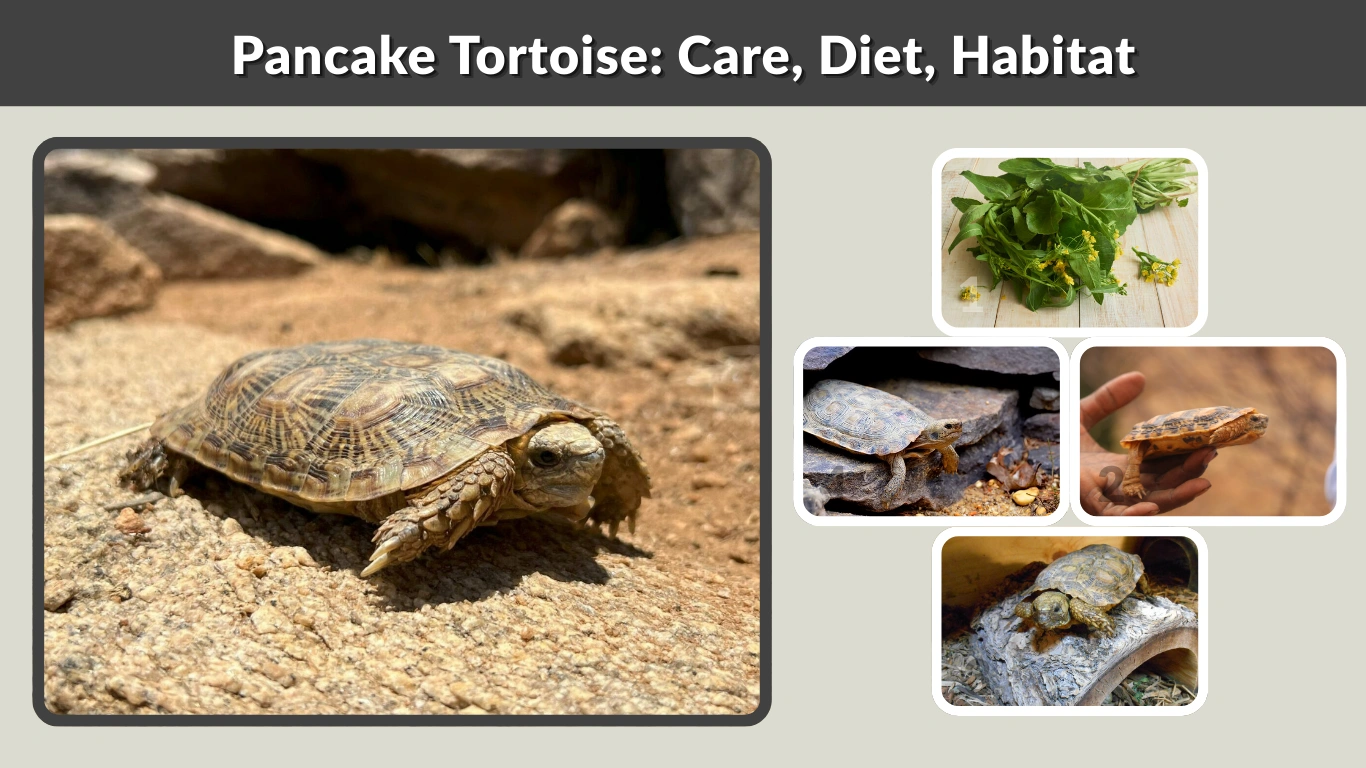
The pancake tortoise is one of the most unusual tortoise species in the world. Unlike most tortoises that have high, dome-shaped shells, this species is known for its flat and flexible shell. Native to East Africa, the pancake tortoise has adapted perfectly to rocky environments where agility matters more than heavy armor. Its unique appearance, active personality, and manageable size make it especially interesting to reptile enthusiasts. In this guide, you’ll learn essential pancake tortoise facts, natural habitat details, diet requirements, and what makes this species so different from other tortoises.
Pancake Tortoise Habitat
Natural Habitat in the Wild
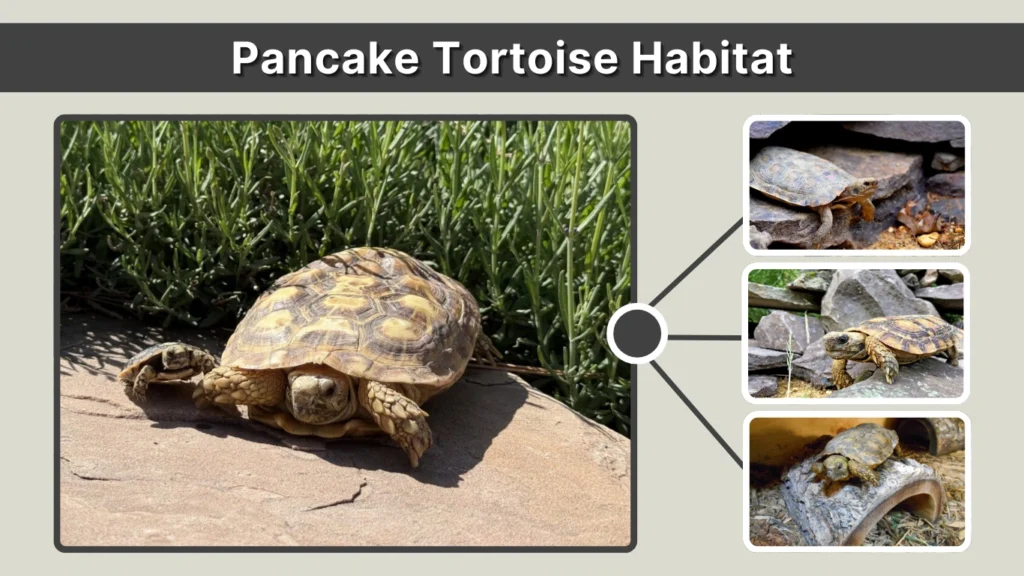
Pancake tortoises are native to Kenya and Tanzania in East Africa. They primarily live in rocky outcrops known as kopjes, which are small hills or clusters of large rocks rising from dry savanna landscapes.
These rocky environments provide natural hiding spots and protection. The tortoises spend much of their time squeezing into cracks between rocks, where predators cannot easily reach them.
Climate Conditions
The regions where pancake tortoises live are generally warm and dry. Daytime temperatures can be quite high, while nights are cooler. Rainfall is seasonal, with dry periods lasting for several months.
They thrive in environments with low to moderate humidity. Too much moisture can cause health issues, which is important to remember when keeping them in captivity.
Habitat Adaptations
The pancake tortoise’s flat shell is a direct adaptation to its rocky habitat. Instead of relying on a thick dome-shaped shell for defense, it escapes danger by quickly climbing and wedging itself tightly between rocks.
Its lightweight body allows it to scale steep surfaces more easily than heavier tortoise species. The shell’s coloration also helps it blend into the surrounding rocks, offering additional camouflage.
Pancake Tortoise Diet
What Do Pancake Tortoises Eat in the Wild?
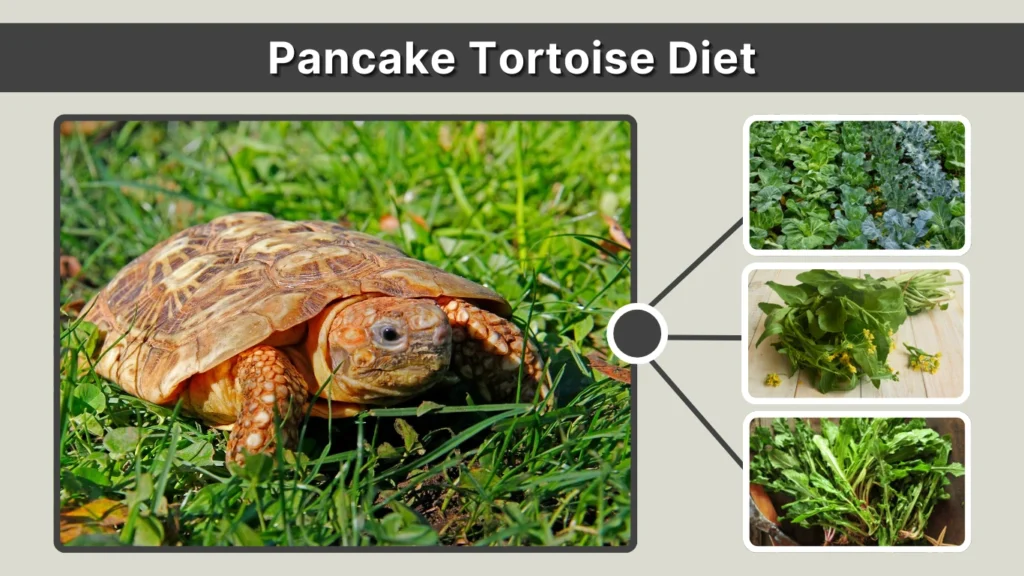
In the wild, pancake tortoises primarily eat dry grasses, fibrous plants, and succulents. Their diet is high in fiber and low in protein, which supports healthy digestion and proper shell development.
Because they live in arid regions, they are adapted to consuming vegetation that contains small amounts of moisture. This helps them stay hydrated even in dry conditions.
Pancake Tortoise Diet in Captivity
In captivity, pancake tortoises should be fed a diet that closely mimics their natural food sources. Leafy greens such as collard greens, mustard greens, dandelion greens, and turnip greens are excellent staples.
High-fiber grasses and hay can also be included. Calcium supplementation is essential to maintain strong shell and bone health. A cuttlebone placed in the enclosure can provide an additional calcium source.
Fresh water should always be available in a shallow dish, even though they may not drink frequently.
Foods to Avoid
While pancake tortoises can eat a variety of leafy greens, some foods should be limited or completely avoided. Fruit should only be offered rarely, if at all, because it contains high sugar levels that can upset their digestive system. Too much fruit may also lead to diarrhea and long-term health problems.
High-protein foods, such as dog or cat food, should never be given. Excess protein can cause shell deformities and rapid, unhealthy growth. Processed foods, iceberg lettuce (which lacks nutrients), and foods high in oxalates should also be avoided. A simple, high-fiber, plant-based diet is always best.
Feeding Schedule
Juvenile pancake tortoises should be fed daily to support steady growth. Adults can be fed once per day or five to six times per week, depending on portion size and activity level.
Food should be offered in moderate portions—enough that the tortoise can finish within a reasonable time without overeating. Monitoring weight and shell condition helps ensure the feeding routine is appropriate.
Pancake Tortoise Lifespan
Lifespan in the Wild
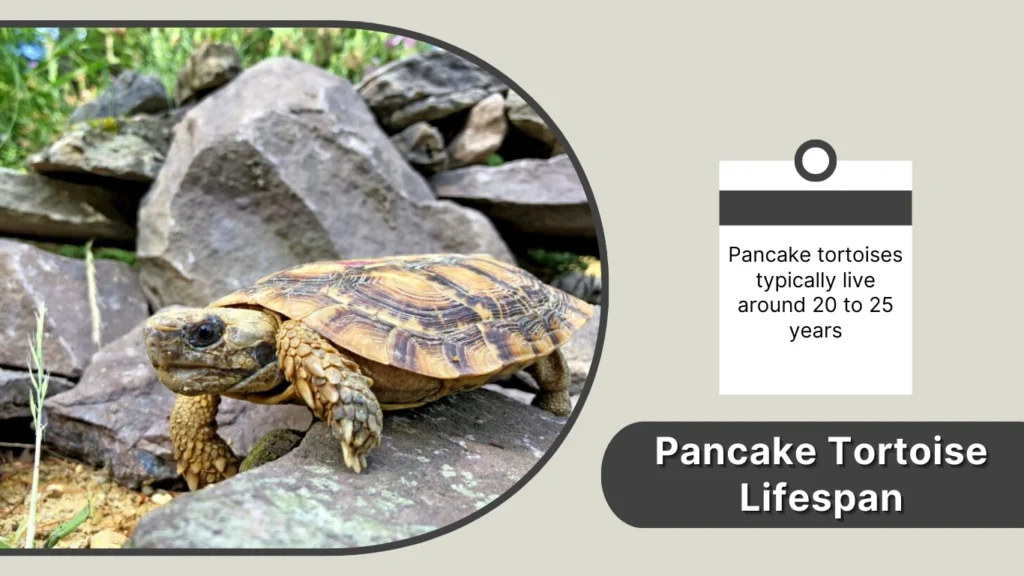
In the wild, pancake tortoises typically live around 20 to 25 years, though some individuals may live longer under ideal conditions. Survival depends heavily on habitat quality, food availability, and predator pressure.
Because they rely on rocky environments, habitat destruction can significantly impact their longevity. Human activities and illegal collection also reduce wild populations.
Lifespan in Captivity
With proper care, pancake tortoises can live 25 to 35 years in captivity. Some individuals may even exceed this range when provided with optimal nutrition, proper lighting, and a low-stress environment.
Consistent care plays a major role in extending lifespan. Poor diet, inadequate UVB exposure, and incorrect temperatures can shorten their life expectancy.
Factors That Affect Longevity
Several factors influence how long a pancake tortoise lives:
- Nutrition: A high-fiber, calcium-rich diet prevents shell and bone problems.
- Enclosure quality: Proper space, hiding spots, and environmental control reduce stress.
- Lighting and heat: UVB exposure supports calcium absorption and shell strength.
- Veterinary care: Early detection of illness improves survival rates.
By meeting these needs, owners can help their tortoise live a long and healthy life.
Pancake Tortoise Care Guide
Enclosure Setup
Pancake tortoises require a spacious enclosure that mimics their natural rocky habitat. A single adult should have at least a 40-gallon enclosure, though larger is always better. Outdoor enclosures work well in warm climates, provided they are secure and predator-proof.
Flat rocks and sturdy rock piles are essential. These structures allow the tortoise to climb and hide, which helps reduce stress. Multiple hiding spots should be provided so the tortoise feels secure.
A dry, well-draining substrate such as a soil-sand mix works best. The enclosure should remain mostly dry to prevent respiratory and shell issues.
Lighting and Temperature
Proper lighting is critical for pancake tortoise health. A high-quality UVB light should be provided for 10–12 hours daily. UVB exposure allows the tortoise to properly metabolize calcium and maintain a strong shell.
The basking area should reach temperatures between 90–95°F (32–35°C). The cooler side of the enclosure can range from 75–85°F (24–29°C). Nighttime temperatures can drop slightly but should not fall below 70°F (21°C).
Maintaining a proper temperature gradient allows the tortoise to regulate its body temperature naturally.
Humidity and Hydration
Pancake tortoises prefer relatively low humidity levels, generally around 40–60%. Excess moisture can lead to respiratory infections and shell problems.
A shallow water dish should always be available. Although they are adapted to dry environments, they still require access to fresh water. Occasional shallow soaking may help maintain hydration, especially for juveniles.
Handling and Social Needs
Pancake tortoises are sensitive to stress and do not enjoy frequent handling. While they may become familiar with their keeper, they should primarily be observed rather than handled.
If handling is necessary, it should be gentle and brief. Always support the body properly and avoid sudden movements. Providing a stable, quiet environment is the best way to ensure their well-being.
Common Health Problems
Common health issues in pancake tortoises include:
- Metabolic bone disease due to insufficient UVB or calcium
- Respiratory infections caused by excessive humidity
- Shell deformities linked to improper diet
Regular monitoring, proper husbandry, and routine veterinary checkups help prevent most health problems.
Pancake Tortoise Facts
Scientific Classification
The pancake tortoise’s scientific name is Malacochersus tornieri. It belongs to the family Testudinidae, which includes many other tortoise species found around the world. This species was first described in the late 19th century and remains the only member of its genus, making it truly unique in the reptile world.
Unlike many tortoises that evolved heavy protective shells, the pancake tortoise developed a lighter and more flexible structure. This evolutionary difference plays a major role in its survival strategy.
Unique Physical Characteristics
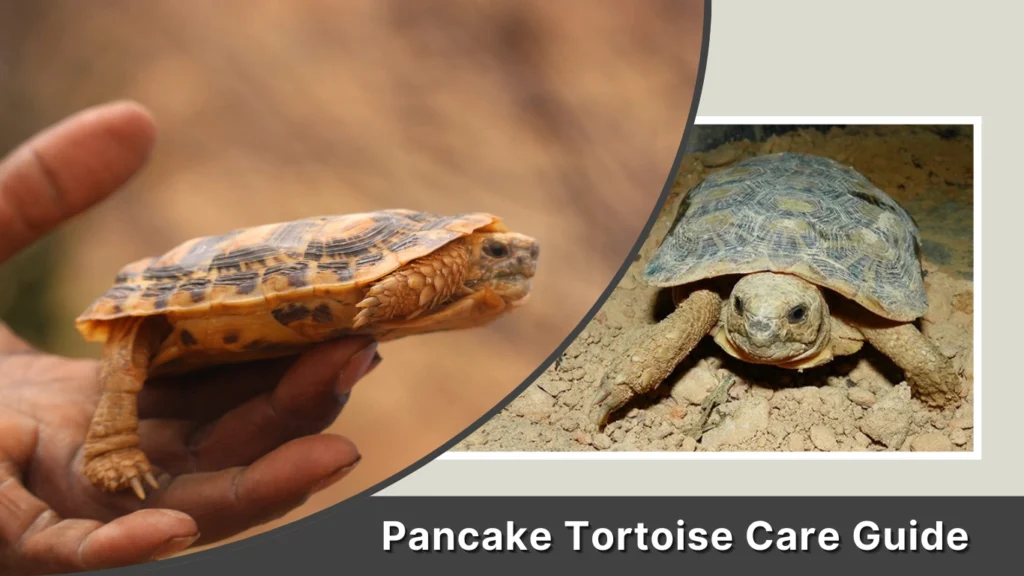
The most striking feature of the pancake tortoise is its flat, pancake-like shell. Instead of being tall and rounded, the shell is soft, thin, and slightly flexible. This allows the tortoise to squeeze into narrow rock crevices to escape predators.
Adult pancake tortoises typically grow to about 6 to 7 inches in length and weigh much less than similarly sized tortoise species. Their shells are usually brown with dark radiating patterns, helping them blend into rocky surroundings.
Because their shell is not as heavy or rigid, pancake tortoises are faster and more agile than most tortoises. They rely on speed and climbing ability rather than simply retreating into their shell for protection.
Behavior and Personality
Pancake tortoises are more active than many other tortoise species. They are excellent climbers and can move quickly across rocky surfaces. In the wild, they are often seen basking on rocks during the day.
They tend to be shy and alert. When startled, they quickly retreat into rock crevices instead of hiding inside their shell. In captivity, they may become accustomed to their keeper but generally do not enjoy excessive handling.
Conservation Status
The pancake tortoise is considered vulnerable in the wild. Habitat destruction and illegal collection for the pet trade have contributed to population declines. Because of this, international trade is regulated, and conservation programs aim to protect wild populations.
Responsible ownership and purchasing from reputable breeders are important steps in supporting conservation efforts.
FAQs
How big does a pancake tortoise get?
Adult pancake tortoises typically reach 6 to 7 inches in shell length. They remain relatively small compared to many other tortoise species, making them easier to house in captivity.
Are pancake tortoises good pets?
They can make good pets for experienced reptile keepers who understand their specific habitat and dietary needs. However, they require specialized care and are not ideal for beginners.
Why is the pancake tortoise shell flat?
The flat shell is an evolutionary adaptation that allows the tortoise to squeeze into narrow rock crevices for protection. This strategy replaces the heavy dome-shaped defense seen in other tortoises.
How long do pancake tortoises live?
With proper care, pancake tortoises can live 25–35 years in captivity, making them a long-term commitment for any owner.
Conclusion
The pancake tortoise is truly one of nature’s most unique reptiles. From its flat, flexible shell to its climbing ability and rocky habitat adaptations, this species stands apart from other tortoises. Understanding proper pancake tortoise care, diet, habitat needs, and lifespan expectations is essential for responsible ownership. With the right environment, nutrition, and attention to health, these fascinating tortoises can live long, healthy lives while continuing to captivate reptile enthusiasts around the world.