
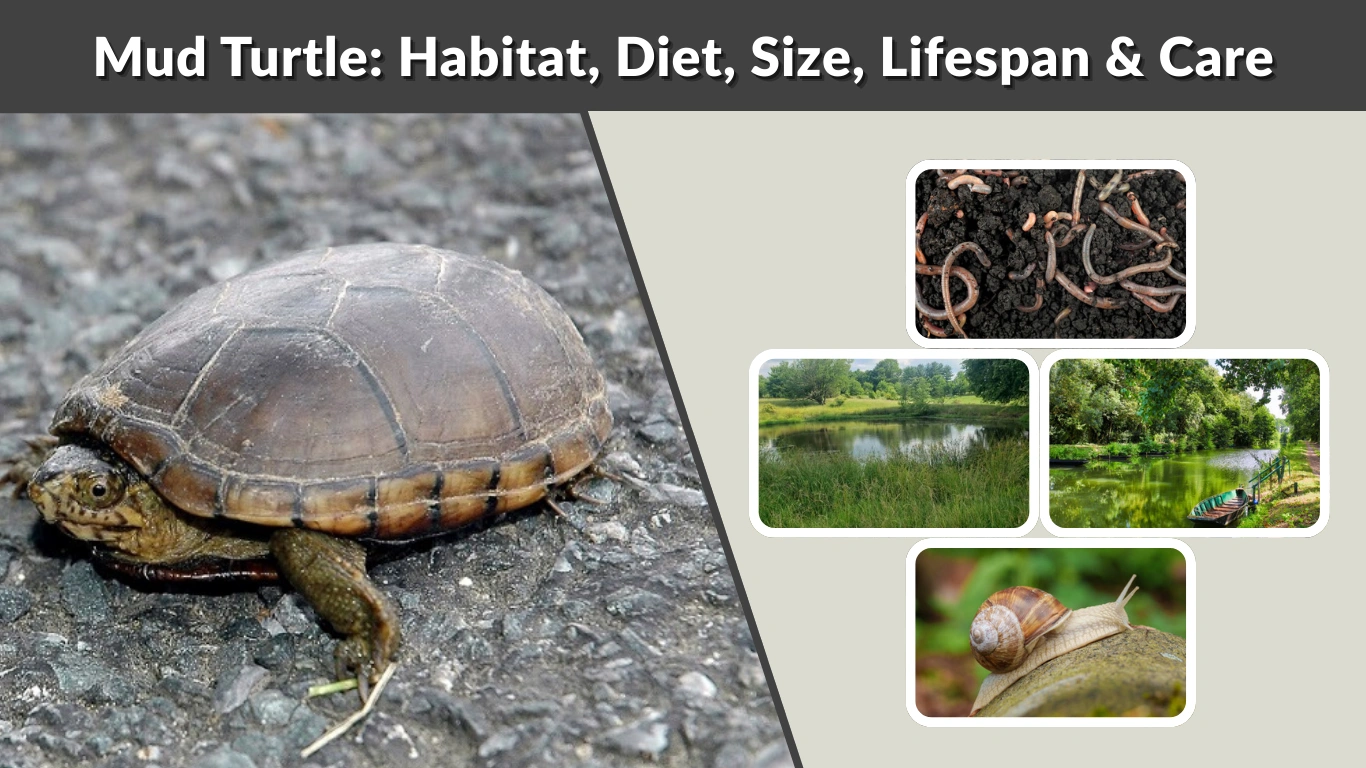
Mud turtles are small freshwater turtles known for their compact size, smooth shells, and secretive nature. Belonging to the family Kinosternidae, these turtles are commonly found in North and Central America, where they inhabit ponds, marshes, and slow-moving streams. Although they are not as flashy as some larger turtle species, mud turtles are fascinating reptiles with unique behaviors and adaptations. In this guide, you’ll learn about mud turtle species, habitat, size, diet, lifespan, and what makes them different from other freshwater turtles.
What Is a Mud Turtle?
A mud turtle is a small, semi-aquatic turtle in the genus Kinosternon. These turtles are closely related to musk turtles and share several physical and behavioral traits with them. However, mud turtles are generally recognized for their hinged plastron — the bottom part of their shell — which allows them to partially close themselves inside for protection.
Mud turtles are typically dark brown, olive, or black in color. Their shells are smooth and slightly domed, lacking the bright patterns seen in painted turtles or sliders. Most species grow between 3 and 5 inches in length, making them relatively small compared to many other freshwater turtles.
Unlike highly aquatic turtles, mud turtles often spend time walking along the bottom of shallow water bodies. They are also known to travel over land during rainy seasons or when searching for new habitats. Their adaptability helps them survive in a wide range of environments.
Types of Mud Turtle Species
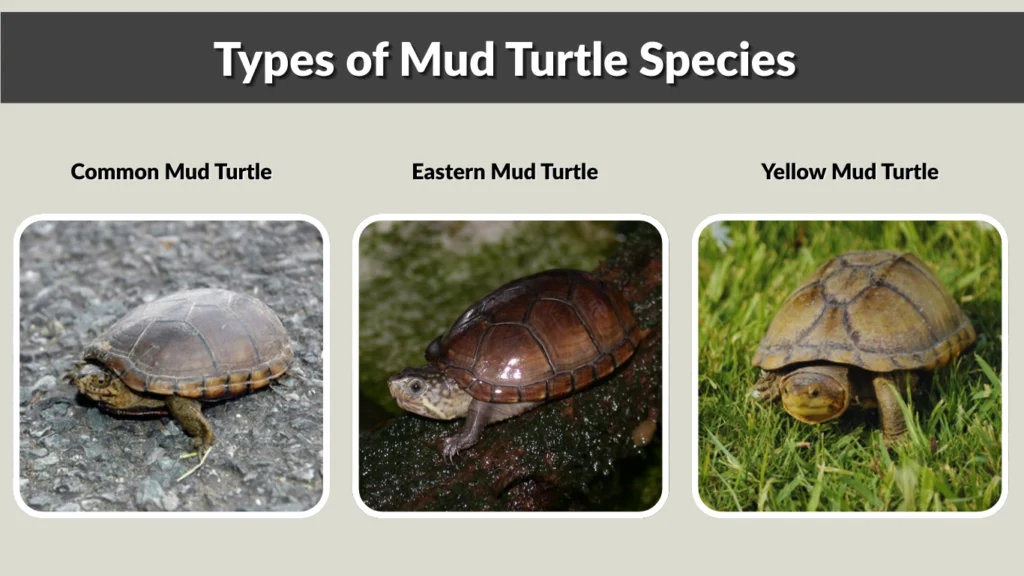
There are several species of mud turtles distributed across the Americas. While they share similar characteristics, each species has slight differences in appearance and habitat preference.
Common Mud Turtle (Kinosternon subrubrum)
The common mud turtle is one of the most widespread species. It is found in the eastern and southern United States. This species prefers shallow ponds, marshes, and drainage ditches with soft, muddy bottoms.
Common mud turtles are usually dark brown or black and have a relatively plain shell. They are small and secretive, often hiding under vegetation or burrowing into mud during dry periods.
Eastern Mud Turtle
The eastern mud turtle is sometimes considered a subspecies of the common mud turtle. It inhabits coastal regions and freshwater wetlands. These turtles are adapted to both freshwater and slightly brackish environments.
They are similar in appearance to the common mud turtle but may display subtle variations in shell texture and coloration depending on their location.
Other Notable Species
Other species include the yellow mud turtle, striped mud turtle, and Sonoran mud turtle. The yellow mud turtle is commonly found in the central United States and parts of Mexico. The striped mud turtle has distinctive light stripes on its head, making it easier to identify. The Sonoran mud turtle is native to desert regions and has adapted to survive in more arid conditions.
Despite these differences, all mud turtle species share a preference for slow-moving or still water with soft substrates.
Mud Turtle Habitat
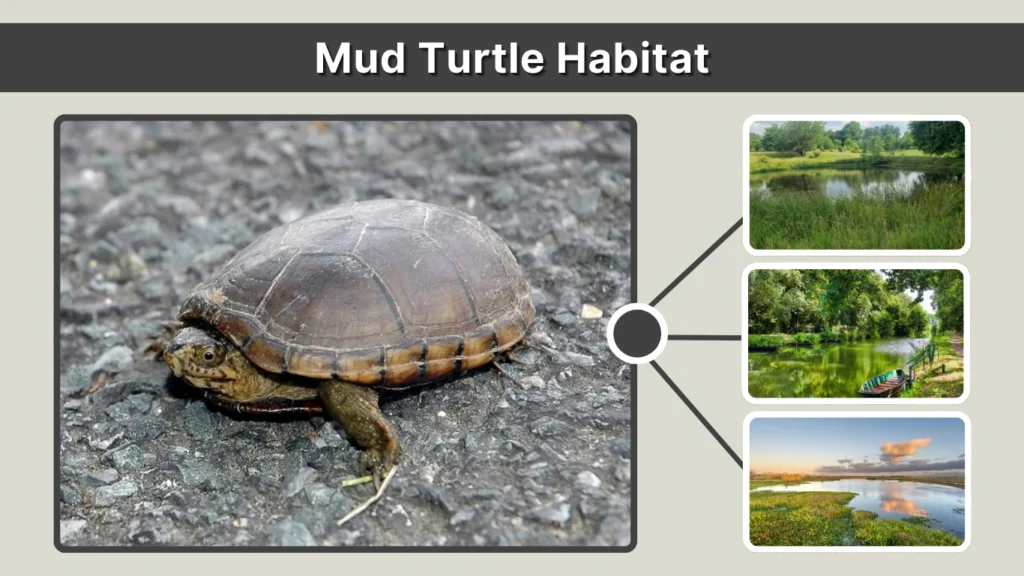
Mud turtles are native to North and Central America. Their range extends from the eastern and southern United States through Mexico and into parts of Central America. They thrive in warm climates but can tolerate seasonal temperature changes.
These turtles prefer shallow bodies of water such as ponds, marshes, swamps, and slow streams. They are especially fond of areas with muddy bottoms, which provide both food and protection. Aquatic vegetation is important, as it offers shelter from predators and supports the insects and small animals they eat.
During dry seasons or cold weather, mud turtles may burrow into the mud to conserve moisture and regulate their body temperature. In colder regions, they enter a state similar to hibernation, known as brumation, until temperatures rise again.
Aquatic vs. Land Behavior
Although mud turtles are primarily aquatic, they do not swim as actively as many other freshwater turtles. Instead, they often walk along the bottom of shallow water. This behavior suits their small size and preference for calm environments.
Mud turtles occasionally venture onto land, especially after heavy rainfall. They may travel to find new water sources or suitable nesting areas. Females leave the water to lay eggs in sandy or soft soil, usually during the warmer months.
Mud Turtle Size and Physical Characteristics
Mud turtles are considered small turtles. Most adults measure between 3 and 5 inches in shell length, although some species may grow slightly larger. Their compact size makes them well-suited to shallow wetlands and marshy habitats.
Their shells are generally smooth and oval-shaped, with colors ranging from dark brown to olive or black. Unlike some turtle species, mud turtles do not have bright or decorative shell patterns. Their understated appearance helps them blend into muddy surroundings.
One of their most distinctive features is the hinged plastron. This movable bottom shell allows the turtle to close itself more securely when threatened. While it does not completely seal the shell like a box turtle, it provides additional protection from predators.
Male and female mud turtles can sometimes be distinguished by tail length. Males typically have longer, thicker tails, while females have shorter ones. In many species, males may also be slightly larger.
Another notable trait is their ability to release a strong-smelling liquid from glands near the base of their tail. This defensive musk deters predators and explains why mud turtles are often confused with musk turtles.
What Do Mud Turtles Eat?
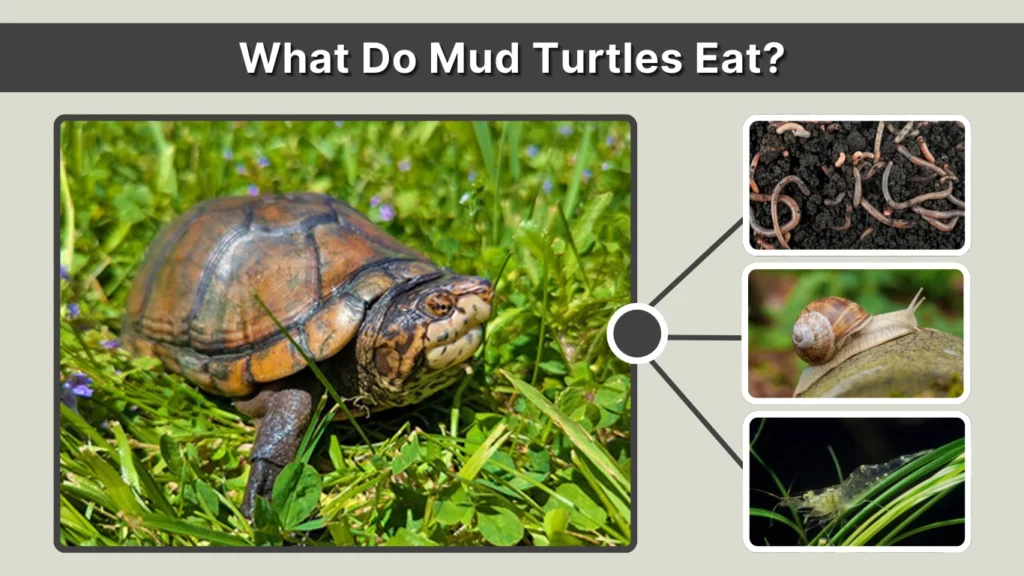
Mud turtles are omnivores, meaning they eat both animal and plant matter. Their diet varies depending on availability and habitat.
Diet in the Wild
In their natural environment, mud turtles feed on insects, worms, snails, and small crustaceans. They may also consume small fish, tadpoles, and carrion when available. Aquatic vegetation occasionally supplements their diet, though they are primarily carnivorous.
Because they often forage along the bottom of ponds and marshes, they play an important role in controlling insect populations and cleaning up organic debris.
Diet in Captivity
In captivity, mud turtles should be fed a balanced and varied diet to ensure proper growth and long-term health. High-quality commercial turtle pellets can serve as a staple food, as they are formulated with essential vitamins and minerals. However, pellets alone are not enough.
Owners should supplement pellets with protein sources such as earthworms, mealworms, crickets, bloodworms, and occasional small feeder fish. Leafy greens like romaine lettuce, dandelion greens, and aquatic plants can be offered in small amounts. Calcium supplements are especially important to support healthy shell development.
Juvenile mud turtles typically require daily feeding, while adults can be fed every other day. Overfeeding should be avoided, as obesity can lead to health problems in captive turtles.
Mud Turtle Lifespan
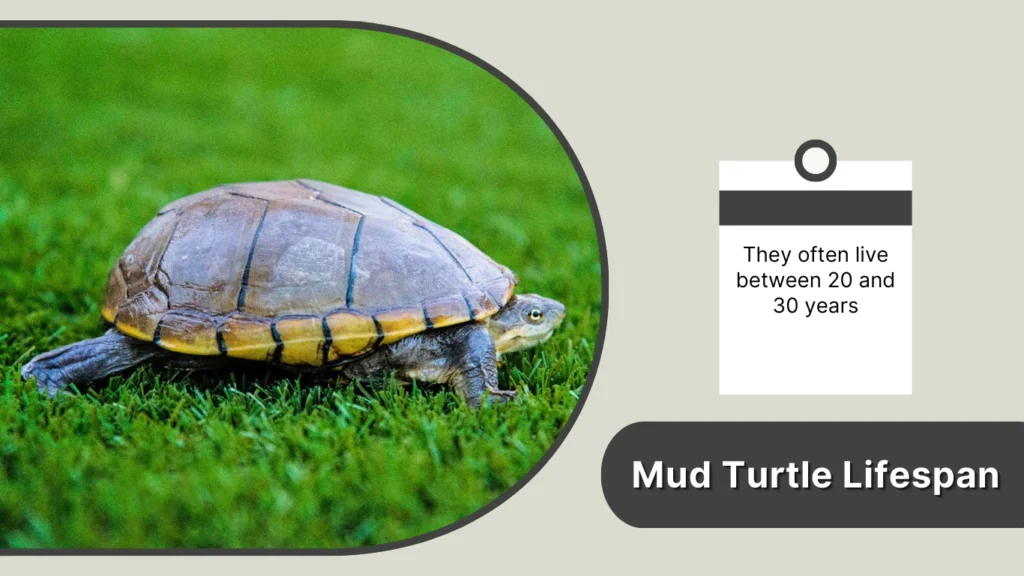
Mud turtles are long-lived reptiles. In the wild, they often live between 20 and 30 years, though some individuals may live longer under favorable conditions. In captivity, with proper care, diet, and veterinary attention, mud turtles can live 30 years or more.
Several factors influence a mud turtle’s lifespan. Access to clean water, a balanced diet, appropriate temperatures, and protection from predators all play a role in longevity. In the wild, threats include habitat destruction, pollution, and predation by birds, raccoons, and larger animals.
Because of their long lifespan, mud turtles represent a serious, long-term commitment for anyone considering keeping one as a pet.
Mud Turtle Behavior and Temperament
Mud turtles are generally shy and reclusive. Unlike basking species such as painted turtles, they do not spend extended periods sunning themselves. Instead, they prefer to remain hidden under aquatic vegetation or submerged in shallow water.
Many mud turtles are more active during the evening or nighttime hours. They move slowly along the bottom of their habitat, searching for food. While they are not typically aggressive, they can become defensive if handled frequently.
When threatened, mud turtles may bite or release their characteristic musky odor. This defensive behavior helps them deter predators. For this reason, they are better suited for observation rather than frequent handling.
Mud Turtle vs. Musk Turtle: What’s the Difference?
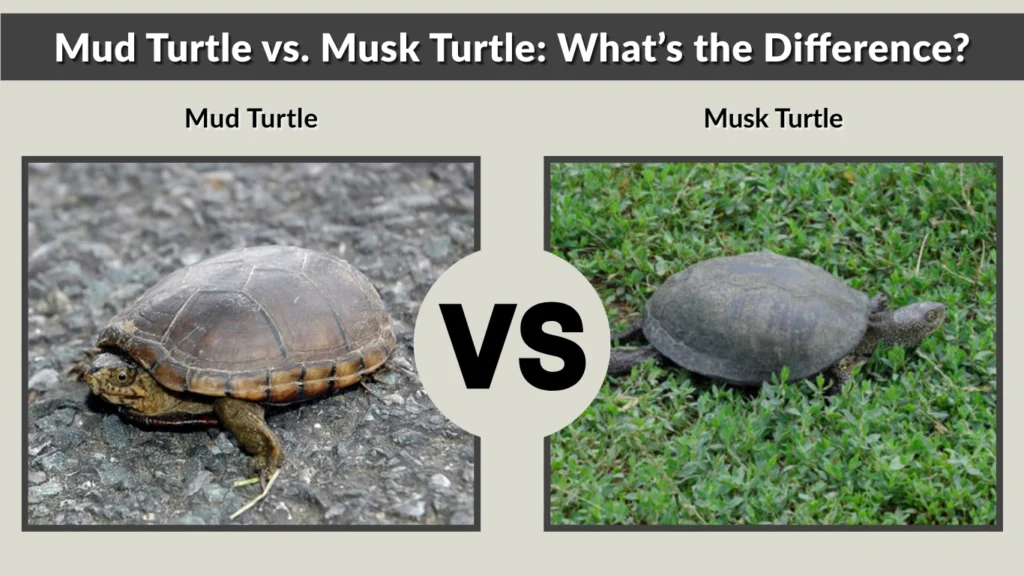
Mud turtles and musk turtles are often confused because they belong to the same family, Kinosternidae, and share similar sizes and behaviors. However, there are some notable differences.
Mud turtles usually have a more rounded, smooth shell and a hinged plastron that provides extra protection. Musk turtles, on the other hand, often have a more domed shell and reduced plastron with less mobility.
Behaviorally, both species can release a foul-smelling musk when threatened. However, musk turtles tend to bask more frequently and may be slightly more aquatic than mud turtles.
In terms of care, both require similar tank setups, including clean water, filtration, UVB lighting, and a basking area. Understanding these differences can help owners properly identify and care for their turtle.
Mud Turtle Care Guide (For Pet Owners)
While mud turtles are relatively hardy, they still require proper housing and maintenance to thrive in captivity.
Tank Setup Requirements
A minimum 20-gallon tank is recommended for a single adult mud turtle, though larger enclosures are always better. Because mud turtles prefer shallow water, the tank does not need to be extremely deep. However, it should provide enough space for swimming and exploring.
Clean water is essential. A strong filtration system helps maintain water quality and reduces the buildup of waste. Partial water changes should be performed regularly.
A basking platform or dock must be included so the turtle can leave the water completely. Even though mud turtles bask less frequently than other species, access to a dry area is important for shell health.
Substrates such as smooth gravel or sand can be used, though some owners prefer a bare-bottom tank for easier cleaning.
Lighting and Temperature
Proper lighting is crucial for a mud turtle’s health. UVB lighting helps them metabolize calcium and maintain a strong shell. The basking area should have a temperature between 85–90°F, while water temperatures should remain around 72–78°F.
A water heater may be necessary in cooler climates to maintain stable conditions. Using thermometers to monitor both water and basking temperatures is strongly recommended.
Health and Common Problems
Common health issues in mud turtles include shell rot, respiratory infections, and vitamin deficiencies. Poor water quality is often the main cause of illness in captive turtles.
Signs of health problems may include lethargy, swollen eyes, soft shell areas, wheezing, or loss of appetite. If any of these symptoms appear, consulting a reptile veterinarian is important.
Maintaining proper hygiene, balanced nutrition, and appropriate lighting significantly reduces the risk of disease.
Are Mud Turtles Good Pets?
Mud turtles can make interesting pets for dedicated reptile enthusiasts. Their small size makes them suitable for moderately sized aquariums, and they are generally hardy when cared for correctly.
However, they are not ideal for beginners who want a highly interactive pet. Mud turtles prefer minimal handling and can release an unpleasant musk if stressed. Additionally, their long lifespan means owners must be prepared for decades of care.
Before acquiring a mud turtle, it is important to check local wildlife laws, as some species may be protected or regulated. Purchasing captive-bred individuals from reputable breeders is always recommended.
FAQs
How big do mud turtles get?
Most mud turtles grow between 3 and 5 inches in shell length. Some species may reach slightly larger sizes, but they are generally considered small freshwater turtles compared to sliders or cooters.
How long do mud turtles live?
Mud turtles commonly live 20–30 years. With proper captive care, some individuals can live even longer, making them a long-term commitment for pet owners.
Are mud turtles aggressive?
Mud turtles are not naturally aggressive but may bite or release musk if they feel threatened. They are shy turtles that prefer minimal handling.
Can mud turtles stay underwater all the time?
Mud turtles spend most of their time in water, but they still require access to a dry basking area. Basking supports shell health and helps regulate body temperature.
Do mud turtles need UVB light?
Yes, UVB lighting is essential in captivity. It helps mud turtles process calcium properly and prevents shell deformities and metabolic bone disease.
Conclusion
Mud turtles are small, adaptable freshwater turtles with unique features and fascinating behaviors. From their hinged plastron to their secretive lifestyle, they are well-suited to muddy ponds and marshes throughout the Americas. Understanding their habitat, diet, lifespan, and care requirements is essential for both wildlife enthusiasts and potential pet owners. With proper care and responsible ownership, mud turtles can live long, healthy lives and remain captivating reptiles for decades.