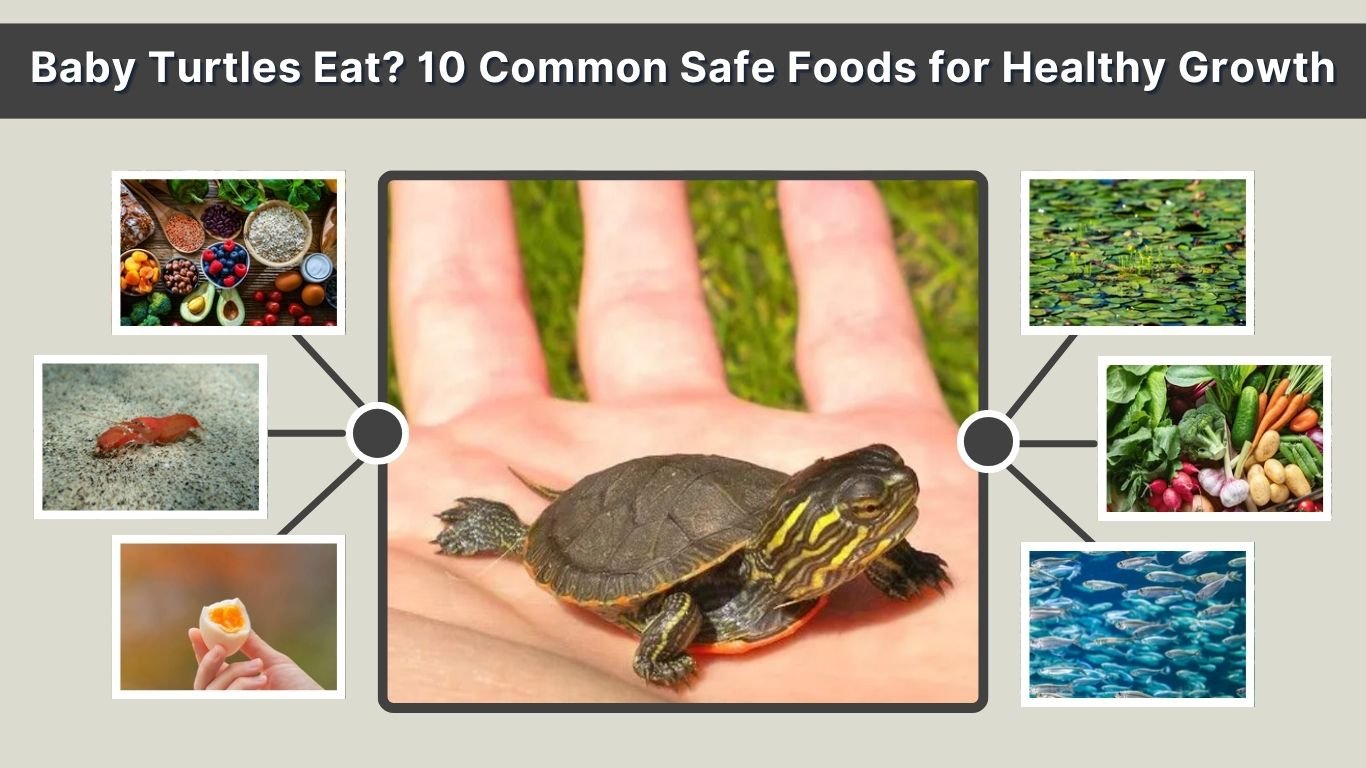
Baby turtles may look small and low-maintenance, but their diet plays a huge role in their growth, shell strength, and overall health. Whether you’re raising an aquatic turtle or a land species, providing the right balance of nutrients is essential during their early stages of life.
In the wild, baby turtles eat a mix of protein-rich foods, plants, and small organisms. As pets, they require a similarly varied diet to stay healthy and active. Feeding them the wrong foods—or not enough variety—can lead to poor growth and health problems.
In this guide, we’ll explore 10 common and safe foods you can feed baby turtles, along with practical tips to ensure they get the nutrition they need to thrive.
1. Commercial Turtle Pellets
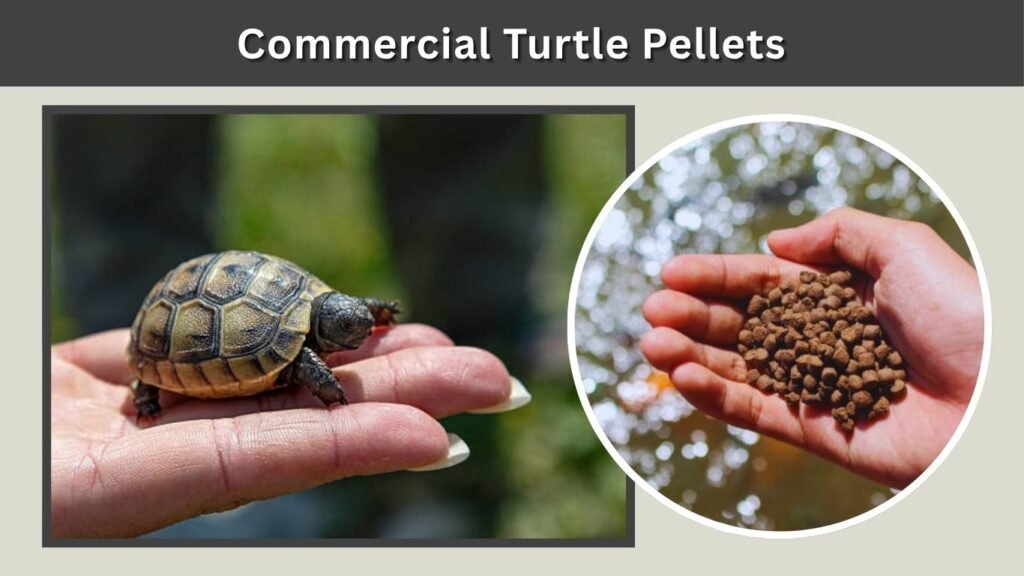
Commercial turtle pellets are one of the easiest and most reliable food options for baby turtles. They are specially designed to meet the nutritional needs of growing turtles, making them a staple in most pet turtle diets. While they shouldn’t be the only food, they provide a strong dietary foundation.
Benefits
Commercial pellets offer a balanced mix of protein, calcium, vitamins, and minerals essential for healthy growth. They support shell development, boost immunity, and help prevent nutritional deficiencies, especially in young turtles that need consistent nourishment.
How to Feed
Feed your baby turtle a small portion once or twice daily. Only give what they can finish within 5–10 minutes. For very small turtles, you can soften the pellets in water before feeding to make them easier to eat and digest.
Tips & Precautions
Choose high-quality, reputable brands for the best nutrition. Avoid overfeeding, as excess pellets can pollute the water and harm your turtle’s health. Always remove uneaten food and combine pellets with fresh foods for a more balanced diet.
2. Leafy Greens (Lettuce, Kale, Spinach)
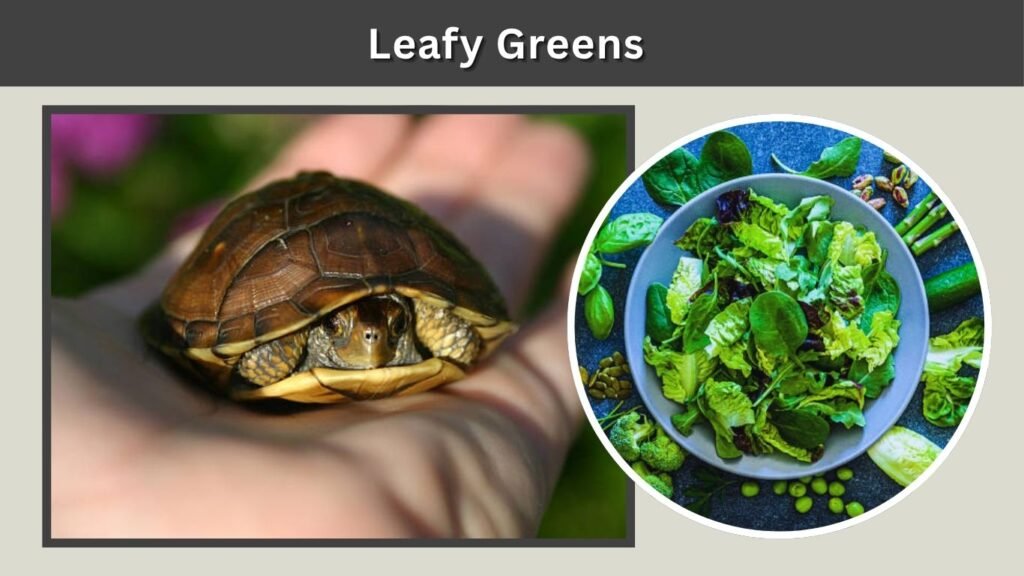
Leafy greens are an important part of a baby turtle’s diet, especially as they grow. These vegetables provide essential vitamins and fiber, helping support digestion and overall health. They are particularly beneficial for balancing protein-rich foods.
Benefits
Leafy greens are rich in vitamins A, C, and K, as well as fiber that aids digestion. They help strengthen the immune system and contribute to healthy shell and skin development. Greens also promote natural feeding habits, especially in herbivorous and omnivorous turtles.
How to Feed
Wash the greens thoroughly and chop them into small, bite-sized pieces. Offer them daily in small amounts, either floating in the water for aquatic turtles or placed in a feeding area for land turtles. Mixing them with other foods can encourage picky eaters.
Tips & Precautions
Avoid iceberg lettuce, as it has very little nutritional value. Rotate different greens like kale, romaine, and dandelion leaves for variety. Feed spinach in moderation due to its oxalate content, which can affect calcium absorption.
3. Small Insects (Crickets, Mealworms)
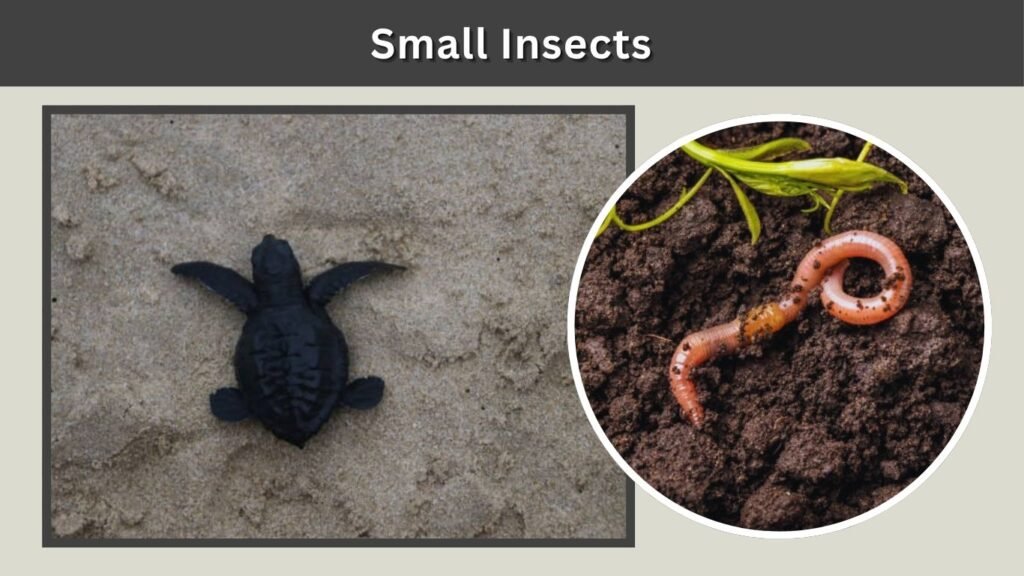
Small insects are a natural and protein-rich food source for baby turtles. In the wild, young turtles actively hunt insects, making this an excellent way to mimic their natural diet and stimulate their instincts.
Benefits
Insects are high in protein, which is crucial for growth, muscle development, and shell strength in baby turtles. They also provide essential nutrients that help maintain energy levels and overall vitality.
How to Feed
Offer live or dried insects in small portions a few times per week. Make sure the insects are appropriately sized so your baby turtle can eat them easily. You can drop them into the tank to encourage natural hunting behavior.
Tips & Precautions
Avoid feeding wild-caught insects, as they may contain pesticides or parasites. Stick to store-bought or safely raised insects. Do not overfeed, as too much protein can lead to health issues—balance with vegetables and other foods.
4. Earthworms
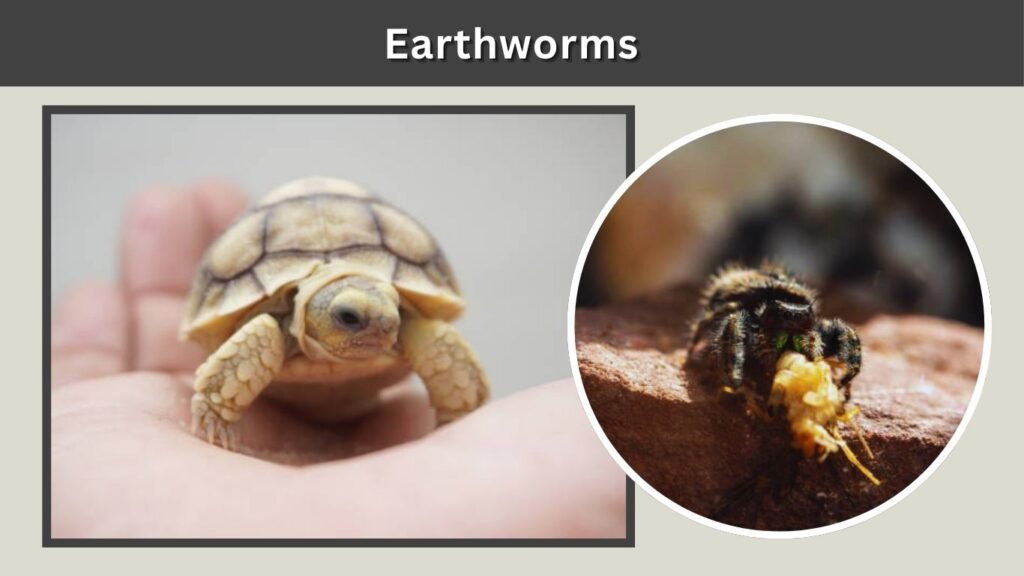
Earthworms are a natural and highly nutritious food choice for baby turtles. They closely resemble what turtles would eat in the wild, making them both a healthy and instinct-friendly option.
Benefits
Earthworms are rich in protein and essential nutrients that support rapid growth and muscle development. They are also easy to digest, making them ideal for young turtles with developing digestive systems.
How to Feed
Cut the earthworms into smaller pieces suitable for your baby turtle’s size. Offer them a few times a week as part of a varied diet. You can place them directly in the water or feeding area to encourage natural feeding behavior.
Tips & Precautions
Always use clean, pesticide-free worms—preferably from pet stores or safe sources. Avoid overfeeding, as too much protein can cause health issues. Rinse worms before feeding to remove any dirt or contaminants.
5. Small Fish (Guppies, Minnows)
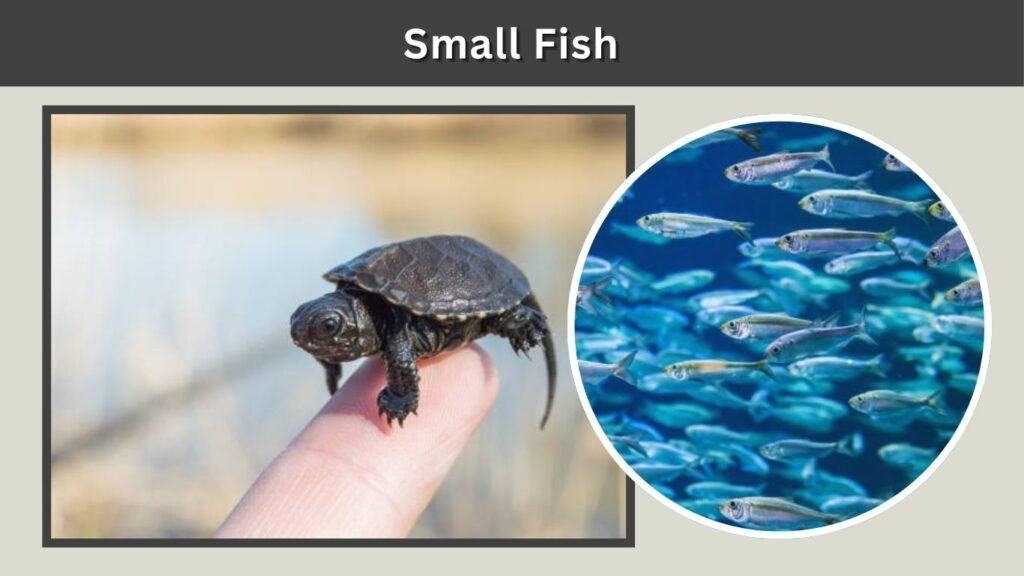
Small fish are an excellent protein source and provide enrichment by allowing baby turtles to hunt, just like they would in their natural habitat.
Benefits
Fish are packed with protein, healthy fats, and nutrients that support brain development and overall growth. They also encourage physical activity and natural hunting instincts in baby turtles.
How to Feed
Offer small live or thawed fish occasionally. Make sure the fish are appropriately sized for your turtle to catch and eat. Feeding once or twice a week is usually sufficient as part of a balanced diet.
Tips & Precautions
Avoid feeding fatty or large fish, as they can be difficult to digest. Only use safe, disease-free feeder fish from reliable sources. Do not overfeed, as excessive protein can lead to shell and health problems.
6. Vegetables (Carrots, Squash)
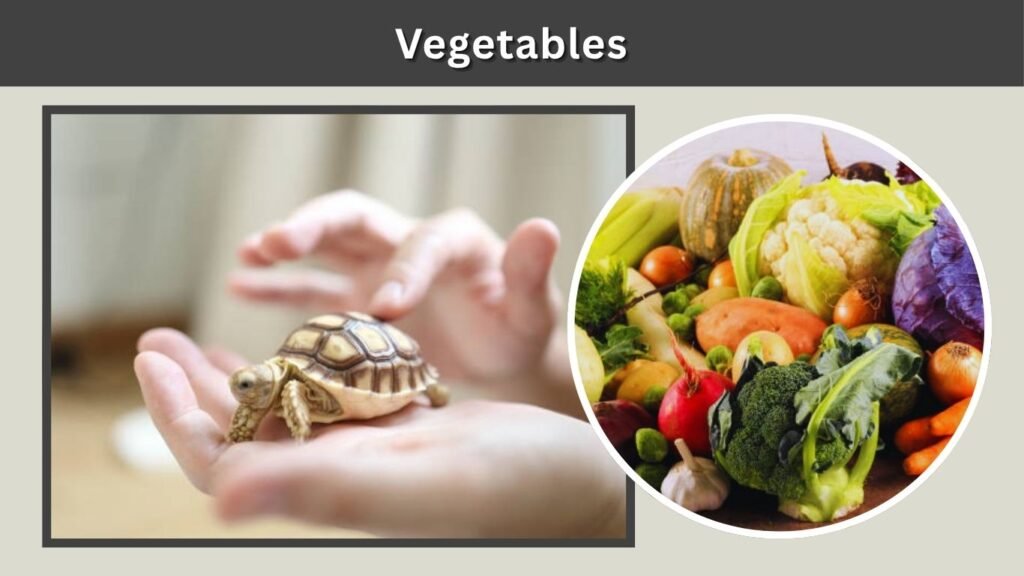
Vegetables like carrots and squash are excellent additions to a baby turtle’s diet, providing important vitamins and nutrients that support healthy development. They help balance protein-heavy foods and promote overall well-being.
Benefits
These vegetables are rich in vitamins, especially vitamin A, which is essential for eye health and immune function. They also contain antioxidants and fiber that support digestion and help maintain a healthy shell.
How to Feed
Grate or finely chop vegetables into small, manageable pieces. You can serve them raw or lightly steamed to soften harder vegetables like carrots. Offer them a few times a week alongside other foods.
Tips & Precautions
Avoid seasoning or adding oils when preparing vegetables. Introduce new vegetables gradually to see what your turtle prefers. Make sure pieces are small enough to prevent choking.
7. Aquatic Plants (Duckweed, Water Lettuce)
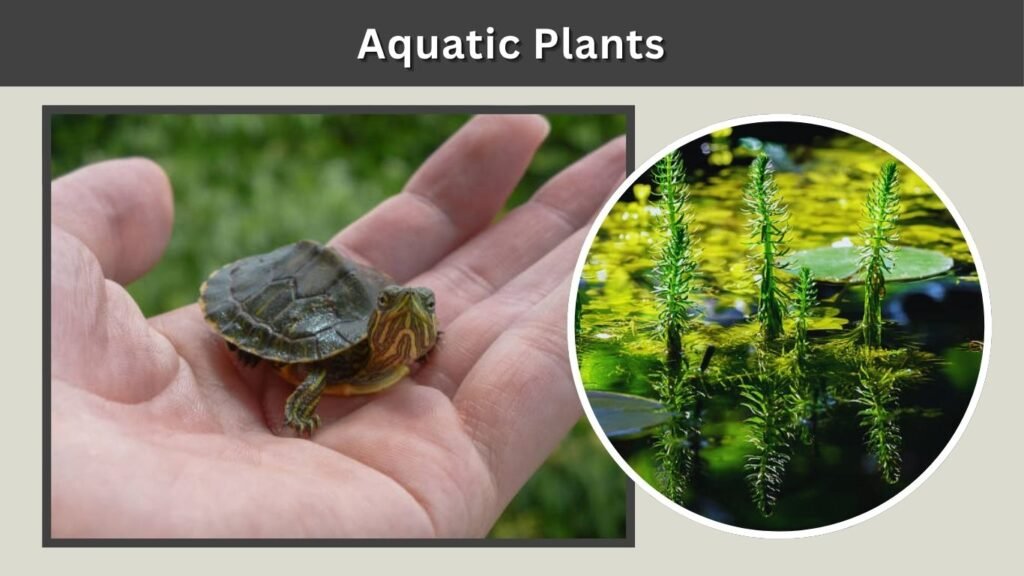
Aquatic plants are a natural food source for many baby turtles, especially aquatic species. They allow turtles to graze throughout the day, closely mimicking their behavior in the wild.
Benefits
Aquatic plants are rich in fiber, vitamins, and minerals that support digestion and overall health. They also help create a more natural and enriching environment inside the tank.
How to Feed
Simply place clean, pesticide-free plants directly into the tank. Baby turtles will nibble on them throughout the day. You can replenish the plants as needed.
Tips & Precautions
Ensure all plants are safe and free from chemicals or pesticides. Avoid overloading the tank, as decaying plants can affect water quality. Regularly monitor and clean the tank to maintain a healthy environment.
8. Fruits (Berries, Apple Pieces)
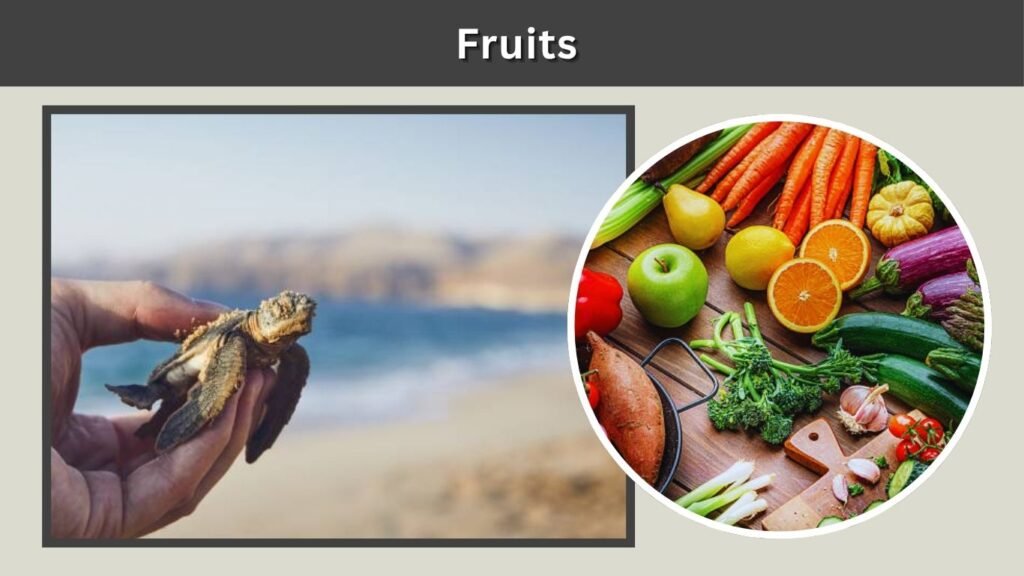
Fruits can be a tasty and nutritious treat for baby turtles when offered in moderation. While not a primary food source, they add variety and provide extra vitamins to support overall health.
Benefits
Fruits contain natural sugars, vitamins, and antioxidants that help boost the immune system and provide energy. Berries, in particular, are rich in nutrients that support healthy growth and vitality.
How to Feed
Cut fruits into very small, bite-sized pieces and offer them occasionally as a treat. You can place them in the water or feeding area, depending on your turtle’s habitat.
Tips & Precautions
Do not overfeed fruits, as too much sugar can cause digestive issues. Remove seeds and skins when necessary, and always wash fruits thoroughly before feeding.
9. Shrimp (Dried or Fresh)
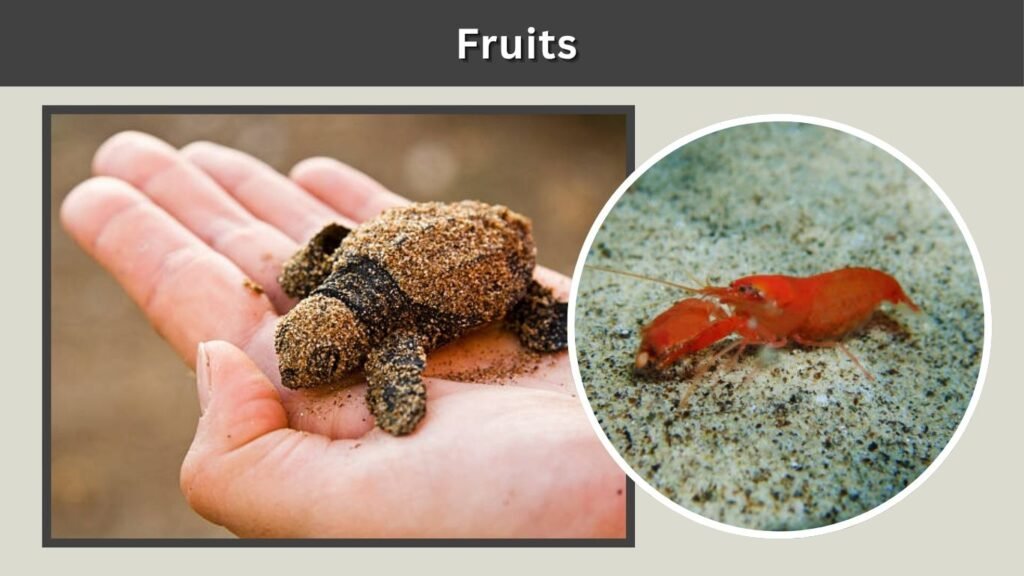
Shrimp is a popular and appealing food for baby turtles due to its strong smell and taste. It can be offered as an occasional treat to add protein and variety to their diet.
Benefits
Shrimp is high in protein and contains nutrients that support growth and energy levels. It can also stimulate appetite in picky eaters.
How to Feed
Offer small amounts of dried or fresh shrimp once or twice a week. Make sure the pieces are small enough for your baby turtle to eat comfortably.
Tips & Precautions
Avoid making shrimp a staple food, as it lacks complete nutrition. Overfeeding can lead to an unbalanced diet. Always choose high-quality, clean shrimp products.
10. Cooked Egg (Boiled)
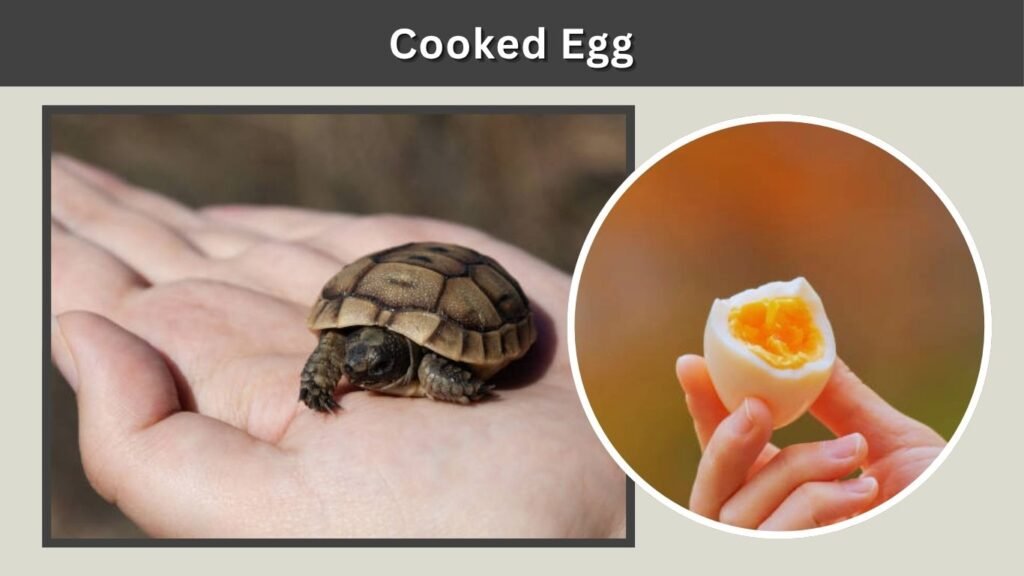
Cooked egg is a nutrient-rich food that can be given occasionally to baby turtles. It’s an excellent supplementary protein source when used correctly.
Benefits
Boiled eggs provide high-quality protein and essential nutrients that support muscle development and growth. They also contain calcium, which contributes to a stronger shell.
How to Feed
Boil the egg without any salt or seasoning, then mash a small portion of the yolk and white. Offer tiny amounts occasionally as part of a varied diet.
Tips & Precautions
Feed eggs sparingly, as too much can lead to dietary imbalance. Always ensure the egg is fully cooked and plain. Remove any uneaten portions quickly to keep the environment clean.
FAQs
1. How often should I feed a baby turtle?
Baby turtles should generally be fed once or twice daily. Their metabolism is higher than adult turtles, so they require more frequent feeding. Offer small portions they can consume within a few minutes to prevent overfeeding and maintain clean water conditions in their habitat.
2. Can baby turtles eat only pellets?
While pellets provide balanced nutrition, relying solely on them is not ideal. A varied diet including vegetables, insects, and occasional treats ensures better health and mimics their natural feeding habits. Diversity helps prevent nutritional deficiencies and supports overall growth.
3. Are fruits safe for baby turtles?
Fruits are safe but should be given sparingly due to their high sugar content. Overfeeding fruits can lead to digestive issues and imbalance in nutrition. Offer small portions occasionally as a treat rather than a regular part of the diet.
4. What foods should I avoid feeding baby turtles?
Avoid processed foods, dairy products, salty foods, and anything seasoned. Also, do not feed toxic plants or wild insects that may contain pesticides. These can harm your turtle’s digestive system and overall health.
5. How do I know if my baby turtle is eating properly?
A healthy baby turtle will be active, alert, and show interest in food. Consistent growth, clear eyes, and a smooth shell are good signs. If your turtle refuses food for several days or appears lethargic, it may indicate a health issue.