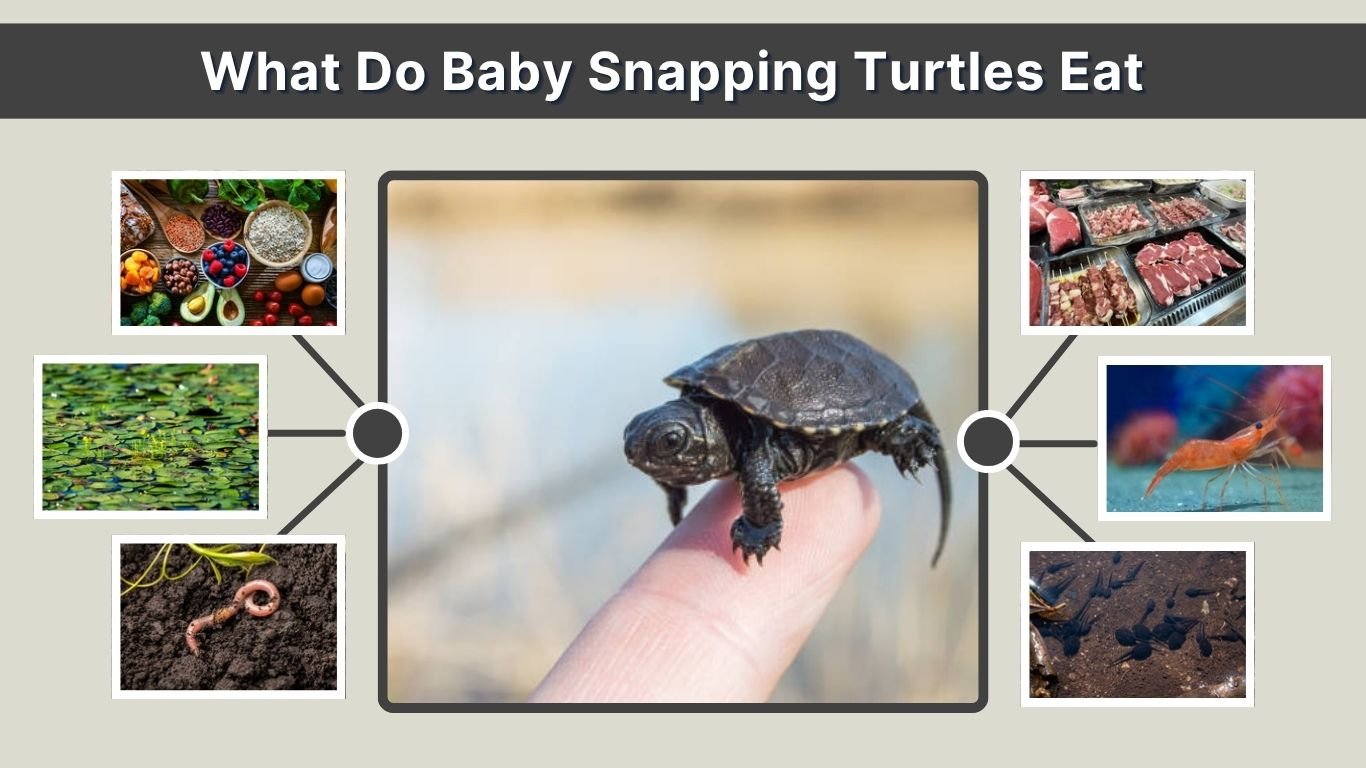
Baby snapping turtles are known for their aggressive nature and strong appetite, even from a very young age. Unlike many other turtle species, they are primarily carnivorous as hatchlings and require a protein-rich diet to support their rapid growth and development.
In the wild, baby snapping turtles feed on a variety of small prey such as insects, fish, and worms. As pets, it’s important to replicate this natural diet as closely as possible to keep them healthy and active. Providing the right balance of nutrients helps ensure proper shell formation, muscle growth, and overall well-being.
In this guide, you’ll discover 8 common and safe foods you can feed baby snapping turtles, along with helpful tips to create a balanced and natural feeding routine.
1. Commercial Turtle Pellets
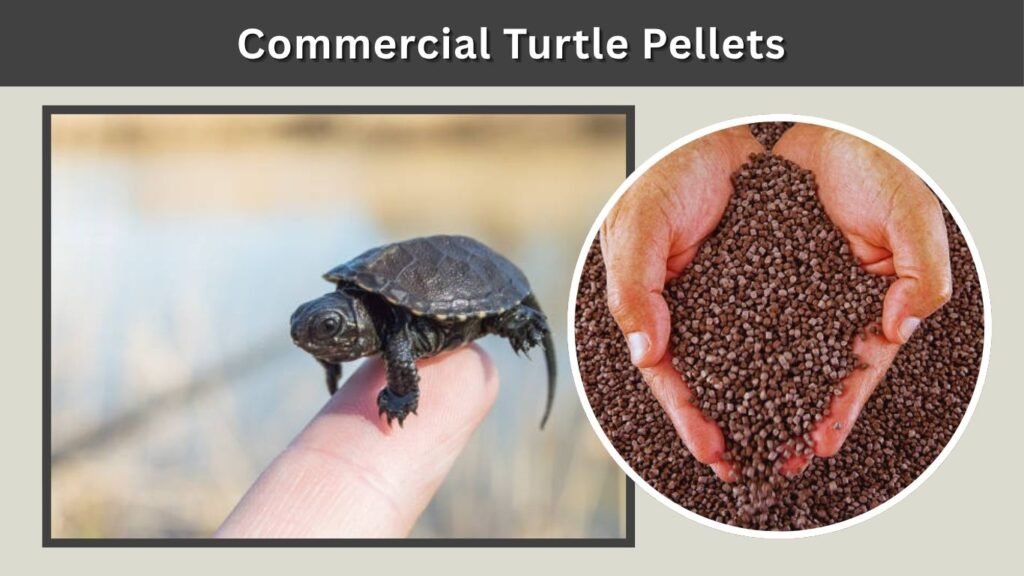
Commercial turtle pellets are a convenient and reliable foundation for feeding baby snapping turtles. Although these turtles prefer live or protein-rich foods, high-quality pellets help ensure they receive essential nutrients that might be missing from a raw diet.
Benefits
Pellets are formulated with balanced protein, vitamins, and minerals that support rapid growth, strong bones, and healthy shell development. They also help prevent nutritional deficiencies, especially in captive turtles.
How to Feed
Offer a small portion of pellets once daily, ideally alongside other protein sources. You can drop them into the water and allow your snapping turtle to eat naturally. For very young turtles, soaking pellets can make them easier to consume.
Tips & Precautions
Choose high-protein pellets designed specifically for carnivorous turtles. Avoid overfeeding, as excess food can pollute the water quickly. Pellets should be part of a varied diet, not the only food source.
2. Small Fish (Guppies, Minnows)
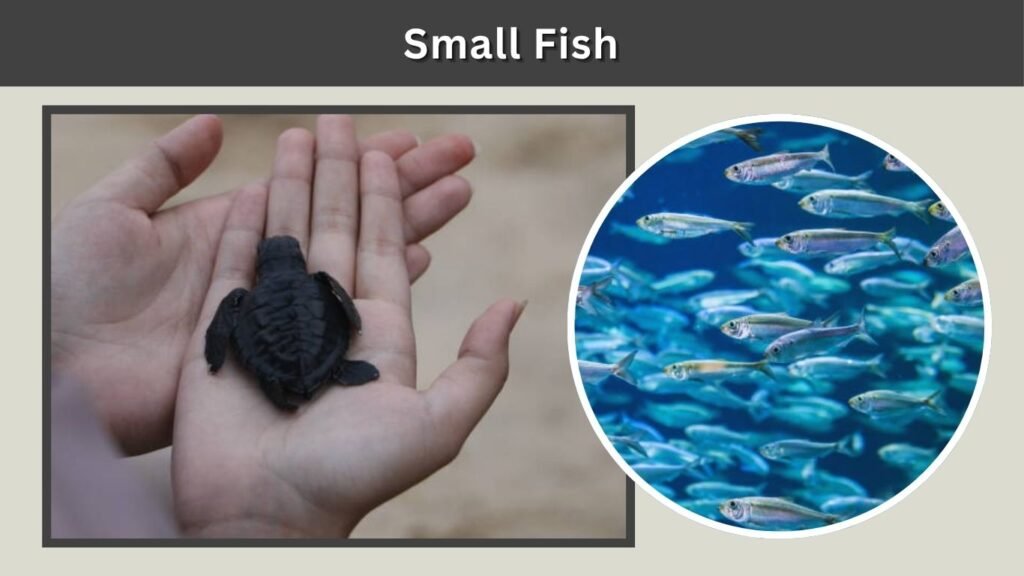
Small fish are a natural and highly preferred food for baby snapping turtles. In the wild, they actively hunt fish, making this an excellent way to replicate their natural feeding behavior while providing essential nutrients.
Benefits
Fish are rich in protein and healthy fats, which support rapid growth, muscle development, and energy levels. They also encourage natural hunting instincts, keeping your turtle active and mentally stimulated.
How to Feed
Offer small live or thawed fish a few times per week. Make sure the fish are appropriately sized so your baby snapping turtle can catch and eat them easily. Drop them into the tank to allow natural hunting.
Tips & Precautions
Only use feeder fish from trusted sources to avoid disease or parasites. Avoid feeding fatty fish too often, and do not overfeed, as excess protein can lead to health issues.
3. Earthworms
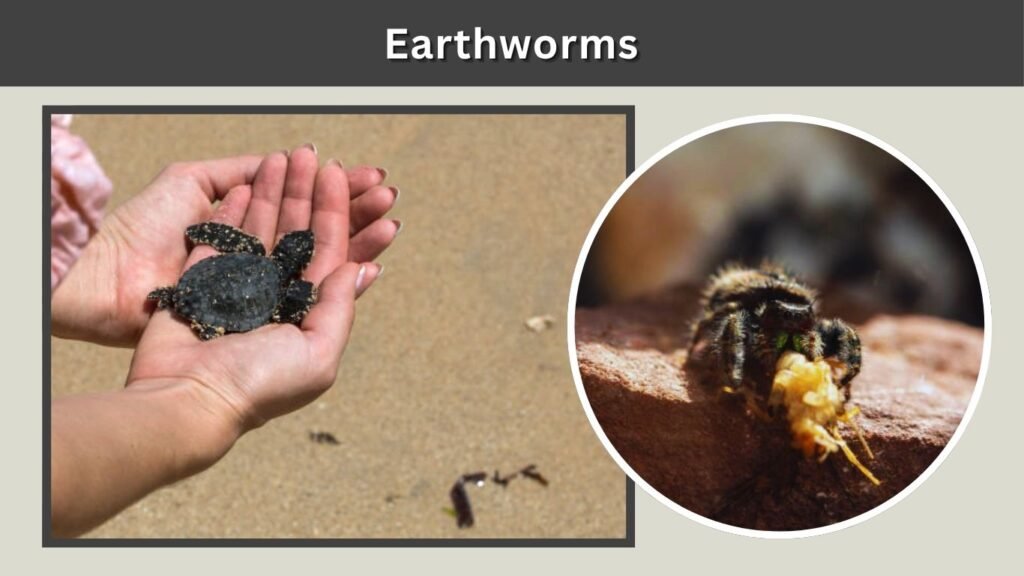
Earthworms are one of the best natural food options for baby snapping turtles. They are soft, easy to digest, and closely match what turtles would eat in their natural habitat.
Benefits
Earthworms are packed with protein and essential nutrients that promote healthy growth and development. They are also gentle on the digestive system, making them ideal for young turtles.
How to Feed
Cut worms into smaller pieces if your turtle is very young. Offer them several times a week as part of a varied diet. Place them in the water or feeding area to trigger natural feeding responses.
Tips & Precautions
Always use clean, pesticide-free worms from safe sources. Rinse them before feeding to remove dirt. Avoid overfeeding, and balance with other foods to maintain proper nutrition.
4. Insects (Crickets, Mealworms)
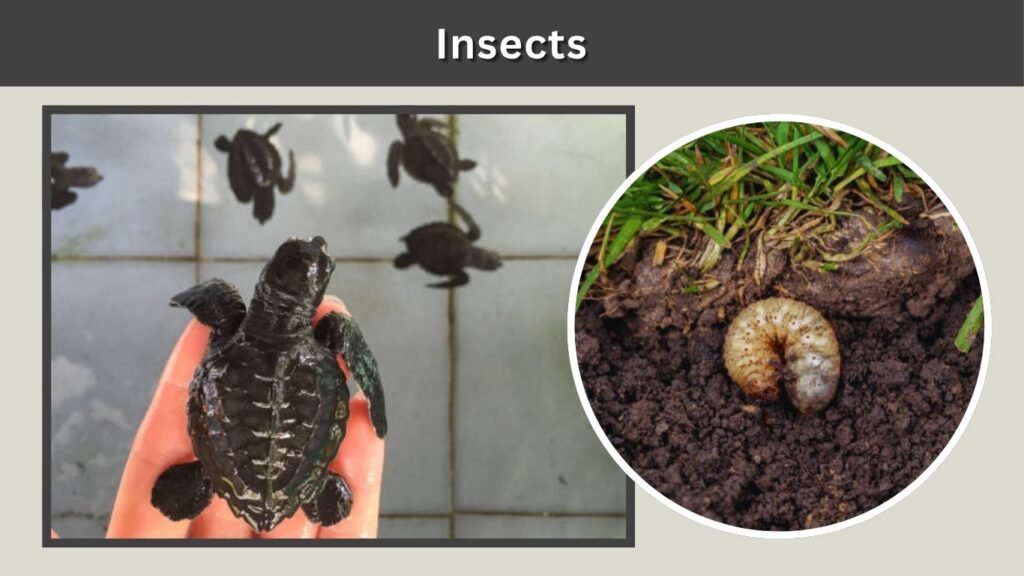
Insects are a staple food for baby snapping turtles and closely resemble what they would hunt in the wild. They are highly nutritious and help keep your turtle active and engaged during feeding.
Benefits
Insects are rich in protein, which supports rapid growth, muscle development, and shell strength. They also provide essential nutrients that help maintain energy levels and overall health.
How to Feed
Offer live or dried insects a few times per week. Make sure they are small enough for your baby turtle to eat easily. Dropping live insects into the water can encourage natural hunting behavior.
Tips & Precautions
Avoid feeding wild-caught insects, as they may contain pesticides or parasites. Use store-bought or farm-raised insects for safety. Feed in moderation and combine with other food sources for a balanced diet.
5. Raw Lean Meat (Chicken or Turkey)
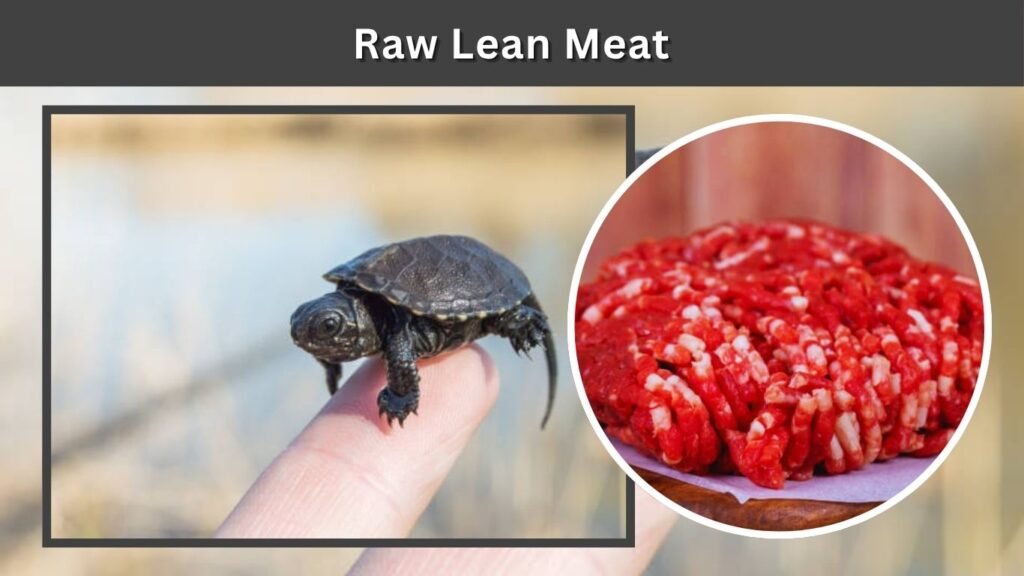
Raw lean meat can be a useful supplemental food for baby snapping turtles, especially when you want to boost their protein intake. However, it should only be given occasionally.
Benefits
Lean meats are high in protein, which supports fast growth and strong muscle development. They can also help maintain energy levels in active baby snapping turtles.
How to Feed
Cut the meat into very small, bite-sized pieces and offer it occasionally as a treat. Make sure the meat is fresh, raw, and unseasoned. Feed in small portions to avoid overfeeding.
Tips & Precautions
Avoid fatty or processed meats, as they can harm your turtle’s health. Do not rely on meat as a primary food source, since it lacks complete nutrition. Always remove uneaten pieces quickly to keep the water clean.
6. Shrimp and Aquatic Invertebrates
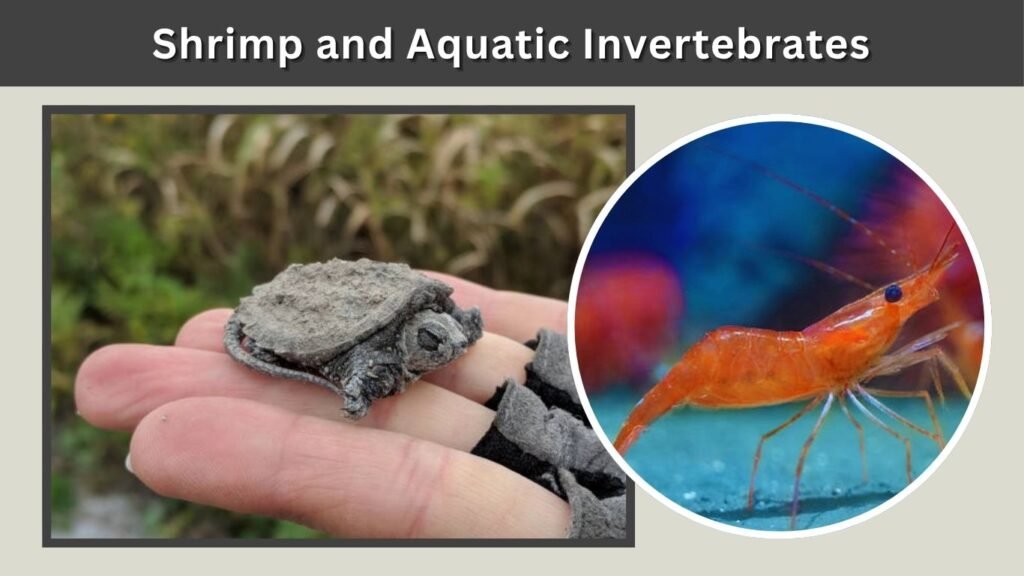
Shrimp and other aquatic invertebrates are highly appealing to baby snapping turtles and make a great protein-rich addition to their diet. These foods closely mimic what they would naturally hunt in the wild.
Benefits
Shrimp are rich in protein and essential nutrients that support growth and energy. They also stimulate appetite, making them especially useful for picky eaters or newly hatched turtles.
How to Feed
Offer small pieces of fresh or dried shrimp once or twice a week. You can drop them into the water to allow your turtle to feed naturally. Ensure the pieces are small enough to eat easily.
Tips & Precautions
Do not overfeed shrimp, as it can lead to an unbalanced diet. Always choose clean, high-quality sources. Use shrimp as a supplement rather than a primary food.
7. Tadpoles or Small Amphibians
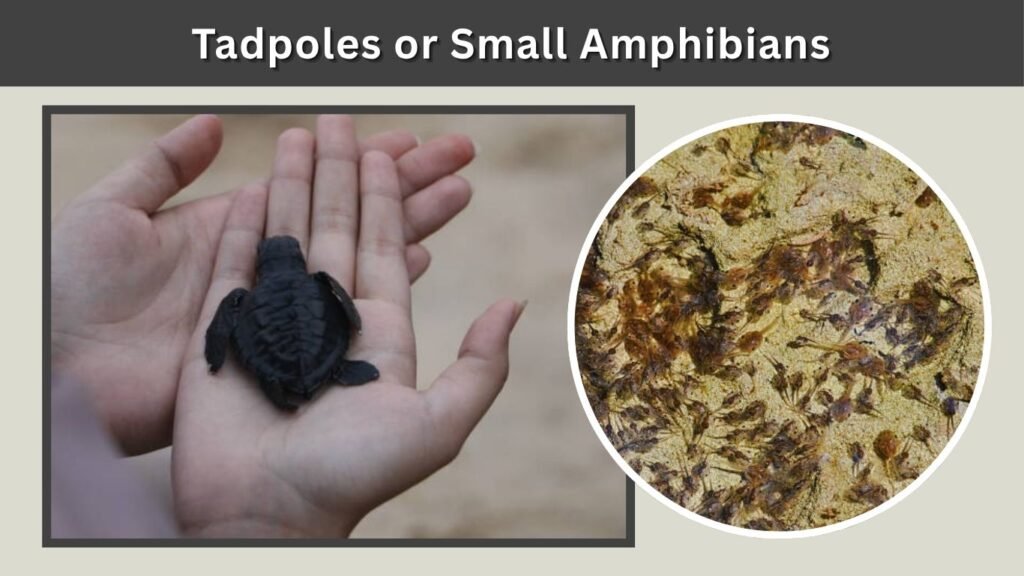
Tadpoles and small amphibians are part of a baby snapping turtle’s natural diet in the wild. Feeding them occasionally can help replicate natural hunting behavior and provide excellent nutrition.
Benefits
These prey items are rich in protein and nutrients that support rapid growth and strength. They also encourage instinctive hunting, keeping your turtle active and mentally stimulated.
How to Feed
Offer occasionally if available from safe and controlled sources. Place them in the tank and allow your turtle to hunt naturally.
Tips & Precautions
Only use disease-free and safe sources—never collect from polluted or unknown environments. Avoid frequent feeding of amphibians to maintain a balanced diet and reduce risk of parasites.
8. Leafy Greens (Occasional)
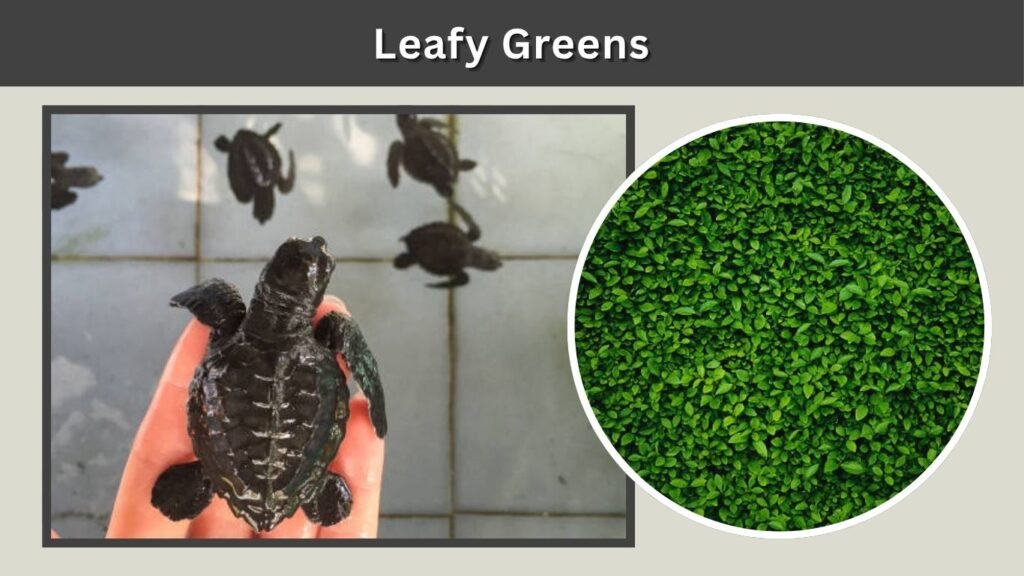
Although baby snapping turtles are mostly carnivorous, small amounts of leafy greens can be included in their diet. These provide additional nutrients and help introduce some dietary variety as they grow.
Benefits
Leafy greens contain vitamins, minerals, and fiber that support digestion and overall health. They can also help balance a high-protein diet and contribute to long-term well-being.
How to Feed
Offer finely chopped greens like romaine lettuce, kale, or dandelion leaves in small amounts. You can place them in the water or feeding area, but don’t expect your turtle to eat them regularly.
Tips & Precautions
Do not make greens a primary food source, as baby snapping turtles need mostly protein. Avoid iceberg lettuce due to low nutritional value. Always wash greens thoroughly and remove uneaten portions to keep the habitat clean.
FAQs
1. How often should baby snapping turtles eat?
Baby snapping turtles should be fed once daily due to their high metabolism. Offer small portions they can finish quickly. Overfeeding can lead to health issues and poor water quality, so it’s important to maintain a balanced feeding routine.
2. Are snapping turtles strictly carnivorous as babies?
Yes, baby snapping turtles are mostly carnivorous and prefer protein-rich foods. However, they may occasionally eat plant matter. A diet focused on animal protein supports their rapid growth and natural feeding instincts.
3. Can I feed raw meat to baby snapping turtles?
Raw lean meat can be fed occasionally, but it should not be the main diet. It lacks complete nutrition. Always use fresh, unseasoned meat and combine it with other food sources for balance.
4. What foods should I avoid feeding them?
Avoid processed foods, fatty meats, dairy products, and anything seasoned. Also, do not feed wild-caught prey that may carry parasites or pesticides, as these can harm your turtle.
5. Do baby snapping turtles need variety in their diet?
Yes, variety is essential for proper nutrition. Feeding a mix of pellets, insects, fish, and occasional greens ensures they receive all necessary nutrients and helps mimic their natural diet in the wild.