
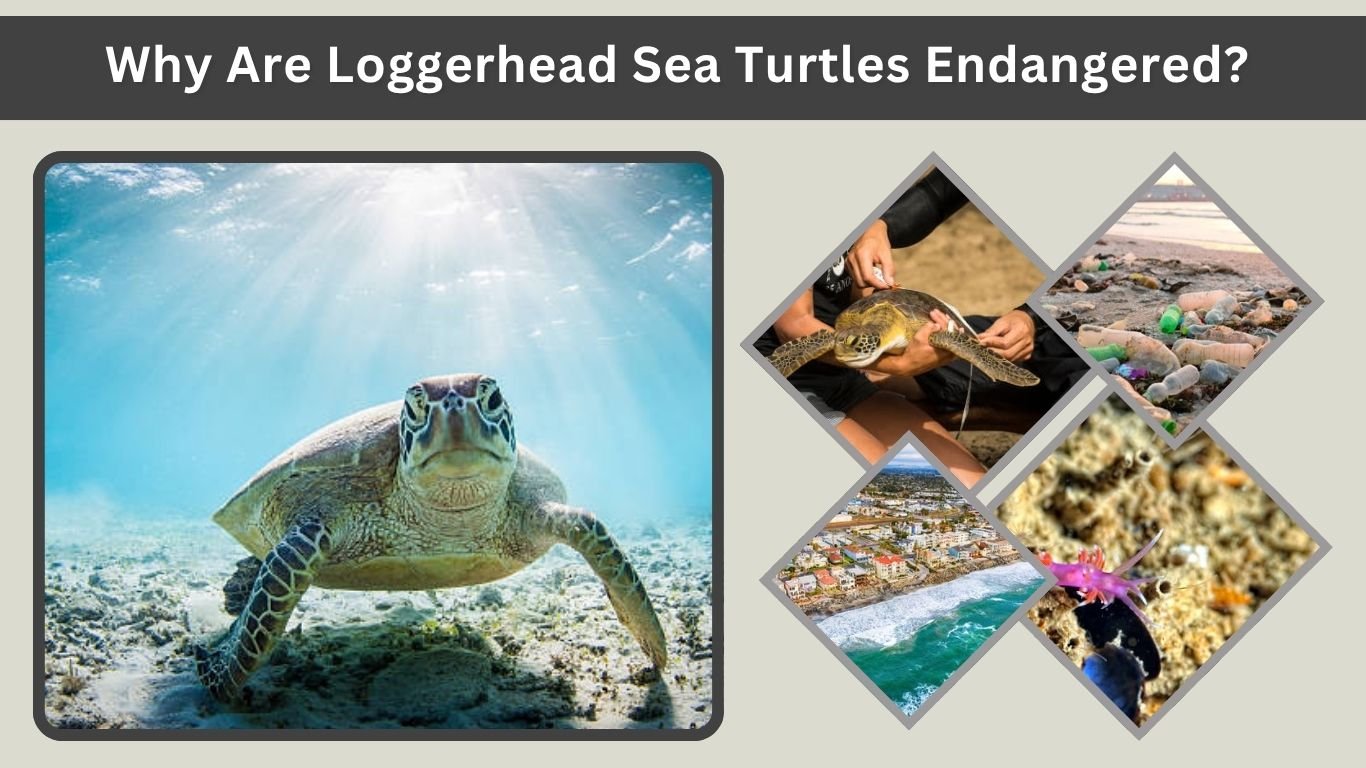
Loggerhead sea turtles are one of the most widely distributed sea turtle species, found in oceans around the world. Known for their large heads and powerful jaws, these turtles play an important role in maintaining healthy marine ecosystems. However, their populations have been under threat for decades, raising concerns about their long-term survival.
Many people ask, “Why are loggerhead sea turtles endangered?” The answer involves a combination of human activity, environmental changes, and natural challenges. Understanding these factors is essential for protecting this species and ensuring its future.
Are Loggerhead Sea Turtles Endangered? (Quick Answer)
| Category | Status |
| Scientific Name | Caretta caretta |
| Conservation Status | Threatened / Endangered (varies by region) |
| Population Trend | Declining in some areas |
| Main Threats | Human activity, climate change |
Loggerhead sea turtles are classified as threatened or endangered depending on the population and location. Some groups are recovering due to conservation efforts, while others continue to face serious risks.
What Is the Loggerhead Sea Turtle?
The loggerhead sea turtle (Caretta caretta) is a large marine reptile known for its strong jaws and reddish-brown shell. It is commonly found in coastal waters, open oceans, and nesting beaches across the globe.
These turtles are important for ocean health because they help control populations of prey species like crabs and mollusks. Their feeding habits contribute to the balance of marine ecosystems.
Why Are Loggerhead Sea Turtles Endangered?
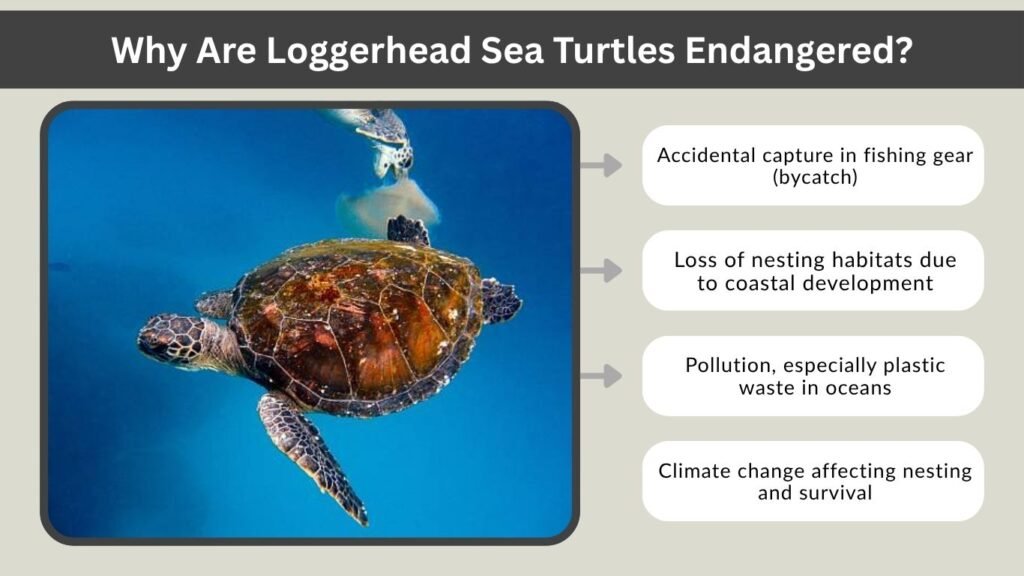
The decline of loggerhead sea turtles is mainly caused by human-related factors, along with some environmental challenges. While natural threats have always existed, human activities have significantly increased the risks they face.
Main Reasons Behind Their Decline
- Accidental capture in fishing gear (bycatch)
- Loss of nesting habitats due to coastal development
- Pollution, especially plastic waste in oceans
- Climate change affecting nesting and survival
These factors often work together, making it harder for loggerhead populations to recover.
Major Threats to Loggerhead Sea Turtles
| Threat | Impact |
| Fishing Gear (Bycatch) | Turtles get trapped and drown |
| Coastal Development | Nesting beaches are destroyed |
| Plastic Pollution | Turtles ingest plastic, causing harm |
| Climate Change | Alters nesting conditions and hatchling survival |
Each of these threats plays a significant role in reducing turtle populations. Addressing them requires both local and global efforts.
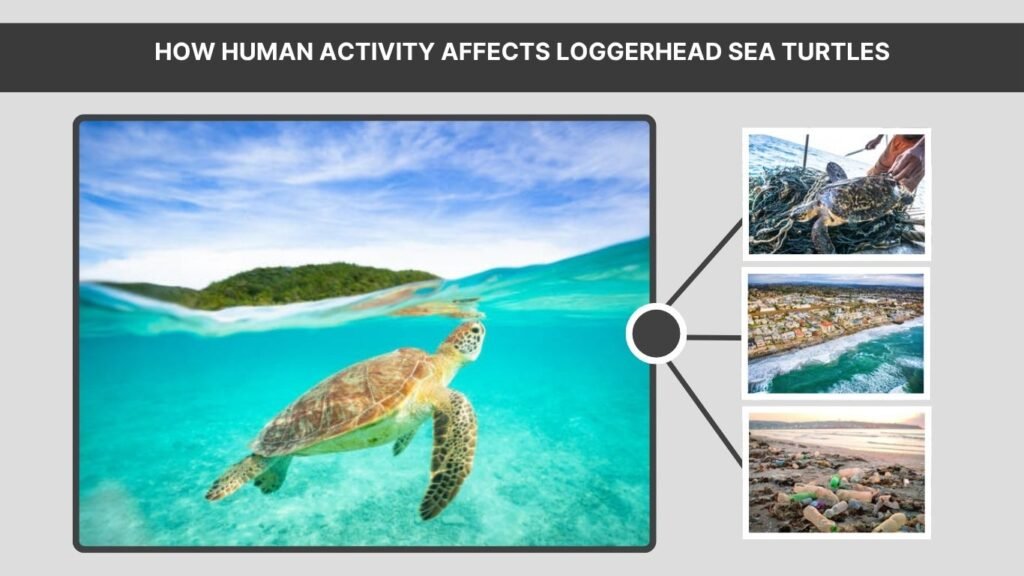
How Human Activity Affects Loggerhead Sea Turtles
Fishing and Bycatch
One of the biggest threats to loggerhead sea turtles is accidental capture in fishing gear. Nets, hooks, and longlines can trap turtles, preventing them from reaching the surface to breathe. This often leads to drowning.
Bycatch is a major issue because it affects turtles across all life stages, from juveniles to adults.
Coastal Development
As coastal areas are developed for tourism and housing, natural nesting beaches are destroyed or disturbed. Artificial lighting near beaches can also confuse hatchlings, causing them to move away from the ocean instead of toward it.
This reduces the chances of survival for young turtles.
Pollution and Plastic Waste
Plastic pollution is another serious threat. Loggerhead turtles may mistake plastic bags for jellyfish or other prey. Ingesting plastic can block their digestive system and lead to death.
Additionally, pollution degrades ocean habitats, making it harder for turtles to find food and survive.
Natural Threats and Environmental Factors
Predators and Egg Loss
Even without human impact, loggerhead turtles face natural threats. Eggs and hatchlings are vulnerable to predators such as birds, crabs, and fish. Only a small percentage of hatchlings survive to adulthood.
Climate Change Impact
Climate change is becoming an increasingly serious threat. Rising temperatures affect the sex ratio of hatchlings, as warmer sand produces more females. Extreme weather and rising sea levels can also damage nesting beaches.
Loggerhead Sea Turtle Endangered Status
Global Conservation Status
Loggerhead sea turtles are listed as a threatened or endangered species depending on the region. Some populations are considered more at risk than others due to differences in habitat conditions and human impact.
Globally, conservation organizations monitor their numbers closely. While some nesting populations have shown improvement, others continue to decline, making protection efforts essential.
Regional Status (U.S. and Beyond)
In the United States, loggerhead sea turtles are protected under federal law. Important nesting areas include Florida, Georgia, South Carolina, and Virginia. Florida, in particular, hosts one of the largest nesting populations in the world.
Outside the U.S., loggerhead turtles are also protected in many countries, but enforcement and conservation success can vary.
When Did Loggerhead Sea Turtles Become Endangered?
Timeline of Decline
Loggerhead sea turtle populations began to decline significantly in the 20th century as human activities increased. Industrial fishing, coastal development, and pollution all contributed to their reduced numbers.
As awareness grew, conservation efforts were introduced to help protect nesting sites and reduce threats.
How Long Have They Been at Risk?
Loggerhead sea turtles have been at risk for several decades. Although conservation programs have helped stabilize some populations, they are still considered vulnerable in many parts of the world.
Recovery is slow because these turtles take many years to reach maturity and reproduce.
Laws Protecting Loggerhead Sea Turtles
Endangered Species Act (ESA)
In the United States, loggerhead sea turtles are protected under the Endangered Species Act. This law makes it illegal to harm, capture, or disturb them, as well as to damage their nesting habitats.
Violations can result in fines and legal penalties, helping ensure their protection.
International Protection Efforts
Loggerhead sea turtles are also protected by international agreements. These efforts aim to reduce threats such as illegal trade, habitat destruction, and bycatch in fishing industries.
Global cooperation is important because these turtles migrate across oceans and do not stay within one country’s boundaries.
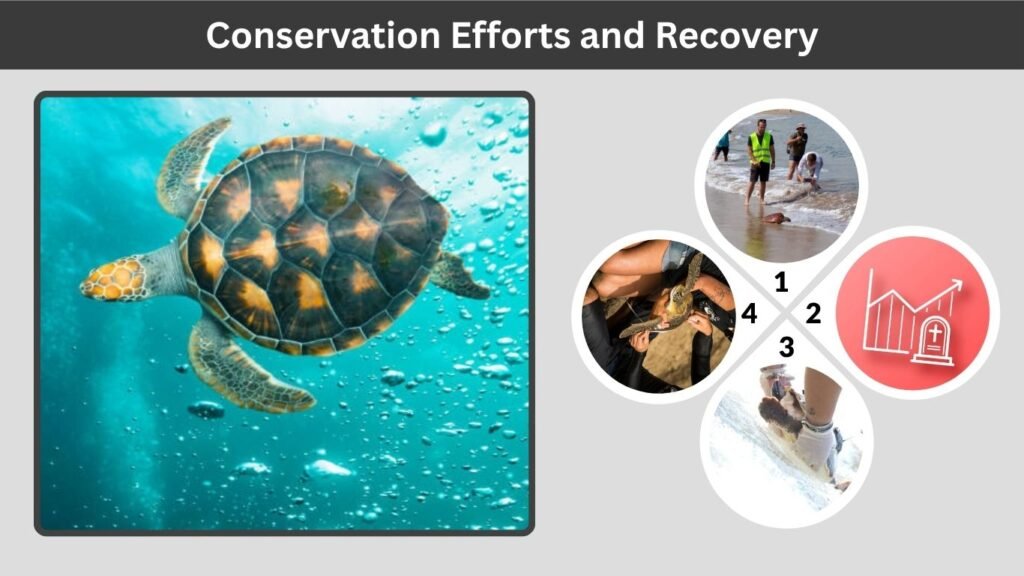
Conservation Efforts and Recovery
Current Protection Programs
Conservation programs focus on protecting nesting beaches, reducing bycatch, and rescuing injured turtles. Volunteers and organizations monitor nests, relocate eggs when necessary, and help hatchlings reach the ocean safely.
Fishing regulations have also been introduced to reduce accidental capture.
Population Recovery Trends
In some regions, especially parts of the United States, loggerhead populations have shown signs of recovery. Increased awareness and protective measures have helped improve nesting success.
However, recovery is not uniform worldwide, and continued efforts are needed to protect vulnerable populations.
Why Protecting Loggerhead Sea Turtles Matters
Role in Marine Ecosystem
Loggerhead sea turtles play an important role in maintaining healthy marine ecosystems. By feeding on crustaceans and other organisms, they help control species populations and support ecological balance.
Their presence also indicates a healthy ocean environment.
Impact on Ocean Health
When turtle populations decline, it can disrupt marine ecosystems. Protecting loggerhead turtles helps preserve biodiversity and ensures that ocean habitats remain balanced and productive.
What You Can Do to Help
Simple Actions
- Reduce plastic use and properly dispose of waste
- Support conservation organizations and programs
- Avoid disturbing turtles or nesting areas
- Choose sustainable seafood options
Even small actions can make a difference in protecting these animals and their habitats.
Loggerhead Sea Turtle vs Other Sea Turtles (Status Comparison)
| Feature | Loggerhead Sea Turtle | Other Sea Turtles |
| Status | Threatened/Endangered | Varies by species |
| Threat Level | High | Varies |
| Habitat | Coastal and ocean | Similar |
| Diet | Carnivorous | Varies |
This comparison shows that while many sea turtles face threats, loggerheads are among the most affected due to widespread human impact.
Key Facts About Loggerhead Sea Turtle Endangerment
- They take decades to reach reproductive age
- Most hatchlings do not survive to adulthood
- Human activity is the leading cause of decline
- Conservation efforts can significantly improve survival rates
FAQs
Why are loggerhead sea turtles endangered?
Loggerhead sea turtles are endangered mainly due to human activities such as fishing bycatch, habitat destruction, pollution, and climate change. These factors reduce survival rates at every stage of their life cycle, making it difficult for populations to recover.
Are loggerhead sea turtles still endangered today?
Yes, loggerhead sea turtles are still considered threatened or endangered depending on the region. While some populations are recovering due to conservation efforts, they continue to face ongoing threats that require protection.
When did loggerhead sea turtles become endangered?
Their decline became noticeable during the 20th century as human activities increased. Over time, they were officially recognized as a threatened or endangered species in various regions, leading to conservation efforts.
What is the biggest threat to loggerhead sea turtles?
The biggest threat is accidental capture in fishing gear, known as bycatch. This causes many turtles to drown before they can reach the surface to breathe, significantly impacting their populations.
How can we help protect loggerhead sea turtles?
You can help by reducing plastic waste, supporting conservation programs, respecting wildlife guidelines, and promoting sustainable practices. These actions contribute to protecting their habitats and reducing threats.