The yellow-footed tortoise is a fascinating reptile native to South America, known for its distinctive yellow markings and calm temperament. It has become increasingly popular among reptile enthusiasts due to its manageable care needs and long lifespan. However, owning one requires proper knowledge about its diet, habitat, and growth patterns. This guide covers essential details including size, lifespan, feeding habits, and care requirements to help you understand and properly care for this unique tortoise species.
What Is a Yellow-Footed Tortoise?
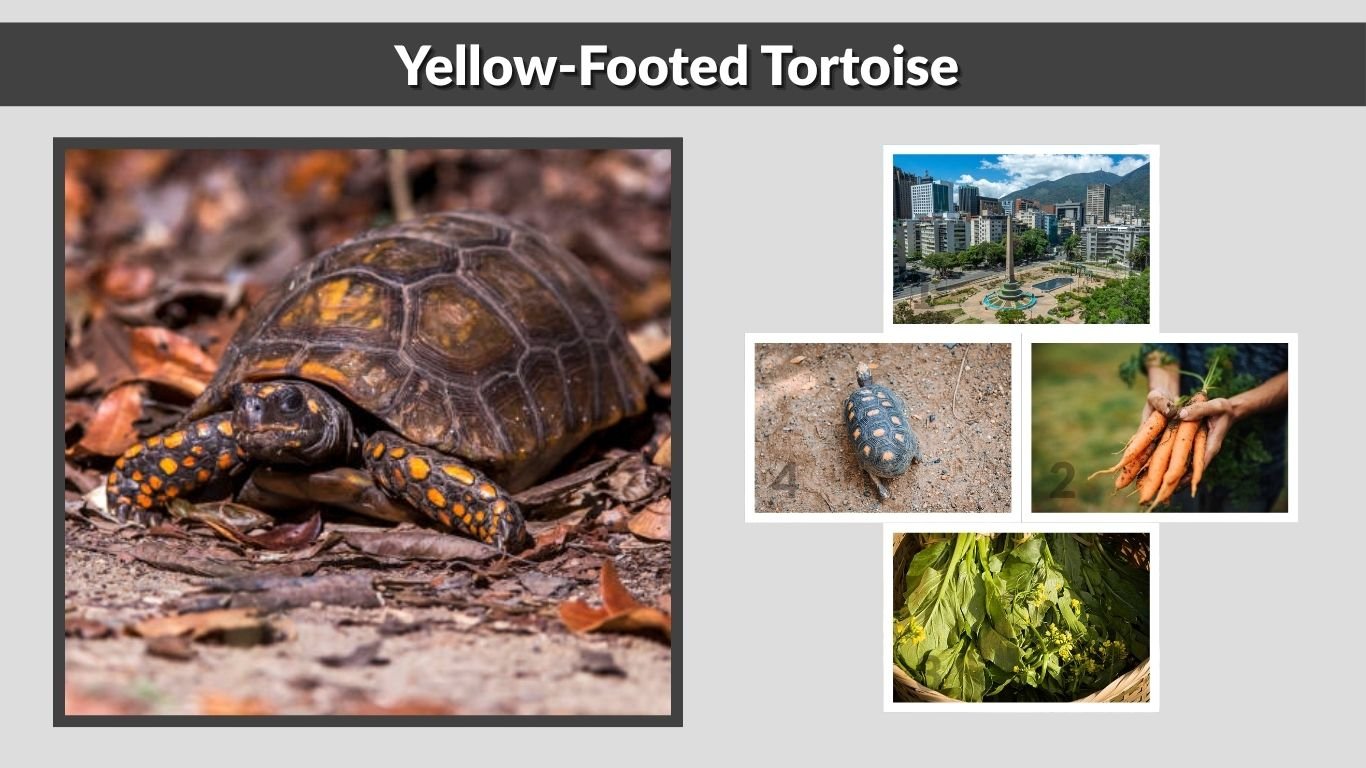
The yellow-footed tortoise (Chelonoidis denticulata) is a tropical species found mainly in the Amazon Basin. It thrives in warm, humid environments and is closely related to the red-footed tortoise, though it typically grows larger and prefers slightly different conditions.
These tortoises are easily recognized by their dark shells combined with bright yellow or orange scales on their legs and head. Their calm nature and adaptability make them suitable for experienced reptile keepers who can provide consistent humidity and space.
Yellow-Footed Tortoise Size and Growth
Understanding how large this species can grow is important before considering ownership, as they require adequate space and long-term care.
How Big Do Yellow-Footed Tortoises Get?
- Adults typically reach 12 to 16 inches in shell length
- Larger Amazon Basin individuals may exceed 18 inches
- Weight can range from 8 to 15 kilograms depending on diet and environment
Growth Rate
- Juveniles grow steadily during the first few years
- Growth slows significantly after maturity
- Full size is usually reached in 8 to 12 years
Lifespan of Yellow-Footed Tortoises
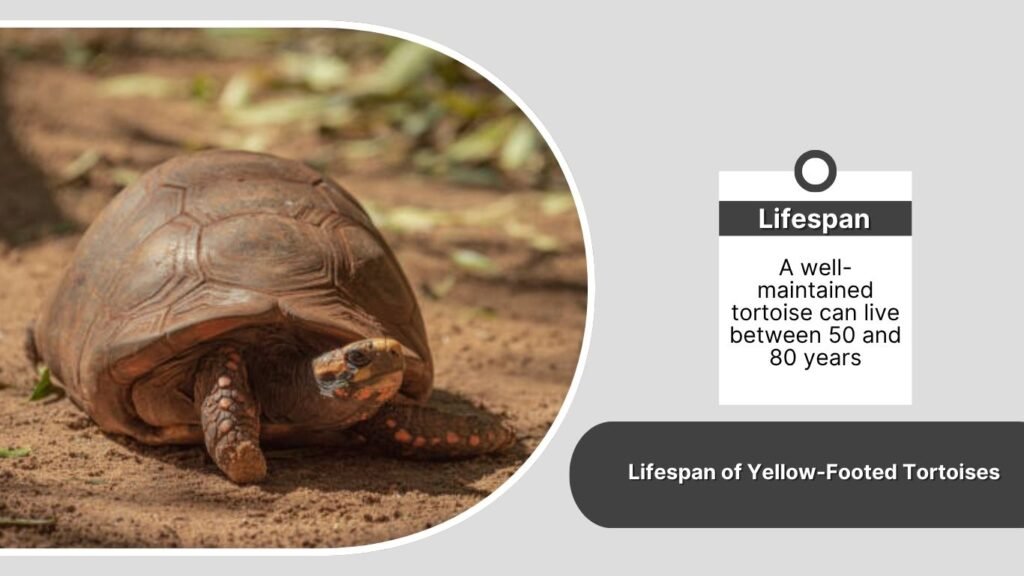
Yellow-footed tortoises are known for their impressive longevity, making them a lifelong commitment for owners. With proper care, they can live for several decades, often outliving many other common pets.
In captivity, a well-maintained tortoise can live between 50 and 80 years. Factors such as diet, enclosure conditions, humidity levels, and access to veterinary care play a significant role in determining lifespan. Poor nutrition or dry environments can shorten their life expectancy, while consistent care helps them thrive over time.
Yellow-Footed Tortoise Diet and Food List
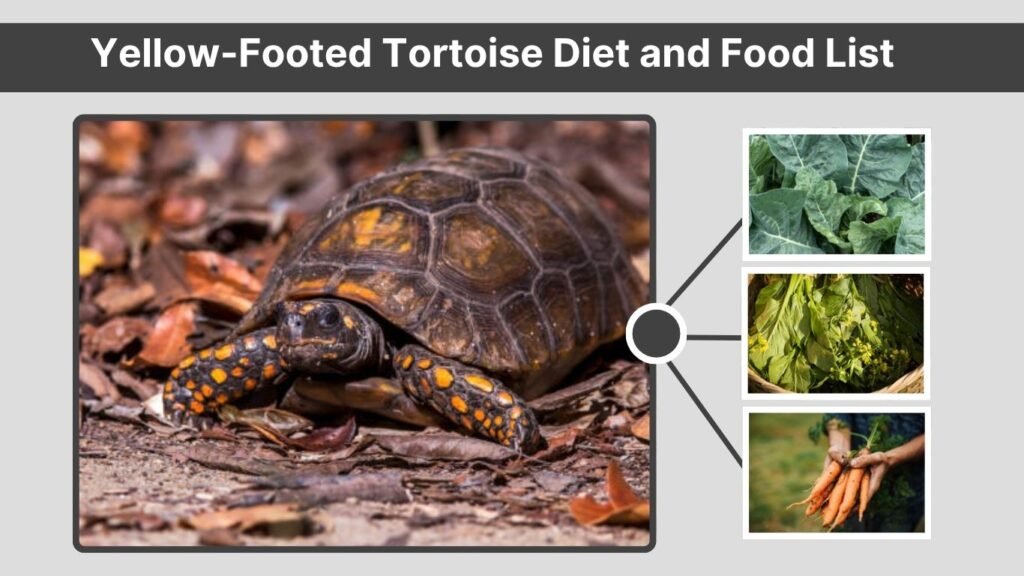
A balanced diet is essential for maintaining health, growth, and shell strength in yellow-footed tortoises. Unlike many other tortoise species, they are omnivorous and require a varied diet.
What Do Yellow-Footed Tortoises Eat?
- Leafy greens such as collard greens, mustard greens, and dandelion leaves
- Fruits like papaya, mango, and banana in moderation
- Vegetables including squash, carrots, and cucumber
Protein and Supplements
- Occasional protein sources such as insects or boiled eggs
- Calcium supplements to support shell development
- Vitamin D3 when natural sunlight is limited
Foods to Avoid
- Processed human food and dairy products
- Toxic plants and pesticide-treated greens
- Excess sugary fruits that may cause digestive issues
Yellow-Footed Tortoise Habitat and Natural Environment
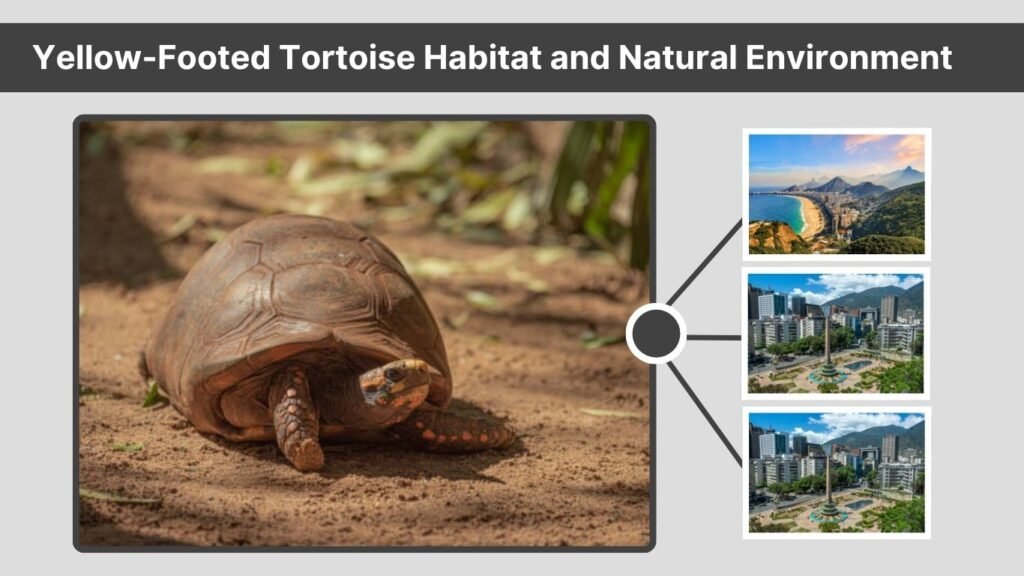
Yellow-footed tortoises originate from tropical rainforests, where humidity, warmth, and dense vegetation create a stable environment. Replicating these conditions is crucial for their health and well-being in captivity.
Natural Habitat
In the wild, they are found in humid forests across countries such as Brazil, Peru, and Venezuela. They prefer shaded areas with access to water and soft soil, which allows them to regulate body temperature and stay hydrated.
Enclosure Conditions
Captive environments must maintain high humidity levels along with consistent warmth. Temperatures should remain stable, avoiding sudden drops, while moisture levels should mimic rainforest conditions. Proper lighting, including UVB exposure, is necessary to support calcium absorption and overall health.
Yellow-Footed Tortoise Care Guide
Proper care is essential to keep a yellow-footed tortoise healthy and stress-free. Their tropical nature means they require specific environmental conditions that differ from desert tortoise species.
Substrate and Bedding
- Coconut coir or peat moss to retain moisture
- Cypress mulch for humidity control
- Avoid dry sand or dusty substrates
Cleaning and Maintenance
- Clean enclosure weekly to prevent bacteria buildup
- Replace substrate regularly
- Provide fresh water daily for drinking and soaking
Handling and Behavior
- Generally calm and tolerant of gentle handling
- Avoid excessive handling to reduce stress
- Observe natural behaviors like burrowing and soaking
Yellow-Footed Tortoise Price and Buying Guide
Buying a yellow-footed tortoise requires careful consideration, especially due to their long lifespan and specific care needs. Prices can vary widely depending on age, size, and source.
Average Price
- Baby tortoises typically cost between $150 and $400
- Adults can range from $500 to over $1,000
- Rare or large Amazon Basin variants may be more expensive
Where to Buy
- Licensed reptile breeders
- Reputable pet stores
- Online exotic animal sellers
What to Check Before Buying
- Clear eyes and active movement
- Smooth, well-formed shell
- Proper documentation and legal compliance
Red-Foot vs Yellow-Foot Tortoise
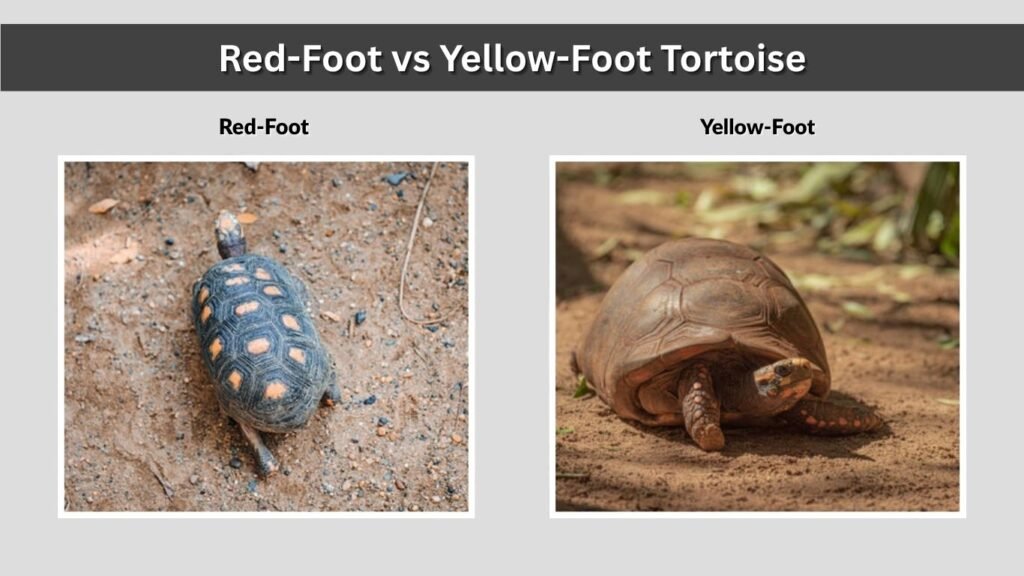
Choosing between a red-footed and yellow-footed tortoise depends on your experience level, available space, and care preferences. While they share similarities, there are key differences worth noting.
Key Differences
- Yellow-footed tortoises are generally larger
- Red-footed tortoises have more vibrant red markings
- Yellow-footed species prefer slightly more humid environments
Care Differences
- Yellow-footed tortoises require higher humidity
- Diets are similar but may vary slightly in fruit intake
- Enclosure size needs may differ due to size variation
Breeding and Reproduction
Breeding yellow-footed tortoises can be challenging and is usually recommended for experienced keepers. They require the right environmental triggers, including temperature and humidity changes.
Mating typically occurs during warmer seasons, and females can lay several eggs in a clutch. The incubation period can last several months depending on environmental conditions. Interestingly, females may lay eggs even without mating, though these eggs will not hatch. Proper nesting areas and stable conditions are essential for successful reproduction.
Yellow-Footed Tortoise Facts
Yellow-footed tortoises are unique reptiles with fascinating adaptations that help them survive in rainforest environments.
- Scientific name: Chelonoidis denticulata
- Native to South American rainforests
- Classified as vulnerable in some regions
- Known for strong sense of smell
- Can live for several decades with proper care
FAQs
How big does a yellow-footed tortoise get?
Yellow-footed tortoises typically grow between 12 and 16 inches in shell length, although some individuals can grow larger in ideal conditions. Their size depends on diet, genetics, and overall care throughout their life.
How long do yellow-footed tortoises live?
With proper care, these tortoises can live between 50 and 80 years. Factors such as diet, habitat quality, and access to proper lighting significantly influence their lifespan in captivity.
What do yellow-footed tortoises eat daily?
They eat a mix of leafy greens, vegetables, and small amounts of fruit. Occasionally, they also require protein sources and calcium supplements to maintain proper growth and shell health.
Are yellow-foot and red-foot tortoises the same?
No, they are different species. While they share similarities in diet and habitat needs, they differ in size, coloration, and environmental preferences, especially humidity levels.
Where do yellow-footed tortoises live?
They are native to tropical regions of South America, particularly the Amazon Basin. They thrive in warm, humid rainforest environments with access to shade, water, and dense vegetation.