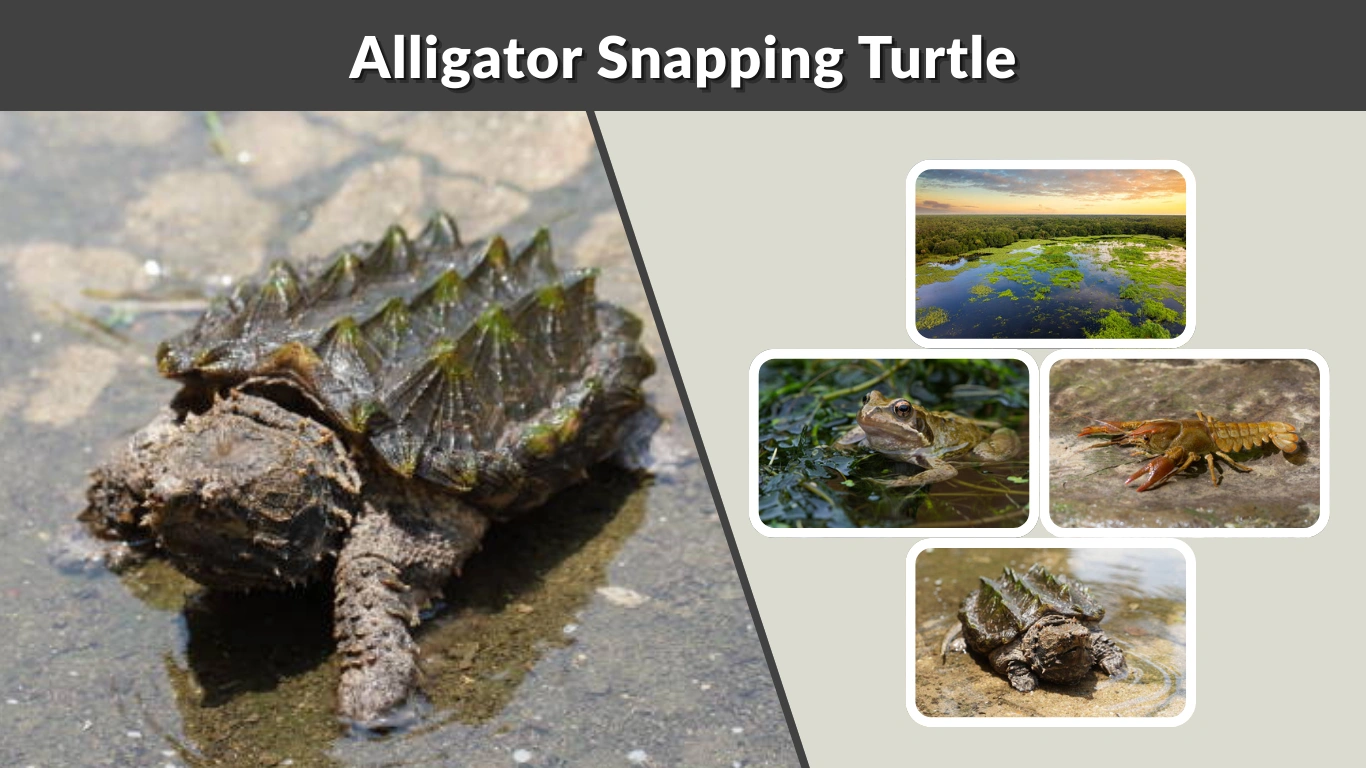
The alligator snapping turtle is one of the most impressive and mysterious freshwater reptiles in North America. Often described as a “living dinosaur,” this massive turtle has existed in nearly the same form for millions of years. With its rugged shell, powerful jaws, and stealthy hunting techniques, the alligator snapping turtle stands apart from all other turtle species. Found mainly in the southeastern United States, it plays a vital role in maintaining healthy aquatic ecosystems. This article explores what makes the alligator snapping turtle so unique, including its physical traits, habitat, diet, and behavior, helping readers better understand and appreciate this remarkable reptile.
What Is an Alligator Snapping Turtle?
The alligator snapping turtle (Macrochelys temminckii) is the largest freshwater turtle species in North America. It belongs to the snapping turtle family but is far more massive and visually striking than its close relative, the common snapping turtle. This species is easily recognized by its thick, armored shell, large triangular head, and hooked beak-like jaws.
Often referred to as a “living fossil,” the alligator snapping turtle has changed very little over time, with physical features well adapted for survival in slow-moving rivers and deep waters. Unlike many turtles that bask frequently on land, this species spends most of its life submerged, relying on camouflage and patience to survive. Its prehistoric appearance and slow, deliberate movements add to its reputation as one of nature’s most ancient-looking reptiles.
Physical Characteristics and Appearance
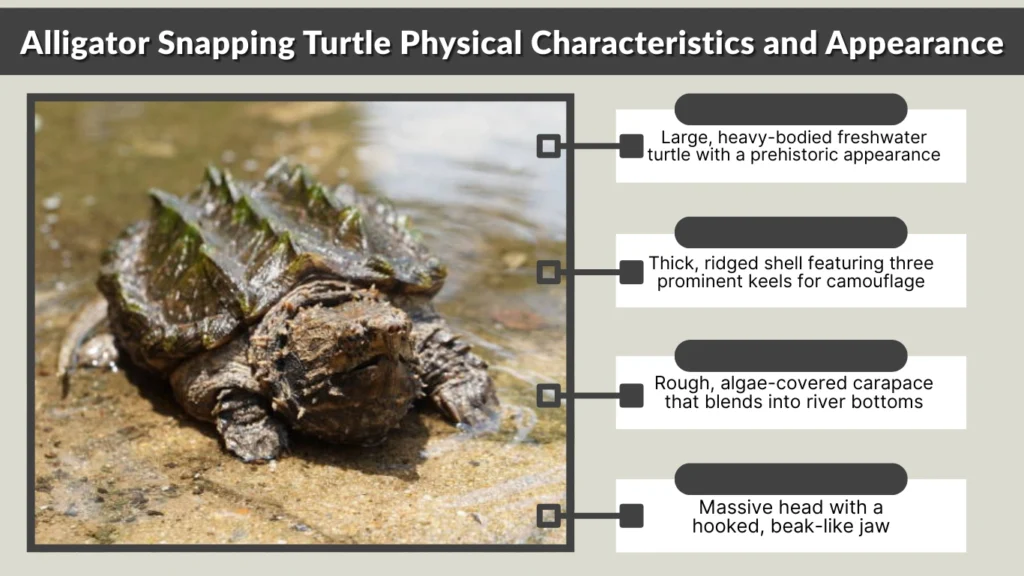
- Large, heavy-bodied freshwater turtle with a prehistoric appearance
- Thick, ridged shell featuring three prominent keels for camouflage
- Rough, algae-covered carapace that blends into river bottoms
- Massive head with a hooked, beak-like jaw
- Extremely powerful bite used for defense and feeding
- Long, muscular tail and strong limbs adapted for aquatic life
- Dark brown, gray, or olive coloring that aids in concealment
Habitat and Geographic Distribution
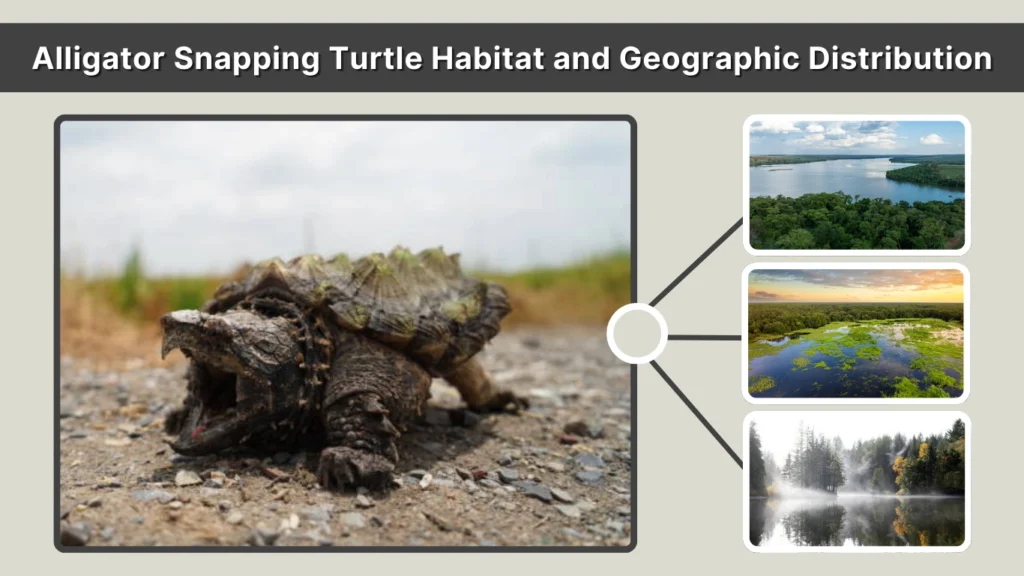
Natural Habitat
Alligator snapping turtles prefer freshwater environments with slow-moving or still water. They are most commonly found in deep rivers, swamps, lakes, canals, and bayous. These turtles favor muddy bottoms where they can remain hidden and wait for prey to approach.
They spend the majority of their lives underwater, surfacing only occasionally to breathe. Logs, submerged roots, and debris provide shelter and ideal ambush points. Clean water with abundant prey is essential for their survival, which makes habitat quality a critical factor for sustaining healthy populations.
Where Alligator Snapping Turtles Are Found
The natural range of the alligator snapping turtle is limited to the southeastern United States. They are primarily found in river systems that drain into the Gulf of Mexico, including parts of Texas, Louisiana, Mississippi, Alabama, Georgia, Florida, Arkansas, and Tennessee.
Their distribution closely follows major rivers such as the Mississippi River and its tributaries. Because they rarely travel far over land, populations are often isolated, making them especially sensitive to habitat loss and environmental changes.
Diet and Feeding Behavior
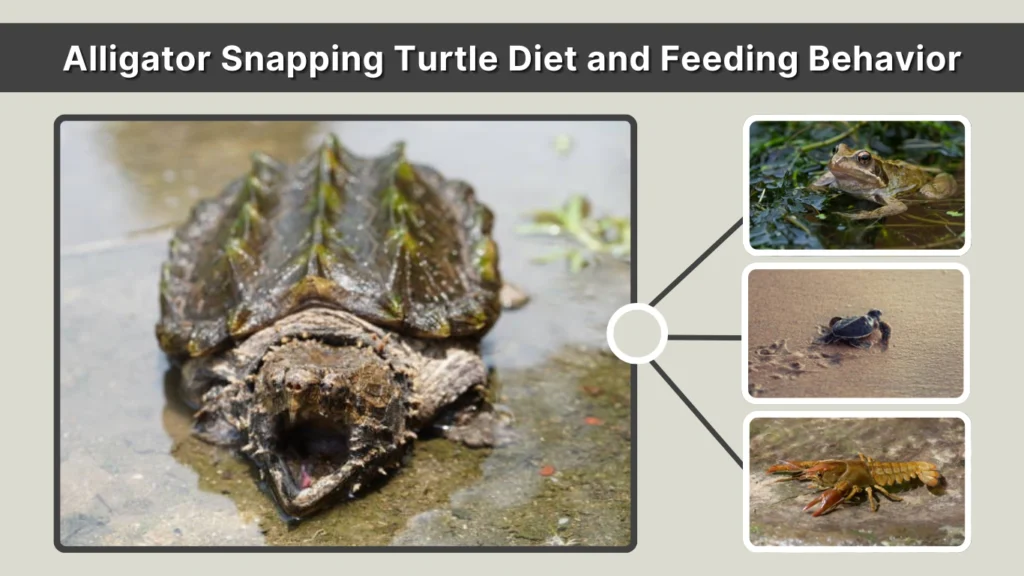
What Do Alligator Snapping Turtles Eat?
Alligator snapping turtles are carnivorous and opportunistic feeders. Their diet consists mainly of fish, but they also eat frogs, snakes, small turtles, crayfish, mollusks, and carrion. In some cases, they may consume aquatic plants, although animal matter makes up the majority of their diet.
Rather than actively chasing prey, these turtles rely on patience and stealth. Their feeding habits help control fish populations and remove dead animals from waterways, contributing to ecosystem balance.
Unique Hunting Technique
One of the most fascinating traits of the alligator snapping turtle is its hunting method. Inside its mouth is a pink, worm-like appendage on the tongue that it uses as a lure. By lying motionless with its mouth open, the turtle wiggles this lure to attract curious fish. When prey swims close enough, the turtle snaps its jaws shut with incredible speed.
Behavior and Lifestyle
Alligator snapping turtles are primarily solitary animals that spend most of their lives underwater. They are slow-moving but extremely patient, often remaining in the same position for hours while waiting for prey. Despite their large size, they are not aggressive by nature and usually avoid confrontation unless threatened.
In water, these turtles are surprisingly efficient and calm, using minimal energy to survive. On land, however, they appear awkward and slow, which is why they rarely leave the water except during nesting season or to move between nearby bodies of water. When disturbed, they may hiss, open their mouths defensively, or attempt to bite, making it important for humans to keep a safe distance.
Lifespan and Reproduction
How Long Do Alligator Snapping Turtles Live?
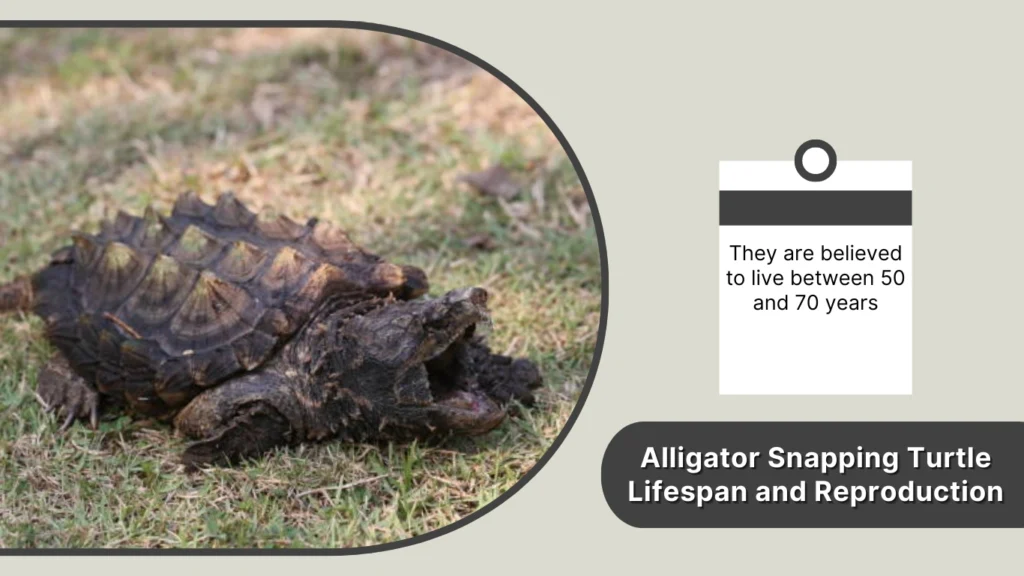
Alligator snapping turtles are among the longest-living reptiles. In the wild, they are believed to live between 50 and 70 years, although some individuals may live even longer. In captivity, where they are protected from predators and environmental threats, lifespans of over 100 years have been reported, though exact ages are difficult to confirm.
Their slow metabolism and low activity levels contribute to their longevity. However, because they take many years to reach sexual maturity, population recovery can be extremely slow when numbers decline.
Reproduction and Nesting
Mating typically occurs in early spring. Female alligator snapping turtles leave the water to dig nests in sandy or soft soil, often near riverbanks. They lay between 10 and 50 eggs per clutch, which incubate for several months before hatching.
Once hatched, baby turtles receive no parental care and must fend for themselves. Predation is high during this stage, with birds, raccoons, and fish posing serious threats. Only a small percentage of hatchlings survive to adulthood, making each mature turtle vital to the species’ survival.
Alligator Snapping Turtle vs Common Snapping Turtle
Although often confused, the alligator snapping turtle and the common snapping turtle are distinct species with noticeable differences. Alligator snapping turtles are significantly larger, heavier, and more heavily armored. Their shells have pronounced ridges, while common snapping turtles have smoother, flatter shells.
Behaviorally, alligator snapping turtles tend to be less aggressive and rely more on ambush tactics, whereas common snapping turtles are more active and defensive. Both species have strong bites, but the sheer size and jaw strength of the alligator snapping turtle make it far more intimidating.
Conservation Status and Threats
Alligator snapping turtles face several threats in the wild, leading to population declines in many areas. Habitat destruction caused by dam construction, water pollution, and river modification has reduced suitable living environments. Overharvesting in the past, particularly for meat, also contributed significantly to declining numbers.
Today, many states have implemented protective regulations, and the species is considered threatened or protected in several regions. Conservation efforts focus on habitat preservation, legal protection, and breeding programs aimed at stabilizing populations.
Are Alligator Snapping Turtles Dangerous?
While alligator snapping turtles are not naturally aggressive toward humans, they can be dangerous if handled or provoked. Their powerful jaws are capable of inflicting severe injuries, including broken bones. Most incidents occur when people attempt to pick them up or move them improperly.
In the wild, the best approach is to observe from a distance and allow the turtle to move on its own. Respecting their space ensures safety for both humans and turtles.
FAQs
How big can an alligator snapping turtle get?
Some individuals can exceed 26 inches in shell length and weigh more than 175 pounds, making them the largest freshwater turtles in North America.
Can you keep an alligator snapping turtle as a pet?
In many places, owning one is illegal. Even where permitted, they require specialized care, large enclosures, and pose serious safety risks.
What should you do if you see one in the wild?
Keep your distance, avoid touching it, and contact wildlife authorities if the turtle appears injured or in danger.
Conclusion
The alligator snapping turtle is a remarkable survivor from an ancient world, perfectly adapted to life in freshwater ecosystems. From its massive size and unique hunting techniques to its long lifespan and ecological importance, this species plays a crucial role in maintaining healthy waterways. Protecting alligator snapping turtles through conservation and responsible human behavior is essential to ensure that these incredible reptiles continue to thrive for generations to come.