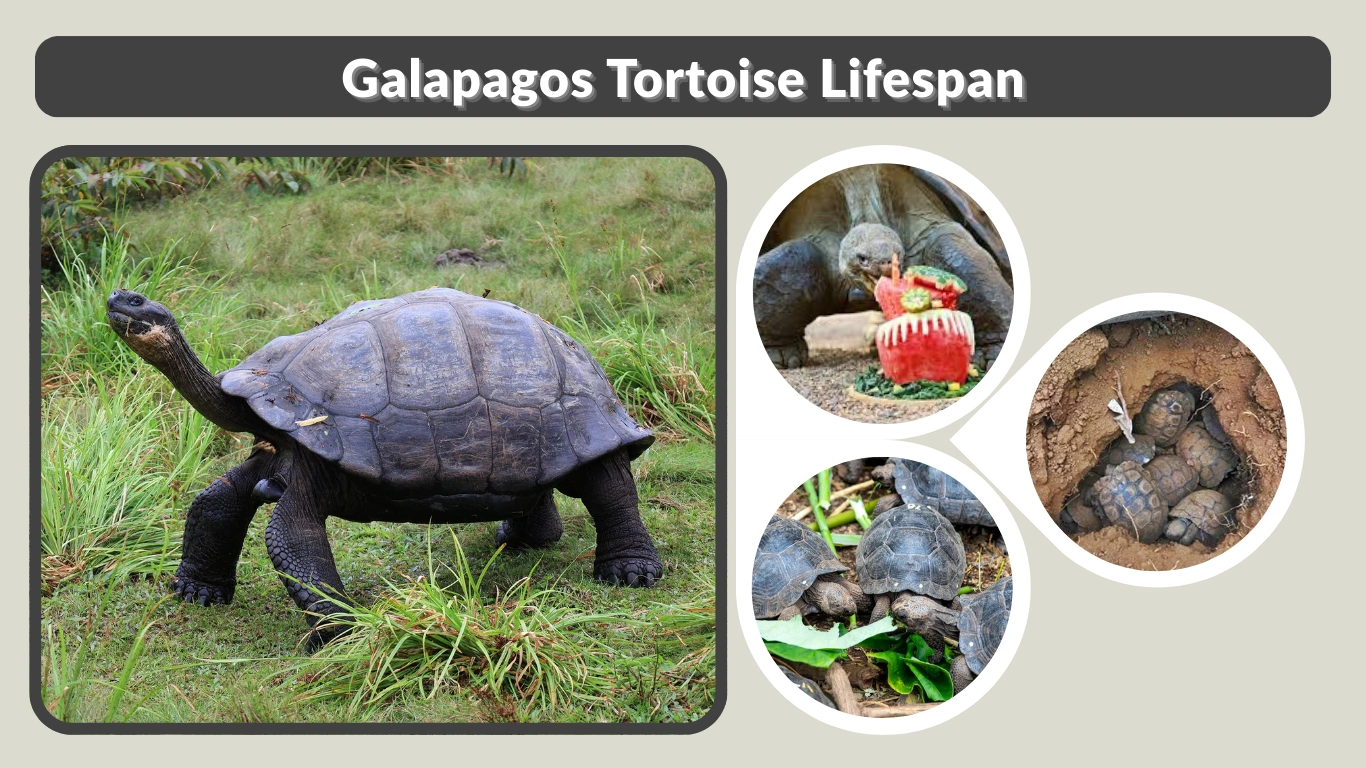
The Galapagos tortoise lifespan has fascinated scientists, explorers, and wildlife lovers for centuries. These massive reptiles are famous for living far longer than almost any other land animal, often surviving well beyond a human lifetime. Some individuals have lived for more than a century, becoming living links between generations. Understanding how long Galapagos tortoises live, how their bodies support such long lives, and what affects their longevity reveals valuable insights into evolution, aging, and survival.
How Long Do Galapagos Tortoises Live?
Galapagos tortoises are widely recognized as some of the longest-living vertebrates on Earth. While exact ages are often difficult to confirm, most scientists agree that a normal Galapagos tortoise lifespan ranges between 80 and 120 years. Many individuals naturally pass the 100-year mark, especially those living in protected environments.
Life expectancy varies depending on habitat conditions, food availability, and threats from predators or human activity. In the past, hunting and introduced species significantly reduced survival. Today, conservation efforts allow more tortoises to reach advanced ages, providing better insight into their true lifespan potential.
Average Lifespan Range
Most Galapagos tortoises are believed to live at least 80 years in the wild if they survive early life stages. Those that avoid disease, predation, and environmental stress can easily exceed a century. Their slow growth and delayed maturity are closely linked to this long life expectancy.
Verified Age Records
Several famous tortoises were reported to live beyond 150 years. Although exact birth records are rare, long-term observation, shell wear, and historical documentation strongly support extreme longevity. These age records continue to fuel scientific research into reptile aging.
Identification and Age-Related Physical Traits
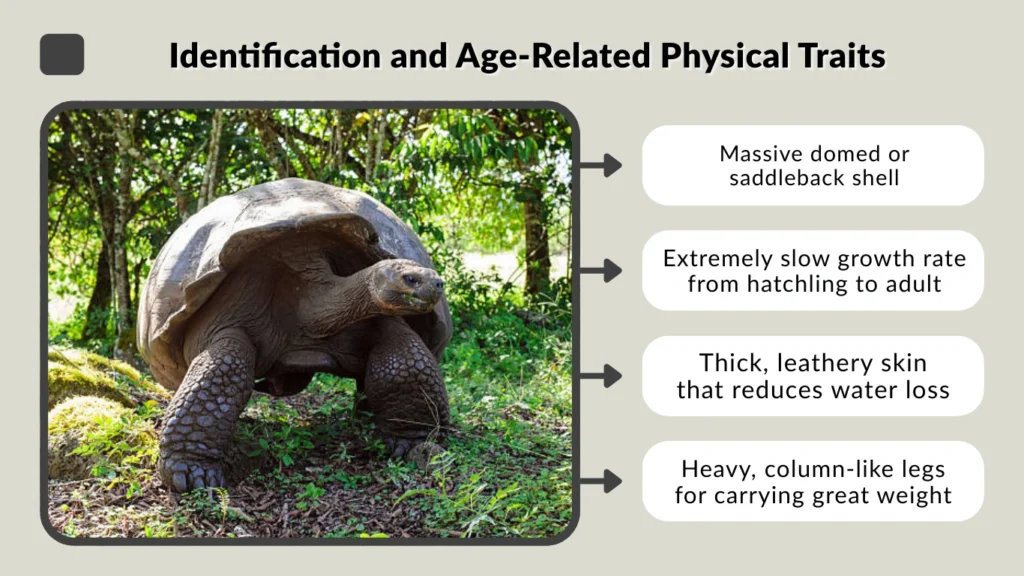
The physical design of Galapagos tortoises plays a major role in their extraordinary lifespan. Their bodies are built for slow living, steady growth, and long-term survival in isolated island environments.
Identification
- Massive domed or saddleback shell
- Extremely slow growth rate from hatchling to adult
- Thick, leathery skin that reduces water loss
- Heavy, column-like legs for carrying great weight
- Strong, beak-shaped mouth for tough vegetation
- Long neck adapted for grazing or browsing
- Continued growth throughout life
- Late physical maturity, often after several decades
Physical Changes With Age
As Galapagos tortoises age, their shells often show smoothing, wear, and discoloration. Skin becomes more wrinkled, and activity levels usually decline. However, many elderly individuals remain capable of walking, feeding, and reproducing well into advanced age.
Can You Tell a Tortoise’s Age?
Determining the exact age of a Galapagos tortoise is extremely difficult. Growth rings on the shell may provide rough estimates in young animals, but they become unreliable as tortoises age. Scientists usually depend on historical records, tagging data, and long-term monitoring rather than physical appearance.
Lifespan in the Wild vs Captivity
Where a Galapagos tortoise lives has a strong influence on how long it survives. Natural environments provide freedom and ecological balance, while captivity often offers protection and consistent care.
Lifespan in the Wild
In the wild, Galapagos tortoises face challenges such as drought, food shortages, parasites, and predation on eggs and hatchlings. Adult tortoises have few natural predators, but environmental stress and habitat changes can still affect survival. Those that reach adulthood often live many decades.
Lifespan in Captivity
In protected reserves and zoological settings, Galapagos tortoises often live longer. Reliable food sources, veterinary care, and protection from predators increase survival rates. Some of the oldest recorded tortoises spent much of their lives under human care.
Why Do Galapagos Tortoises Live So Long?
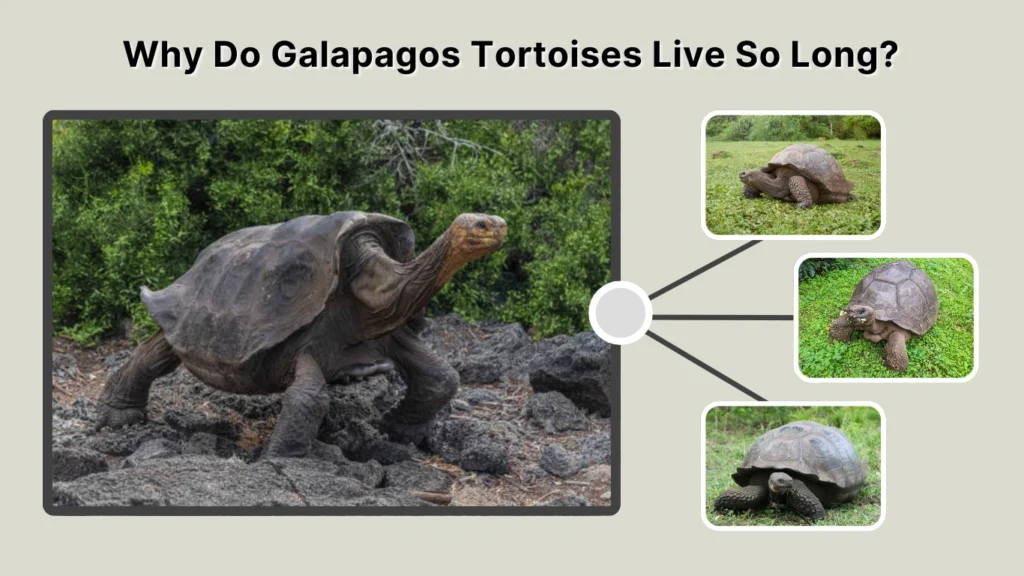
The extraordinary Galapagos tortoise lifespan is not accidental. It is the result of both biological design and environmental conditions that favor slow aging and long-term survival.
Slow Metabolism and Growth
Galapagos tortoises have very slow metabolic rates. This means their bodies use energy gradually, reducing cellular stress and wear over time. Slow growth, low heart rates, and limited daily activity all contribute to reduced biological aging.
Genetic and Cellular Advantages
Recent studies suggest Galapagos tortoises possess unique genetic traits linked to DNA repair, immune function, and cancer resistance. These features may protect their cells from damage, allowing them to remain healthy for many decades.
Lifecycle and the Aging Process
The long lifespan of Galapagos tortoises is closely tied to their extremely slow life cycle. From the moment they hatch, their development unfolds over decades rather than years.
Lifecycle
Female tortoises lay eggs in sandy soil, where hatchlings emerge months later. Young tortoises grow slowly and remain vulnerable for many years. Sexual maturity may take 20 to 40 years to achieve. After reaching adulthood, tortoises can remain reproductively active and physically stable for much of their long lives.
Aging Patterns
Galapagos tortoises age very slowly compared to most animals. Even after reaching maturity, they continue to grow at a gradual pace throughout their lives. Unlike many species that experience rapid physical decline, tortoises often remain active, mobile, and capable of reproduction for many decades.
Their organs function efficiently well into old age, and visible signs of aging—such as reduced movement speed or shell wear—develop gradually. This slow aging process is one of the reasons scientists consider them valuable models for studying longevity and disease resistance.
Environmental Factors That Influence Lifespan
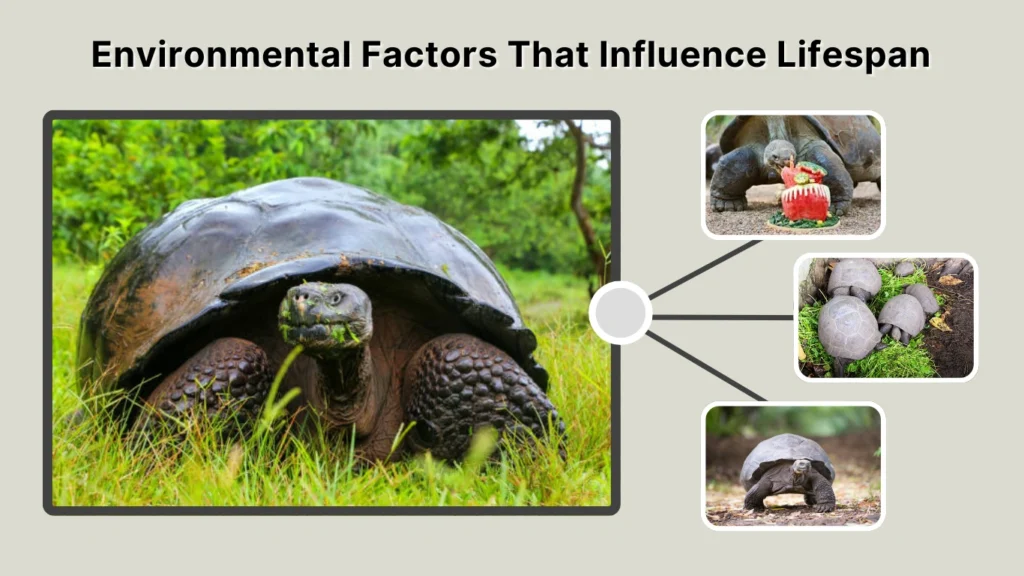
Although genetics play a major role, the environment strongly affects how long Galapagos tortoises live. Stable habitats, abundant food, and minimal stress support long-term survival.
Habitat
Galapagos tortoises inhabit a range of environments from dry lowlands to humid highlands. Seasonal movement between zones allows them to access fresh vegetation and water. These stable island ecosystems, with few large predators, create ideal conditions for long life.
Diet
Their plant-based diet includes grasses, leaves, cactus pads, fruits, and flowers. This high-fiber, low-fat diet supports slow metabolism and steady energy use. Tortoises also store water and nutrients in their bodies, allowing them to survive droughts without serious physiological stress.
Behaviors
Galapagos tortoises spend much of their time resting, basking, and feeding. Basking helps regulate body temperature, while wallowing in mud protects their skin from parasites and dehydration. Their low-stress lifestyle reduces physical strain and supports cellular health over time.
Oldest Galapagos Tortoises Ever Recorded
Several Galapagos tortoises have become famous for their exceptional ages. One of the most well-known was Harriet, believed to have lived over 170 years. Another legendary individual, Adwaita, reportedly lived more than two centuries, though exact documentation is debated.
“Lonesome George,” the last known member of his subspecies, lived to around 100 years and became a global symbol of both longevity and extinction. These individuals demonstrated the species’ extraordinary lifespan potential and highlighted the importance of conservation.
Famous Long-Lived Individuals
Historic tortoises kept in botanical gardens, royal collections, and zoos have provided rare long-term records. These animals allowed scientists to observe aging patterns across many human generations.
What Scientists Learned From Them
Long-lived individuals helped researchers understand growth rates, reproductive longevity, and disease resistance. Their existence also revealed how protective environments can allow tortoises to approach their maximum lifespan.
Scientific Importance of Galapagos Tortoise Longevity
The Galapagos tortoise lifespan has major scientific value. Researchers study these animals to explore genetic stability, cancer resistance, immune system strength, and cellular repair. Their long lives allow scientists to observe slow aging in real time, offering clues that may benefit human medical research.
From an ecological perspective, their longevity supports ecosystem stability. Because individual tortoises live so long, they maintain grazing patterns, seed dispersal routes, and habitat structure for generations, acting as living foundations of island ecosystems.
Threats That Can Shorten Lifespan
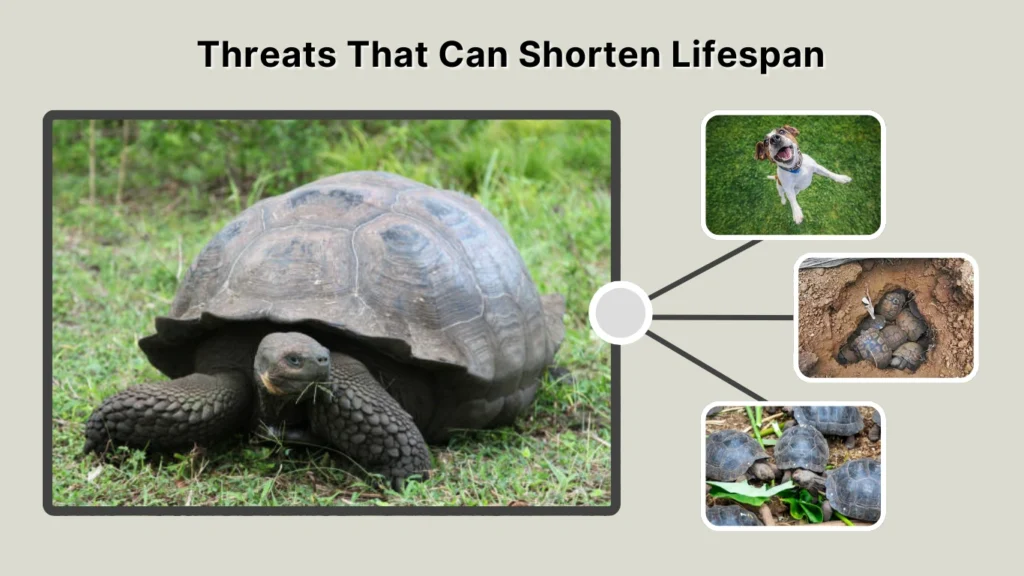
Despite their natural resilience, Galapagos tortoises are vulnerable to several threats that can drastically reduce lifespan.
Major Threats
- Historic overhunting by sailors
- Predation from introduced rats, dogs, and pigs
- Habitat destruction and competition from invasive species
- Climate change affecting nesting success
- Low hatchling survival rates
- Reduced genetic diversity
Conservation Impact on Lifespan
Modern conservation programs have greatly improved survival. Protected nesting areas, captive breeding, invasive species control, and strict legal protections now allow more tortoises to reach old age, restoring natural longevity patterns.
Galapagos Tortoise Lifespan vs Other Long-Living Animals
Galapagos tortoises are often compared to Aldabra giant tortoises, bowhead whales, Greenland sharks, and certain parrots. While some marine species may live longer, Galapagos tortoises remain the longest-living land vertebrates reliably known, making them unique among terrestrial animals.
FAQs
How long is the average Galapagos tortoise lifespan?
The average Galapagos tortoise lifespan is commonly estimated between 80 and 120 years. Many individuals exceed 100 years, especially when protected from predators and habitat threats. Their slow metabolism and gradual growth allow them to survive far longer than most reptiles.
What is the oldest recorded Galapagos tortoise?
Some individuals are believed to have lived beyond 150 years. Harriet and Adwaita are among the most famous long-lived tortoises, although exact ages are sometimes debated due to limited historical records. Their longevity still demonstrates the extreme lifespan potential of the species.
Do Galapagos tortoises live longer in captivity?
Galapagos tortoises often live longer in captivity because they receive steady food, veterinary care, and protection from predators. These stable conditions allow many individuals to approach or exceed the average wild lifespan.
Why do Galapagos tortoises live so long?
Their long life is linked to slow metabolism, low stress, strong genetic repair systems, and a plant-based diet. Scientists have also identified unique genes related to immune function and cellular maintenance that may protect them from age-related diseases.
Can scientists accurately determine a Galapagos tortoise’s age?
Exact age is difficult to measure because growth rings on shells become unreliable in older tortoises. Researchers usually estimate age using long-term records, historical documents, and monitoring data rather than physical appearance alone.