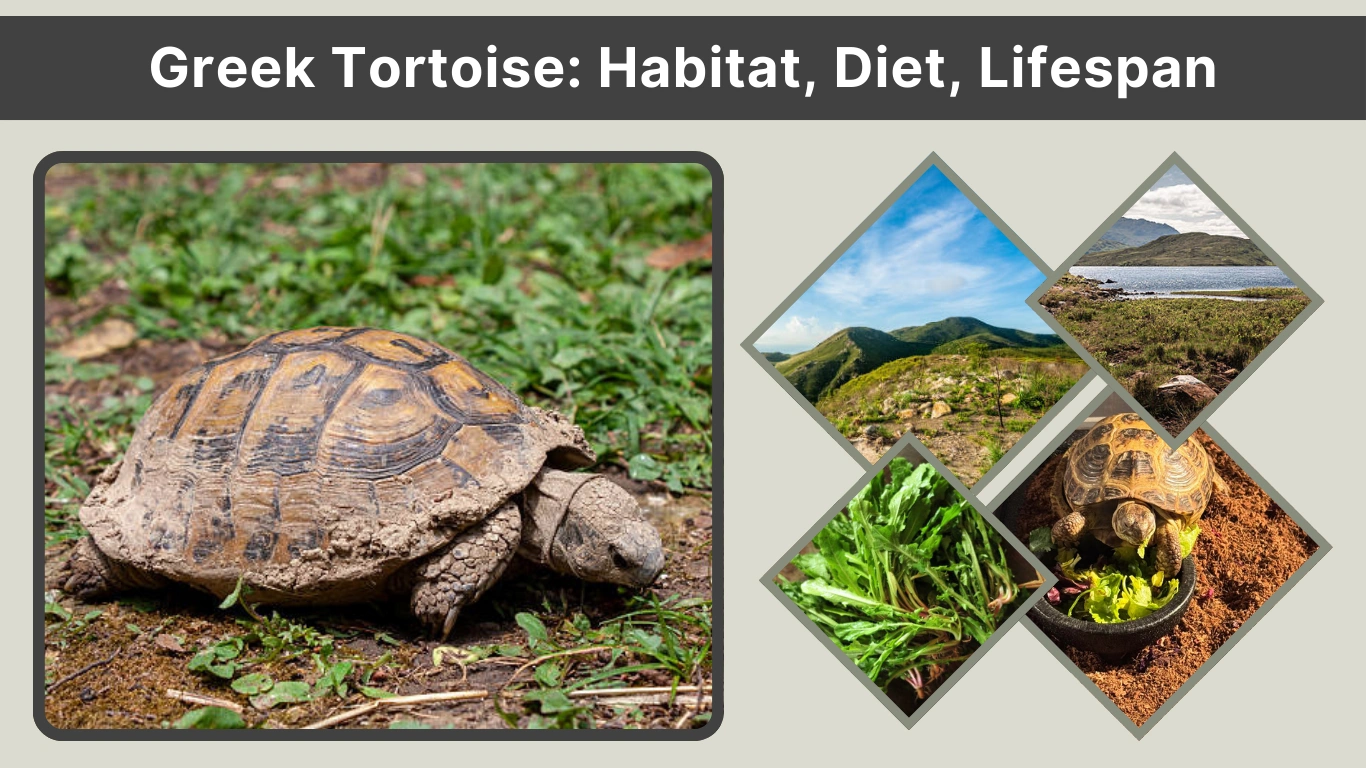
The Greek tortoise is one of the most popular Mediterranean tortoise species kept as a pet. Known for its hardy nature and manageable size, this tortoise can live for decades when properly cared for. Understanding the Greek tortoise habitat, diet, and lifespan is essential before bringing one home. These tortoises require specific temperatures, UVB lighting, and a high-fiber diet to stay healthy. In this guide, you’ll learn key Greek tortoise facts, what they eat, and how long a Greek tortoise lives in captivity.
What Is a Greek Tortoise?
The Greek tortoise (Testudo graeca), also known as the Mediterranean spur-thighed tortoise, is native to parts of Southern Europe, North Africa, and the Middle East. It is named for its presence in Greece, though its range extends far beyond that region.
One of the most distinctive features of this species is the small spur located on each thigh, which helps differentiate it from similar tortoise species. Greek tortoises come in several subspecies, with slight differences in size, shell color, and climate tolerance.
They are generally hardy reptiles but require proper environmental conditions to thrive in captivity.
Greek Tortoise Facts
Greek tortoises typically grow between 5 and 10 inches in length, with females often being slightly larger than males. Their domed shell varies in color from yellowish-tan to dark brown, often with bold black markings.
These tortoises are adapted to dry, warm climates and prefer low humidity. In cooler regions, they may enter brumation (a reptile form of hibernation) during winter months.
They are diurnal animals, meaning they are active during the day. In the wild, they spend much of their time grazing, basking, and seeking shelter under shrubs or in shallow burrows.
Why Greek Tortoises Are Popular Pets
Greek tortoises are popular among reptile keepers because of their manageable size and long lifespan. Unlike larger tortoise species, they do not require extremely large outdoor enclosures, making them more practical for many households.
They have calm, independent personalities. While they are not cuddly pets, they can become familiar with their owners and may approach when expecting food. With consistent care, they can thrive for decades.
Greek Tortoise Habitat (Wild vs. Captive)
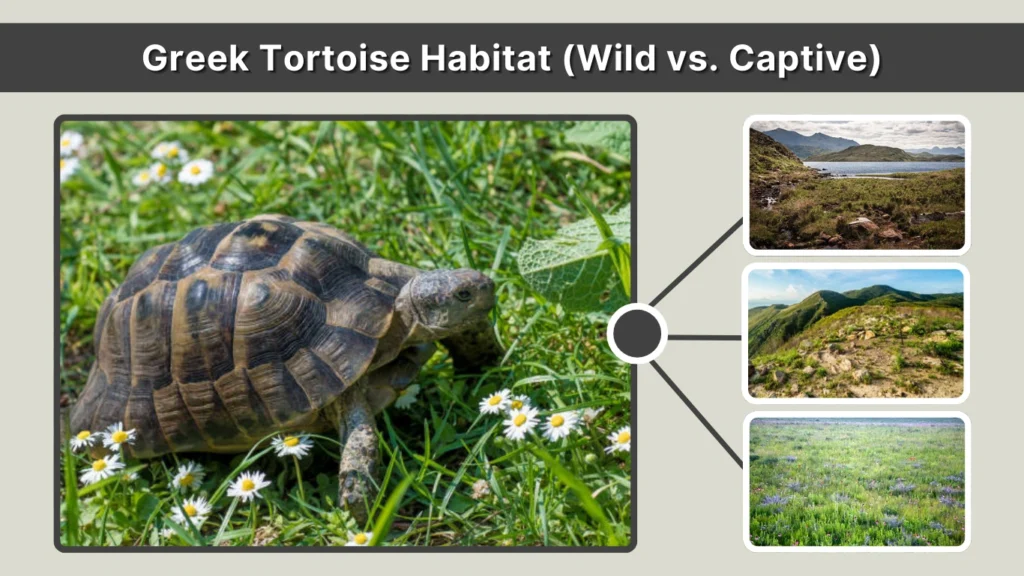
Replicating the natural Greek tortoise habitat is essential for long-term health. In the wild, these tortoises live in dry scrublands, rocky hillsides, and open fields with Mediterranean climates.
Understanding these environmental conditions will help you design a suitable enclosure at home.
Natural Greek Tortoise Habitat
Greek tortoises are native to regions with hot, dry summers and mild, wetter winters. They inhabit areas with sandy or rocky soil that allows for light digging and hiding.
Vegetation in their natural habitat includes low shrubs, grasses, and seasonal weeds. They rely on these plants for both food and shelter. During extreme heat, they may rest in shaded areas to avoid overheating.
Because they are adapted to lower humidity levels, excessive moisture can cause health issues, particularly respiratory infections.
Indoor Habitat Setup
When keeping a Greek tortoise indoors, a spacious enclosure is essential. A tortoise table or large open-top habitat is preferable to a glass aquarium, as it provides better ventilation.
The enclosure should include a temperature gradient:
- Basking area: 90–95°F
- Cool side: 70–75°F
A high-quality UVB light is critical. UVB exposure allows the tortoise to metabolize calcium properly and maintain strong shell and bone development. Without UVB lighting, serious health problems can develop.
Substrate options include organic topsoil (free of chemicals), coconut coir, or a soil mix. The substrate should be deep enough for light digging. Include hiding areas, flat rocks for basking, and enrichment elements to encourage natural behaviors.
Nighttime temperatures can drop slightly but should not fall below safe levels, especially for young tortoises.
Outdoor Enclosures
In suitable climates, Greek tortoises benefit greatly from outdoor housing. Natural sunlight provides ideal UVB exposure and supports overall health.
Outdoor enclosures must be secure. Greek tortoises are capable diggers, so fencing should extend several inches below ground to prevent escape. The enclosure should include shaded areas, dry shelter, and protection from predators.
Avoid overly damp environments, as prolonged moisture can lead to respiratory or shell issues. In colder climates, outdoor housing may only be appropriate during warmer months.
Greek Tortoise Diet: What Do Greek Tortoises Eat?
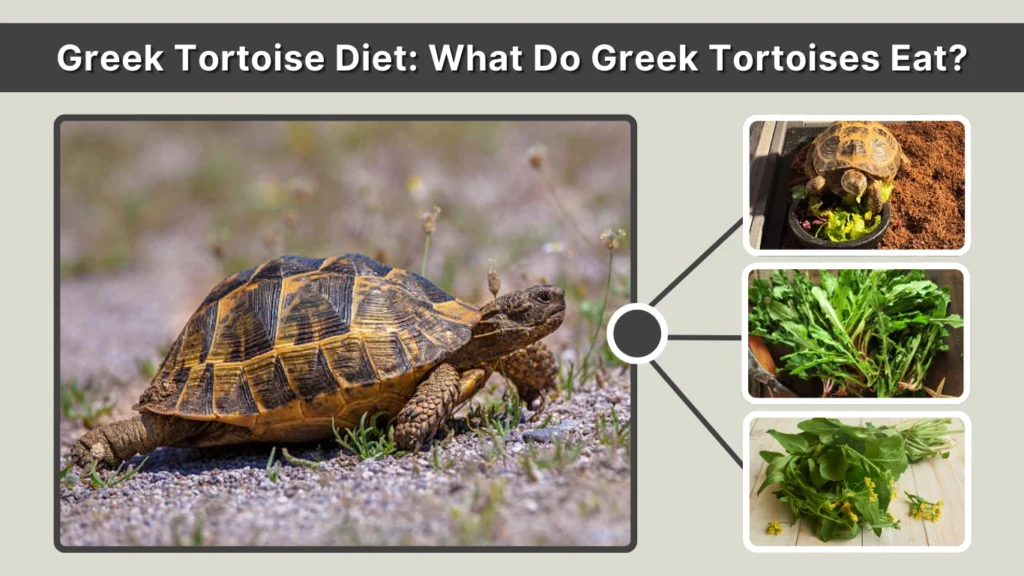
A proper Greek tortoise diet is one of the most important factors influencing health and lifespan. These tortoises are strict herbivores and require a diet high in fiber and low in protein and sugar.
Feeding inappropriate foods can lead to shell deformities, digestive problems, and obesity.
Natural Diet in the Wild
In their natural habitat, Greek tortoises graze on wild grasses, weeds, and leafy plants. Their diet is simple and seasonal, consisting mostly of fibrous vegetation.
Fruit is rarely consumed in the wild, which is why sugary foods are not suitable for captive tortoises. Their digestive systems are designed for tough, low-calorie plant matter rather than rich foods.
Best Foods for Pet Greek Tortoises
Captive Greek tortoises should be offered a variety of leafy greens and edible plants daily. Suitable foods include:
- Dandelion greens
- Collard greens
- Mustard greens
- Turnip greens
- Endive
- Escarole
Edible flowers such as hibiscus can be offered occasionally for variety. A diverse diet ensures balanced nutrition and prevents deficiencies.
Fresh food should be provided daily, and uneaten portions should be removed to maintain cleanliness and prevent spoilage.
Foods to Avoid
Certain foods can negatively impact a Greek tortoise’s health and should be avoided. Fruit, while often offered with good intentions, contains too much sugar for their digestive system. Regular fruit consumption can cause diarrhea and disrupt healthy gut bacteria.
Iceberg lettuce has very little nutritional value and should not be a staple food. Animal protein, dog or cat food, and high-protein commercial pellets can lead to rapid growth and shell deformities such as pyramiding. Always prioritize natural, leafy greens over processed foods.
Feeding Schedule & Supplements
Greek tortoises should be fed once daily, preferably in the morning. A good guideline is to offer a portion of fresh greens roughly the size of the tortoise’s shell. Because they are grazers, consistency and variety are key.
Calcium supplementation is essential for proper shell growth. Lightly dust food with a phosphorus-free calcium powder two to three times per week. If your tortoise does not receive regular natural sunlight, a supplement containing vitamin D3 may be necessary. Always provide access to clean, shallow water for drinking and occasional soaking.
Greek Tortoise Lifespan: How Long Does a Greek Tortoise Live?
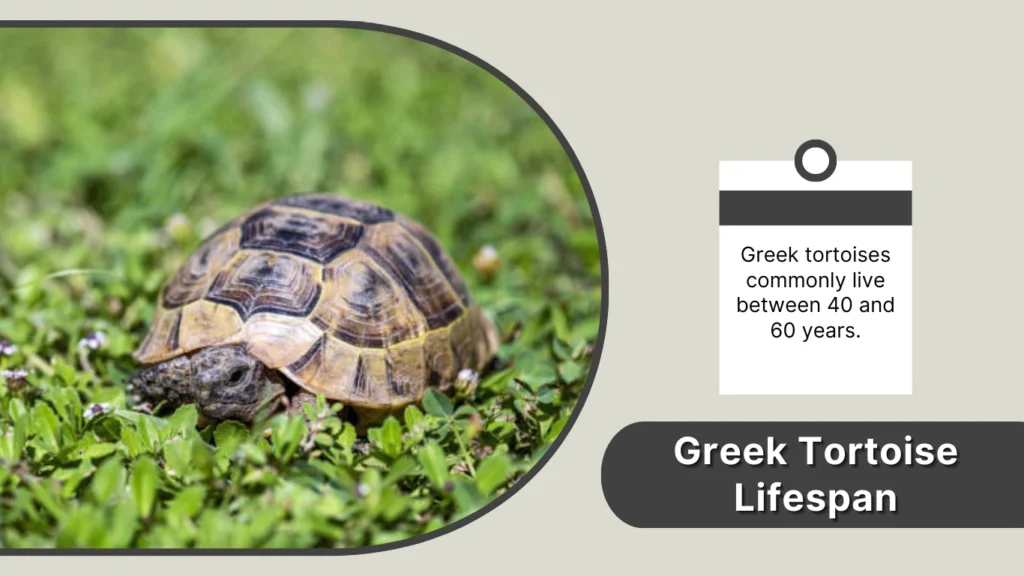
One of the most common questions new owners ask is, how long does a Greek tortoise live? The answer highlights the importance of long-term commitment. With proper care, Greek tortoises can live for several decades.
Their lifespan depends heavily on diet, lighting, habitat quality, and preventative healthcare.
Average Lifespan in Captivity
In captivity, Greek tortoises commonly live between 40 and 60 years. Some individuals may even live longer when provided with excellent care.
Consistent UVB exposure, a balanced high-fiber diet, and a clean enclosure are the most important factors in achieving maximum lifespan. Neglecting these essentials can significantly shorten their life expectancy.
Lifespan in the Wild
In the wild, Greek tortoises face more challenges. Predators, habitat destruction, extreme weather, and food shortages can all affect survival rates.
Although they are naturally resilient, wild tortoises often have shorter lifespans than well-cared-for captive individuals.
How to Help Your Greek Tortoise Live Longer
To support a long, healthy life:
- Provide consistent UVB lighting
- Maintain proper temperature gradients
- Offer a varied, high-fiber diet
- Supplement calcium appropriately
- Keep humidity levels moderate
- Schedule regular reptile veterinary checkups
Preventing obesity and shell deformities early on plays a major role in long-term health.
Greek Tortoise Behavior & Temperament
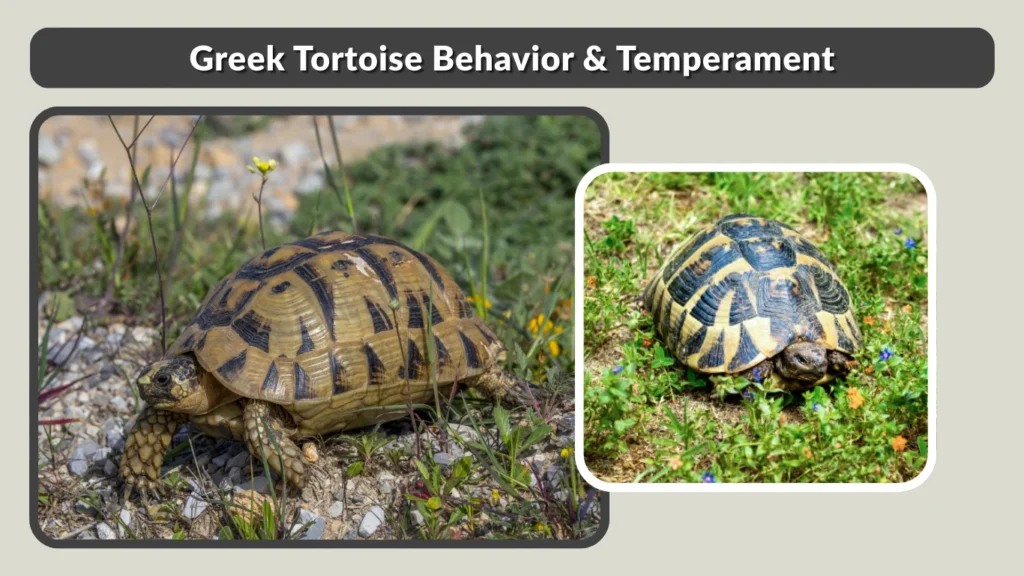
Greek tortoises are generally calm and independent. While they are not social in the way mammals are, they do display curious and active behaviors.
They prefer routine and can become stressed by frequent changes in their environment.
Daily Activity Patterns
Greek tortoises are diurnal, meaning they are active during daylight hours. They typically bask in the morning to warm up and then explore and graze throughout the day.
During very hot weather, they may rest in shaded areas to cool down. In colder climates, they may enter brumation during winter months if conditions are appropriate.
Handling and Interaction
Although Greek tortoises tolerate gentle handling, they do not require frequent interaction. Excessive handling can cause stress.
Signs of stress may include hiding constantly, refusing food, or attempting to escape the enclosure. Providing a stable, predictable environment helps them feel secure.
Common Health Issues
Proper care reduces the risk of illness, but Greek tortoises can still develop health problems if their environment or diet is incorrect.
Shell Problems
Shell deformities such as pyramiding are often caused by improper diet, inadequate UVB lighting, or incorrect humidity levels. A soft shell may indicate calcium deficiency or metabolic bone disease.
Ensuring proper nutrition and lighting is the best prevention.
Respiratory Infections
Excessive humidity, cold temperatures, or poor ventilation can lead to respiratory infections. Symptoms include wheezing, nasal discharge, lethargy, and loss of appetite.
If these signs appear, prompt veterinary care is essential.
Parasites
Internal parasites can affect appetite and weight. Regular fecal examinations by a reptile veterinarian can help detect and treat parasites early.
Greek Tortoise Care Checklist
To keep your Greek tortoise healthy and thriving:
- Provide fresh leafy greens daily
- Maintain basking temperatures around 90–95°F
- Ensure consistent UVB lighting
- Replace UVB bulbs as recommended
- Clean the enclosure weekly
- Monitor weight and activity
- Schedule annual reptile vet visits
Consistency is the key to long-term success.
FAQs
How long does a Greek tortoise live?
A Greek tortoise typically lives between 40 and 60 years in captivity. With proper care, some individuals may live even longer. Correct diet, UVB lighting, and a clean habitat are the most important factors affecting lifespan.
What do Greek tortoises eat every day?
Greek tortoises eat a daily diet of leafy greens such as dandelion greens, collard greens, mustard greens, and endive. Their diet should be high in fiber and low in sugar, with calcium supplements provided regularly.
What is the natural Greek tortoise habitat?
The natural Greek tortoise habitat includes dry scrublands, rocky hillsides, and Mediterranean climates with warm summers and mild winters. They prefer low humidity and areas where they can bask and hide.
Are Greek tortoises good pets for beginners?
Greek tortoises can be suitable for beginners who are willing to research proper care. They require specific lighting, temperature control, and diet management, but they are generally hardy and manageable in size.
Do Greek tortoises need UVB light?
Yes, UVB lighting is essential for proper calcium absorption and shell development. Without UVB exposure, Greek tortoises can develop metabolic bone disease and other serious health problems.