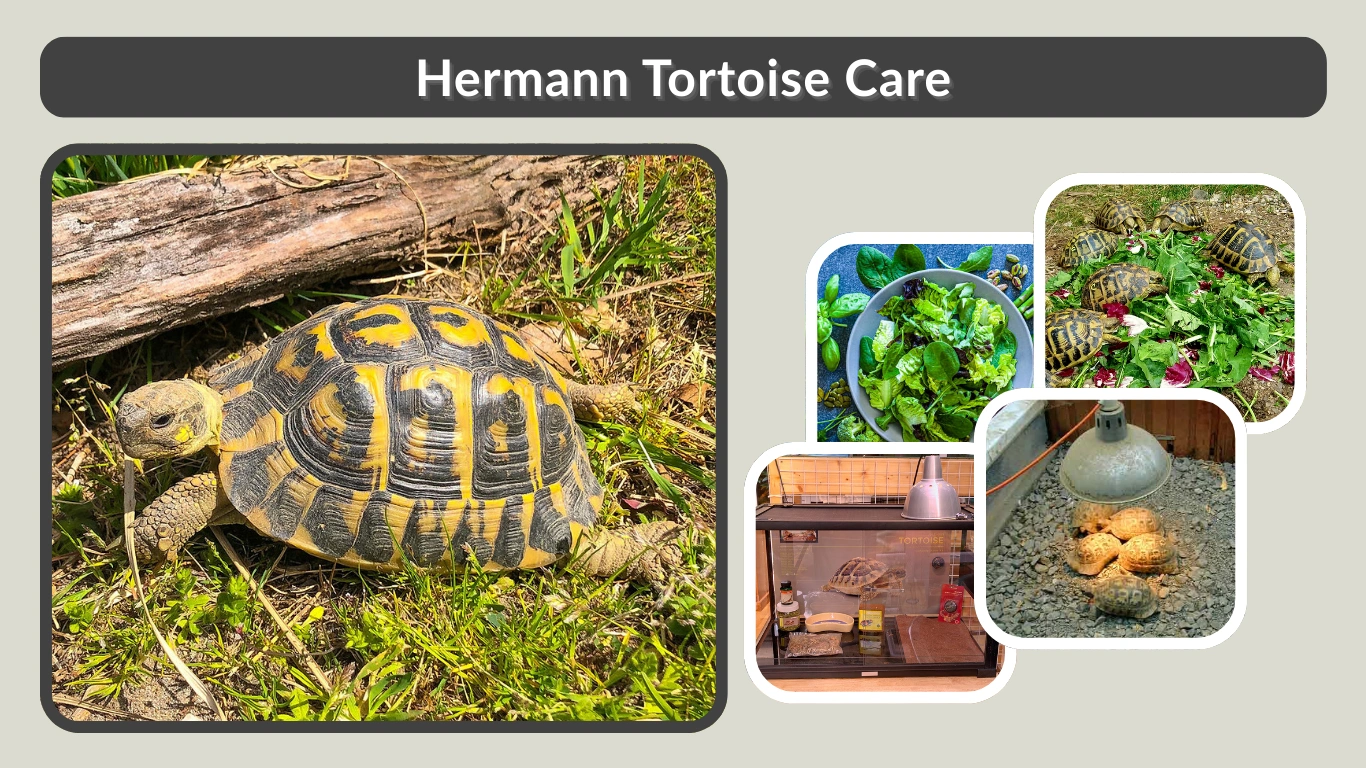
Hermann tortoises are one of the most popular pet tortoise species, known for their small size, hardy nature, and long lifespan. Native to parts of southern Europe, these tortoises can live for decades when cared for properly. However, they require specific housing, diet, and environmental conditions to thrive. This guide covers the essential aspects of Hermann tortoise care, helping beginners understand how to create a healthy, natural environment that supports long-term wellbeing and prevents common health problems.
Understanding the Hermann Tortoise
Species Overview
The Hermann tortoise (Testudo hermanni) is a small Mediterranean tortoise species found naturally in dry grasslands, scrublands, and open forests across southern Europe. There are two main subspecies, the Western Hermann and the Eastern Hermann, both of which share similar care needs. Hermann tortoises are known for their calm temperament and active daytime behavior, making them a favorite among reptile keepers. In captivity, they do best when their environment closely mimics their natural habitat.
Size and Lifespan
Hermann tortoises are relatively small compared to many other tortoise species. Adults typically reach between 6 and 8 inches in length, with females often growing slightly larger than males. Their growth rate is slow and steady, which is normal and healthy. With proper care, a Hermann tortoise can live 50 years or more, making them a long-term commitment that requires consistent attention and planning.
Habitat and Enclosure Setup
Indoor vs Outdoor Housing
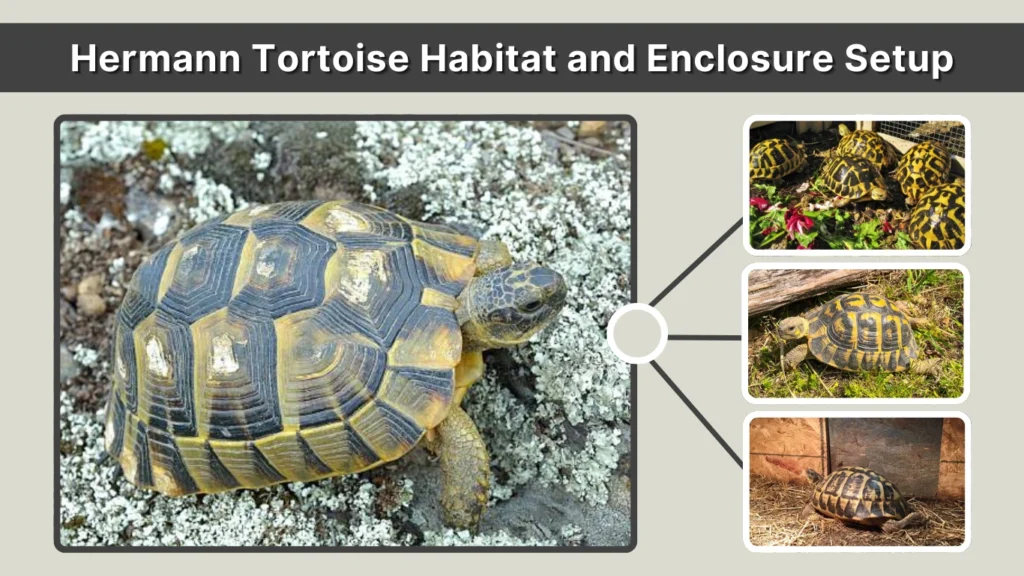
Hermann tortoises can be kept either indoors or outdoors, depending on climate and available space. Outdoor enclosures are ideal in warm, dry regions, as they provide natural sunlight, space to roam, and mental stimulation. However, in cooler climates or during colder months, indoor housing is often necessary. Many owners use a combination of both, keeping the tortoise outdoors during warm seasons and indoors when temperatures drop.
Enclosure Size and Layout
Space is one of the most important factors in Hermann tortoise care. These tortoises are active and need room to walk, explore, and forage. A single adult Hermann tortoise should have a minimum of 4×8 feet of space outdoors, while indoor enclosures should be as large as possible, such as custom tortoise tables. The enclosure should include hiding areas, open walking zones, and slight variations in terrain to encourage natural movement.
Substrate Options
The right substrate supports healthy digging behavior and helps maintain proper humidity. A mix of organic topsoil, coco coir, and sand works well for Hermann tortoises. This combination allows them to burrow while remaining dry enough to prevent shell problems. Avoid substrates like gravel, wood chips, or calcium sand, as these can cause injury or digestive blockages. Spot cleaning should be done regularly, with full substrate changes as needed.
Temperature, Lighting, and Humidity
Temperature Requirements
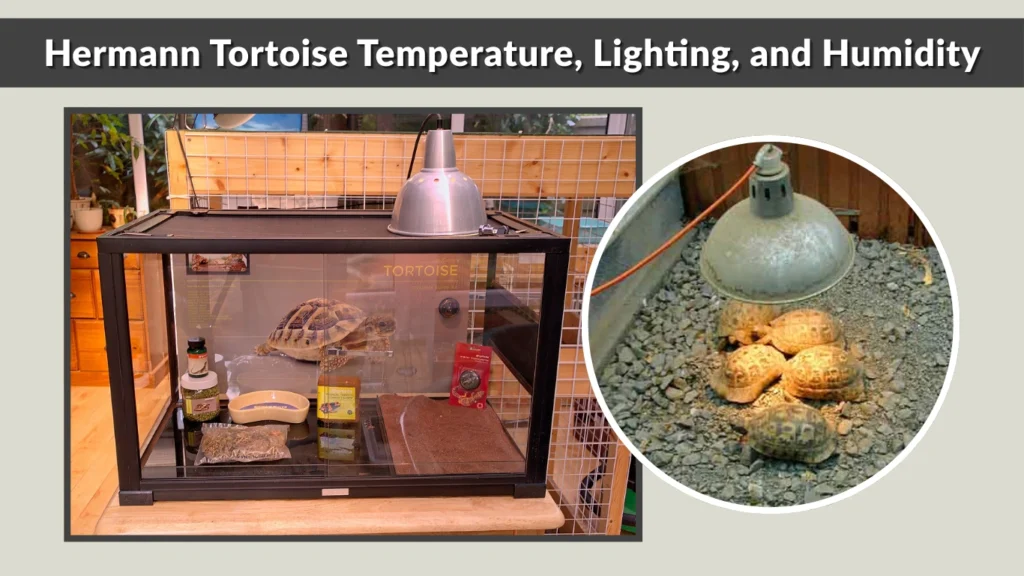
Hermann tortoises rely on external heat sources to regulate their body temperature. A basking area should reach around 90–95°F (32–35°C), while the rest of the enclosure should stay between 70–80°F (21–27°C) during the day. At night, temperatures can safely drop slightly, but should not fall below 60°F (15°C). Maintaining a proper temperature gradient allows the tortoise to thermoregulate naturally.
UVB Lighting
UVB lighting is essential for indoor Hermann tortoises. It enables the production of vitamin D3, which is necessary for calcium absorption and shell health. Without UVB, tortoises can develop metabolic bone disease. A high-quality UVB bulb should be used for 10–12 hours daily and replaced according to manufacturer recommendations, even if it still produces visible light.
Humidity Needs
Hermann tortoises prefer relatively low humidity, generally between 40–60%. Excess moisture can lead to respiratory infections, while overly dry conditions may cause dehydration in young tortoises. Proper ventilation, suitable substrate, and occasional light misting help maintain a balanced environment.
Diet and Feeding Guidelines
What Hermann Tortoises Eat
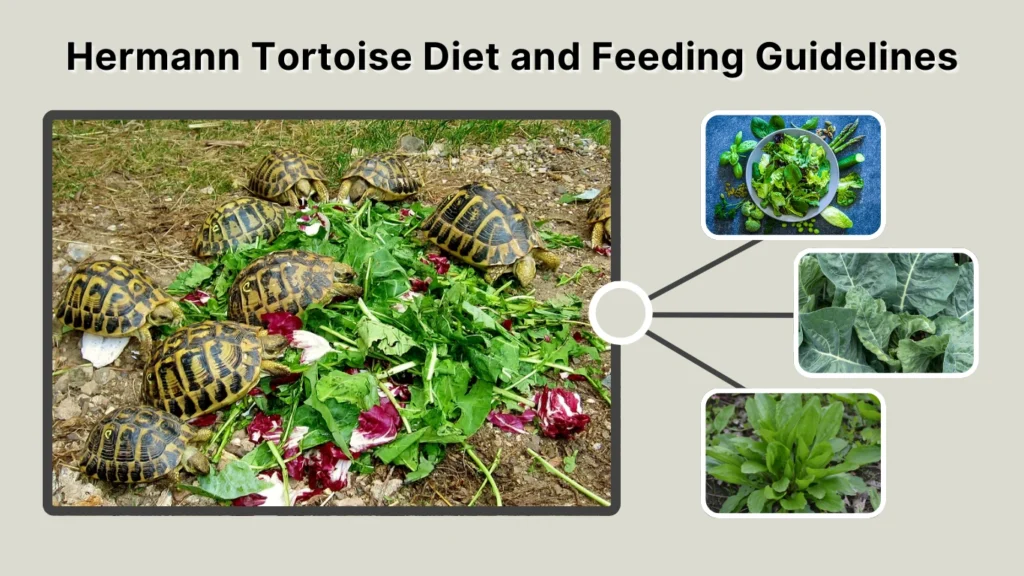
Hermann tortoises are strict herbivores and thrive on a high-fiber, low-protein diet. In the wild, they graze on grasses, weeds, and leafy plants throughout the day. In captivity, their diet should consist mainly of dark leafy greens such as dandelion greens, collard greens, and plantain leaves. A varied diet supports digestion, shell strength, and overall health.
Feeding Schedule
Hermann tortoises should be fed once daily, preferably in the morning when they are most active. Fresh greens should make up the majority of each meal, with portion sizes roughly equal to the size of the tortoise’s shell. Juvenile Hermann tortoises require daily feeding to support steady growth, while adults can occasionally skip a day without issue. Calcium supplementation is important and should be provided several times per week, either by lightly dusting food or offering a cuttlebone for self-regulation.
Foods to Avoid
Certain foods can be harmful or even fatal to Hermann tortoises. Fruits should be avoided, as they are high in sugar and can disrupt digestion. Protein-rich foods, including animal-based products and commercial pet foods, can cause rapid growth and shell deformities. Toxic plants such as buttercups, foxglove, and ivy should never be offered. A simple rule is to stick to leafy greens and natural weeds that closely resemble the tortoise’s wild diet.
Water and Hydration
Fresh water should always be available in a shallow dish that the tortoise can easily access. Even though Hermann tortoises come from relatively dry environments, proper hydration is still essential. Soaking the tortoise in lukewarm water for 15–20 minutes once or twice a week helps prevent dehydration and supports healthy digestion. Hatchlings and juveniles benefit from more frequent soaks, as they are more prone to drying out.
Health and Common Problems
Signs of a Healthy Hermann Tortoise
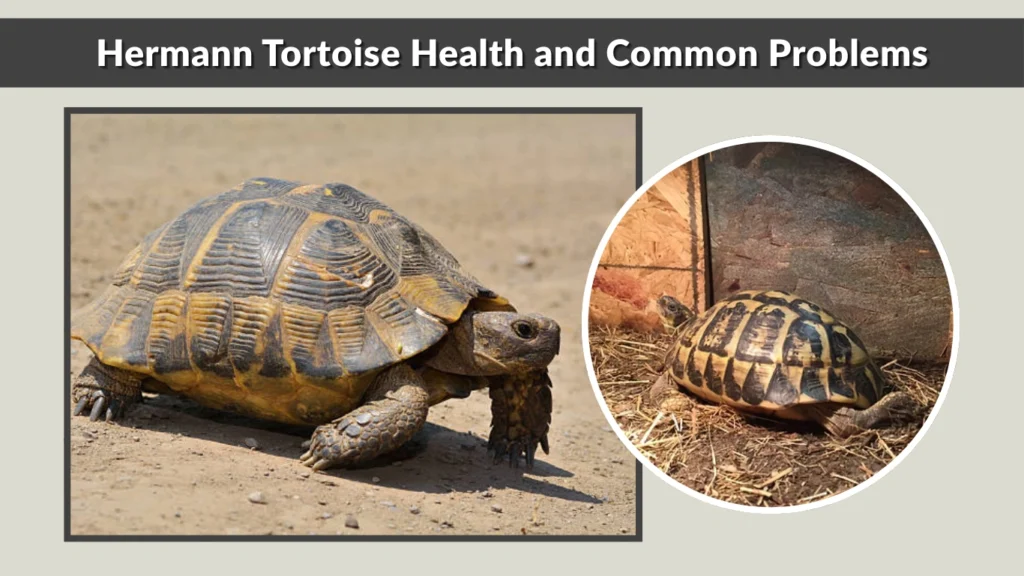
A healthy Hermann tortoise is alert, active, and eager to eat. The eyes should be clear and free from discharge, and the shell should feel firm and smooth. Regular movement, steady growth, and consistent appetite are all positive signs that the tortoise’s care needs are being met.
Common Health Issues
One of the most common problems seen in captive Hermann tortoises is shell pyramiding, which is often caused by improper diet, low humidity, or excessive protein intake. Respiratory infections may occur if temperatures are too low or humidity is too high, leading to symptoms such as wheezing, nasal discharge, or lethargy. Parasites can also affect tortoises and may require veterinary treatment if weight loss or abnormal stool is observed.
Veterinary Care
Regular checkups with a reptile-experienced veterinarian help catch health issues early. A fecal exam can detect parasites, while routine physical exams ensure proper growth and shell development. Veterinary care is especially important for young tortoises and newly acquired pets.
Hibernation and Seasonal Care
Do Hermann Tortoises Hibernate?
In the wild, Hermann tortoises naturally hibernate during colder months. Many healthy adult tortoises can safely hibernate in captivity, but it is not required for juveniles or tortoises with health concerns. Owners should carefully research hibernation methods before attempting it.
Basic Hibernation Care Tips
Before hibernation, the tortoise should be well hydrated and free of illness. During hibernation, temperatures must be kept stable and monitored closely. After hibernation, gradual warming, rehydration, and slow reintroduction of food are essential to prevent stress.
Handling and Behavior
Hermann tortoises generally tolerate handling but prefer minimal interaction. Excessive handling can cause stress and should be avoided. When handling is necessary, always support the tortoise securely and keep sessions brief. Understanding natural behaviors such as basking, burrowing, and grazing helps owners provide a more enriching environment.
Hermann Tortoise Care Tips for Beginners
New owners often underestimate the space, time, and commitment required to care for a Hermann tortoise. Avoid small glass tanks, maintain proper lighting and temperatures, and focus on a natural, high-fiber diet. Planning ahead for the tortoise’s long lifespan ensures a healthier and more rewarding experience.
Conclusion
Caring for a Hermann tortoise is a long-term responsibility that requires attention to habitat, diet, and health. When their needs are met, these tortoises can thrive and live for decades. By providing proper housing, balanced nutrition, and consistent care, owners can enjoy a healthy, active companion for many years to come.
FAQs
How long do Hermann tortoises live?
Hermann tortoises are known for their long lifespan. With proper care, they commonly live between 40 and 60 years, and some individuals may live even longer. A balanced diet, correct temperatures, UVB lighting, and regular health checks all play a major role in ensuring a long, healthy life.
Can Hermann tortoises live indoors full time?
Yes, Hermann tortoises can live indoors full time if their environmental needs are met. This includes providing a large enclosure, proper basking temperatures, and high-quality UVB lighting. However, outdoor time is highly beneficial when weather and climate allow, as natural sunlight supports overall health.
What should I feed a Hermann tortoise daily?
A Hermann tortoise’s daily diet should consist mainly of leafy greens and natural weeds such as dandelion greens, plantain, and collard greens. The diet should be high in fiber and low in sugar and protein. Calcium should be provided regularly to support shell and bone health.
Do Hermann tortoises need UVB lighting?
Yes, UVB lighting is essential for Hermann tortoises kept indoors. UVB helps them produce vitamin D3, which allows proper calcium absorption. Without adequate UVB exposure, tortoises can develop serious health problems such as metabolic bone disease.
Is hibernation necessary for Hermann tortoises?
Hibernation is natural for Hermann tortoises but not strictly required in captivity. Healthy adult tortoises may hibernate safely if properly prepared, while juveniles or tortoises with health issues should not hibernate. Many owners choose to skip hibernation and maintain stable conditions year-round.