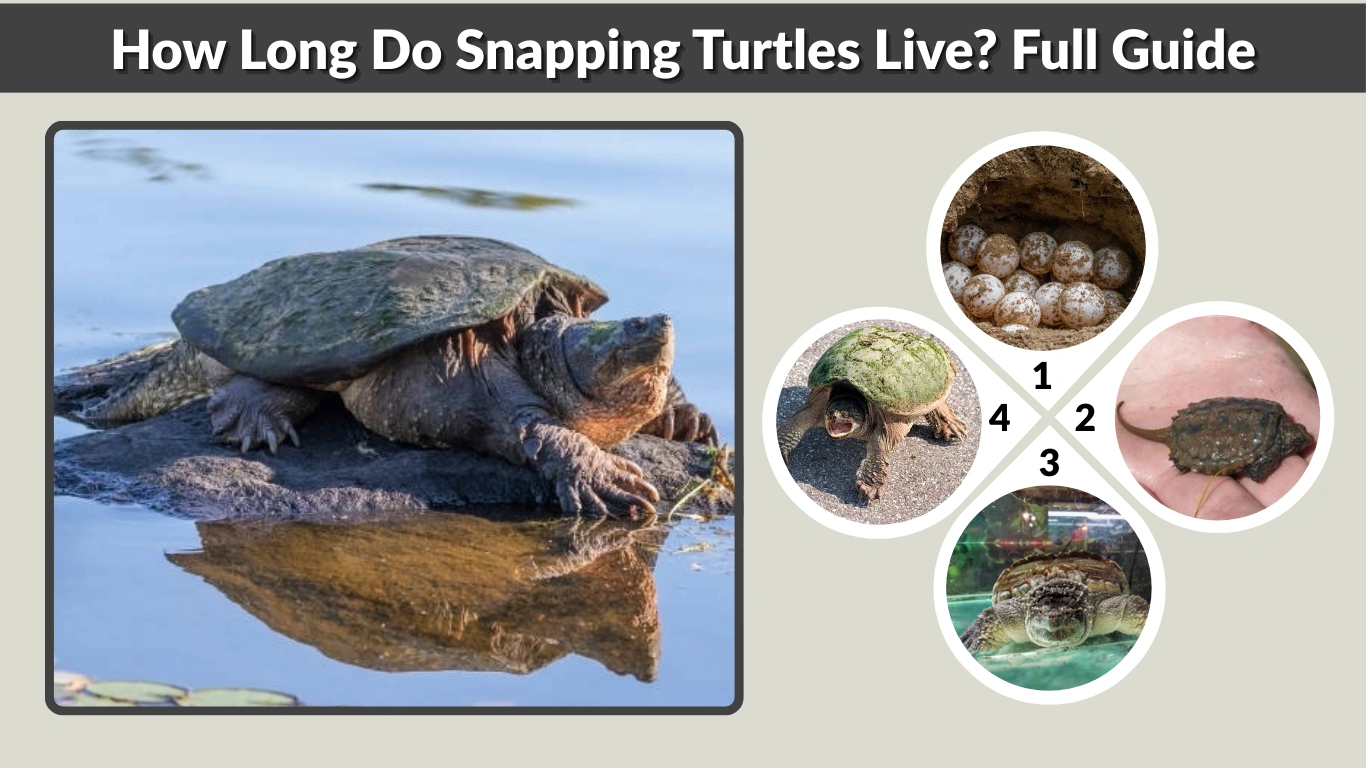
How long do snapping turtles live? These powerful freshwater reptiles are known for their strong jaws and prehistoric appearance, but they’re also famous for their impressive lifespan. On average, snapping turtles can live between 30 and 50 years, and some species may survive even longer under the right conditions. Lifespan varies depending on whether they live in the wild or captivity, as well as the specific species. Understanding their longevity reveals just how resilient and fascinating these turtles truly are.
Average Lifespan of Snapping Turtles
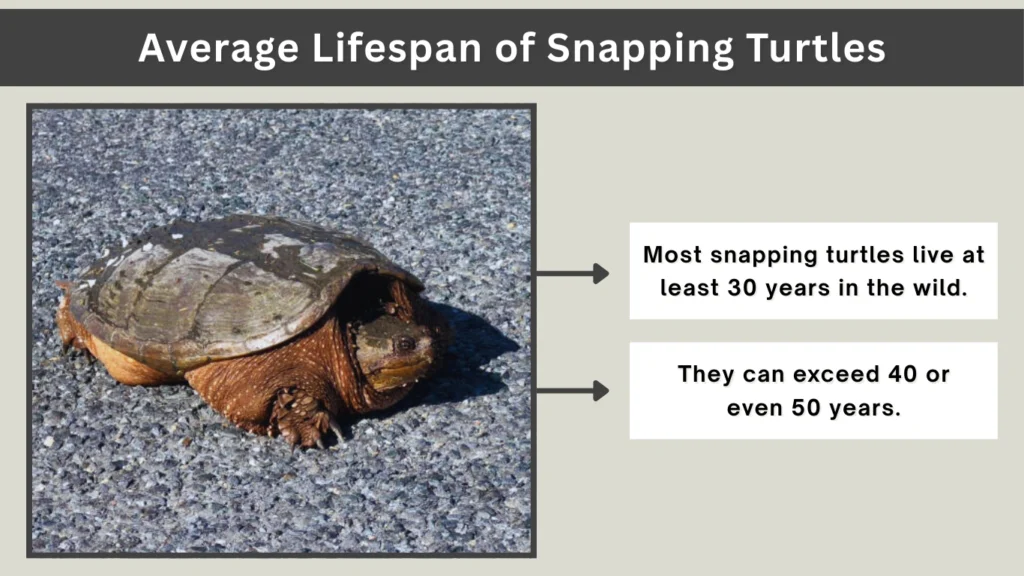
Snapping turtles are among the longer-living freshwater reptiles in North America. While they may not always reach the century mark like some tortoises, they still enjoy remarkably long lives compared to many other aquatic animals.
Most snapping turtles live at least 30 years in the wild. With favorable environmental conditions and fewer threats, they can exceed 40 or even 50 years. In protected environments such as wildlife reserves or zoos, their lifespan may extend further due to stable food sources and reduced risk of injury.
Two main species are commonly discussed when talking about lifespan: the common snapping turtle and the alligator snapping turtle. Although similar in name, their life expectancy can differ.
Common Snapping Turtle Lifespan
The common snapping turtle (Chelydra serpentina) is widespread across North America. In the wild, it typically lives between 30 and 40 years. However, some individuals have been recorded living beyond 50 years.
Their survival depends heavily on early life stages. Hatchlings face extremely high mortality rates due to predators such as raccoons, birds, and large fish. Once they reach adulthood, however, their chances of survival increase dramatically. Adult snapping turtles have few natural predators because of their size, powerful bite, and protective shell.
Alligator Snapping Turtle Lifespan
The alligator snapping turtle (Macrochelys temminckii) is generally considered the longer-living of the two species. These massive turtles can live between 50 and 70 years, and some reports suggest they may survive even longer under ideal conditions.
Their slow growth rate and low metabolism contribute to their longevity. Because they mature later in life and reproduce over many decades, evolution has favored long life spans in this species. However, habitat destruction and overharvesting have reduced populations in many areas.
How Long Do Snapping Turtles Live in the Wild?
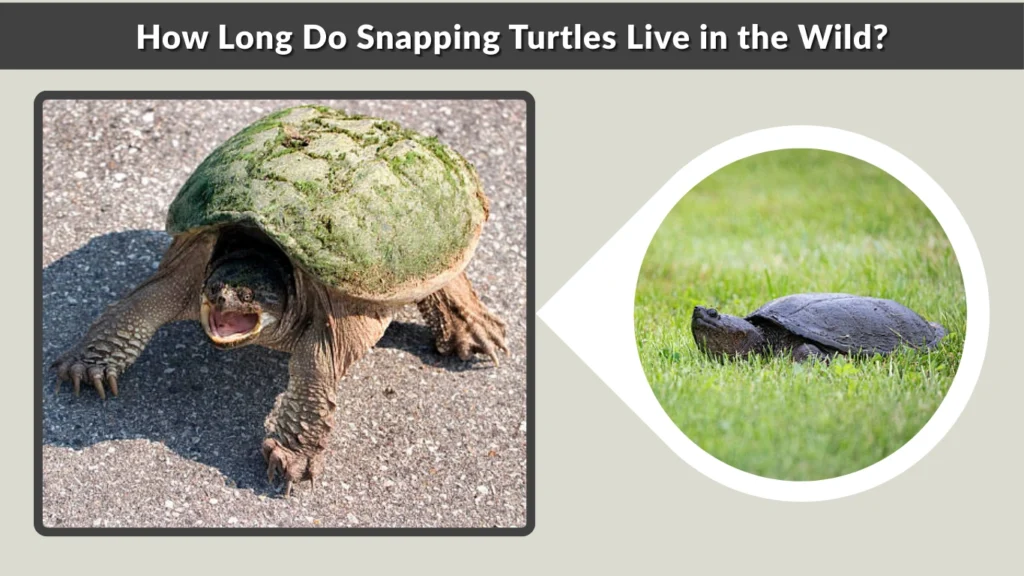
In the wild, snapping turtle lifespan depends on survival through different life stages. While adults can live for decades, very few hatchlings make it to maturity.
Newly hatched snapping turtles are highly vulnerable. Many nests are raided before the eggs even hatch. Those that do hatch must quickly reach water while avoiding predators. As a result, only a small percentage survive their first year.
Once they grow larger, their thick shells and aggressive defense mechanisms protect them from most predators. Adult snapping turtles primarily face threats from:
- Vehicle collisions when crossing roads
- Habitat destruction and wetland loss
- Water pollution
- Human harvesting in some regions
Despite these challenges, a healthy adult snapping turtle in a stable wetland ecosystem can live 30–50 years in the wild.
How Long Do Snapping Turtles Live in Captivity?
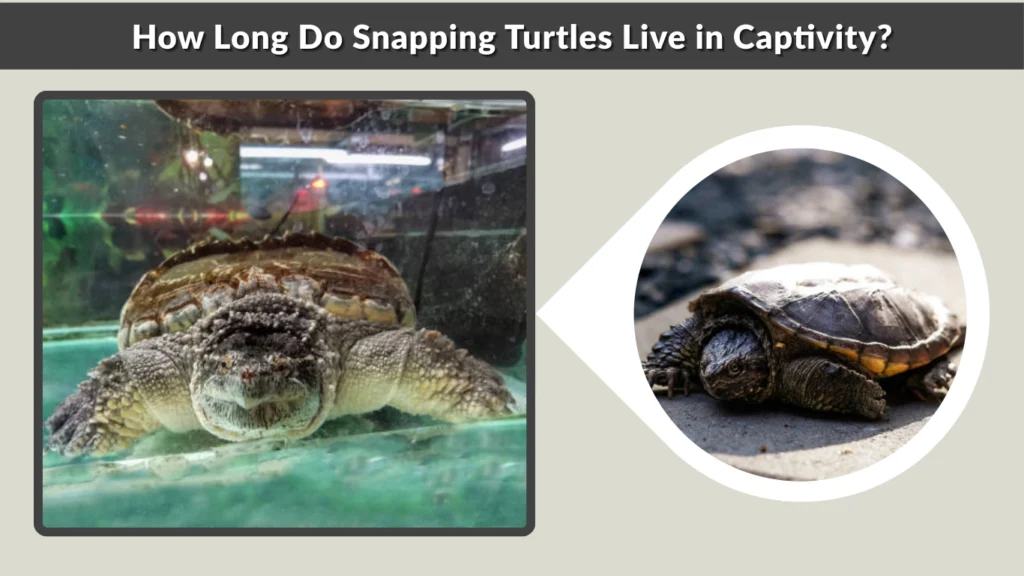
Snapping turtles often live longer in captivity than in the wild, provided they receive proper care. In zoos or wildlife sanctuaries, they benefit from consistent feeding, medical care, and protection from predators.
Captive snapping turtles commonly reach or exceed their upper wild lifespan estimates. Some have been documented living well past 50 years. The controlled environment reduces stressors such as food scarcity, harsh winters, and injuries.
However, keeping a snapping turtle as a pet is not simple. They grow large, require specialized enclosures, and can become aggressive. Without proper care, their lifespan may actually shorten. Responsible ownership and professional facilities are key factors in helping captive snapping turtles live long, healthy lives.
Why Do Snapping Turtles Live So Long?
Snapping turtles have several biological traits that contribute to their impressive lifespan. One of the most important factors is their slow metabolism. Like many reptiles, they use energy efficiently, which may help reduce cellular damage over time and slow the aging process.
Their protective shell also plays a major role in survival. While snapping turtles cannot fully retract into their shells like some other species, their thick, rugged carapace still provides strong defense against predators. Combined with their powerful bite and defensive temperament, adult snapping turtles are rarely attacked.
Another key factor is their life history strategy. Snapping turtles mature slowly and reproduce over many years. Species that grow slowly and reproduce multiple times throughout life often evolve longer lifespans. This increases their chances of passing on genes even if early offspring do not survive.
Snapping Turtle Life Cycle
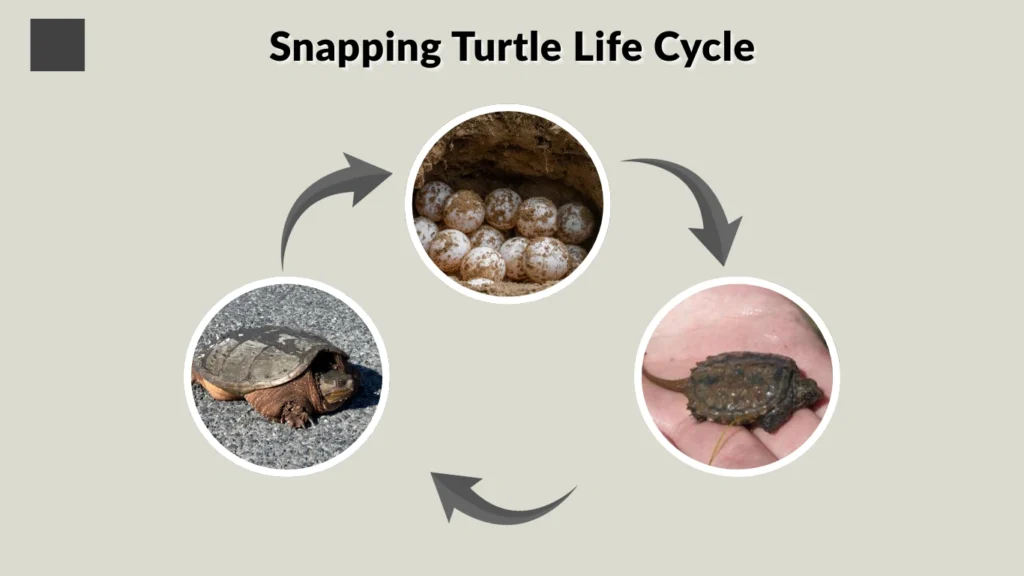
Understanding the snapping turtle life cycle helps explain how they can live for decades despite early-life risks.
Egg Stage
Female snapping turtles lay their eggs on land, usually in sandy or soft soil near water. A single clutch may contain 20 to 40 eggs, depending on the species and size of the female.
The incubation period typically lasts about 2 to 3 months. During this time, the eggs are vulnerable to predators such as raccoons, skunks, and foxes. Many nests are destroyed before the hatchlings ever emerge.
Juvenile Stage
After hatching, young snapping turtles must make their way to water. This journey is one of the most dangerous periods of their lives. Birds, fish, and mammals prey heavily on small turtles.
Those that survive grow relatively quickly during their early years. However, it can take 8 to 20 years for snapping turtles to reach sexual maturity, depending on species and environmental conditions. This slow development is closely tied to their long lifespan.
Adult Stage
Adult snapping turtles are much more resilient. Their size, strength, and defensive behavior reduce the number of natural predators they face. At this stage, their primary threats are human-related, such as habitat loss and vehicle strikes.
Adults can reproduce for decades, laying eggs annually in many cases. This extended reproductive window is another reason long life is beneficial for the species.
Factors That Affect Snapping Turtle Lifespan
While snapping turtles are naturally long-lived, several factors can shorten their lives.
Habitat destruction is one of the most significant threats. Wetland drainage and shoreline development reduce nesting and feeding areas.
Water pollution also impacts their health. Contaminants can affect immune systems, reproduction, and overall survival.
Road mortality is common, especially during nesting season when females travel across land to lay eggs. Many turtles are struck by vehicles during these migrations.
Illegal collection and overharvesting have historically reduced some populations, particularly alligator snapping turtles.
Climate change may also influence lifespan indirectly by altering nesting temperatures, food availability, and habitat stability.
How to Estimate a Snapping Turtle’s Age
Determining the exact age of a snapping turtle is challenging. Unlike some mammals, they do not have simple physical markers that clearly reveal age.
One common method involves counting growth rings on the turtle’s shell scutes. These rings form as the turtle grows, somewhat similar to tree rings. However, this method becomes unreliable in older turtles because growth slows and rings wear down over time.
Size can provide rough clues, but it is not a precise indicator. Environmental conditions, food availability, and genetics all influence growth rates. Two turtles of the same age may differ significantly in size.
Scientists sometimes rely on long-term tagging and monitoring studies to track individual turtles over decades. These studies provide the most accurate lifespan data.
FAQs
Can snapping turtles live 100 years?
While some stories claim snapping turtles live 100 years or more, verified scientific records generally show lifespans of 30 to 70 years. Alligator snapping turtles may live longer than common snapping turtles, but reaching a full century is rare and not well documented.
Which snapping turtle lives the longest?
The alligator snapping turtle is typically the longer-living species. It often reaches 50 to 70 years and may exceed that in protected conditions. The common snapping turtle usually lives 30 to 40 years in the wild, though some individuals surpass 50 years.
Do snapping turtles live longer than other turtles?
Snapping turtles live long lives compared to many freshwater species, but some tortoises and sea turtles can live even longer. Certain tortoise species are known to exceed 100 years, making them among the longest-living reptiles on Earth.
What is the biggest threat to snapping turtles?
Today, the biggest threats are habitat loss, road mortality, and pollution. While adult snapping turtles have few natural predators, human activity significantly impacts their survival and population stability.
Conclusion
So, how long do snapping turtles live? On average, they survive 30 to 50 years, with alligator snapping turtles often reaching 70 years or more. Their slow metabolism, protective shells, and long reproductive lifespan contribute to their remarkable longevity. However, human-related threats continue to affect their populations. Protecting wetlands and reducing habitat destruction are essential steps in ensuring these ancient reptiles continue thriving for decades to come.