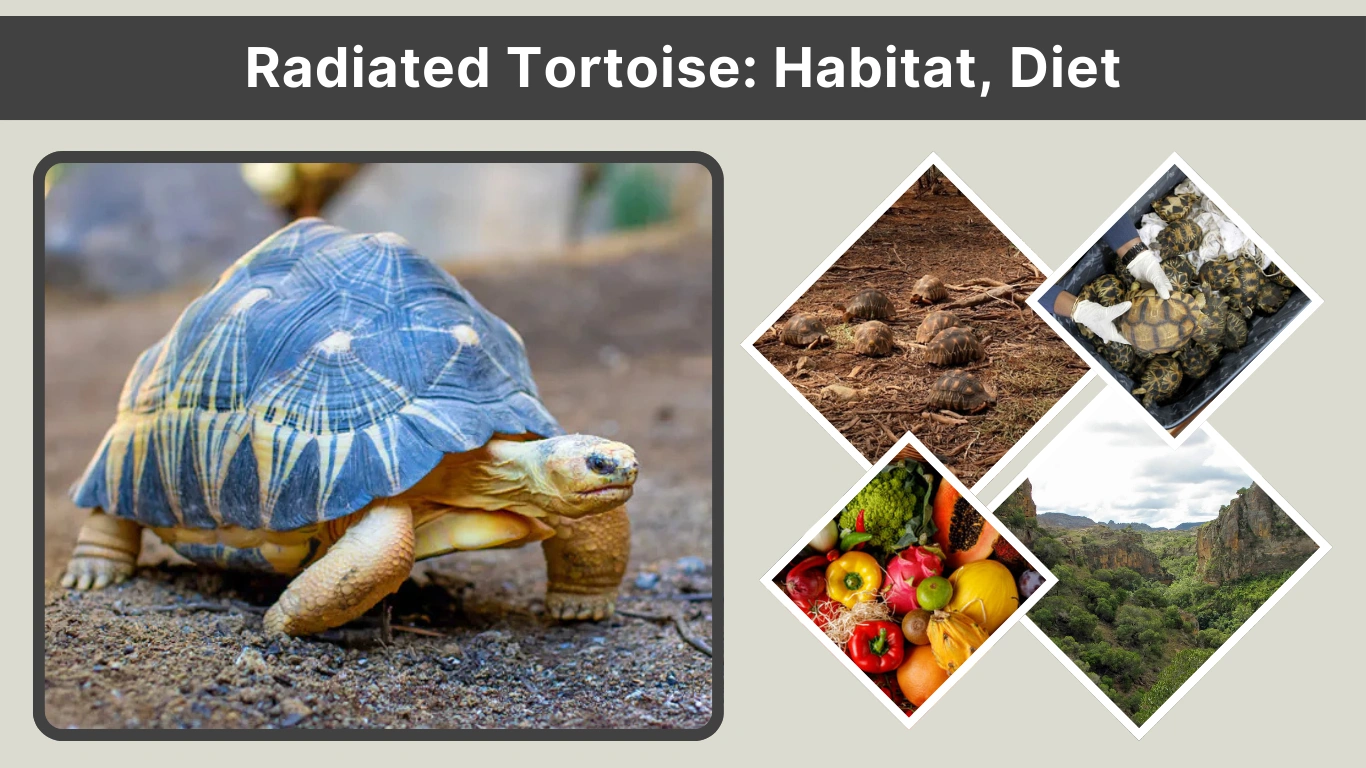
The radiated tortoise (Astrochelys radiata) is one of the most visually stunning tortoise species in the world. Native to southern Madagascar, it is easily recognized by the bright yellow star-like patterns radiating across its dark shell. Beyond its beauty, this species is also critically endangered due to habitat loss and illegal wildlife trade. In this guide, you’ll learn about the radiated tortoise’s habitat, diet, lifespan, and the conservation challenges it faces.
What Is a Radiated Tortoise?
Scientific Classification and Origin
The radiated tortoise belongs to the family Testudinidae, which includes land-dwelling tortoises. Its scientific name, Astrochelys radiata, reflects its star-patterned shell (“astro” meaning star). This species is endemic to Madagascar, meaning it is found naturally nowhere else in the world. Most populations are concentrated in the dry southern regions of the island.
Madagascar’s long geographic isolation allowed unique species like the radiated tortoise to evolve. Unfortunately, this limited distribution also makes the species highly vulnerable to environmental changes and human activity.
Physical Appearance and Shell Pattern
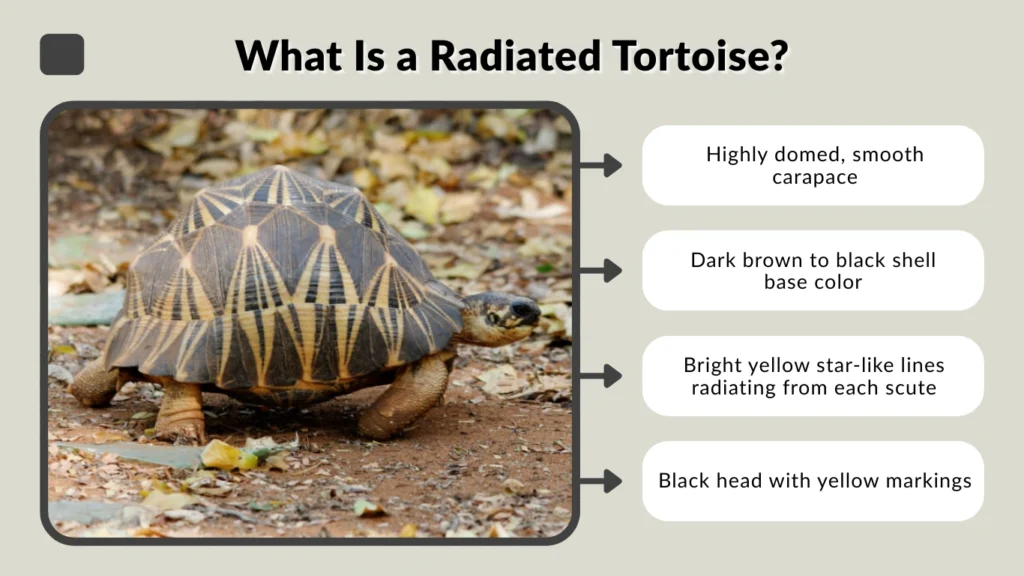
- Highly domed, smooth carapace
- Dark brown to black shell base color
- Bright yellow star-like lines radiating from each scute
- Symmetrical starburst pattern on every shell segment
- Thick, scaly legs adapted for rough terrain
- Black head with yellow markings
- Slightly flared shell edges in mature individuals
- Each tortoise has a unique shell pattern
Size and Weight
- Average adult length: 12–16 inches (30–40 cm)
- Some large males may exceed 16 inches
- Typical adult weight: 15–35 pounds
- Males generally larger than females
- Hatchlings measure 1.5–2 inches at birth
- Slow, steady growth over several decades
- Sexual maturity reached around 15–20 years
Natural Habitat and Distribution
Climate and Ecosystem
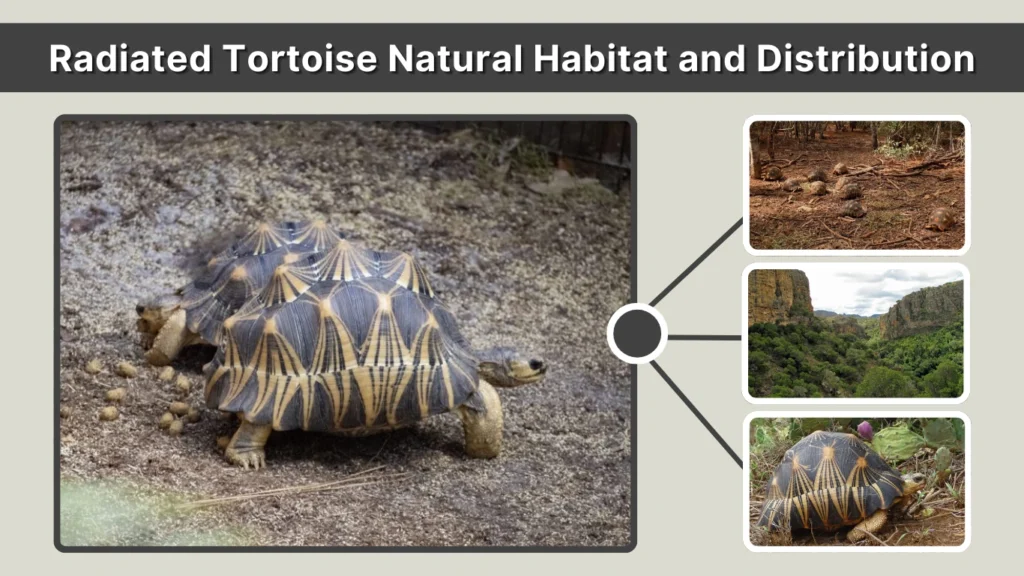
Radiated tortoises inhabit the dry forests and thorny scrublands of southern Madagascar. This region is characterized by a semi-arid climate with hot temperatures and seasonal rainfall.
The ecosystem includes drought-resistant plants such as cacti, grasses, shrubs, and low-growing succulents. These plants form the primary food source for the tortoises. The terrain is often sandy or rocky, which suits their grazing lifestyle.
Temperatures in their natural habitat can rise significantly during the day, so radiated tortoises have adapted to survive in intense heat while conserving moisture.
Daily and Seasonal Behavior
Radiated tortoises are primarily active during the cooler parts of the day, such as early morning and late afternoon. During extreme midday heat, they often seek shade under bushes or burrow slightly into the soil to stay cool.
They are natural grazers, spending much of their active time slowly moving through vegetation in search of food. During the rainy season, food becomes more abundant, and activity levels may increase.
In drier months, they conserve energy and may reduce movement to cope with limited resources. Their ability to survive in harsh conditions is one reason they have thrived in Madagascar for thousands of years.
Impact of Habitat Loss
Despite their adaptability, radiated tortoises face serious threats from habitat destruction. Large areas of Madagascar’s dry forest are being cleared for agriculture, charcoal production, and livestock grazing.
As forests disappear, tortoises lose shelter, nesting areas, and food sources. Habitat fragmentation also isolates populations, reducing genetic diversity and making long-term survival more difficult.
Combined with poaching pressures, habitat loss has pushed the radiated tortoise into a critically endangered status.
Radiated Tortoise Diet
Diet in the Wild
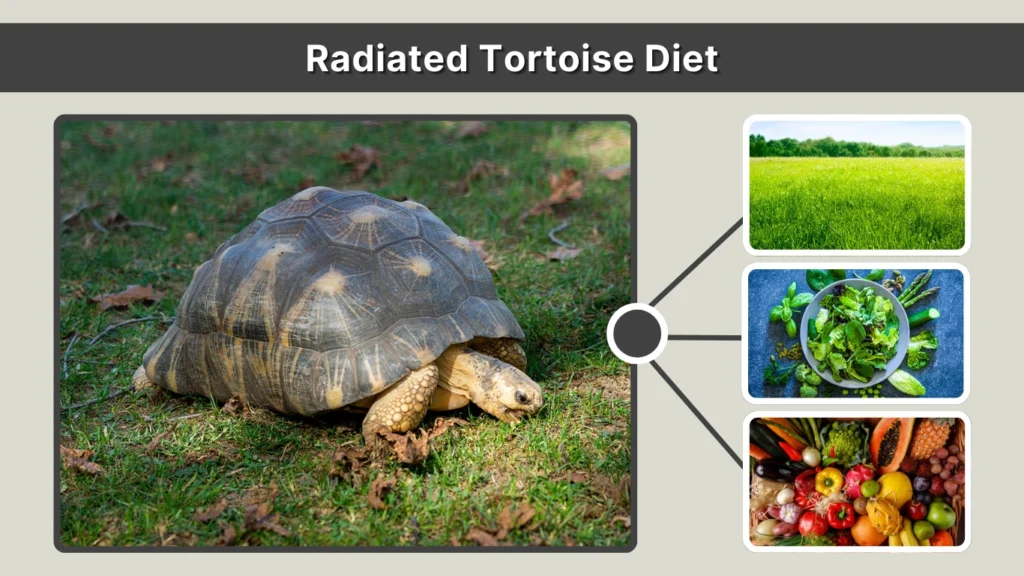
In the wild, radiated tortoises are strict herbivores. Their natural diet consists mainly of grasses, leaves, fruits, and succulent plants found in Madagascar’s dry regions.
They particularly favor fibrous grasses and low-growing vegetation. Occasionally, they may eat fallen fruits when available. Their strong jaws allow them to chew tough plant material efficiently.
Because their natural habitat can be dry, radiated tortoises also obtain much of their hydration from the plants they consume.
Nutritional Needs
A high-fiber, low-protein diet is essential for radiated tortoises. Fiber supports healthy digestion and proper shell growth, while excess protein can lead to shell deformities and other health problems.
Calcium is especially important for maintaining a strong shell and bones. In the wild, they obtain calcium from plants and mineral-rich soil. Proper nutrition plays a major role in their overall longevity and health.
Lifespan and Growth
Average Lifespan
Radiated tortoises are known for their impressive longevity. In the wild, they commonly live 80 to 100 years, and some individuals may exceed a century under ideal conditions. Their slow metabolism and steady growth contribute to their long life expectancy.
In captivity, with proper nutrition, adequate space, and veterinary care, they can live just as long—or even longer. However, poor husbandry, improper diet, or lack of UVB lighting can significantly shorten their lifespan.
Owning a radiated tortoise is truly a lifetime commitment, often extending across generations.
Growth Stages
Radiated tortoises grow slowly compared to many other reptiles. Hatchlings measure only 1.5 to 2 inches in length and weigh just a few ounces. During the first few years, growth is steady but gradual.
Juveniles begin developing more defined shell patterns and increased shell height. Sexual maturity is usually reached between 15 and 20 years of age, depending on environmental conditions and nutrition.
Full adult size may take decades to achieve, reflecting their naturally slow and steady development process.
Factors That Affect Longevity
Several factors influence how long a radiated tortoise will live:
- Diet quality: High-fiber, calcium-rich diets promote healthy growth.
- Habitat conditions: Proper temperature and humidity levels are essential.
- Sunlight or UVB exposure: Necessary for vitamin D3 production and calcium absorption.
- Veterinary care: Early detection of infections or shell issues improves survival.
Consistent, species-appropriate care is the key to maximizing lifespan in captivity.
Why Is the Radiated Tortoise Endangered?
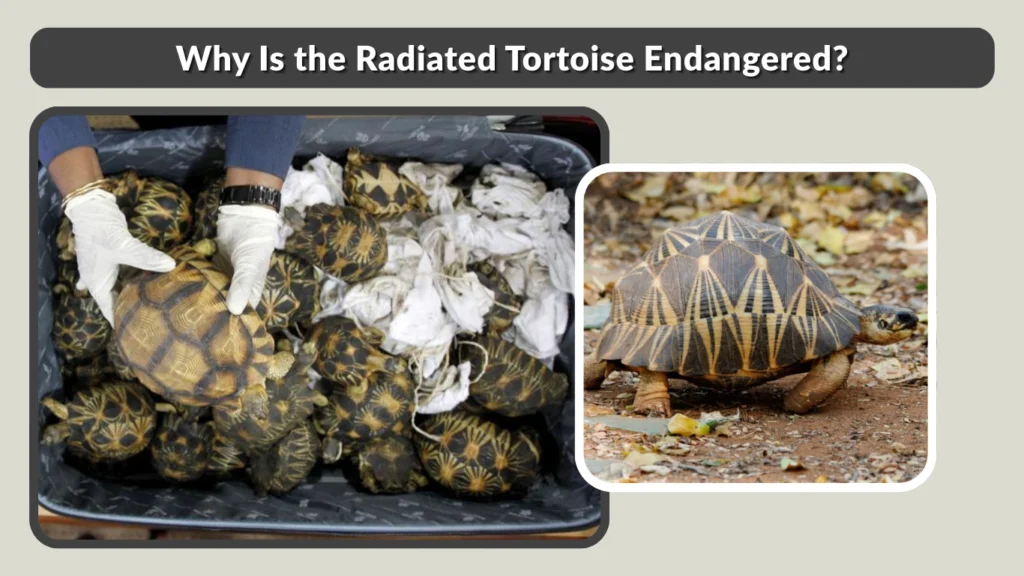
Illegal Wildlife Trade
One of the biggest threats to the radiated tortoise is illegal collection for the exotic pet trade. Due to their striking appearance, they are highly sought after by collectors worldwide.
Smuggling networks remove thousands of tortoises from Madagascar each year. Many do not survive transport due to poor conditions, overcrowding, and lack of proper care.
Poaching for Food
In addition to the pet trade, radiated tortoises are hunted for local consumption. In some regions of Madagascar, tortoise meat is considered a food source despite legal protections.
This unsustainable harvesting further reduces already fragile wild populations.
Conservation Status
The radiated tortoise is listed as Critically Endangered on the IUCN Red List. It is also protected under CITES Appendix I, which prohibits international commercial trade of wild-caught specimens.
Despite legal protections, enforcement challenges and poverty-related pressures continue to threaten the species.
Conservation Efforts
Several organizations are working to protect the radiated tortoise and restore its population.
Captive breeding programs help reduce pressure on wild populations while maintaining genetic diversity. Some conservation groups operate rescue centers that rehabilitate confiscated tortoises before reintroducing them into protected habitats.
Community-based conservation initiatives in Madagascar focus on education and sustainable resource management. By involving local communities, these programs aim to reduce poaching and habitat destruction.
International wildlife organizations also collaborate with authorities to strengthen anti-trafficking enforcement and monitor illegal trade routes.
Although progress is being made, long-term survival depends on continued global awareness and local conservation efforts.
Radiated Tortoise as a Pet
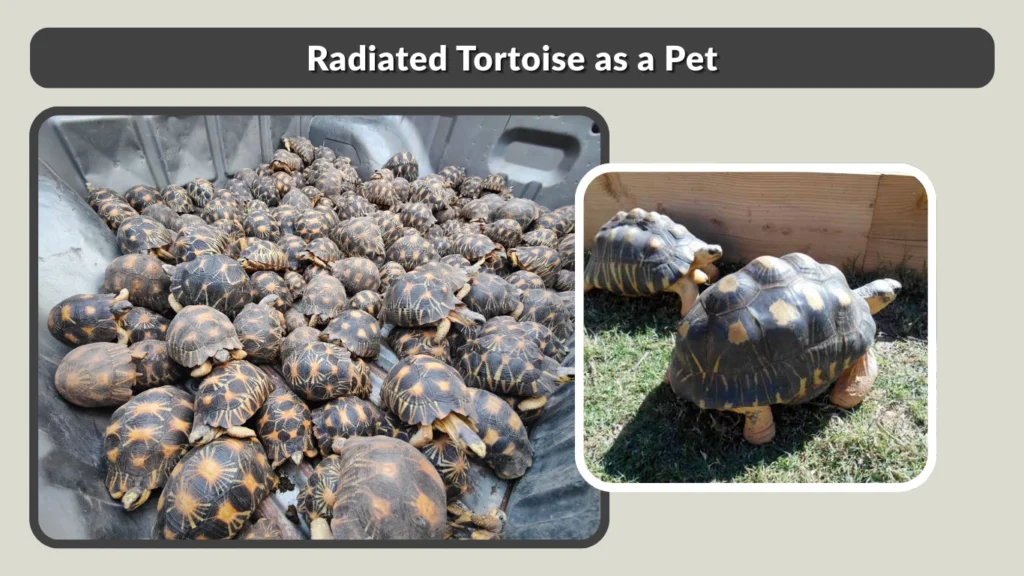
Legal Considerations
Because radiated tortoises are protected under international law, ownership is heavily regulated. In many countries, you must have proper documentation proving the tortoise was captive-bred and legally obtained.
Importing or exporting radiated tortoises without permits is illegal. Potential owners should carefully research local laws before considering ownership.
Basic Care Requirements
Radiated tortoises require spacious enclosures that allow natural grazing and movement. Outdoor enclosures are ideal in warm climates, while indoor setups must include:
- Strong UVB lighting
- A temperature gradient (warm basking area and cooler retreat area)
- Proper substrate for natural movement
- Access to fresh water
Their diet in captivity should mimic their wild diet, focusing on grasses, leafy greens, and calcium supplementation.
Is It a Good Pet for Beginners?
Radiated tortoises are not recommended for beginner reptile owners. Their long lifespan, large space requirements, and strict environmental needs make them a significant responsibility.
They are best suited for experienced keepers who understand reptile husbandry and are prepared for decades of commitment.
FAQs
How long do radiated tortoises live?
Radiated tortoises commonly live between 80 and 100 years, and some may exceed 100 years with proper care. Their slow growth and low metabolic rate contribute to their longevity. In captivity, correct diet, UVB lighting, and veterinary care play a major role in extending lifespan.
How big do radiated tortoises get?
Adult radiated tortoises typically reach 12 to 16 inches in shell length and weigh between 15 and 35 pounds. Males are usually larger than females. Growth is slow, and it may take decades for a tortoise to reach its full adult size.
What do radiated tortoises eat?
Radiated tortoises are herbivores that primarily eat grasses, leafy plants, and succulents. In captivity, their diet should focus on high-fiber greens and calcium-rich vegetation. Excess protein and fruit should be limited to prevent health problems.
Why are radiated tortoises critically endangered?
They are critically endangered due to illegal wildlife trade, poaching for food, and habitat destruction in Madagascar. Forest clearing and agricultural expansion have significantly reduced their natural habitat, while smuggling continues to impact wild populations.
Can you legally own a radiated tortoise?
Ownership is legal in some countries if the tortoise is captive-bred and properly documented. However, international trade of wild-caught individuals is strictly prohibited under CITES Appendix I. Always verify local regulations before considering ownership.
Conclusion
The radiated tortoise is a remarkable species known for its breathtaking shell pattern and extraordinary lifespan. Native to Madagascar, it plays an important role in its ecosystem but faces serious threats from habitat loss and illegal trade. Conservation efforts continue to protect remaining populations, yet global awareness and responsible action remain essential. Whether admired in the wild or cared for in captivity under legal guidelines, the radiated tortoise deserves protection to ensure its survival for generations to come.