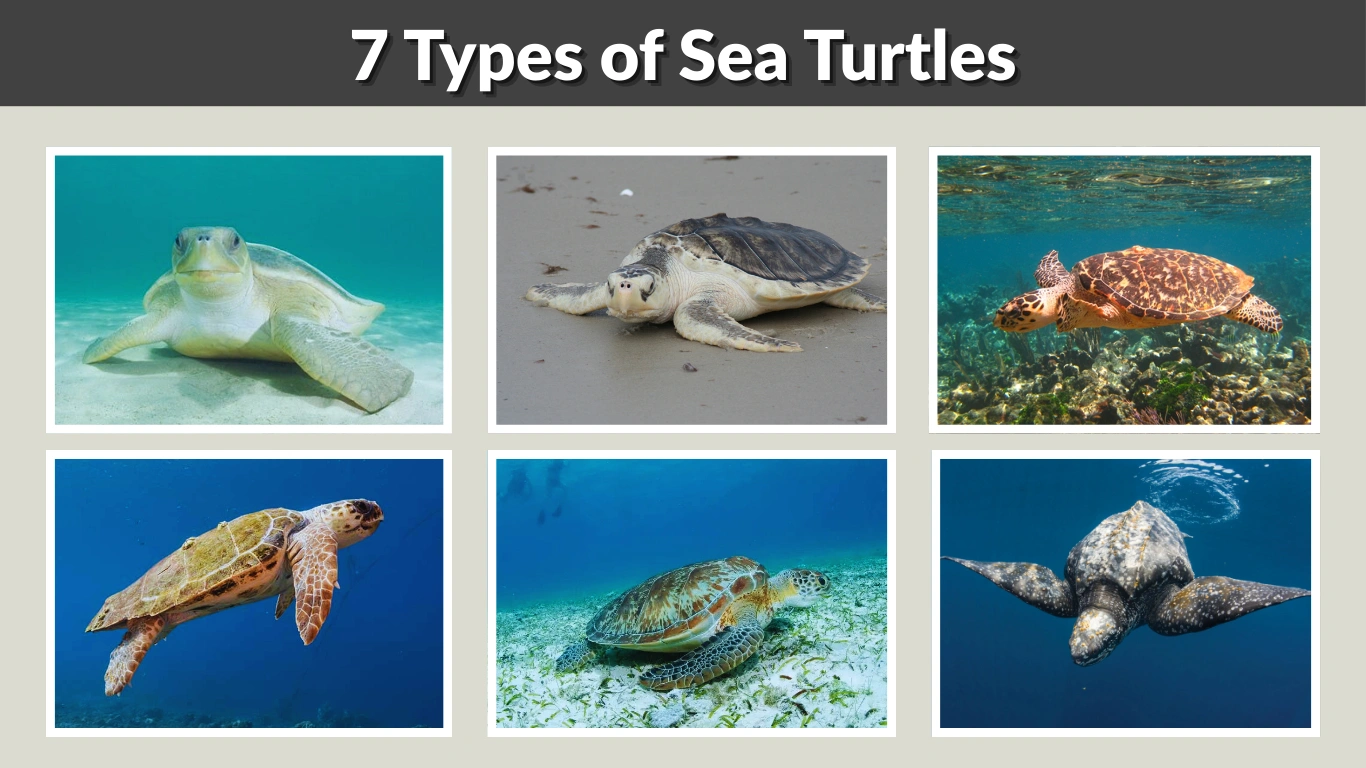
Sea turtles are ancient marine reptiles that have lived in the world’s oceans for over 100 million years. Today, seven species remain, each with unique characteristics, habitats, and population levels. While some are abundant and widely distributed, others are critically endangered and rarely seen. Understanding these differences helps highlight the importance of their conservation and the role they play in maintaining ocean ecosystems.
1. Green Sea Turtle
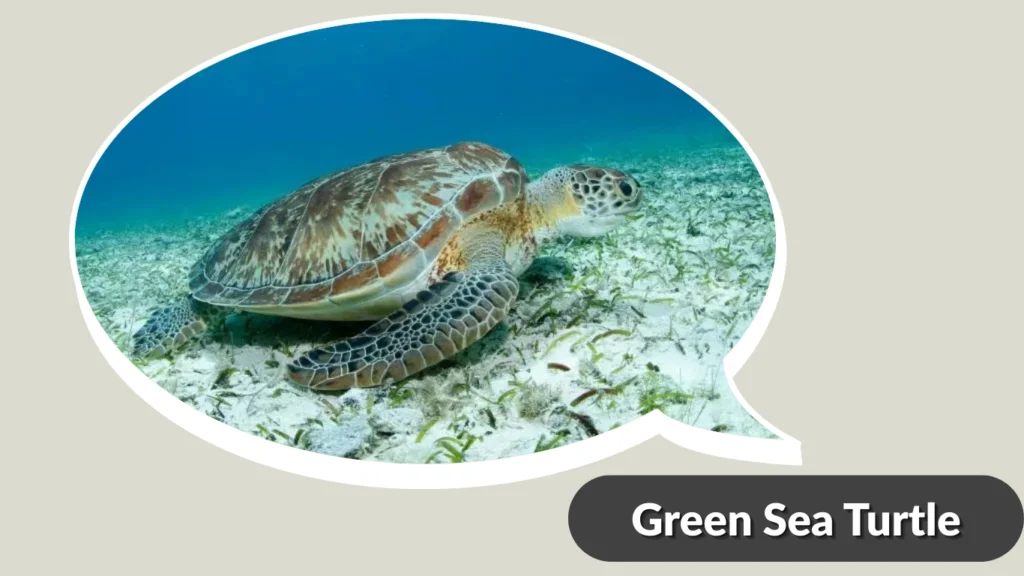
The green sea turtle is one of the most widespread and frequently encountered sea turtles in tropical and subtropical oceans. Known for its gentle nature and plant-based diet, this species plays an important role in maintaining healthy seagrass ecosystems.
Identification
- Smooth, heart-shaped shell
- Shell color ranges from olive to brown with streak patterns
- Large flippers adapted for long-distance swimming
- Distinct rounded head without the strong beak seen in other species
Habitat
Green sea turtles inhabit shallow coastal areas, lagoons, and seagrass beds. They prefer warm waters and often migrate between feeding grounds and nesting beaches across vast ocean distances.
Behavior
These turtles are mostly solitary, spending their days grazing on seagrass or resting underwater for several hours. They are strong swimmers and known for their impressive migratory journeys between feeding and nesting sites.
Conservation Status
Although populations are recovering in some regions due to conservation efforts, the green sea turtle remains threatened by habitat loss, bycatch, illegal poaching, and climate-related changes that affect nesting beaches.
2. Loggerhead Sea Turtle
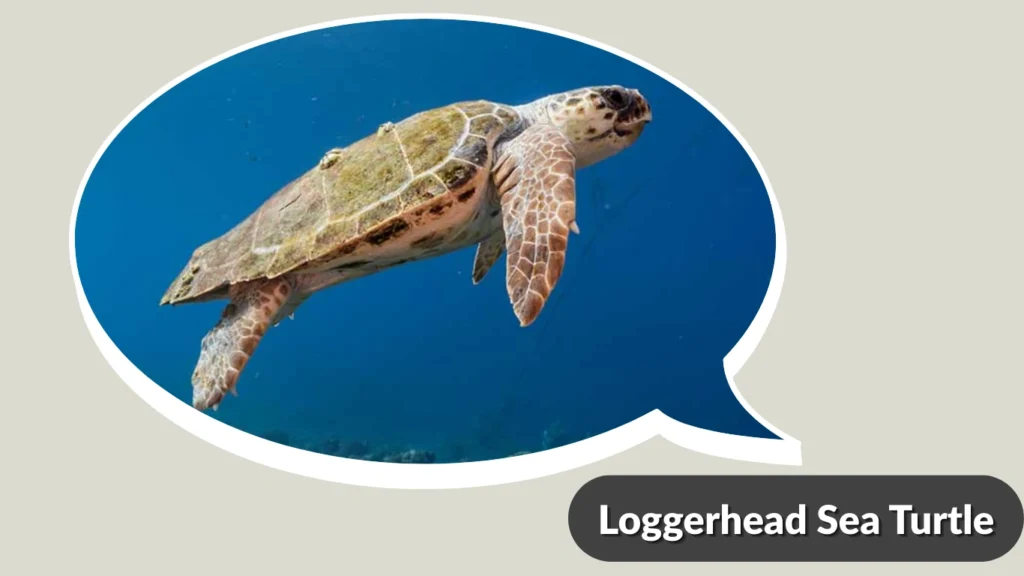
The loggerhead sea turtle is a widely distributed species known for its large head and powerful jaws. Found in many of the world’s oceans, it is one of the more commonly encountered sea turtles, especially in the Atlantic and Mediterranean regions.
Identification
- Large head with strong, muscular jaws
- Reddish-brown heart-shaped shell
- Thick, scaly skin on the head and flippers
- Carapace with noticeable, rough scutes
Habitat
Loggerhead turtles prefer coastal waters, bays, and estuaries, though they also travel across open oceans. They often inhabit warm temperate and subtropical regions where food sources are abundant.
Behavior
This species is primarily carnivorous, feeding on crabs, mollusks, and other hard-shelled animals. Loggerheads are known for their long migrations, returning to the same beaches where they hatched to nest.
Conservation Status
While considered vulnerable, loggerhead populations face pressures from bycatch, habitat degradation, and coastal development. Protection efforts have stabilized some populations, but global threats continue to impact their long-term survival.
3. Leatherback Sea Turtle
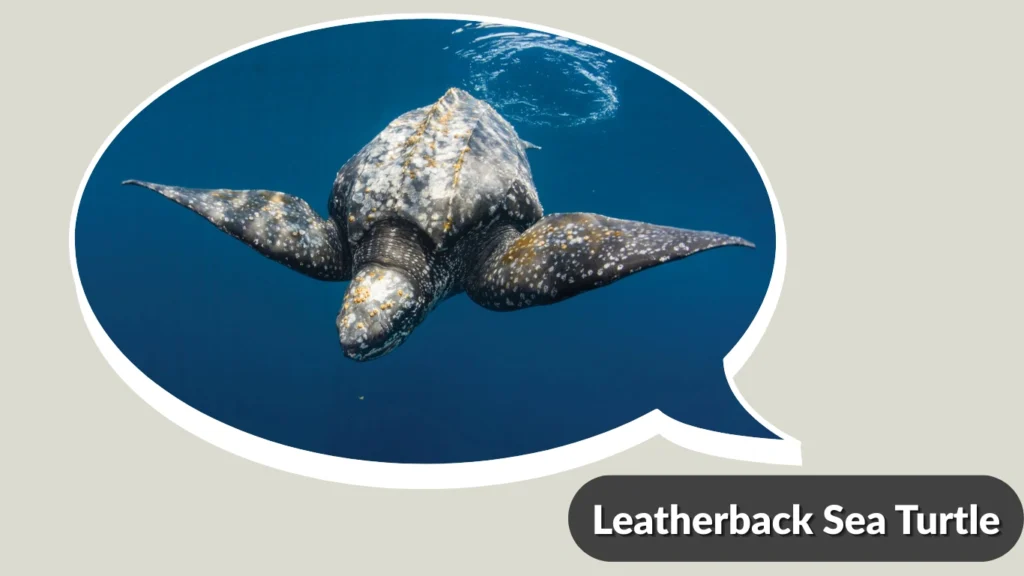
The leatherback sea turtle is the largest of all sea turtle species, known for its unique soft, rubbery shell and remarkable ability to dive to extreme depths. It inhabits both tropical and cold temperate oceans, traveling farther than any other sea turtle.
Identification
- Soft, leathery shell instead of hard scutes
- Dark body with white or pale spots
- Streamlined body shape built for deep diving
- Front flippers extremely long, often the longest among turtles
Habitat
Leatherbacks thrive in open oceans, migrating across entire ocean basins. They are frequently found in areas rich in jellyfish, their primary food source, and can tolerate much colder waters than other sea turtles.
Behavior
These turtles are powerful swimmers capable of diving over 1,000 meters. They follow jellyfish blooms across vast distances and undertake some of the longest migrations of any marine animal, moving between feeding grounds and nesting beaches.
Conservation Status
Listed as vulnerable to critically endangered depending on the region, leatherbacks suffer from threats such as plastic pollution, fishing gear entanglement, and habitat loss. Their long migrations and low reproductive rate make recovery especially challenging.
4. Hawksbill Sea Turtle
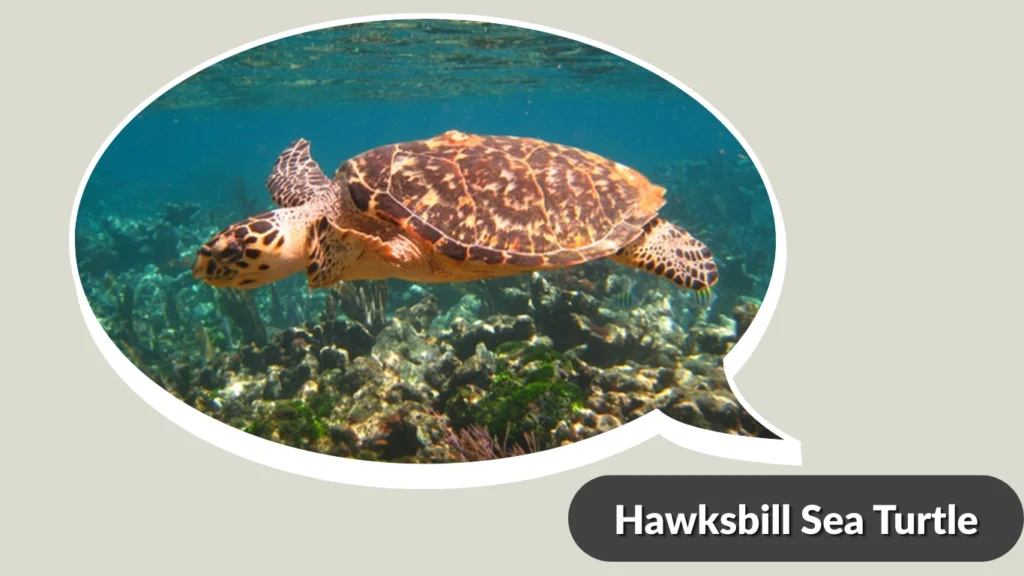
The hawksbill sea turtle is a beautifully patterned species recognized for its narrow, pointed beak and striking shell. It inhabits tropical coral reefs where it plays an essential ecological role by controlling sponge populations.
Identification
- Narrow, pointed “hawk-like” beak
- Overlapping scutes on the shell with amber, gold, and brown patterns
- Slim, oval-shaped carapace
- Sharp edges along the shell giving a serrated look
Habitat
Hawksbill turtles primarily live around coral reefs, rocky coastlines, and shallow lagoons. Their distribution includes tropical oceans worldwide, where warm waters and abundant shelter provide ideal conditions.
Behavior
They are agile reef swimmers, feeding mostly on sponges, along with sea anemones and small invertebrates. Hawksbills navigate complex reef structures with ease and often remain within a relatively small home range.
Conservation Status
Critically endangered, hawksbill turtles face severe pressure from illegal trade due to their attractive shells. Habitat degradation, coral reef loss, and entanglement in fishing gear further threaten their surviving populations.
5. Olive Ridley Sea Turtle
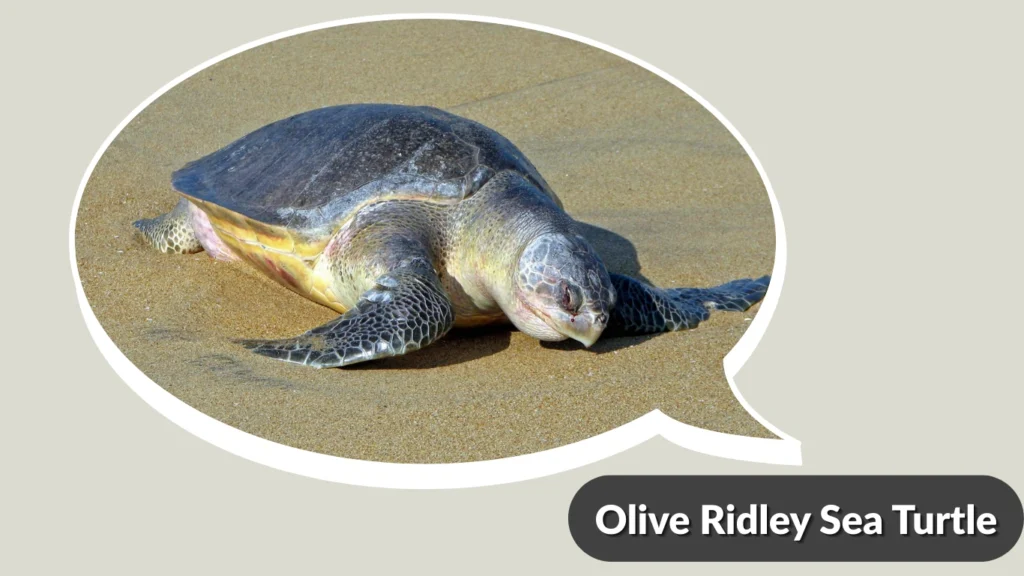
The olive ridley sea turtle is among the most abundant sea turtle species, recognized for its small size and mass nesting events called arribadas. It inhabits warm waters of the Pacific, Atlantic, and Indian Oceans.
Identification
- Olive-green, nearly circular shell
- Relatively small body size
- Smooth carapace with 5–9 scutes per side
- Flippers short compared to other species
Habitat
Olive ridleys thrive in warm tropical and subtropical waters. They prefer open oceans but migrate to coastal beaches for nesting, especially in regions known for synchronized mass nesting.
Behavior
These turtles are famous for arribadas, where thousands nest simultaneously on the same beach. They are omnivorous, feeding on jellyfish, crabs, shrimp, and algae while roaming large stretches of ocean.
Conservation Status
Although the most numerous sea turtle species, they are still vulnerable due to egg harvesting, bycatch, and habitat disturbance. Protection of key nesting beaches has helped stabilize many populations.
6. Kemp’s Ridley Sea Turtle
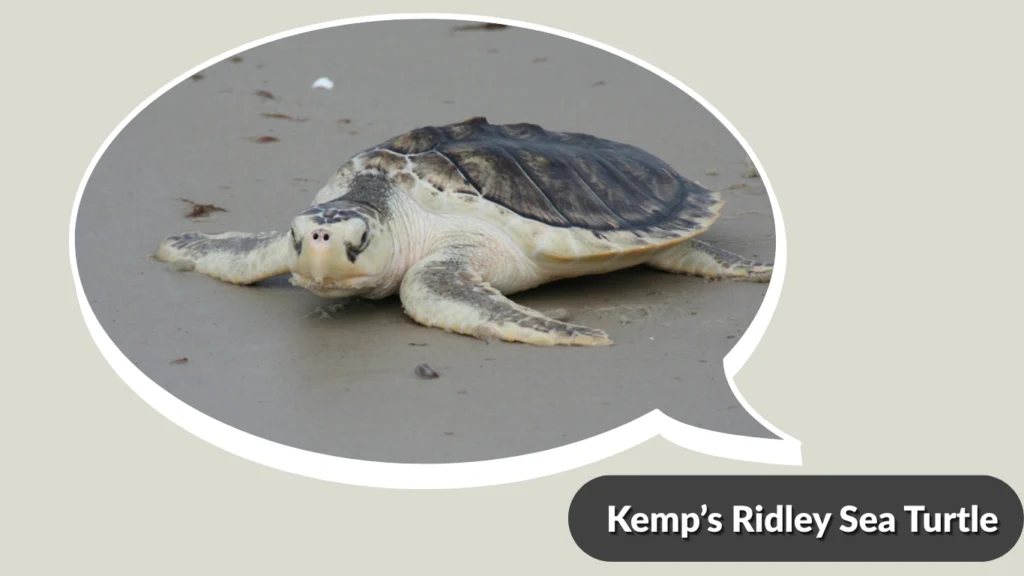
Kemp’s ridley sea turtle is the smallest and rarest of all sea turtle species. Known for its unique daytime nesting behavior, it primarily inhabits the Gulf of Mexico with limited distribution along the Atlantic coast.
Identification
- Small, round, grayish-green shell
- Distinct triangular-shaped head
- Compact body with relatively wide carapace
- Flippers short and strong, suited for nearshore swimming
Habitat
Kemp’s ridleys prefer shallow coastal areas, bays, and estuaries. Their range is centered in the Gulf of Mexico, though some individuals travel along the eastern United States coastline during feeding migrations.
Behavior
These turtles exhibit synchronized daytime nesting called arribadas, though on a smaller scale than olive ridleys. They feed on crabs, mollusks, and other benthic organisms, often staying close to productive coastal waters.
Conservation Status
Critically endangered, the species has suffered from egg poaching, habitat loss, and heavy bycatch. Intensive conservation programs have led to gradual population increases, but the species remains extremely vulnerable.
7. Flatback Sea Turtle
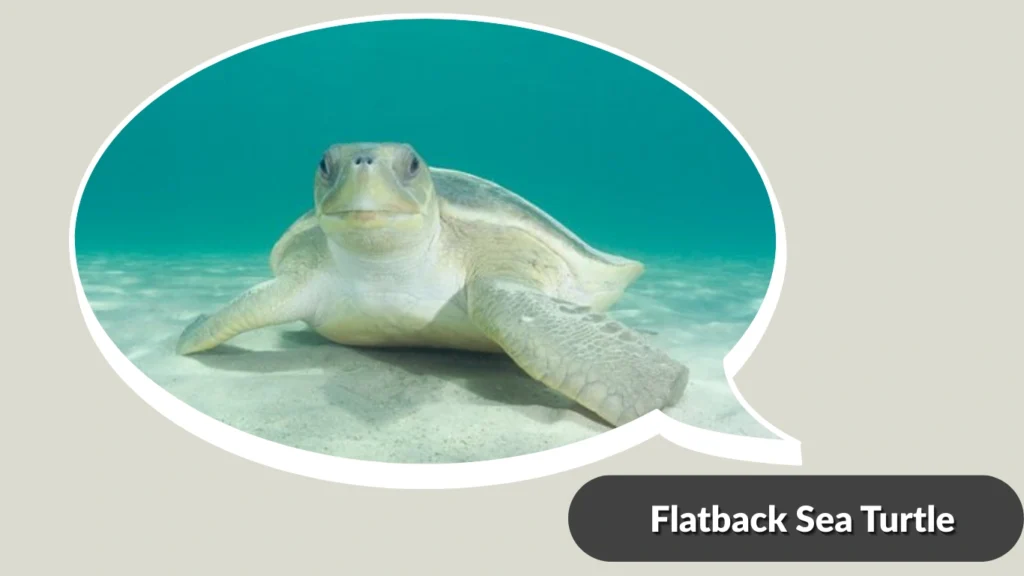
The flatback sea turtle is an Australian endemic species, found exclusively in the coastal waters and beaches of Australia. Known for its flat, smooth shell, this turtle prefers shallow, warm seas and does not undertake long-distance oceanic migrations like other species.
Identification
- Flat, smooth, pale-colored carapace
- Edges of the shell curve slightly upward
- Larger body size compared to other ridley species
- Flippers broad and suited for maneuvering in shallow waters
Habitat
Flatback turtles inhabit continental shelf waters, bays, and shallow coastal zones around northern Australia. They rarely venture into deep ocean waters and maintain relatively localized movement patterns.
Behavior
These turtles forage in soft-bottom habitats, feeding on sea cucumbers, jellyfish, and small invertebrates. Flatbacks are less migratory than other sea turtles, often remaining near their nesting and feeding areas throughout the year.
Conservation Status
Listed as data deficient but considered at risk due to bycatch, coastal development, and habitat degradation. Their limited range makes them particularly vulnerable to localized threats affecting Australian coastal ecosystems.
FAQs
1. How many species of sea turtles exist today?
There are seven species of sea turtles currently recognized worldwide. These include the green, loggerhead, leatherback, hawksbill, olive ridley, Kemp’s ridley, and flatback sea turtles. Each species has unique traits, habitats, and population statuses.
2. Which sea turtle is the most common?
The olive ridley is considered the most common sea turtle species. They are known for their mass nesting events, called arribadas, where thousands of females come ashore at once to lay eggs on specific beaches.
3. Which sea turtle species is the rarest?
Kemp’s ridley sea turtle is the rarest and most critically endangered species. Its limited range, low nesting numbers, and historical egg harvesting have contributed to its severe population decline.
4. Why are sea turtles endangered?
Sea turtles face multiple threats including habitat destruction, bycatch in fishing gear, pollution, climate change, and illegal poaching. These pressures reduce nesting success, limit feeding opportunities, and affect long-term population stability.
5. Where do most sea turtles live?
Most sea turtles inhabit tropical and subtropical oceans, though some, like leatherbacks, can tolerate colder waters. They occupy habitats ranging from coral reefs and seagrass beds to open ocean waters during migrations.