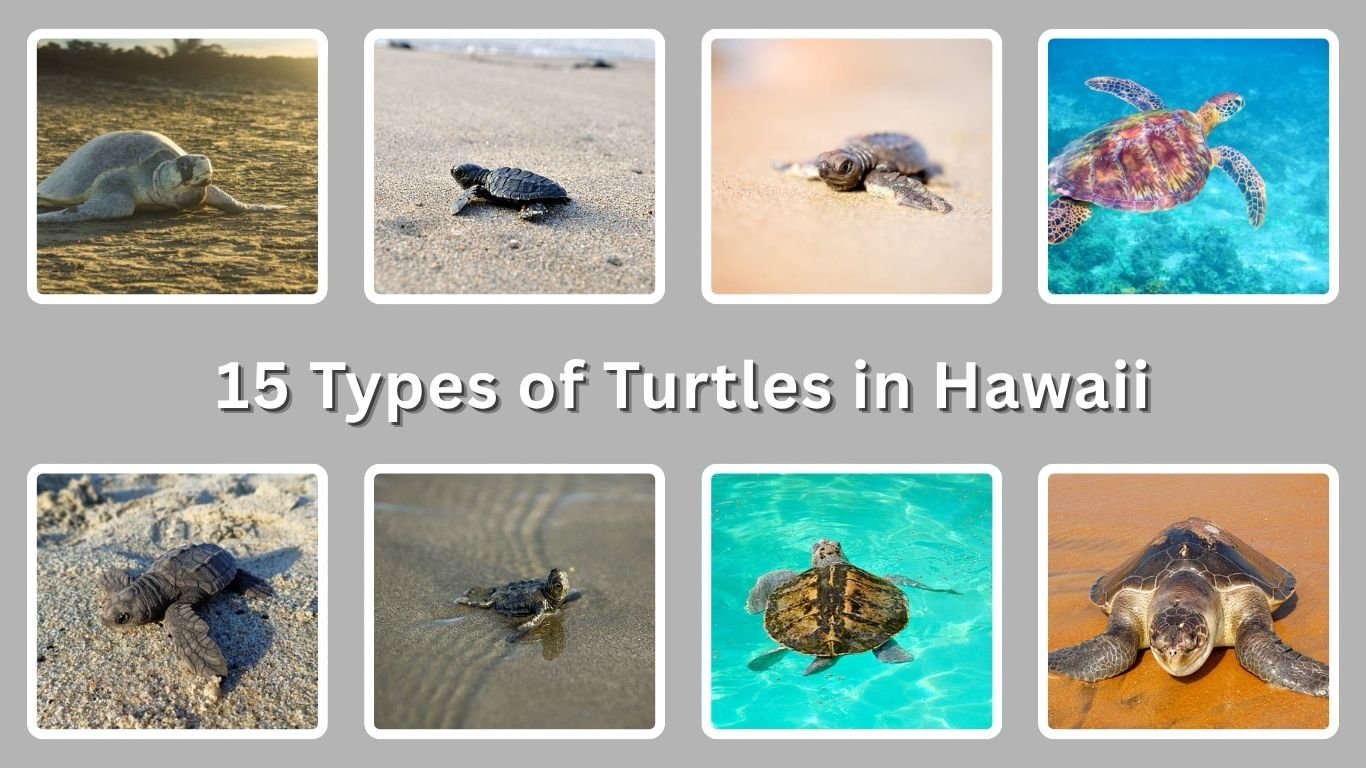
Hawaii is home to a unique variety of sea turtles, thanks to its warm tropical waters and rich marine ecosystems. Unlike many other regions, Hawaii does not have native freshwater or land turtles its turtle population is entirely marine. These turtles play a vital role in maintaining healthy coral reefs and ocean environments, and many of them hold deep cultural significance in Hawaiian traditions.
In this guide, you’ll explore 15 types of turtles associated with Hawaii, including commonly seen species and rare visitors, along with key details about their identification, habitat, diet, and conservation status.
1. Green Sea Turtle
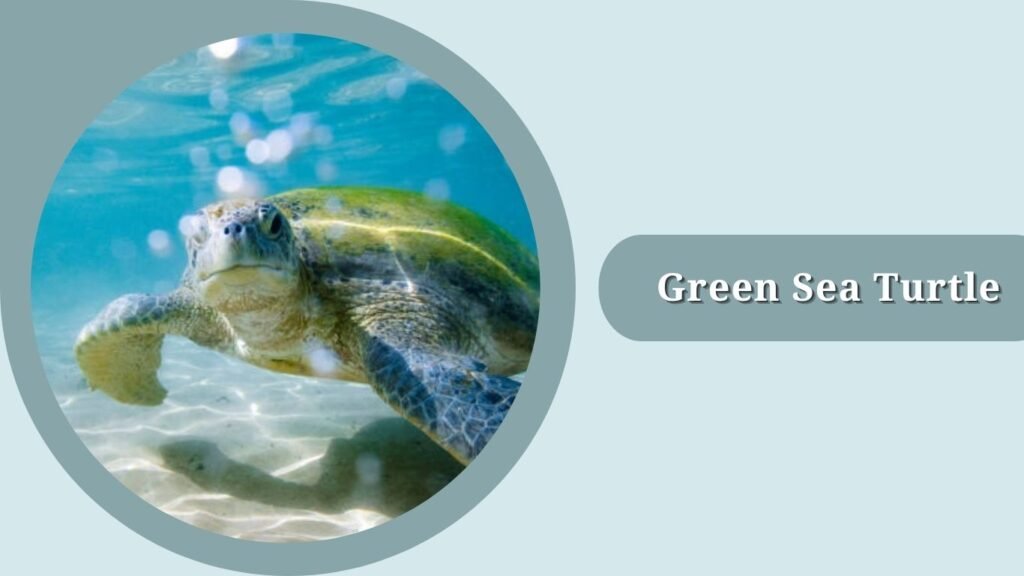
The green sea turtle is the most common and iconic turtle species found in Hawaii. Known locally as “Honu,” it holds cultural significance and is often seen resting on beaches or swimming in shallow coastal waters.
Identification
- Smooth, heart-shaped shell with green, brown, or olive tones
- Small head relative to body size
- Single pair of scales in front of the eyes
- Adults can weigh between 240–400 pounds
Habitat
Green sea turtles in Hawaii are typically found in shallow coastal waters, coral reefs, and lagoons. They are frequently seen basking on beaches or feeding in areas with abundant seagrass and algae.
Diet
They are primarily herbivores as adults, feeding on algae and seagrass. Juveniles may eat small invertebrates, but their diet becomes mostly plant-based as they mature.
Conservation Status
Green sea turtles are protected under U.S. law and considered threatened. In Hawaii, conservation efforts have helped their populations recover, though they still face threats from pollution, boat strikes, and habitat disturbance.
2. Hawksbill Sea Turtle
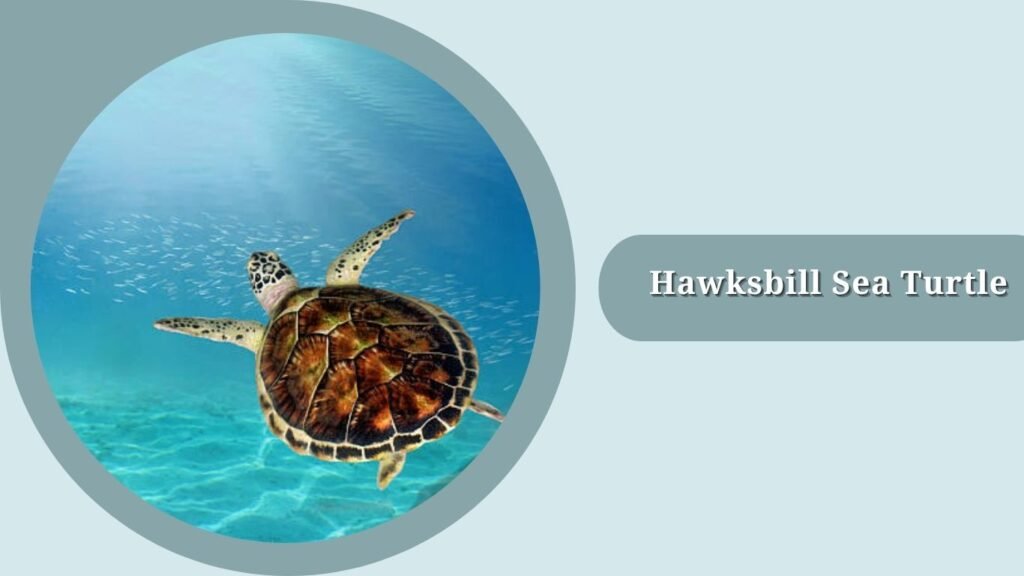
The hawksbill sea turtle is a rare and critically endangered species occasionally found in Hawaiian waters. It is known for its striking shell patterns and its important role in maintaining healthy coral reef ecosystems.
Identification
- Narrow, pointed beak resembling a hawk’s bill
- Beautifully patterned shell with amber, brown, and gold tones
- Overlapping scutes (shell plates)
- Relatively small compared to other sea turtles
Habitat
Hawksbill sea turtles prefer coral reefs and rocky coastal areas. In Hawaii, they are most often found in reef habitats where sponges and other food sources are abundant.
Diet
They primarily feed on sponges, along with algae and small invertebrates. Their feeding helps keep coral reefs balanced by preventing sponge overgrowth.
Conservation Status
Hawksbill sea turtles are critically endangered. Threats include habitat loss, climate change, illegal shell trade, and marine pollution. Conservation programs focus on protecting nesting and feeding habitats.
3. Leatherback Sea Turtle
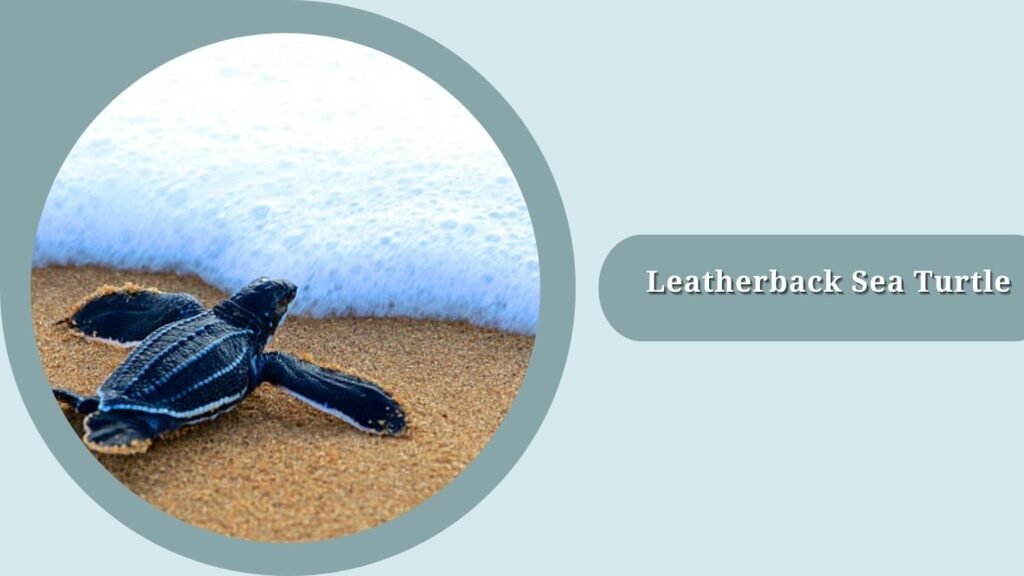
The leatherback sea turtle is the largest sea turtle in the world and one of the most unique. Although not commonly seen near shore in Hawaii, it migrates through the surrounding ocean waters.
Identification
- Large, elongated body with a leathery, flexible shell
- Dark gray or black coloration with white spots
- Seven ridges running along the back
- Can weigh up to 2,000 pounds
Habitat
Leatherback sea turtles are highly migratory and prefer deep ocean waters. In Hawaii, they are mostly found offshore rather than in shallow coastal areas.
Diet
They mainly feed on jellyfish and other soft-bodied organisms. This helps control jellyfish populations in the ocean.
Conservation Status
Leatherback sea turtles are considered vulnerable globally. Major threats include plastic pollution, fishing gear entanglement, and climate change affecting nesting beaches.
4. Olive Ridley Sea Turtle
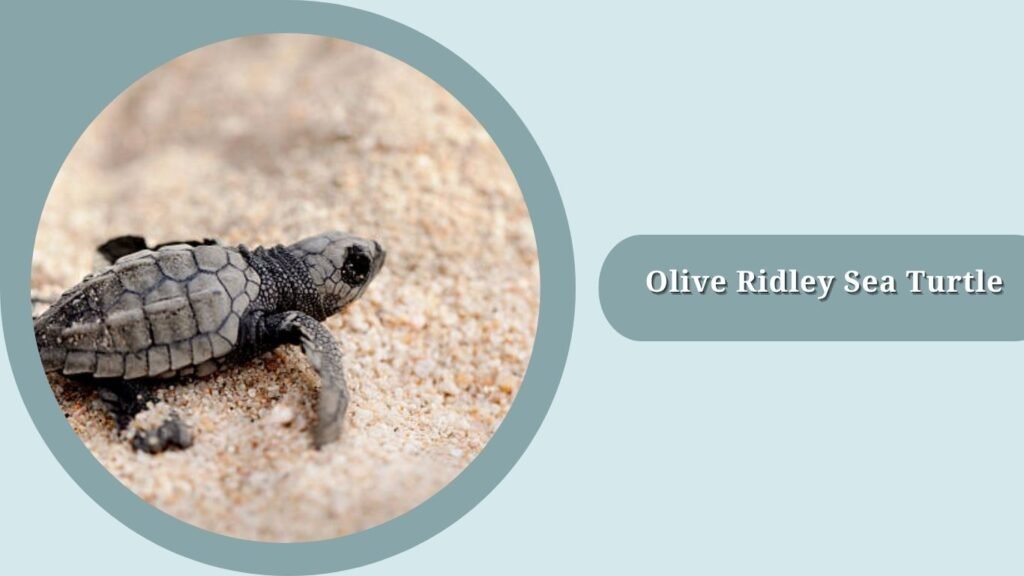
The olive ridley sea turtle is a small and highly migratory species that occasionally appears in Hawaiian waters. It is best known for its mass nesting behavior, called “arribada,” in other parts of the world.
Identification
- Small to medium-sized, rounded shell
- Olive-green coloration
- Smooth, slightly heart-shaped carapace
- Typically weighs between 75–100 pounds
Habitat
Olive ridley sea turtles are mostly found in open ocean waters but may come closer to shore. In Hawaii, sightings are rare and usually occur offshore.
Diet
They are omnivores, feeding on jellyfish, crustaceans, mollusks, and algae. Their flexible diet allows them to adapt to different ocean environments.
Conservation Status
Olive ridley sea turtles are considered vulnerable. Threats include fishing bycatch, pollution, and habitat disturbance.
5. Loggerhead Sea Turtle
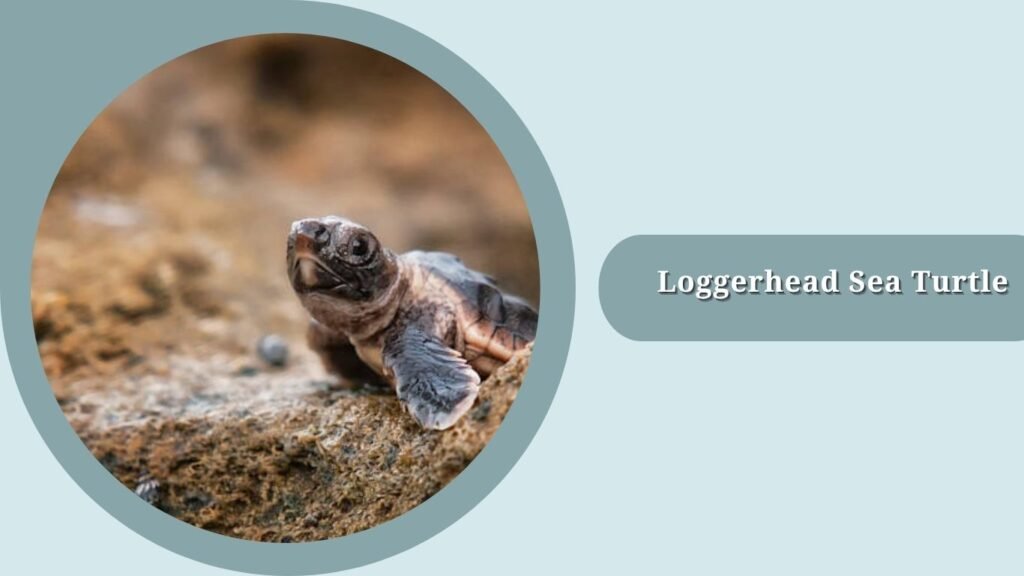
The loggerhead sea turtle is a large, powerful species occasionally seen in Hawaiian waters. It is more commonly found in other regions but migrates across the Pacific Ocean, sometimes reaching Hawaii.
Identification
- Large, reddish-brown shell
- Broad, triangular head with strong jaws
- Yellowish underside
- Typically weighs between 200–350 pounds
Habitat
Loggerhead sea turtles are found in both coastal and open ocean environments. In Hawaii, they are usually seen in offshore waters rather than near beaches.
Diet
They are carnivores that feed mainly on hard-shelled prey such as crabs, mollusks, and sea urchins. Their strong jaws allow them to crush shells easily.
Conservation Status
Loggerhead sea turtles are listed as threatened. They face risks from fishing gear entanglement, ocean pollution, and climate-related changes to nesting areas.
6. Flatback Sea Turtle
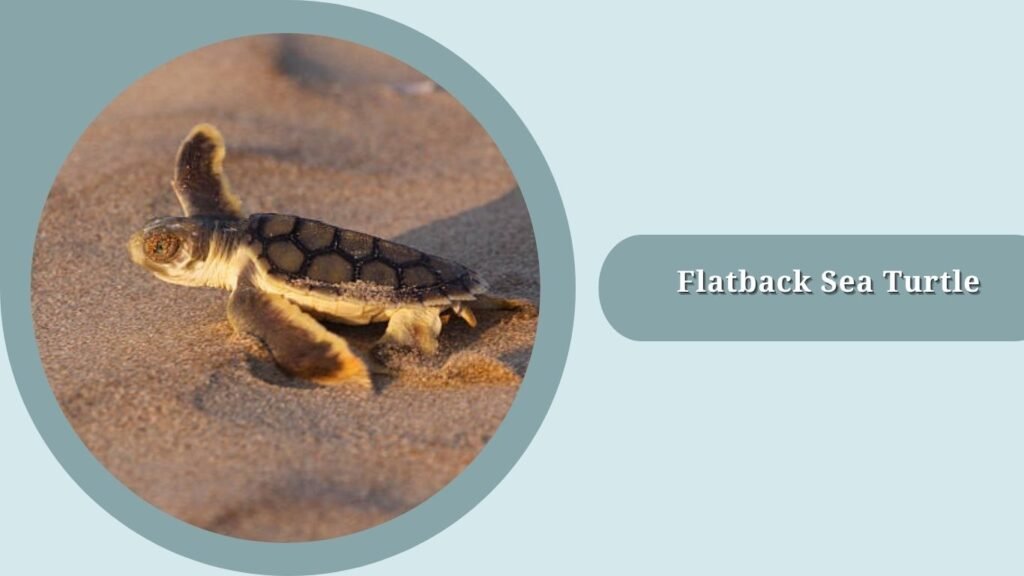
The flatback sea turtle is a species primarily found in the waters of northern Australia, but it is occasionally mentioned in broader Pacific contexts. It is not commonly seen in Hawaii, but remains part of the wider sea turtle group associated with the region.
Identification
- Flat, smooth shell with upturned edges
- Olive-gray coloration
- Relatively short and broad body
- Medium-sized compared to other sea turtles
Habitat
Flatback sea turtles typically inhabit shallow coastal waters, sandy bottoms, and lagoons. They are rarely encountered near Hawaii and are more localized to specific regions of the Pacific.
Diet
They feed on soft-bodied animals such as jellyfish, sea cucumbers, and other invertebrates. Their diet is similar to other oceanic turtles that forage along the seafloor.
Conservation Status
Flatback sea turtles are considered vulnerable. Threats include habitat disturbance, coastal development, and marine pollution.
7. Kemp’s Ridley Sea Turtle
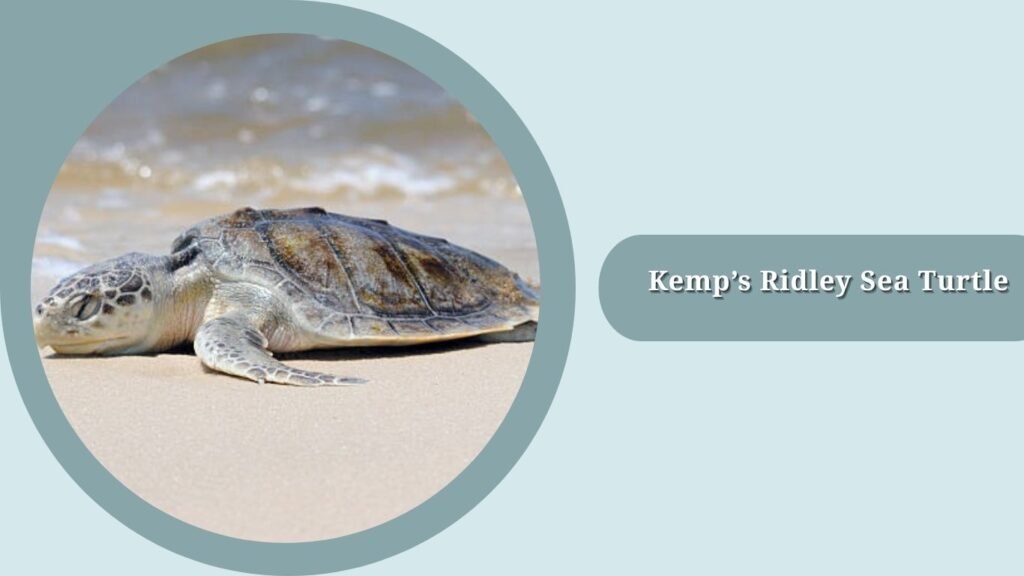
The Kemp’s ridley sea turtle is the smallest and rarest sea turtle species in the world. Although primarily found in the Gulf of Mexico, it is occasionally reported in distant ocean waters, including rare sightings in the Pacific.
Identification
- Small, rounded shell with a grayish-green color
- Triangular head with a slightly hooked beak
- Smooth carapace
- Adults usually weigh 75–100 pounds
Habitat
Kemp’s ridley sea turtles prefer shallow coastal waters but can travel long distances across oceans. In Hawaii, they are extremely rare and typically only seen far offshore.
Diet
They mainly feed on crabs, but also consume fish, mollusks, and other small marine animals. Their feeding helps control populations of bottom-dwelling species.
Conservation Status
Kemp’s ridley sea turtles are critically endangered. Major threats include bycatch in fishing gear, habitat loss, and pollution. Conservation programs have helped improve their numbers, but they remain at risk.
8. Black Sea Turtle
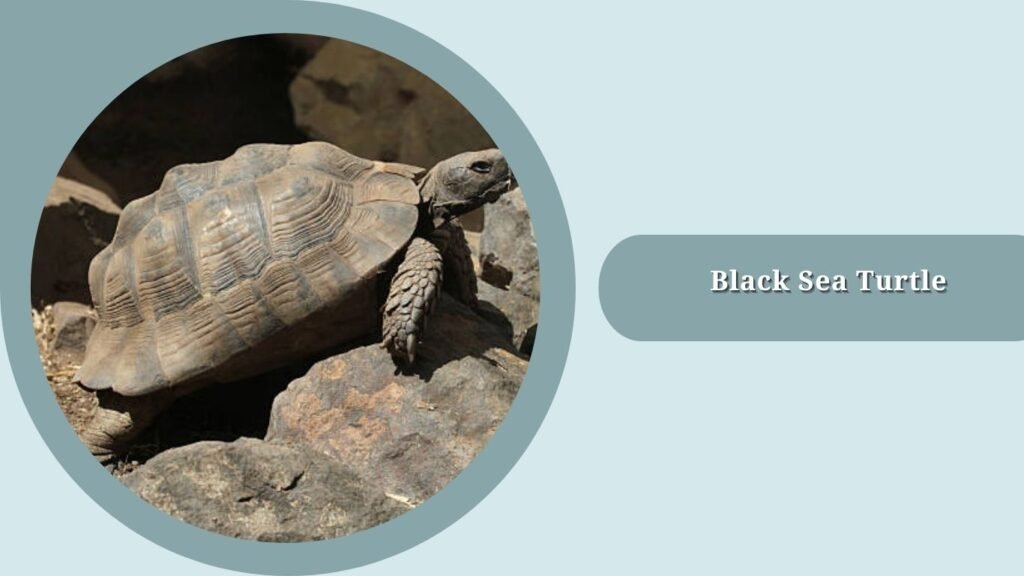
The black sea turtle is considered a regional variant of the green sea turtle and is sometimes recognized separately in the Pacific, including Hawaiian waters. It shares many similarities with the green sea turtle but has some distinct physical traits.
Identification
- Darker shell, often black or very dark brown
- More domed carapace compared to typical green sea turtles
- Smaller head relative to body size
- Can grow up to 3–4 feet in length
Habitat
Black sea turtles inhabit coastal waters, reefs, and lagoons. In Hawaii, they are often seen in similar habitats as green sea turtles, especially in shallow feeding areas.
Diet
They are mostly herbivorous, feeding on algae and seagrass. Their grazing helps maintain healthy marine vegetation.
Conservation Status
Like green sea turtles, they are protected and considered threatened. Conservation efforts in Hawaii have supported their recovery, but threats such as pollution and human disturbance remain.
9. Yellow-bellied Sea Turtle
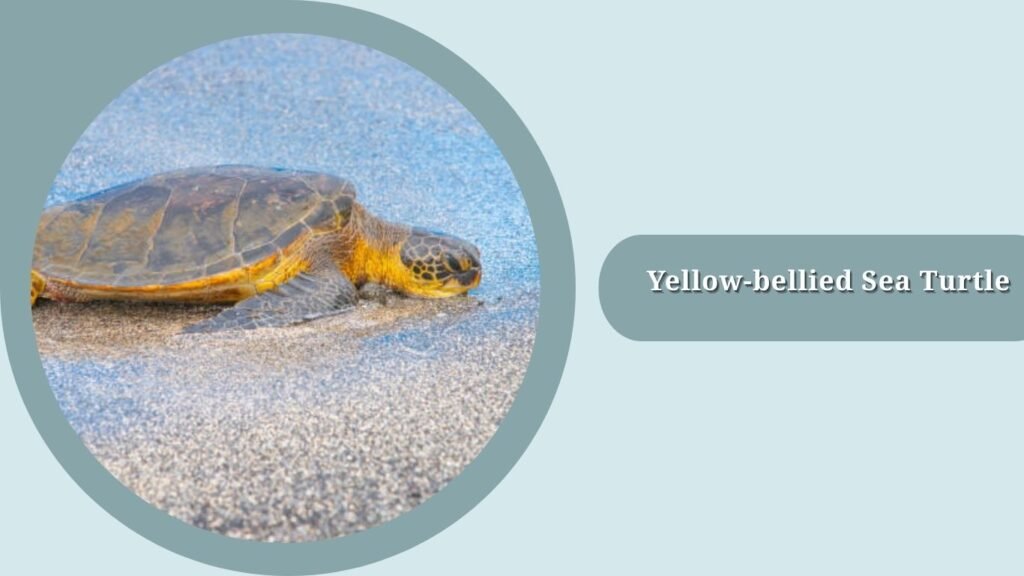
The yellow-bellied sea turtle is not a formally recognized species but is sometimes used informally to describe turtles with lighter undersides, often referring to variants of known sea turtles.
Identification
- Light yellow or pale underside (plastron)
- Smooth shell with green or brown tones
- Flippers adapted for swimming
- Medium to large body size
Habitat
These turtles are associated with warm ocean waters, including coastal and open ocean environments. In Hawaii, individuals with lighter undersides may be observed among more common species.
Diet
Their diet varies depending on the species they are associated with, but typically includes algae, seagrass, jellyfish, or small marine animals.
Conservation Status
Since this is not a distinct species, conservation status depends on the specific turtle species being referenced. Many sea turtles in Hawaii are protected and face threats from pollution, climate change, and human activity.
10. Hawaiian Green Sea Turtle (Honu)
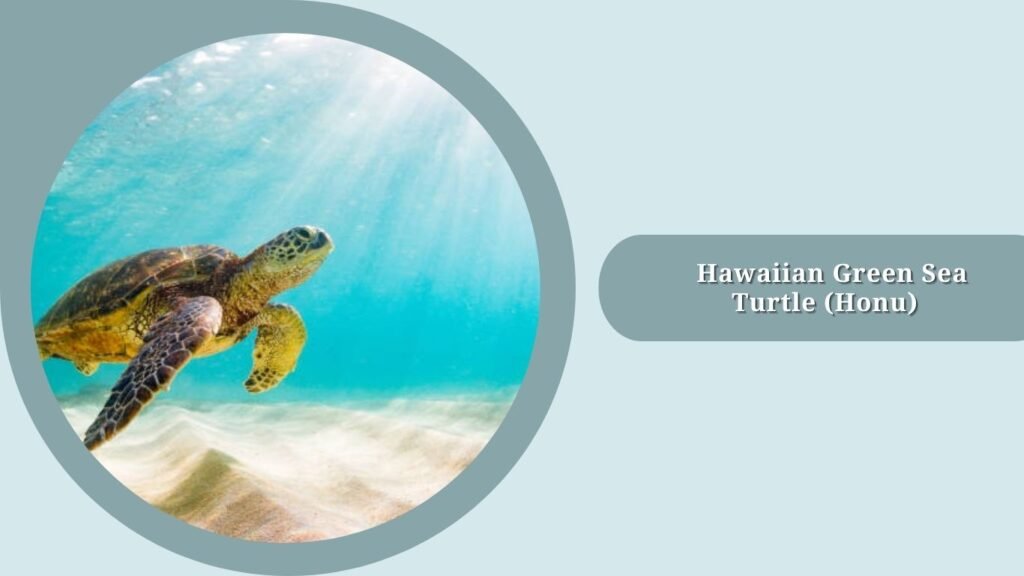
The Hawaiian green sea turtle, locally known as “Honu,” is a culturally significant and commonly seen marine reptile in Hawaii. It is a distinct population of the green sea turtle and is often observed resting on beaches or swimming near reefs.
Identification
- Smooth, oval-shaped shell with greenish-brown coloration
- Relatively small head compared to body
- Darker and more uniform shell than some other green turtles
- Can grow up to 4 feet in length
Habitat
Honu are commonly found in shallow coastal waters, coral reefs, and lagoons throughout the Hawaiian Islands. They are also known to bask on beaches, which is a unique behavior among sea turtles.
Diet
They are primarily herbivores, feeding on algae and seagrass. Their feeding helps maintain healthy reef ecosystems.
Conservation Status
Hawaiian green sea turtles are protected under U.S. law and are considered threatened. Conservation efforts have helped increase their population, though they still face threats from pollution and human disturbance.
11. Pacific Ridley Sea Turtle
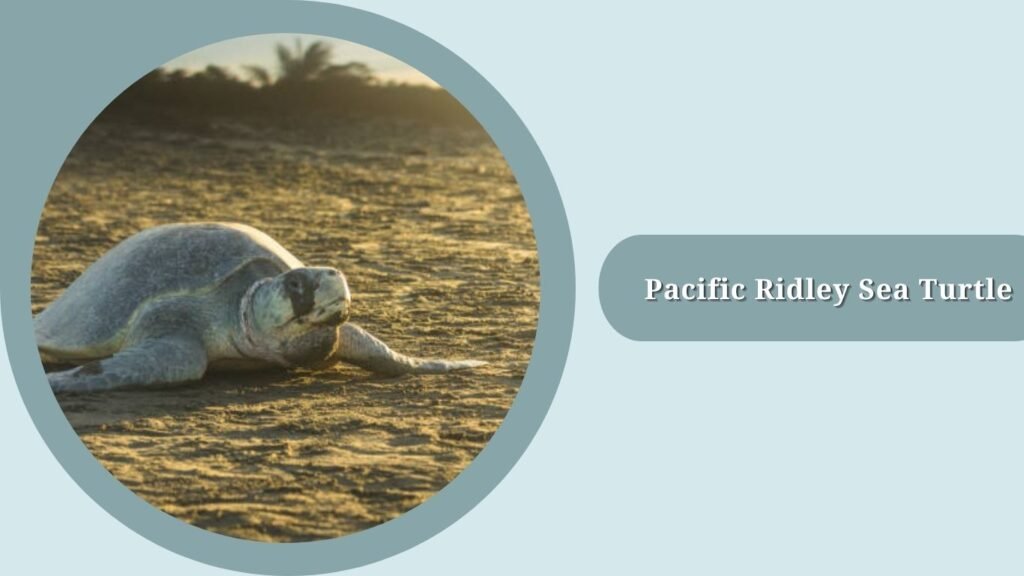
The Pacific ridley sea turtle is closely related to the olive ridley and is sometimes used to describe ridley turtles found in Pacific waters. It is not commonly seen in Hawaii but may occasionally pass through offshore areas.
Identification
- Small to medium-sized turtle with a rounded shell
- Olive or gray-green coloration
- Smooth, slightly domed carapace
- Typically weighs around 75–100 pounds
Habitat
Pacific ridley turtles are mainly found in open ocean environments. In Hawaii, they are rare and typically observed far from shore.
Diet
They are omnivores, feeding on jellyfish, crustaceans, mollusks, and algae. Their adaptable diet allows them to survive in different marine environments.
Conservation Status
Pacific ridley turtles are generally considered vulnerable, similar to olive ridley turtles. Threats include bycatch in fishing gear, ocean pollution, and habitat disruption.
12. Brown Sea Turtle
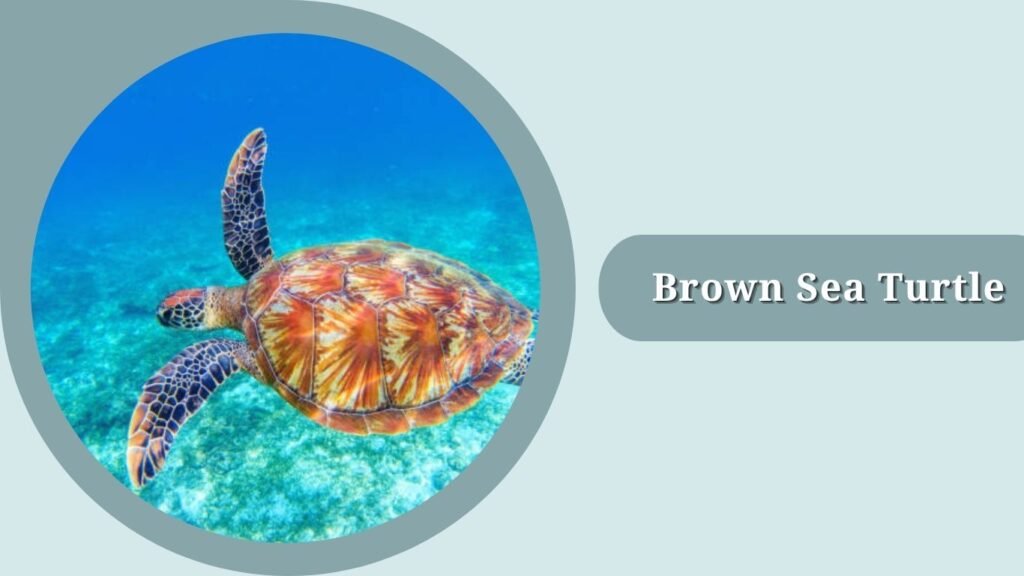
The brown sea turtle is not a formally recognized scientific species but is sometimes used as a general term for sea turtles with darker brown shells, often referring to variations of known species in the Pacific.
Identification
- Brown or dark olive shell
- Smooth, slightly domed carapace
- Flippers adapted for strong swimming
- Medium to large body size
Habitat
These turtles are typically found in warm ocean waters, including coral reefs, lagoons, and coastal regions. In Hawaii, individuals with brown-toned shells are often seen in reef areas.
Diet
Their diet depends on the specific species they represent but usually includes algae, seagrass, jellyfish, and small marine animals.
Conservation Status
As this is not a distinct species, conservation status varies. Most sea turtles in Hawaii are protected and face threats from pollution, fishing gear, and habitat loss.
13. Spotted Sea Turtle
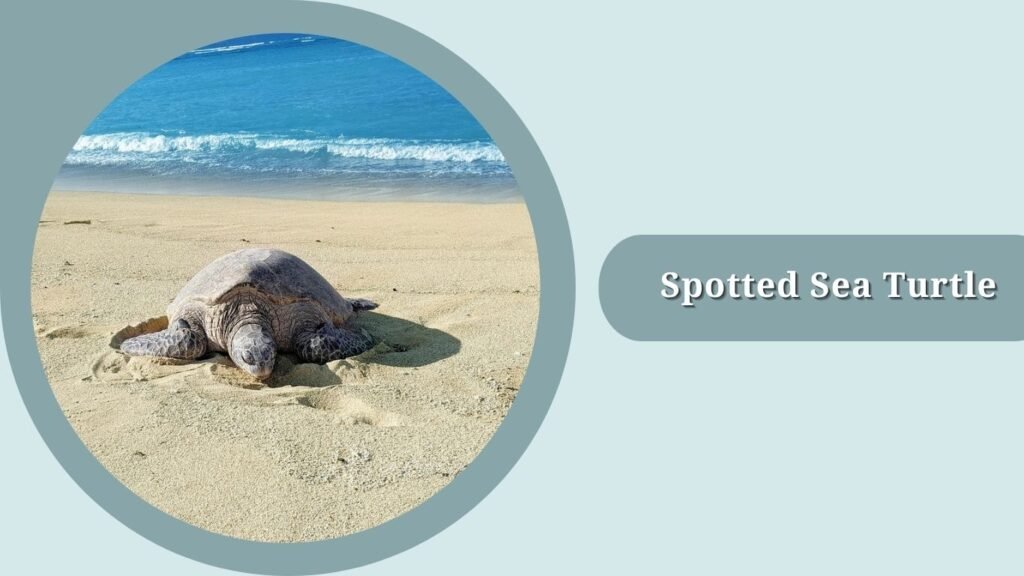
The spotted sea turtle is not an officially recognized species but is sometimes used informally to describe turtles with spotted patterns, often referring to individuals of known species like the hawksbill or leatherback.
Identification
- Shell or skin with spotted or speckled patterns
- Dark base color with lighter markings
- Streamlined body for swimming
- Varies in size depending on species
Habitat
Spotted-pattern turtles are typically found in tropical and subtropical ocean waters. In Hawaii, they may be seen in reef systems or offshore waters depending on the species.
Diet
Diet varies widely depending on the species but may include sponges, jellyfish, algae, and small marine organisms.
Conservation Status
Since this is not a formally recognized species, conservation status depends on the actual species being observed. Many turtles in Hawaii are protected and require ongoing conservation efforts.
14. Reef Sea Turtle
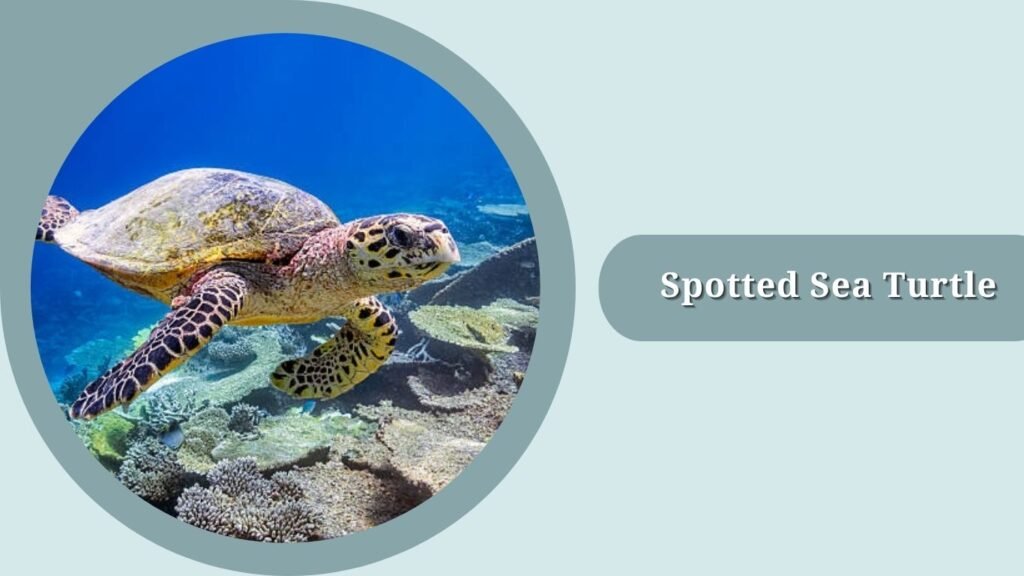
The reef sea turtle is not an officially classified species but is a general term often used to describe sea turtles that spend most of their time around coral reef environments in Hawaii.
Identification
- Streamlined body adapted for swimming
- Shell coloration varies from green to brown depending on species
- Flippers designed for maneuvering in reef areas
- Medium to large size
Habitat
Reef-associated turtles are commonly found in coral reefs, lagoons, and shallow coastal waters. In Hawaii, many turtles—especially green sea turtles and hawksbills—frequent reef systems.
Diet
Their diet depends on the species but often includes algae, sponges, and small invertebrates found within reef ecosystems.
Conservation Status
These turtles are generally protected under broader sea turtle conservation laws. Reef health is critical to their survival, and threats include coral bleaching, pollution, and human disturbance.
15. Giant Pacific Sea Turtle
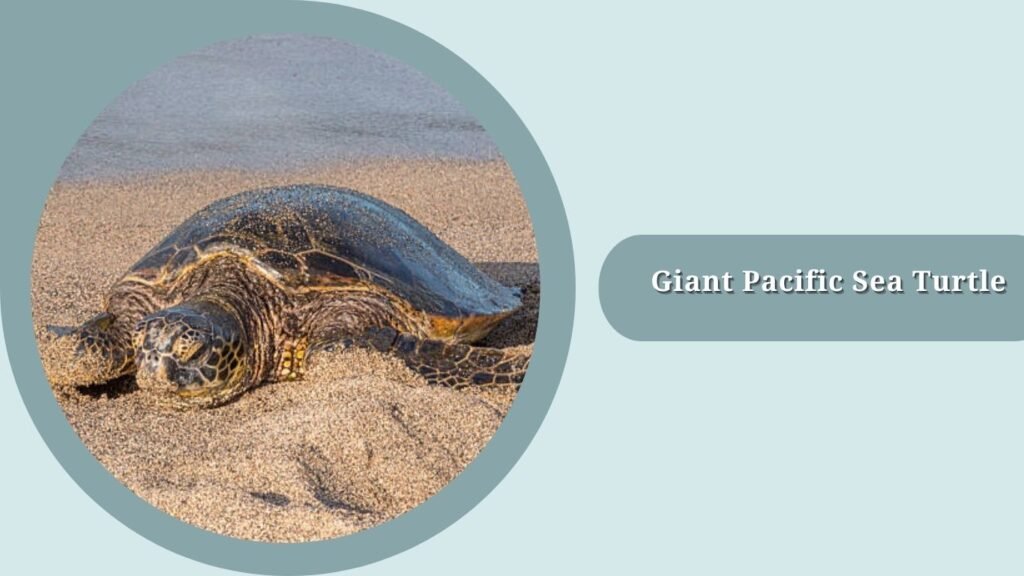
The giant Pacific sea turtle is not a scientifically recognized species but is sometimes used as a general term to describe very large sea turtles found in the Pacific Ocean, particularly species like the leatherback.
Identification
- Very large body size
- Dark-colored shell or leathery back
- Long flippers adapted for long-distance swimming
- Size and features vary depending on the actual species
Habitat
These turtles are found in open ocean environments across the Pacific. Around Hawaii, they are usually seen offshore rather than near coastal areas.
Diet
Diet varies by species but often includes jellyfish, soft-bodied organisms, and occasionally small marine animals.
Conservation Status
Since this is not a distinct species, conservation status depends on the specific turtle being referenced. Many large Pacific turtles, like the leatherback, are considered vulnerable or endangered and are protected internationally.
FAQs
1. How many types of turtles live in Hawaii?
Hawaii is home to a few primary sea turtle species, but several others are occasionally seen as rare visitors. This guide covers 15 types associated with Hawaiian waters.
2. What is the most common turtle in Hawaii?
The green sea turtle, known locally as “Honu,” is the most common and frequently seen turtle in Hawaii.
3. Are there land or freshwater turtles in Hawaii?
No, Hawaii does not have native land or freshwater turtles. All native turtles in Hawaii are marine species.
4. Are sea turtles protected in Hawaii?
Yes, all sea turtles in Hawaii are protected under U.S. federal and state laws. It is illegal to touch, harm, or disturb them.
5. Where can you see turtles in Hawaii?
Turtles can often be seen in shallow coastal waters, coral reefs, and occasionally resting on beaches. Popular viewing spots include snorkeling areas and protected bays.