
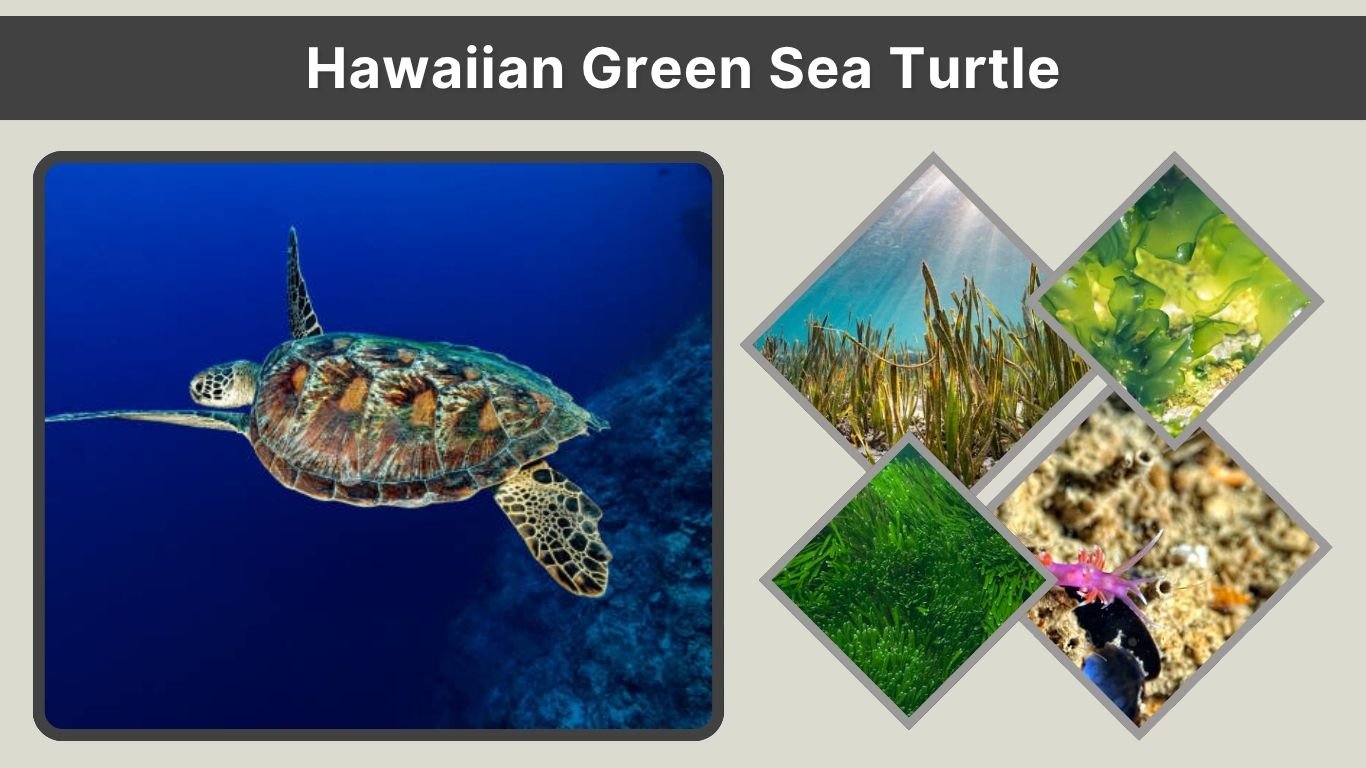
The Hawaiian green sea turtle, also known as honu, is one of the most iconic marine animals in Hawaii. These gentle creatures are often seen resting on beaches or swimming in shallow coastal waters, attracting both tourists and researchers. Their presence is deeply connected to Hawaiian culture, where they are respected as symbols of good luck, longevity, and protection.
Although they are widely recognized, many people still have questions about their behavior, habitat, and conservation status. Understanding these turtles is important not only for appreciating their role in the ecosystem but also for helping protect them.
Hawaiian Green Sea Turtle (Quick Facts)
| Feature | Details |
| Scientific Name | Chelonia mydas |
| Hawaiian Name | Honu |
| Average Size | 3–4 feet (shell length) |
| Lifespan | 60–80 years |
| Diet | Mostly herbivorous |
| Conservation Status | Protected species |
What Is the Hawaiian Green Sea Turtle?
The Hawaiian green sea turtle is a subspecies of the green sea turtle (Chelonia mydas) found specifically in the waters around the Hawaiian Islands. Unlike some other sea turtles, adults are primarily herbivores, feeding mostly on algae and seagrass.
They are known for their smooth, oval-shaped shells and relatively calm behavior. These turtles spend most of their lives in the ocean but come ashore to rest and nest. Their slow movement and peaceful nature make them a favorite among snorkelers and wildlife observers.
Hawaiian Name and Cultural Significance
What Does “Honu” Mean?
In Hawaiian, the green sea turtle is called honu. The word represents more than just the animal—it carries cultural and spiritual meaning. Honu are often seen as guardians or spiritual guides in Hawaiian traditions.
Role in Hawaiian Culture
Hawaiian green sea turtles hold a special place in local beliefs and stories. They are associated with protection, wisdom, and navigation. In some traditions, they are believed to guide lost sailors safely back to shore.
Because of their cultural importance, harming or disturbing these turtles is strongly discouraged and regulated by law.
Physical Characteristics and Identification
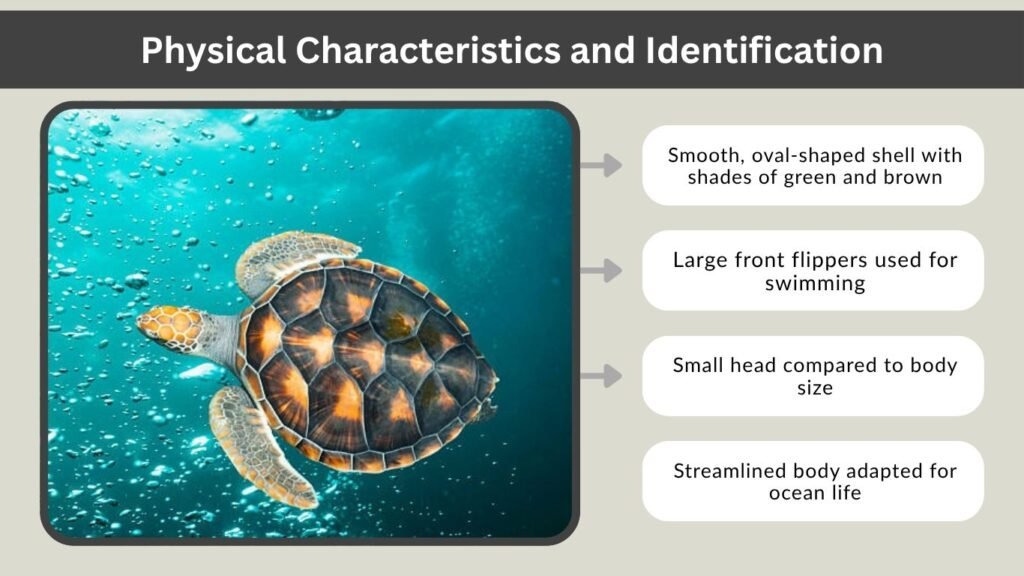
Key Characteristics of Hawaiian Green Sea Turtle
- Smooth, oval-shaped shell with shades of green and brown
- Large front flippers used for swimming
- Small head compared to body size
- Streamlined body adapted for ocean life
Size and Appearance
Hawaiian green sea turtles are among the larger sea turtle species. Adults typically grow up to 3 to 4 feet in length and can weigh over 300 pounds. Their shells are not actually bright green; the name comes from the greenish color of their body fat.
Their appearance can vary slightly depending on age and environment, but they are generally easy to recognize due to their size and smooth shell.
What Do American Bullfrogs Eat in Captivity?
Where Are Green Sea Turtles Found in Hawaii?
Hawaiian green sea turtles are found throughout the Hawaiian Islands, especially in coastal waters. They prefer shallow areas where food is abundant and where they can easily come up for air.
These turtles are often seen near coral reefs, rocky coastlines, and sandy beaches. They also come ashore to rest, a behavior known as “basking,” which is relatively unique among sea turtles.
Popular Locations
Some of the most well-known places to see Hawaiian green sea turtles include:
- Maui, especially near coastal reefs
- Oahu beaches where turtles often rest
- Big Island shorelines with clear waters
- Hilo and surrounding coastal areas
Diet: What Do Hawaiian Green Sea Turtles Eat?
Main Food Sources
- Seagrass
- Marine algae
- Seaweed
- Occasionally small invertebrates (juveniles)
Feeding Behavior
Hawaiian green sea turtles spend much of their time grazing on algae and seagrass in shallow waters. This feeding behavior helps maintain the health of marine ecosystems by preventing overgrowth.
Young turtles have a more varied diet, but as they grow older, they become mostly herbivorous. Their slow and steady feeding habits are essential for keeping reef environments balanced.
Adaptations of Hawaiian Green Sea Turtles
Hawaiian green sea turtles have several adaptations that help them survive in marine environments. Their streamlined bodies reduce water resistance, allowing them to swim efficiently over long distances. Their large front flippers provide strong propulsion, while their rear flippers help with steering.
They also have the ability to hold their breath for several hours while resting underwater. Their shells offer protection from predators, and their coloring helps them blend into ocean surroundings, reducing the risk of being noticed.
Life Cycle and Behavior
Breeding and Nesting
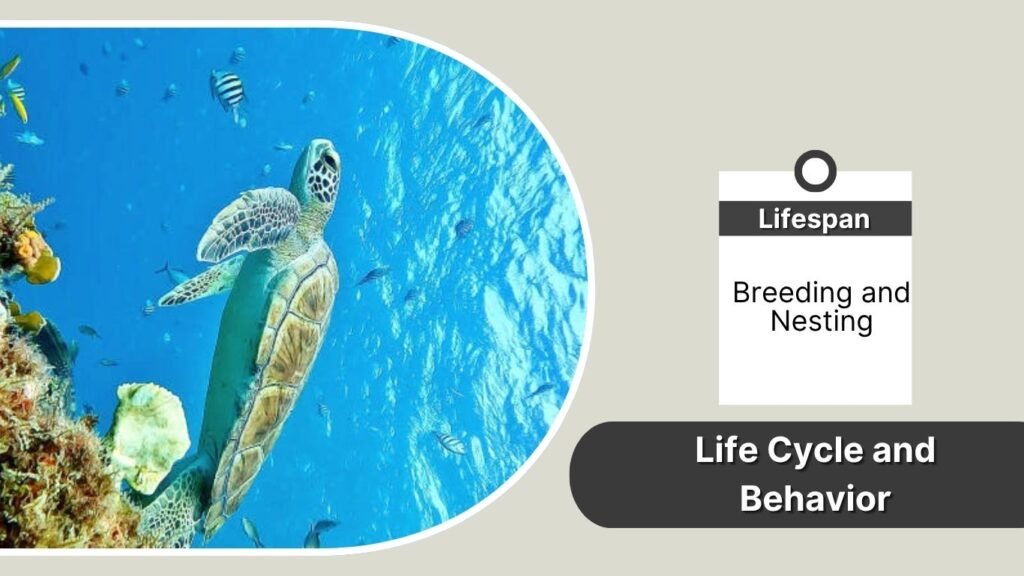
Hawaiian green sea turtles return to specific beaches to lay their eggs, often traveling long distances to reach nesting sites. Females dig nests in the sand and lay dozens of eggs at a time. After covering the nest, they return to the ocean, leaving the eggs to hatch on their own.
Once hatched, baby turtles make their way to the sea, facing many challenges from predators and environmental conditions.
Migration Patterns
These turtles are known for long migrations between feeding and nesting areas. They can travel hundreds or even thousands of miles across the ocean. Despite these long journeys, they often return to the same nesting beaches where they were born.
Lifespan and Growth
Hawaiian green sea turtles grow slowly and can live for several decades. They go through different life stages, starting as hatchlings, then juveniles, and finally adults. It can take many years before they reach maturity and begin reproducing.
Population and Conservation Status
Are Hawaiian Green Sea Turtles Endangered?
Hawaiian green sea turtles are considered a protected species. In the past, their population declined due to hunting, habitat loss, and human activity. Conservation efforts have helped their numbers recover in recent years, but they still require protection.
Population Trends in Hawaii
In Hawaii, green sea turtle populations have shown signs of recovery thanks to conservation programs and strict protection laws. However, threats such as pollution, climate change, and accidental capture in fishing gear continue to impact them.
Laws and Protection in Hawaii
Legal Protection
Hawaiian green sea turtles are protected under both federal and state laws. It is illegal to harm, harass, or touch them. Violating these laws can result in significant fines and penalties.
Why Protection Matters
Protecting these turtles is important for maintaining healthy marine ecosystems. They play a key role in controlling algae growth and supporting coral reef health. Without them, the balance of these ecosystems could be disrupted.
Human Interaction and Safety
Are Hawaiian Green Sea Turtles Dangerous?
Hawaiian green sea turtles are not dangerous to humans. They are gentle animals that typically ignore people. However, they should always be treated with respect and given space.
Guidelines for Tourists
- Keep a safe distance from turtles at all times
- Do not touch or chase them
- Avoid blocking their path to the ocean
- Follow local wildlife guidelines
Snorkeling and Tourism
Best Places to See Green Sea Turtles in Hawaii
Green sea turtles can be seen in many locations across Hawaii, especially in shallow coastal waters. Beaches and reefs on islands like Maui, Oahu, and the Big Island are popular spots for sightings.
Snorkeling with Hawaiian Green Sea Turtles
Snorkeling with these turtles is a popular activity, but it should be done responsibly. Observers should avoid disturbing the turtles and maintain a respectful distance. This ensures both human safety and the well-being of the animals.
Hawaiian Green Sea Turtle vs Other Sea Turtles
| Feature | Hawaiian Green Sea Turtle | Other Sea Turtles |
| Diet | Mostly herbivorous | Often omnivorous |
| Habitat | Coastal waters | Open ocean & coastal |
| Behavior | Calm, grazing | Varies by species |
| Size | Large | Varies widely |
Fun Facts About Hawaiian Green Sea Turtles
- They can hold their breath for hours while resting
- Their name comes from body fat color, not shell color
- They often return to the same nesting beaches
- They play a key role in maintaining reef ecosystems
FAQs
What is the Hawaiian green sea turtle called?
The Hawaiian green sea turtle is called honu. This name reflects its cultural importance in Hawaii, where it is seen as a symbol of protection, longevity, and good luck.
Are Hawaiian green sea turtles endangered?
They are protected and were once endangered due to human activity. Conservation efforts have improved their population, but they are still considered vulnerable and require ongoing protection.
Where can you see green sea turtles in Hawaii?
You can commonly see them in coastal areas around Maui, Oahu, and the Big Island. They are often found near reefs, beaches, and shallow waters where they feed and rest.
What do Hawaiian green sea turtles eat?
Adult turtles mainly eat algae and seagrass, making them herbivores. Juveniles may eat a wider range of food, but their diet becomes more plant-based as they mature.
Is it safe to swim with Hawaiian green sea turtles?
Yes, it is safe as long as you keep a respectful distance and do not disturb them. Following local guidelines helps protect both the turtles and swimmers.