
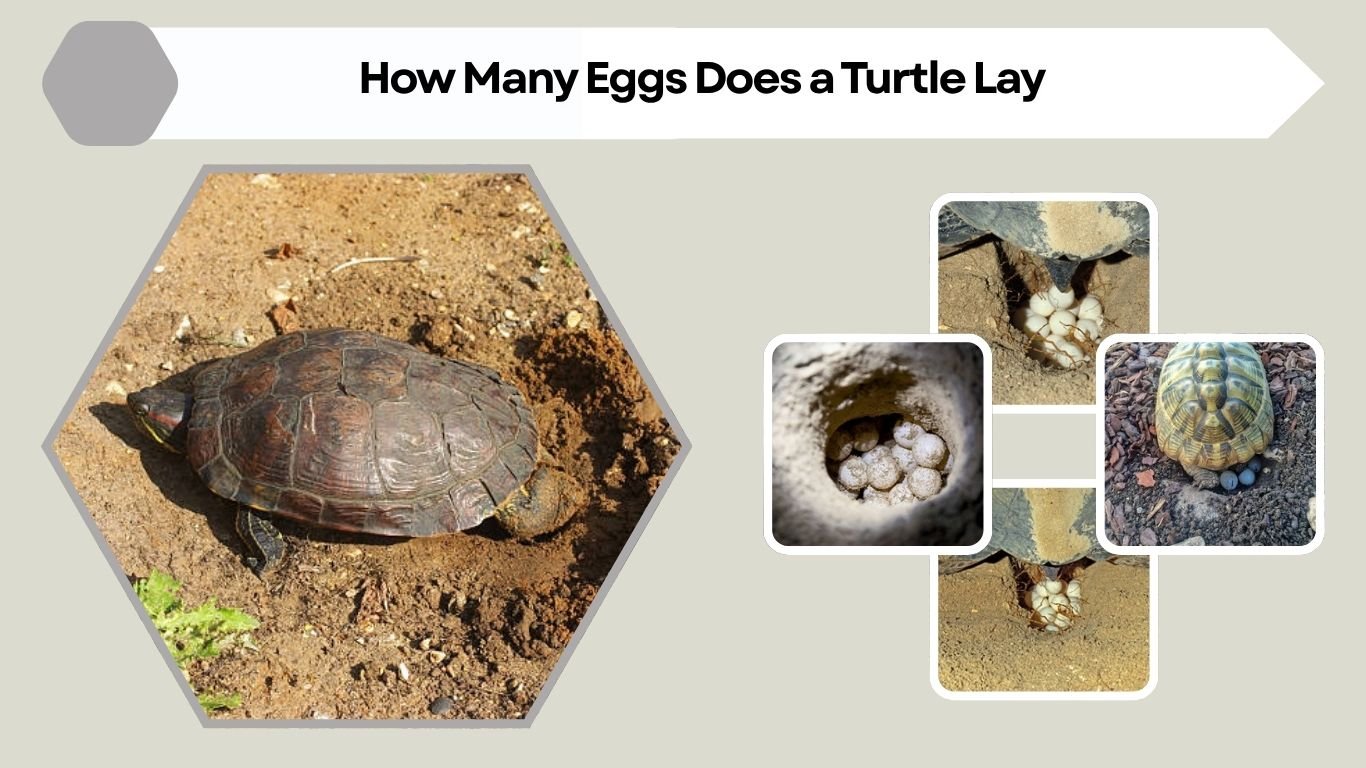
Turtles are fascinating creatures that have existed for millions of years, and one of the most interesting aspects of their life cycle is how they reproduce. A common question people ask is: how many eggs does a turtle lay? The answer is not simple, as it varies widely depending on the type of turtle.
Some turtles lay only a few eggs at a time, while others can lay over a hundred in a single nesting event. Factors such as species, environment, and survival strategies all influence how many eggs a turtle produces. In this article, we’ll explore the number of eggs turtles lay, how this differs among species, and why turtles reproduce the way they do.
How Many Eggs Does a Turtle Lay?
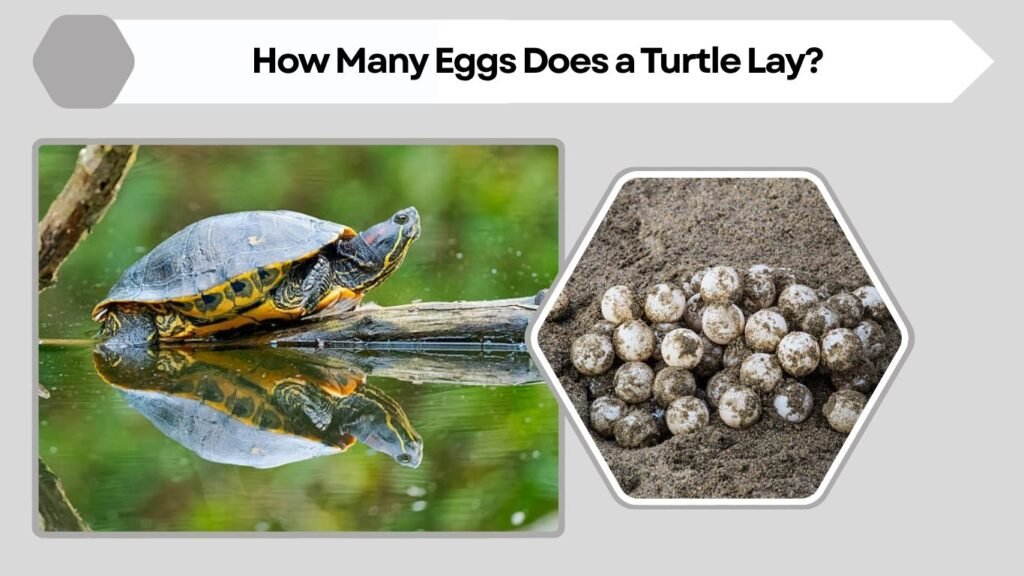
In general, turtles can lay anywhere from 1 to over 100 eggs per clutch, depending on the species. A “clutch” refers to a single group of eggs laid at one time. Some turtles lay just one clutch per season, while others lay multiple clutches.
The number of eggs is closely linked to the turtle’s size and habitat. Larger turtles, especially sea turtles, tend to lay more eggs, while smaller land turtles lay fewer. This variation helps different species adapt to their environments and improve the chances that at least some of their offspring survive.
Average Clutch Size
The average number of eggs varies widely across turtle species:
- Small turtles: typically lay between 1 and 10 eggs per clutch
- Medium-sized turtles: usually lay around 10 to 30 eggs
- Sea turtles: can lay between 80 and 120 eggs in a single clutch
These numbers are averages, and some species may fall outside these ranges. Additionally, turtles that lay fewer eggs often invest more energy into each one, while those that lay many eggs rely on quantity for survival.
Egg-Laying Differences by Turtle Type
Sea Turtles

Sea turtles are known for laying the largest number of eggs. A single sea turtle can lay 80 to 120 eggs in one clutch, and many species lay multiple clutches during a nesting season—sometimes as many as 2 to 8 times.
For example, loggerhead and green sea turtles return to sandy beaches to lay their eggs, often traveling long distances to reach their nesting sites. After laying their eggs, they cover them with sand and return to the ocean, leaving the eggs to develop on their own.
This high number of eggs is necessary because only a small fraction of hatchlings survive due to predators and environmental challenges.
Freshwater Turtles

Freshwater turtles lay fewer eggs compared to sea turtles, but still produce a moderate number. Most freshwater species lay between 5 and 30 eggs per clutch.
Species such as painted turtles and snapping turtles often nest near rivers, ponds, or lakes. They choose soft soil or sandy areas where they can dig a nest.
Freshwater turtles usually lay fewer eggs because their environments may offer slightly better protection for hatchlings compared to open ocean conditions. However, survival rates are still low, so producing multiple eggs remains important.
Tortoises (Land Turtles)
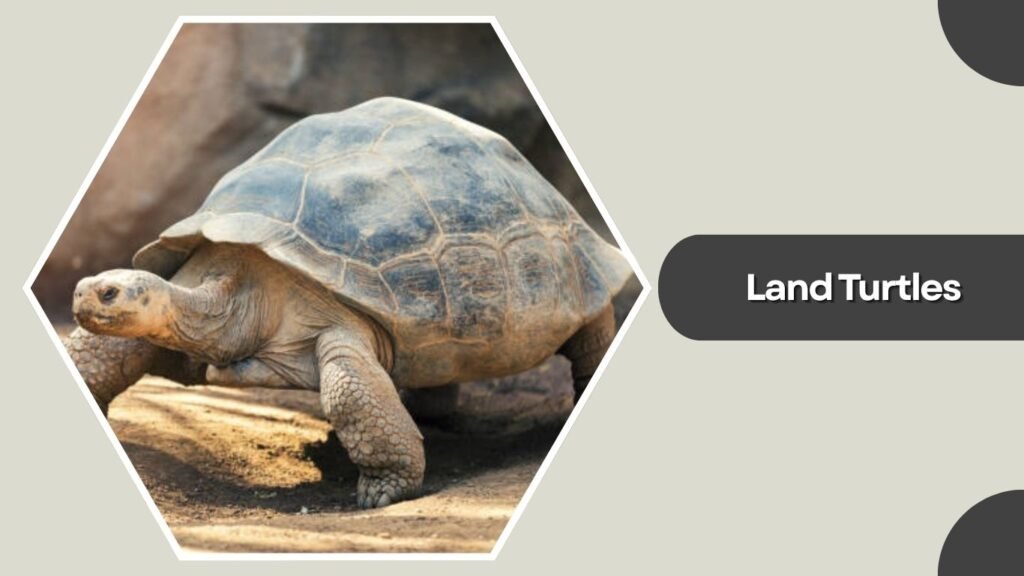
Tortoises, which live entirely on land, generally lay the fewest eggs. Depending on the species, they may lay anywhere from 1 to 20 eggs per clutch.
Unlike sea turtles, tortoises tend to have slower reproductive cycles. They invest more time and energy into each egg, which may increase the chances of survival.
Because they live on land, tortoises often face different challenges, such as predators and environmental conditions, but they compensate by producing stronger, more developed hatchlings.
How Often Do Turtles Lay Eggs?
Turtles are typically seasonal breeders, meaning they lay eggs during specific times of the year—usually in warmer months like spring and summer. The frequency of egg-laying varies depending on the species.
Some turtles lay eggs only once a year, while others can lay multiple clutches within a single season. Sea turtles, for example, may nest several times over a few months.
Factors Affecting Egg-Laying Frequency
Several factors influence how often turtles lay eggs:
- Temperature: Warmer climates often lead to more frequent nesting
- Food availability: Well-nourished turtles are more likely to reproduce
- Age and health: Mature and healthy turtles lay eggs more regularly
Where and How Do Turtles Lay Eggs?
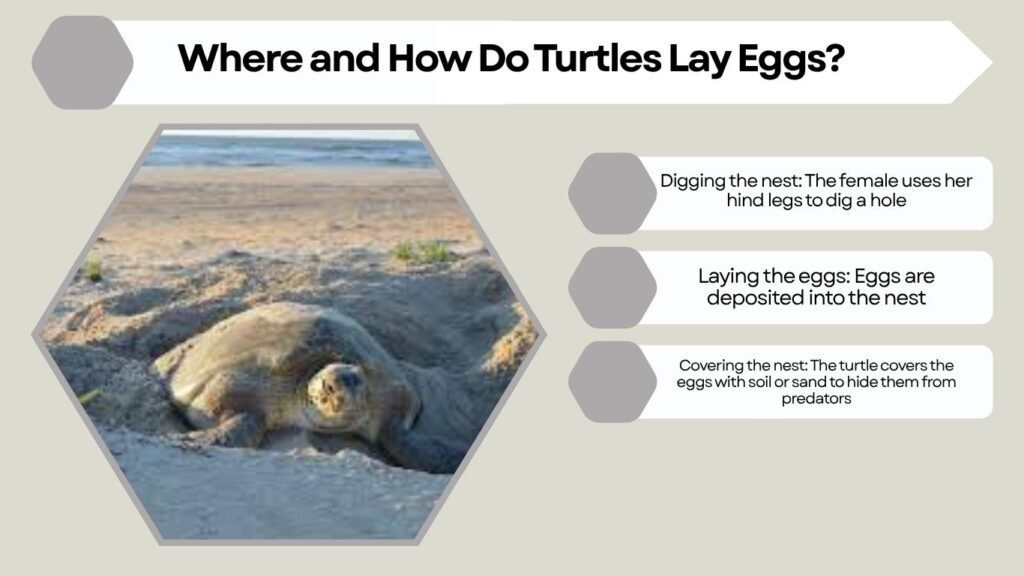
Turtles follow specific nesting behaviors to protect their eggs. Most species lay their eggs on land, even if they spend most of their lives in water.
Female turtles carefully choose a nesting site, often selecting sandy or soft soil areas where digging is easier. This location is important because it affects the temperature and safety of the eggs.
Nesting Process
The egg-laying process involves several steps:
- Digging the nest: The female uses her hind legs to dig a hole
- Laying the eggs: Eggs are deposited into the nest
- Covering the nest: The turtle covers the eggs with soil or sand to hide them from predators
After this, the mother usually leaves and does not return, meaning the eggs must survive on their own.
Why Do Turtles Lay So Many Eggs?
One of the most common questions people have is why turtles lay such a large number of eggs, especially species like sea turtles. The main reason is survival.
In nature, turtle eggs and hatchlings face many dangers. Predators such as birds, crabs, raccoons, and fish often eat eggs or newly hatched turtles. In addition, environmental factors like flooding, extreme temperatures, and habitat destruction can prevent eggs from hatching successfully.
Because of these risks, turtles rely on a strategy known as “quantity over quality.” By laying many eggs at once, they increase the chances that at least a few hatchlings will survive and grow into adults. This evolutionary approach has helped turtles survive for millions of years despite high mortality rates.
Incubation and Hatching
After the eggs are laid and buried, they begin a period of development known as incubation. This stage typically lasts between 45 and 90 days, depending on the species and environmental conditions.
Temperature plays a crucial role during incubation. In many turtle species, the temperature of the nest determines the sex of the hatchlings—a phenomenon known as temperature-dependent sex determination. Warmer temperatures may produce more females, while cooler temperatures may result in more males.
When the eggs are ready to hatch, the baby turtles (called hatchlings) use a special structure called an “egg tooth” to break out of their shells. Once they emerge, they instinctively move toward water or safe shelter, beginning their journey of survival.
Survival Rate of Turtle Eggs
Despite laying many eggs, the survival rate of turtles is extremely low. In some cases, only 1 out of 1,000 hatchlings survives to adulthood.
There are many threats that reduce survival rates:
- Predators: Animals dig up nests or catch hatchlings
- Environmental hazards: Storms, flooding, and extreme heat
- Human impact: Coastal development, pollution, and artificial lighting
Artificial lights, for example, can confuse hatchlings, causing them to move away from the ocean instead of toward it. This significantly reduces their chances of survival.
Because of these challenges, conservation efforts are important to protect turtle populations and improve survival rates.
Interesting Facts About Turtle Eggs
Turtle reproduction is full of fascinating details that many people don’t know:
- Many sea turtles return to the same beach where they were born to lay their eggs
- Turtle eggs are often soft and leathery, not hard like bird eggs
- The temperature of the nest determines the gender of hatchlings
- Hatchlings often emerge at night to avoid predators
These unique traits make turtles one of the most interesting reptiles in the animal kingdom.
Conclusion
So, how many eggs does a turtle lay? The answer varies widely—from as few as 1 egg in some tortoises to over 100 eggs in sea turtles. This variation depends on the species, environment, and survival strategy of the turtle.
While turtles lay many eggs, only a small number survive to adulthood. This makes their reproductive strategy essential for maintaining their populations. Understanding how turtles reproduce also highlights the importance of protecting their habitats and ensuring their survival for future generations.
FAQs
How many eggs does a sea turtle lay at once?
Sea turtles typically lay between 80 and 120 eggs in a single clutch, depending on the species. Some may lay several clutches in one nesting season.
Do all turtle eggs hatch successfully?
No, most turtle eggs do not hatch successfully. Many are eaten by predators or affected by environmental conditions, resulting in a very low survival rate.
How long does it take for turtle eggs to hatch?
Turtle eggs usually take 45 to 90 days to hatch, depending on temperature, species, and environmental conditions.
Where do turtles usually lay their eggs?
Most turtles lay their eggs on land in sandy or soft soil areas. Sea turtles specifically choose beaches, while freshwater turtles nest near ponds or rivers.
Why do turtles bury their eggs?
Turtles bury their eggs to protect them from predators and to maintain proper temperature and moisture for successful incubation.