
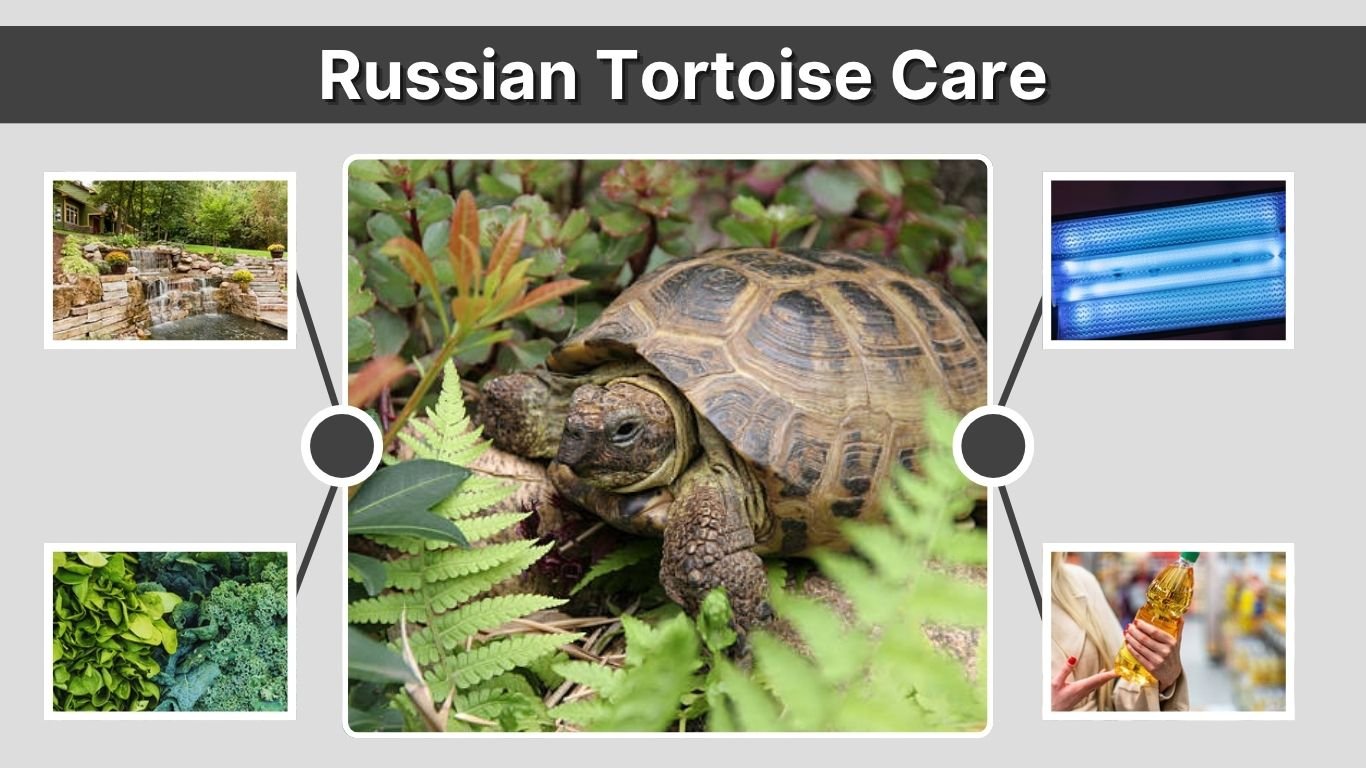
Russian tortoises are popular pets due to their small size, calm temperament, and relatively manageable care needs compared to larger tortoise species. However, they still require proper setup, diet, and attention to live a healthy life. Many beginners assume they are low-maintenance, but the truth is that consistent care is essential. This guide will walk you through the fundamentals of Russian tortoise care, including habitat, diet, and daily requirements, so you can provide a safe and comfortable environment for your pet.
Russian Tortoise Care Basics
Understanding the basic needs of a Russian tortoise is the first step toward proper care. These tortoises thrive in environments that mimic their natural dry, warm habitats. They require specific lighting, temperature, and nutrition to stay healthy.
Are Russian Tortoises Easy to Care For?
- Generally beginner-friendly with proper knowledge
- Require consistent daily care and monitoring
- Easier to manage than larger tortoise species
- Long lifespan means long-term commitment
Russian Tortoise Habitat Setup and Enclosure
Creating the right habitat is one of the most important parts of caring for a Russian tortoise. A well-designed enclosure helps regulate temperature, reduce stress, and promote natural behavior.
Enclosure Requirements
- Minimum 4×2 feet space for one adult tortoise
- Secure walls to prevent escape
- Substrate like soil, coco coir, or sand mix
- Hiding spots for comfort and security
Temperature and Environment
- Basking area around 32–35°C (90–95°F)
- Cooler side around 21–24°C (70–75°F)
- Night temperatures slightly lower
- Dry environment with low humidity
Russian Tortoise Lighting and UVB Care
Lighting is essential for a Russian tortoise’s health, especially when kept indoors. Without proper lighting, they cannot process calcium effectively, which can lead to serious health problems.
Why UVB Lighting Is Important
UVB light helps tortoises produce vitamin D3, which allows them to absorb calcium from their diet. Without it, they may develop shell deformities or metabolic bone disease. Natural sunlight is the best source, but indoor setups require high-quality UVB bulbs.
Lighting Setup Guide
- Use a UVB bulb designed for reptiles
- Place light at proper distance from enclosure
- Provide 10–12 hours of light daily
- Replace bulbs every 6–12 months
Russian Tortoise Diet and Feeding Guide
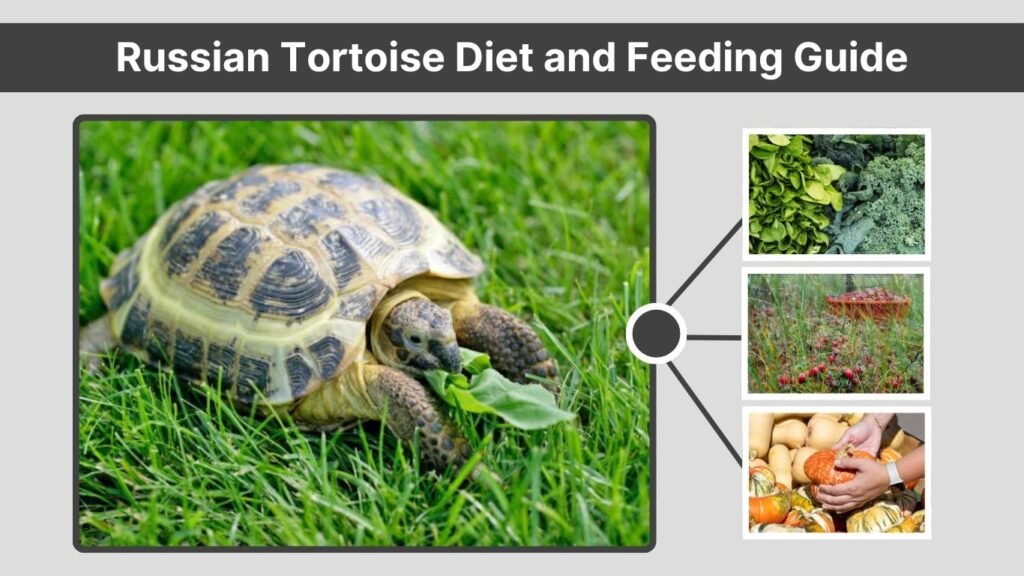
A proper diet is critical for maintaining a healthy Russian tortoise. Their digestive system is designed for high-fiber, plant-based foods, and feeding the wrong diet can lead to serious health issues.
What to Feed a Russian Tortoise
- Leafy greens like dandelion, collard greens, and kale
- Weeds and grasses for natural nutrition
- Occasional vegetables like squash
Foods to Avoid
- Sugary fruits in large amounts
- High-protein foods
- Processed human foods
Russian Tortoise Water and Hydration
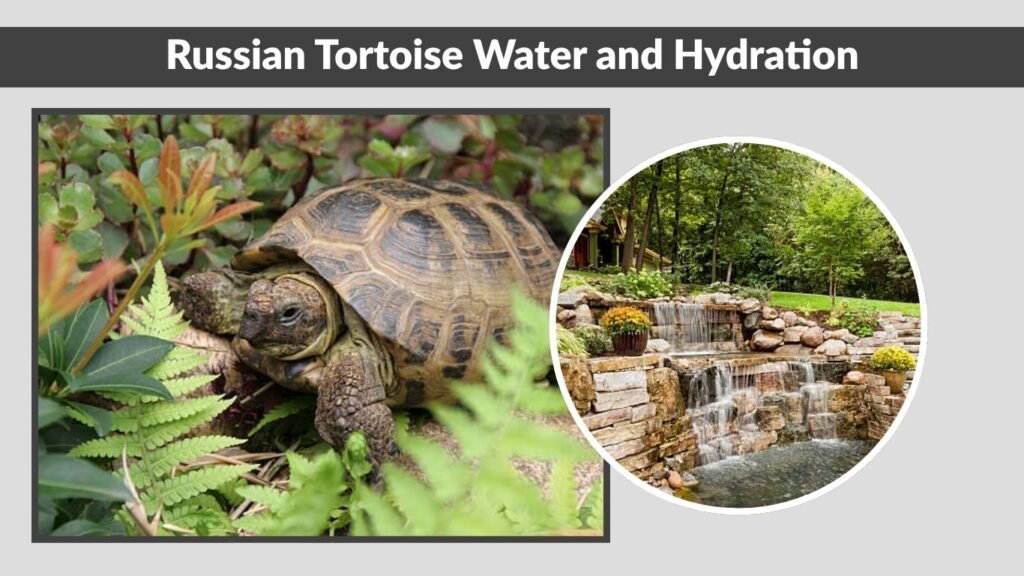
Hydration is often overlooked when caring for Russian tortoises, but it plays a crucial role in their overall health. Even though they come from dry regions, they still need access to fresh water at all times. A shallow water dish should be available in the enclosure, allowing the tortoise to drink and soak if needed.
Regular soaking is especially important for young tortoises, as it helps prevent dehydration and supports healthy growth. Adult tortoises also benefit from occasional soaking, particularly in warmer conditions. Signs of dehydration may include lethargy, dry skin, or reduced appetite, so consistent hydration should never be ignored.
Russian Tortoise Baby and Hatchling Care
Young Russian tortoises require more attention than adults because they are more sensitive to environmental changes. Proper care during this stage ensures healthy development and reduces the risk of illness.
Special Care for Hatchlings
- Maintain slightly higher humidity than adults
- Provide frequent shallow water soaks
- Keep enclosure warm and stable
- Avoid excessive handling
Early Growth Needs
- Rapid growth requires balanced nutrition
- Strong UVB exposure is essential
- Safe and stress-free environment supports development
Russian Tortoise Health Care
Keeping your tortoise healthy involves more than just feeding and housing. Regular observation and preventative care are key to avoiding serious health issues.
Common Health Problems
- Shell softening due to calcium deficiency
- Respiratory infections from low temperatures
- Parasites or digestive issues
Preventative Care Tips
- Keep enclosure clean and hygienic
- Provide balanced diet and proper lighting
- Monitor behavior and appetite changes
- Consult a reptile vet when needed
Hibernation (Brumation) Care
Russian tortoises naturally go through a hibernation-like state called brumation, especially in cooler months. This process slows their metabolism and allows them to conserve energy. However, not all pet tortoises should be allowed to brumate, particularly if they are young, sick, or underweight.
When and Why Brumation Happens
- Usually occurs during winter months
- Triggered by lower temperatures and shorter daylight
- Helps regulate natural biological cycles
Safe Brumation Practices
- Only allow healthy adult tortoises to brumate
- Gradually reduce food intake before brumation
- Maintain stable, cool temperatures
- Regularly check weight and condition
Russian Tortoise Indoor vs Outdoor Care
Choosing between indoor and outdoor care depends on your climate and available space. Indoor setups provide full control over temperature, lighting, and safety, making them ideal for beginners or colder regions. Outdoor enclosures, on the other hand, allow tortoises to experience natural sunlight and more space, which can improve their overall well-being.
Many owners use a combination of both methods, keeping tortoises indoors during colder months and allowing outdoor access when the weather is warm. Regardless of the setup, the goal is to create a stable, safe, and enriching environment that meets all of the tortoise’s needs.
Grooming and Maintenance
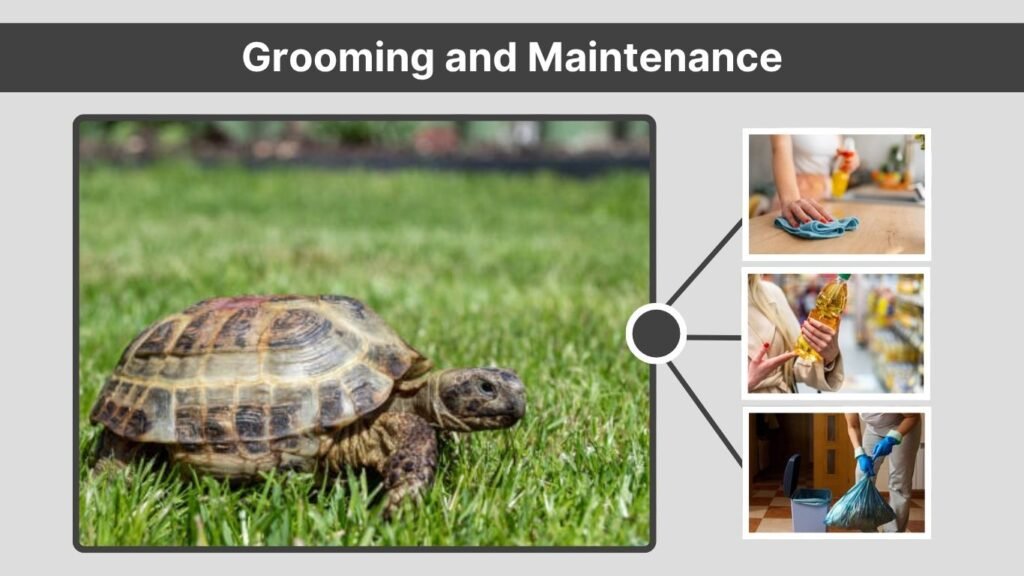
Proper grooming and regular maintenance help keep your Russian tortoise clean, comfortable, and healthy. While they do not require frequent grooming like other pets, some basic care routines are essential.
Shell and Nail Care
- Shell should be kept clean and dry
- Avoid oils or artificial products
- Nails may need occasional trimming if overgrown
Enclosure Cleaning Routine
- Remove waste daily
- Replace substrate regularly
- Clean water dish frequently
- Perform deep cleaning periodically
Russian Tortoise Care Requirements
To properly care for a Russian tortoise, you need the right setup and supplies. Having everything prepared in advance makes daily care easier and ensures your pet thrives.
Essential Care Items
- UVB lighting system
- Heat lamp for basking area
- Spacious enclosure with proper substrate
- Fresh greens and calcium supplements
Common Care Mistakes to Avoid
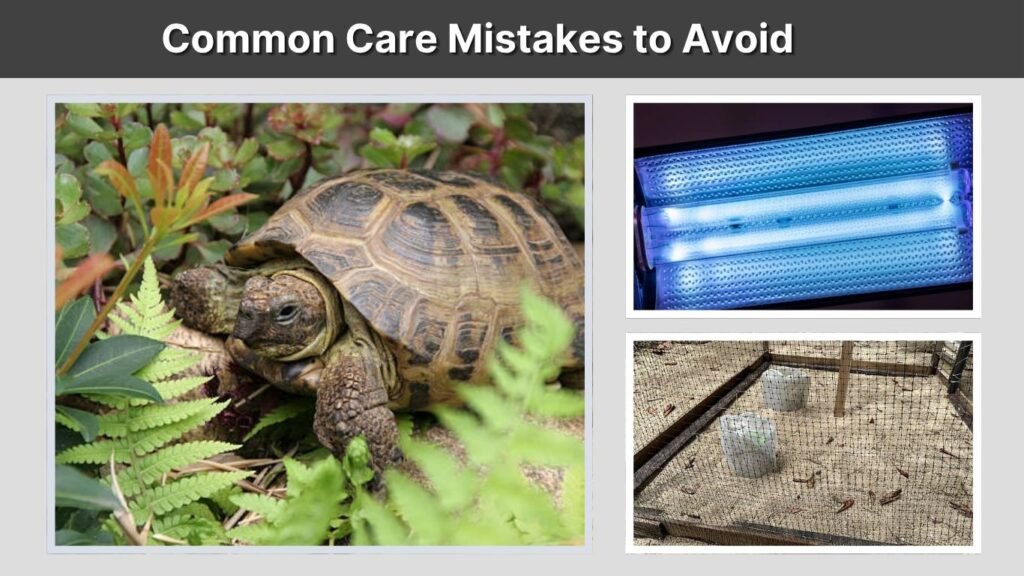
Even small mistakes in care can lead to long-term health problems for Russian tortoises. Being aware of these issues helps prevent unnecessary stress and illness.
Beginner Mistakes
- Not providing UVB lighting
- Feeding incorrect foods
- Keeping enclosure too small
Advanced Mistakes
- Ignoring early signs of illness
- Improper hibernation attempts
- Inconsistent temperature control
FAQs
How do you take care of a Russian tortoise?
Caring for a Russian tortoise involves providing a proper enclosure, balanced diet, UVB lighting, and regular monitoring. They need a warm basking area, leafy green diet, and clean habitat. Consistency in care ensures long-term health and prevents common issues.
What is the best diet for a Russian tortoise?
The best diet consists of high-fiber leafy greens such as dandelion, collard greens, and grasses. Avoid sugary fruits and high-protein foods. A proper diet supports digestion, shell health, and overall well-being.
Can Russian tortoises live indoors?
Yes, Russian tortoises can live indoors if their enclosure provides proper lighting, heat, and space. Indoor setups must include UVB lighting and temperature control to mimic their natural environment effectively.
Do Russian tortoises need UVB light?
Yes, UVB lighting is essential for calcium absorption and shell development. Without it, tortoises can develop serious health issues like metabolic bone disease, making proper lighting a critical part of their care.
Are Russian tortoises easy to care for beginners?
They are considered beginner-friendly but still require proper knowledge and commitment. With the right setup and routine care, they are manageable, but neglecting their needs can quickly lead to health problems.