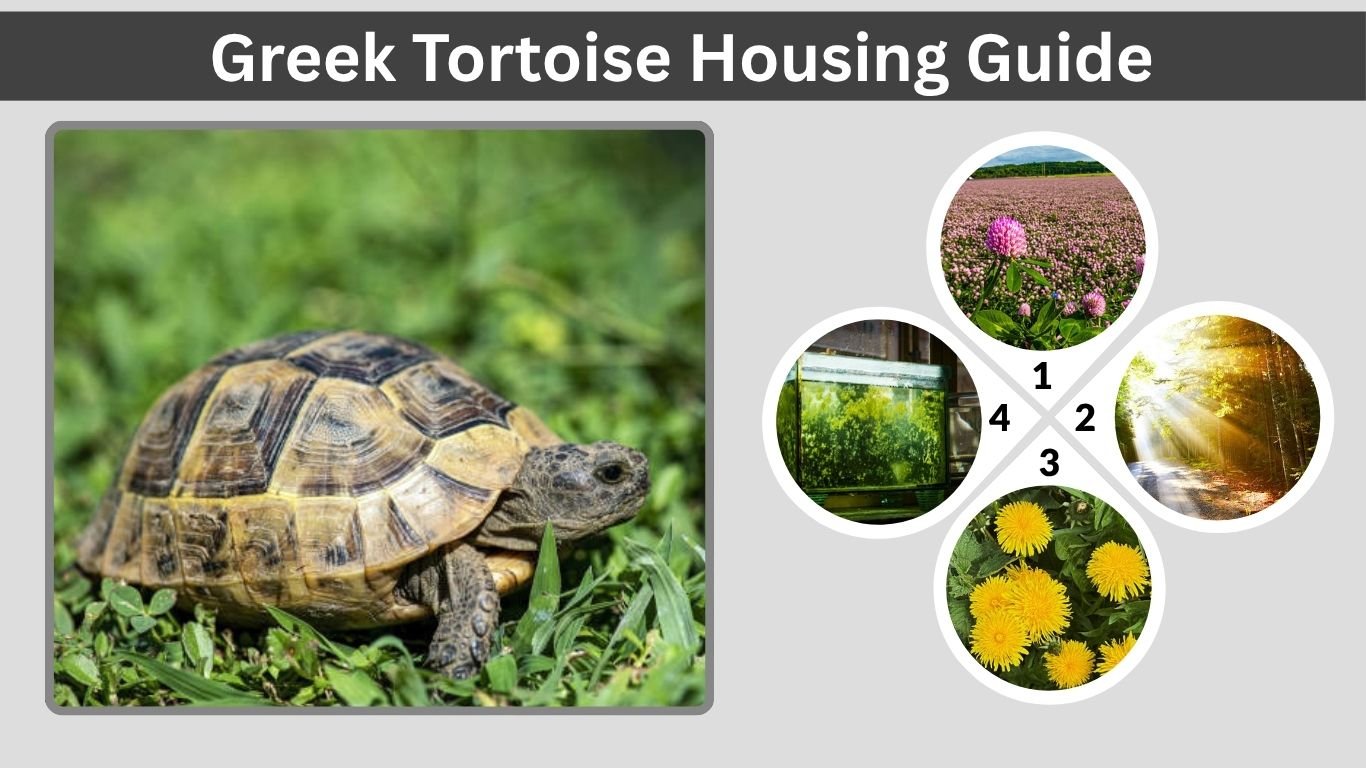
Proper housing is one of the most important factors in keeping a Greek tortoise healthy and thriving. A well-designed enclosure does more than just contain your pet—it mimics its natural environment, supports natural behaviors, and prevents common health issues. Whether you plan to house your tortoise indoors or outdoors, understanding its habitat needs is essential for long-term success.
Understanding Greek Tortoise Habitat Needs
Greek tortoises come from warm, dry regions such as Southern Europe, North Africa, and parts of the Middle East. These areas are typically sunny with low humidity, which plays a major role in how you should design their enclosure.
In captivity, the goal is to recreate these conditions as closely as possible. They need access to warmth, proper lighting, and a dry environment with some humidity in the substrate for burrowing. Space is equally important, as these tortoises are active and enjoy exploring their surroundings.
A poorly designed habitat can lead to stress, lack of activity, and even serious health problems like shell deformities or respiratory infections.
Greek Tortoise Enclosure Basics
Before setting up a habitat, it’s important to understand the core elements that every Greek tortoise enclosure should include.
- Adequate space for movement and exploration
- Proper lighting, especially UVB for shell health
- A temperature gradient with warm and cool areas
- Safe and natural substrate for walking and digging
You also need to decide whether to house your tortoise indoors, outdoors, or a combination of both depending on your climate. Each option has its own benefits, but both must meet the same basic environmental requirements.
Greek Tortoise Enclosure Size
One of the most common mistakes new owners make is underestimating how much space a tortoise needs. Even though Greek tortoises are relatively small, they require a surprisingly large enclosure to stay active and healthy.
For juveniles, smaller enclosures can work temporarily, but they should always be upgraded as the tortoise grows. Adult Greek tortoises generally need a minimum of around 8 feet by 4 feet of space, though bigger is always better.
Limited space can lead to boredom, stress, and reduced physical activity. Over time, this may contribute to health issues. Providing a spacious enclosure encourages natural behaviors like walking, digging, and exploring.
Indoor Habitat Setup
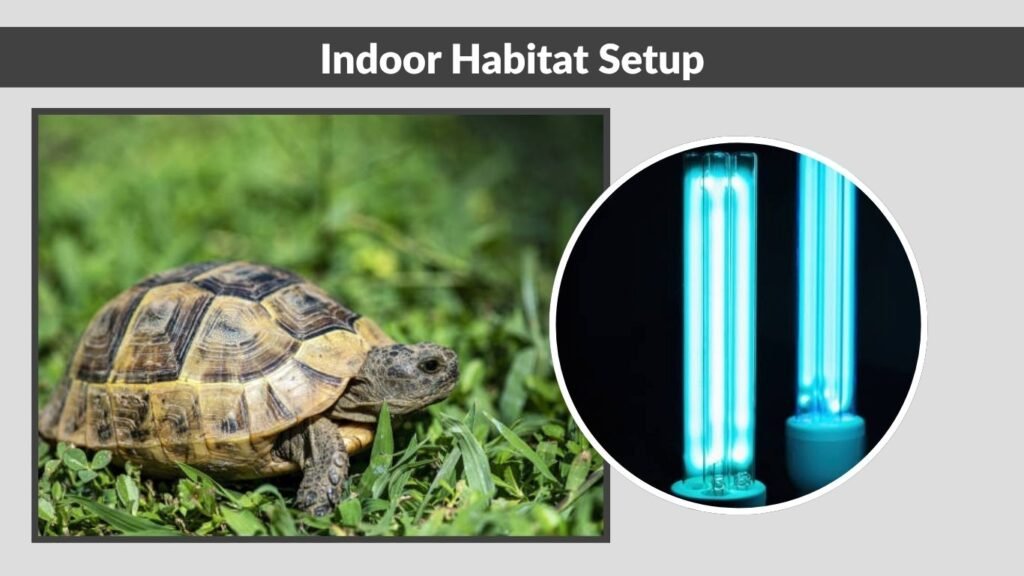
Indoor housing is often necessary in colder regions or for part of the year. A proper indoor setup should closely replicate outdoor conditions, especially when it comes to lighting and temperature.
A tortoise table is usually the best option for indoor housing. Unlike glass tanks, it provides better airflow and gives you more flexibility in creating a natural environment. The enclosure should include a suitable substrate such as a mix of soil and coconut coir, allowing the tortoise to dig and move comfortably.
Lighting is critical indoors. UVB lighting must be provided daily to help the tortoise process calcium and maintain a strong shell. A basking lamp should also be installed to create a warm area where the tortoise can regulate its body temperature.
The enclosure should include hiding spots where the tortoise can rest and feel secure. These can be simple shelters or shaded areas created with natural materials.
Outdoor Enclosure Setup
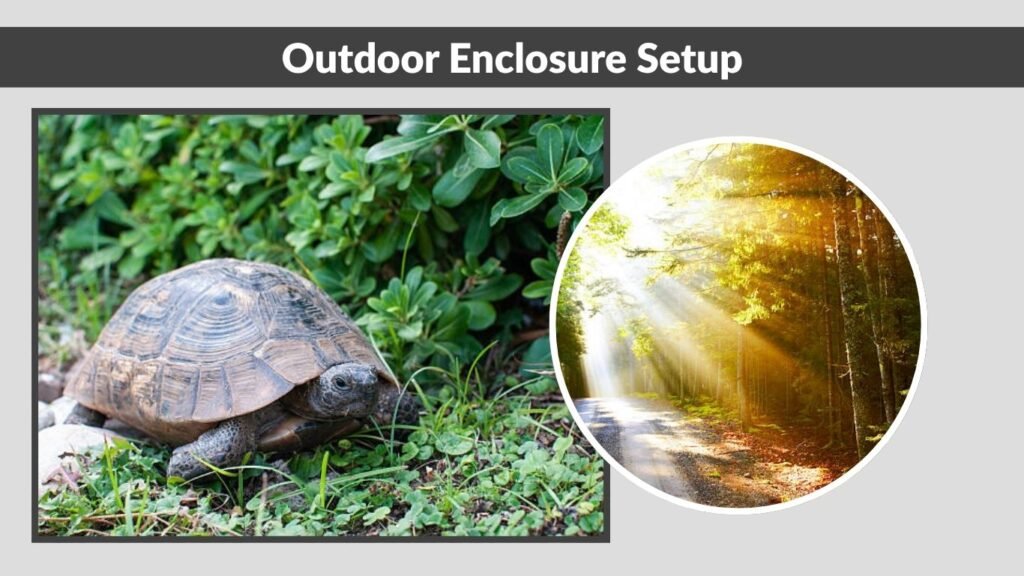
Outdoor housing is ideal for Greek tortoises when the climate allows it. Natural sunlight is the best source of UVB, and outdoor spaces provide more room for exercise and exploration.
A good outdoor enclosure should be secure and escape-proof. Greek tortoises are known for their ability to dig and climb, so fencing should extend below ground level as well as above it. Protection from predators is also essential, especially in areas where animals like birds or rodents are common.
The enclosure should include shaded areas to prevent overheating, as well as dry spots to rest. Natural terrain is beneficial, allowing the tortoise to dig, forage, and behave more naturally.
Weather conditions must always be monitored. If temperatures drop too low or become excessively hot, the tortoise should be moved indoors to maintain a stable environment.
Greek Tortoise Enclosure Setup Step-by-Step
Setting up a proper enclosure may seem complicated at first, but breaking it down into steps makes the process much easier.
- Choose whether the enclosure will be indoors or outdoors
- Add a suitable base and substrate layer
- Install lighting and heating equipment if indoors
- Create hiding areas and feeding zones
- Check and adjust temperature and overall setup
Taking the time to properly set up the enclosure from the beginning will prevent many common problems later on.
Best Substrate for Greek Tortoises
The substrate you choose plays a key role in your tortoise’s comfort and health. It should allow for natural movement, provide some moisture retention, and remain safe if accidentally ingested.
A mix of topsoil and coconut coir is widely recommended because it mimics natural ground conditions. This type of substrate allows for light burrowing while maintaining a relatively dry surface.
Avoid materials like gravel, sand-only setups, or wood chips. These can cause injuries, digestive issues, or discomfort. A natural, soil-based substrate is always the safest and most effective choice.
Greek Tortoise Habitat Plants
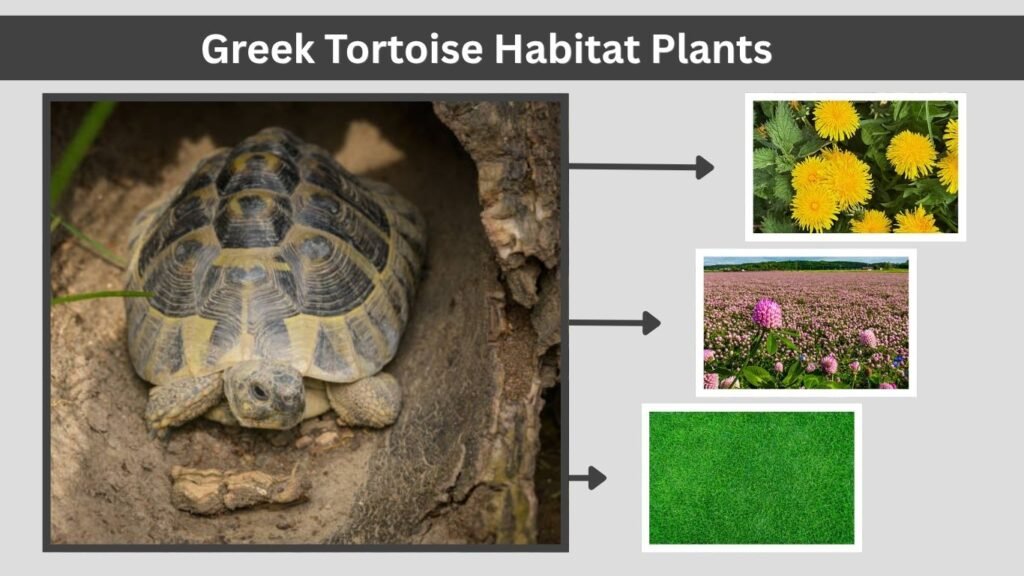
Adding plants to a tortoise enclosure improves both aesthetics and functionality. Plants provide shade, enrichment, and even a natural food source if you choose edible varieties.
- Edible plants like dandelion, clover, and grasses are ideal
- Safe decorative plants can enhance the enclosure environment
- Toxic plants must always be avoided to prevent health risks
When selecting plants, always research whether they are safe for tortoises. A well-planted enclosure encourages natural foraging behavior and makes the habitat more engaging.
Greek Tortoise Table (Best Indoor Option)
A tortoise table is widely considered the best indoor housing solution for Greek tortoises. Unlike glass tanks, it offers open space and proper airflow, which are essential for maintaining a healthy environment.
Tortoise tables are typically wooden, open-top enclosures that can be customized in size and layout. They allow you to easily create a temperature gradient and add different zones such as basking areas, hiding spots, and feeding sections.
Another advantage is visibility and accessibility. You can interact with your tortoise more naturally, and cleaning or adjusting the setup becomes much easier compared to enclosed tanks.
Common Housing Mistakes to Avoid
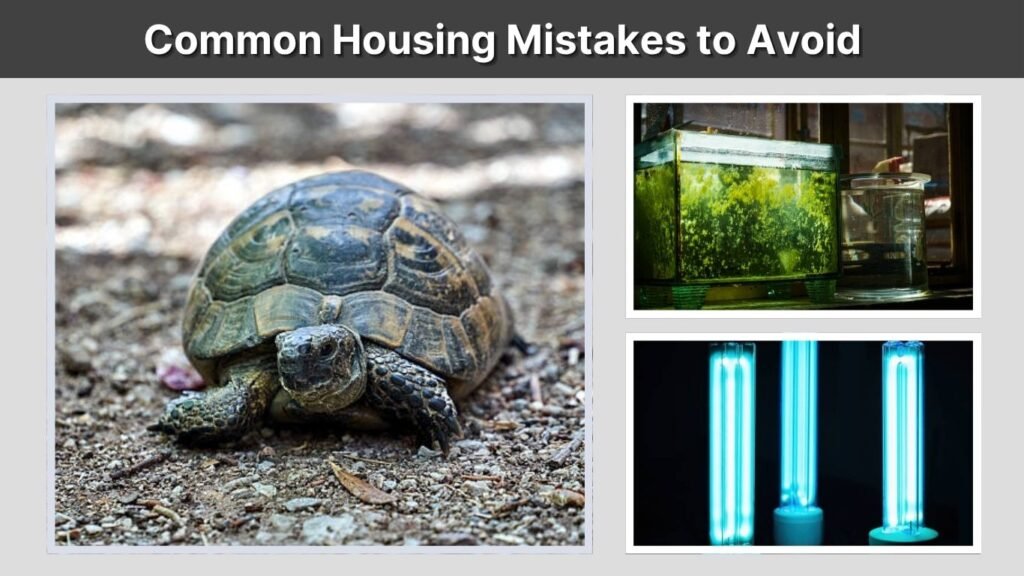
Many health and behavior issues in Greek tortoises can be traced back to improper housing. Avoiding common mistakes will save you time, money, and stress in the long run.
- Using small glass aquariums with poor ventilation
- Not providing proper UVB lighting indoors
- Choosing incorrect or unsafe substrate materials
- Keeping the enclosure too small or overcrowded
Being aware of these mistakes helps you create a safer and more natural environment from the beginning.
Maintenance and Cleaning
Keeping the enclosure clean is essential for preventing disease and maintaining a healthy living space. Regular maintenance does not take much time but makes a big difference.
Daily spot cleaning should include removing waste and uneaten food. This prevents bacteria buildup and keeps the enclosure fresh. Water dishes should also be cleaned and refilled regularly.
On a weekly basis, parts of the substrate may need to be replaced, especially in high-use areas. A full enclosure clean should be done periodically, depending on size and usage. Consistency is key to maintaining hygiene.
Cost of Greek Tortoise Housing
The cost of setting up a proper enclosure can vary depending on whether you choose indoor or outdoor housing and the quality of materials used.
Initial costs typically include the enclosure itself, lighting equipment, heating sources, substrate, and basic accessories. While budget setups are possible, investing in quality equipment often leads to better long-term results.
Ongoing costs are relatively low. These may include replacing UVB bulbs, refreshing substrate, and minor repairs. Overall, housing costs are manageable but should not be underestimated during planning.
Indoor vs Outdoor Housing: Which Is Better?
Choosing between indoor and outdoor housing depends largely on your climate and available space. Both options can work well if set up correctly.
Indoor housing offers more control over temperature and safety, making it ideal for colder regions or urban environments. However, it requires proper lighting and careful setup to replicate natural conditions.
Outdoor housing provides natural sunlight, more space, and a richer environment for the tortoise. It allows for more natural behaviors but requires secure construction and protection from weather and predators.
Many owners choose a combination of both, using outdoor enclosures during warm months and indoor setups during colder periods.
FAQs
What is the best enclosure for a Greek tortoise?
A tortoise table is considered the best indoor enclosure because it provides proper airflow and enough space. In suitable climates, outdoor enclosures are even better as they offer natural sunlight and more room for natural behaviors.
How big should a Greek tortoise enclosure be?
An adult Greek tortoise should have at least 8×4 feet of space, although larger is always recommended. More space allows for better movement, exercise, and overall health, reducing stress and behavioral issues.
Can I keep a Greek tortoise in a glass tank?
Glass tanks are not ideal because they restrict airflow and can trap humidity. They may also confuse the tortoise, causing it to repeatedly try to walk through the glass, leading to stress and potential injury.
What substrate is best for Greek tortoises?
A mixture of topsoil and coconut coir is commonly recommended. It provides a natural surface for walking and digging while maintaining the right balance of moisture and dryness needed for their health.
Do Greek tortoises need heat at night?
Greek tortoises usually do not require heat at night unless temperatures drop too low. A natural drop in temperature is beneficial, but extreme cold should always be avoided to keep them safe and healthy.