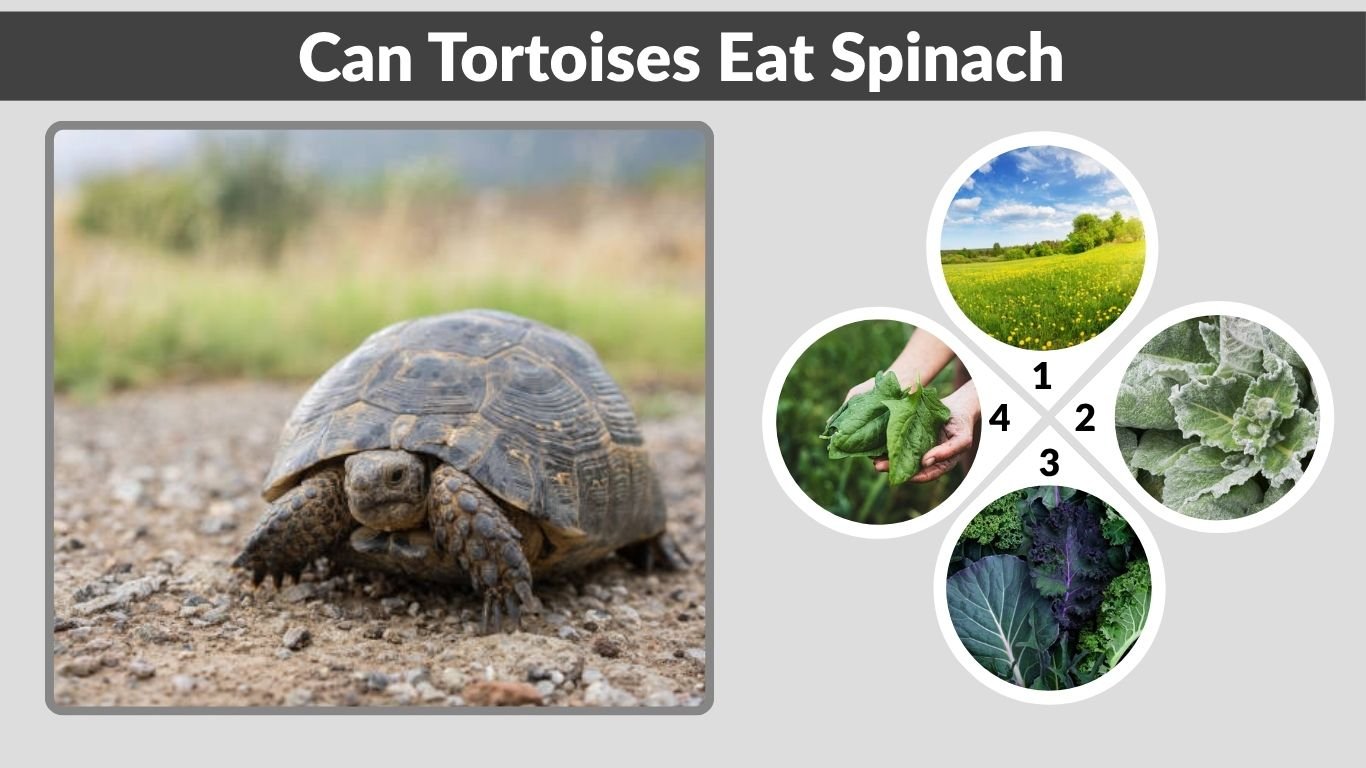
Many tortoise owners wonder whether spinach is a safe addition to their pet’s diet. While leafy greens are generally recommended, not all greens are equally beneficial. Spinach, in particular, raises concerns due to its unique nutritional composition. This guide explains whether tortoises can eat spinach, the risks involved, and how it fits into a balanced diet. Understanding the facts will help you make safer feeding choices and protect your tortoise’s long-term health.
Can Tortoises Eat Spinach?
Spinach is not toxic to tortoises, but it is not considered an ideal food either. It can be fed occasionally in very small amounts, but it should never become a regular part of their diet. The main concern is not immediate harm, but long-term nutritional imbalance.
Quick Answer
- Yes, tortoises can eat spinach in small amounts
- Not suitable as a staple food
- Should only be offered occasionally
- Better alternatives are available
Why Spinach Can Be Harmful
Although spinach is rich in nutrients, it contains compounds that can interfere with a tortoise’s health over time. These effects are especially important for species that rely heavily on calcium for shell and bone development.
High Oxalate Content
- Spinach contains oxalates that bind with calcium
- Prevents proper calcium absorption
- Reduces the nutritional value of other foods
Risk to Shell and Bone Health
- Calcium deficiency can weaken the shell
- May lead to metabolic bone disease
- Long-term feeding increases health risks
Spinach and Tortoise Nutrition
Spinach may seem like a healthy leafy green, but its nutritional profile does not align well with a tortoise’s dietary needs. Tortoises require foods that are high in fiber and calcium while being low in compounds that block nutrient absorption.
In a natural environment, tortoises consume a wide variety of weeds, grasses, and fibrous plants. These foods support digestion and provide essential nutrients in balanced proportions. Spinach, however, does not replicate this natural diet and can disrupt nutrient balance when fed too often. For this reason, it is best treated as an occasional addition rather than a regular food source.
Nutritional Concerns
- Low usable calcium due to oxalates
- Not high enough in fiber for daily feeding
- Can disrupt overall dietary balance
Is Spinach Safe for Different Tortoise Species?
Different tortoise species have slightly different dietary tolerances, but the concerns about spinach remain mostly the same across all types. While some species may handle it slightly better, moderation is still key.
Russian Tortoises
- Can eat small amounts occasionally
- Prefer high-fiber greens instead
- Regular feeding is not recommended
Sulcata and Desert Tortoises
- Better suited to grass-based diets
- Spinach does not match natural feeding habits
- Should be avoided frequently
Tropical Tortoises (Red-Footed)
- More varied diet tolerance
- Still should not rely on spinach
- Occasional feeding is acceptable
Can Baby Tortoises Eat Spinach?
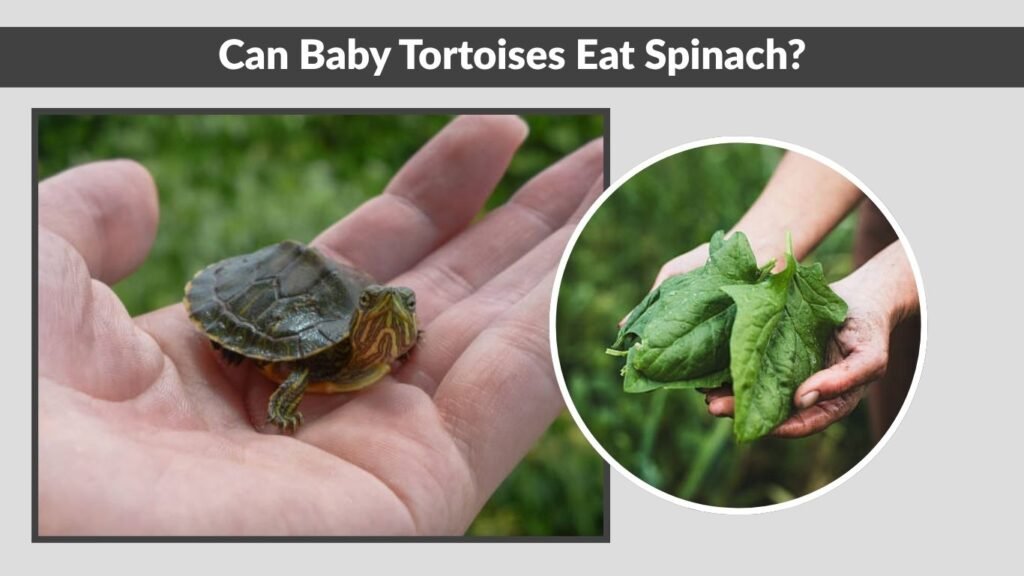
Baby tortoises require a highly balanced diet to support rapid growth and proper shell development. During this stage, calcium intake is extremely important, and any food that interferes with calcium absorption can create long-term problems. Spinach, due to its oxalate content, is not suitable for regular feeding in young tortoises.
Instead, hatchlings and juveniles should be given calcium-rich, fiber-heavy greens that support healthy development. Even small dietary imbalances at this stage can lead to issues like soft shells or stunted growth. For this reason, spinach should be avoided or offered only very rarely to baby tortoises.
Spinach vs Other Leafy Greens
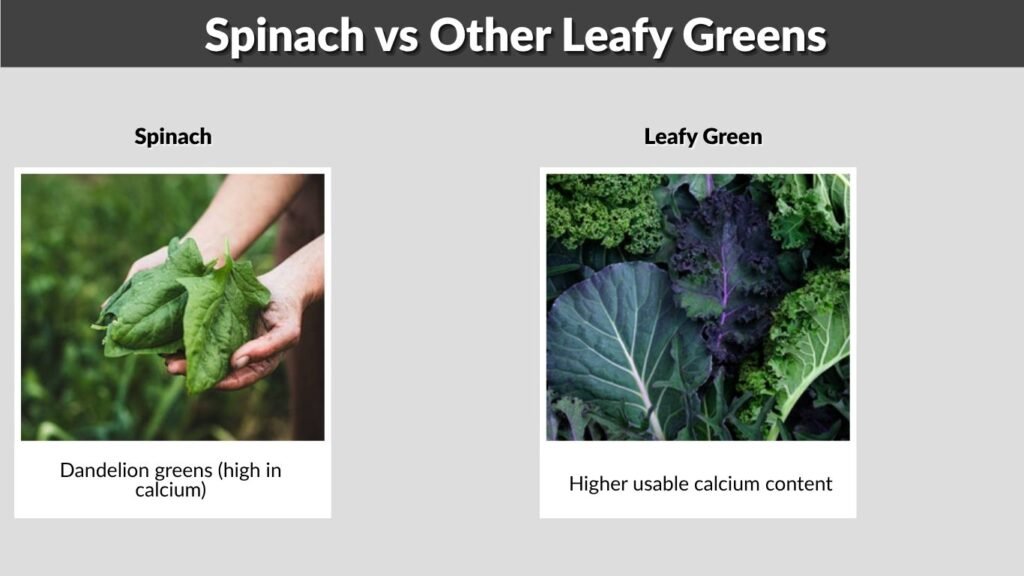
Not all leafy greens are the same, and many options are far better suited for tortoises than spinach. Choosing the right greens can significantly improve your tortoise’s health and longevity.
Better Alternatives to Spinach
- Dandelion greens (high in calcium)
- Collard greens (excellent nutrient balance)
- Mustard greens (rich in vitamins)
- Turnip greens (good calcium source)
Why These Greens Are Better
- Higher usable calcium content
- Lower oxalate levels
- Closer to natural tortoise diet
- Support healthy digestion
How Often Can Tortoises Eat Spinach?
Feeding frequency is one of the most important factors when it comes to offering spinach. While it is not toxic, overfeeding can lead to long-term health problems. The goal is to keep spinach as a rare addition rather than a regular part of the diet.
Safe Feeding Frequency
- Offer spinach only once every few weeks
- Always in very small quantities
- Never use as a daily or weekly staple
Portion Control Tips
- Mix spinach with other safe greens
- Avoid feeding spinach alone
- Balance with calcium-rich foods
Can Tortoises Eat Baby Spinach or Raw Leaves?
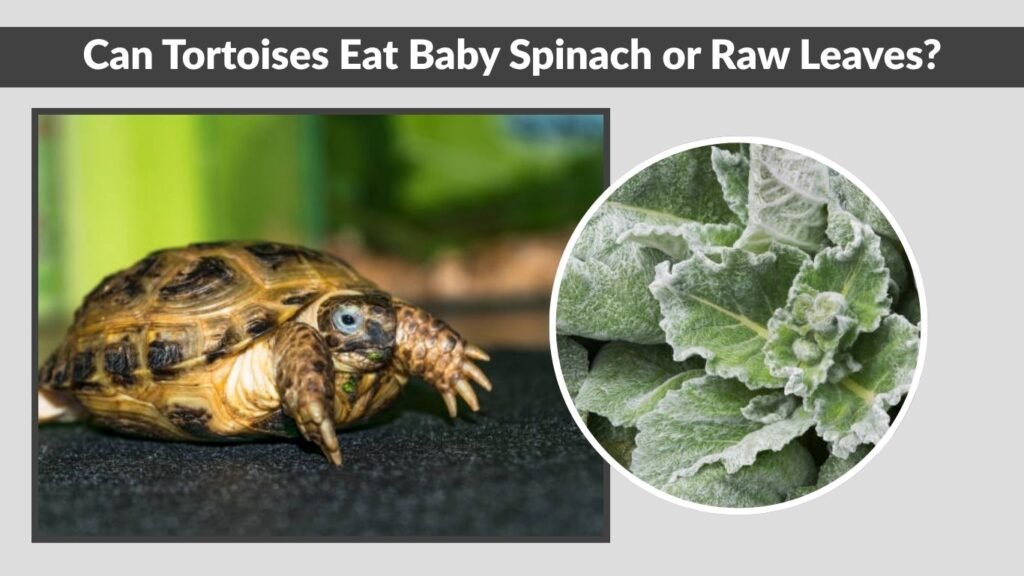
Many owners assume baby spinach is safer than regular spinach, but this is not the case. Baby spinach still contains oxalates, which means it carries the same risks when fed too often. The form of spinach—whether raw, chopped, or whole—does not significantly change its impact on calcium absorption.
If offered, spinach should always be fresh and clean, but even then, it should remain an occasional treat. The key concern is not how it is prepared, but how frequently it is included in the diet.
Signs of Too Much Spinach in Diet
Feeding spinach too often can lead to noticeable health issues over time. These signs may develop slowly, making it important to monitor your tortoise’s behavior and physical condition regularly.
Warning Signs to Watch
- Soft or weak shell development
- Reduced activity or lethargy
- Poor growth in young tortoises
- Decreased appetite
What Should Tortoises Eat Instead?
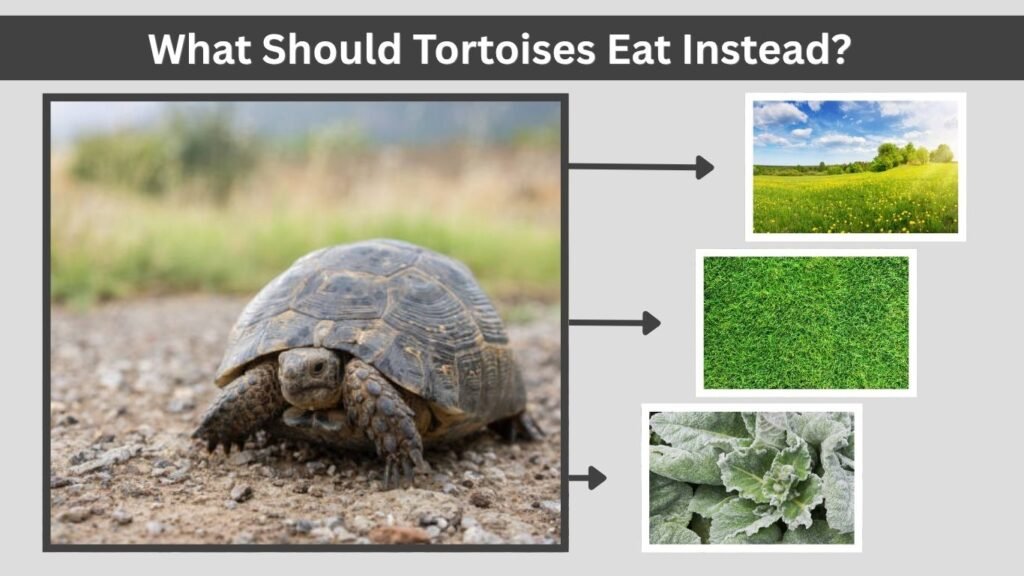
Providing the right diet is essential for keeping your tortoise healthy and active. Instead of relying on spinach, focus on foods that match their natural dietary needs.
Ideal Daily Foods
- High-fiber leafy greens
- Natural weeds and grasses
- Calcium-rich plants
Balanced Diet Tips
- Offer a variety of safe greens daily
- Rotate foods to prevent imbalance
- Provide calcium supplements if needed
Common Feeding Mistakes to Avoid
Many tortoise health problems come from simple feeding mistakes. Avoiding these errors can greatly improve your pet’s quality of life.
Diet Mistakes
- Feeding spinach too frequently
- Offering too many low-fiber greens
- Overfeeding fruits
Better Feeding Practices
- Stick to a consistent feeding routine
- Choose high-calcium foods
- Monitor portion sizes carefully
FAQs
Can tortoises eat spinach every day?
No, tortoises should not eat spinach every day. Frequent feeding can interfere with calcium absorption due to oxalates. Over time, this may lead to shell and bone problems, making it important to limit spinach to occasional feeding only.
Is spinach toxic to tortoises?
Spinach is not toxic, but it can be harmful if fed too often. The oxalates in spinach bind calcium, reducing its absorption. While small amounts are generally safe, regular feeding can lead to long-term health issues.
Can Russian tortoises eat spinach safely?
Russian tortoises can eat spinach in small, occasional amounts. However, their diet should mainly consist of high-fiber, calcium-rich greens. Spinach should never replace staple foods or be given frequently.
What leafy greens are best for tortoises?
The best greens include dandelion, collard greens, mustard greens, and turnip greens. These options provide better calcium levels and fewer harmful compounds, making them ideal for daily feeding.
Why does spinach affect calcium absorption?
Spinach contains oxalates, which bind to calcium in the digestive system. This prevents the body from properly absorbing calcium, which is essential for strong bones and a healthy shell.