
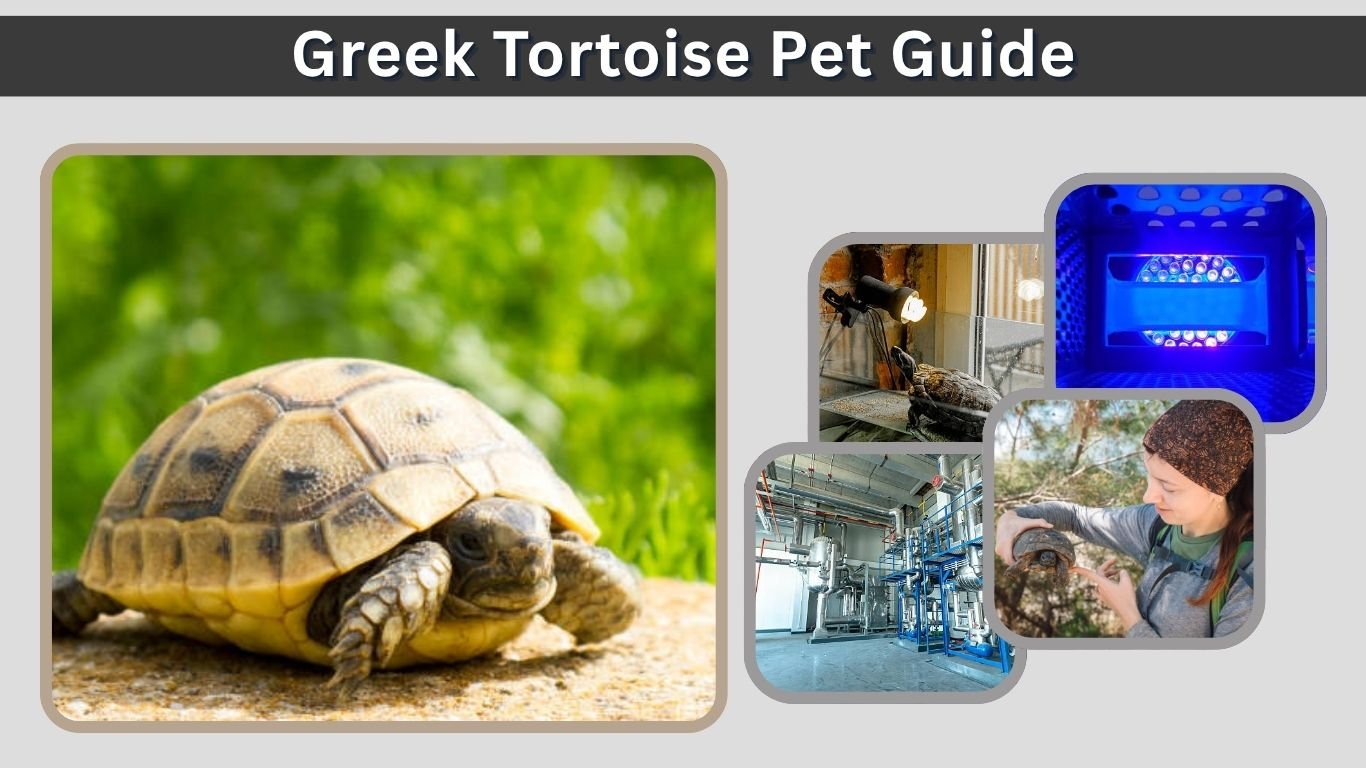
The Greek tortoise (Testudo graeca) is one of the most popular pet tortoise species in the world. Known for its calm nature, manageable size, and striking shell patterns, it attracts both beginner and experienced reptile keepers. However, owning one is not as simple as it may seem. These tortoises require specific care, a proper environment, and a long-term commitment that can span decades. This guide covers everything you need to know to decide if a Greek tortoise is the right pet for you.
What Is a Greek Tortoise?
The Greek tortoise is a small to medium-sized land tortoise native to parts of Southern Europe, North Africa, and the Middle East. It thrives in warm, dry climates and is well adapted to Mediterranean environments.
- Typically grows between 5 to 10 inches in length
- Features a domed shell with yellow and black patterns
- Includes variations like the “golden Greek tortoise,” known for its brighter coloration
There are several subspecies, each with slight differences in size and color. Despite these variations, their care requirements are largely similar.
Is a Greek Tortoise a Good Pet?
Greek tortoises can make excellent pets, but only for the right type of owner. They are best suited for individuals who are willing to invest time in proper care and understand the long-term responsibility involved.
- Ideal for quiet households looking for a low-noise pet
- Suitable for people who prefer observing rather than handling
- Not the best choice for young children without supervision
Unlike cats or dogs, Greek tortoises do not seek affection or companionship in the same way. Their appeal lies in their unique behavior and gentle presence rather than interaction.
Greek Tortoise Temperament and Behavior
Greek tortoises are known for their calm and predictable temperament. They are generally non-aggressive and spend much of their day exploring, basking, and eating.
They are diurnal animals, meaning they are active during the day and rest at night. Over time, many tortoises begin to recognize their owners, especially when associated with feeding. While they are not cuddly pets, they can become comfortable with gentle, occasional handling.
It is important to remember that excessive handling can cause stress. Observing their natural behavior is often more rewarding than trying to interact with them frequently.
Lifespan and Long-Term Commitment
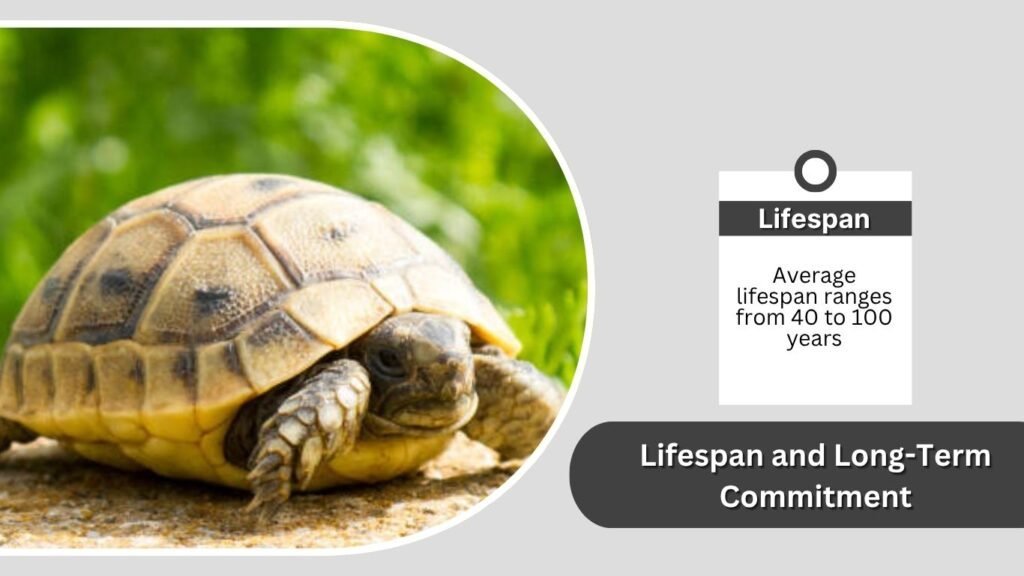
One of the most important factors to consider before getting a Greek tortoise is its lifespan. These animals are incredibly long-lived and often outlive their owners.
- Average lifespan ranges from 40 to 100 years
- Requires lifelong care and consistent environment
- May need a long-term plan for future ownership
This makes them less of a short-term pet and more of a generational responsibility. Anyone considering ownership should think carefully about long-term care arrangements.
Greek Tortoise Care Basics
Caring for a Greek tortoise involves meeting several essential needs. While they are considered relatively low maintenance compared to some pets, their care must be precise.
- A properly sized and secure enclosure
- A balanced, plant-based diet
- Correct lighting, including UVB exposure
- Stable temperature and humidity levels
Neglecting any of these factors can lead to serious health issues. Proper setup from the beginning is key to a healthy tortoise.
Habitat Setup (Indoor vs Outdoor)
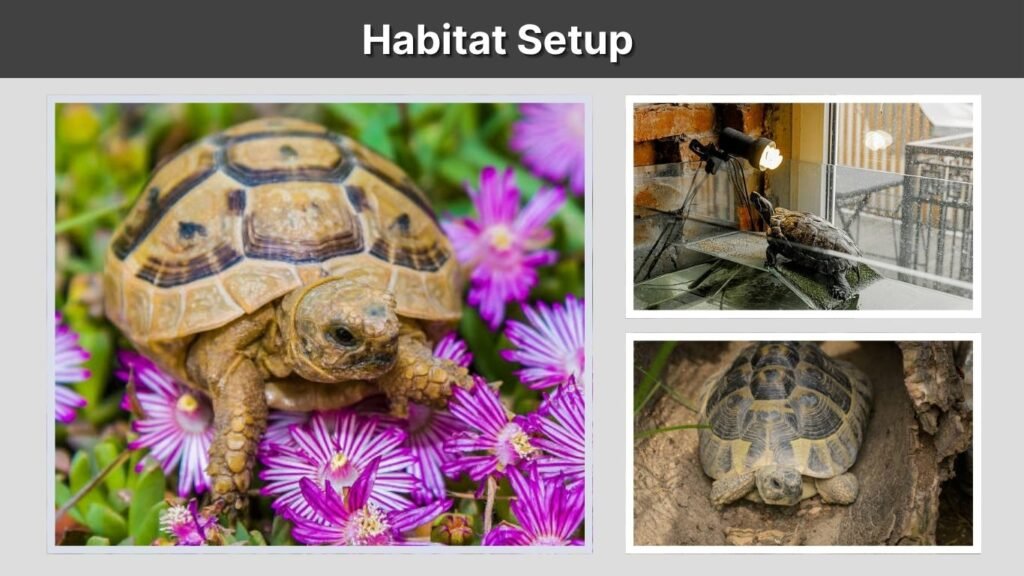
Indoor Setup
Indoor housing is common, especially in colder climates where outdoor living is not possible year-round. A well-designed indoor setup mimics the tortoise’s natural environment.
- A tortoise table is preferred over a glass tank for better airflow
- Substrates like soil or coconut coir help retain moisture
- UVB lighting is essential for calcium absorption and shell health
A temperature gradient should be created, with a warm basking area and a cooler side. This allows the tortoise to regulate its body temperature naturally.
Outdoor Setup
Outdoor enclosures are ideal in suitable climates because they provide natural sunlight and more space for movement.
- Must be secure to prevent escape and protect from predators
- Should include shaded areas and hiding spots
- Natural sunlight eliminates the need for artificial UVB lighting
Weather conditions must always be monitored. Extreme temperatures or sudden changes can be harmful, so indoor backup housing is often necessary.
Diet and Nutrition
A proper diet is one of the most important aspects of Greek tortoise care. In the wild, they primarily feed on a variety of grasses, weeds, and leafy plants.
- Staple foods include dandelion greens, collard greens, and plantain
- Occasional vegetables can be added for variety
- Calcium supplements are essential for strong shell development
Foods to avoid include fruits, processed foods, and high-protein items. These can cause digestive issues and long-term health problems. A high-fiber, low-sugar diet is key to maintaining their health.
Lighting and Temperature Requirements
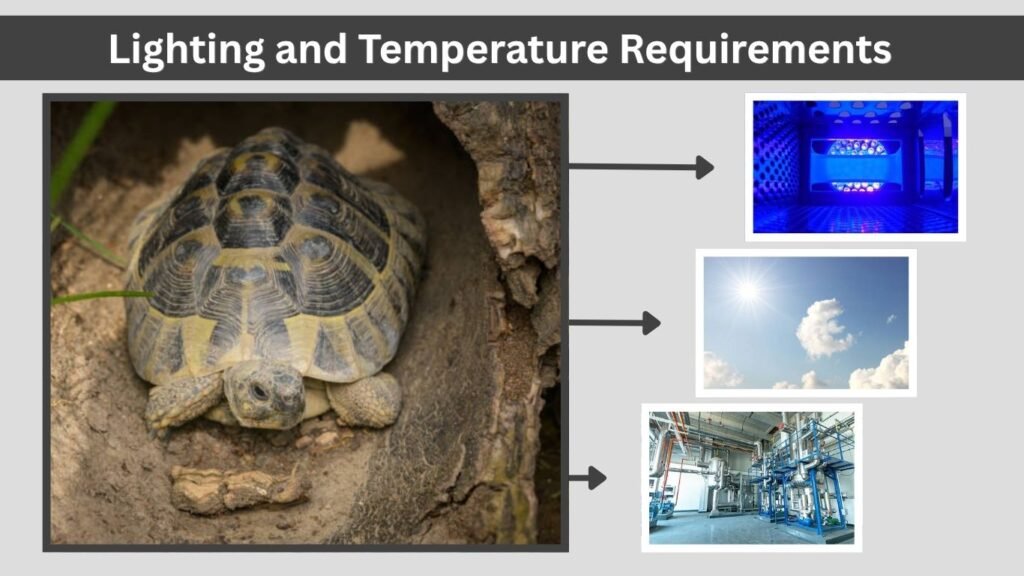
Greek tortoises rely heavily on proper lighting and temperature to stay healthy. Without these, they cannot properly digest food or maintain strong bones and shells.
- UVB lighting helps synthesize vitamin D3
- Basking temperatures should be warm enough to support digestion
- Cooler areas are necessary for thermoregulation
Maintaining the correct balance is crucial. Too much heat or insufficient UVB exposure can quickly lead to health complications.
Greek Tortoise Setup Costs
Owning a Greek tortoise involves both initial and ongoing expenses. While they are not as costly as some exotic pets, setting up a proper habitat requires a reasonable investment upfront.
The initial setup typically includes an enclosure, UVB lighting, a heat lamp, substrate, and feeding supplies. Depending on quality and size, this can cost anywhere from moderate to high for beginners starting from scratch. Outdoor enclosures may cost less if you already have a suitable garden space.
Ongoing costs are relatively low. Fresh greens and vegetables are inexpensive, but you should budget for calcium supplements and occasional replacements for bulbs and substrate. Veterinary care is another factor to consider, especially since exotic pet vets can be more expensive and less widely available.
Where to Buy a Greek Tortoise
Choosing where to buy your tortoise is extremely important for both ethical and health reasons. It is always recommended to purchase from reputable breeders who specialize in captive-bred tortoises.
Captive-bred tortoises are healthier, better adapted to life in captivity, and less likely to carry parasites. Avoid wild-caught tortoises, as they often suffer from stress, disease, and poor adjustment to domestic environments.
Before buying, observe the tortoise carefully. A healthy tortoise should have clear eyes, a firm shell, and active behavior. It’s also wise to ask about its age, diet, and previous care to ensure a smooth transition into your home.
Greek Tortoise Health and Common Issues
- Shell problems such as soft shell or shell rot can occur due to poor diet or inadequate UVB lighting
- Respiratory infections are often caused by incorrect temperature or humidity levels
- Nutritional deficiencies may develop if the diet lacks proper variety and calcium
Regular observation is essential. Healthy tortoises are active, alert, and have a smooth, firm shell. Any signs of lethargy, swelling, or unusual behavior should be addressed by a qualified reptile veterinarian as soon as possible.
Handling and Interaction Tips
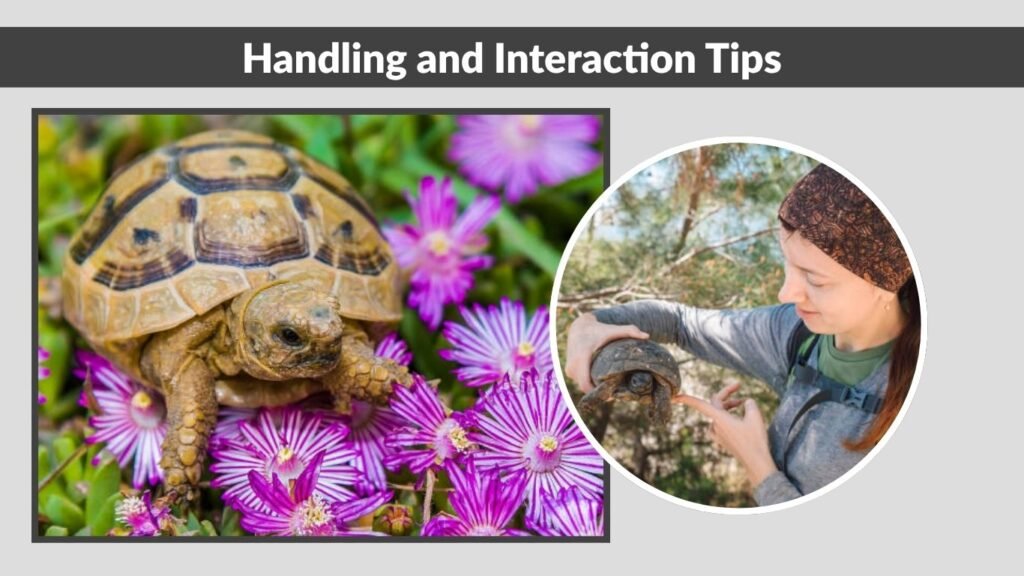
Greek tortoises are not highly interactive pets, but they can become familiar with their environment and caretaker over time. Handling should be kept to a minimum to avoid unnecessary stress.
When handling is necessary, always support the tortoise from underneath and avoid sudden movements. They may withdraw into their shell if frightened, which is a natural defensive behavior. Over time, gentle and consistent interaction can help them feel more secure.
It’s best to let the tortoise approach you rather than forcing interaction. This builds trust and allows them to behave naturally without fear.
Pros and Cons of Greek Tortoises as Pets
Pros
- Long lifespan makes them a lifelong companion
- Quiet and low-maintenance compared to many pets
- Unique appearance and interesting behaviors
Cons
- Requires a long-term commitment that can span decades
- Needs specific lighting, diet, and habitat conditions
- Limited interaction compared to traditional pets
Greek Tortoise vs Other Pet Tortoises
When compared to other popular pet tortoises like the Russian or Hermann’s tortoise, the Greek tortoise sits comfortably in the middle in terms of care difficulty.
Greek tortoises are slightly more sensitive to humidity than Russian tortoises but are still considered manageable for beginners with proper research. Hermann’s tortoises are quite similar in care, though they may differ slightly in temperament and climate preference.
Choosing between them often comes down to availability, personal preference, and the specific environment you can provide. All require similar commitment, but Greek tortoises are often favored for their beautiful shell patterns and adaptability.
Are Greek Tortoises Friendly?
Greek tortoises are not “friendly” in the traditional sense, but they are not aggressive either. They do not form emotional bonds like mammals, but they can become comfortable with human presence over time.
Many owners notice their tortoises approaching them, especially during feeding time. This behavior is more about routine and recognition than affection. Still, it can feel rewarding and engaging for owners.
Understanding their nature is key. They are best appreciated as calm, observant animals rather than interactive companions.
FAQs
How big do Greek tortoises get?
Greek tortoises usually grow between 5 and 10 inches in length, depending on their subspecies and care. Females are often slightly larger than males. Their growth is gradual, and proper diet and environment play a significant role in reaching their full size.
Do Greek tortoises need a companion?
Greek tortoises are naturally solitary animals and do not require companionship. In fact, keeping multiple tortoises together can sometimes lead to stress or aggression, especially in smaller enclosures. They are perfectly content living alone.
Can Greek tortoises live indoors only?
Yes, Greek tortoises can live indoors if their enclosure provides proper UVB lighting, heat, and enough space. However, access to natural sunlight outdoors is highly beneficial for their overall health and shell development when weather permits.
How often should I feed a Greek tortoise?
Greek tortoises should be fed daily with a diet mainly consisting of leafy greens and weeds. Portion sizes should match their size, and calcium supplements should be included regularly to support strong shell and bone health.
Are Greek tortoises easy to take care of?
They are relatively low maintenance in terms of daily effort, but they require specific care conditions like proper lighting, temperature control, and diet. Beginners can care for them successfully with proper research and preparation.