
Red-eared sliders are among the most popular pet turtles in the world due to their friendly nature, attractive markings, and relatively easy care requirements. One of the most common questions prospective owners ask is about the red-eared slider lifespan. These aquatic turtles can live for decades when given proper care, making them a long-term commitment. Understanding their average lifespan and the factors that influence longevity can help owners provide a healthier and happier life for their turtles.
What Is the Average Lifespan of a Red-Eared Slider?
Red-eared sliders are known for their impressive longevity compared to many other common pets. Their lifespan depends on factors such as habitat quality, diet, genetics, and overall care. Turtles living in controlled environments often survive much longer than those facing challenges in the wild.
Average Lifespan in Captivity
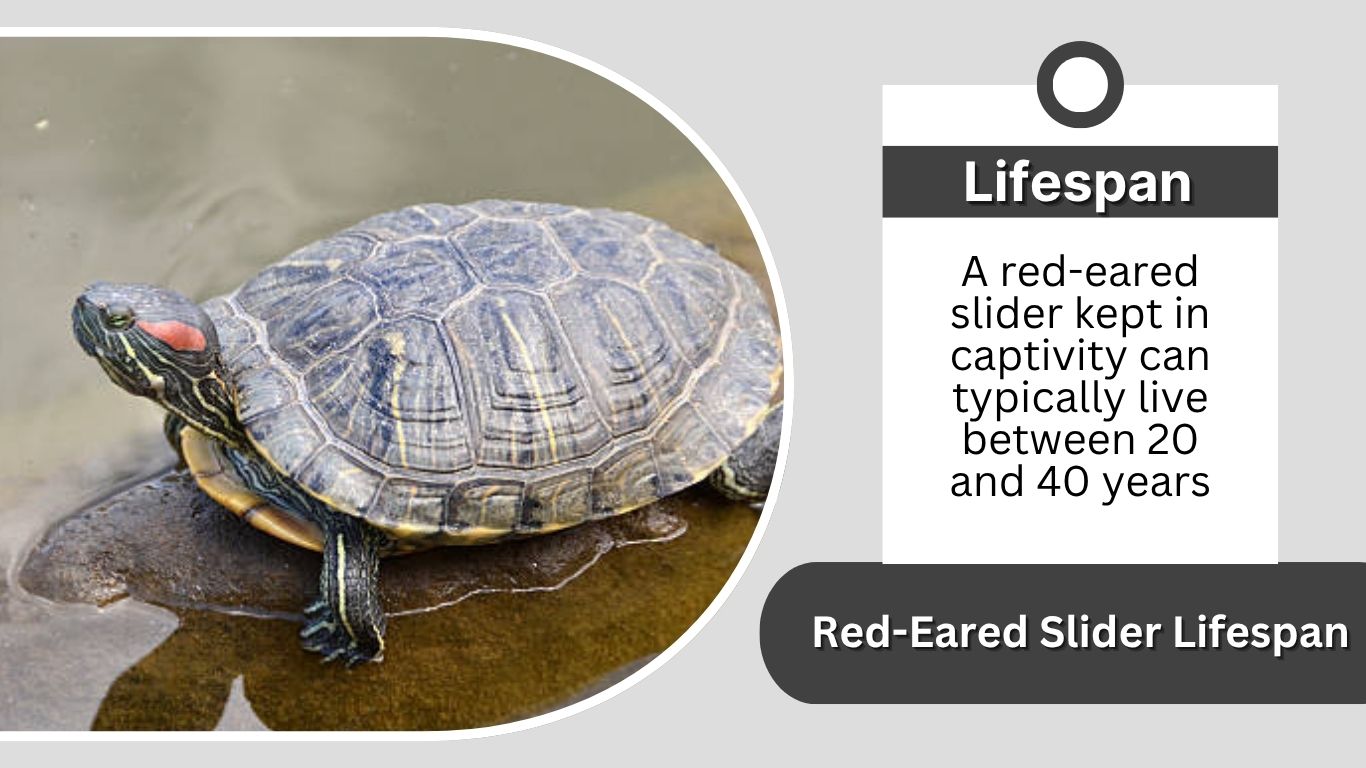
A red-eared slider kept in captivity can typically live between 20 and 40 years. With excellent care, some individuals may even exceed this range. Consistent access to clean water, proper nutrition, and a suitable basking area greatly contributes to a longer lifespan.
Average Lifespan in the Wild
Wild red-eared sliders generally have shorter lives due to environmental risks. Predators, disease, pollution, and food shortages can reduce their life expectancy. Although many wild turtles survive into adulthood, they often face challenges that captive turtles do not encounter.
How Long Do Red-Eared Sliders Live as Pets?
As pets, red-eared sliders benefit from a stable environment that protects them from many natural dangers. Owners who understand their care needs can significantly improve both the quality and length of their turtle’s life. Proper housing and routine maintenance play a major role in longevity.
Benefits of Captive Living
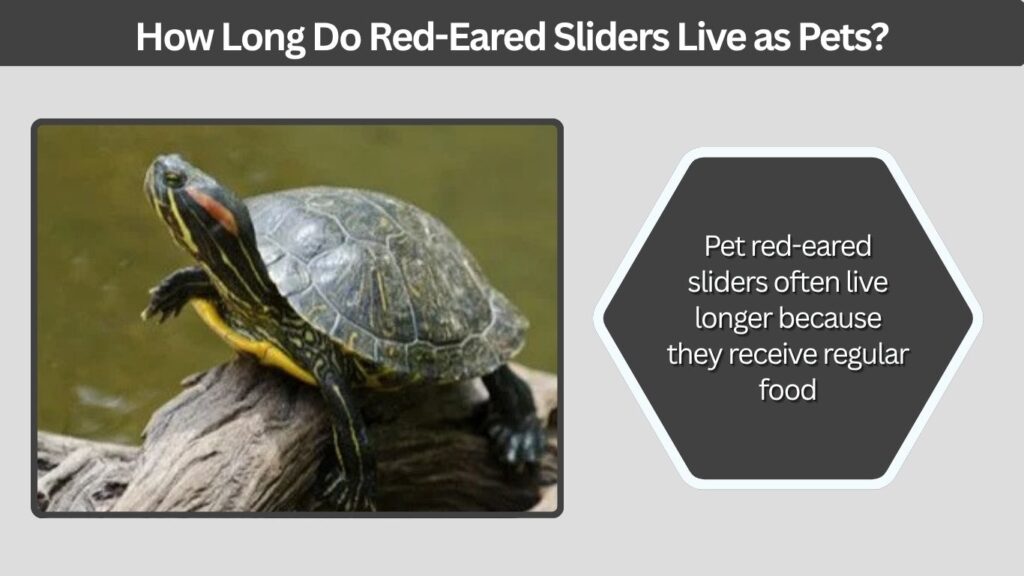
Pet red-eared sliders often live longer because they receive regular food, protection, and medical attention. Unlike wild turtles, they are not constantly exposed to predators or harsh environmental conditions.
Key advantages of captivity include:
- Consistent access to nutritious food
- Protection from predators
- Cleaner and safer living conditions
- Access to veterinary care
- Stable temperatures throughout the year
Lifespan in a Home Aquarium
A well-maintained aquarium can support a red-eared slider for several decades. Adequate filtration, proper lighting, and enough swimming space help reduce stress and prevent common health problems. Turtles housed in cramped or poorly maintained tanks often experience shorter lifespans.
Red-Eared Slider Lifespan in Captivity
Captivity offers the best opportunity for a red-eared slider to reach its maximum lifespan. However, longevity is not guaranteed. The quality of care provided throughout the turtle’s life remains the most important factor in determining how long it will live.
Factors That Affect Lifespan
Several elements influence the lifespan of a captive red-eared slider:
- Tank size and swimming space
- Water cleanliness and filtration
- Balanced diet and nutrition
- UVB lighting exposure
- Proper basking temperatures
- Routine health monitoring
When these requirements are consistently met, turtles are more likely to remain healthy for many years.
Common Care Mistakes
Many health issues stem from improper husbandry. Poor water quality and inadequate lighting are among the most common causes of illness. Preventing these problems early can significantly increase a turtle’s lifespan and overall well-being.
Red-Eared Slider Lifespan in the Wild
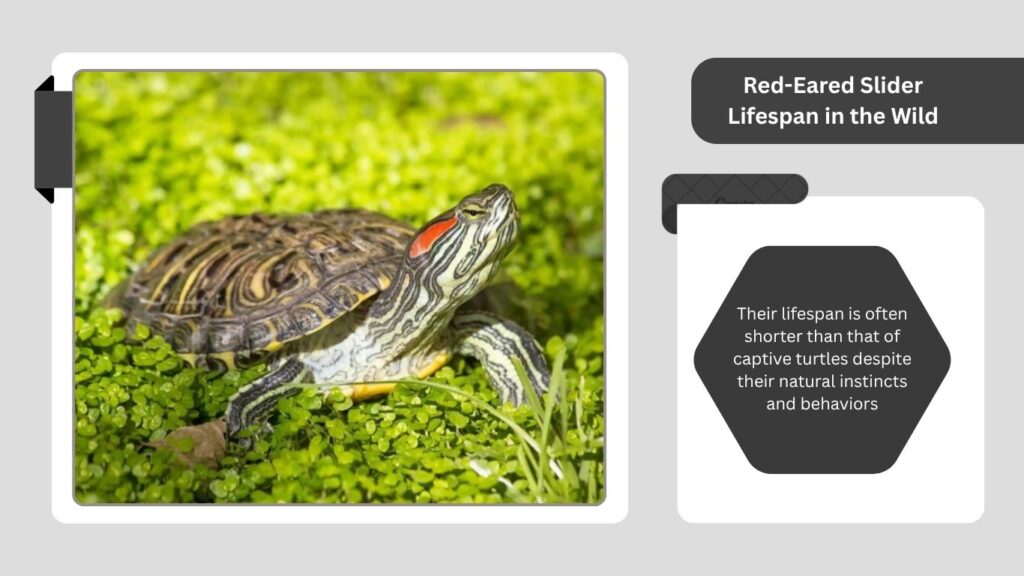
Life in the wild presents numerous challenges for red-eared sliders. While these turtles are adaptable and resilient, survival depends on environmental conditions and the ability to avoid threats. Their lifespan is often shorter than that of captive turtles despite their natural instincts and behaviors.
Natural Habitat Conditions
Red-eared sliders inhabit ponds, lakes, rivers, and slow-moving bodies of water. These habitats provide access to food, basking sites, and shelter. Healthy ecosystems support turtle populations and improve their chances of reaching adulthood.
Threats That Reduce Lifespan
Wild turtles encounter many dangers throughout their lives. Common threats include habitat destruction, pollution, disease, and predators. Human activities also contribute to declining survival rates in some areas. As a result, many turtles never reach their full lifespan potential.
Lifespan of Baby Red-Eared Sliders
Baby red-eared sliders face greater risks than adults during the early stages of life. Hatchlings are vulnerable to predators and environmental changes, making survival more difficult. Those that successfully reach adulthood have a much better chance of living for several decades.
Growth Stages and Development
A red-eared slider progresses through several life stages before reaching maturity. Growth rates vary depending on diet, habitat quality, and overall health. Proper care during the juvenile stage lays the foundation for a longer and healthier life.
Helping Hatchlings Thrive
Young turtles require special attention to ensure healthy development. Clean water, proper temperatures, and balanced nutrition support strong growth and reduce the risk of disease. Establishing good care habits early can positively impact their lifespan for years to come.
Do Albino Red-Eared Sliders Have a Different Lifespan?
Albino red-eared sliders are a unique color variation of the standard red-eared slider. Their striking yellow and white appearance makes them highly desirable among turtle enthusiasts. Although their appearance differs, their overall lifespan is generally similar to that of regular red-eared sliders when they receive proper care and attention.
Understanding Albino Red-Eared Sliders
Albinism is a genetic condition that affects pigmentation. These turtles lack the dark coloration seen in normal red-eared sliders, resulting in a lighter shell and skin tone. Despite these visual differences, their basic care requirements remain largely the same.
Health Considerations
Albino turtles may be more sensitive to bright light due to their reduced pigmentation. Owners should ensure proper lighting levels while still providing the UVB exposure necessary for healthy shell and bone development. With appropriate care, albino red-eared sliders can enjoy long and healthy lives.
Signs of Aging in a Red-Eared Slider
As red-eared sliders grow older, they undergo gradual physical and behavioral changes. Recognizing these signs can help owners adjust care routines and address age-related health concerns. Senior turtles often require closer monitoring to maintain their quality of life.
Physical Changes
Older turtles may experience noticeable changes in appearance. Their shells can show signs of wear, and growth rates typically slow down. Some turtles may also become less active as they age.
Behavioral Changes
Aging turtles often spend more time resting and basking. Appetite levels may fluctuate, and movement may become slower than in younger adults. These changes are generally normal but should still be monitored for signs of illness.
How to Increase the Lifespan of a Red-Eared Slider
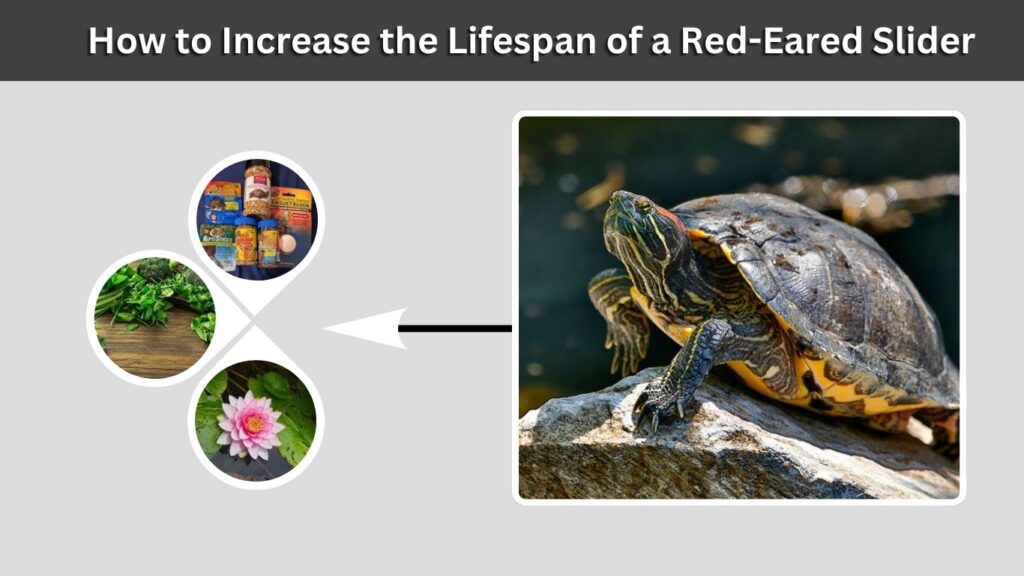
Providing proper care is the most effective way to maximize a red-eared slider’s lifespan. Consistent attention to nutrition, habitat maintenance, and health monitoring can help prevent many common illnesses and promote long-term well-being.
Provide a Balanced Diet
A healthy diet supports growth, immune function, and overall health. Red-eared sliders require a mix of animal protein, vegetables, and high-quality commercial turtle food.
Important dietary components include:
- Commercial turtle pellets
- Leafy green vegetables
- Aquatic plants
- Occasional insects and worms
- Calcium-rich foods and supplements
A varied diet helps ensure turtles receive essential nutrients throughout their lives.
Maintain a Healthy Environment
Clean water and proper habitat conditions are critical for longevity. Poor environmental conditions can quickly lead to stress and disease. Owners should regularly test water quality, clean filtration systems, and maintain appropriate temperatures.
Schedule Regular Health Checks
Routine observation helps identify health issues before they become serious. Changes in eating habits, swimming behavior, or shell appearance may indicate underlying problems that require attention.
Common Health Problems That Affect Lifespan
Several health conditions can reduce a red-eared slider’s lifespan if left untreated. Most of these issues are directly related to improper care or environmental conditions. Early intervention can often prevent complications and improve long-term outcomes.
Shell Rot
Shell rot is a bacterial or fungal infection that damages the shell. It often develops when turtles are kept in dirty water or excessively damp conditions. Prompt treatment is essential to prevent the infection from spreading.
Respiratory Infections
Respiratory infections are common among turtles exposed to cold temperatures or poor water quality. Symptoms may include wheezing, lethargy, and difficulty swimming. Maintaining proper habitat temperatures can reduce the risk of these infections.
Nutritional Deficiencies
Insufficient UVB exposure or poor nutrition can lead to serious health complications. Calcium deficiencies, in particular, may cause weakened bones and shell deformities that affect overall health and lifespan.
Red-Eared Slider Lifespan vs Other Pet Turtles
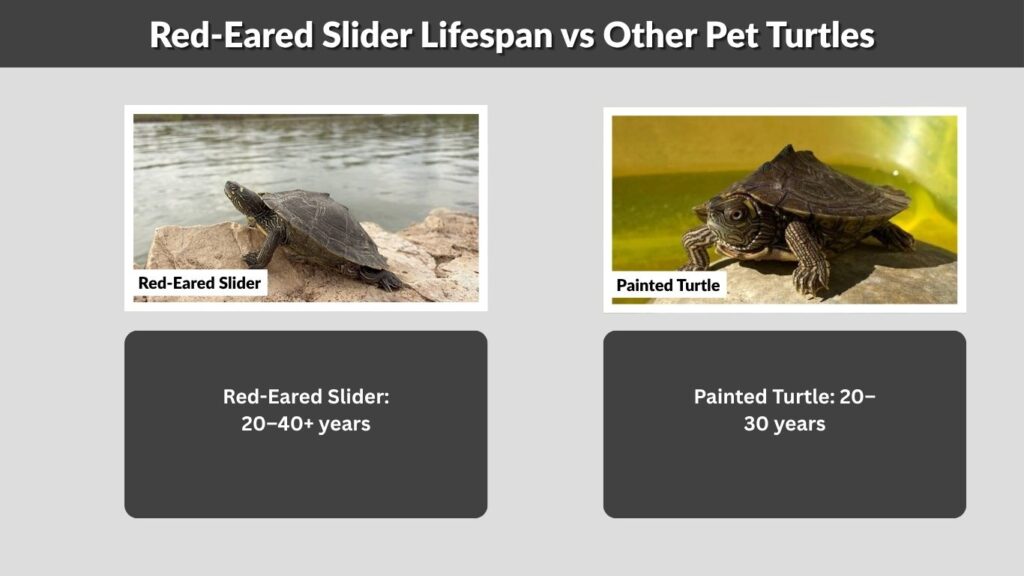
Many turtle species are kept as pets, but lifespan varies considerably between them. Comparing life expectancy can help potential owners understand the long-term commitment associated with different species.
Comparison With Popular Pet Turtles
Red-eared sliders are known for their longevity, but some turtle species can live even longer under ideal conditions. Factors such as genetics, habitat requirements, and overall hardiness influence lifespan differences.
Average lifespans of common pet turtles:
- Red-Eared Slider: 20–40+ years
- Painted Turtle: 20–30 years
- Musk Turtle: 20–50 years
- Box Turtle: 30–50+ years
- Map Turtle: 15–30 years
While lifespan varies, proper care remains the most important factor for any pet turtle.
FAQs
Can Red-Eared Sliders Live Without a Filter?
Red-eared sliders can survive without a filter for short periods, but it is not recommended. These turtles produce a significant amount of waste, which can quickly pollute the water. A quality filtration system helps maintain clean water, reduces the risk of disease, and supports a longer lifespan.
What Is the Oldest Recorded Red-Eared Slider?
While exact records vary, some captive red-eared sliders have reportedly lived for more than 40 years. Exceptional care, a healthy diet, and proper habitat conditions are the primary reasons some turtles reach such advanced ages.
Does Tank Size Affect a Red-Eared Slider’s Lifespan?
Yes, tank size can significantly impact a turtle’s health and longevity. A larger tank provides more swimming space, reduces stress, and helps maintain better water quality. Crowded conditions can contribute to illness and shorten a turtle’s lifespan.
Can Poor Water Quality Shorten a Red-Eared Slider’s Life?
Poor water quality is one of the leading causes of health problems in red-eared sliders. Dirty water can lead to shell rot, skin infections, and respiratory diseases. Regular water changes and proper filtration are essential for long-term health.
How Often Should I Feed My Red-Eared Slider?
Feeding frequency depends on the turtle’s age. Hatchlings and juveniles generally require daily feeding, while adult turtles can be fed every other day. Providing a balanced diet in appropriate portions helps prevent obesity and supports a healthy lifespan.