
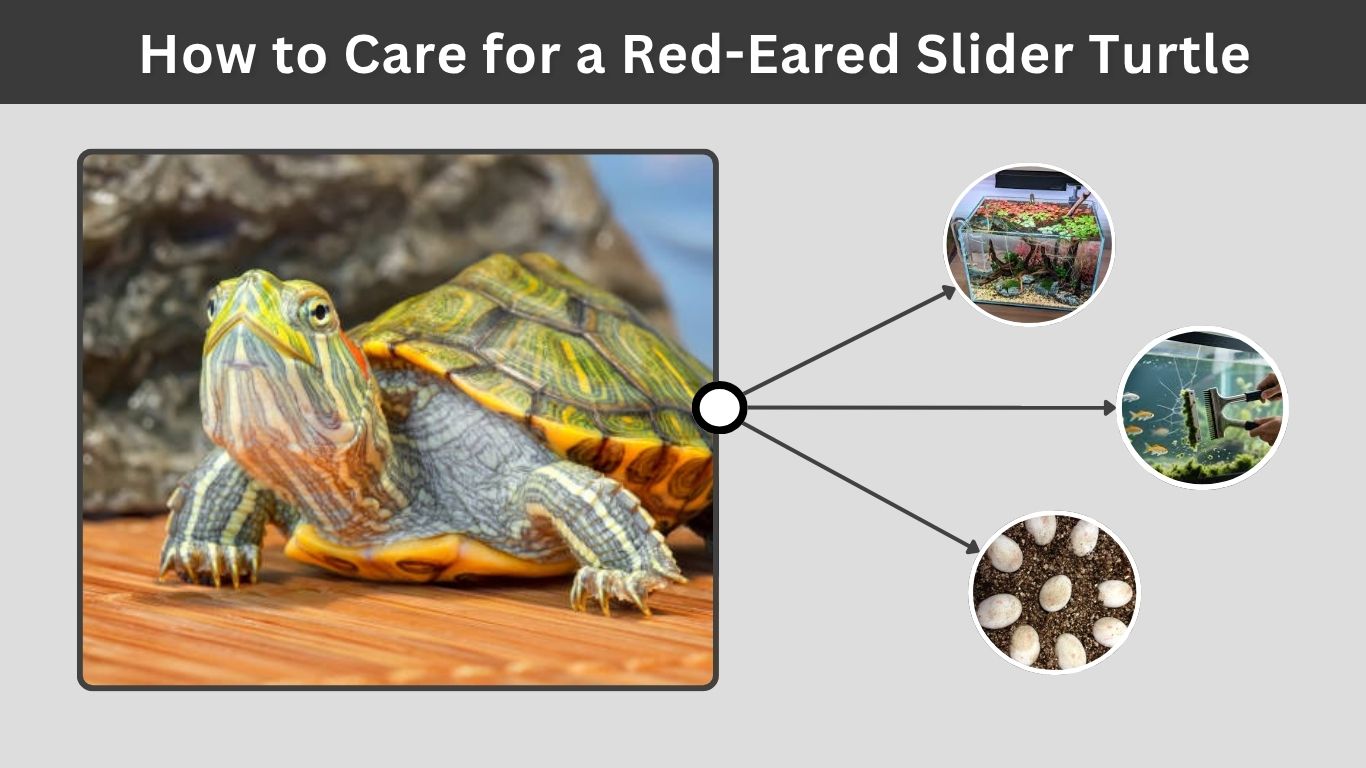
Red-eared sliders are one of the most popular pet turtles in the world. Their attractive appearance, active behavior, and long lifespan make them appealing companions for reptile enthusiasts. However, these aquatic turtles require proper housing, nutrition, and daily care to remain healthy. Understanding how to care for a red-eared slider turtle is essential for providing a safe and comfortable environment. From setting up the right habitat to maintaining water quality and feeding a balanced diet, proper care can help your turtle thrive for decades.
Understanding Red-Eared Slider Turtles
Before bringing a red-eared slider home, it is important to understand its natural behavior and needs. These turtles are semi-aquatic reptiles that spend most of their time swimming but also require a dry basking area. Learning about their characteristics and growth patterns helps owners provide better long-term care.
Characteristics of Red-Eared Sliders
Red-eared sliders are named after the distinctive red markings located behind their eyes. They are active swimmers and enjoy exploring their environment. With proper care, they can become accustomed to their owners and display unique personalities.
Lifespan and Growth Expectations
Red-eared sliders can live for several decades in captivity. Young turtles grow rapidly during their first few years, eventually reaching adult sizes that require spacious habitats. Owners should be prepared for the long-term commitment associated with caring for these turtles.
Are Red-Eared Sliders Good Pets?
These turtles can make rewarding pets for individuals willing to invest time and effort into their care. They are fascinating to observe, but they require more maintenance than many people expect. Understanding their needs before adoption helps ensure a positive experience for both the owner and the turtle.
Setting Up the Perfect Habitat
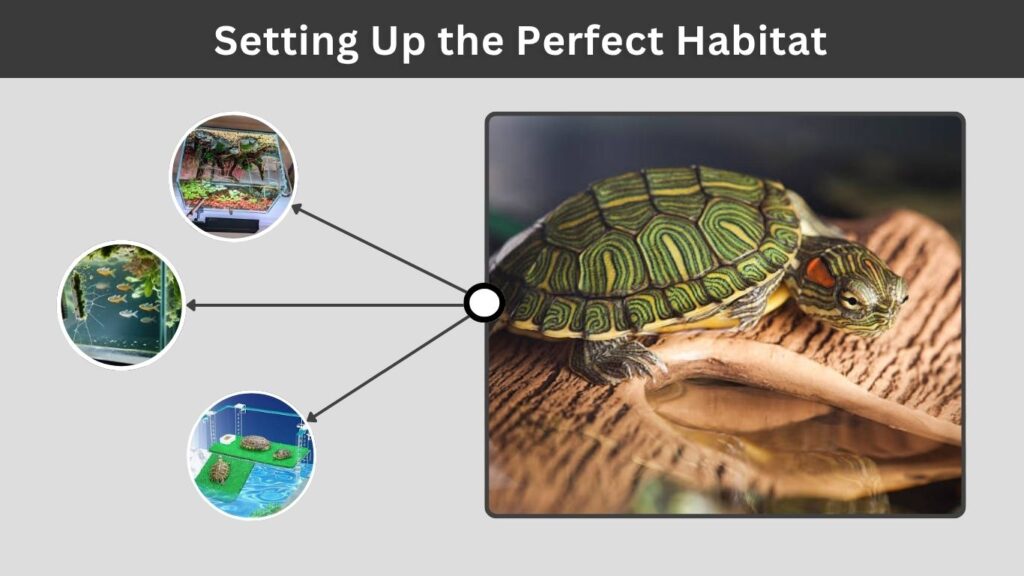
A suitable habitat is the foundation of proper red-eared slider care. The enclosure should provide enough space for swimming, basking, and natural behaviors. Creating a comfortable environment helps reduce stress and supports overall health throughout the turtle’s life.
Choosing the Right Tank
The tank should be large enough to accommodate both the turtle’s current size and future growth. Many owners start with a smaller aquarium and quickly discover that their turtle needs more room. Investing in a larger enclosure from the beginning is often the better choice.
Water Depth and Swimming Space
Red-eared sliders are strong swimmers that benefit from deep water. Adequate swimming space encourages exercise and helps maintain physical fitness. The habitat should allow the turtle to move freely without restrictions.
Creating a Basking Area
Every red-eared slider needs access to a dry basking platform. This area allows the turtle to warm itself, dry its shell, and absorb beneficial UVB light. A proper basking setup is essential for shell and bone health.
Essential Equipment for Red-Eared Slider Care
The right equipment helps create a stable and healthy environment. Each piece of equipment serves a specific purpose, from maintaining water quality to regulating temperature. Investing in quality equipment can prevent many common health problems.
Important Equipment Checklist
A complete red-eared slider setup should include:
- Large aquarium or turtle tank
- Powerful filtration system
- UVB lighting fixture
- Heat lamp for basking
- Basking dock or platform
- Thermometer for monitoring temperatures
These items work together to create an environment that closely resembles the turtle’s natural habitat.
UVB Lighting Requirements
UVB lighting plays a critical role in calcium metabolism. Without adequate UVB exposure, turtles may develop serious shell and bone disorders. Replacing UVB bulbs according to manufacturer recommendations helps maintain their effectiveness.
Why Filtration Is Important
Turtles produce significant amounts of waste, making water filtration essential. A strong filtration system removes debris, reduces harmful toxins, and keeps the water cleaner between maintenance sessions.
Water Requirements for Red-Eared Sliders
Water quality directly affects the health of a red-eared slider. Poor water conditions can lead to infections, stress, and other health complications. Maintaining clean, properly conditioned water should be a top priority for every turtle owner.
Ideal Water Temperature
Water temperature should remain within an appropriate range to support healthy activity and digestion. Temperatures that are too cold can weaken the immune system and increase the risk of illness.
Maintaining Water Quality
Regular maintenance helps keep the aquatic environment healthy. Important water care practices include:
- Performing routine partial water changes
- Cleaning filters regularly
- Removing uneaten food promptly
- Testing water quality periodically
- Monitoring water clarity and odor
Consistent maintenance reduces the likelihood of health problems and promotes a healthier habitat.
Common Water Problems
Cloudy water, foul odors, and excessive algae growth often indicate underlying issues within the habitat. Identifying and addressing these problems early can prevent more serious complications later.
What Do Red-Eared Sliders Eat?
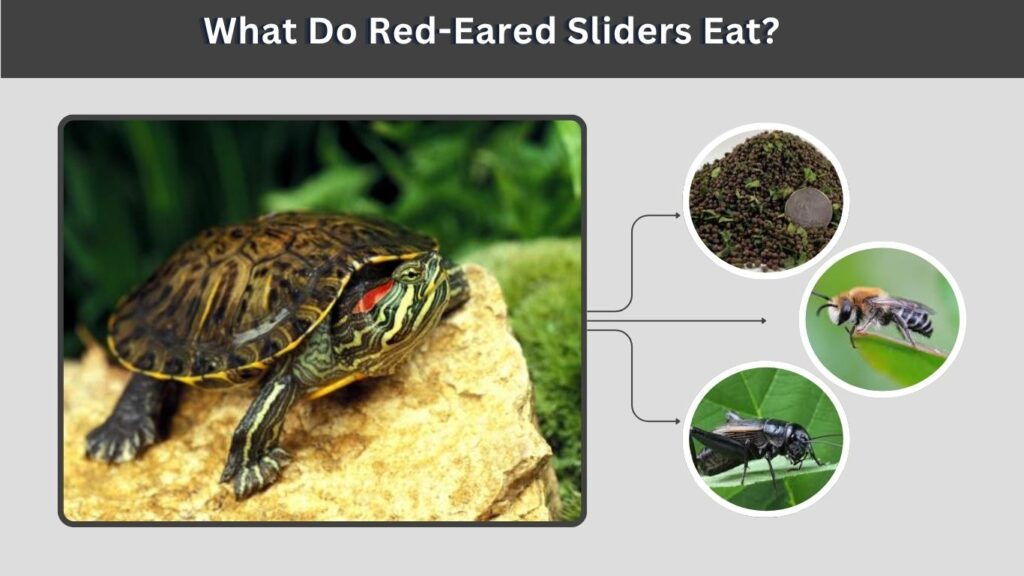
A balanced diet is one of the most important aspects of turtle care. Red-eared sliders are omnivores, meaning they consume both plant and animal matter. Their nutritional needs change as they grow, making age-appropriate feeding especially important.
Diet for Hatchlings
Young turtles require more protein than adults because they are growing rapidly. Protein-rich foods support healthy development and provide the energy needed during the early stages of life.
Diet for Juveniles and Adults
As red-eared sliders mature, their diet gradually shifts toward a higher percentage of plant-based foods. A varied diet helps ensure they receive essential nutrients while reducing the risk of nutritional deficiencies.
Foods to Avoid
Certain foods should never be offered to red-eared sliders because they may cause digestive issues or nutritional imbalances. Providing safe, species-appropriate foods is essential for maintaining long-term health.
How to Care for a Baby Red-Eared Slider Turtle
Baby red-eared sliders require extra attention because they are more vulnerable to environmental changes and health problems than adults. Providing proper nutrition, clean water, and suitable temperatures during the early stages of life helps support healthy growth and development. Good care practices established early can contribute to a longer and healthier lifespan.
Special Needs of Hatchlings
Hatchlings have different requirements than mature turtles. They need warmer water, high-quality nutrition, and a safe habitat free from hazards. Their smaller size makes them more susceptible to stress and illness, so maintaining stable conditions is especially important.
Feeding Baby Red-Eared Sliders
Young turtles require a diet rich in protein to support rapid growth. Commercial turtle pellets designed for hatchlings can serve as a nutritional foundation. Additional protein sources may be offered in moderation to provide dietary variety.
Housing and Temperature Requirements
Baby turtles benefit from clean water, reliable filtration, and a properly heated basking area. Stable temperatures encourage healthy digestion and activity levels while helping to reduce stress-related health issues.
Daily and Weekly Care Routine
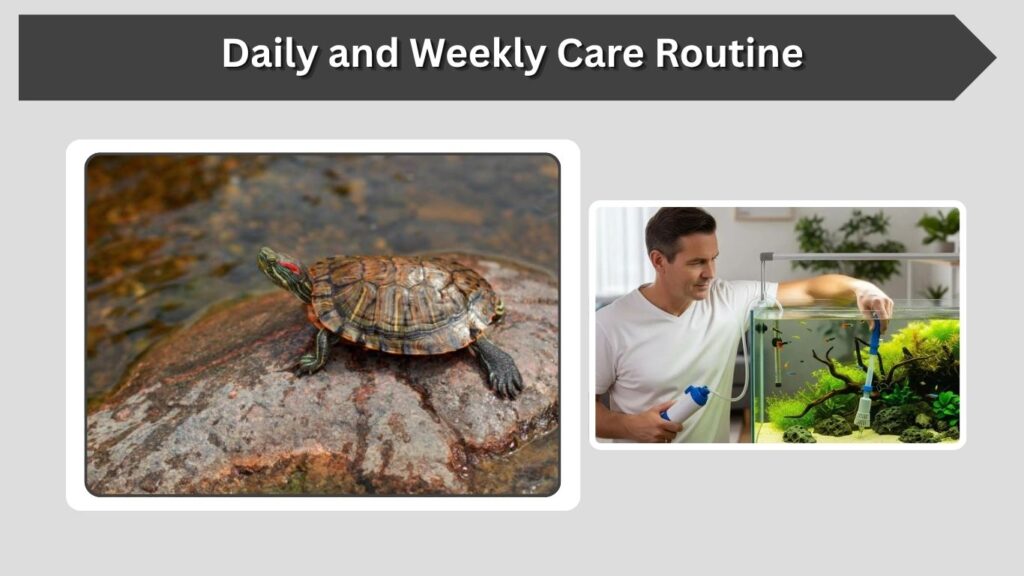
Consistent care routines help maintain a healthy environment and allow owners to identify potential problems early. Establishing daily and weekly tasks makes turtle care more manageable while supporting the long-term well-being of the animal.
Daily Care Tasks
A few simple tasks should be completed every day:
- Feed appropriate amounts of food
- Remove leftover food from the tank
- Check water and basking temperatures
- Observe the turtle for unusual behavior
- Ensure equipment is functioning properly
These quick checks help prevent many common care problems.
Weekly Maintenance
Weekly maintenance focuses on habitat cleanliness and equipment performance. Partial water changes, filter inspections, and general tank cleaning help preserve water quality and reduce the buildup of waste.
Monthly Habitat Maintenance
More thorough maintenance should be performed periodically. This may include deep cleaning decorations, inspecting lighting equipment, and evaluating the overall condition of the habitat.
Common Health Problems and Care Tips
Even well-cared-for turtles can experience health issues. Understanding common illnesses allows owners to recognize symptoms early and seek appropriate treatment. Prompt action often improves recovery outcomes and prevents more serious complications.
Respiratory Infections
Respiratory infections are among the most common turtle illnesses. Symptoms may include wheezing, difficulty breathing, excessive mucus, and lethargy. Maintaining proper temperatures can help reduce the risk of respiratory problems.
Shell Rot
Shell rot is typically caused by bacterial or fungal infections. It often develops when turtles are kept in poor water conditions or cannot properly dry their shells. Early treatment is essential to prevent the infection from worsening.
Nutritional Deficiencies
Improper diets and inadequate UVB exposure can lead to nutritional deficiencies. These issues may affect shell growth, bone development, and overall health. Providing balanced nutrition and proper lighting helps prevent these conditions.
When to Visit a Veterinarian
Professional veterinary care is recommended whenever a turtle displays signs of illness that do not improve quickly. Early diagnosis often leads to more effective treatment and better long-term outcomes.
How to Care for a Sick Red-Eared Slider
A sick turtle requires additional attention and supportive care. Identifying symptoms early and addressing underlying issues can improve the chances of recovery. However, home care should never replace professional veterinary treatment when serious illness is suspected.
Recognizing Signs of Illness
Common warning signs include loss of appetite, swollen eyes, unusual swimming behavior, lethargy, and changes in shell appearance. Monitoring daily behavior helps owners recognize problems quickly.
Temporary Supportive Care
While waiting for veterinary assistance, owners can take steps to improve environmental conditions. Maintaining proper temperatures, providing clean water, and reducing stress may help support recovery.
Importance of Professional Treatment
Many turtle illnesses require specialized treatment. Seeking veterinary care from a reptile-experienced professional provides the best opportunity for accurate diagnosis and effective treatment.
How to Care for Red-Eared Slider Eggs
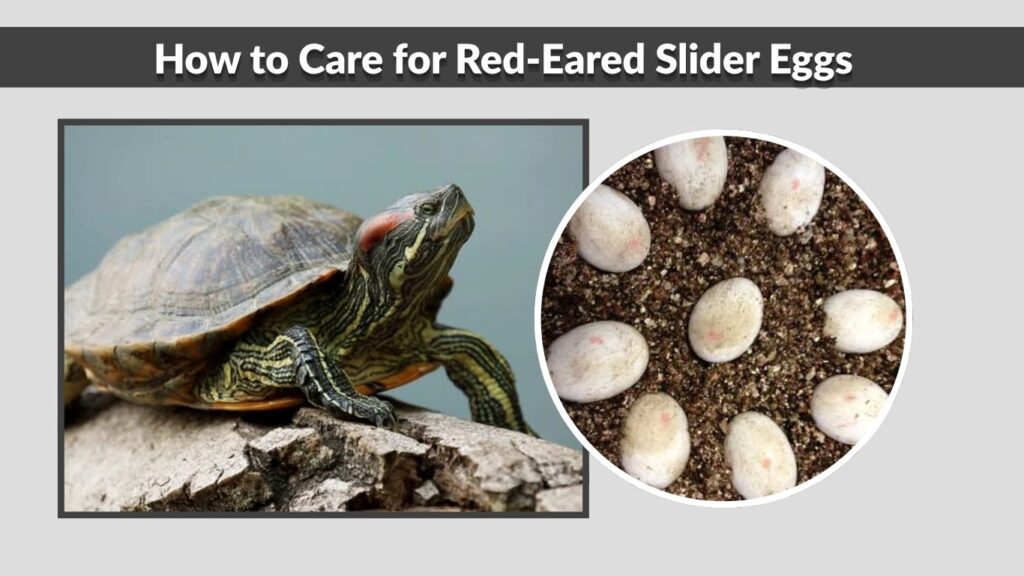
Caring for turtle eggs requires patience and careful environmental control. Proper incubation conditions are necessary for successful development and healthy hatchlings. Temperature and humidity play particularly important roles during incubation.
Identifying Fertilized Eggs
Not all eggs are fertile. Fertilized eggs often show signs of development during incubation, while infertile eggs may fail to progress. Careful handling is important to avoid damaging developing embryos.
Proper Incubation Conditions
Successful incubation generally depends on:
- Stable temperatures
- Appropriate humidity levels
- Minimal handling
- Proper incubation containers
- Consistent environmental monitoring
These factors contribute to successful hatching rates.
Caring for Hatchlings After Hatching
Newly hatched turtles should be placed in a safe environment with shallow water, proper heating, and access to food once they begin feeding. Their habitat should prioritize safety and ease of monitoring.
Common Red-Eared Slider Care Mistakes
Many turtle health problems result from avoidable care errors. Understanding these mistakes helps owners create better living conditions and improve their turtle’s quality of life.
Small Tank Sizes
One of the most frequent mistakes is keeping turtles in tanks that are too small. Limited space can increase stress and make maintaining water quality more difficult.
Poor Water Quality
Inadequate filtration and infrequent cleaning often lead to unhealthy conditions. Clean water is essential for preventing infections and supporting overall health.
Inadequate UVB Lighting
Without UVB lighting, turtles may develop serious shell and skeletal problems. Proper lighting should always be considered a necessity rather than an optional accessory.
FAQs
How often should I feed my red-eared slider?
Baby turtles typically require daily feeding, while adults are often fed every other day. Feeding schedules should be adjusted based on age, size, and activity level.
How long do red-eared sliders live?
With proper care, red-eared sliders commonly live between 20 and 40 years in captivity, and some may live even longer.
Do red-eared sliders need UVB lighting?
Yes. UVB lighting is essential for calcium absorption and healthy shell and bone development.
How often should I clean a red-eared slider tank?
Daily spot cleaning, weekly partial water changes, and regular filter maintenance help maintain healthy water conditions.
Can red-eared sliders recognize their owners?
Many red-eared sliders learn to associate their owners with feeding and may respond to their presence, although they do not form bonds in the same way as mammals.