
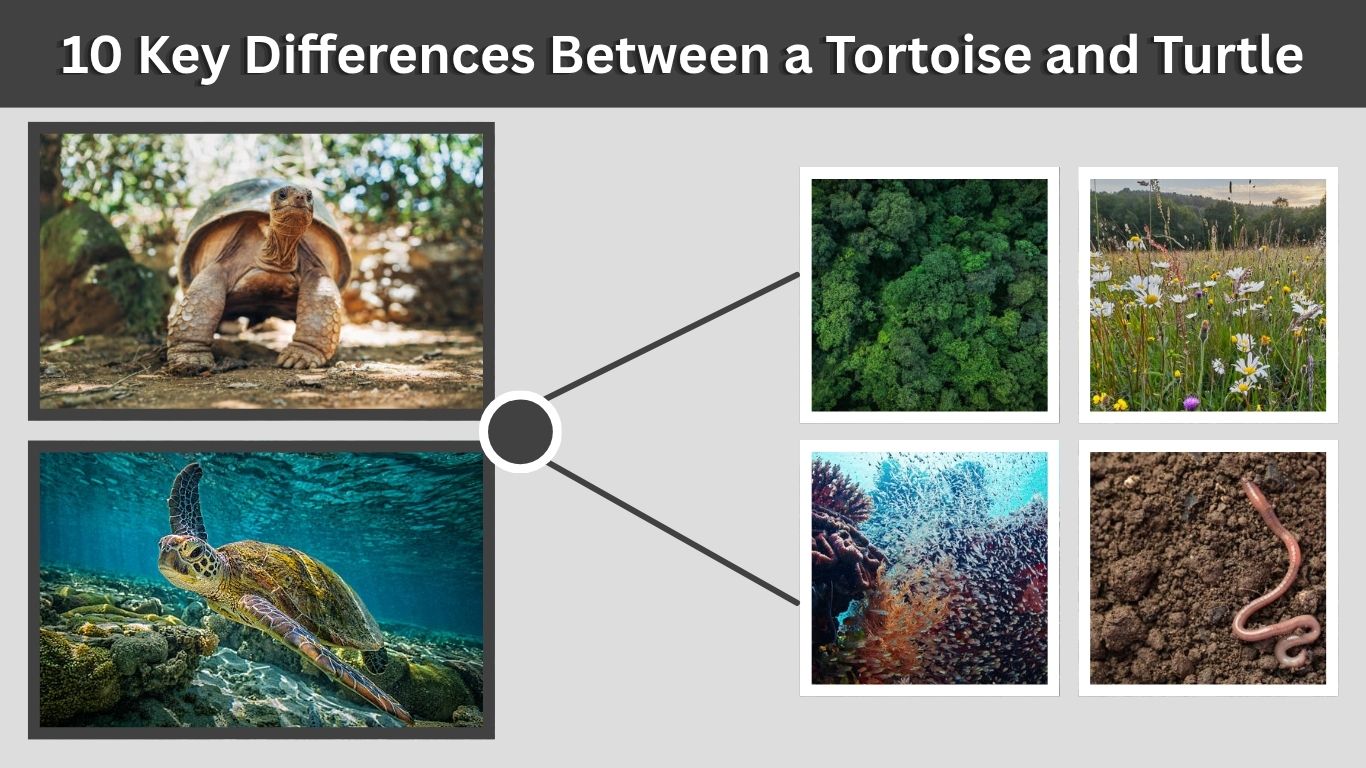
Tortoises and turtles look similar at first glance, but they are not exactly the same. Both belong to the reptile group called chelonians, and both have hard shells, scaly skin, and long lifespans. However, their habitats, body shapes, diets, movement, and behaviors are often very different. Understanding these differences helps you identify them correctly and care for them better.
Tortoise vs Turtle: Basic Meaning
Before looking at the major differences, it is important to understand what the two words usually mean. In many regions, the word “turtle” is used broadly for many shelled reptiles. However, in everyday usage, turtles are often associated with water, while tortoises are mostly land-dwelling reptiles.
What Is a Tortoise?
A tortoise is a shelled reptile that spends almost all of its life on land. It has strong, sturdy legs and a heavy, dome-shaped shell. Tortoises are usually slow-moving and are commonly found in dry grasslands, deserts, forests, and scrublands.
What Is a Turtle?
A turtle is a shelled reptile that often lives in or near water. Some turtles live mainly in freshwater, while others live in the sea. Turtles usually have flatter shells and webbed feet or flippers that help them swim efficiently.
1. Habitat
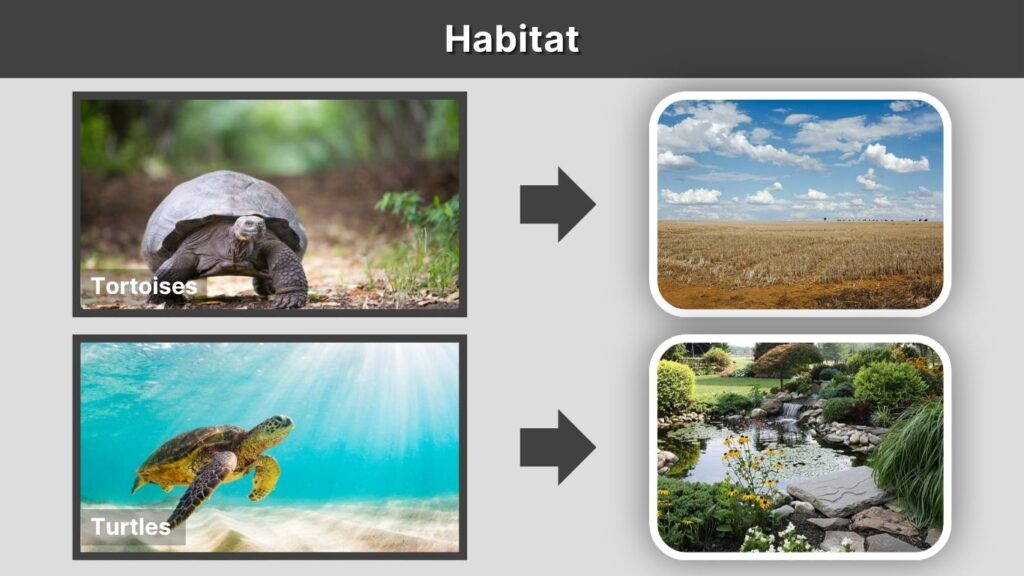
The biggest difference between a tortoise and a turtle is where they live. Their bodies are shaped to match their environment.
Tortoises Live Mostly on Land
Tortoises are land animals. They do not need to live in water and can survive in dry environments. Many tortoises live in deserts, grasslands, forests, and rocky areas. They may drink water when available, but they do not swim regularly.
Common tortoise habitats include:
- Deserts and semi-deserts
- Dry grasslands
- Forest floors
- Shrublands and rocky regions
Turtles Live in or Near Water
Most turtles spend much of their time in water. Freshwater turtles live in ponds, lakes, rivers, and wetlands. Sea turtles live in oceans and come to shore mainly to lay eggs. Some turtles can walk on land, but they are more comfortable in water than tortoises.
2. Shell Shape
The shell is one of the easiest ways to tell a tortoise and turtle apart. Their shells are designed for different lifestyles.
Tortoises Have Dome-Shaped Shells
Tortoises usually have high, rounded shells. This dome shape gives them protection from predators on land. The shell is often thick and heavy, making it harder for predators to bite or crush.
Turtles Have Flatter Shells
Turtles generally have flatter, more streamlined shells. This shape helps them move easily through water. A flatter shell reduces drag while swimming, allowing turtles to move faster and more smoothly.
3. Legs and Feet
Tortoises and turtles also have different types of legs and feet. These differences are closely related to how they move.
| Feature | Tortoise | Turtle |
|---|---|---|
| Main habitat | Land | Water or near water |
| Shell shape | High and dome-shaped | Flatter and streamlined |
| Feet | Thick, sturdy, elephant-like feet | Webbed feet or flippers |
| Movement | Slow walking | Swimming and walking |
| Diet | Mostly herbivorous | Omnivorous or carnivorous, depending on species |
| Lifespan | Often very long | Long, but varies widely |
| Swimming ability | Poor swimmer | Usually strong swimmer |
| Egg laying | On land | On land |
| Body weight | Usually heavier | Usually lighter and more flexible |
| Common examples | Galápagos tortoise, sulcata tortoise | Sea turtle, pond turtle, box turtle |
Tortoises Have Strong, Stumpy Legs
Tortoises have thick, pillar-like legs that look somewhat like small elephant feet. These legs help them carry their heavy bodies and walk across rough land. Their feet are not made for swimming.
Turtles Have Webbed Feet or Flippers
Freshwater turtles often have webbed feet, which help them paddle in water. Sea turtles have long flippers that work like wings underwater. These adaptations make turtles much better swimmers than tortoises.
4. Movement and Speed
Both tortoises and turtles may appear slow on land, but their movement styles are different.
Tortoises Move Slowly on Land
Tortoises are famous for moving slowly. Their heavy shells and thick legs make them steady but not fast. They usually walk short distances to find food, shade, or shelter.
Turtles Move Better in Water
Many turtles may look awkward on land, but they are graceful in water. Their bodies are designed for swimming, and they can move quickly when escaping predators or searching for food underwater.
5. Diet and Feeding Habits
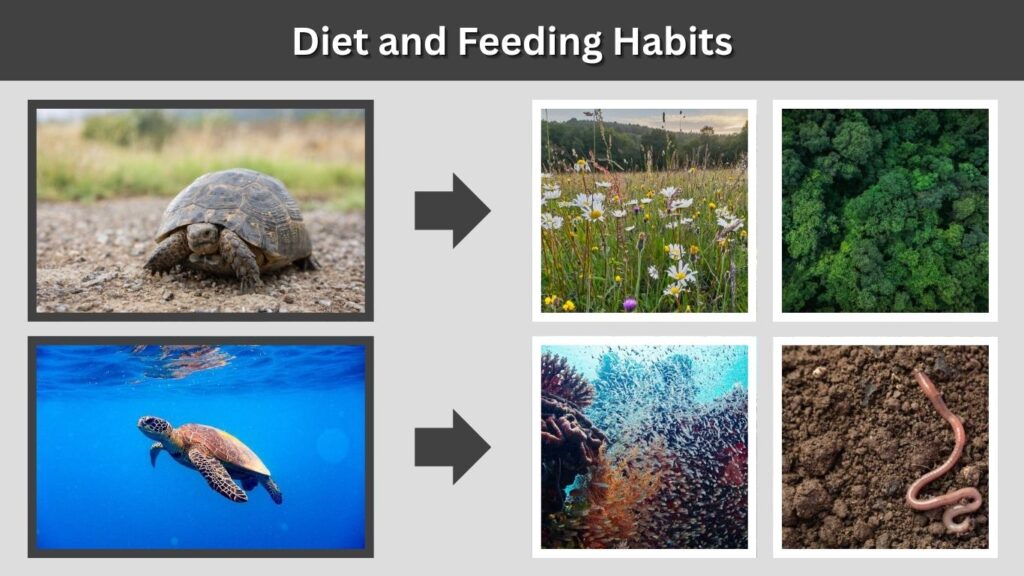
Diet is another important difference between tortoises and turtles. Their food depends on their habitat and species.
Tortoises Are Mostly Herbivores
Most tortoises eat plant-based foods. Their diet often includes grasses, leaves, flowers, fruits, weeds, and cactus pads. Because they live on land, they graze like other plant-eating animals.
Tortoises commonly eat:
- Grass and hay
- Leafy greens
- Flowers
- Fruits in small amounts
- Cactus and desert plants
Turtles May Eat Plants and Animals
Turtles have more varied diets. Many freshwater turtles are omnivores, meaning they eat both plants and animals. They may eat insects, small fish, worms, aquatic plants, and algae. Sea turtles also vary by species; some eat jellyfish, while others feed on seagrass.
6. Swimming Ability
Swimming is one of the clearest differences between these two reptiles. A turtle is usually built for swimming, while a tortoise is not.
Tortoises Are Not Good Swimmers
Most tortoises cannot swim well. Their heavy shells and non-webbed feet make it difficult for them to stay afloat. If a tortoise is placed in deep water, it may drown. This is why tortoises should never be treated like water turtles.
Turtles Are Natural Swimmers
Turtles are much better suited for water. Their webbed feet or flippers help them move through ponds, rivers, lakes, and oceans. Many turtles spend hours swimming, diving, or resting underwater.
7. Lifespan
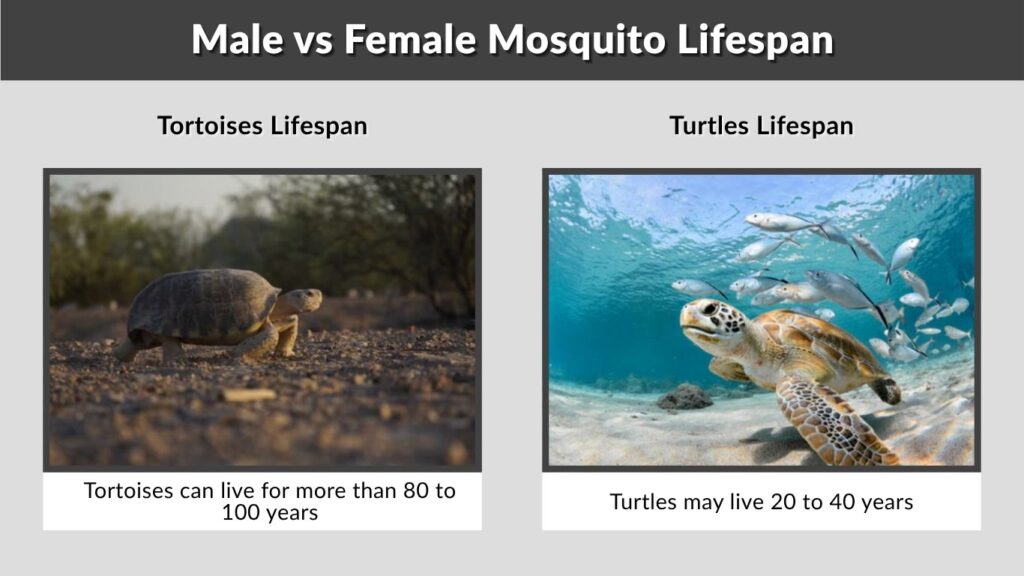
Both tortoises and turtles can live for many years, but tortoises are especially known for their long lives.
Tortoises Often Live Longer
Some tortoises can live for more than 80 to 100 years. Large species, such as the Galápagos tortoise, are famous for extremely long lifespans. Their slow metabolism and protected lifestyle contribute to their longevity.
Turtles Also Live Long Lives
Turtles can also live a long time, though lifespan varies widely by species. Some pet turtles may live 20 to 40 years, while sea turtles can live several decades. Proper habitat, diet, and care strongly affect how long they live.
8. Body Size and Weight
Tortoises and turtles vary greatly in size. However, their body structure often gives clues about their identity.
Tortoises Are Usually Heavier
Tortoises often have heavier bodies and thicker shells. Their bodies are designed for protection and stability on land. Large tortoise species can become extremely heavy and may weigh hundreds of pounds.
Turtles Are Often More Streamlined
Turtles usually have lighter, more flexible bodies compared with tortoises of similar size. Aquatic turtles need a body shape that helps them swim, dive, and move smoothly through water.
9. Egg Laying and Reproduction
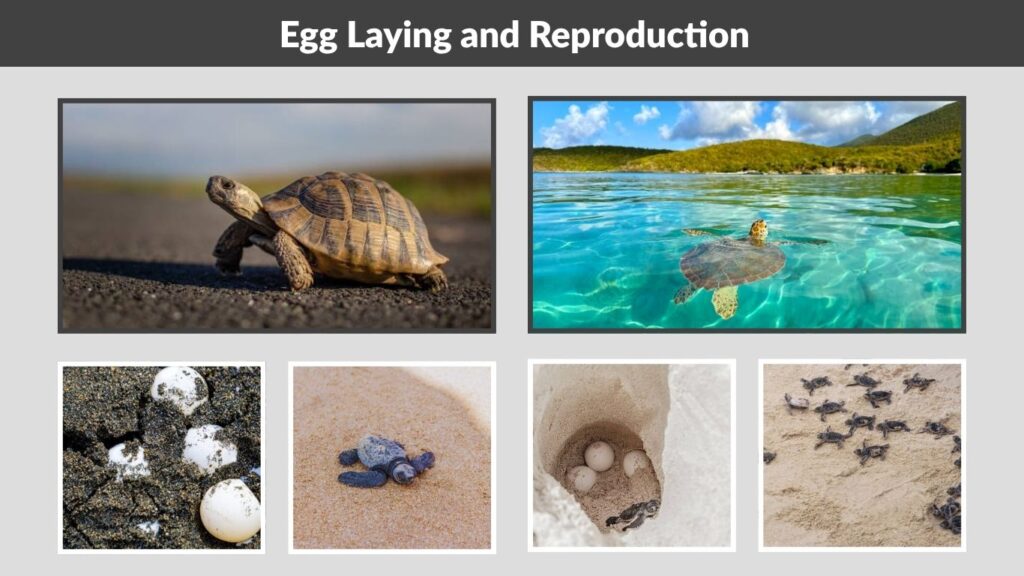
Tortoises and turtles both lay eggs, but their lifestyles affect how and where they reproduce.
Both Lay Eggs on Land
Even sea turtles, which live in the ocean, must come onto land to lay eggs. Female turtles usually dig nests in sand or soil, lay their eggs, and then cover the nest.
Nesting Behavior Can Differ
Tortoises usually lay eggs in dry soil or sandy ground near their land habitat. Sea turtles travel to beaches, sometimes over long distances, to lay eggs. Freshwater turtles may leave ponds or rivers to find safe nesting areas.
10. Behavior and Temperament
Behavior also helps separate tortoises from turtles. Their daily habits are shaped by land and water environments.
Tortoises Are More Land-Oriented
Tortoises spend their days walking, grazing, basking in sunlight, and hiding from extreme temperatures. They may dig burrows or rest under plants to stay cool. Many tortoises are calm and slow-moving.
Turtles Are More Active in Water
Turtles may swim, dive, hunt, bask on rocks, or hide underwater. Some species are more alert and active than tortoises. Aquatic turtles often move between water and basking spots throughout the day.
Quick Summary of the Main Differences
The main difference between a tortoise and a turtle is that tortoises live mostly on land, while turtles usually live in or near water. Tortoises have dome-shaped shells, thick legs, and plant-based diets. Turtles often have flatter shells, webbed feet or flippers, and more varied diets.
Key points to remember:
- Tortoises are land reptiles.
- Turtles are usually aquatic or semi-aquatic.
- Tortoises have heavy, rounded shells.
- Turtles have flatter, swimming-friendly shells.
- Tortoises should not be placed in deep water.
FAQs
Are tortoises and turtles the same animal?
No, they are not exactly the same. Both are shelled reptiles, but tortoises usually live on land, while turtles often live in or near water. Their shells, legs, feet, diets, and movement styles are also different.
Can a tortoise swim like a turtle?
Most tortoises cannot swim well. Their heavy shells and thick legs are designed for walking on land, not paddling in water. Placing a tortoise in deep water can be dangerous because it may drown.
Is every tortoise a turtle?
In broad scientific usage, tortoises belong to the larger turtle group. However, in everyday language, people usually use “tortoise” for land-dwelling species and “turtle” for water-dwelling or semi-aquatic species.
Which lives longer, a tortoise or a turtle?
Tortoises often live longer than many turtles. Some tortoises can live more than 100 years, while many turtles live several decades. Lifespan depends on species, environment, diet, and overall care.
How can I quickly identify a tortoise?
Look at the shell, feet, and habitat. A tortoise usually has a high dome-shaped shell, thick stumpy legs, and lives on land. A turtle often has a flatter shell and webbed feet or flippers for swimming.