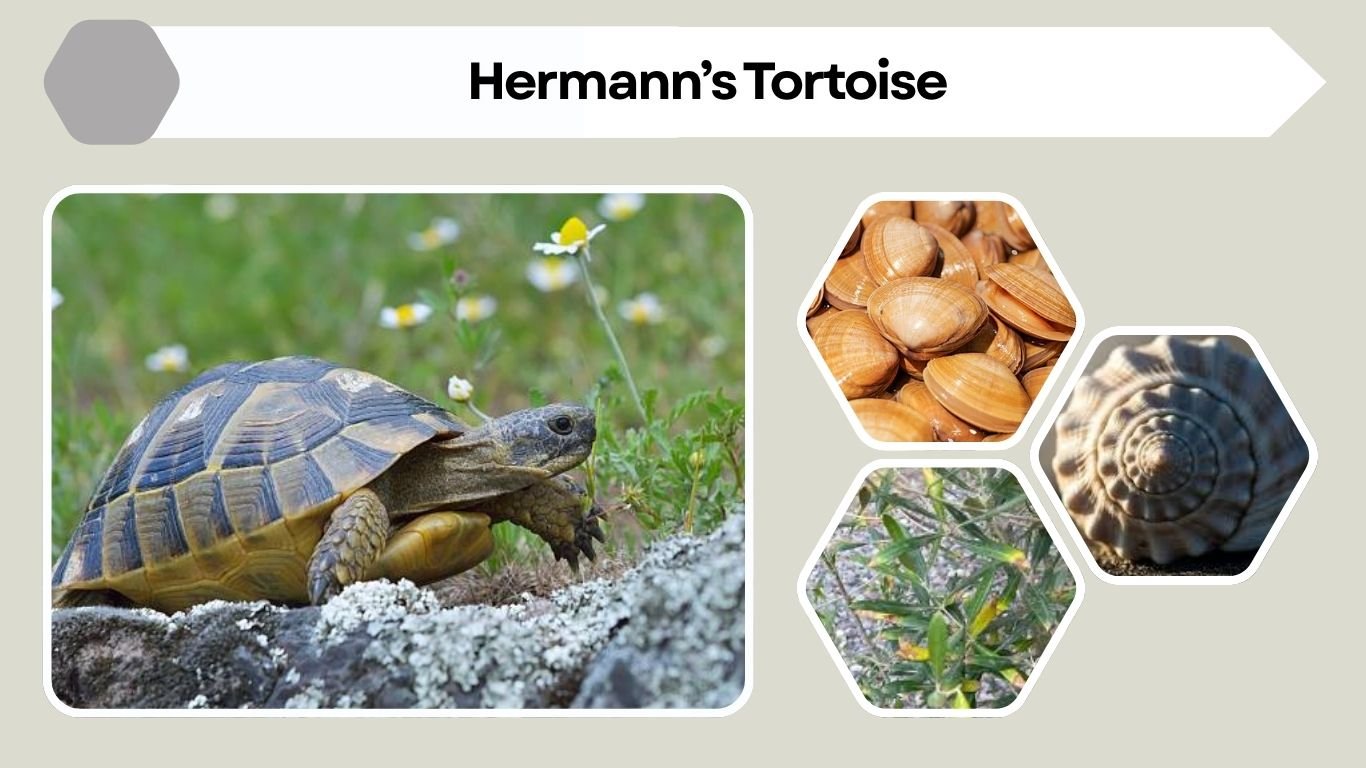
Hermann’s tortoise is one of the most popular pet tortoise species in the world, known for its beautiful shell patterns and manageable size. Native to the Mediterranean region, this hardy reptile has become a favorite among beginners and experienced reptile keepers alike. Its calm temperament, long lifespan, and relatively simple care requirements make it an appealing choice for those looking for a long-term companion.
In this guide, you’ll learn how to identify a Hermann’s tortoise, understand its natural habitat, and provide proper care. We’ll also explore its diet, behavior, and lifespan to help you ensure a healthy and happy life for your tortoise.
Identification of Hermann’s Tortoise
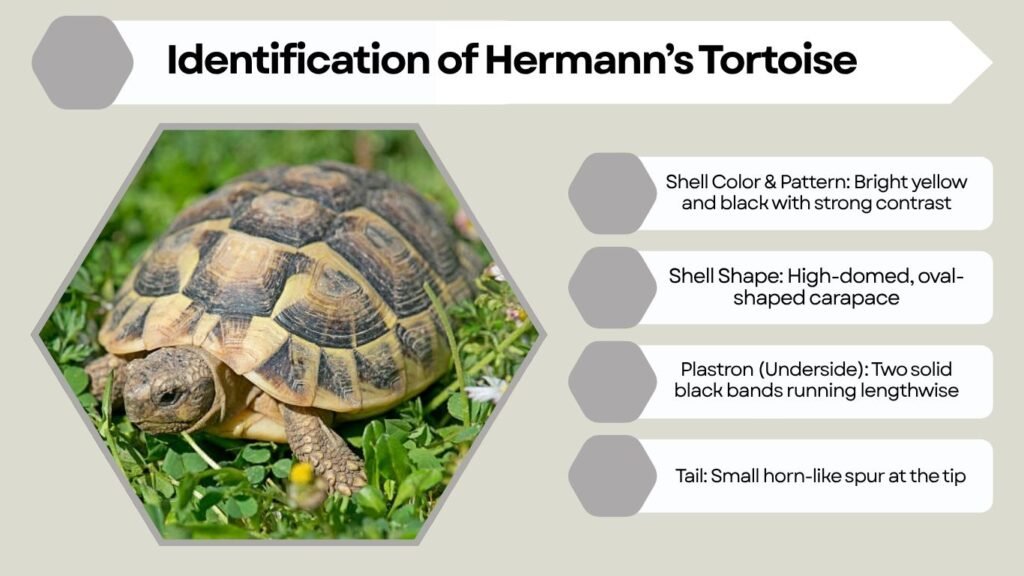
Identifying a Hermann’s tortoise is important, especially since it is often confused with other Mediterranean species. This tortoise has several unique physical traits that make it easier to recognize once you know what to look for. Its distinct shell pattern, underside markings, and tail structure are the most reliable features for accurate identification.
Key Identification Features
- Shell Color & Pattern: Bright yellow and black with strong contrast
- Shell Shape: High-domed, oval-shaped carapace
- Plastron (Underside): Two solid black bands running lengthwise
- Tail: Small horn-like spur at the tip
- Size: Small to medium (6–10 inches as adults)
- Limbs: Strong, scaly legs without large thigh spurs
- Head Color: Olive or yellowish with dark markings
Subspecies Clues
- Western Hermann’s (T. h. hermanni): Brighter colors, smaller size
- Eastern Hermann’s (T. h. boettgeri): Larger, duller coloration
Quick Comparison Tip
- No thigh spurs + tail spur + clear plastron bands = Hermann’s tortoise
This combination of features makes Hermann’s tortoise relatively easy to distinguish from similar species like the Greek or Russian tortoise.
Hermann’s Tortoise Natural Habitat and Origin
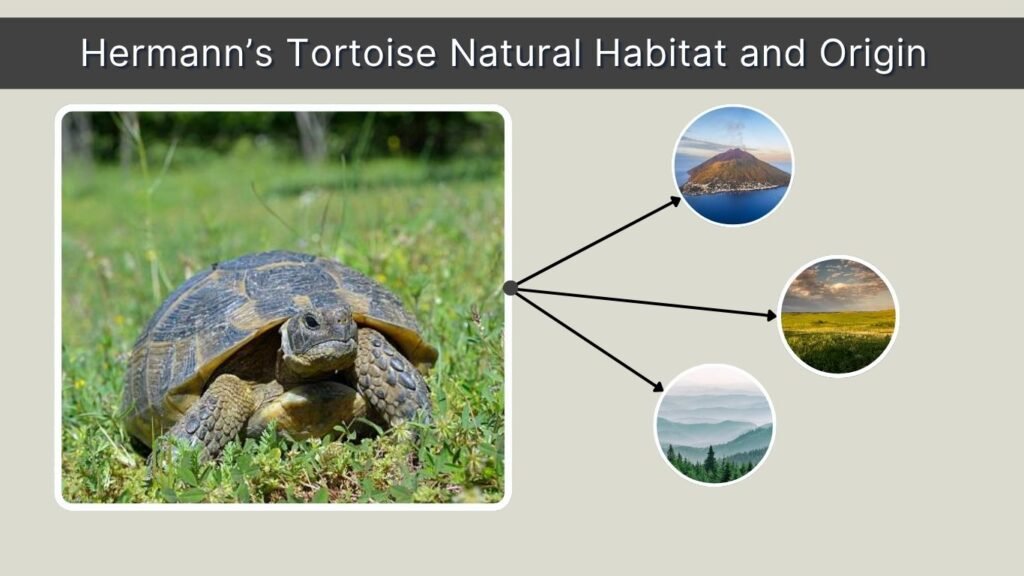
Hermann’s tortoise originates from southern Europe, particularly in countries such as Italy, Greece, Spain, and parts of the Balkans. These regions are characterized by warm, dry summers and mild, wet winters, which shape the tortoise’s natural behavior and needs.
In the wild, Hermann’s tortoises inhabit grasslands, scrublands, open forests, and rocky hillsides. They prefer areas with plenty of sunlight, vegetation, and hiding spots such as bushes or burrows.
This species is well adapted to a Mediterranean climate, meaning it thrives in environments that offer both warmth and seasonal variation. During very hot or cold periods, they may become less active or enter a state similar to hibernation, known as brumation.
Understanding their natural habitat is essential when recreating suitable living conditions in captivity.
Hermann’s Tortoise Size and Lifespan
Average Size
Hermann’s tortoises are relatively small compared to many other tortoise species, making them easier to manage as pets. Hatchlings are tiny, usually measuring only about 1 to 2 inches (2.5–5 cm) in length.
As they grow, their size depends on factors such as diet, environment, and subspecies. Adult Hermann’s tortoises typically reach between 6 and 10 inches (15–25 cm). Females are usually slightly larger than males, especially when fully grown.
Lifespan
One of the most remarkable features of Hermann’s tortoise is its long lifespan. With proper care, these tortoises can live anywhere from 50 to 100 years, and sometimes even longer.
Several factors influence their longevity, including diet quality, access to proper lighting, and overall living conditions. Tortoises kept in well-maintained environments with a balanced diet tend to live significantly longer than those in poor conditions.
Because of their long lifespan, owning a Hermann’s tortoise is a long-term commitment that can span generations.
Hermann’s Tortoise Behavior and Temperament
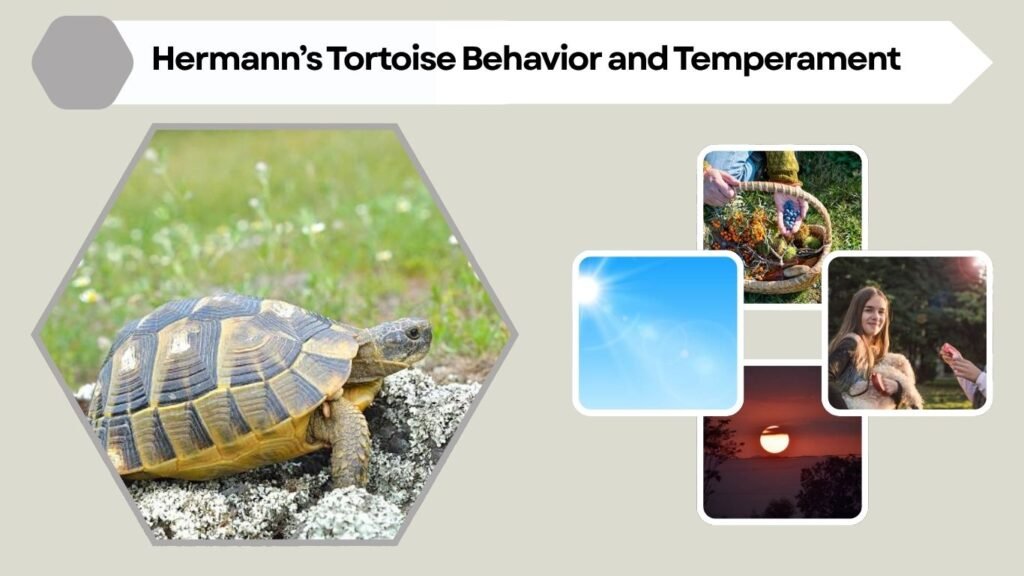
Hermann’s tortoises are generally calm, hardy, and relatively easy to care for. They are diurnal animals, meaning they are most active during the day, especially in the morning and late afternoon.
In the wild and in captivity, they spend much of their time exploring, basking in the sun, and foraging for food. While they are not social animals in the same way as mammals, they can become familiar with their environment and may even recognize their owners over time.
However, they can be slightly territorial, especially males during breeding season. Overall, their predictable and gentle behavior makes them a suitable pet for beginners.
Hermann’s Tortoise Care Guide
Providing proper care is essential to ensure your Hermann’s tortoise lives a long and healthy life. While they are relatively low-maintenance compared to some pets, they still require a well-planned environment.
Enclosure Setup
Hermann’s tortoises can be kept both indoors and outdoors, but outdoor enclosures are generally preferred if the climate allows. They benefit greatly from natural sunlight and space to roam.
For indoor setups, a tortoise table or large enclosure is recommended instead of a glass tank, as tanks can trap humidity and limit airflow. The enclosure should be spacious enough to allow movement, exploration, and separate areas for basking and hiding.
Outdoor enclosures should be secure, escape-proof, and protected from predators. Adding plants, rocks, and shaded areas helps mimic their natural environment and keeps them mentally stimulated.
Temperature and Lighting
Maintaining the correct temperature is crucial. Hermann’s tortoises require a temperature gradient within their enclosure.
- Basking area: around 30–35°C (86–95°F)
- Cooler area: around 20–25°C (68–77°F)
UVB lighting is essential for indoor tortoises, as it helps them synthesize vitamin D3 and absorb calcium properly. Without it, they are at risk of developing serious health problems like metabolic bone disease.
Outdoor tortoises can rely on natural sunlight, which is the best source of UVB.
Substrate and Environment
The substrate should allow for digging and burrowing. Suitable options include a mix of soil, sand, and coco coir. Avoid substrates that are too dusty or that retain excessive moisture.
Humidity levels should be moderate, especially for younger tortoises, as slightly higher humidity helps prevent shell deformities during growth.
Providing hiding spots, such as wooden shelters or plants, is important to help your tortoise feel safe and reduce stress.
Hermann’s Tortoise Diet and Feeding
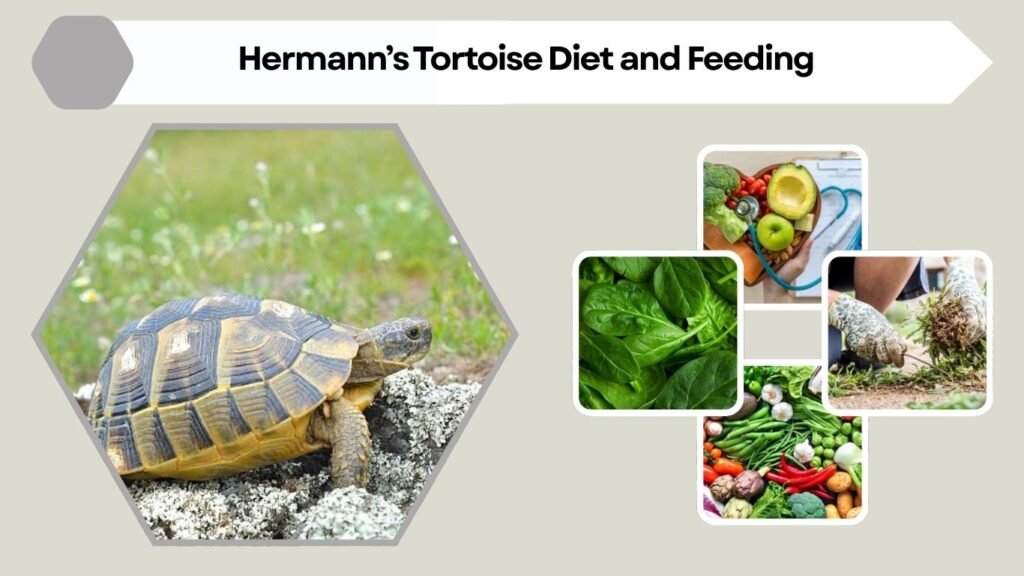
A proper diet is one of the most important aspects of Hermann’s tortoise care.
What Do Hermann’s Tortoises Eat?
Hermann’s tortoises are herbivores and thrive on a diet rich in fiber and low in protein. Their diet should mainly consist of:
- Leafy greens (dandelion leaves, collard greens, mustard greens)
- Weeds and wild plants
- Occasional vegetables
These foods closely resemble what they would eat in the wild.
Foods to Avoid
Certain foods can be harmful and should be avoided:
- Fruits (only in very small amounts, if at all)
- High-protein foods
- Processed or human foods
- Toxic plants
Too much sugar or protein can lead to digestive issues and abnormal shell growth.
Feeding Schedule
Young tortoises should be fed daily, while adults can be fed once a day or slightly less frequently depending on their activity level.
Fresh water should always be available, and occasional soaking can help keep them hydrated.
Common Health Issues
Like all reptiles, Hermann’s tortoises can develop health problems if not cared for properly.
Some common issues include:
- Shell rot: Often caused by excessive moisture or poor hygiene
- Respiratory infections: Usually due to low temperatures or improper humidity
- Metabolic bone disease: Caused by lack of calcium or UVB exposure
Signs of a healthy tortoise include clear eyes, smooth shell growth, regular activity, and a good appetite.
Regular observation and proper care can prevent most health issues.
Hermann’s Tortoise as a Pet
Hermann’s tortoises make excellent pets for the right owner, but they are not suitable for everyone.
Pros
- Long lifespan
- Quiet and non-aggressive
- Relatively low daily maintenance
- Hardy and adaptable
Cons
- Requires long-term commitment
- Needs proper lighting and enclosure setup
- Veterinary care for reptiles can be specialized
They are best suited for owners who are willing to invest time and effort into proper care.
Buying or Adopting a Hermann’s Tortoise
If you decide to get a Hermann’s tortoise, it’s important to choose a healthy animal from a reliable source.
Reputable breeders are often the best option, as they provide well-cared-for and legally sourced tortoises. Pet stores may also offer them, but quality can vary. Adoption or rescue centers are another great option.
Before purchasing, check for:
- Clear eyes and active behavior
- Smooth, firm shell without soft spots
- Clean nose and mouth
Also, be aware of local laws, as Hermann’s tortoises are protected in some regions and may require permits.
FAQ
How can I identify a Hermann’s tortoise?
Hermann’s tortoise can be identified by its bright yellow and black shell, two continuous black bands on the plastron (underside), and a small horn-like spur at the tip of its tail.
What do Hermann’s tortoises eat daily?
They primarily eat leafy greens such as dandelion leaves, collard greens, and weeds. Their diet should be high in fiber and low in protein, closely mimicking their natural diet.
How long does a Hermann’s tortoise live?
With proper care, Hermann’s tortoises can live between 50 and 100 years, making them a long-term commitment for owners.
Can Hermann’s tortoises live indoors?
Yes, they can live indoors, but they require proper UVB lighting, temperature control, and a spacious enclosure. Outdoor environments are generally more beneficial when possible.
How often should I feed my Hermann’s tortoise?
Young tortoises should be fed daily, while adults can be fed once a day or slightly less frequently depending on their activity level.
Conclusion
Hermann’s tortoise is a fascinating and rewarding pet that can live for decades with proper care. From its distinctive shell patterns to its calm temperament, it offers a unique experience for reptile enthusiasts.
However, owning one is a long-term responsibility that requires commitment, knowledge, and the right setup. By understanding their identification, habitat, diet, and care needs, you can provide a healthy and enriching life for your tortoise.
With the right approach, a Hermann’s tortoise can become a lifelong companion and a truly remarkable addition to your home.