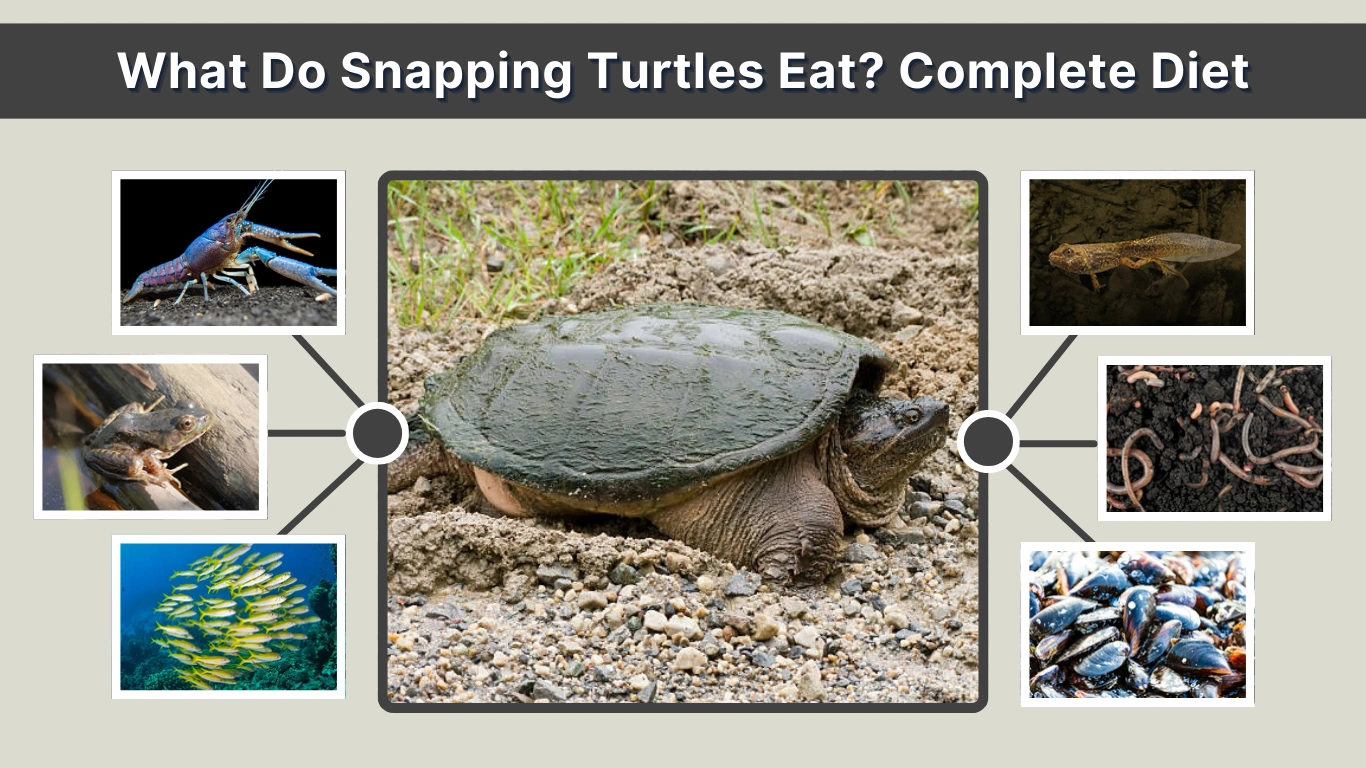
Snapping turtles are powerful freshwater reptiles known for their strong jaws and opportunistic feeding habits. But what do snapping turtles eat exactly? These turtles are omnivores, meaning they consume both animal and plant matter. Their diet varies depending on age, habitat, and species. From fish and frogs to aquatic plants and carrion, snapping turtles play an important role in maintaining ecosystem balance. In this guide, we’ll explore their natural diet, how feeding changes with age, and what they eat in captivity.
Are Snapping Turtles Carnivores or Omnivores?
Snapping turtles are classified as omnivores, but they lean heavily toward a carnivorous diet, especially when young. They eat whatever food is readily available in their environment, making them highly adaptable predators.
Although they consume plant matter, most of their nutrition—particularly during early growth stages—comes from animal protein. Their sharp, hooked beaks and powerful jaws are perfectly designed for gripping and tearing prey.
How Diet Changes With Age
The diet of a snapping turtle changes as it matures.
- Hatchlings and juveniles rely mostly on animal protein such as insects, small fish, and tadpoles. Protein supports rapid shell and muscle development.
- Adults continue eating animals but incorporate more plant matter, including aquatic vegetation and algae.
This shift occurs partly because larger turtles can access a wider range of food sources and no longer require as much concentrated protein for growth.
What Do Snapping Turtles Eat in the Wild?
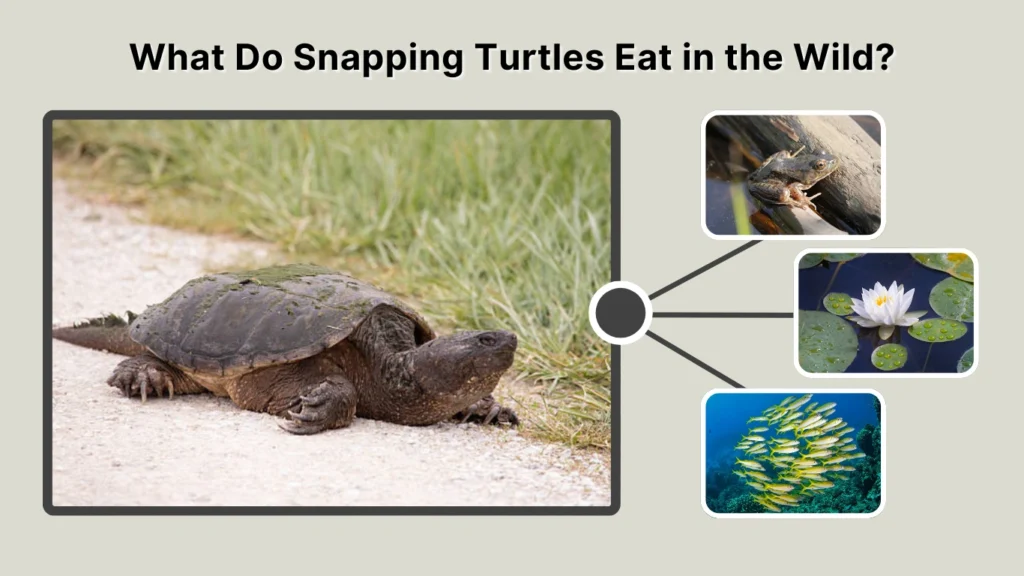
In the wild, snapping turtles are opportunistic feeders. They eat almost anything they can overpower or scavenge. Their varied diet helps them survive in ponds, lakes, rivers, and wetlands across North America.
Animal-Based Foods
Animal protein makes up a significant portion of a snapping turtle’s diet. Common prey includes:
- Fish (both live and dead)
- Frogs and other amphibians
- Tadpoles
- Small turtles
- Snakes
- Aquatic insects
- Crayfish and other crustaceans
- Small mammals
- Birds and ducklings
Snapping turtles do not typically chase prey over long distances. Instead, they wait patiently and strike when the opportunity arises. Their quick neck extension and powerful bite allow them to capture prey with surprising speed.
Larger individuals are capable of taking down bigger animals, but most of their meals consist of fish and smaller aquatic creatures.
Plant-Based Foods
Although known for eating meat, snapping turtles also consume plant material. This can include:
- Aquatic vegetation
- Algae
- Water lilies
- Fallen fruits near shorelines
- Seeds
Plant matter may not seem as dramatic as live prey, but it plays an important role in balancing their diet, especially for adults.
Do Snapping Turtles Eat Carrion?
Yes, snapping turtles are also scavengers. They frequently feed on dead fish and other decaying animals found in the water.
This scavenging behavior benefits aquatic ecosystems. By consuming carrion, snapping turtles help reduce the spread of bacteria and keep waterways cleaner. Their role as both predator and scavenger makes them an important part of the food chain.
What Do Baby Snapping Turtles Eat?
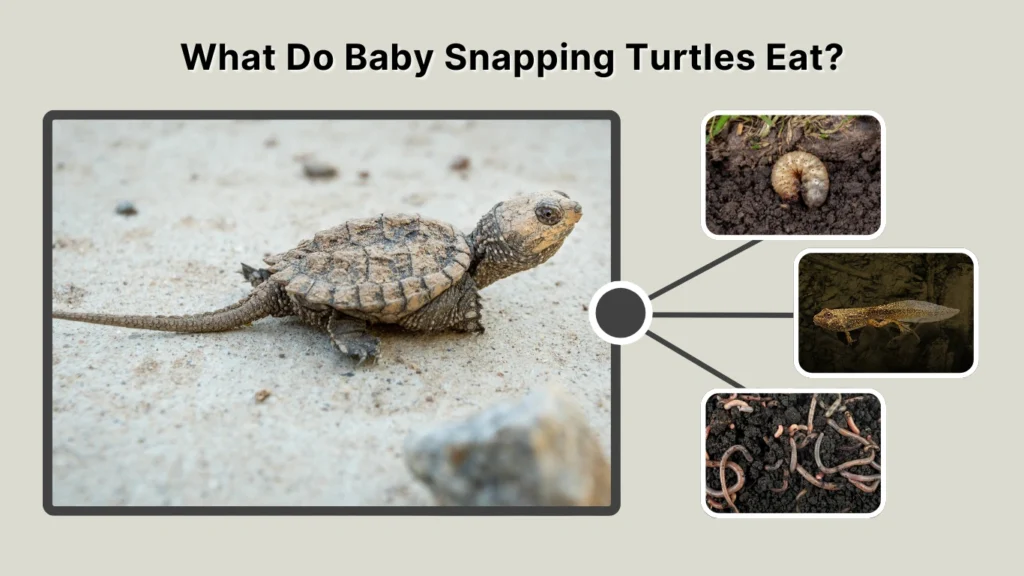
Baby snapping turtles have slightly different dietary needs compared to adults. Because they are growing rapidly, they depend heavily on high-protein foods.
High-Protein Diet Needs
In the wild, hatchlings commonly eat:
- Insect larvae
- Small aquatic insects
- Tiny fish
- Tadpoles
- Worms
- Small crustaceans
These foods are small enough for hatchlings to handle but rich in nutrients needed for growth. Protein supports shell development, muscle strength, and overall health during the early stages of life.
Hunting Behavior of Hatchlings
Even at just a few inches long, baby snapping turtles are instinctive hunters. They use the same ambush strategy as adults.
A hatchling will remain still in shallow water or vegetation, waiting for prey to approach. When an insect or tiny fish swims close enough, the turtle quickly extends its neck and snaps its jaws shut.
This fast strike happens in a fraction of a second. Although they are small, their bite is already strong for their size.
What Do Alligator Snapping Turtles Eat?
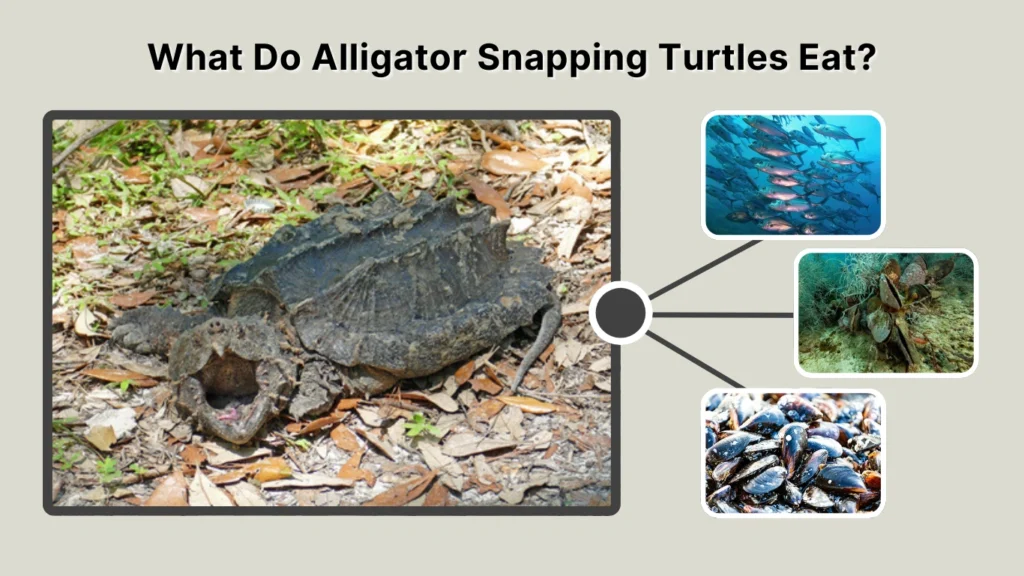
Alligator snapping turtles share many dietary similarities with common snapping turtles, but they have a unique hunting advantage.
Unique Tongue-Lure Hunting Method
One of the most fascinating features of the alligator snapping turtle is its worm-like tongue appendage. The turtle sits motionless with its mouth open, wiggling the lure to mimic a worm.
Curious fish swim toward the “worm,” only to be caught in a powerful snap of the turtle’s jaws. This specialized hunting method makes fish a major component of their diet.
Preferred Prey
Alligator snapping turtles primarily eat:
- Fish
- Mollusks
- Crustaceans
- Small aquatic animals
Because they tend to inhabit deep rivers and large waterways, their diet reflects the species available in those habitats.
How Do Snapping Turtles Hunt?
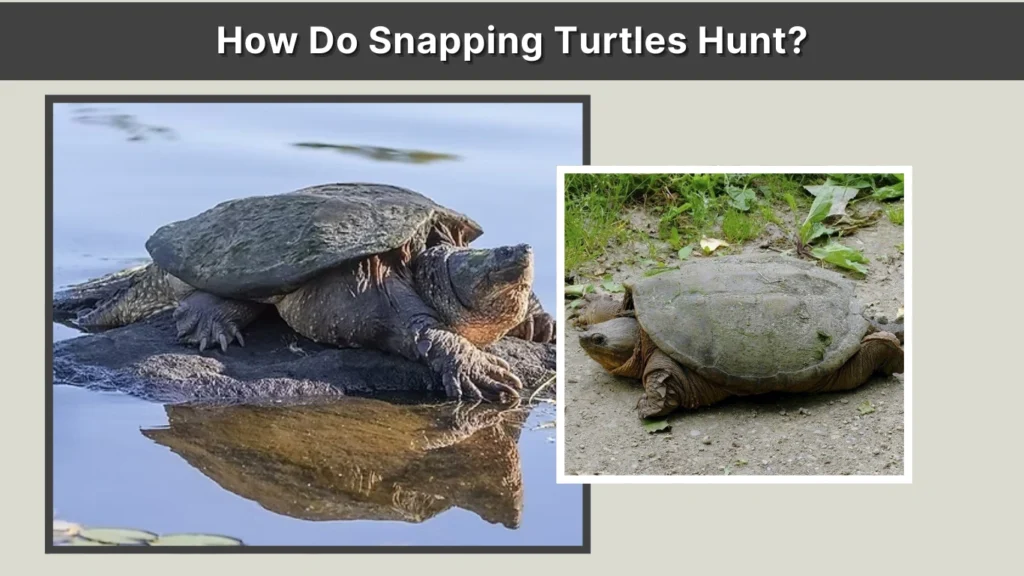
Snapping turtles are ambush predators rather than active chasers. Instead of pursuing prey over long distances, they rely on patience, camouflage, and explosive speed.
Ambush Predator Strategy
Snapping turtles often lie motionless on the muddy bottom of a pond or river. Their dark, rough shells blend easily with rocks, plants, and sediment. This natural camouflage allows them to remain unnoticed by both prey and predators.
When an unsuspecting fish, frog, or insect swims too close, the turtle quickly extends its neck forward and snaps its jaws shut. The strike is sudden and highly effective.
Speed and Bite Strength
Despite their heavy appearance, snapping turtles can move their heads with remarkable speed. Their long necks act like springs, launching forward in a split second.
Their sharp, hooked beaks are strong enough to crush bones and tear flesh. Larger adults can easily overpower small animals, while younger turtles focus on smaller prey they can manage safely.
Night vs. Day Feeding
Snapping turtles are opportunistic feeders. They may hunt during the day or night, depending on when prey is active. In warmer months, feeding activity often increases due to higher metabolism and greater food availability.
During colder seasons, especially in northern climates, snapping turtles reduce their activity and eat far less.
What Do Snapping Turtles Eat in Captivity?
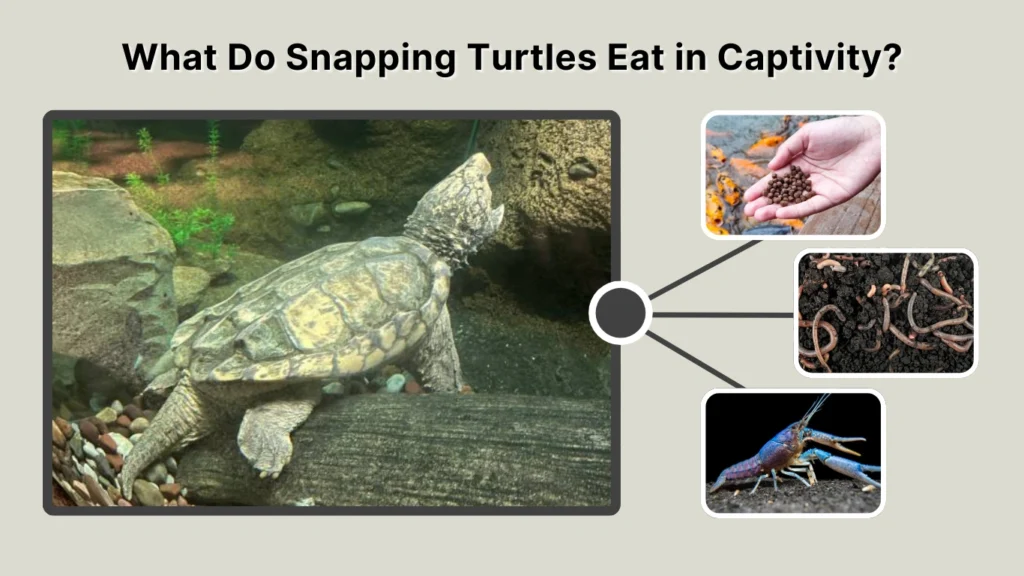
When kept in captivity, snapping turtles require a carefully balanced diet that mimics their natural feeding habits.
Recommended Foods
Suitable foods for captive snapping turtles include:
- Commercial aquatic turtle pellets
- Feeder fish
- Earthworms
- Shrimp
- Crickets and insects
- Leafy greens such as romaine lettuce or aquatic plants
Pellets are often recommended because they provide balanced nutrients, including calcium and vitamins necessary for shell health.
Feeding Frequency
Feeding frequency depends on age:
- Hatchlings and juveniles: Once daily in small portions
- Subadults: Every other day
- Adults: Two to three times per week
Overfeeding can lead to obesity and water contamination in aquariums. Monitoring portion sizes is important for long-term health.
Foods to Avoid
Certain foods should not be offered, including:
- Processed human food
- Bread or dairy products
- Highly fatty meats
- Seasoned or cooked leftovers
These foods lack proper nutrients and can cause digestive problems.
Do Snapping Turtles Eat Ducks, Pets, or Other Turtles?
One common question is whether snapping turtles eat ducks or pets.
Snapping turtles are capable of catching small ducklings if the opportunity arises. However, they do not typically hunt large adult ducks. Most predation occurs when young birds swim close to the water’s surface.
They may also prey on small turtles or amphibians in shared habitats. In rare cases, very small pets near water—such as tiny dogs or kittens—could be at risk, but such incidents are uncommon.
Overall, snapping turtles are opportunistic feeders. They eat what they can realistically overpower rather than actively seeking large animals.
How Often Do Snapping Turtles Eat?
In the wild, snapping turtles do not follow a strict feeding schedule. They eat whenever food becomes available.
Their feeding frequency depends on:
- Water temperature
- Season
- Prey availability
- Age and size
In warm weather, they may feed several times per week. During winter, especially in colder regions, snapping turtles enter a period of reduced activity and may eat very little while brumating at the bottom of ponds.
Because their metabolism slows in cold water, they require far less energy during that time.
FAQs
Do snapping turtles eat fish?
Yes, fish are one of the primary foods for snapping turtles. Both common and alligator snapping turtles frequently consume fish, either by catching live prey or scavenging dead fish.
Do snapping turtles eat plants?
Yes, snapping turtles are omnivores. While they prefer animal protein, especially when young, adults also consume aquatic plants, algae, and occasionally fallen fruit.
What do baby snapping turtles eat?
Baby snapping turtles mainly eat small insects, tadpoles, tiny fish, worms, and aquatic invertebrates. Protein is essential during early growth stages.
Can snapping turtles eat fruit?
Snapping turtles may occasionally eat fallen fruit near shorelines. However, fruit should only make up a small portion of their diet, as they primarily require protein-rich foods.
What should you feed a snapping turtle in captivity?
In captivity, snapping turtles should be fed commercial turtle pellets, feeder fish, insects, shrimp, and some leafy greens. A balanced diet helps ensure proper growth and shell health.