
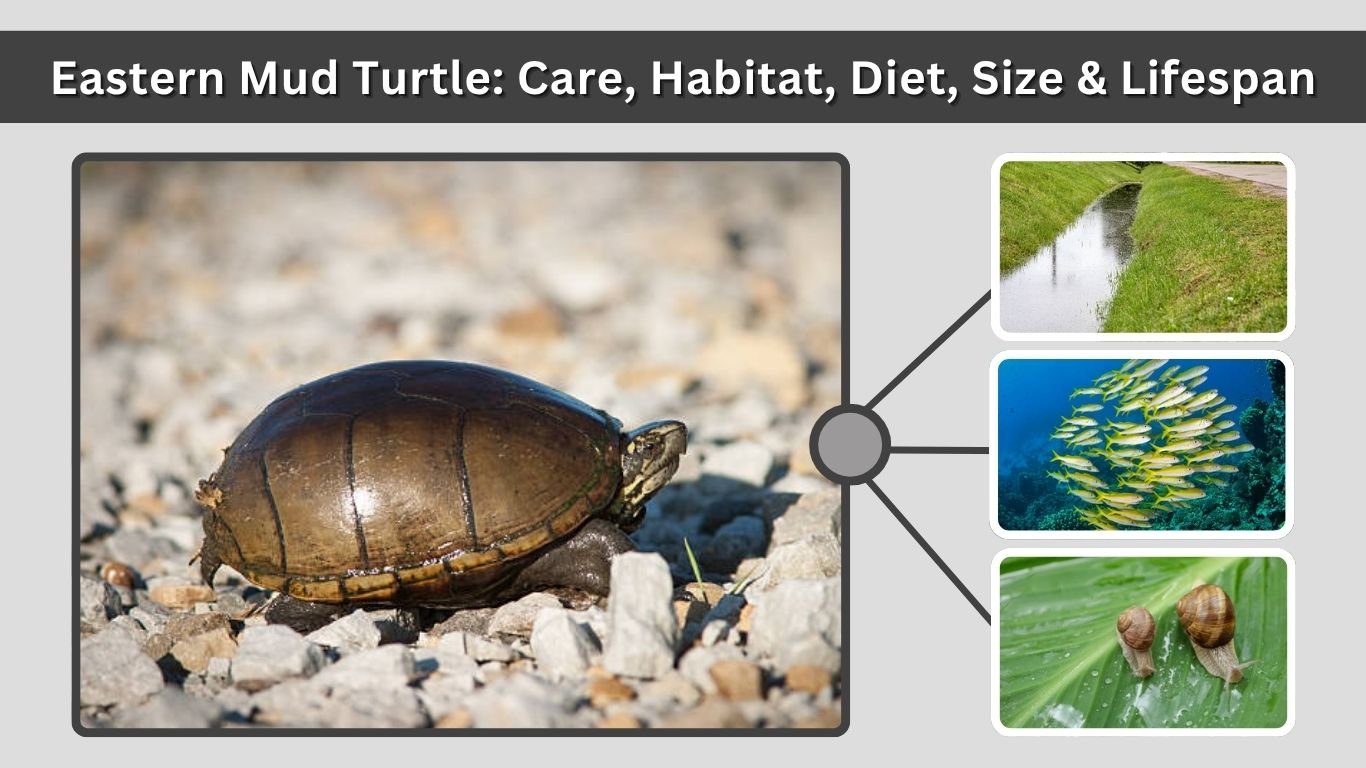
The eastern mud turtle is a small but fascinating freshwater species known for its hardy nature and simple care requirements. Found throughout the southeastern United States, this turtle thrives in slow-moving waters like ponds, marshes, and swamps. Its compact size and calm behavior make it a popular choice among reptile enthusiasts, especially those looking for a manageable aquatic turtle.
Despite their small size, eastern mud turtles have specific needs when it comes to habitat, diet, and tank setup. Understanding these requirements is essential for keeping them healthy in captivity or identifying them in the wild. They also play an important role in aquatic ecosystems by helping control insect populations and maintaining ecological balance.
What Is an Eastern Mud Turtle?
The eastern mud turtle (Kinosternon subrubrum) is a small, freshwater turtle native to the southeastern United States. Known for its compact size and smooth, domed shell, this species is commonly found in slow-moving waters such as ponds, marshes, and swamps.
Unlike larger aquatic turtles, eastern mud turtles spend time both in water and on land. They are relatively shy and prefer muddy or heavily vegetated environments where they can hide easily. Their small size and manageable care needs have made them a popular choice among reptile enthusiasts.
Eastern Mud Turtle Facts & Characteristics
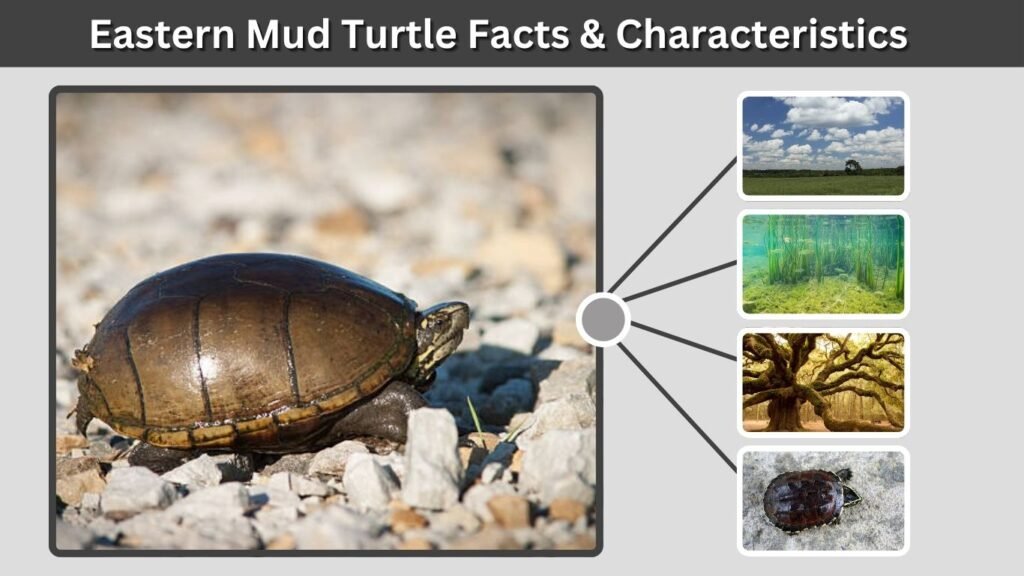
Eastern mud turtles are known for their simple appearance and hardy nature. While they may not be as colorful as some turtle species, they have unique traits that make them interesting to observe.
Size and Appearance
Eastern mud turtles are relatively small compared to other freshwater turtles. Most adults grow between 3 and 5 inches in length, with a 4-inch shell being quite common.
Their shells are usually smooth and range in color from dark brown to olive. The plastron (bottom shell) is typically lighter and may have hinges that allow some movement, offering partial protection.
Male vs Female Differences
Male and female eastern mud turtles can be distinguished by a few physical features:
- Males usually have longer, thicker tails
- The plastron in males may be slightly concave
- Females tend to be slightly larger with shorter tails
These differences are most noticeable once the turtles reach maturity.
How Big Do Eastern Mud Turtles Get?
Eastern mud turtles are considered small turtles, which makes them easier to house than larger species.
Hatchlings are extremely tiny, often measuring less than 1 inch in length. As they grow, they gradually reach their adult size of about 3 to 5 inches. Their growth rate depends on factors such as diet, temperature, and overall care.
Despite their small size, they are sturdy and can live long, healthy lives when kept in proper conditions.
Eastern Mud Turtle Lifespan & Life Cycle

Eastern mud turtles are long-lived reptiles with a slow growth rate.
In the wild, they typically live around 20 to 30 years, but in captivity, they can live even longer with proper care. Their life cycle begins as eggs laid in moist soil near water sources.
After hatching, baby turtles must quickly adapt to their environment. They face many threats early in life, but those that survive grow steadily into adults over several years.
Eastern Mud Turtle Habitat & Range
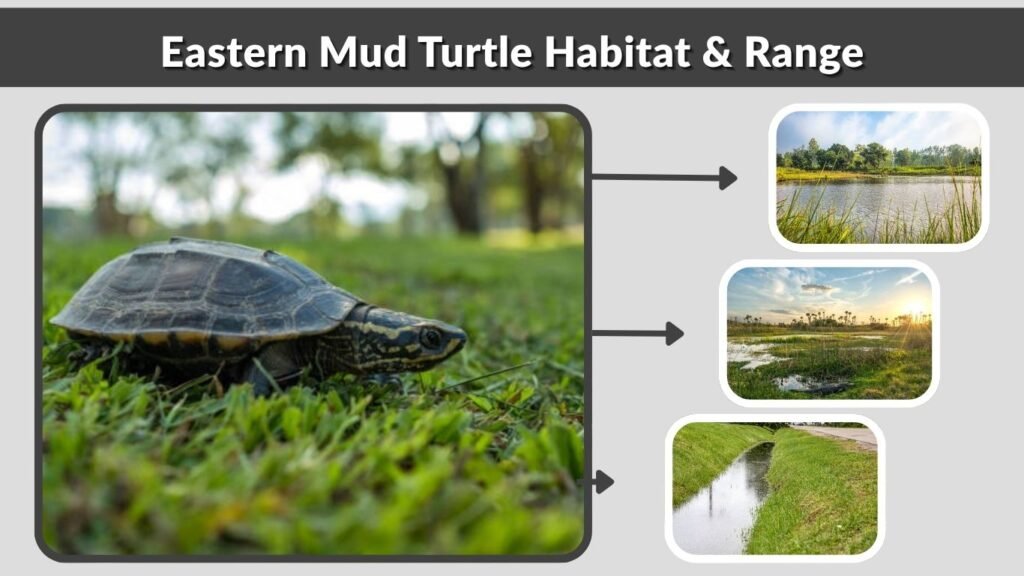
The natural habitat of eastern mud turtles plays a crucial role in their survival and behavior.
Natural Habitat
Eastern mud turtles prefer shallow, slow-moving bodies of water such as ponds, marshes, ditches, and swamps. They are especially fond of muddy bottoms, where they can bury themselves for protection.
They often move onto land during rainy conditions or when searching for food or nesting sites.
Geographic Range
This species is widely distributed across the southeastern United States. It can be found in states like Florida, Georgia, the Carolinas, Arkansas, and even parts of Indiana.
Because they rely on specific wetland environments, habitat destruction poses a significant threat to their populations.
What Do Eastern Mud Turtles Eat?
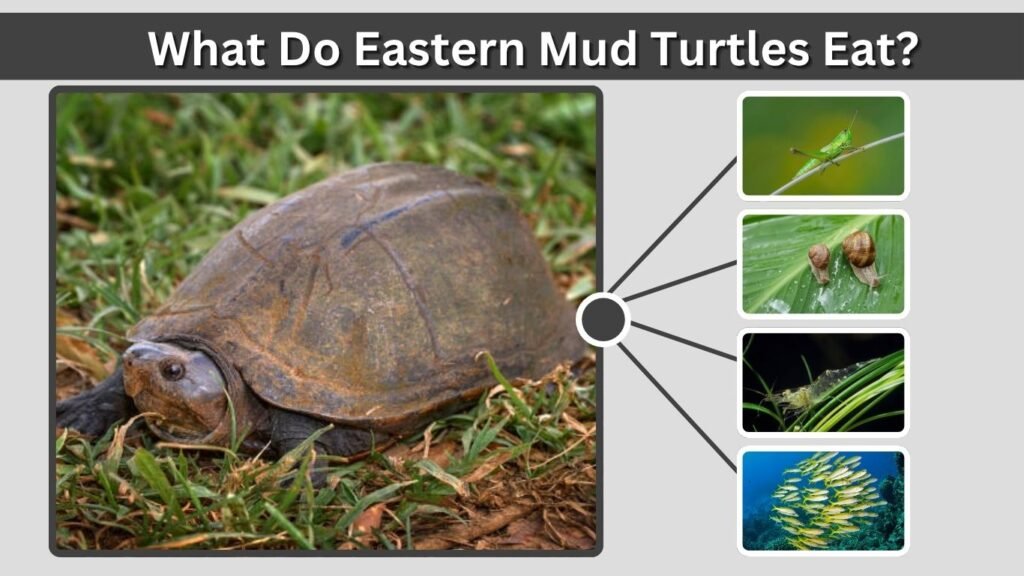
Eastern mud turtles are primarily carnivorous, although they may occasionally consume plant matter.
Natural Diet
In the wild, their diet includes:
- Insects and insect larvae
- Snails and small crustaceans
- Worms and other invertebrates
- Small fish or amphibians
They are opportunistic feeders and will eat whatever is available in their environment.
Diet in Captivity
When kept as pets, eastern mud turtles should be fed a protein-rich diet that mimics their natural feeding habits.
Suitable foods include:
- Earthworms and mealworms
- Commercial turtle pellets
- Small pieces of fish or shrimp
Occasional vegetables can be offered, but protein should make up the majority of their diet.
Eastern Mud Turtle Care Guide
Providing proper care is essential for keeping an eastern mud turtle healthy in captivity.
Basic Care Needs
Eastern mud turtles require a clean, well-maintained environment. Key care essentials include:
- Clean water with proper filtration
- A balanced diet with adequate protein
- A secure habitat with both water and land areas
They are generally low-maintenance compared to larger turtles but still need consistent care.
Baby Eastern Mud Turtle Care
Baby eastern mud turtles require more attention than adults because they are smaller and more vulnerable to environmental changes.
Hatchlings should be kept in warm, clean water with easy access to shallow areas where they can rest. Their diet should consist of small, soft foods such as finely chopped worms, insect larvae, and high-quality turtle pellets.
Maintaining proper temperature and water quality is essential for their growth. Stress should be minimized by avoiding excessive handling and providing hiding spots.
Eastern Mud Turtle Tank Setup & Enclosure
Creating the right enclosure is key to keeping your turtle healthy and active.
Tank Size
Because eastern mud turtles are small, they don’t require extremely large tanks. However, adequate space is still important.
- A minimum of 20 gallons is recommended for one adult
- Larger tanks are better for long-term health
- More space is needed if housing multiple turtles
Tank Setup
A proper tank setup should closely resemble their natural environment.
Important elements include:
- Clean, filtered water
- A basking area where the turtle can dry off
- Substrate such as sand or fine gravel
- UVB lighting for shell and bone health
Water depth should be moderate, as these turtles are not strong swimmers compared to other aquatic species.
Outdoor Enclosure
In warm climates, outdoor setups can be beneficial. A secure pond or enclosure with natural vegetation allows turtles to behave more naturally.
Ensure the enclosure is escape-proof and protected from predators such as birds and mammals.
Eastern Mud Turtle Eggs & Reproduction
Eastern mud turtles reproduce during warmer months when environmental conditions are suitable.
Mating Behavior
Mating usually occurs in spring or early summer. Males may follow females and use gentle nudging during courtship.
Eggs and Hatchlings
Females lay small clutches of 2 to 6 eggs in soft soil near water. The incubation period typically lasts 60 to 90 days, depending on temperature and humidity.
Hatchlings emerge fully independent but face many survival challenges in their early stages.
Eastern Mud Turtle Predators & Threats
Eastern mud turtles face several natural and human-related threats.
Common predators include:
- Birds of prey
- Raccoons and other mammals
- Large fish (for hatchlings)
Human activities such as wetland destruction, pollution, and road traffic also pose serious risks. Because these turtles depend on specific habitats, environmental changes can quickly impact their populations.
Eastern Mud Turtle as a Pet
Eastern mud turtles can make interesting pets, but they are best suited for owners who understand their needs.
They are generally shy and not very interactive, so they are not ideal for frequent handling. However, they are relatively hardy and adapt well to captivity when properly cared for.
Housing different species together, such as a baby mud turtle and an eastern painted turtle, is not recommended due to differences in behavior and potential aggression.
Eastern Mud Turtle Price & Buying Guide
If you are considering buying an eastern mud turtle, it’s important to understand the costs and sources.
- Prices typically range from $20 to $100 depending on age and availability
- Baby eastern mud turtles are often more affordable
- Turtles can be purchased from breeders, reptile stores, or online sellers
Always choose reputable sellers to ensure the turtle is healthy and ethically sourced.
Eastern Mud Turtle Laws & Native Status
Eastern mud turtles are native to many parts of the southeastern United States, including Florida.
In some areas, regulations may restrict the collection of wild turtles. It’s important to check local wildlife laws before purchasing or keeping one as a pet.
Protecting native populations is essential, as habitat loss and human activity continue to affect their numbers.
Eastern Mud Turtle Pictures & Identification Tips
Identifying an eastern mud turtle is relatively straightforward once you know what to look for.
They have a smooth, dark shell and a lighter plastron. Their small size and lack of bright patterns help distinguish them from other turtle species.
Some rare variations, such as albino eastern mud turtles, may appear in captivity but are uncommon in the wild.
FAQs
How big do eastern mud turtles get?
Eastern mud turtles usually grow between 3 and 5 inches in length. Their small size makes them one of the more manageable freshwater turtle species for captivity.
What do eastern mud turtles eat?
They mainly eat insects, worms, snails, and other small aquatic animals. In captivity, they can also be fed turtle pellets and occasional protein-rich foods.
How long do eastern mud turtles live?
They typically live 20 to 30 years in the wild and can live even longer in captivity with proper care and a healthy environment.
Are eastern mud turtles herbivores?
No, they are primarily carnivorous. While they may eat small amounts of plant matter, their diet mainly consists of animal-based foods.
Are eastern mud turtles good pets?
They can be good pets for experienced owners. They require proper tank setup, clean water, and specific care, but they are generally hardy and low-maintenance once established.