
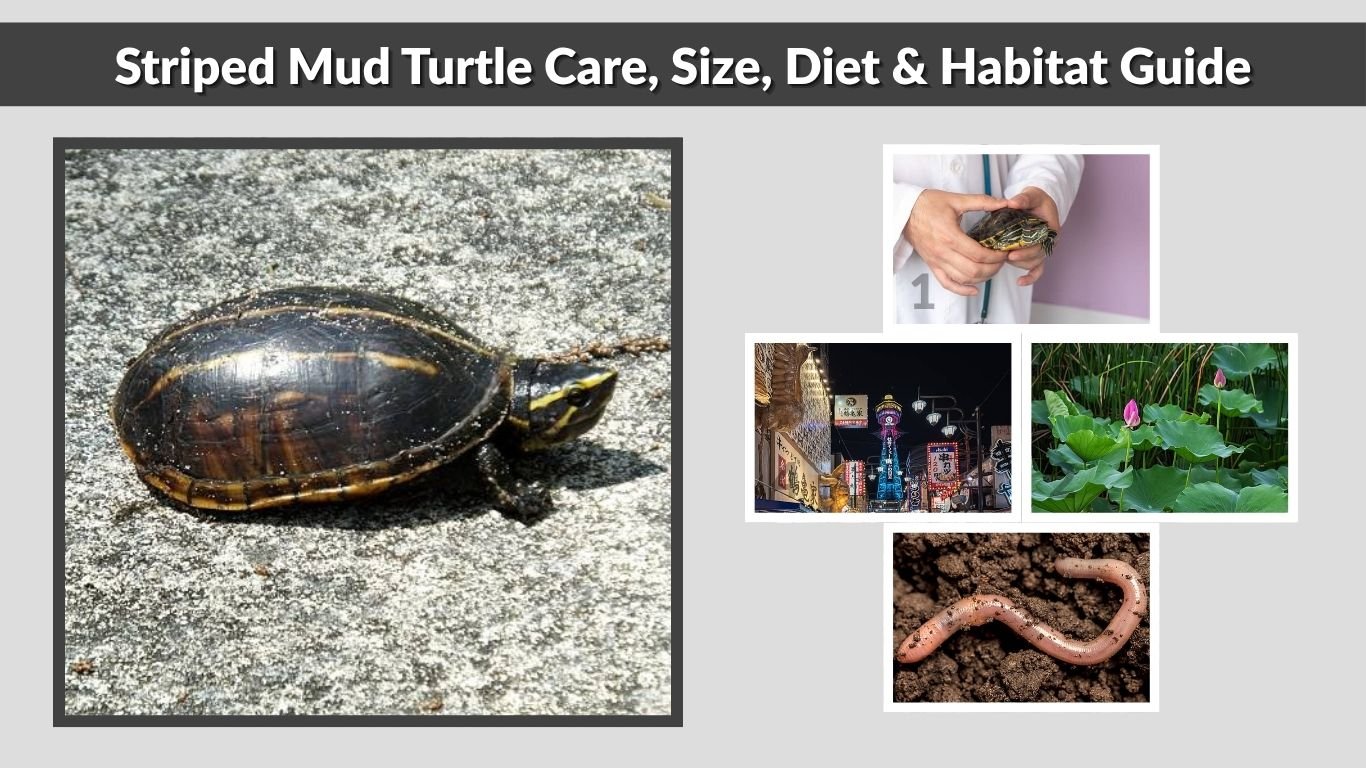
Striped mud turtles are small, fascinating freshwater turtles known for their distinctive striped shells and manageable care requirements. Often called the three striped mud turtle or 3 striped mud turtle, they are popular among beginner reptile keepers. This guide explores their habitat, size, diet, and essential care tips to help you understand and raise them successfully.
What Is a Striped Mud Turtle?
Striped mud turtles are a species of small aquatic turtles native to the southeastern United States. Scientifically known as Kinosternon baurii, they are recognized for their three light-colored stripes running along a dark shell. These turtles are semi-aquatic and spend time both in water and on land, making them unique compared to fully aquatic species.
Types and Name Variations
The striped mud turtle is known by several common names, including three striped mud turtles, 3 striped mud turtles, and yellow striped mud turtles. Regional variations like the Florida striped mud turtle also exist. These names generally refer to the same species, though slight differences in coloration or location may occur.
Striped Mud Turtle Facts
Striped mud turtles are among the smaller freshwater turtle species, making them ideal for compact setups. They are primarily nocturnal and tend to be more active during the evening. Their shell features three distinct stripes, which help in identification. Unlike many turtles, they often walk along the bottom rather than swim constantly.
Natural Habitat and Distribution
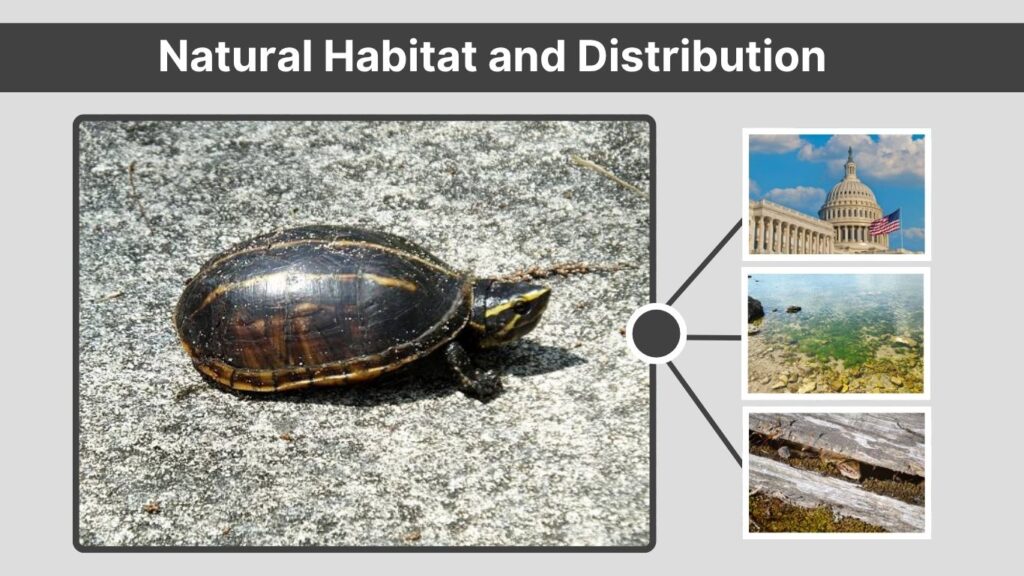
Striped mud turtles naturally live in warm, humid environments across the southeastern United States. They thrive in areas with slow-moving or still water and soft, muddy bottoms. Their ability to adapt to different wetland environments makes them widely distributed across several states.
Where Are They Found?
These turtles are commonly found in Florida, Georgia, and South Carolina. Florida is considered their primary habitat, where conditions are ideal year-round. They may also appear in nearby regions with similar climates and water systems.
Preferred Habitat
Their natural habitats include swamps, marshes, ponds, and ditches with soft mud and vegetation. They prefer shallow water where they can easily walk along the bottom. Access to land for basking and hiding is also important for their survival.
Striped Mud Turtle Size and Growth
Striped mud turtles are relatively small compared to other turtle species, which makes them easier to manage in captivity. Their growth is steady but slow, and they reach full size within a few years. Proper diet and care play a major role in healthy development.
How Big Do Striped Mud Turtles Get?
Adult striped mud turtles typically grow between 3 and 5 inches in shell length. Females are usually slightly larger than males. Their compact size is one of the reasons they are popular as pets.
Growth Stages
They go through three main stages: hatchling, juvenile, and adult. Hatchlings are very small and delicate, requiring special care. As juveniles, they grow steadily, eventually reaching full size as adults.
Striped Mud Turtle Lifespan
Striped mud turtles can live for several decades when properly cared for. Their lifespan varies depending on environmental conditions, diet, and overall care. In captivity, they often live longer than in the wild due to fewer threats and consistent care.
Factors Affecting Lifespan
Key factors include proper nutrition, clean water, and a well-maintained habitat. Stress, poor diet, and inadequate lighting can shorten their lifespan. Regular monitoring and proper care significantly improve longevity.
Striped Mud Turtle Diet
Striped mud turtles are omnivores, meaning they eat both animal and plant matter. Their diet in the wild consists mainly of small aquatic creatures and organic material. Providing a balanced diet in captivity is essential for their health and growth.
What Do Striped Mud Turtles Eat?
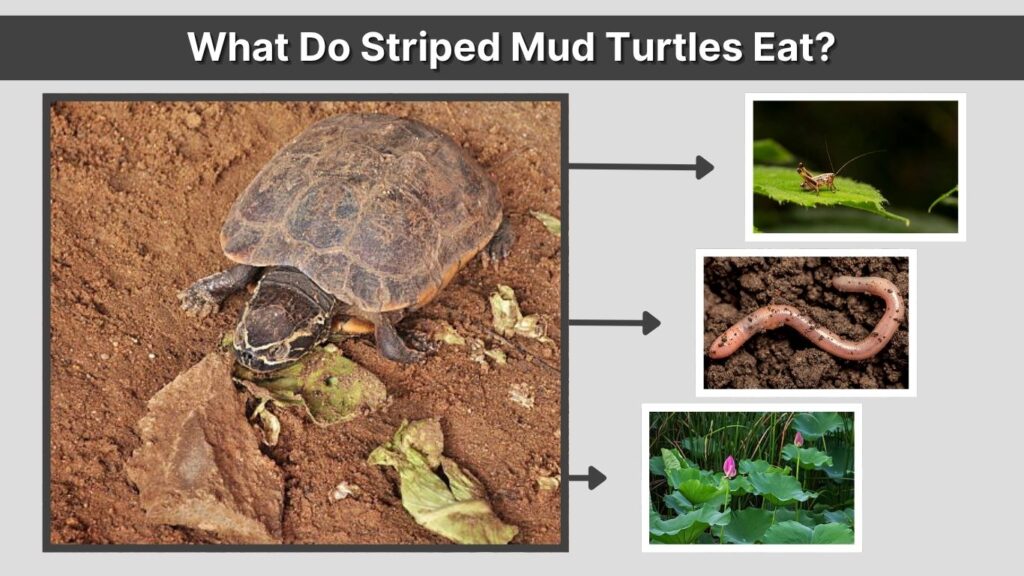
They commonly eat insects, worms, small fish, and aquatic plants. Protein-rich foods are especially important for younger turtles. A varied diet helps ensure they receive all necessary nutrients.
Feeding Tips
Feed hatchlings daily and adults every other day. Avoid overfeeding, as it can lead to health problems. Offering a mix of live, frozen, and commercial turtle food helps maintain a balanced diet.
Striped Mud Turtle Care Guide
Caring for a striped mud turtle involves maintaining clean water, proper lighting, and a safe environment. While they are considered low-maintenance compared to larger turtles, they still require consistent care and attention to stay healthy.
Basic Care Needs
They need clean, filtered water and a secure tank setup. Regular cleaning is essential to prevent bacteria buildup. A stable environment helps reduce stress and promotes healthy behavior.
Temperature and Lighting
Maintain water temperatures between 75–80°F. UVB lighting is important for shell health and calcium absorption. A basking area with proper heat allows them to regulate their body temperature.
Handling and Behavior
Striped mud turtles are not very social and prefer minimal handling. Frequent handling can cause stress. They are best observed rather than interacted with regularly.
Tank Setup and Requirements
Creating the right tank setup is essential for keeping a striped mud turtle healthy and comfortable. These turtles require a semi-aquatic environment that mimics their natural habitat. A well-designed tank should include clean water, a basking area, and proper equipment to maintain temperature and hygiene for long-term care.
Tank Size
A minimum 20-gallon tank is recommended for one adult striped mud turtle. However, a larger tank (30–40 gallons) is better as it provides more space and helps maintain water quality. Bigger tanks also allow more natural movement and reduce stress.
Tank Setup Essentials
Use a soft substrate like sand or fine gravel to mimic muddy environments. Keep water relatively shallow since these turtles prefer walking rather than deep swimming. Include a basking platform where the turtle can climb out and dry off comfortably.
Equipment Needed
Essential equipment includes a strong filter to keep water clean, a heater to maintain proper temperature, and a UVB light for shell and bone health. These components are crucial for replicating natural conditions in captivity.
Striped Mud Turtle Hatchling Care
Hatchling striped mud turtles require more delicate care compared to adults. They are smaller, more sensitive to environmental changes, and need specific conditions to grow properly. Providing the right setup early on ensures a strong and healthy start in life.
Hatchling Setup
Keep water shallow so hatchlings can easily reach the surface. Provide a gentle basking area that is easy to access. Ensure the tank is secure and stable, as young turtles are more vulnerable to stress and environmental changes.
Feeding Hatchlings
Hatchlings need a protein-rich diet to support growth. Feed them daily with small portions of insects, worms, and finely chopped food. Consistent feeding helps them develop properly during early stages.
Male vs Female Striped Mud Turtle
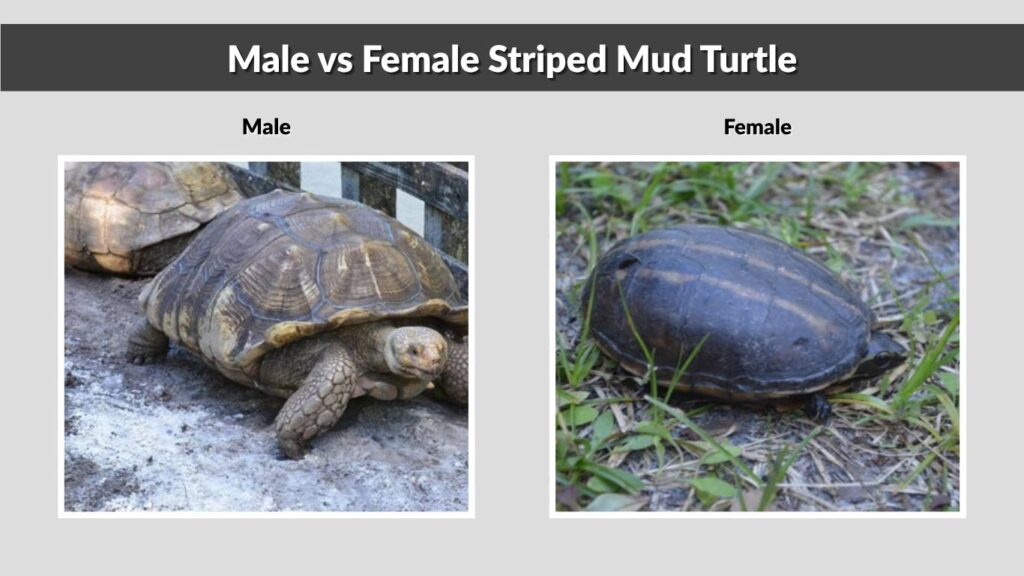
Identifying the gender of a striped mud turtle is important for breeding and understanding behavior. While they look similar at first glance, there are clear physical differences between males and females once they mature.
How to Tell the Difference
Males typically have longer and thicker tails, while females have shorter, thinner tails. The plastron (bottom shell) of males may be slightly concave, while females usually have a flatter underside.
Is a Striped Mud Turtle a Good Pet?
Striped mud turtles are considered good pets for beginners due to their small size and relatively simple care needs. However, they are not highly interactive and require a commitment to proper tank maintenance and long-term care.
Pros
They are small, easy to house, and do not require extremely large tanks. Their simple diet and hardy nature make them suitable for new reptile owners.
Cons
They can be messy, requiring frequent tank cleaning. They are also not very interactive and may not enjoy handling, which can be disappointing for some owners.
Where to Buy Striped Mud Turtles
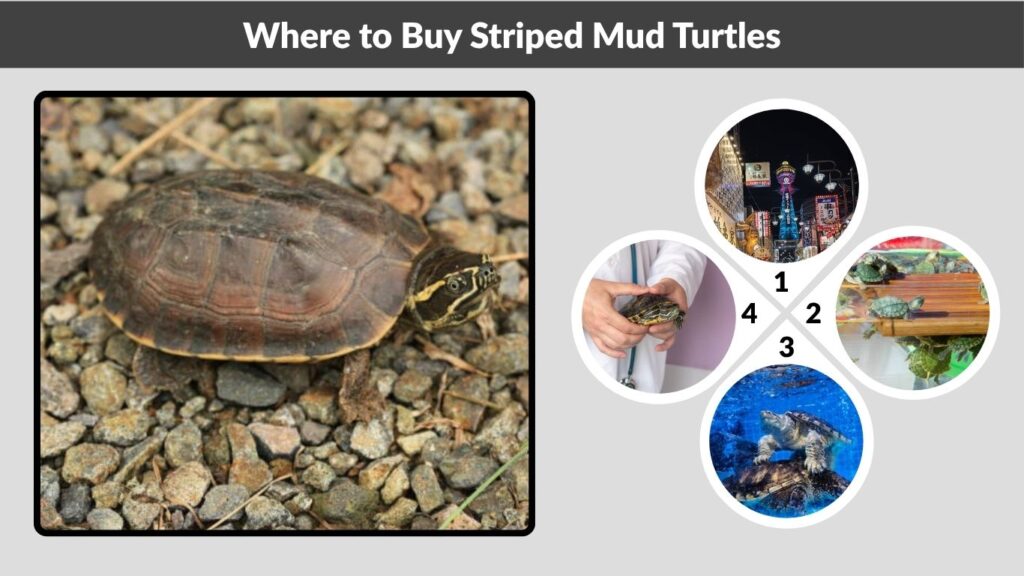
Finding a healthy striped mud turtle is important for a successful pet experience. It is always best to purchase from reliable sources that prioritize animal health and proper care practices.
Best Places to Buy
You can find striped mud turtles from reputable breeders, local pet stores, or online reptile sellers. Breeders are often the best option because they provide healthier and better-cared-for turtles.
Things to Check Before Buying
Check for clear eyes, smooth shells, and active behavior. Avoid turtles that appear weak or unhealthy. Also, verify local laws, as ownership may be regulated in some areas.
Common Health Issues
Like all reptiles, striped mud turtles can develop health problems if not properly cared for. Most issues are preventable with proper habitat, diet, and hygiene. Early detection is key to successful treatment.
Common Problems
Shell rot is caused by poor water quality and appears as soft or discolored patches. Respiratory infections may occur due to low temperatures. Poor diet can lead to vitamin deficiencies and weak shell growth.
Conclusion
Striped mud turtles are small, hardy, and relatively easy to care for, making them a great choice for beginners. By providing the right tank setup, balanced diet, and proper care, they can live long and healthy lives. Understanding their natural behavior and needs is the key to successfully keeping them as pets.
FAQs
How big do three striped mud turtles get?
They usually grow between 3 and 5 inches in length. Females tend to be slightly larger than males. Their small size makes them ideal for smaller tanks compared to many other turtle species.
What do striped mud turtles eat?
They are omnivores and eat insects, worms, small fish, and aquatic plants. A balanced diet with protein and some plant matter helps maintain their overall health and proper growth.
How long do striped mud turtles live?
In captivity, striped mud turtles can live between 20 and 30 years with proper care. Good diet, clean water, and correct lighting all play a major role in extending their lifespan.
What size tank does a striped mud turtle need?
A minimum 20-gallon tank is recommended for one adult turtle. However, larger tanks are always better because they provide more space and help maintain cleaner water conditions.