
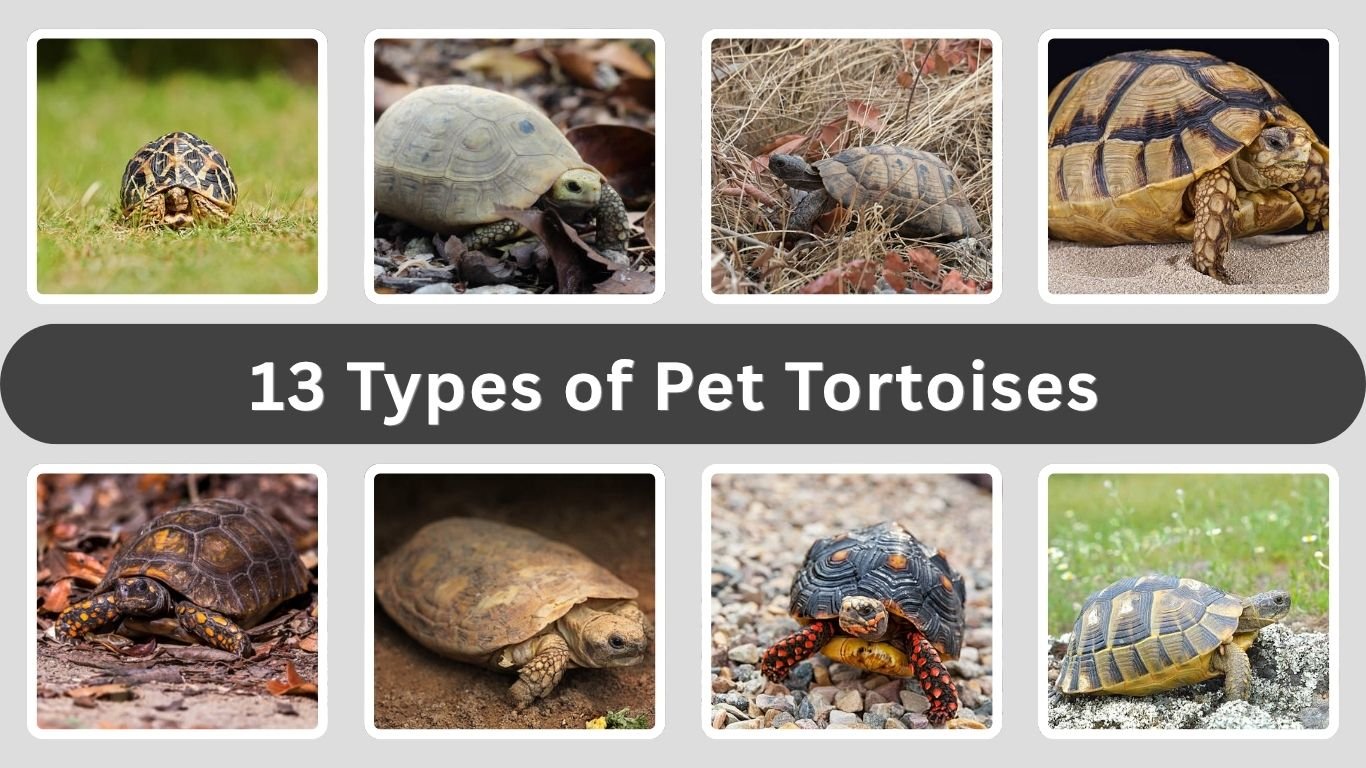
Tortoises are fascinating, long-living reptiles that make unique and rewarding pets. Each species has its own size, appearance, behavior, and care requirements, making it important to choose the right one for your lifestyle. From small and beginner-friendly tortoises to large, space-demanding species, there is a wide variety to explore.
In this guide, you’ll discover 13 popular types of pet tortoises, along with their key characteristics, care needs, lifespan, and natural behavior. This will help you better understand each species before deciding which tortoise might be the best fit for you.
1. Russian Tortoise
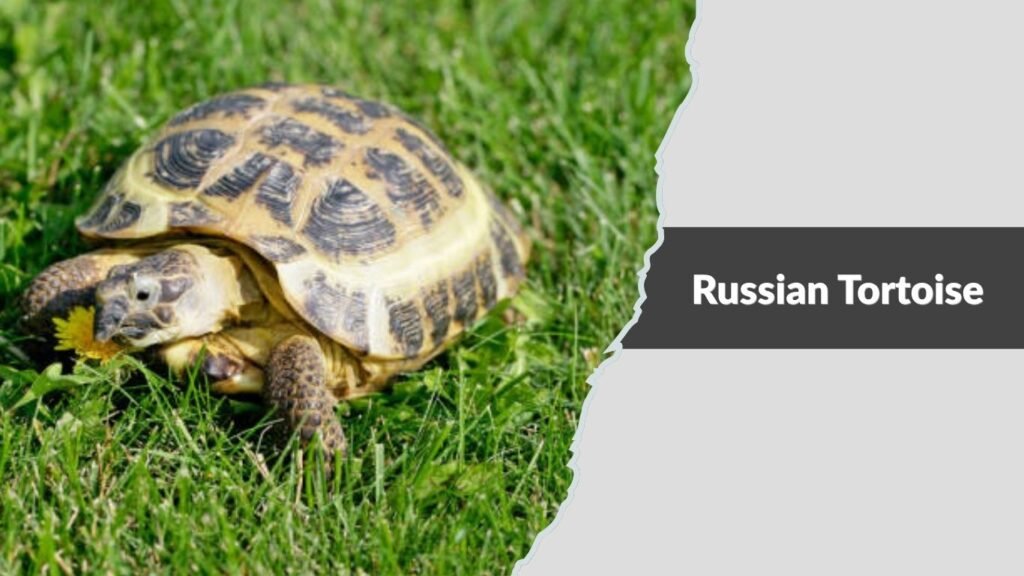
A small, hardy tortoise species popular among beginners due to its manageable size and adaptability. Native to Central Asia, it is well-known for its active behavior and relatively simple care needs.
Identification
- Small size, typically 5–10 inches in length
- Rounded, slightly flattened shell
- Color ranges from tan to olive with darker markings
- Four claws on each front foot (distinct feature)
Care
Russian tortoises need a dry, warm environment with access to both sunlight and shade. Their diet mainly consists of leafy greens, weeds, and vegetables. A proper enclosure with good ventilation and a substrate for burrowing is essential for their well-being.
Lifespan
With proper care, Russian tortoises can live between 40 to 60 years, and in some cases even longer. Their long lifespan makes them a long-term commitment for any owner.
Behavior and Habitat
These tortoises are active and enjoy digging and exploring. In the wild, they inhabit dry grasslands and deserts. As pets, they require space to roam and opportunities to exhibit natural behaviors like burrowing.
2. Greek Tortoise
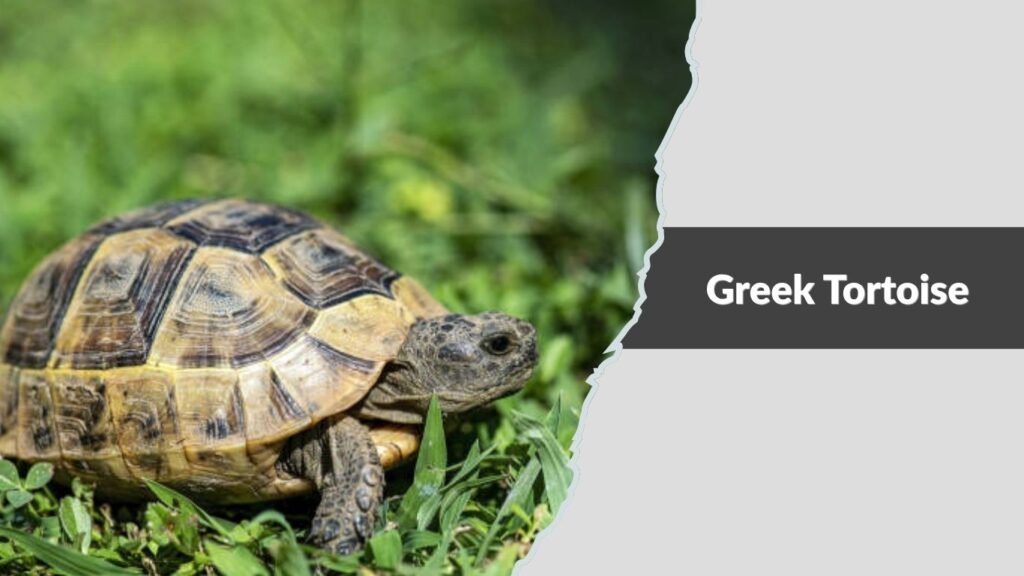
A popular Mediterranean species known for its beautiful shell patterns and gentle temperament. It is well-suited for captive life and commonly kept as a pet.
Identification
- Medium size, usually 6–8 inches long
- Dome-shaped shell with yellow and black patterns
- Strong, sturdy limbs
- Distinct large scales on the front legs
Care
Greek tortoises require a warm, dry environment with access to UVB lighting. Their diet should include leafy greens, grasses, and vegetables. A well-ventilated enclosure with hiding spots helps reduce stress and supports natural behavior.
Lifespan
Greek tortoises are long-lived, often reaching 50 years or more with proper care. Some individuals have been known to live well beyond this range in ideal conditions.
Behavior and Habitat
They are generally calm but active during the day. In the wild, they inhabit dry forests and scrublands. As pets, they enjoy exploring their enclosure and benefit from a habitat that mimics their natural environment.
3. Hermann’s Tortoise
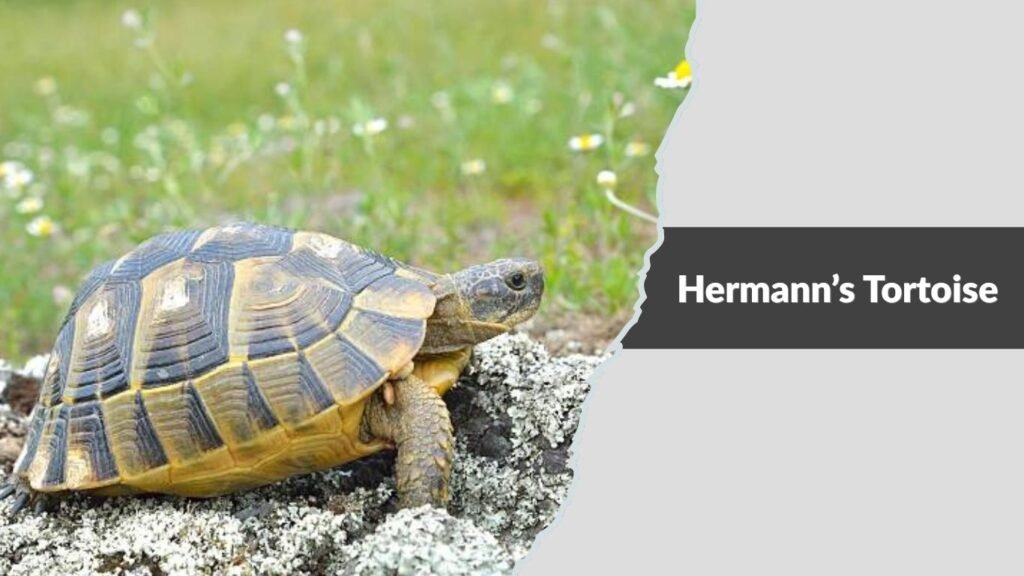
A small to medium-sized tortoise native to southern Europe, admired for its striking shell patterns and friendly nature. It is a popular choice for tortoise enthusiasts due to its manageable size and active personality.
Identification
- Size ranges from 6–10 inches
- Bright yellow and black patterned shell
- Slightly elongated, domed carapace
- Tail often ends with a small horn-like tip
Care
Hermann’s tortoises need a warm, dry enclosure with access to UVB light and a basking area. Their diet should consist mainly of leafy greens, weeds, and flowers. Providing a naturalistic habitat with hiding spots and space to roam is important for their health.
Lifespan
These tortoises can live for 50–75 years when properly cared for. Their long lifespan means they require a strong, long-term commitment from their owners.
Behavior and Habitat
They are active, curious, and enjoy exploring their surroundings. In the wild, they live in dry forests and grasslands. As pets, they thrive in environments that allow natural behaviors like digging and basking.
4. Indian Star Tortoise
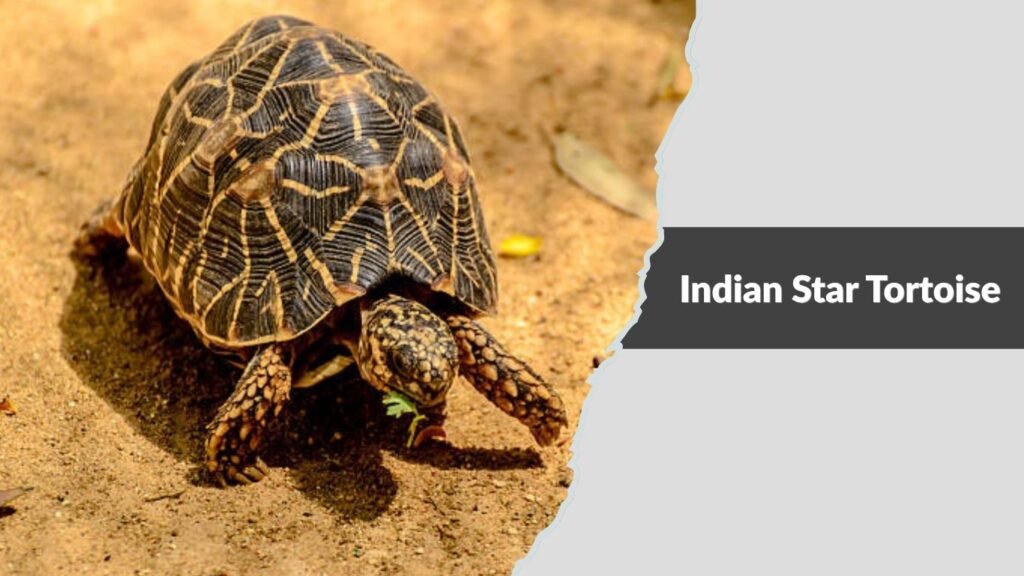
A visually striking tortoise species known for its star-patterned shell. Native to India and surrounding regions, it is highly valued for its unique appearance and calm nature.
Identification
- Medium size, usually 7–12 inches long
- Distinct star-like yellow patterns on a dark shell
- High-domed, rounded carapace
- Head and limbs are typically light brown or yellowish
Care
Indian Star tortoises require a warm, humid environment compared to many other species. Their diet should include grasses, leafy greens, and vegetables. Maintaining proper humidity and temperature is crucial, along with a clean, well-ventilated enclosure.
Lifespan
They can live between 30 to 50 years with proper care. In ideal conditions, some individuals may live even longer.
Behavior and Habitat
These tortoises are generally shy and prefer a calm environment. In the wild, they inhabit dry forests and grasslands. As pets, they do best in a stress-free habitat with minimal handling and consistent conditions.
5. African Spurred Tortoise (Sulcata)
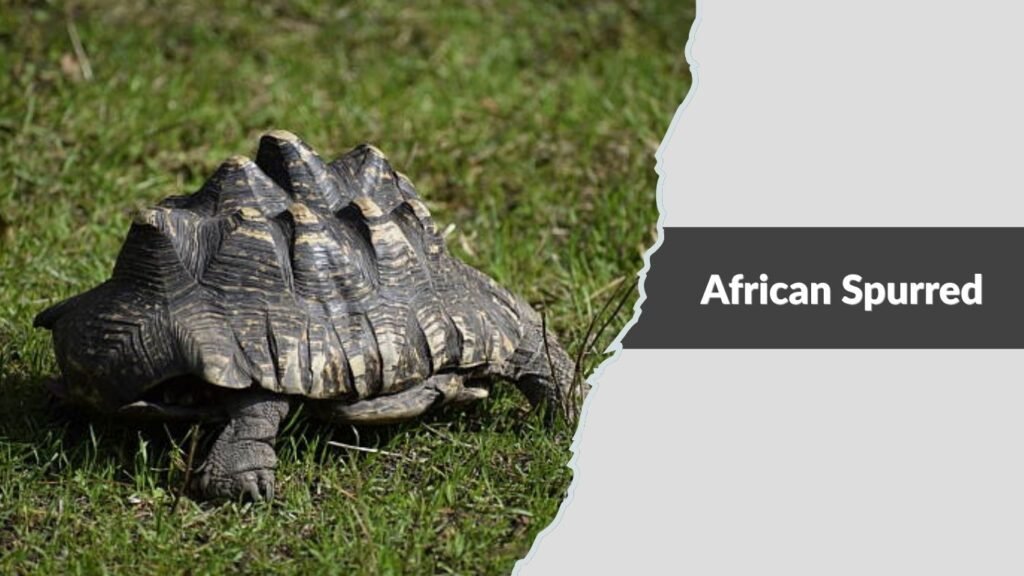
One of the largest tortoise species commonly kept as a pet, known for its rapid growth and strong, active nature. Native to the deserts of Africa, it requires significant space and commitment.
Identification
- Large size, can grow up to 24–30 inches
- Sandy or yellowish-brown shell
- Thick, sturdy legs with prominent spurs (spikes) on the thighs
- Broad, oval-shaped carapace
Care
Sulcata tortoises need a very spacious, warm, and dry environment. They require strong UVB lighting and a diet mainly of grasses and hay. Because of their size, outdoor enclosures are often necessary, along with secure fencing to prevent escape.
Lifespan
These tortoises can live 50 to 70 years or more with proper care. Their long lifespan and large size make them a major long-term responsibility.
Behavior and Habitat
They are active, strong, and love to dig burrows. In the wild, they inhabit hot, arid regions. As pets, they need plenty of space to roam and dig, along with a stable environment that mimics their natural desert habitat.
6. Leopard Tortoise
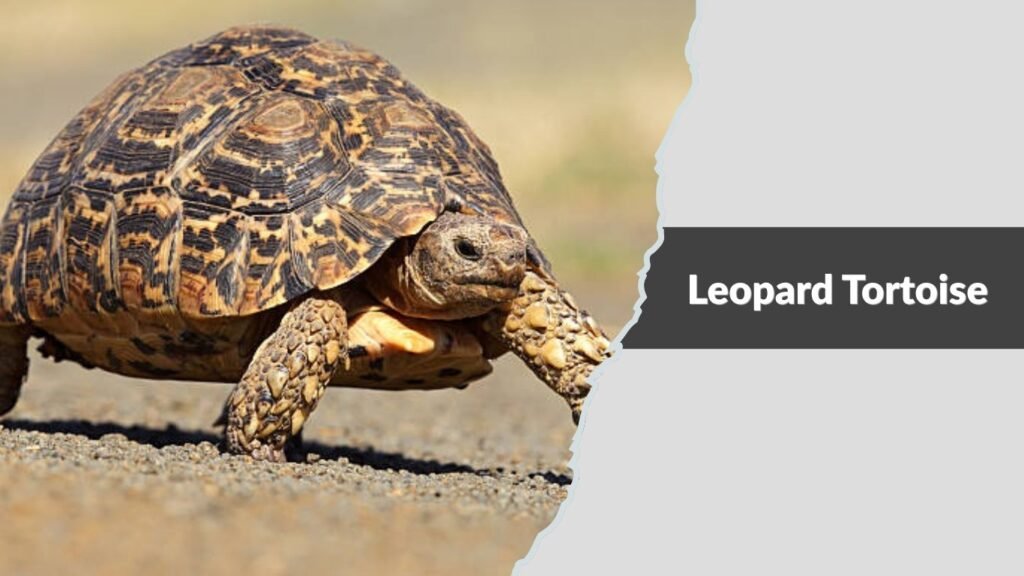
A large and beautifully patterned tortoise native to Africa, named for the leopard-like spots on its shell. It is known for its calm nature and impressive size.
Identification
- Large size, typically 10–18 inches (can grow larger)
- High-domed shell with black spots or blotches
- Yellow to tan base shell color
- Long neck and relatively small head
Care
Leopard tortoises need a warm, dry environment with access to UVB lighting. Their diet should mainly consist of grasses and high-fiber plants. They require a spacious enclosure and do best in outdoor setups in suitable climates.
Lifespan
They can live between 50 to 80 years with proper care. Their long lifespan makes them a lifelong commitment for owners.
Behavior and Habitat
These tortoises are generally calm and less aggressive. In the wild, they inhabit savannas and grasslands. As pets, they enjoy open spaces and require an environment that allows grazing and natural movement.
7. Red-Footed Tortoise
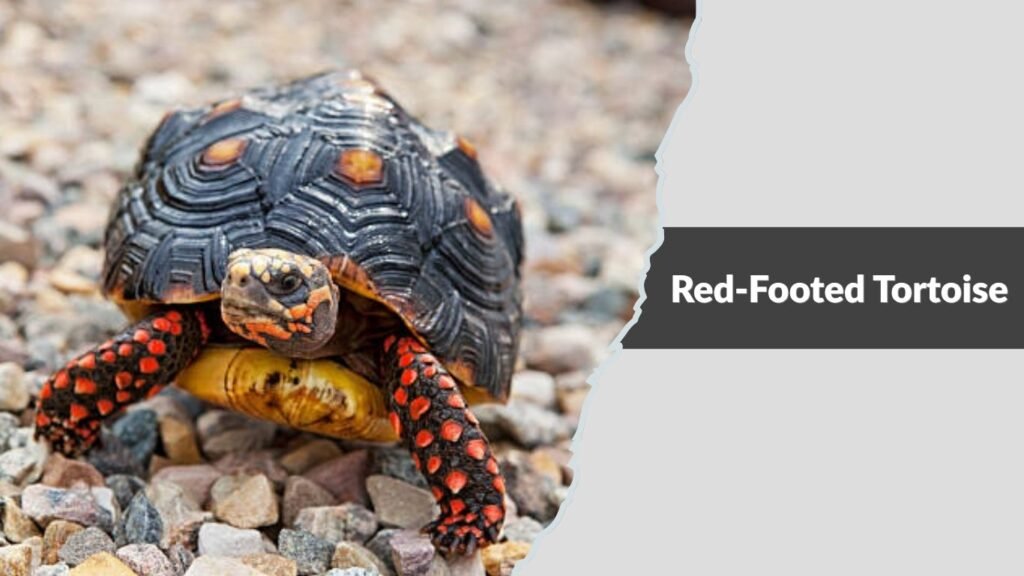
A colorful and friendly tortoise species native to South America, known for the red or orange scales on its legs and head. It is popular among pet owners for its manageable size and adaptable nature.
Identification
- Medium size, usually 10–14 inches long
- Dark shell with lighter yellow or orange center patterns
- Distinct red or orange scales on legs and head
- Slightly domed, oval-shaped shell
Care
Red-footed tortoises require a warm and humid environment. Their diet is more varied than many tortoises, including leafy greens, vegetables, fruits, and occasional protein sources. Proper humidity, UVB lighting, and a spacious enclosure are essential for their health.
Lifespan
They typically live 40 to 50 years in captivity with proper care. Some individuals may live longer under ideal conditions.
Behavior and Habitat
These tortoises are generally social and active, especially during the day. In the wild, they inhabit tropical forests and humid regions. As pets, they thrive in environments that maintain moisture and provide hiding spots and space to explore.
8. Yellow-Footed Tortoise
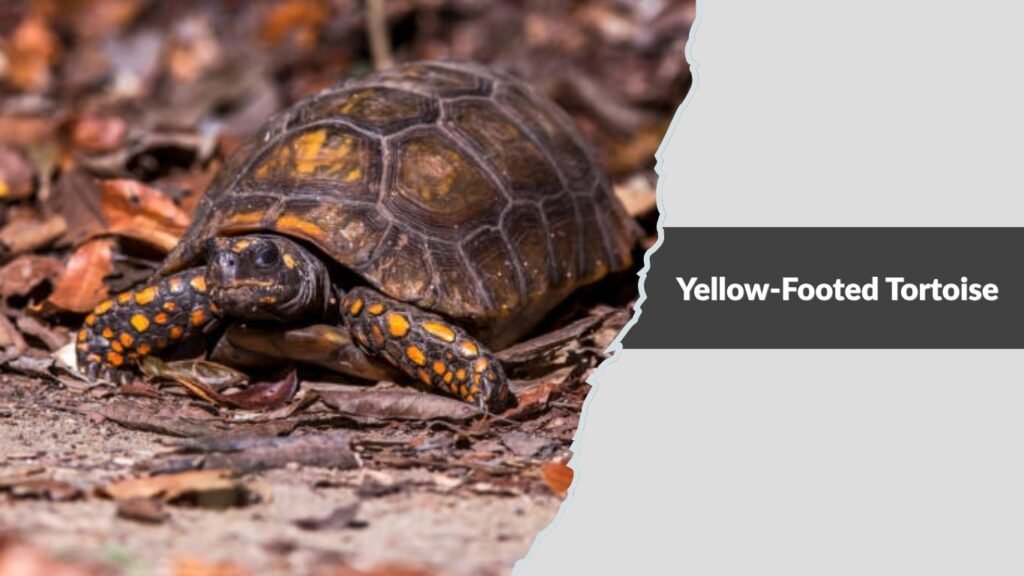
A close relative of the red-footed tortoise, this species is known for its larger size and yellow-colored scales on its limbs. Native to South America, it thrives in warm, humid environments.
Identification
- Larger size, typically 12–16 inches long
- Dark shell with lighter center patterns
- Yellow scales on legs and head
- Slightly elongated, domed shell
Care
Yellow-footed tortoises require a warm, humid habitat with consistent moisture levels. Their diet includes leafy greens, vegetables, fruits, and occasional protein. A spacious enclosure with proper humidity and UVB lighting is essential for maintaining their health.
Lifespan
They can live 50 to 60 years with proper care. In ideal conditions, some individuals may live even longer.
Behavior and Habitat
These tortoises are calm and somewhat shy. In the wild, they live in tropical rainforests and humid areas. As pets, they prefer a stable, moist environment with hiding spots and enough space to explore comfortably.
9. Pancake Tortoise
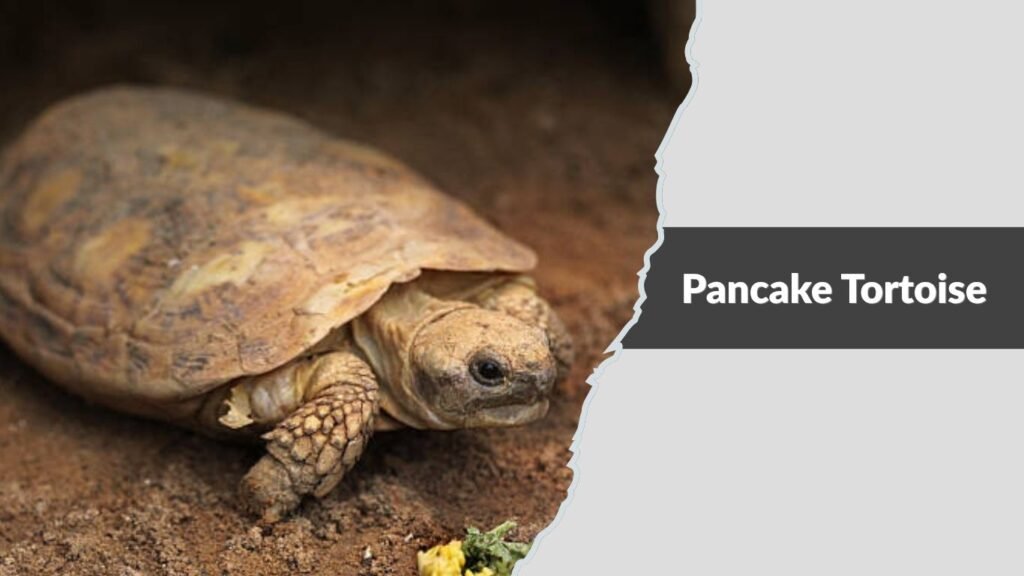
A unique and flat-shelled tortoise species native to East Africa, known for its ability to squeeze into narrow rock crevices. Its unusual appearance makes it very different from most other tortoises.
Identification
- Small size, usually 6–7 inches long
- Flat, flexible shell (unlike typical domed shells)
- Brown shell with darker radiating patterns
- Long legs adapted for climbing
Care
Pancake tortoises need a warm, dry environment with plenty of rocks and hiding crevices. They require UVB lighting and a diet of leafy greens and vegetables. A secure enclosure is important, as they are good climbers and can escape easily.
Lifespan
They generally live around 30 to 40 years in captivity with proper care. Good habitat conditions can help extend their lifespan.
Behavior and Habitat
These tortoises are active and prefer rocky habitats. In the wild, they live in dry, rocky hillsides. As pets, they enjoy climbing and hiding in tight spaces, so their enclosure should mimic this natural environment.
10. Egyptian Tortoise
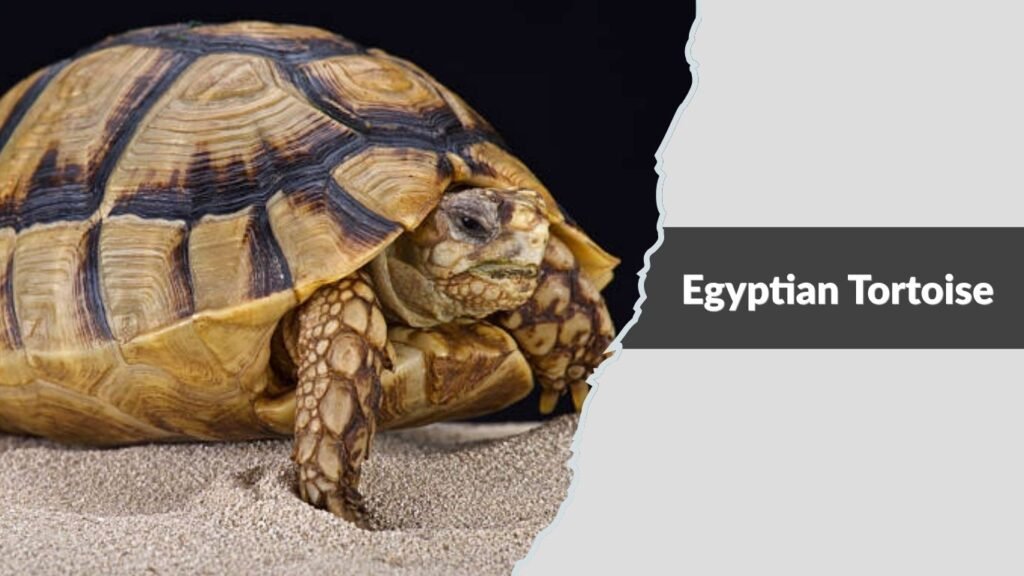
One of the smallest tortoise species, native to North Africa. It is known for its pale coloration and delicate nature, making it quite sensitive compared to other tortoises.
Identification
- Small size, usually 4–6 inches long
- Pale yellow to ivory-colored shell
- High-domed, smooth carapace
- Light-colored skin with minimal markings
Care
Egyptian tortoises require a warm, dry environment with stable temperatures. They are sensitive to humidity and stress, so a calm, controlled enclosure is important. Their diet should include leafy greens and low-moisture vegetables, along with proper UVB lighting.
Lifespan
They can live around 30 to 50 years with proper care. Due to their delicate nature, maintaining consistent conditions is key to ensuring a long life.
Behavior and Habitat
These tortoises are shy and prefer quiet surroundings. In the wild, they inhabit arid coastal deserts. As pets, they need a stress-free environment with minimal handling and secure hiding areas.
11. Marginated Tortoise
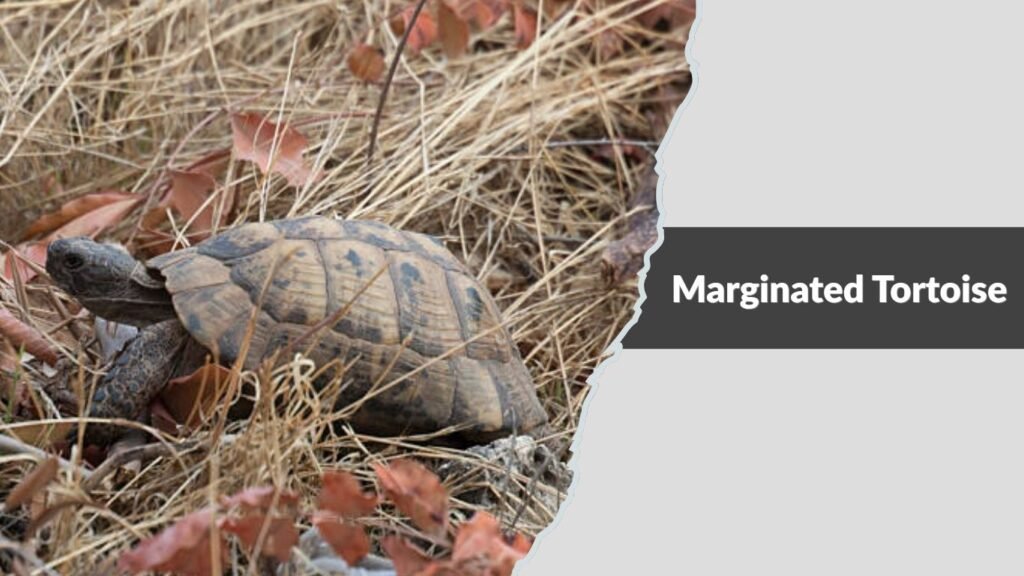
The largest tortoise species native to Europe, recognized for the flared edges of its shell. It is hardy and adapts well to captive environments with proper care.
Identification
- Medium to large size, usually 10–14 inches
- Dark shell with lighter growth rings
- Distinct flared, skirt-like edges at the back of the shell
- Strong, sturdy limbs
Care
Marginated tortoises need a warm, dry habitat with access to UVB lighting. Their diet should mainly consist of leafy greens, weeds, and grasses. A spacious enclosure with areas for basking and hiding is important for maintaining their health.
Lifespan
They can live between 50 to 70 years or more with proper care. Like many tortoises, they require a long-term commitment from their owners.
Behavior and Habitat
These tortoises are active and enjoy roaming. In the wild, they live in dry, rocky hillsides and scrublands. As pets, they benefit from an environment that allows natural behaviors like exploring and basking.
12. Burmese Star Tortoise
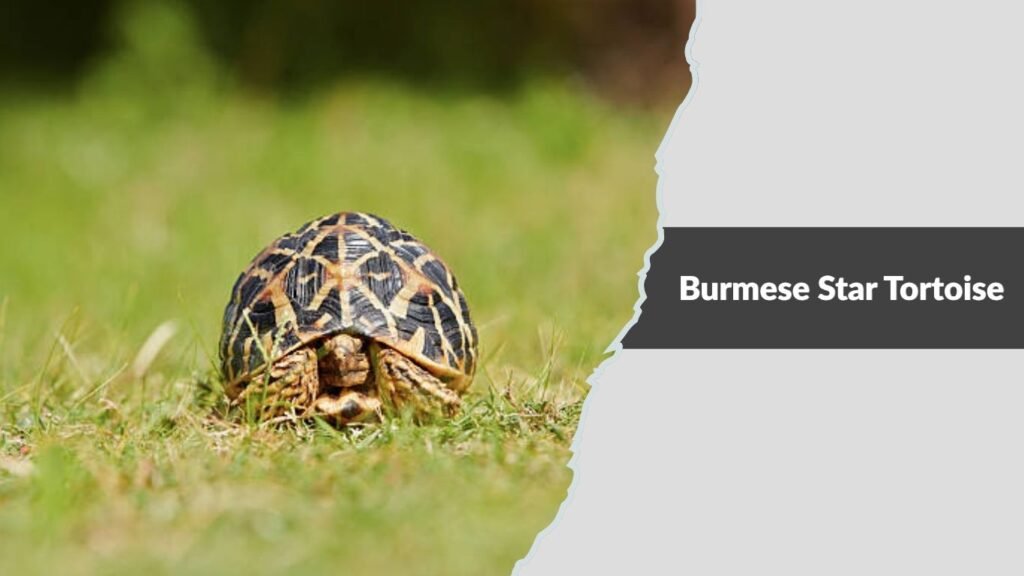
A rare and beautiful tortoise species known for its striking star-like shell patterns. Native to Myanmar, it is admired for its appearance and calm temperament.
Identification
- Medium size, usually 8–12 inches long
- Dark shell with bold yellow star patterns
- High-domed, rounded carapace
- Sturdy legs with rough scales
Care
Burmese Star tortoises require a warm, moderately humid environment. Their diet should include grasses, leafy greens, and vegetables. Proper UVB lighting, a clean enclosure, and stable temperature conditions are essential for their health.
Lifespan
They can live around 50 to 70 years with proper care. Consistent habitat conditions help support a long and healthy life.
Behavior and Habitat
These tortoises are generally calm and somewhat shy. In the wild, they inhabit dry forests and grasslands. As pets, they prefer a quiet environment with enough space to move and areas to hide.
13. Elongated Tortoise
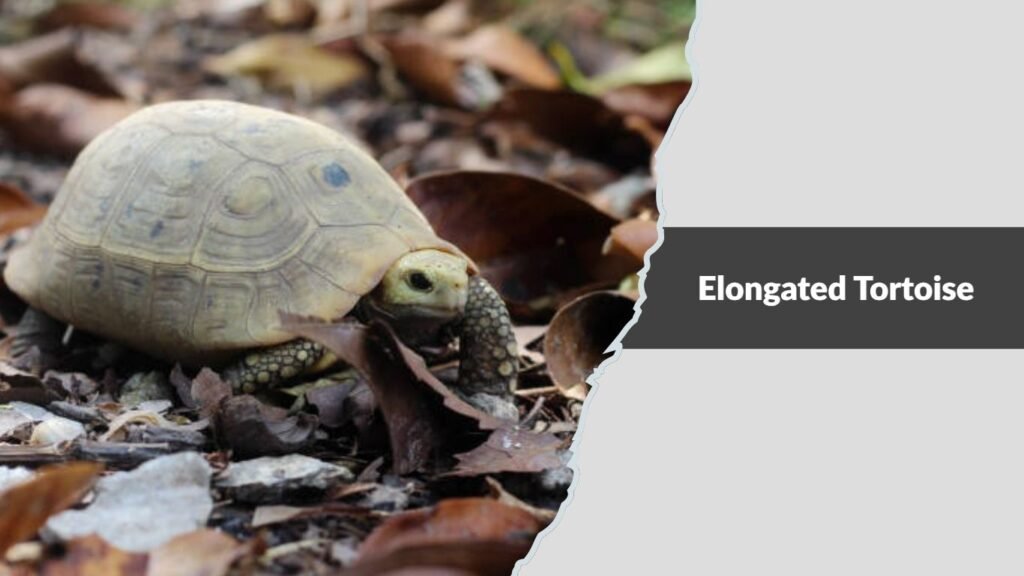
A medium-sized tortoise native to Southeast Asia, recognized for its long, narrow shell shape. It is adaptable but requires proper environmental conditions to stay healthy in captivity.
Identification
- Medium size, usually 10–12 inches long
- Elongated, somewhat flattened shell
- Brown to olive shell with darker blotches
- Long limbs with strong claws
Care
Elongated tortoises need a warm and humid environment. Their diet includes leafy greens, vegetables, fruits, and occasional protein. A spacious enclosure with proper humidity, UVB lighting, and hiding spots is important for their well-being.
Lifespan
They can live around 40 to 50 years with proper care. Maintaining consistent temperature and humidity helps ensure a longer lifespan.
Behavior and Habitat
These tortoises are generally shy and prefer humid surroundings. In the wild, they inhabit forests and moist regions. As pets, they require a stable, humid habitat with plenty of cover and space to explore.
FAQs
Which tortoise is best for beginners?
Russian tortoises are often considered the best choice for beginners. They are small, hardy, and adapt well to captivity. Their diet and habitat needs are relatively simple compared to larger or more sensitive species, making them easier to care for if you’re new to keeping tortoises.
How long do pet tortoises live?
Most pet tortoises live a very long time, typically between 30 to 80 years depending on the species. Some can even live over 100 years with excellent care. This makes them a lifelong commitment, and owners should be prepared for long-term responsibility.
What do pet tortoises eat?
Tortoises mainly eat plant-based diets, including leafy greens, grasses, and vegetables. Some species, like red-footed tortoises, also eat fruits and occasional protein. A proper diet depends on the species, so it’s important to research specific nutritional needs.
Do tortoises need special lighting?
Yes, most pet tortoises require UVB lighting if kept indoors. UVB helps them produce vitamin D3, which is essential for calcium absorption and shell health. Without proper lighting, tortoises can develop serious health issues like shell deformities.
Can tortoises be kept indoors or outdoors?
Tortoises can be kept both indoors and outdoors, depending on the climate and species. Outdoor enclosures are ideal in warm regions, while indoor setups need proper heating and lighting. The key is to create an environment that closely mimics their natural habitat.