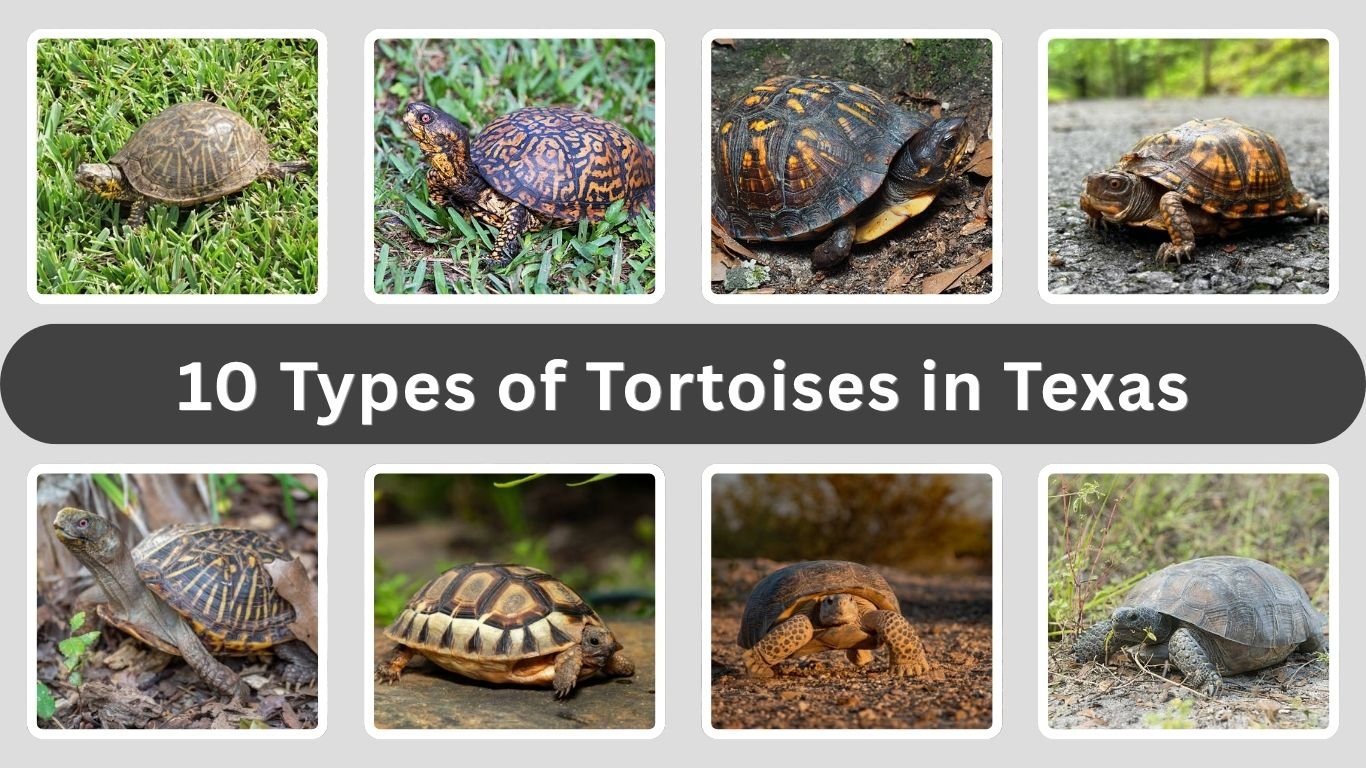
Texas is home to a variety of land-dwelling turtles and tortoises, each adapted to different environments across the state. From true tortoises like the Texas tortoise to several types of box turtles, these species play important roles in local ecosystems. Understanding their characteristics, habitats, and behaviors helps in appreciating and protecting them. In this guide, you’ll explore 10 types of tortoises found in Texas and learn what makes each one unique.
1. Texas Tortoise
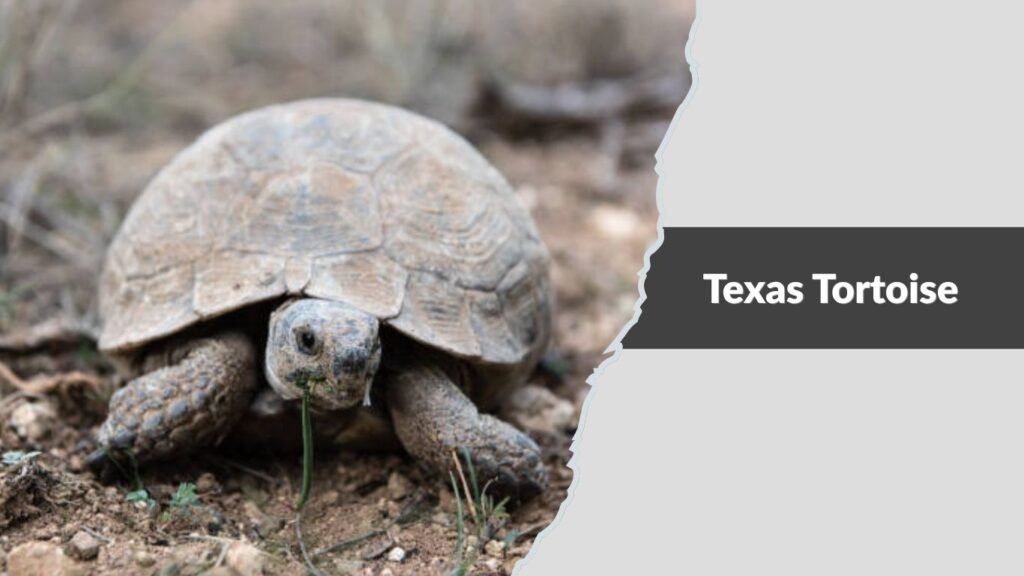
The Texas tortoise (Gopherus berlandieri) is a small, land-dwelling species native to southern Texas and northeastern Mexico. It is one of the only true tortoise species naturally found in Texas and is well adapted to the region’s dry, scrubby environments. This tortoise is protected by law in Texas, meaning it cannot be collected, sold, or kept as a pet without special permits.
Identification
The Texas tortoise is relatively small, usually reaching about 6–9 inches in length. It has a rounded, dome-shaped shell that is typically brown to grayish in color. The shell often appears smooth, and its limbs are sturdy and covered with thick scales. Like other tortoises, it has elephant-like legs adapted for walking on land.
Habitat and Behavior
This species prefers dry, brushy areas such as thornscrub, grasslands, and semi-arid regions. It is most active during warmer months and tends to avoid extreme heat by staying in shaded areas or burrows. Texas tortoises are generally solitary and slow-moving, spending much of their time foraging.
Diet
Texas tortoises are herbivores, feeding mainly on native plants. Their diet includes grasses, weeds, flowers, and cactus pads. They play an important role in their ecosystem by helping spread seeds through their droppings.
Lifespan and Conservation
These tortoises can live for several decades in the wild. However, their population faces threats from habitat loss, road accidents, and human interference. Because of this, conservation efforts are in place to protect them, and it is important to observe them in the wild without disturbing their natural behavior.
2. Desert Tortoise
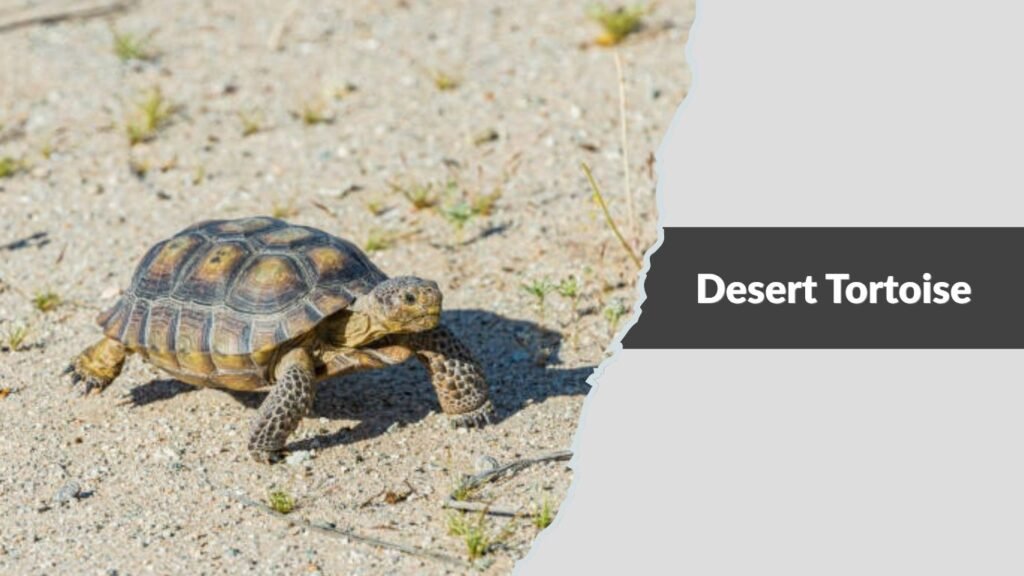
The Desert tortoise (Gopherus agassizii) is a well-known species found in the southwestern United States, including parts of western Texas. It is adapted to harsh desert environments and is recognized for its ability to survive in extreme heat with limited water. This species is also protected due to declining populations.
Identification
- Medium size, typically 8–15 inches long
- High-domed shell, usually brown or tan
- Thick, scaly legs adapted for digging
- Blunt, rounded head with small eyes
Habitat and Behavior
Desert tortoises live in arid desert regions with sandy or rocky soil. They spend much of their time in burrows to escape extreme temperatures. These tortoises are most active during cooler parts of the day and can remain dormant during very hot or cold periods.
Diet
They are herbivores and feed on grasses, wildflowers, and desert plants. During rainy seasons, they consume fresh vegetation, which also provides them with necessary moisture.
Lifespan and Conservation
Desert tortoises can live 50 years or more. However, they face threats from habitat destruction, disease, and human activities. Conservation programs are in place to protect this species, and it is illegal to disturb or collect them in many areas.
3. Gopher Tortoise
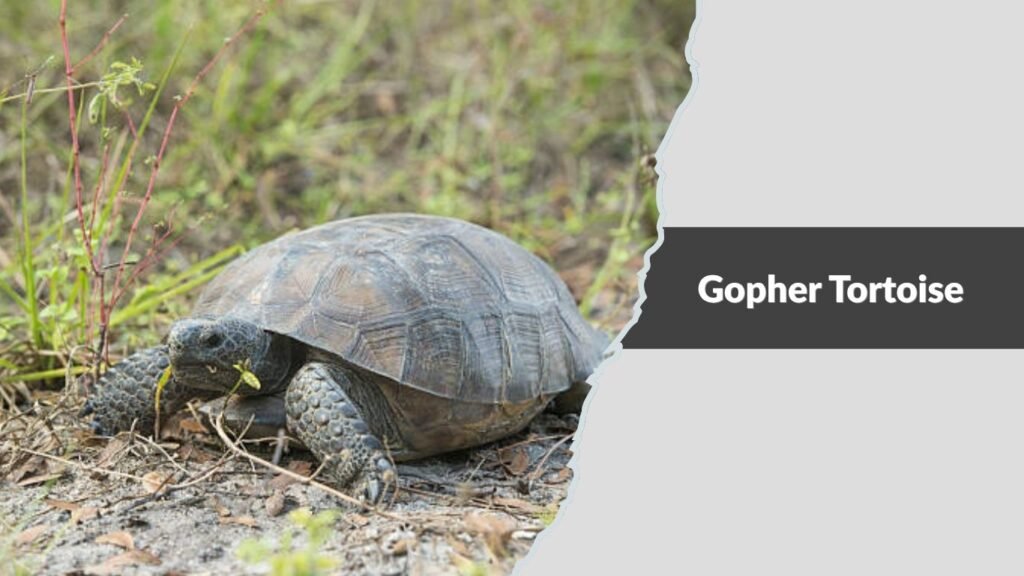
The Gopher tortoise (Gopherus polyphemus) is a land-dwelling species found in the southeastern United States, including eastern parts of Texas. It is known for its important role in the ecosystem, as its burrows provide shelter for many other animals.
Identification
- Medium to large size, usually 9–15 inches long
- Dome-shaped shell, brown to gray in color
- Strong, shovel-like front legs for digging
- Thick, scaly skin with a sturdy build
Habitat and Behavior
Gopher tortoises prefer dry, sandy environments such as pine forests, scrublands, and grasslands. They are famous for digging long burrows, which they use for protection from predators and extreme weather. These tortoises are active during the day and spend much of their time near their burrow.
Diet
They are herbivores, feeding mainly on grasses, fruits, flowers, and leaves. Their diet varies depending on the season and availability of vegetation in their habitat.
Lifespan and Conservation
Gopher tortoises can live 40 to 60 years or more. They are considered a threatened species due to habitat loss and human activity. Protecting their habitats is essential, as many other species depend on their burrows for survival.
4. Bolson Tortoise
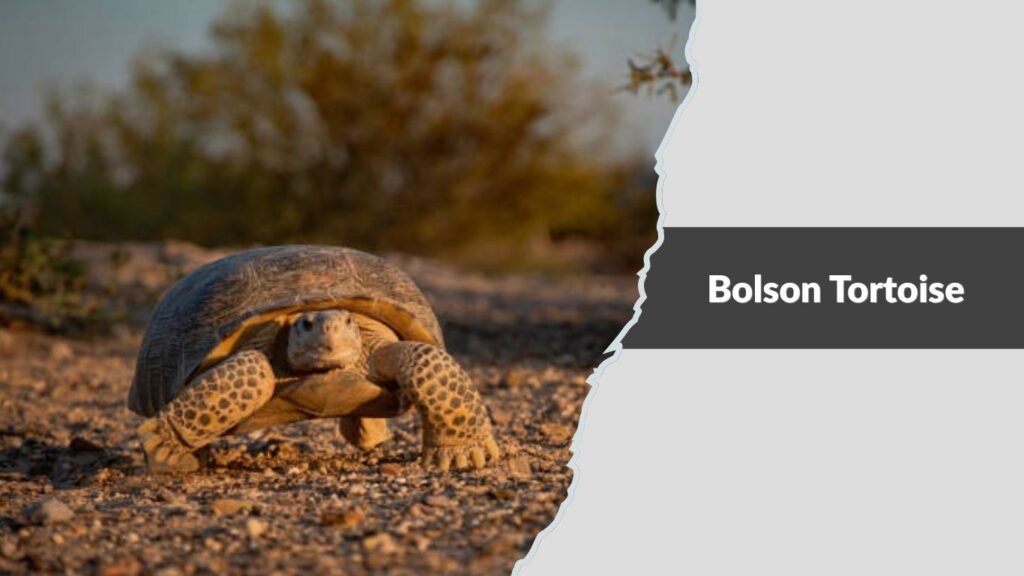
The Bolson tortoise (Gopherus flavomarginatus) is one of the largest tortoise species in North America. Although primarily native to Mexico, it has been introduced in protected areas of Texas as part of conservation and rewilding efforts.
Identification
- Large size, typically 12–18 inches long
- High-domed shell with yellow and brown patterns
- Thick, powerful legs adapted for digging
- Broad, heavy body with a sturdy appearance
Habitat and Behavior
Bolson tortoises prefer arid grasslands and desert environments. They are excellent diggers and create deep burrows to escape extreme temperatures. These tortoises are generally active during warmer seasons and spend much of their time foraging or resting underground.
Diet
They are herbivores and feed mainly on grasses, herbs, and other desert vegetation. Their diet is high in fiber, which supports their digestion and overall health.
Lifespan and Conservation
Bolson tortoises can live over 50 years. They are considered a vulnerable species due to habitat loss and historical population decline. Conservation programs, including reintroduction efforts in Texas, are helping to restore their numbers in the wild.
5. Berlandier’s Tortoise
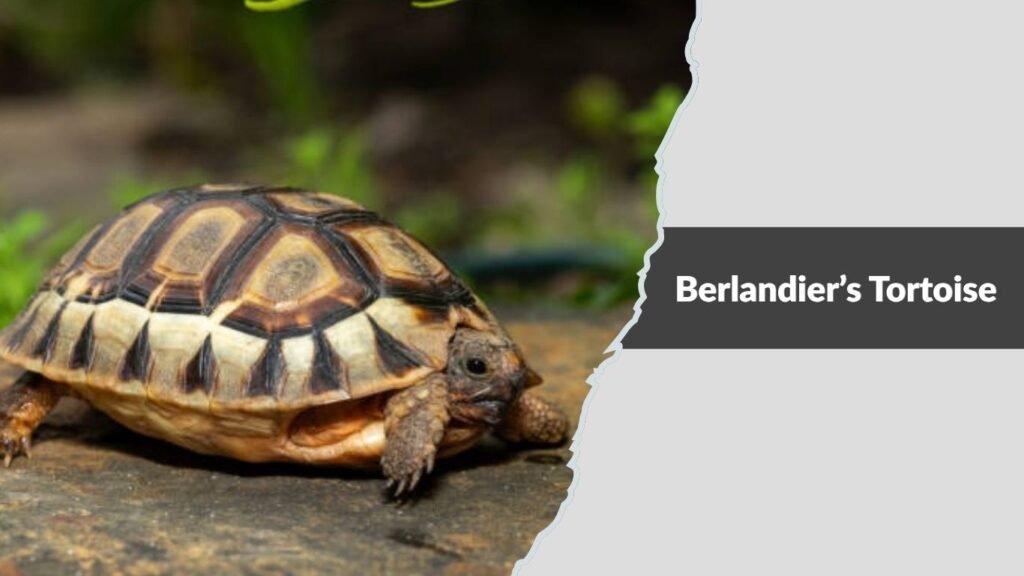
Berlandier’s tortoise is another name commonly used for the Texas tortoise (Gopherus berlandieri), highlighting its scientific classification. It is native to southern Texas and nearby regions and is well adapted to semi-arid environments.
Identification
- Small size, usually 6–9 inches long
- Rounded, dome-shaped shell
- Brown to gray shell coloration
- Strong, scaly legs suited for walking on land
Habitat and Behavior
This tortoise lives in dry, brushy habitats such as thornscrub and grasslands. It is most active during warm weather and tends to rest in shaded areas during extreme heat. It is generally solitary and slow-moving.
Diet
Berlandier’s tortoise feeds mainly on plants, including grasses, weeds, flowers, and cactus pads. It plays an important ecological role by helping disperse seeds.
Lifespan and Conservation
It can live for several decades in the wild. This species is protected in Texas due to threats like habitat loss and human disturbance, so it should not be collected or kept as a pet without proper authorization.
6. Western Box Turtle
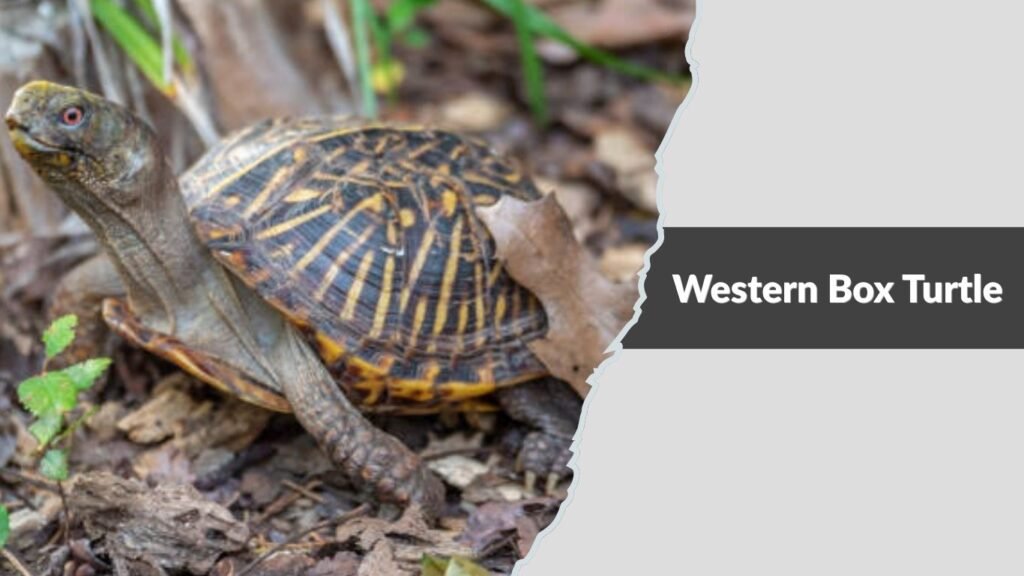
The Western box turtle (Terrapene ornata) is commonly found in parts of Texas and is known for its ability to fully close its shell for protection. Although technically a box turtle (a type of turtle rather than a true tortoise), it is often included in land-dwelling turtle lists due to its terrestrial lifestyle.
Identification
- Small to medium size, usually 4–6 inches long
- High-domed shell with yellow lines or star-like patterns
- Hinged plastron (bottom shell) that closes completely
- Dark body with yellow or orange markings
Habitat and Behavior
Western box turtles live in grasslands, prairies, and open woodlands. They are active during warmer months and may burrow or hide under vegetation to escape heat. These turtles are generally solitary and spend much of their time exploring their surroundings.
Diet
They are omnivores, eating a mix of plants and animals. Their diet includes insects, worms, fruits, berries, and leafy vegetation. This varied diet helps them adapt to different environments.
Lifespan and Conservation
Western box turtles can live 30 to 50 years or more. They face threats from habitat loss, road accidents, and collection. In many areas, they are protected, and it is important to leave them undisturbed in the wild.
7. Three-Toed Box Turtle
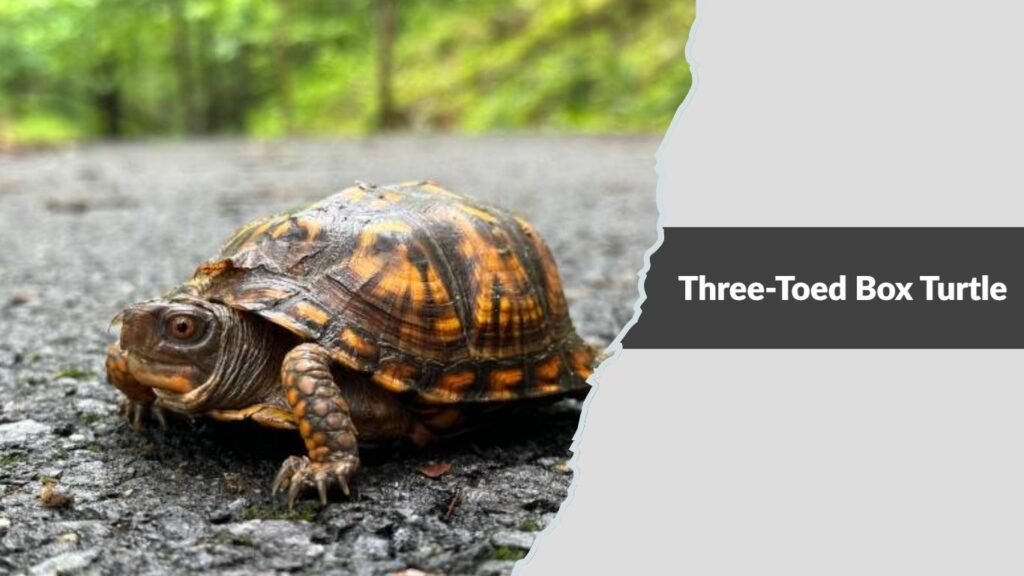
The Three-toed box turtle (Terrapene carolina triunguis) is a common land-dwelling turtle found in eastern Texas. It is named for the three toes on its hind feet and is known for its adaptability and long lifespan.
Identification
- Small to medium size, usually 4–6 inches long
- Dome-shaped shell, often olive or brown
- Three toes on each hind foot (key feature)
- Hinged plastron that allows full shell closure
Habitat and Behavior
These turtles prefer moist environments such as forests, grasslands, and areas near water. They are most active during warm, humid weather and tend to hide under leaves or burrow during extreme conditions. They are generally slow-moving and solitary.
Diet
Three-toed box turtles are omnivores. They eat insects, worms, fruits, mushrooms, and leafy plants. Their diet changes depending on what is available in their environment.
Lifespan and Conservation
They can live 40 to 60 years or more. While still common in some areas, they face threats from habitat loss and road mortality. It is important to protect their natural habitats and avoid removing them from the wild.
8. Ornate Box Turtle
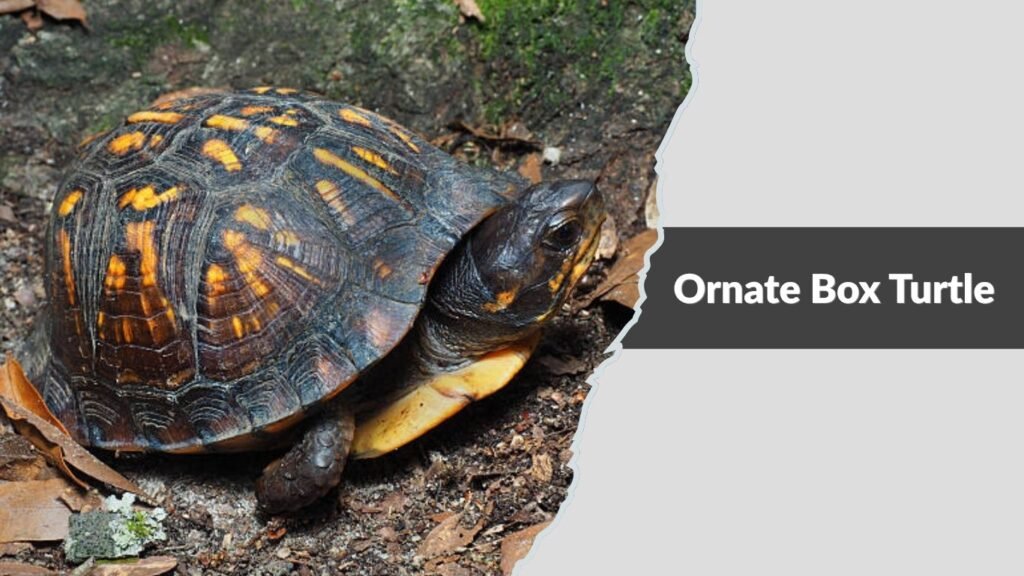
The Ornate box turtle (Terrapene ornata ornata) is a beautifully patterned land turtle found in parts of Texas. It is known for its bright markings and ability to close its shell completely for protection, similar to other box turtles.
Identification
- Small size, usually 4–5 inches long
- Dark shell with yellow lines forming star-like patterns
- Hinged plastron that allows full closure
- Relatively flat but still domed shell
Habitat and Behavior
Ornate box turtles prefer dry, open habitats such as grasslands and prairies. They are most active during warm weather and may burrow into the soil to escape extreme heat or cold. These turtles are generally solitary and spend much of their time searching for food.
Diet
They are omnivores, feeding on insects, worms, berries, flowers, and other plant material. Their diet varies with the seasons and availability of food sources.
Lifespan and Conservation
Ornate box turtles can live 30 to 50 years or more. They face threats from habitat loss, road traffic, and human collection. Conservation efforts focus on protecting their natural habitats and reducing human impact.
9. Eastern Box Turtle
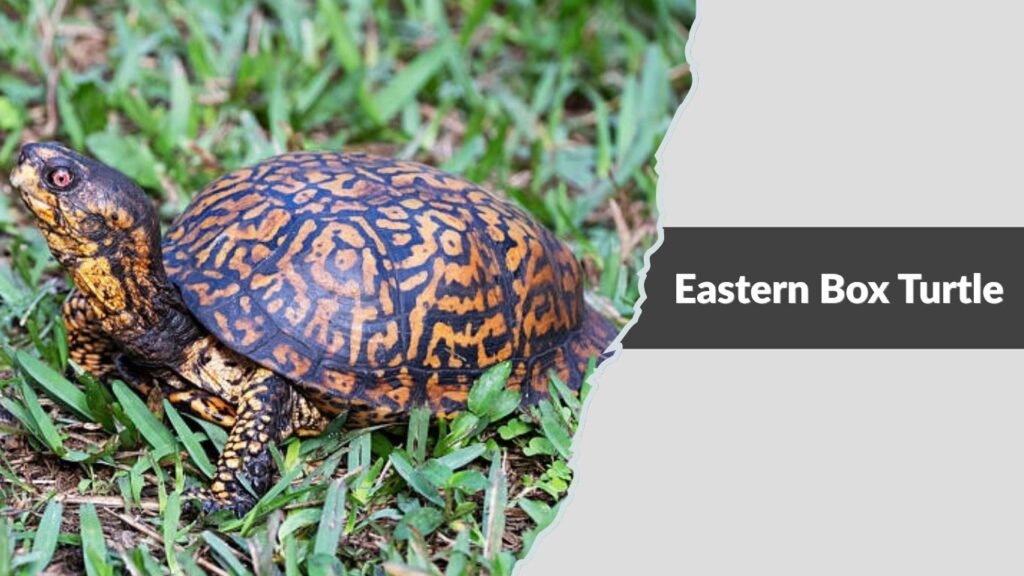
The Eastern box turtle (Terrapene carolina carolina) is a well-known land turtle found in parts of eastern Texas. It is famous for its ability to completely close its shell, offering strong protection from predators.
Identification
- Small to medium size, usually 4–6 inches long
- High-domed shell with orange, yellow, or brown patterns
- Hinged plastron that allows full shell closure
- Short, sturdy legs with strong claws
Habitat and Behavior
Eastern box turtles prefer moist environments such as forests, grasslands, and areas near streams. They are most active during warm and humid conditions and often hide under leaf litter or logs. These turtles are generally solitary and slow-moving.
Diet
They are omnivores, eating a mix of insects, worms, fruits, mushrooms, and leafy plants. Their diet changes depending on seasonal availability and habitat.
Lifespan and Conservation
Eastern box turtles can live 40 to 60 years or more. They face threats from habitat destruction, road accidents, and illegal collection. Protecting their environment is important for maintaining stable populations.
10. Gulf Coast Box Turtle
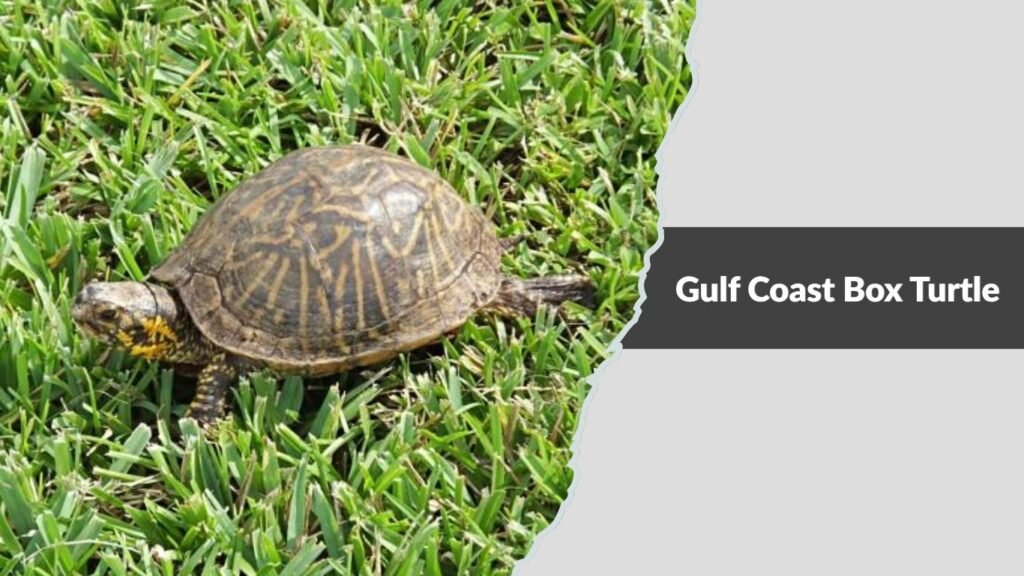
The Gulf Coast box turtle (Terrapene carolina major) is the largest subspecies of box turtle and is found in the southeastern regions of Texas. It is known for its larger size and preference for humid, coastal habitats.
Identification
- Larger size, usually 5–7 inches long
- Dark brown or black shell, often less patterned
- High-domed shell with a hinged plastron
- Thick, sturdy limbs adapted for land movement
Habitat and Behavior
Gulf Coast box turtles prefer moist environments such as marshes, forests, and coastal plains. They are most active during warm, humid weather and often stay near water sources. These turtles are generally solitary and spend much of their time foraging.
Diet
They are omnivores, feeding on insects, worms, snails, fruits, and plant material. Their varied diet helps them adapt to different habitats and seasonal changes.
Lifespan and Conservation
They can live 40 to 60 years or more. Like other box turtles, they face threats from habitat loss and human activity. Conservation efforts focus on habitat protection and reducing road mortality.
FAQs
Are there true tortoises in Texas?
Yes, Texas is home to true tortoises, mainly the Texas tortoise. It is the only native tortoise species commonly found in the state. Other land-dwelling species in Texas are mostly box turtles, which are often confused with tortoises but belong to a different group.
Is it legal to keep tortoises in Texas?
In Texas, native tortoises like the Texas tortoise are protected by law, so it is illegal to collect or keep them without a permit. However, some non-native tortoise species can be kept as pets if they are obtained legally.
What is the difference between tortoises and box turtles?
Tortoises are strictly land-dwelling and usually herbivores, while box turtles are a type of turtle that can close their shells completely and are often omnivores. Box turtles also prefer more humid environments compared to most tortoises.
Where do tortoises live in Texas?
Tortoises in Texas are mainly found in southern and western regions, especially in dry, brushy, or desert-like habitats. Box turtles, on the other hand, are more common in eastern Texas where the environment is more humid and forested.
What do tortoises in Texas eat?
Most tortoises in Texas are herbivores and feed on grasses, weeds, flowers, and cactus. Box turtles have a more varied diet that includes insects, fruits, and plant material, depending on their habitat and seasonal availability.