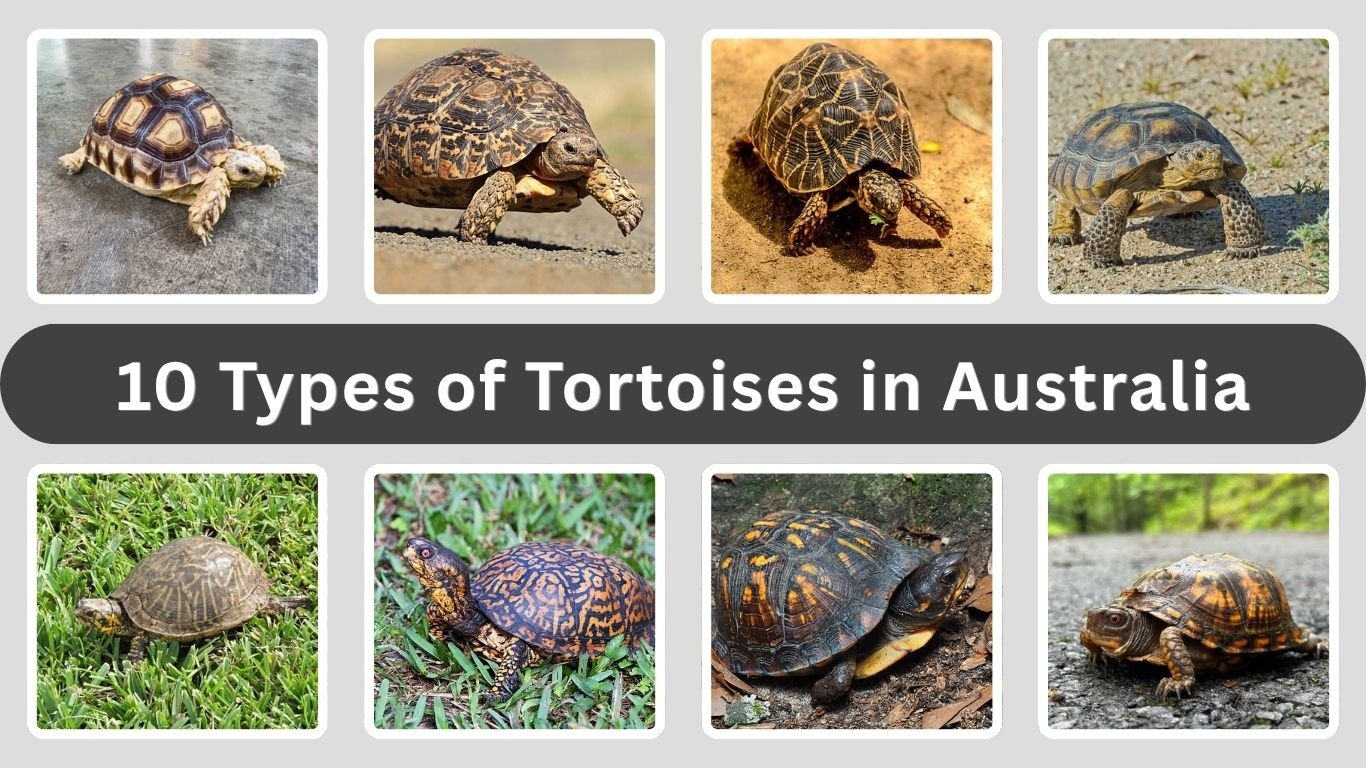
Australia does not have native tortoise species, but several types of tortoises are kept by licensed reptile enthusiasts across the country. These species come from different parts of the world and vary in size, appearance, and care requirements. From small, beginner-friendly tortoises to large, space-demanding ones, each type has unique characteristics. In this guide, you’ll explore 10 types of tortoises found in Australia and learn what makes each one distinct.
1. Radiated Tortoise
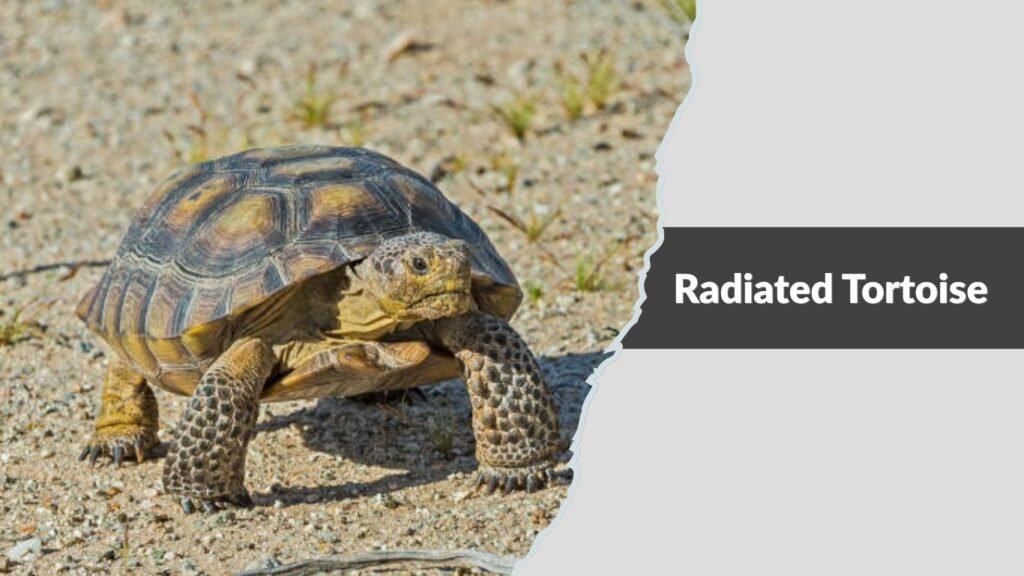
The Radiated tortoise (Astrochelys radiata) is one of the most visually striking tortoise species in the world, known for its beautiful star-like shell patterns. Native to Madagascar, it is sometimes kept in Australia by experienced reptile keepers under proper regulations. Its unique appearance and calm nature make it highly admired.
Identification
- Medium to large size, typically 12–16 inches long
- High-domed black shell with bright yellow star patterns
- Strong, sturdy legs with thick scales
- Pointed, slightly raised scutes on the shell
Care
Radiated tortoises require a warm, dry environment with access to UVB lighting. Their diet mainly consists of grasses, leafy greens, and vegetables. A spacious enclosure with proper temperature control and low humidity is important for their health.
Lifespan
They can live 50 to 100 years or more with proper care. Their long lifespan makes them a serious long-term commitment for owners.
Behavior and Habitat
These tortoises are generally calm and active during the day. In the wild, they inhabit dry forests and scrublands. As pets, they benefit from a quiet environment with space to roam and bask.
2. Indian Star Tortoise
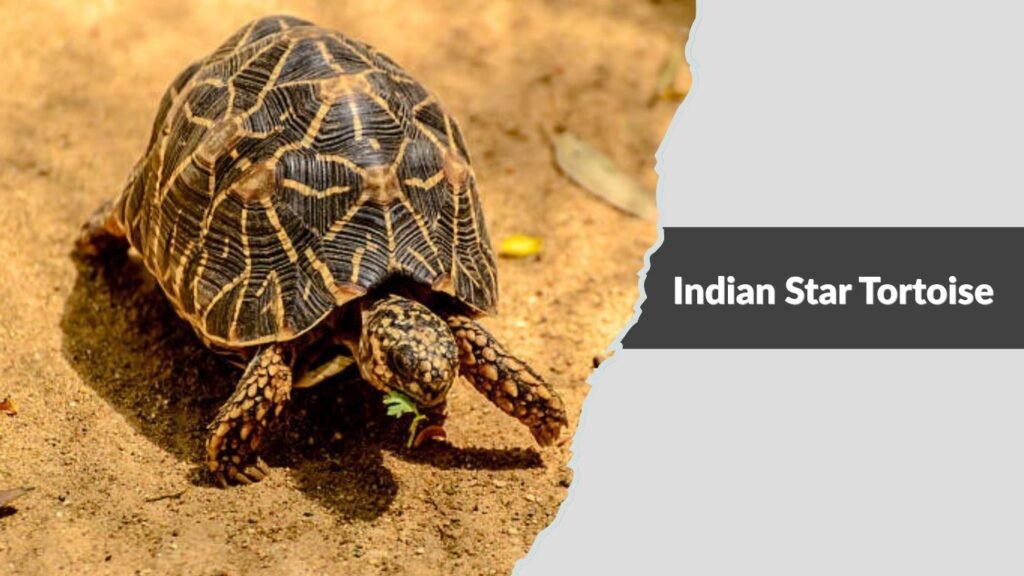
The Indian Star tortoise (Geochelone elegans) is a popular and visually appealing species known for its striking star-patterned shell. Although native to India and Sri Lanka, it can sometimes be found in Australia through licensed reptile keepers. Its small size and calm temperament make it attractive to enthusiasts.
Identification
- Medium size, usually 7–12 inches long
- High-domed shell with bold yellow star patterns
- Dark brown or black base shell color
- Rounded body with smooth scutes
Care
Indian Star tortoises require a warm environment with moderate humidity. They need UVB lighting, a clean enclosure, and a diet consisting of grasses, leafy greens, and vegetables. Stable temperature and humidity levels are important to prevent health issues.
Lifespan
They typically live between 30 to 50 years with proper care. With optimal conditions, some individuals may live even longer.
Behavior and Habitat
These tortoises are generally shy and prefer a calm, stable environment. In the wild, they live in dry grasslands and scrub forests. As pets, they do best with minimal stress, consistent conditions, and enough space to move comfortably.
3. African Spurred Tortoise (Sulcata)
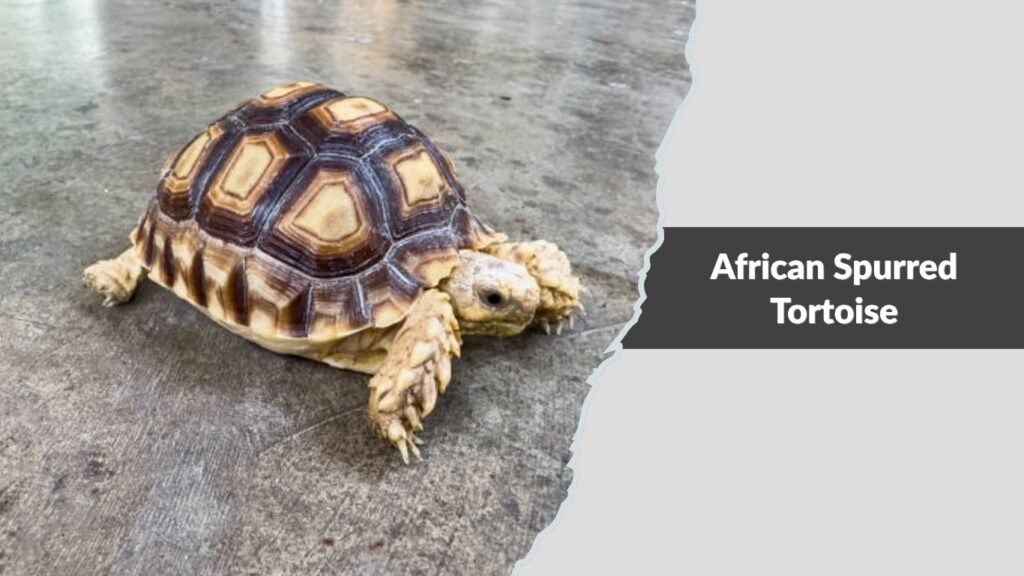
The African Spurred tortoise, also known as the Sulcata (Centrochelys sulcata), is one of the largest tortoise species kept in Australia under proper licensing. Native to the Sahara region, it is known for its rapid growth and strong, active nature.
Identification
- Very large size, often 24–30 inches long
- Sandy or golden-brown shell
- Thick, powerful legs with noticeable spurs on the thighs
- Broad, oval-shaped, slightly flattened shell
Care
Sulcata tortoises require a large, warm, and dry environment. They need strong UVB lighting and a diet mainly of grasses and hay. Due to their size, outdoor enclosures are ideal, along with secure fencing to prevent escape.
Lifespan
They can live 50 to 70 years or more. Their long lifespan and large size make them a major long-term responsibility for any owner.
Behavior and Habitat
These tortoises are active, strong, and love digging burrows. In the wild, they inhabit hot, arid regions. As pets, they need plenty of space to roam and dig, along with an environment that mimics their natural desert habitat.
4. Leopard Tortoise
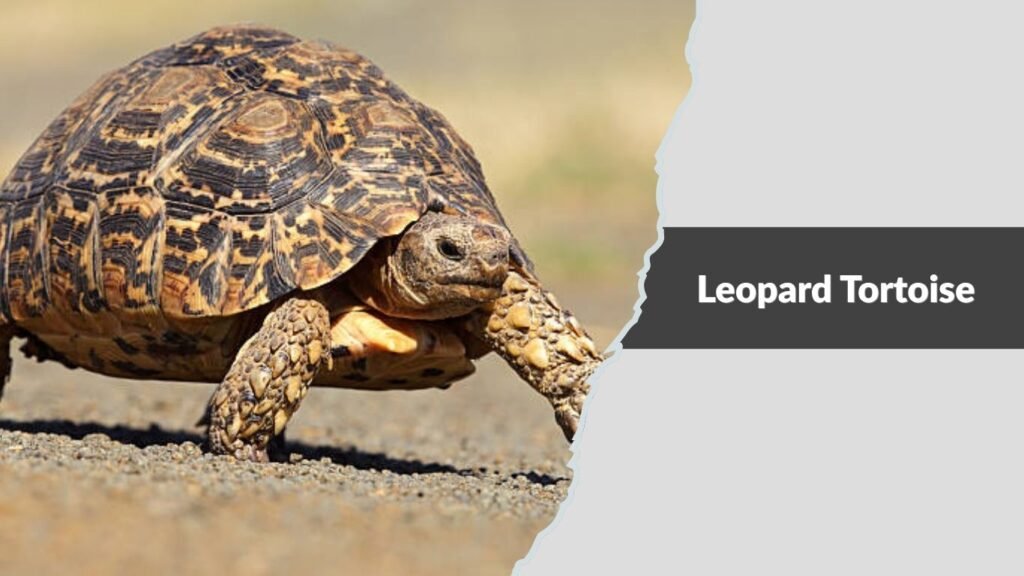
The Leopard tortoise (Stigmochelys pardalis) is a large and attractive species known for its distinctive spotted shell pattern. While native to Africa, it is sometimes kept in Australia by licensed reptile enthusiasts due to its calm nature and impressive size.
Identification
- Large size, typically 10–18 inches long
- High-domed shell with black spots or blotches
- Yellow to tan base shell color
- Long neck and relatively small head
Care
Leopard tortoises need a warm, dry environment with access to UVB lighting. Their diet should mainly consist of grasses and high-fiber plants. A spacious enclosure is important, and outdoor housing is ideal in suitable climates.
Lifespan
They can live 50 to 80 years with proper care. Their long lifespan requires a strong, long-term commitment from owners.
Behavior and Habitat
These tortoises are generally calm and less aggressive. In the wild, they inhabit grasslands and savannas. As pets, they benefit from open spaces that allow natural grazing and movement.
5. Red-Footed Tortoise
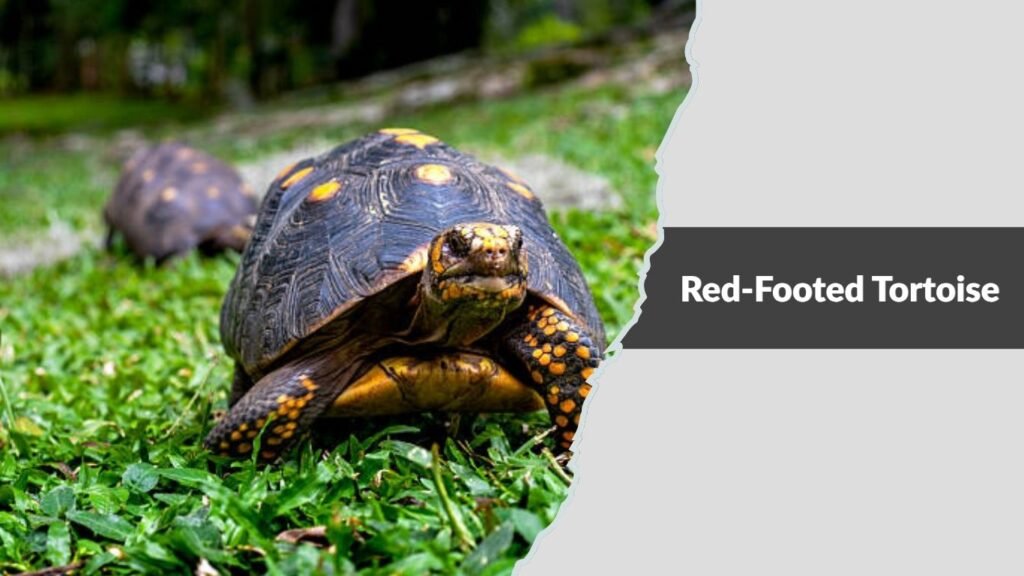
The Red-footed tortoise (Chelonoidis carbonarius) is a colorful and adaptable species known for the red or orange scales on its legs and head. Native to South America, it is sometimes kept in Australia by licensed keepers due to its manageable size and friendly nature.
Identification
- Medium size, usually 10–14 inches long
- Dark shell with lighter yellow or orange center patterns
- Distinct red or orange scales on legs and head
- Slightly domed, oval-shaped shell
Care
Red-footed tortoises require a warm and humid environment. Their diet is varied and includes leafy greens, vegetables, fruits, and occasional protein. Proper humidity, UVB lighting, and a spacious enclosure are essential for their health.
Lifespan
They typically live 40 to 50 years in captivity with proper care. With ideal conditions, some may live even longer.
Behavior and Habitat
These tortoises are generally social and active during the day. In the wild, they inhabit tropical forests and humid regions. As pets, they thrive in environments that maintain moisture and provide hiding spots and space to explore.
6. Yellow-Footed Tortoise
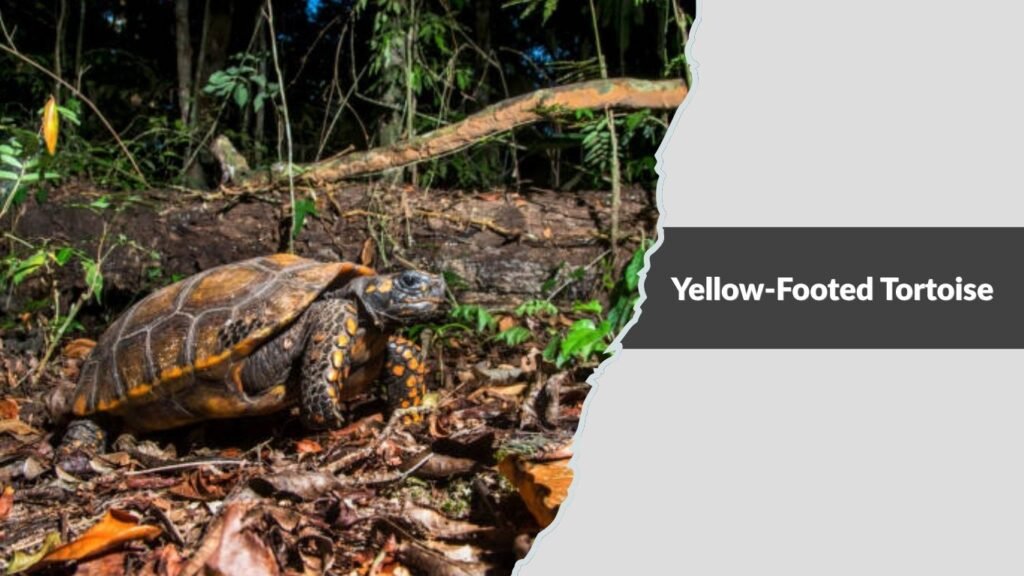
The Yellow-footed tortoise (Chelonoidis denticulatus) is a larger relative of the red-footed tortoise, recognized for the yellow scales on its legs and head. Native to South America, it is occasionally kept in Australia by licensed reptile keepers.
Identification
- Larger size, typically 12–16 inches long
- Dark shell with lighter center patterns
- Yellow scales on legs and head
- Slightly elongated, domed shell
Care
Yellow-footed tortoises require a warm, humid environment with consistent moisture levels. Their diet includes leafy greens, vegetables, fruits, and occasional protein. A spacious enclosure with proper humidity and UVB lighting is essential for good health.
Lifespan
They can live 50 to 60 years with proper care. In ideal conditions, some individuals may live even longer.
Behavior and Habitat
These tortoises are generally calm and somewhat shy. In the wild, they inhabit tropical rainforests and humid regions. As pets, they prefer a stable, moist environment with hiding spots and enough space to explore comfortably.
7. Hermann’s Tortoise
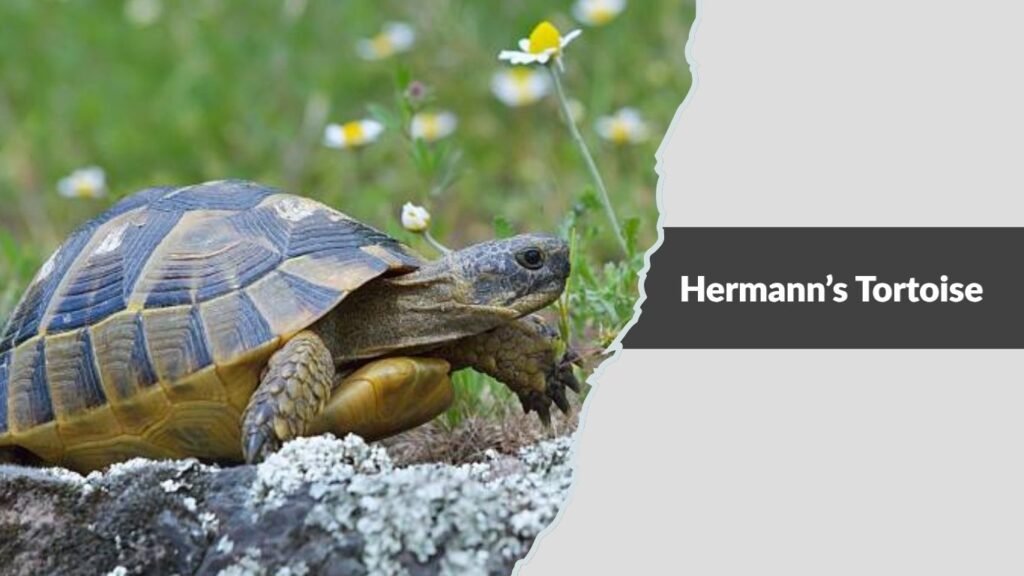
Hermann’s tortoise (Testudo hermanni) is a small to medium-sized species known for its bright shell patterns and active nature. Native to southern Europe, it is sometimes kept in Australia under proper licensing due to its manageable size and hardy behavior.
Identification
- Size ranges from 6–10 inches
- Bright yellow and black patterned shell
- Slightly elongated, domed carapace
- Tail often ends with a small horn-like tip
Care
Hermann’s tortoises require a warm, dry environment with access to UVB lighting. Their diet mainly consists of leafy greens, weeds, and flowers. A well-structured enclosure with basking areas and hiding spots is important for their health.
Lifespan
They can live 50 to 75 years with proper care. Their long lifespan means they require a strong, long-term commitment.
Behavior and Habitat
These tortoises are active and curious. In the wild, they live in dry forests and grasslands. As pets, they benefit from an environment that allows natural behaviors like exploring, basking, and digging.
8. Greek Tortoise
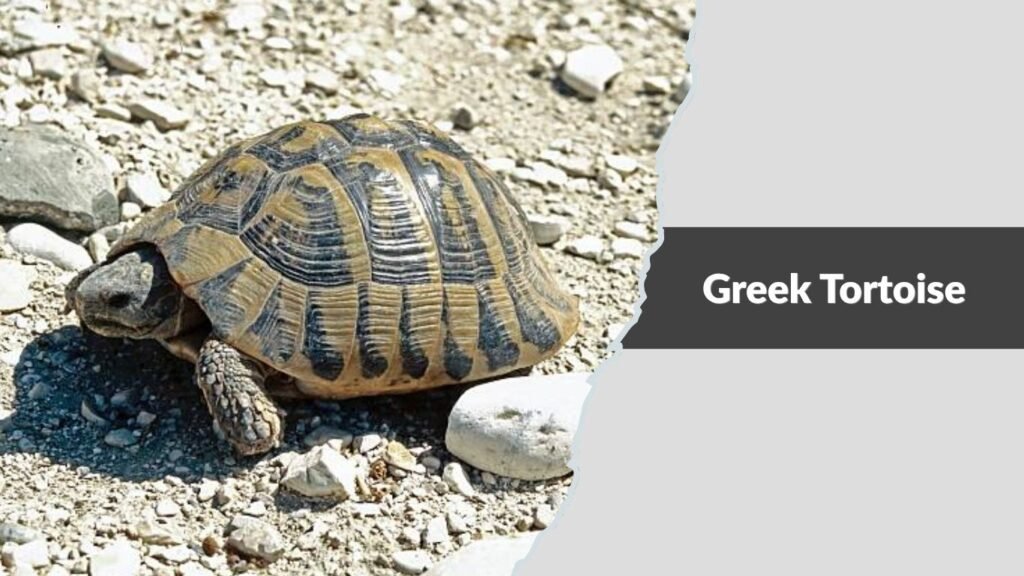
The Greek tortoise (Testudo graeca) is a popular and hardy species known for its attractive shell patterns and adaptability. Native to parts of Europe, Africa, and the Middle East, it is sometimes kept in Australia by licensed reptile keepers.
Identification
- Medium size, usually 6–8 inches long
- Dome-shaped shell with yellow and black patterns
- Strong, sturdy limbs
- Large, protective scales on the front legs
Care
Greek tortoises need a warm, dry environment with proper UVB lighting. Their diet should include leafy greens, weeds, and vegetables. A well-ventilated enclosure with basking spots and hiding areas helps maintain their health.
Lifespan
They can live 50 years or more with proper care. With ideal conditions, some individuals may live even longer.
Behavior and Habitat
These tortoises are generally calm but active during the day. In the wild, they inhabit dry forests and scrublands. As pets, they enjoy exploring and benefit from a habitat that mimics their natural environment.
9. Russian Tortoise
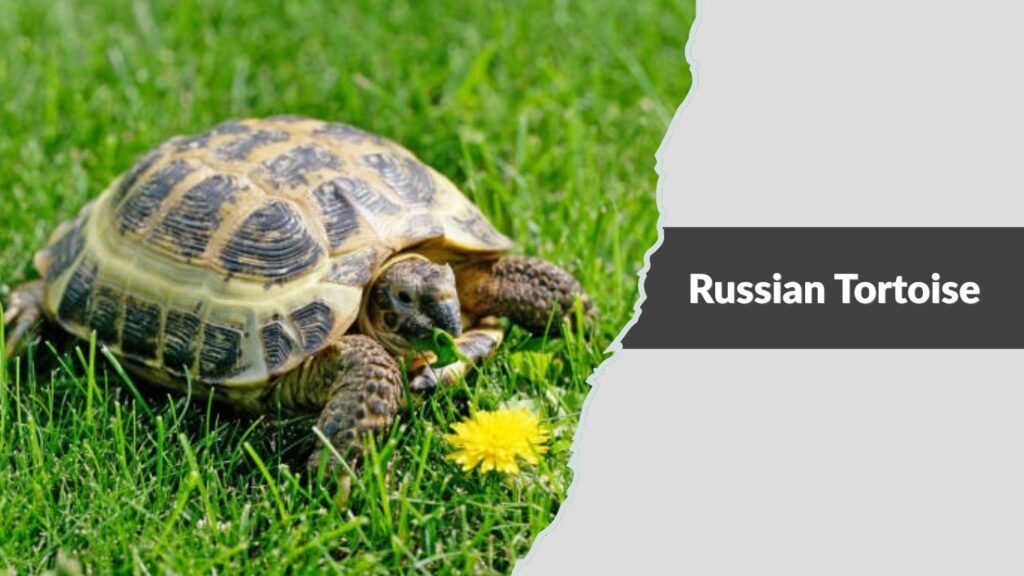
The Russian tortoise (Testudo horsfieldii) is a small, hardy species widely appreciated for its adaptability and ease of care. Native to Central Asia, it is sometimes kept in Australia by licensed keepers due to its manageable size and active behavior.
Identification
- Small size, typically 5–10 inches long
- Rounded, slightly flattened shell
- Tan to olive shell with darker markings
- Four claws on each front foot (unique feature)
Care
Russian tortoises need a warm, dry environment with access to UVB lighting. Their diet mainly includes leafy greens, weeds, and vegetables. A secure enclosure with space for burrowing and good ventilation is essential for their well-being.
Lifespan
They can live 40 to 60 years with proper care. In ideal conditions, some individuals may live even longer.
Behavior and Habitat
These tortoises are active and enjoy digging and exploring. In the wild, they inhabit dry grasslands and deserts. As pets, they require enough space to roam and opportunities to display natural behaviors like burrowing.
10. Pancake Tortoise
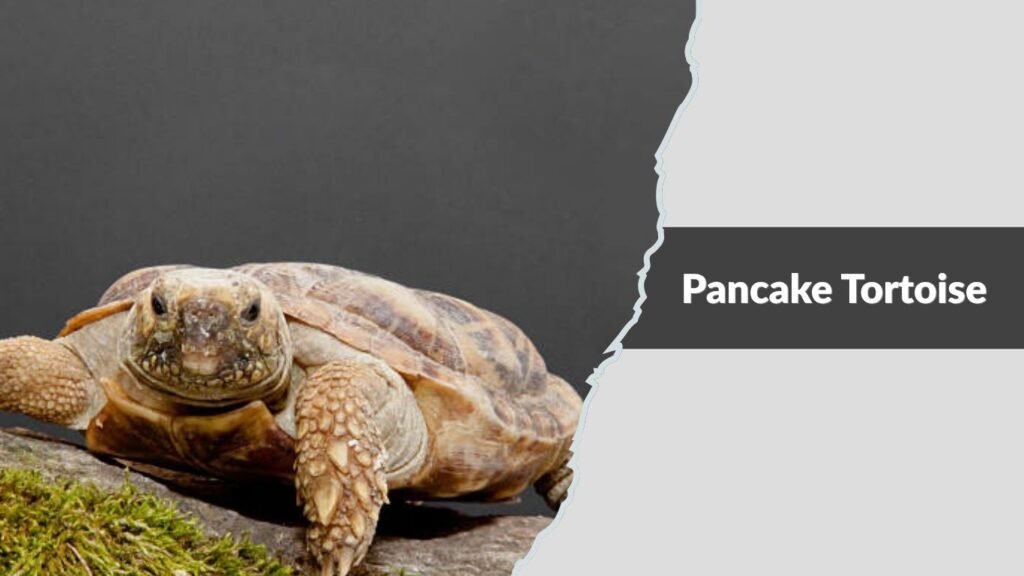
The Pancake tortoise (Malacochersus tornieri) is a unique species known for its flat, flexible shell, which sets it apart from most tortoises. Native to East Africa, it is sometimes kept in Australia by licensed reptile enthusiasts due to its unusual appearance and behavior.
Identification
- Small size, usually 6–7 inches long
- Flat, flexible shell (not dome-shaped)
- Brown shell with darker radiating patterns
- Long legs adapted for climbing
Care
Pancake tortoises require a warm, dry environment with plenty of rocks and crevices. They need UVB lighting and a diet of leafy greens and vegetables. A secure enclosure is essential, as they are agile and can climb or escape easily.
Lifespan
They generally live around 30 to 40 years with proper care. Providing a stable environment can help ensure a longer, healthier life.
Behavior and Habitat
These tortoises are active and prefer rocky habitats. In the wild, they live among rocky outcrops and hillsides. As pets, they enjoy climbing and hiding in tight spaces, so their enclosure should mimic their natural surroundings.
FAQs
Are there native tortoises in Australia?
No, Australia does not have native tortoise species. The country is home to many turtles, but true tortoises are not naturally found there. The tortoises seen in Australia are usually kept as pets under strict licensing and regulations.
Is it legal to keep tortoises in Australia?
Yes, but it depends on the state and local laws. In many parts of Australia, keeping non-native tortoises requires special permits or licenses. It’s important to check local wildlife regulations before owning one.
What do tortoises in Australia eat?
Most tortoises kept in Australia eat a plant-based diet that includes leafy greens, grasses, and vegetables. Some species may also eat fruits or small amounts of protein, depending on their natural diet and care needs.
Do tortoises need special care in Australia’s climate?
Yes, care depends on the region. In cooler areas, tortoises need heating and UVB lighting indoors. In warmer climates, outdoor enclosures can work, but protection from extreme heat, cold, and predators is still necessary.
Which tortoise is best for beginners in Australia?
Smaller and hardy species like the Russian tortoise are often considered suitable for beginners. They are easier to manage in terms of size and care, but still require proper housing, diet, and long-term commitment.