
Russian tortoises thrive on a natural, plant-based diet that closely reflects what they would eat in the wild. Providing the right foods is essential not only for their daily energy but also for long-term health, shell strength, and proper digestion. A well-balanced diet rich in leafy greens, grasses, and safe plants helps prevent common health issues and supports their long lifespan. Understanding which foods they truly enjoy makes feeding easier and more effective. Below are some of the most common and nutritious foods that Russian tortoises love to eat.
1. Dandelion Greens
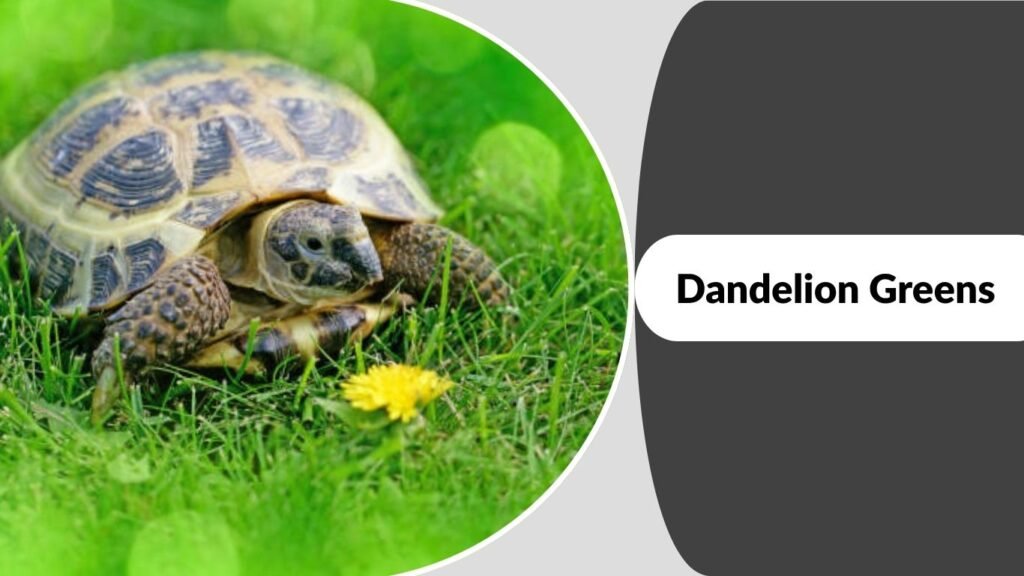
Dandelion greens are one of the most nutritious and natural food options for Russian tortoises. They closely resemble the plants tortoises would eat in the wild, making them an excellent staple in their daily diet. These greens are widely available, easy to prepare, and highly beneficial for long-term health. Regular inclusion in meals helps maintain proper digestion and supports overall wellbeing, especially when combined with other leafy greens for variety.
Nutritional Benefits
Dandelion greens are packed with calcium, fiber, and essential vitamins like A, C, and K. These nutrients play a key role in strengthening bones and shells, improving immune health, and supporting proper growth. Their high fiber content also aids digestion and prevents common dietary issues.
Why Russian Tortoises Love Them
Russian tortoises are naturally attracted to dandelion greens due to their slightly bitter taste and soft texture. The leaves are easy to chew and digest, making them suitable for both young and adult tortoises.
Feeding Tips
Always provide fresh, pesticide-free dandelion greens and wash them thoroughly before feeding. They can be offered daily but should be mixed with other greens to ensure a balanced and varied diet.
2. Collard Greens
Collard greens are a highly nutritious leafy vegetable that makes an excellent addition to a Russian tortoise’s diet. Known for their dense nutrient profile and sturdy leaves, they provide long-lasting benefits when included regularly. These greens are especially valuable for maintaining strong shell structure and supporting overall health. When offered alongside other safe greens, collard greens help create a balanced and varied diet that mimics natural feeding habits.
Nutritional Benefits
Collard greens are rich in calcium, fiber, and vitamins such as A, C, and K. Their high calcium-to-phosphorus ratio is particularly beneficial for shell and bone development. The fiber content also supports healthy digestion and gut function.
Why Russian Tortoises Love Them
Russian tortoises enjoy collard greens because of their slightly firm texture and mild taste. The leaves are satisfying to chew, which encourages natural feeding behavior and keeps them engaged during mealtime.
Feeding Tips
Serve collard greens fresh and chopped into manageable pieces. Wash thoroughly to remove any chemicals or dirt. They can be fed several times a week but should be rotated with other greens to maintain dietary variety.
3. Mustard Greens
Mustard greens are a flavorful and nutrient-rich option that Russian tortoises enjoy as part of a varied diet. Their slightly peppery taste makes them appealing while also providing essential nutrients that support overall health. These greens are commonly available and can be easily incorporated into regular feeding routines, helping to mimic the diverse plant intake tortoises would have in the wild.
Nutritional Benefits
Mustard greens are high in calcium, fiber, and important vitamins such as A, C, and K. They support strong shell development, boost the immune system, and aid digestion. Their nutrient density makes them a valuable addition to a balanced diet.
Why Russian Tortoises Love Them
Russian tortoises are attracted to mustard greens because of their bold flavor and tender leaves. The slight spiciness adds variety to their meals, encouraging better appetite and natural feeding behavior.
Feeding Tips
Offer mustard greens fresh and well-washed to remove any residues. They can be fed a few times a week but should be mixed with milder greens to balance the flavor and prevent overconsumption.
4. Turnip Greens
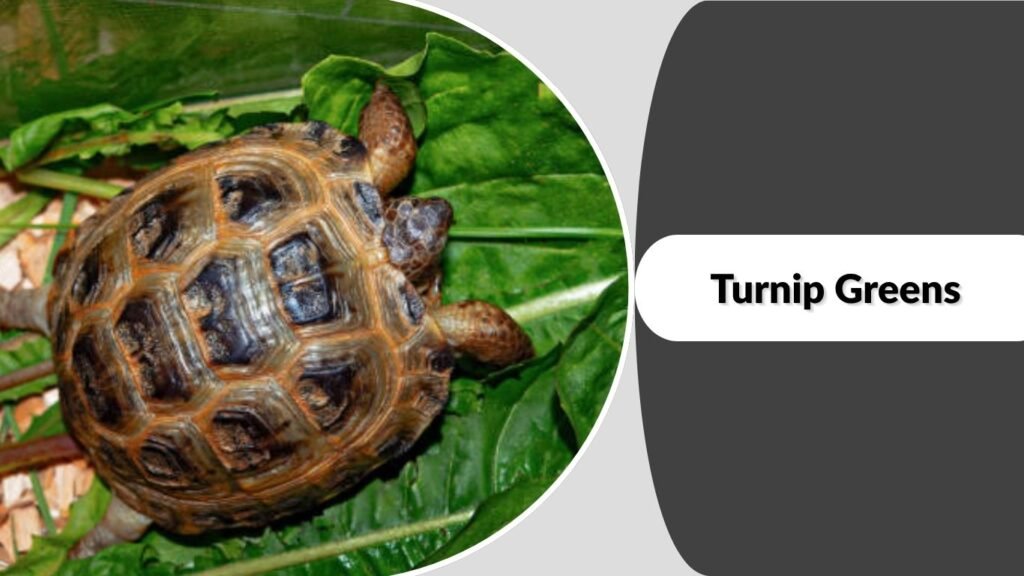
Turnip greens are a nutritious and widely recommended leafy vegetable for Russian tortoises. They are an excellent addition to a balanced diet, offering a mix of essential nutrients that support long-term health. These greens are often easy to find and can be included regularly to provide dietary variety while closely resembling the natural plants tortoises consume in the wild.
Nutritional Benefits
Turnip greens are rich in calcium, fiber, and vitamins A, C, and K. Their high calcium content supports strong shell and bone development, while fiber aids digestion and helps maintain a healthy gut. They also contribute to overall immune support.
Why Russian Tortoises Love Them
Russian tortoises enjoy turnip greens due to their slightly bitter taste and soft yet fibrous texture. The leaves are easy to chew and provide a satisfying feeding experience, making them a popular choice among many tortoises.
Feeding Tips
Serve fresh, thoroughly washed turnip greens in manageable portions. They can be fed several times a week but should be rotated with other leafy greens to ensure a balanced and varied diet.
5. Kale
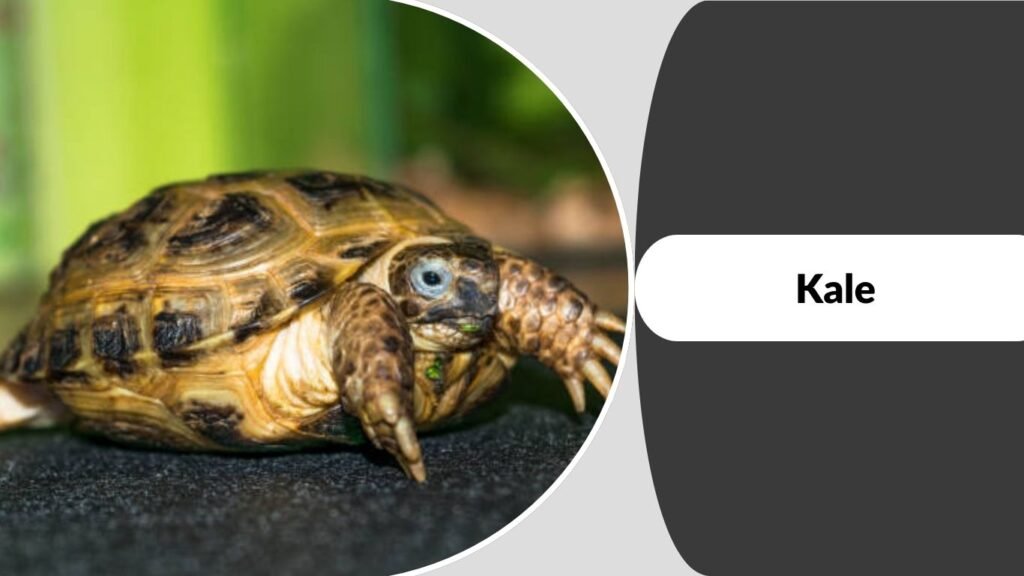
Kale is a well-known leafy green that can be offered to Russian tortoises in moderation. While it is highly nutritious, it should not be the main staple of their diet due to certain compounds that can interfere with calcium absorption if overfed. When used correctly, kale can add variety and valuable nutrients to their meals, helping support overall health and wellbeing.
Nutritional Benefits
Kale is rich in vitamins A, C, and K, along with fiber and antioxidants. These nutrients help boost the immune system, support healthy skin and shell condition, and promote proper digestion when included as part of a balanced diet.
Why Russian Tortoises Love Them
Russian tortoises are attracted to kale because of its slightly firm texture and mild, earthy flavor. The leaves are easy to tear and chew, making them enjoyable for tortoises of different ages.
Feeding Tips
Offer kale occasionally rather than daily. Always wash it thoroughly and mix it with other leafy greens to maintain a proper nutritional balance and prevent overconsumption.
6. Endive
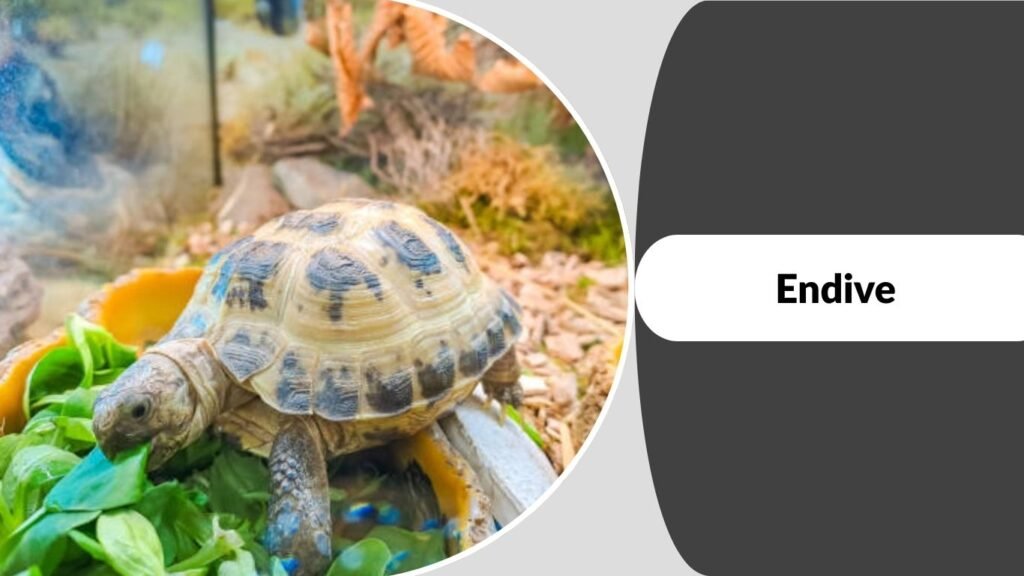
Endive is a light, leafy green that works well as part of a balanced diet for Russian tortoises. It has a slightly crisp texture and mild bitterness, making it both nutritious and appealing. Because of its high water content and gentle composition, endive is especially useful for keeping tortoises hydrated while still providing essential nutrients. It is best used alongside other greens to maintain dietary variety.
Nutritional Benefits
Endive contains fiber, vitamins A and K, and a moderate amount of calcium. These nutrients help support digestion, maintain healthy vision, and contribute to overall shell health. Its water content also helps prevent dehydration.
Why Russian Tortoises Love Them
Russian tortoises enjoy endive due to its soft crunch and mild taste. The leaves are easy to bite and chew, making them suitable for tortoises at different life stages.
Feeding Tips
Serve endive fresh and washed thoroughly. It can be offered several times a week but should be combined with darker, more nutrient-dense greens to ensure a well-rounded diet.
7. Escarole
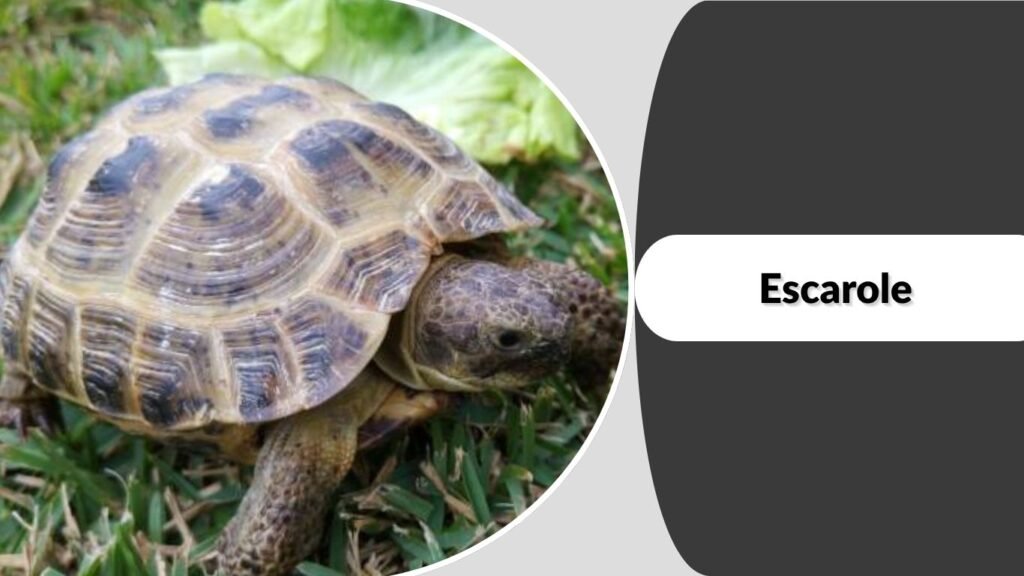
Escarole is a leafy green that belongs to the chicory family and is a great addition to a Russian tortoise’s diet. It has a slightly bitter taste and a crisp texture, making it both nutritious and appealing. Escarole is often recommended as part of a varied feeding routine, helping replicate the natural mix of plants tortoises would consume in the wild.
Nutritional Benefits
Escarole provides fiber, vitamins A and K, and a moderate level of calcium. These nutrients support digestion, promote healthy vision, and contribute to proper shell development. Its balanced composition makes it a reliable dietary option.
Why Russian Tortoises Love Them
Russian tortoises are drawn to escarole because of its mild bitterness and crunchy leaves. The texture encourages natural chewing behavior, making feeding more engaging.
Feeding Tips
Offer escarole fresh and well-cleaned to remove any dirt or chemicals. It can be fed regularly but should be mixed with other leafy greens to maintain nutritional balance and variety.
8. Romaine Lettuce
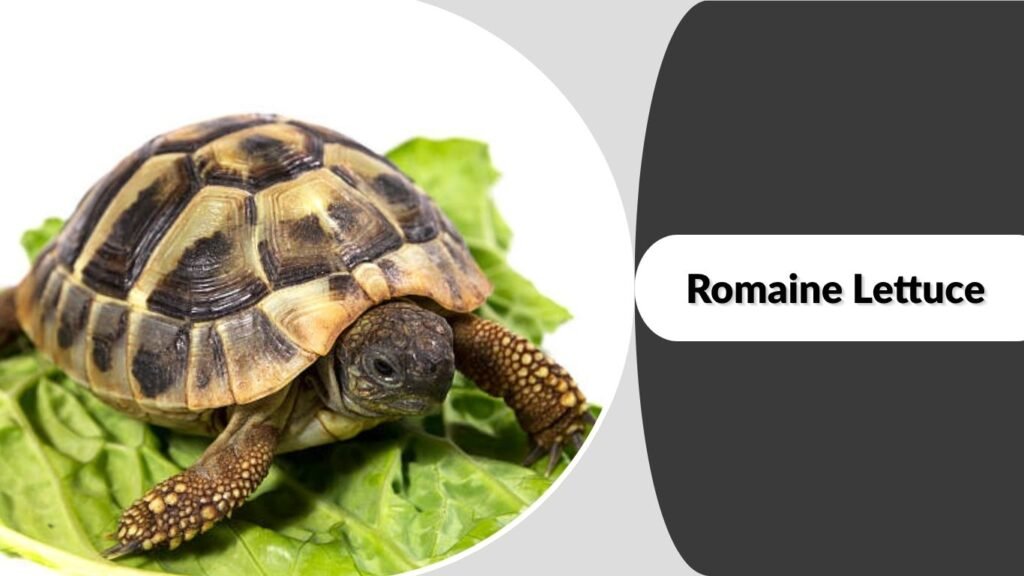
Romaine lettuce is a commonly available leafy green that can be safely included in a Russian tortoise’s diet. While it is not as nutrient-dense as darker greens, it still offers hydration and mild nutritional value. It works best as a supplementary food rather than a primary staple, helping add variety and texture to meals.
Nutritional Benefits
Romaine lettuce contains fiber, small amounts of calcium, and vitamins A and K. Its high water content helps keep tortoises hydrated, especially in warmer environments, while supporting basic digestive function.
Why Russian Tortoises Love Them
Russian tortoises enjoy romaine lettuce because of its crisp texture and mild flavor. The crunchy leaves are easy to chew and can encourage eating, especially in picky tortoises.
Feeding Tips
Feed romaine lettuce in moderation and always combine it with more nutrient-rich greens. Wash thoroughly before serving and avoid relying on it as the main food source to ensure a balanced diet.
9. Clover

Clover is a natural forage plant that Russian tortoises commonly encounter in the wild. It is highly nutritious and closely matches their natural diet, making it an excellent food choice when available. Fresh clover can be a valuable addition to their meals, especially for owners who prefer a more natural feeding approach.
Nutritional Benefits
Clover is rich in fiber, calcium, and plant-based protein. These nutrients help support healthy shell growth, strong bones, and proper digestion. It also contains essential vitamins that contribute to overall vitality.
Why Russian Tortoises Love Them
Russian tortoises are naturally drawn to clover due to its soft leaves and slightly sweet taste. Its tender texture makes it easy to eat, encouraging regular feeding and natural grazing behavior.
Feeding Tips
Only offer pesticide-free clover collected from safe areas. Wash it thoroughly before feeding and mix it with other greens to maintain dietary balance and avoid over-reliance on a single plant source.
10. Plantain Leaves
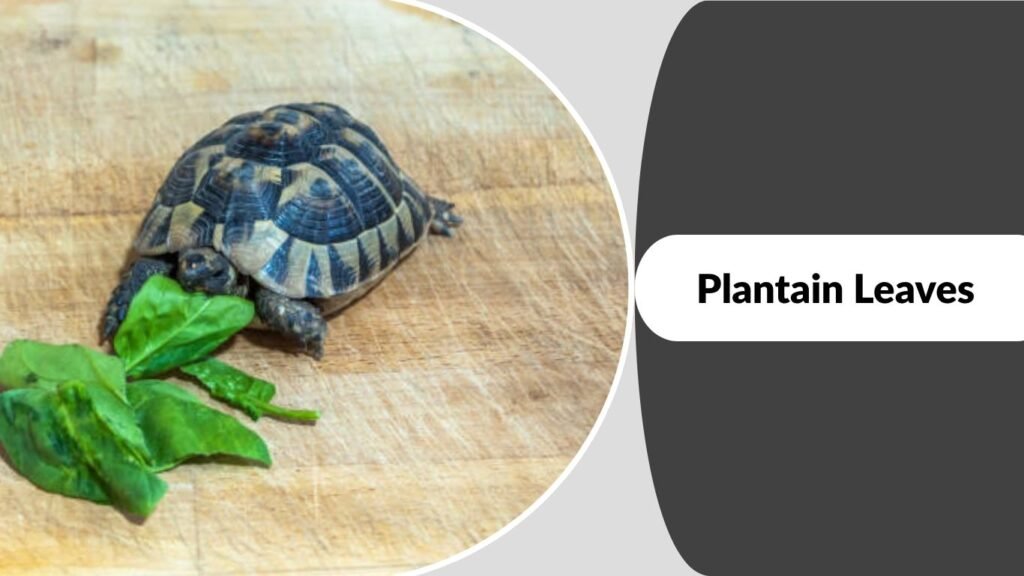
Plantain leaves are a highly beneficial and natural food source for Russian tortoises. Often found growing in the wild, these leaves closely resemble the types of plants tortoises naturally graze on. They are hardy, widely available in many regions, and provide a great addition to a varied, plant-based diet that supports long-term health.
Nutritional Benefits
Plantain leaves are rich in fiber, calcium, and essential vitamins such as A and C. These nutrients help promote strong shell growth, support digestion, and boost the immune system, making them ideal for regular feeding.
Why Russian Tortoises Love Them
Russian tortoises enjoy plantain leaves because of their slightly tough texture and mild taste. The leaves encourage natural chewing behavior and provide a satisfying feeding experience.
Feeding Tips
Always ensure plantain leaves are collected from pesticide-free areas and washed thoroughly before feeding. They can be offered regularly but should be combined with other leafy greens to ensure a balanced and nutritious diet.
11. Hibiscus Leaves
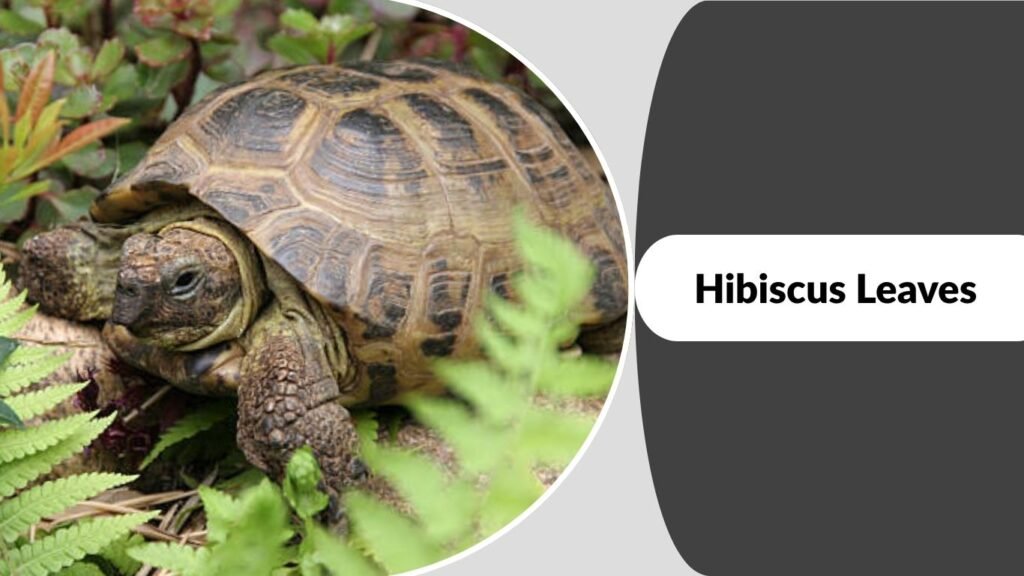
Hibiscus leaves are a safe and nutritious food choice for Russian tortoises. Commonly found in gardens, these leaves provide a natural and enriching addition to their diet. In addition to the leaves, hibiscus flowers are also edible and can be offered occasionally as a treat. Including hibiscus helps create a more diverse and stimulating feeding routine.
Nutritional Benefits
Hibiscus leaves contain fiber, calcium, and essential vitamins that support digestion and shell health. They also provide antioxidants that help boost the immune system and maintain overall vitality.
Why Russian Tortoises Love Them
Russian tortoises are attracted to hibiscus leaves because of their soft texture and mild taste. The addition of flowers can also make feeding more engaging and enjoyable.
Feeding Tips
Offer hibiscus leaves fresh and free from pesticides or chemicals. Wash thoroughly before feeding and combine with other greens to maintain a balanced diet. Flowers can be given occasionally as a treat.
12. Mulberry Leaves
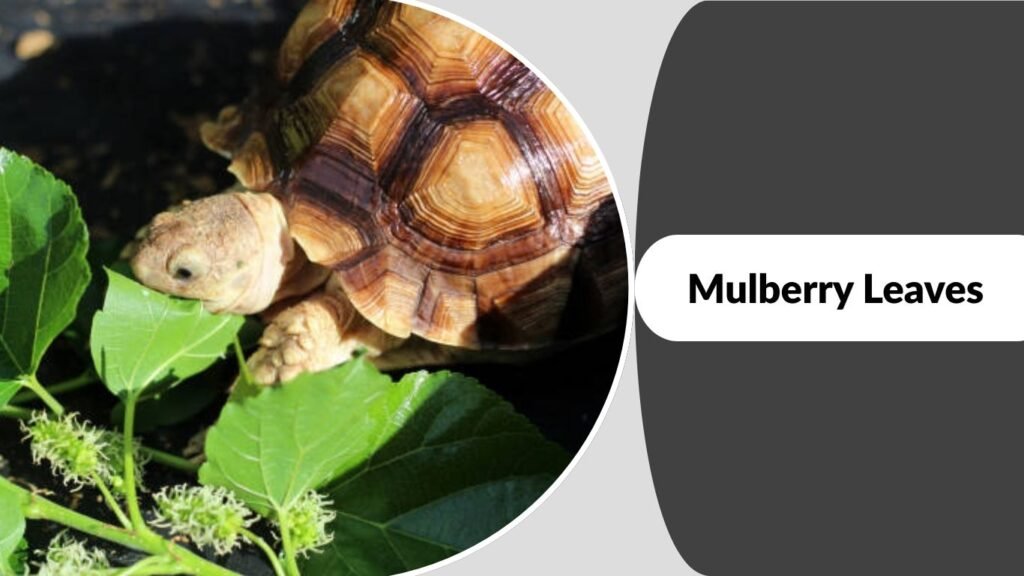
Mulberry leaves are an excellent and highly recommended food for Russian tortoises. They are commonly found on mulberry trees and closely resemble the natural vegetation tortoises consume in the wild. These leaves are not only nutritious but also safe for regular feeding, making them a valuable addition to a balanced diet.
Nutritional Benefits
Mulberry leaves are rich in calcium, fiber, and essential vitamins such as A and C. These nutrients support strong shell and bone development, improve digestion, and help maintain overall health and immunity in tortoises.
Why Russian Tortoises Love Them
Russian tortoises enjoy mulberry leaves because of their soft texture and mild, slightly sweet taste. The leaves are easy to chew and digest, making them suitable for tortoises of all ages.
Feeding Tips
Provide fresh, pesticide-free mulberry leaves and wash them thoroughly before feeding. They can be offered regularly but should be mixed with other leafy greens to ensure a varied and balanced diet.
13. Timothy Hay
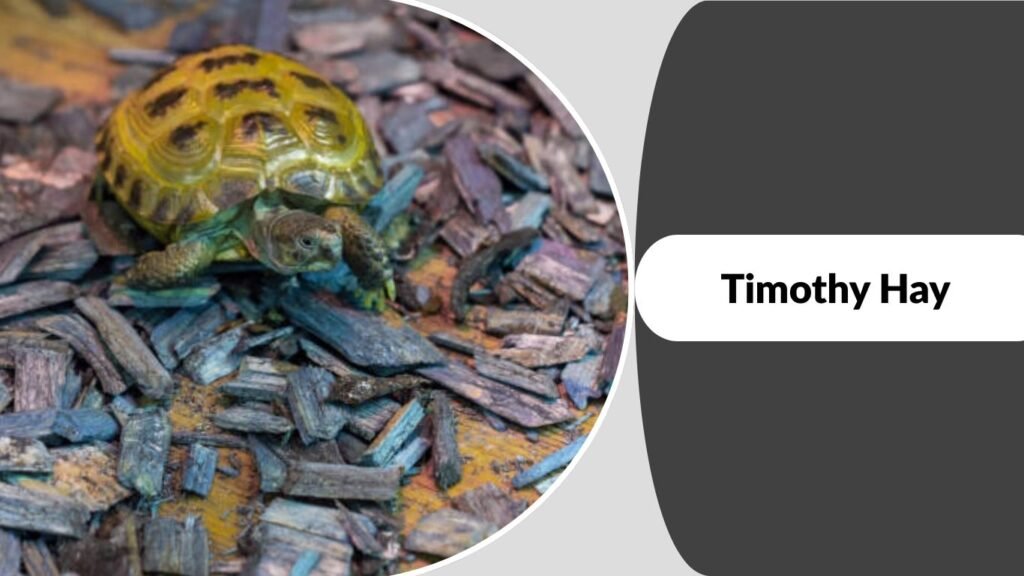
Timothy hay is an important dietary component for Russian tortoises, especially for maintaining proper digestion and fiber intake. While it is not as leafy as other greens, it closely mimics the dry grasses tortoises consume in their natural habitat. Including hay in their diet helps promote natural grazing behavior and supports overall gut health.
Nutritional Benefits
Timothy hay is high in fiber and low in protein, which is ideal for maintaining a healthy digestive system. It also helps prevent obesity and supports steady energy levels, making it a valuable addition to their daily diet.
Why Russian Tortoises Love Them
Russian tortoises may not be immediately drawn to hay like leafy greens, but many develop a preference over time. Its coarse texture encourages natural chewing and helps wear down their beak.
Feeding Tips
Offer timothy hay fresh and dry, either mixed with greens or placed separately in the enclosure. Ensure it is clean and free from dust or mold, and provide it regularly to support digestive health.
FAQs
Can Russian tortoises eat the same food every day?
Russian tortoises should not eat the same food daily. While some staples like dandelion greens are excellent, a varied diet is essential to provide balanced nutrition. Mixing different leafy greens and plants helps prevent deficiencies and keeps their diet closer to what they would eat in the wild.
How often should I feed my Russian tortoise?
Most Russian tortoises should be fed once a day, with portions appropriate to their size. Younger tortoises may require more consistent feeding, while adults can maintain a steady routine. Fresh food should always be available, and leftovers should be removed to maintain cleanliness.
Are fruits safe for Russian tortoises?
Fruits are not ideal for Russian tortoises and should be avoided or given very rarely. Their digestive systems are designed for high-fiber, low-sugar diets. Too much fruit can cause digestive issues and imbalance their gut health over time.
What foods should Russian tortoises avoid?
Russian tortoises should avoid high-protein foods, dairy products, and processed human foods. Vegetables like spinach and iceberg lettuce should also be limited or avoided due to low nutritional value or compounds that interfere with calcium absorption.
How do I know if my tortoise’s diet is balanced?
A balanced diet results in steady growth, a firm shell, and active behavior. If your tortoise shows signs of lethargy, soft shell, or poor appetite, it may indicate nutritional issues. Regular observation and proper food variety are key to maintaining good health.