
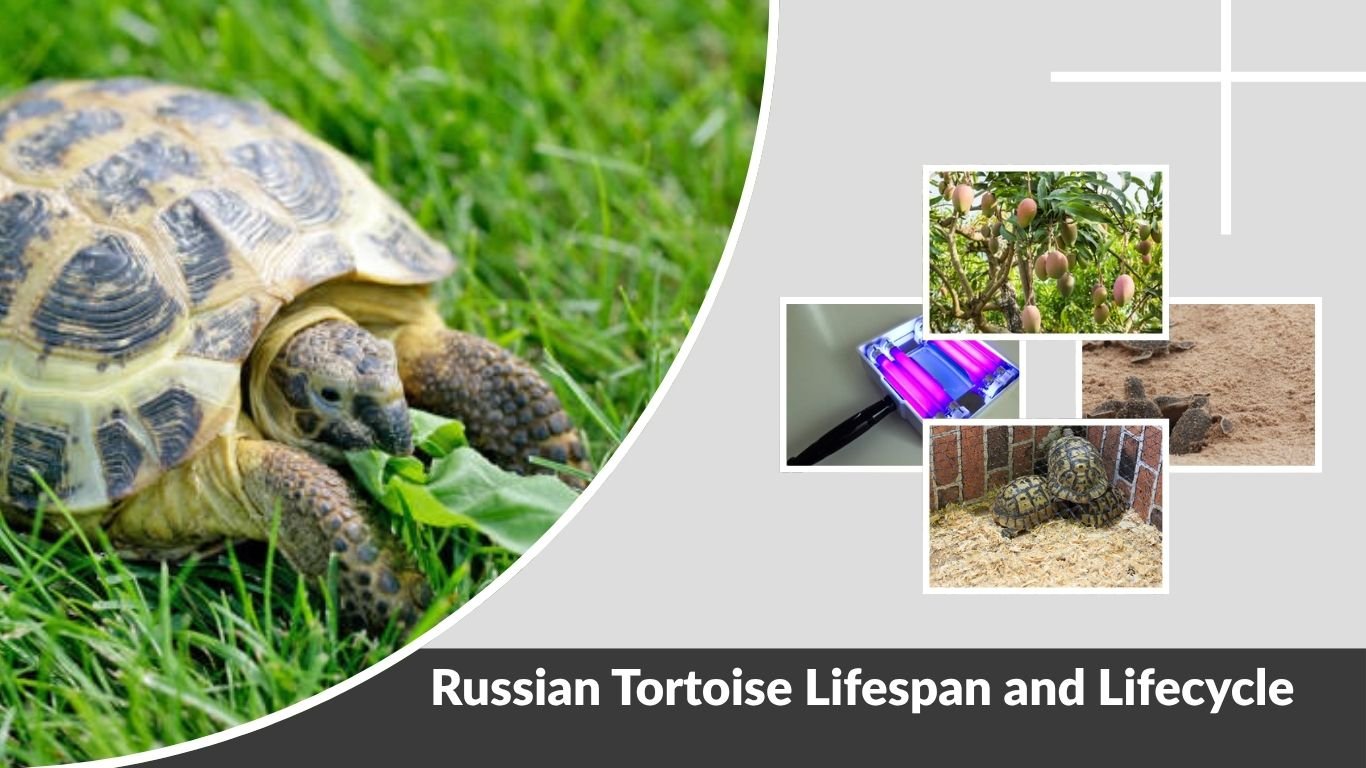
Russian tortoises are known for their remarkable longevity and fascinating development stages, making them a popular choice among reptile enthusiasts. Understanding how long they live and how they grow over time helps owners provide better care at every stage. This guide explores both lifespan and lifecycle in a clear, structured way, helping you learn what to expect from hatchling to senior years and how to ensure a healthy, long life for your tortoise.
Russian Tortoise Lifespan Overview
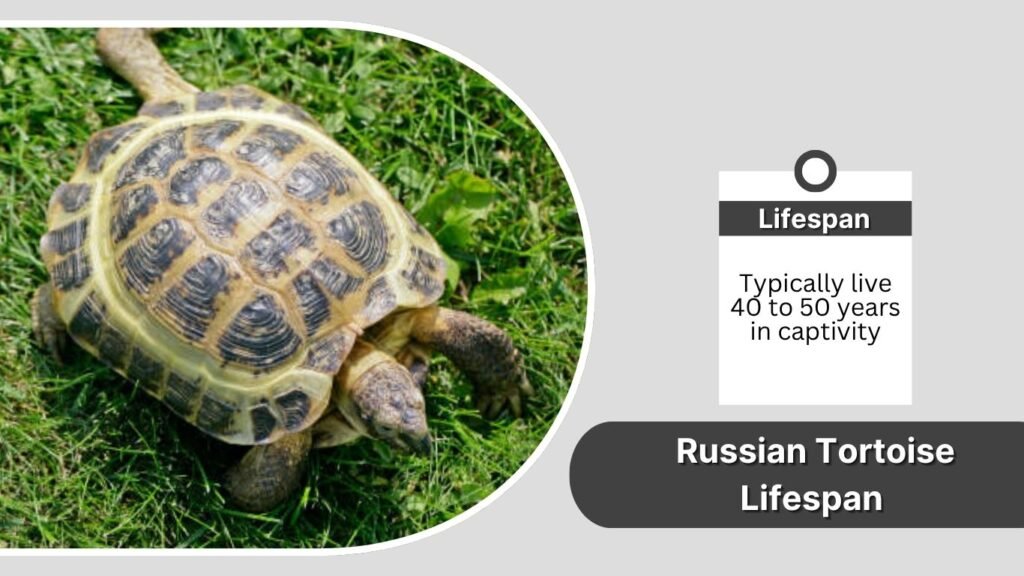
Russian tortoises are among the longest-living pet reptiles, often becoming lifelong companions. Their lifespan depends heavily on care, environment, and diet. While many new owners underestimate their commitment, these tortoises can live for decades when properly maintained.
Average Lifespan Range
- Typically live 40 to 50 years in captivity
- Some individuals exceed 60 years with excellent care
- Wild tortoises often have shorter lifespans due to predators
Captivity vs Wild Lifespan
- Captivity offers controlled diet and protection
- Wild environments expose them to harsh conditions
- Access to veterinary care increases longevity in captivity
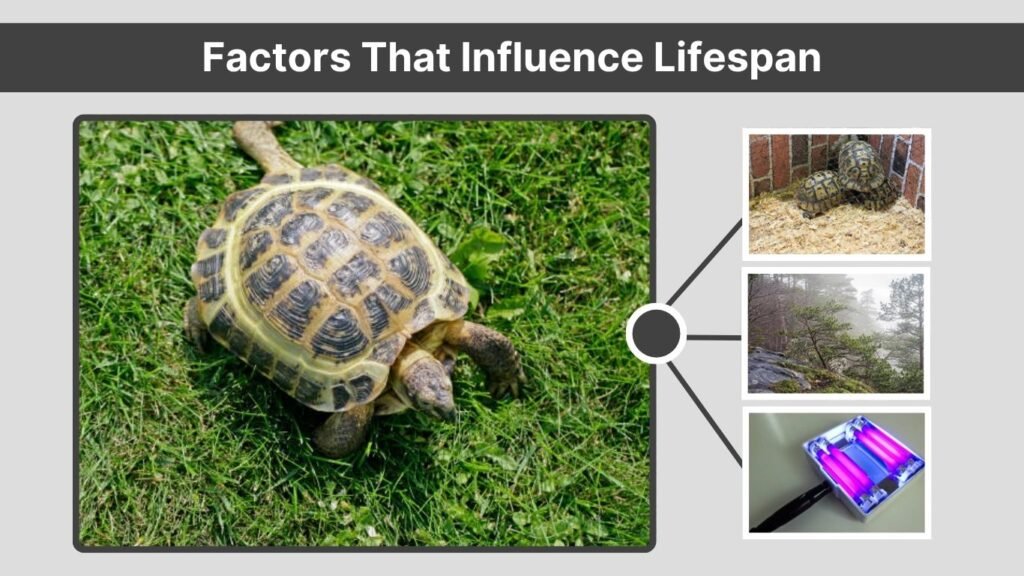
Factors That Influence Lifespan
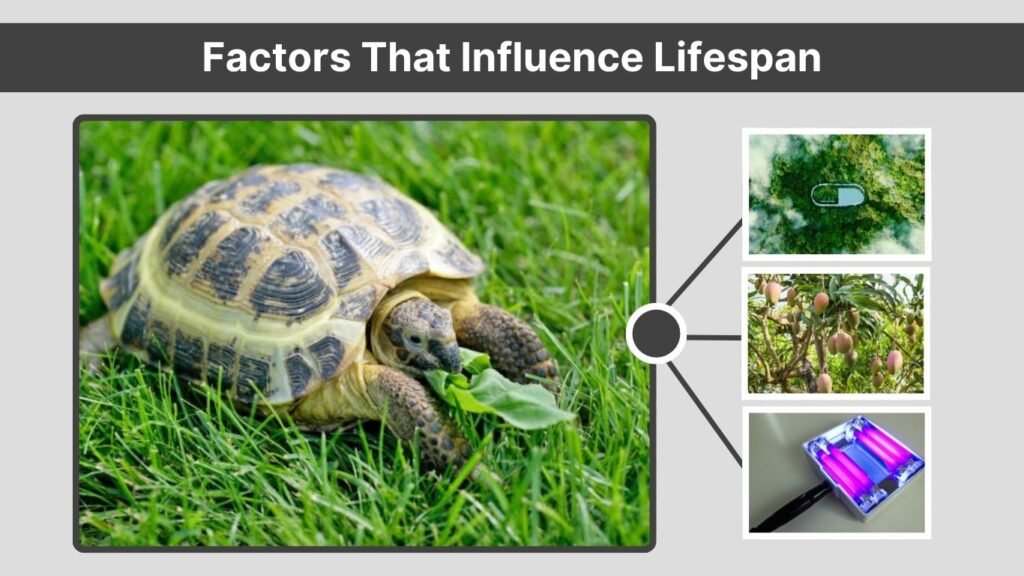
Several important factors directly affect how long a Russian tortoise will live. Paying attention to these areas can significantly improve their quality of life and overall longevity.
Diet and Nutrition
- High-fiber, leafy green diet is essential
- Avoid high-protein and sugary foods
- Proper calcium intake supports shell health
Habitat and Environment
- Requires proper UVB lighting for vitamin D3
- Needs temperature gradients for thermoregulation
- Clean and spacious enclosure reduces stress
Health and Stress Management
- Regular observation helps detect early illness
- Stress weakens the immune system
- Gentle handling and stable routines are important
Signs of Aging in Russian Tortoises
As Russian tortoises grow older, they begin to show subtle physical and behavioral changes. Unlike mammals, these changes can be gradual and sometimes difficult to notice at first. Aging tortoises may become less active, spending more time resting than exploring their enclosure. Their shells often appear smoother as growth slows and natural wear occurs over time.
Appetite may also decrease slightly, and older tortoises might show less interest in mating behaviors. While these changes are normal, it’s important to monitor them closely to ensure they are not signs of illness. Proper care during this stage helps maintain comfort and health as the tortoise ages.
Russian Tortoise Lifecycle Overview
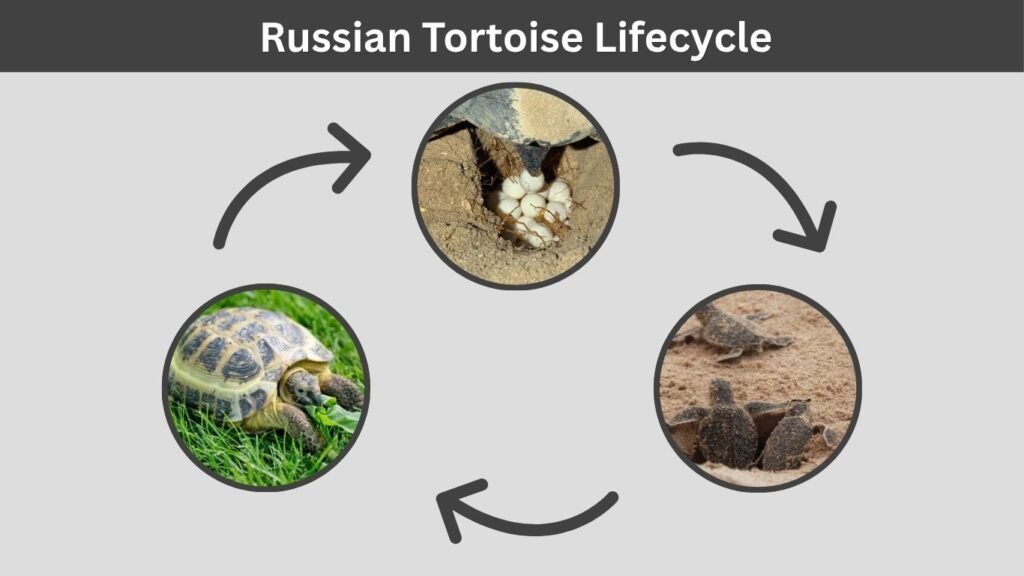
The lifecycle of a Russian tortoise includes several distinct stages, each with unique care needs and developmental changes. Understanding these stages helps owners provide the right environment and nutrition at the right time.
Main Lifecycle Stages
- Egg
- Hatchling
- Juvenile
- Adult
- Senior
Egg and Hatchling Stages
These early stages are the most delicate in a tortoise’s life. Proper conditions are critical for survival and healthy development.
Egg Stage
Russian tortoise eggs are typically laid in warm, soft soil where they can incubate safely. The incubation period usually lasts between 60 and 80 days, depending on temperature and humidity levels. Warmer conditions generally speed up development, while cooler temperatures slow it down.
Hatchling Stage
- Hatchlings are small and fragile
- Initially rely on nutrients from their yolk sac
- Require warm, humid conditions to thrive
- Need careful hydration and minimal stress
Juvenile and Adult Development
As Russian tortoises grow, their needs and behaviors begin to change significantly. This stage focuses on growth, strength, and eventually reproduction.
Juvenile Stage
During the juvenile phase, tortoises experience their fastest growth. They become more active and develop stronger shells and bones. A proper diet and exposure to UVB lighting are crucial during this period to prevent deformities and ensure healthy development.
Adult Stage
- Reach sexual maturity around 10 to 15 years
- Growth slows significantly
- Behavior becomes more stable and predictable
- May show breeding behavior in proper conditions
Senior Stage and Late-Life Care
As Russian tortoises enter their senior years, their pace of life slows noticeably. This stage requires more attentive care, as aging affects metabolism, mobility, and overall resilience. While they can still live comfortably for many years, adjustments in diet, habitat, and monitoring become increasingly important.
Physical and Behavioral Changes
- Reduced activity and slower movement
- Slight decrease in appetite
- Smoother, more worn shell appearance
- Less interest in breeding behavior
Special Care for Senior Tortoises
- Provide softer, easy-to-digest foods
- Maintain consistent temperature and lighting
- Monitor for signs of illness more frequently
- Ensure easy access to food and water
Growth Rate and Development Timeline
Russian tortoises do not grow at a constant rate throughout their lives. Instead, their growth follows a pattern that is heavily influenced by age, diet, and environmental conditions. The most rapid growth occurs during the early years, especially in the juvenile stage, when proper nutrition and lighting are critical.
As they approach adulthood, growth begins to slow significantly, and by the time they reach full maturity, size changes become minimal. However, even adult tortoises may continue to grow very slowly over time. Consistent care, including balanced nutrition and proper UVB exposure, plays a major role in ensuring healthy and steady development throughout all stages.
What Affects Growth Speed
- Diet quality and nutrient balance
- UVB lighting and calcium absorption
- Temperature and habitat conditions
- Overall health and stress levels
Breeding and Reproductive Cycle
The breeding cycle of Russian tortoises is influenced by seasonal changes and environmental conditions. Understanding this cycle helps owners manage reproduction responsibly and maintain the health of both males and females.
Mating Behavior
- Typically occurs during warmer seasons
- Males may show increased activity and aggression
- Courtship includes chasing and nudging
Egg Laying and Clutch Details
- Females lay eggs in soft soil
- Usually produce multiple eggs per clutch
- May lay more than one clutch per year
Lifespan vs Lifecycle: Key Differences
Although often confused, lifespan and lifecycle refer to two different aspects of a Russian tortoise’s life. Lifespan is the total number of years a tortoise lives, which can span several decades with proper care. Lifecycle, on the other hand, describes the stages a tortoise goes through from egg to senior age.
Understanding this distinction helps owners provide stage-appropriate care. For example, hatchlings require warmth and protection, while adults need stable environments and proper nutrition. Focusing on both lifespan and lifecycle ensures better overall care and long-term health.
Common Mistakes That Shorten Lifespan
Poor Diet Habits
- Feeding too much fruit or protein
- Lack of fiber-rich leafy greens
- Insufficient calcium intake
Inadequate Habitat Setup
- Missing UVB lighting
- Incorrect temperature gradients
- Small or overcrowded enclosures
FAQs
How long do Russian tortoises live in captivity?
Russian tortoises typically live between 40 and 50 years in captivity. With proper care, including a balanced diet, correct lighting, and a stress-free environment, many can live beyond 60 years, making them a long-term commitment for owners.
At what age do Russian tortoises become adults?
Most Russian tortoises reach adulthood between 10 and 15 years of age. During this time, their growth slows down significantly, and they begin to show signs of sexual maturity and more stable behavior patterns.
How fast do Russian tortoises grow?
Growth is fastest during the juvenile stage, especially in the first few years of life. After that, the rate of growth gradually slows, and by adulthood, size increases are minimal and occur very slowly over time.
What is the most vulnerable stage in their lifecycle?
The hatchling stage is the most vulnerable. Young tortoises are fragile and highly sensitive to dehydration, temperature changes, and stress, requiring careful attention to their environment and care routines.
Can proper care really extend a tortoise’s lifespan?
Yes, proper care plays a major role in extending lifespan. A healthy diet, correct lighting, a clean habitat, and regular health monitoring can significantly increase both lifespan and quality of life for Russian tortoises.