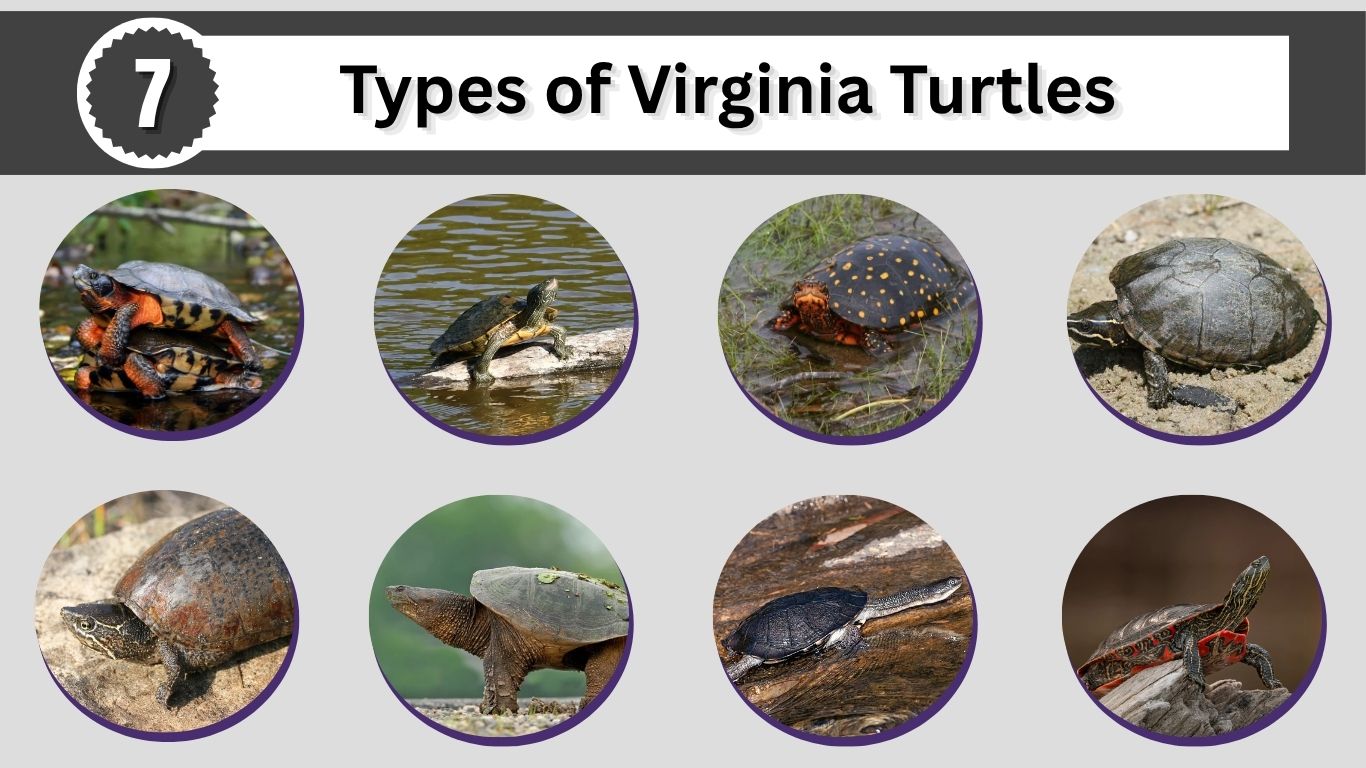
Virginia is home to many turtle species, from colorful freshwater turtles to strong land-dwelling turtles. Each species has unique features, including shell shape, body color, markings, size, and habitat preference. Learning these differences can help you identify turtles more easily in forests, wetlands, ponds, rivers, and streams. In this guide, you will learn about seven common types of Virginia turtles, their identification features, characteristics, habitats, and behavior.
1. Eastern Box Turtle
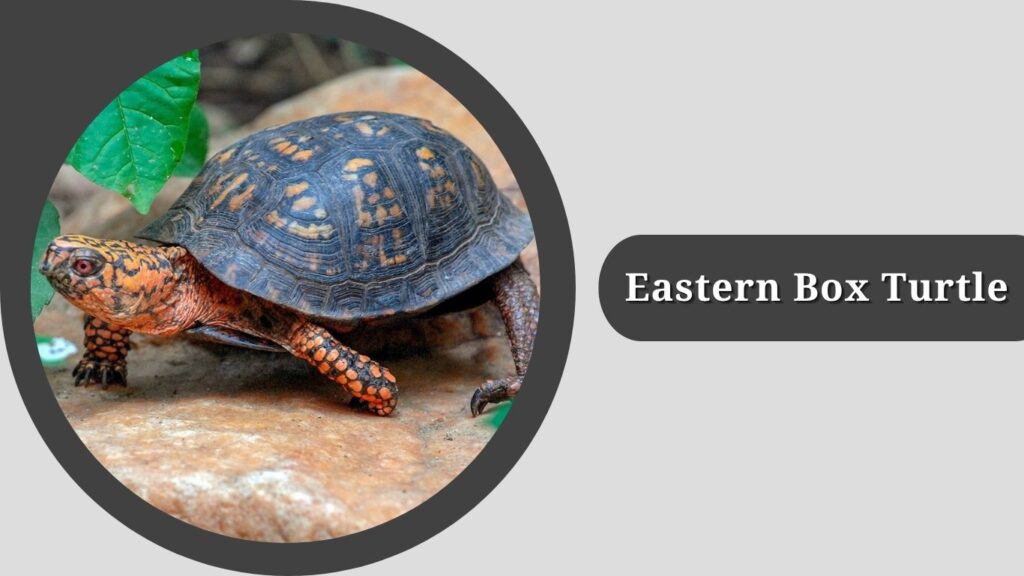
The Eastern Box Turtle is one of the most recognizable turtles found in Virginia. It is a land-dwelling turtle known for its high-domed shell, colorful markings, and ability to close its shell tightly for protection. This turtle often lives in forests, grasslands, and moist areas near streams or ponds.
Identification
The Eastern Box Turtle has a rounded, dome-shaped upper shell that is usually brown or black with yellow, orange, or reddish patterns. Its lower shell has a hinge, allowing the turtle to close itself inside completely. Adult turtles are usually small to medium-sized, making them easy to recognize compared with many water turtles.
Characteristics
- High, dome-shaped shell
- Brown or black shell with bright markings
- Hinged lower shell for protection
- Short, strong legs for walking on land
- Males often have red or orange eyes
- Usually slow-moving and shy
Habitat
Eastern Box Turtles are mostly found in wooded areas, open fields, forest edges, and damp meadows. They prefer places with loose soil, leaf litter, and plenty of shade. Although they are land turtles, they may enter shallow water during hot or dry weather to cool down.
Behavior
This turtle is generally calm and spends much of its time searching for food or hiding under leaves and logs. It eats insects, worms, berries, mushrooms, and other small plant or animal matter. Eastern Box Turtles are most active after rain and during warm weather. They often stay within a small home range for many years.
2. Painted Turtle
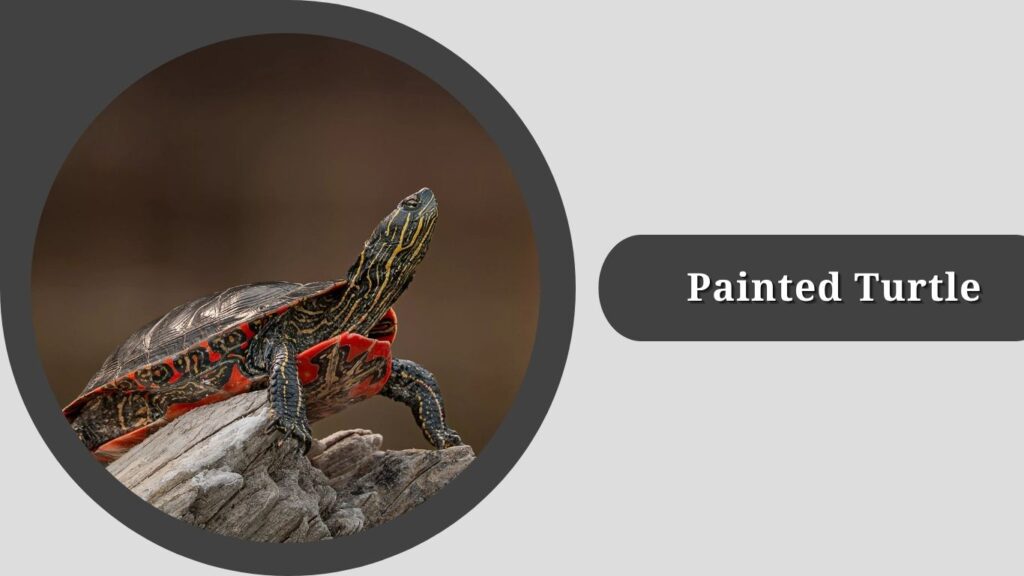
The Painted Turtle is another common turtle species found in Virginia. It is a freshwater turtle known for its smooth shell, colorful markings, and active swimming behavior. This turtle is often seen basking on logs, rocks, or muddy banks near ponds, lakes, marshes, and slow-moving streams.
Identification
The Painted Turtle has a smooth, dark upper shell that may look black, olive, or greenish. The edges of the shell often have red or orange markings. Its head, neck, and legs have thin yellow stripes, which help separate it from many other water turtles. It usually has a flatter shell than the Eastern Box Turtle.
Characteristics
- Smooth, low, oval-shaped shell
- Dark shell with red or orange edge markings
- Yellow stripes on the head, neck, and legs
- Webbed feet for swimming
- Often seen basking in groups
- Small to medium-sized freshwater turtle
Habitat
Painted Turtles usually live in quiet freshwater areas with soft bottoms and plenty of aquatic plants. They are commonly found in ponds, lakes, marshes, wetlands, and slow streams. They prefer places where they can easily swim, hide, feed, and climb onto logs or rocks to bask in the sun.
Behavior
This turtle is active during warm weather and spends much of its time swimming or basking. It feeds on aquatic plants, insects, small fish, snails, and other tiny water animals. Painted Turtles are alert and quickly slide into the water when disturbed. During winter, they usually stay underwater in mud or soft pond bottoms.
3. Common Snapping Turtle
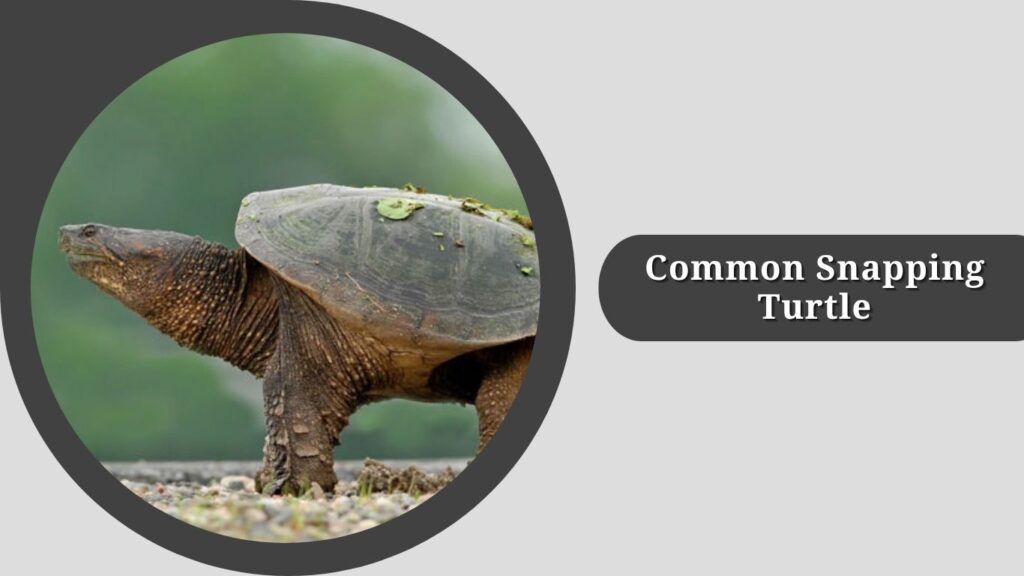
The Common Snapping Turtle is a large freshwater turtle found throughout Virginia. It is known for its powerful jaws, long tail, and rough-looking shell. Unlike basking turtles, it often stays hidden in muddy water and is more commonly seen when crossing roads or moving between wetlands.
Identification
The Common Snapping Turtle has a large head, strong hooked beak, and a long tail with saw-like ridges. Its upper shell is usually dark brown, gray, or olive and may look rough or algae-covered. The shell is not as smooth or colorful as many other Virginia turtles.
Characteristics
- Large, heavy freshwater turtle
- Powerful jaws and hooked beak
- Long tail with raised ridges
- Rough, dark-colored shell
- Strong legs with large claws
- Usually defensive when handled
Habitat
Common Snapping Turtles live in ponds, lakes, rivers, marshes, swamps, and slow-moving streams. They prefer muddy bottoms, thick vegetation, and places where they can hide easily. They spend most of their time underwater and may bury themselves partly in mud while waiting for food.
Behavior
This turtle is mostly aquatic and often avoids people by staying hidden. It eats fish, frogs, insects, plants, carrion, and other small animals. On land, it may act aggressive because it cannot hide easily, but in water it usually swims away. Females are often seen crossing roads during nesting season.
4. Eastern Musk Turtle
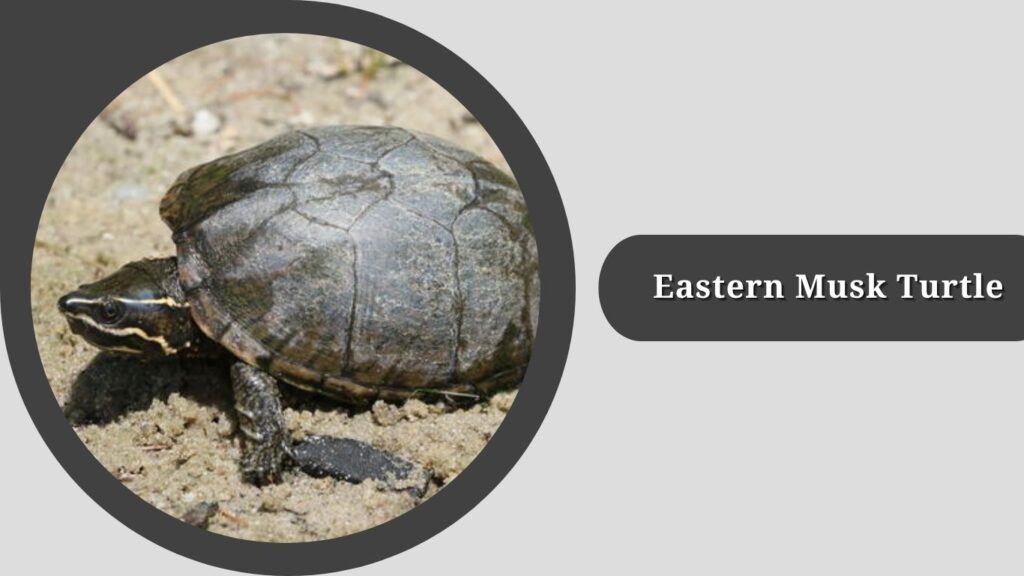
The Eastern Musk Turtle is a small freshwater turtle found in many parts of Virginia. It is also called the “stinkpot” because it can release a strong smell when frightened. This turtle is shy, secretive, and often spends most of its time walking along the bottom of shallow water.
Identification
The Eastern Musk Turtle has a small, dark, oval-shaped shell that is usually brown or black. Its shell is often smooth or slightly domed. The head usually has light-colored stripes running from the nose toward the neck. Because of its small size and dark body, it can be difficult to notice in muddy water.
Characteristics
- Small freshwater turtle
- Dark brown or black shell
- Light stripes on the head
- Can release a strong musky smell
- Short legs with webbed feet
- Usually shy and secretive
Habitat
Eastern Musk Turtles live in ponds, lakes, marshes, creeks, and slow-moving rivers. They prefer shallow water with soft mud, aquatic plants, logs, and hiding places. They are often found near the bottom rather than basking high on logs like Painted Turtles.
Behavior
This turtle is mostly active in water and may walk along the bottom instead of swimming constantly. It feeds on insects, snails, worms, small fish, carrion, and aquatic plants. Eastern Musk Turtles are usually quiet and hidden during the day, but they may become more active in the evening or at night.
5. Spotted Turtle
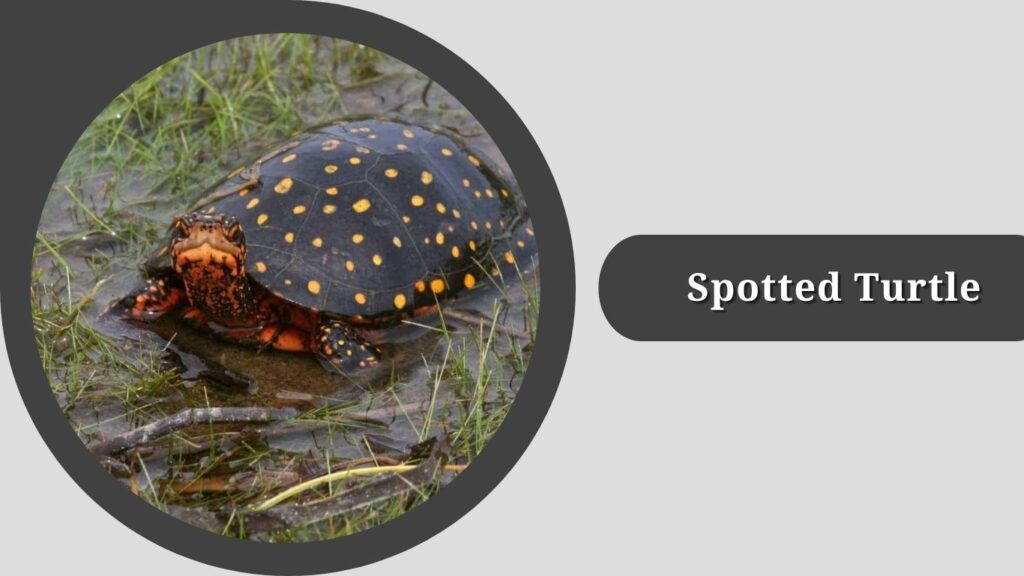
The Spotted Turtle is a small and attractive freshwater turtle found in parts of Virginia. It is known for the bright yellow spots on its dark shell. This turtle is less common than many other Virginia turtles and is usually found in clean, shallow wetlands with soft bottoms and plenty of vegetation.
Identification
The Spotted Turtle has a small, smooth, black or dark brown shell marked with round yellow spots. The number of spots can vary from only a few to many across the shell. Its head and legs may also show yellow or orange markings, making it easier to recognize.
Characteristics
- Small freshwater turtle
- Dark shell with yellow spots
- Smooth, slightly domed shell
- Yellow or orange markings on the head
- Prefers shallow wetland areas
- Usually secretive and slow-moving
Habitat
Spotted Turtles live in marshes, wet meadows, bogs, swamps, and shallow ponds. They prefer quiet wetlands with clean water, soft mud, and aquatic plants. These turtles often use both water and nearby land, especially during warm weather or nesting season.
Behavior
This turtle is often shy and may hide under plants, mud, or logs when disturbed. It feeds on insects, worms, snails, small aquatic animals, and some plant material. Spotted Turtles are most active in spring and early summer. During very hot or cold periods, they may become less active and stay hidden.
6. Wood Turtle
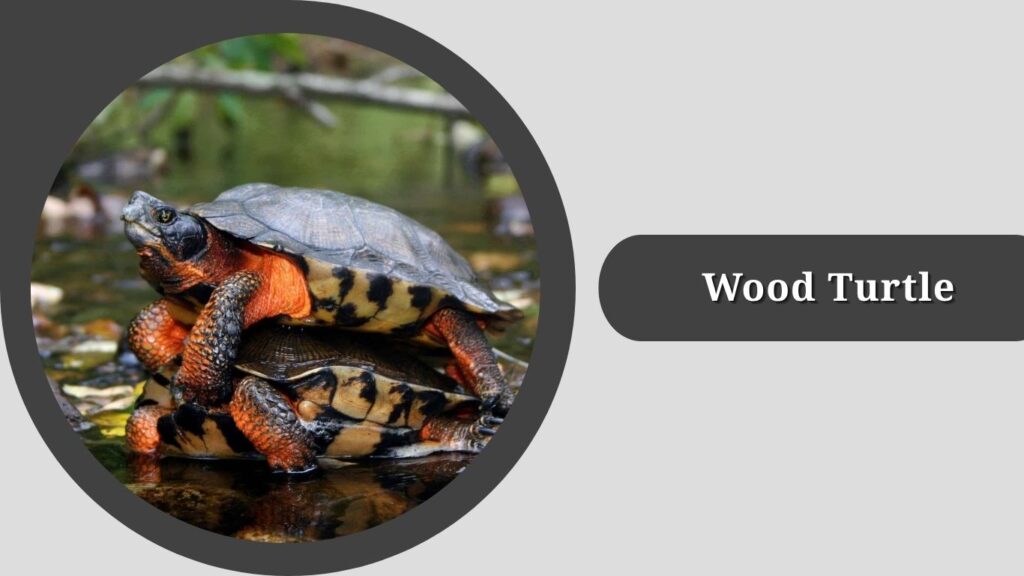
The Wood Turtle is a semi-aquatic turtle found in some areas of Virginia, especially near clean streams and rivers. It is known for its sculpted shell, orange-colored skin, and strong walking ability on land. This species spends time both in water and in nearby forests or fields.
Identification
The Wood Turtle has a rough, ridged upper shell that often looks carved or sculpted. Its shell is usually brown or grayish-brown, while the skin on the neck and legs may be orange, yellow, or reddish. Adults are medium-sized and have a sturdy body with strong legs.
Characteristics
- Medium-sized semi-aquatic turtle
- Rough, sculpted-looking shell
- Brown or grayish-brown upper shell
- Orange, yellow, or reddish skin on neck and legs
- Strong legs for walking on land
- Often found near clean streams
Habitat
Wood Turtles usually live near clear streams, rivers, and wooded floodplains. They also use forests, meadows, and fields close to water. They need both aquatic and land habitats, especially for feeding, basking, nesting, and seasonal movement.
Behavior
This turtle is active during the day and often walks on land more than many freshwater turtles. It eats berries, mushrooms, insects, worms, plants, and small animals. Wood Turtles may return to the same stream areas each year. They are generally calm but may hide quickly when threatened.
7. Northern Map Turtle
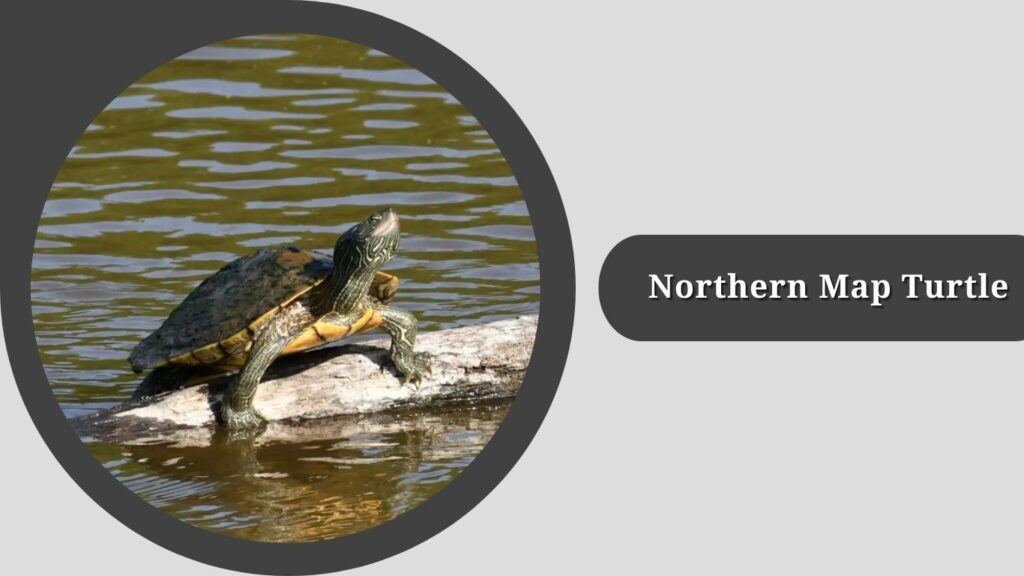
The Northern Map Turtle is a freshwater turtle found in rivers, lakes, and large streams in Virginia. It gets its name from the map-like lines on its shell, which can look like contour lines on a map. This turtle is usually active in water and often basks on logs or rocks near shore.
Identification
The Northern Map Turtle has an olive, brown, or grayish shell with thin yellowish lines across it. These lines create a map-like pattern, especially in younger turtles. It also has yellow markings on the head and neck. Females are usually much larger than males and often have broader heads.
Characteristics
- Freshwater turtle with map-like shell lines
- Olive, brown, or grayish upper shell
- Yellow markings on the head and neck
- Females are larger than males
- Strong swimmer with webbed feet
- Often seen basking near rivers or lakes
Habitat
Northern Map Turtles usually live in rivers, lakes, reservoirs, and large streams. They prefer clean water with plenty of basking places such as logs, rocks, or fallen branches. They are often found in areas with slow to moderate water movement and good access to sunlight.
Behavior
This turtle spends much of its time swimming, feeding, and basking. It eats aquatic insects, snails, clams, crayfish, and other small water animals. Northern Map Turtles are alert and quickly dive into the water when disturbed. They are most active during warm daylight hours.
FAQs
What is the most common turtle in Virginia?
The Painted Turtle is one of the most commonly seen turtles in Virginia. It often lives in ponds, lakes, marshes, and slow-moving streams. You may see it basking on logs or rocks during warm sunny days.
How can I identify a Virginia turtle?
You can identify a Virginia turtle by checking its shell shape, color, markings, size, feet, tail, and habitat. For example, box turtles have high domed shells, while many water turtles have flatter shells and webbed feet.
Are Eastern Box Turtles found in Virginia?
Yes, Eastern Box Turtles are found in Virginia. They are land turtles that usually live in forests, fields, and damp woodland edges. Their high domed shell and colorful markings make them easy to recognize.
Do Virginia turtles live in water or on land?
Virginia has both land and water turtles. Eastern Box Turtles mostly live on land, while Painted Turtles, Snapping Turtles, Musk Turtles, and Spotted Turtles usually live in freshwater habitats such as ponds, streams, and wetlands.
Are Virginia turtles dangerous?
Most Virginia turtles are not dangerous if left alone. However, Common Snapping Turtles have strong jaws and may bite if handled or threatened. It is best to observe turtles from a safe distance and avoid picking them up.