
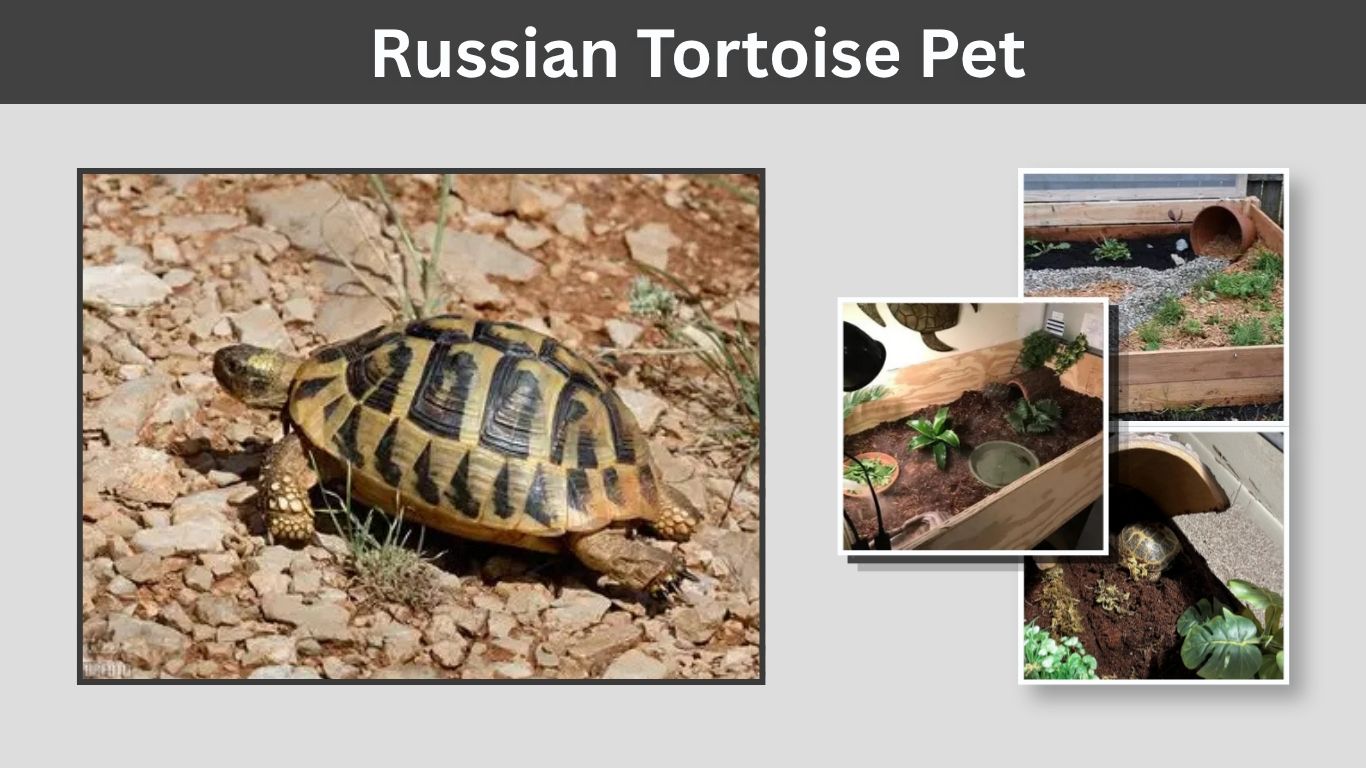
A Russian tortoise can be a good pet for the right owner. It stays small, has a bold personality, and is usually easier to manage than giant tortoise species. Still, it is not a simple “low-care” pet. A Russian tortoise needs strong lighting, dry housing, safe food, clean water, and long-term commitment. With proper care, it may live for several decades.
Are Russian Tortoises Good Pets?
Russian tortoises are popular because they are small, hardy, curious, and active. Many owners enjoy watching them walk, dig, bask, and explore. They do not need daily affection like a dog or cat, but they still need daily care and a safe habitat.
Why Russian Tortoises Make Good Pets
Russian tortoises can make good pets for beginners who are ready to learn reptile care. They are usually alert, food-motivated, and active during the day. Their small adult size also makes them easier to house than sulcata, leopard, or red-footed tortoises.
They are also interesting to observe. A healthy Russian tortoise may patrol its enclosure, dig under hides, bask under heat, and come forward when food appears. This makes them more interactive than many people expect.
Things to Know Before Buying One
A Russian tortoise is not a cuddly pet. It does not enjoy being carried often. Too much handling can cause stress, and dropping a tortoise can lead to serious injury.
Before getting one, remember these points:
- It can live 40 years or more.
- It needs UVB lighting indoors.
- It needs a warm basking area.
- It needs a dry, secure enclosure.
- It digs and may escape.
- It needs a high-fiber herbivore diet.
- It needs reptile vet care when sick.
- It should not be housed with different species.
A Russian tortoise is best for someone who enjoys natural behavior, not constant handling.
Are Russian Tortoises Good for Beginners?
Yes, Russian tortoises are often considered good beginner tortoises. However, “beginner-friendly” does not mean easy without research. The keeper must understand heat, UVB, diet, humidity, substrate, and enclosure safety.
They are better for beginners than very large species because they stay small. But they still require proper equipment and daily attention. A poor setup can quickly cause health problems.
Russian Tortoise Pet Care Basics
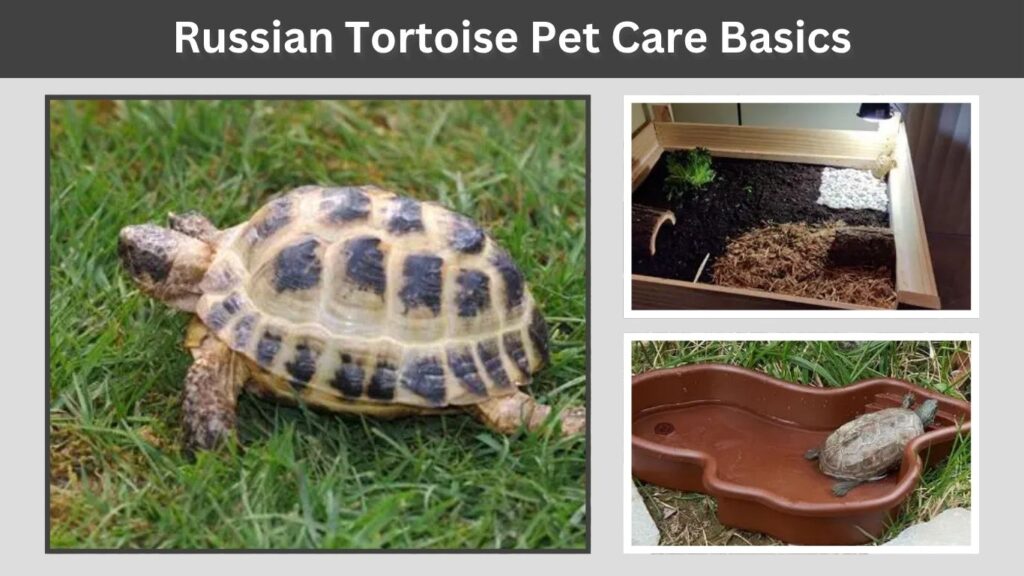
Good care starts with a correct setup. A Russian tortoise needs warmth, light, space, and security. The enclosure should allow natural behaviors like walking, hiding, basking, and digging.
Pet stores may sell small starter kits, but many are too small for long-term use. A large tortoise table or outdoor pen is better.
Basic Care Checklist
A healthy Russian tortoise setup should include:
- Large floor-space enclosure
- Basking lamp
- UVB light
- Cool side and warm side
- Dry, dig-safe substrate
- Hiding areas
- Shallow water dish
- Food dish or feeding stone
- Thermometer
- Humidity gauge
- Calcium supplement
- Safe leafy greens and weeds
The tortoise should be able to move away from heat when it wants. A single hot or cold enclosure is not safe. Temperature variety helps it control its body heat.
Russian Tortoise Care Table
| Care Area | Best Practice |
| Diet | High-fiber weeds, greens, leaves, and flowers |
| Lighting | UVB light and basking lamp indoors |
| Habitat | Large, secure, dry enclosure |
| Substrate | Diggable but not dusty or wet |
| Water | Shallow dish available daily |
| Handling | Gentle and limited |
| Lifespan | Often 40–50+ years with good care |
| Personality | Active, curious, and bold |
Daily Care Routine
Daily care is simple but important. Check the temperature, lights, water, food, and tortoise behavior every day. Remove old food before it becomes dirty or moldy.
A daily routine may include feeding in the morning, replacing water, checking the basking area, and watching for normal activity. A healthy Russian tortoise should be alert when warm. It should eat regularly, move strongly, and have clear eyes.
Russian Tortoise Habitat
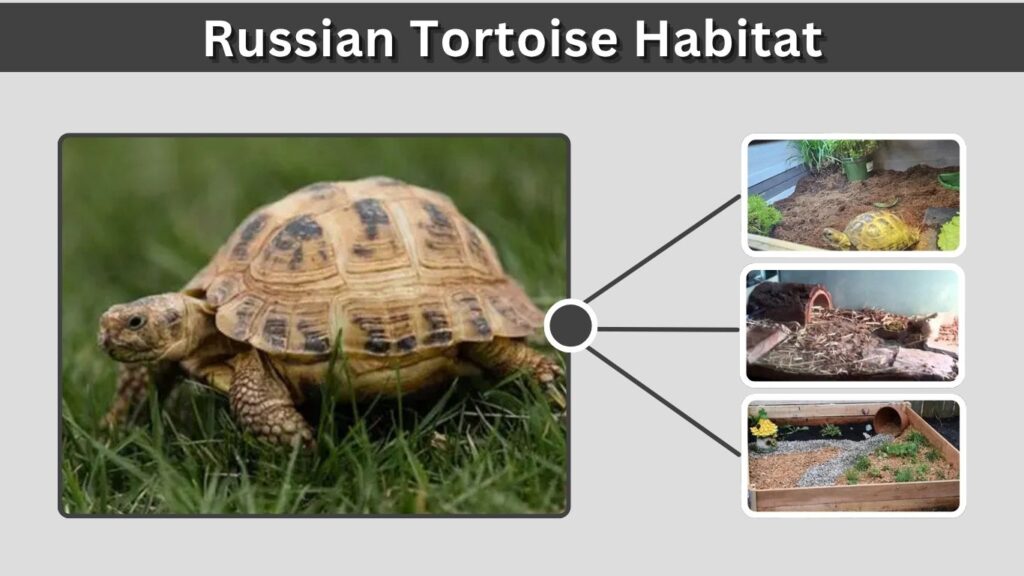
The habitat is one of the most important parts of care. Russian tortoises are active animals that need room to move. They also dig, climb corners, and test weak areas in the enclosure.
A small tank is not ideal for an adult. Glass tanks can also cause stress because the tortoise may keep trying to walk through the clear walls.
Indoor Enclosure
An indoor tortoise table is often better than a glass aquarium. It gives more floor space and better airflow. The enclosure should be large enough for walking, basking, feeding, hiding, and digging.
For indoor care, use a basking lamp on one side and a UVB light across part of the enclosure. The tortoise needs a warm zone and a cooler zone. Place hides in different areas so it can feel safe.
Good indoor habitat features include:
- Open-top tortoise table
- Warm basking area
- Cooler resting area
- Dry substrate
- Safe hide box
- Flat rocks for feeding
- Shallow water bowl
- Barriers high enough to prevent escape
Russian tortoises are strong for their size. They can push weak decorations and climb corners, so keep the setup secure.
Outdoor Enclosure
Outdoor housing is excellent when the climate is safe. Natural sunlight is very helpful, and outdoor space allows grazing and exercise. However, the enclosure must be secure from escape and predators.
Russian tortoises dig under walls. Outdoor fencing should go below the soil line. The walls should also be high enough so the tortoise cannot climb out. Add shade, hides, sunny basking areas, and clean water.
Do not leave a tortoise outside in cold, wet, or unsafe weather. Outdoor time should be supervised if the enclosure is not fully secure.
Substrate and Digging
Russian tortoises are natural burrowers. A good substrate should allow digging but should not stay wet or dusty. The goal is a firm, dry surface with some depth for natural behavior.
Avoid sharp, moldy, dusty, or loose substrates that may be swallowed. Sand-only substrate is not recommended. Keep the enclosure clean and remove waste often.
Russian Tortoise Diet
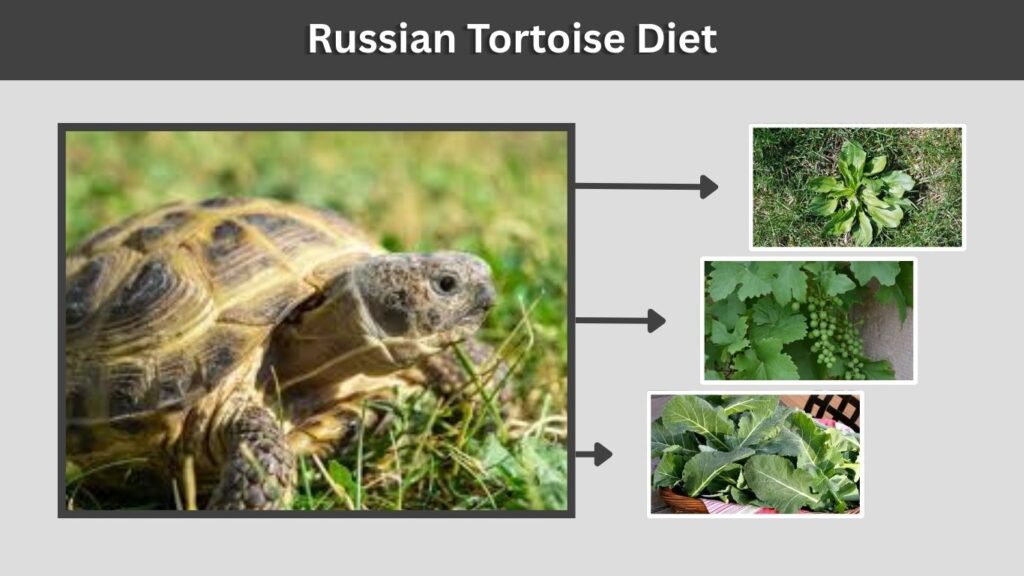
A pet Russian tortoise needs a high-fiber, low-sugar herbivore diet. It should eat weeds, leafy greens, safe leaves, and flowers. Fruit and animal protein should not be part of the regular diet.
Diet problems are common in captivity because owners feed too much soft lettuce, fruit, or vegetables. A natural diet is much better.
Best Foods for Pet Russian Tortoises
The best foods are pesticide-free weeds and dark leafy greens. Good options include dandelion greens, plantain weed, clover, collard greens, mustard greens, turnip greens, endive, escarole, hibiscus leaves, grape leaves, mulberry leaves, and cactus pads.
Safe flowers can also add variety. Dandelion flowers, hibiscus flowers, rose petals, and nasturtium flowers are good choices if they are chemical-free.
A healthy diet should include:
- Dandelion greens
- Collard greens
- Mustard greens
- Turnip greens
- Endive
- Escarole
- Plantain weed
- Clover
- Hibiscus leaves
- Mulberry leaves
- Grape leaves
- Cactus pads
- Safe edible flowers
Feed a mix of foods rather than one item every day.
Foods to Avoid
Russian tortoises should not eat like box turtles. They are not meant to eat insects, meat, dog food, or cat food. High-protein foods can harm them.
Avoid these foods:
- Dog food
- Cat food
- Meat
- Eggs
- Insects
- Worms
- Bread
- Rice
- Pasta
- Fruit as a regular food
- Iceberg lettuce
- Onion
- Garlic
- Avocado
- Processed foods
Fruit is too sugary for regular feeding. Lettuce can be used lightly, but it should not be the main diet.
Feeding Schedule
Most active Russian tortoises can be fed once daily. Hatchlings may need daily feeding, while some adults may do well with controlled portions. The amount should be adjusted based on weight, activity, and body condition.
Feed after the tortoise warms up in the morning. Remove old food later. Provide clean water daily, even if the tortoise does not seem to drink often.
Russian Tortoise Lifespan and Health
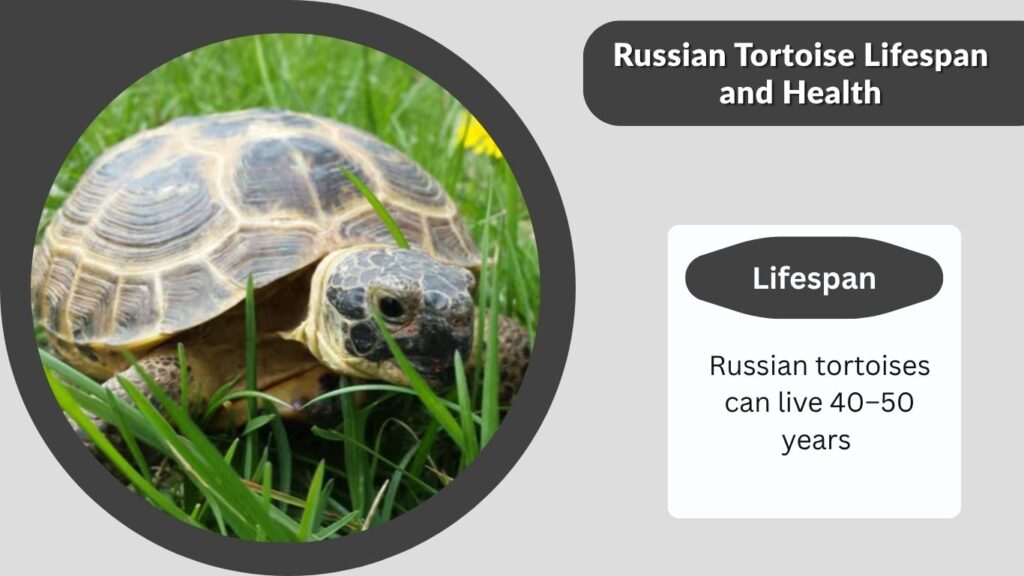
A Russian tortoise is a long-term pet. It may live for decades with proper care. This is one reason buyers should think carefully before bringing one home.
A tortoise is not a short-term pet for a child. It may still need care when that child becomes an adult.
How Long Do Pet Russian Tortoises Live?
Many Russian tortoises can live 40–50 years or longer with good care. Some may live even longer. Lifespan depends on diet, lighting, hydration, temperature, enclosure quality, and veterinary care.
Because they live so long, owners should plan for the future. This includes housing, travel, vet costs, and who will care for the tortoise if the owner cannot.
Common Health Problems
Many health problems come from poor husbandry. Wrong temperature, no UVB, poor diet, wet housing, or dirty substrate can cause serious issues.
Common problems include:
- Respiratory infections
- Shell pyramiding
- Soft shell
- Metabolic bone disease
- Dehydration
- Overgrown beak
- Parasites
- Eye swelling
- Poor appetite
- Injuries from falls
If a tortoise stops eating, becomes weak, wheezes, has swollen eyes, or has discharge from the nose, contact a reptile vet.
Do Pet Russian Tortoises Carry Disease?
Like many reptiles, tortoises can carry bacteria such as Salmonella. This does not mean they are bad pets, but hygiene matters.
Wash your hands after touching the tortoise, enclosure, water bowl, or food dish. Do not let young children put their hands in their mouth after handling. Do not clean tortoise items in the kitchen sink.
Handling, Personality, and Behavior
Russian tortoises can become bold and confident, but they are still reptiles. They do not need affection like mammals. Most prefer walking, basking, eating, and digging over being held.
Understanding normal behavior helps prevent stress.
Do Russian Tortoises Like to Be Pet?
Some Russian tortoises tolerate gentle touching on the shell or head, but many do not enjoy it. They may pull into the shell, push away, or try to walk off. This means they want space.
Keep handling short and calm. Support the whole body when lifting. Never hold a tortoise high above the ground. Dropping a pet Russian tortoise can crack the shell or injure internal organs.
Normal Pet Russian Tortoise Behavior
A healthy Russian tortoise may be active, curious, and food-motivated. It may dig, bask, hide, and explore. It may also sleep or rest during cooler parts of the day.
Normal behaviors include:
- Digging under substrate
- Basking under heat
- Hiding in shelters
- Walking along enclosure edges
- Eating leafy greens
- Soaking or sitting near water
- Resting during cooler times
Constant glass pacing, hiding all day, or refusing food may show stress or poor temperatures.
Male or Female: Which Is Better?
Both male and female Russian tortoises can be good pets. Males are often smaller but may be more territorial. Females may grow larger and need enough space. Personality matters more than gender.
If keeping more than one, avoid housing two males together. They may fight. A male may also harass a female, so mixed housing needs caution.
Do Pet Russian Tortoises Hibernate?
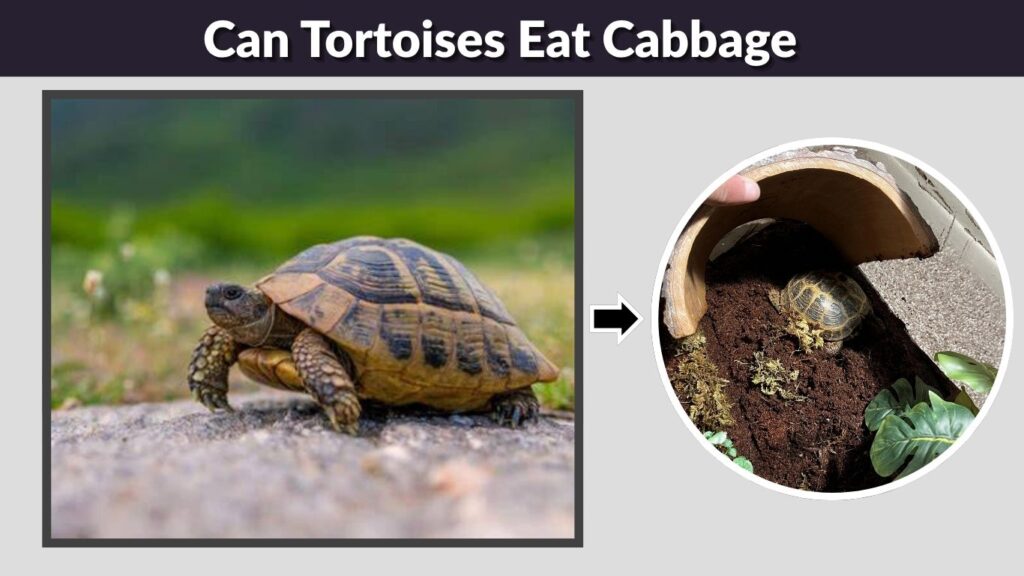
Russian tortoises can brumate in nature. Brumation is a reptile dormancy period during colder months. However, pet tortoises should not be forced to brumate without proper knowledge.
Brumation can be risky if the tortoise is sick, underweight, dehydrated, or kept at unsafe temperatures.
Should Your Russian Tortoise Hibernate?
A healthy adult Russian tortoise may brumate under expert care, but many pet owners keep them active year-round with proper indoor heat and lighting. Beginners should speak with a reptile vet before allowing brumation.
Do not let a tortoise randomly become cold and inactive in a poor setup. That is not safe brumation. It can lead to illness or death.
Signs of Seasonal Slowdown
Some Russian tortoises eat less or become less active during seasonal changes. This can happen even indoors. However, appetite loss can also mean illness or incorrect temperatures.
Check these things first:
- Basking temperature
- Cool-side temperature
- UVB light age
- Hydration
- Diet variety
- Stool and urates
- Weight changes
- Breathing and eyes
If the tortoise loses weight or seems weak, contact a reptile vet.
Safe Winter Care
For most beginners, safe winter care means keeping the tortoise warm, lit, and active. Use timers for lights, provide UVB, maintain a proper basking area, and keep the enclosure dry.
Do not place a Russian tortoise near cold windows, damp floors, or drafty rooms. Cold and damp conditions can cause respiratory problems.
Buying a Russian Tortoise Pet
Buying the right animal matters. Captive-bred tortoises are usually better than wild-caught ones because they are often healthier, less stressed, and better adapted to captivity.
Avoid buying from careless sellers who cannot explain age, origin, health, diet, or setup needs.
Where to Get One
A responsible breeder or reptile rescue is usually better than an impulse pet store purchase. Some pet stores sell healthy animals, but others may sell stressed or wild-caught tortoises.
Before buying, ask about:
- Captive-bred status
- Age and size
- Current diet
- Previous housing
- Health history
- Parasite checks
- Return policy
- Care requirements
Never buy a tortoise just because it is cheap. Vet care and proper equipment may cost more than the animal.
Healthy Russian Tortoise Signs
Look for a tortoise that is alert, active, and strong. The eyes should be clear. The nose should be dry and clean. The shell should be firm, not soft or damaged.
Healthy signs include:
- Clear eyes
- Clean nose
- Firm shell
- Strong legs
- Normal walking
- Good appetite
- No wheezing
- No mouth bubbles
- No deep shell cracks
- No swollen eyes
A sick-looking tortoise should be checked by a reptile vet before purchase.
Pet Supplies Needed
A Russian tortoise needs more than a food bowl and small tank. Plan the full setup before bringing it home.
Basic supplies include a large enclosure, basking lamp, UVB fixture, substrate, hides, water dish, thermometer, humidity gauge, calcium powder, feeding stone, and safe greens. Outdoor keepers also need secure fencing and predator protection.
FAQs
Is a Russian tortoise a good pet?
Yes, a Russian tortoise can be a good pet for someone who wants a quiet, active, long-lived reptile. It stays small and has a bold personality. However, it needs UVB lighting, heat, safe food, space, and proper long-term care.
Do Russian tortoises like to be handled?
Most Russian tortoises do not like frequent handling. Some tolerate gentle touching, but they usually prefer walking, eating, basking, and digging. Handling should be short and careful. Always support the whole body and never hold the tortoise high above the ground.
What do pet Russian tortoises eat?
Pet Russian tortoises eat weeds, leafy greens, safe leaves, and edible flowers. Good foods include dandelion greens, collards, mustard greens, turnip greens, endive, escarole, plantain, clover, hibiscus, and cactus pads. Avoid fruit, meat, insects, dog food, and cat food.
How long does a Russian tortoise live as a pet?
A Russian tortoise can live 40–50 years or more with proper care. Its lifespan depends on diet, lighting, temperature, hydration, enclosure quality, and veterinary support. Anyone buying one should be ready for a long-term commitment.
Do pet Russian tortoises hibernate?
Russian tortoises can brumate, but pet tortoises should not be forced into it without proper knowledge. Beginners should speak with a reptile vet first. Many owners safely keep Russian tortoises active year-round with correct indoor heating, lighting, and care.