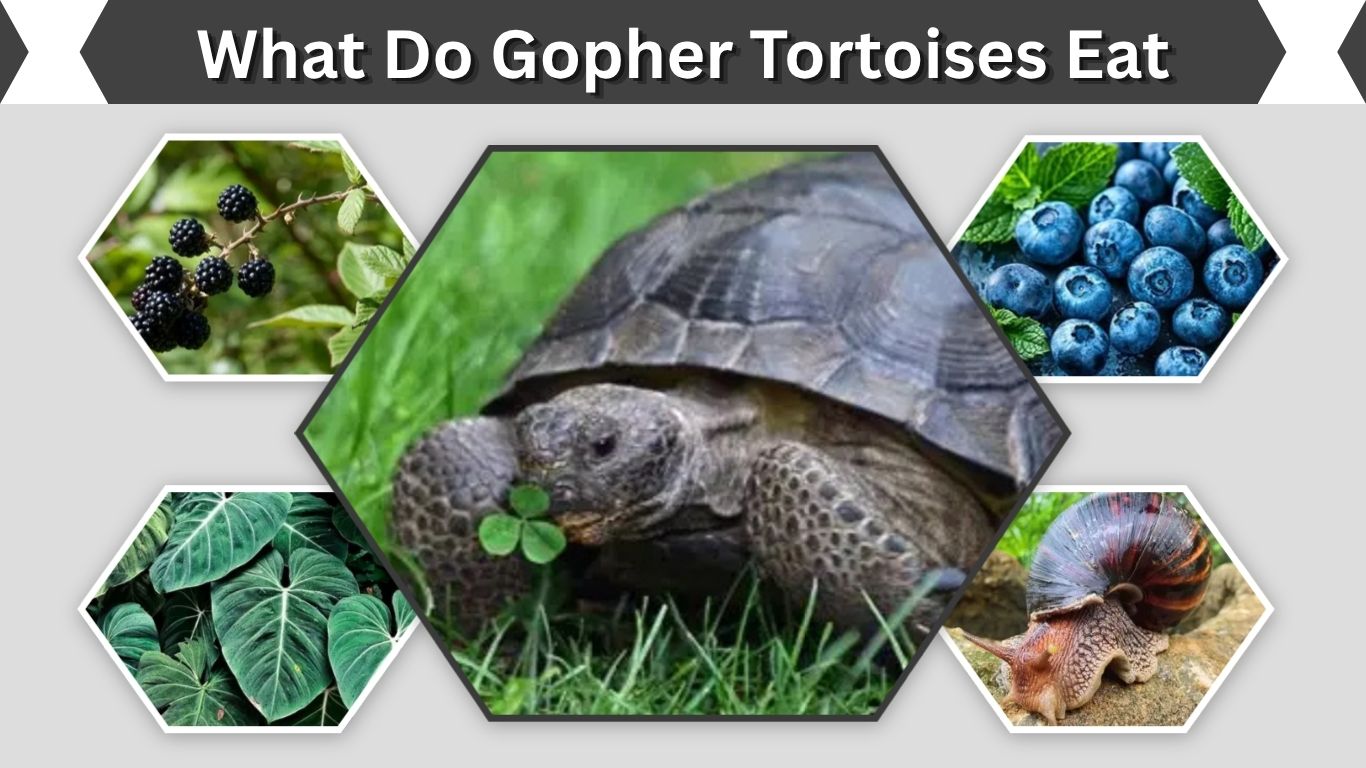
Gopher tortoises are herbivorous reptiles that mainly eat grasses, leaves, flowers, fruits, and other low-growing plants. Their diet changes with the season and depends on what is available in their dry, sandy habitat. They usually graze close to the ground and may feed on dozens of native plant species throughout the year. A varied natural diet provides the fiber, moisture, vitamins, and minerals they need to maintain a strong shell and healthy body.
What Do Gopher Tortoises Eat in the Wild?
Wild gopher tortoises are primarily plant eaters. They forage in open pine forests, scrublands, coastal dunes, grasslands, and sandy upland habitats across the southeastern United States.
Their diet generally includes:
- Grasses
- Broadleaf plants
- Legumes
- Flowers
- Fruits
- Cactus pads
- Leaves
- Shoots
- Succulent plants
- Mushrooms
They occasionally consume insects, bones, animal droppings, or carrion, but these items make up only a very small part of their overall diet.
10 Common Foods Gopher Tortoises Eat
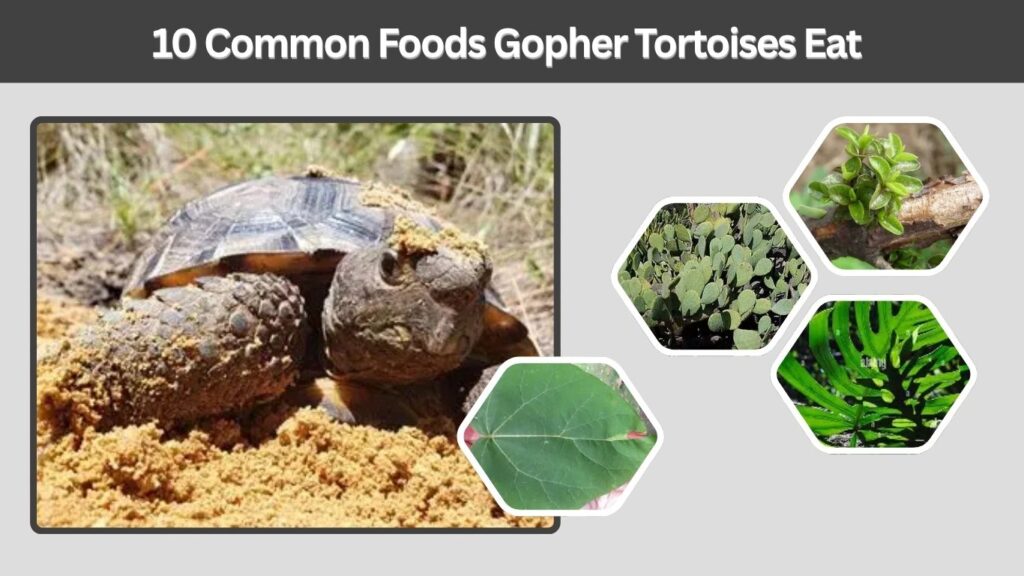
Gopher tortoises eat many different plants rather than depending on a single food source. The following foods are commonly found in their natural diet.
1. Native Grasses
Native grasses form an important part of the gopher tortoise diet. Tortoises graze on tender grass blades growing around their burrows and feeding areas.
Young grass is usually easier to chew and contains more moisture than dry, mature stems. Commonly eaten grasses may include wiregrass, panic grasses, crabgrass, and other low-growing species.
Grasses provide:
- Dietary fiber
- Moisture
- Small amounts of protein
- Vitamins and minerals
Fiber is especially important because it helps maintain normal digestion. Gopher tortoises are adapted to processing fibrous plant material over long periods.
2. Broadleaf Plants
Broadleaf plants, sometimes called forbs, are among the most valuable foods available to gopher tortoises. These soft, leafy plants often grow among grasses in sunny, open habitats.
Tortoises may eat the leaves, stems, buds, and flowers. Broadleaf plants usually contain more nutrients and moisture than mature grass.
Common examples include:
- Plantain
- Wild lettuce
- Florida pusley
- Beggarweed
- Spiderwort
- Wild asters
A diverse supply of broadleaf plants allows tortoises to select foods according to seasonal availability and nutritional needs.
3. Legumes
Legumes are plants belonging to the pea and bean family. They are often rich in protein and calcium compared with many grasses.
Gopher tortoises may eat native clovers, wild peas, partridge pea, beggarweed, and other low-growing legumes. They consume the leaves, flowers, tender stems, and sometimes seedpods.
Legumes can be especially useful during periods of growth, reproduction, and recovery. However, tortoises naturally balance them with fibrous grasses and other plants rather than eating legumes alone.
4. Wildflowers
Flowers add variety, moisture, and nutrients to the gopher tortoise diet. Tortoises may deliberately seek out flowering plants when blooms are available.
Commonly eaten flowers may include:
- Hibiscus
- Dandelion-like flowers
- Asters
- Clover flowers
- Morning glory flowers
- Wild peas
- Blackberry blossoms
They may eat both the petals and surrounding leaves. Flower availability often increases during spring and summer, when warm temperatures and rainfall encourage plant growth.
5. Cactus Pads and Fruit
In dry coastal and scrub habitats, gopher tortoises may feed on prickly pear cactus. They can eat both the fleshy pads and the fruit.
Cactus provides valuable moisture during hot or dry weather. Its soft inner tissue can help tortoises remain hydrated when standing water is limited.
Tortoises usually bite around smaller spines or crush them while feeding. However, cultivated or ornamental cactus should not automatically be offered to captive or visiting tortoises because pesticides and unsuitable varieties may be harmful.
6. Berries
Gopher tortoises eat wild berries when they find them close to the ground. Fruits are generally seasonal treats rather than the largest part of their diet.
They may consume:
- Blackberries
- Blueberries
- Huckleberries
- Palmetto berries
- Other small native fruits
Berries provide water, natural sugar, vitamins, and antioxidants. Because fruits contain more sugar than grasses and leaves, wild tortoises usually eat them only when naturally available.
7. Palmetto Fruits
Saw palmetto and other palm-like plants grow throughout much of the gopher tortoise’s range. Fallen palmetto fruits may become an important seasonal food.
Tortoises can eat ripe fruit from the ground and may remain near productive plants while fruits are available. Palmetto fruits are energy-rich and contain moisture, fiber, and seeds.
The tough texture does not normally prevent feeding because gopher tortoises have strong, beak-like mouths designed for cutting plant material.
8. Leaves and Tender Shoots
Gopher tortoises commonly eat young leaves and shoots from low-growing shrubs, vines, and herbaceous plants. New plant growth is usually softer, wetter, and more nutritious than older vegetation.
They may stretch their necks upward to reach leaves but generally prefer plants close to the ground. Tender shoots are especially abundant after rainfall or prescribed fire stimulates fresh vegetation.
Leaves provide:
- Fiber
- Calcium
- Vitamins
- Moisture
- Plant protein
The exact plant species eaten vary by location and season.
9. Mushrooms
Gopher tortoises sometimes eat mushrooms and other fungi growing in their habitat. Mushrooms frequently appear after rain, especially in warm, humid conditions.
Fungi provide moisture and small amounts of minerals and protein. Tortoises may eat entire mushrooms, including the cap and stem.
Although wild tortoises can select naturally occurring fungi, people should never offer store-bought or unidentified wild mushrooms. Some species may be toxic or unsuitable.
10. Fallen Fruits
Gopher tortoises may eat fruits that fall from native shrubs, vines, or trees. Because they cannot climb, they depend on ripe fruit reaching the ground.
Examples may include:
- Wild grapes
- Persimmons
- Maypop fruit
- Plums
- Pawpaw fruit
- Cactus fruit
Fallen fruit can supply quick energy and water, especially during warm months. However, fruit remains a supplementary food. Grasses, broadleaf plants, and leaves make up a more consistent portion of their diet.
Gopher Tortoise Diet Chart
| Food type | How often eaten | Main benefit |
| Native grasses | Very frequently | Fiber and digestion |
| Broadleaf plants | Very frequently | Vitamins and moisture |
| Legumes | Frequently | Protein and calcium |
| Wildflowers | Seasonally | Nutrients and variety |
| Cactus | In suitable habitats | Water and fiber |
| Berries | Seasonally | Energy and vitamins |
| Palmetto fruit | Seasonally | Energy and moisture |
| Leaves and shoots | Frequently | Fiber and calcium |
| Mushrooms | Occasionally | Moisture and minerals |
| Fallen fruit | Occasionally | Natural sugar and water |
How Do Gopher Tortoises Find Food?
Gopher tortoises usually forage during daylight hours. They walk slowly through areas around their burrows, searching for low-growing plants.
Their activity is strongly influenced by temperature. During hot summer weather, they may feed in the morning or late afternoon and remain inside the burrow during the hottest part of the day.
They use their eyesight and sense of smell to locate food. Their sharp, toothless beak cuts through leaves, grass, stems, and fruit.
A tortoise may travel several hundred feet or farther from its burrow while feeding, although it usually remains within a familiar home range.
How Does Their Diet Change by Season?
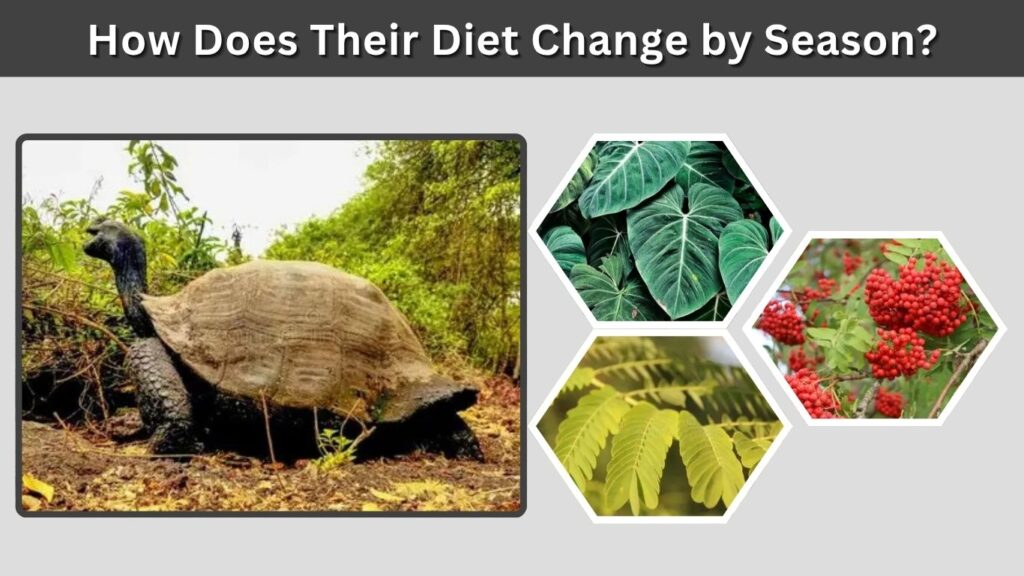
Food availability varies throughout the year, so gopher tortoises adjust their diets seasonally.
Spring
Spring produces fresh grasses, tender leaves, shoots, and flowers. Tortoises become more active as temperatures rise and may feed for longer periods.
Summer
Summer provides grasses, flowers, berries, cactus, mushrooms, and other moisture-rich foods. Tortoises may limit activity during the hottest hours.
Fall
During fall, tortoises may eat fallen fruit, palmetto berries, mature grasses, and remaining broadleaf plants. Feeding helps prepare them for cooler weather.
Winter
Winter feeding depends on location and temperature. Tortoises in warmer southern areas may emerge on mild days. Those in cooler regions often remain in their burrows and eat very little.
What Do Baby Gopher Tortoises Eat?
Baby and juvenile gopher tortoises eat many of the same plants as adults. However, they usually select softer and more tender vegetation because their mouths and bodies are smaller.
Suitable natural foods include:
- Young grass
- Clover
- Tender leaves
- Small flowers
- Soft shoots
- Native weeds
- Small pieces of fallen fruit
Young tortoises need a fiber-rich diet with adequate calcium for shell and bone development. A varied selection of native plants is more appropriate than a diet dominated by fruit or commercial vegetables.
Do Gopher Tortoises Drink Water?
Gopher tortoises obtain much of their water from the plants they eat. Grasses, leaves, cactus, berries, and flowers all contain moisture.
They may also drink from shallow puddles after rain. A tortoise may lower its head and take several long drinks when water becomes available.
Their burrows help prevent dehydration by providing a cooler, more humid environment than the surface. This allows them to survive in habitats that frequently become hot and dry.
Do Gopher Tortoises Eat Meat?
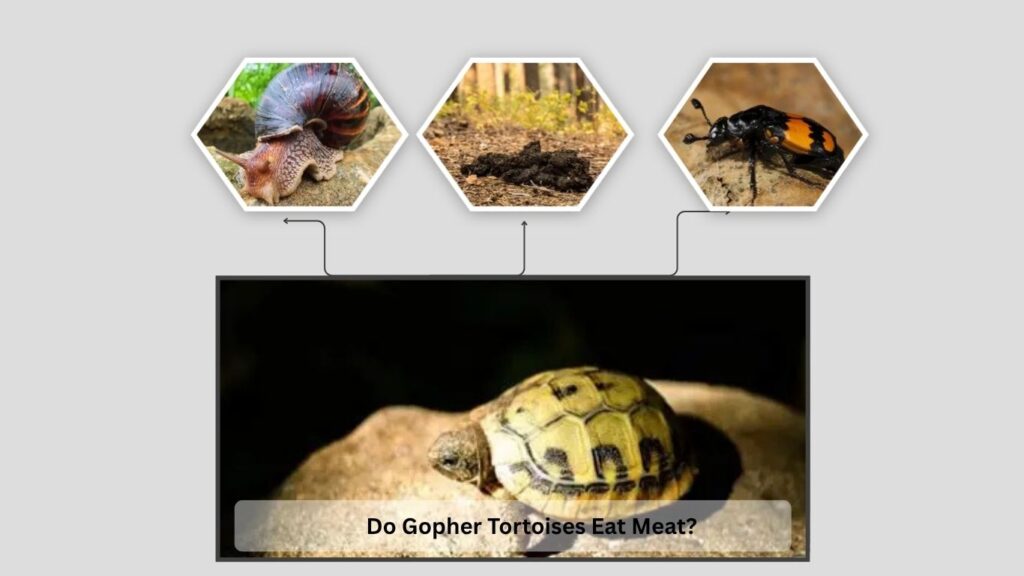
Gopher tortoises are primarily herbivorous, but they occasionally consume animal-based material. Rare items may include:
- Insects
- Snail shells
- Bones
- Carrion
- Animal droppings
These behaviors may provide additional calcium, salt, or other nutrients. However, meat is not a normal or necessary staple of their diet.
People should never intentionally feed meat, dog food, cat food, or high-protein animal products to a gopher tortoise. Their digestive systems are designed mainly for fibrous plants.
What Should You Not Feed a Gopher Tortoise?
Wild gopher tortoises should generally not be fed by people. Regular feeding may alter their behavior, attract them toward roads or houses, and expose them to unhealthy foods.
Avoid offering:
- Bread
- Dairy products
- Meat
- Dog or cat food
- Processed snacks
- Sugary foods
- Cooked meals
- Iceberg lettuce
- Large amounts of fruit
- Plants treated with pesticides
Iceberg lettuce contains water but provides little fiber or nutrition. Sweet fruit and supermarket produce can also encourage an unbalanced diet when offered frequently.
The safest option is to protect native vegetation and allow the tortoise to forage naturally.
How to Provide Natural Food in a Yard
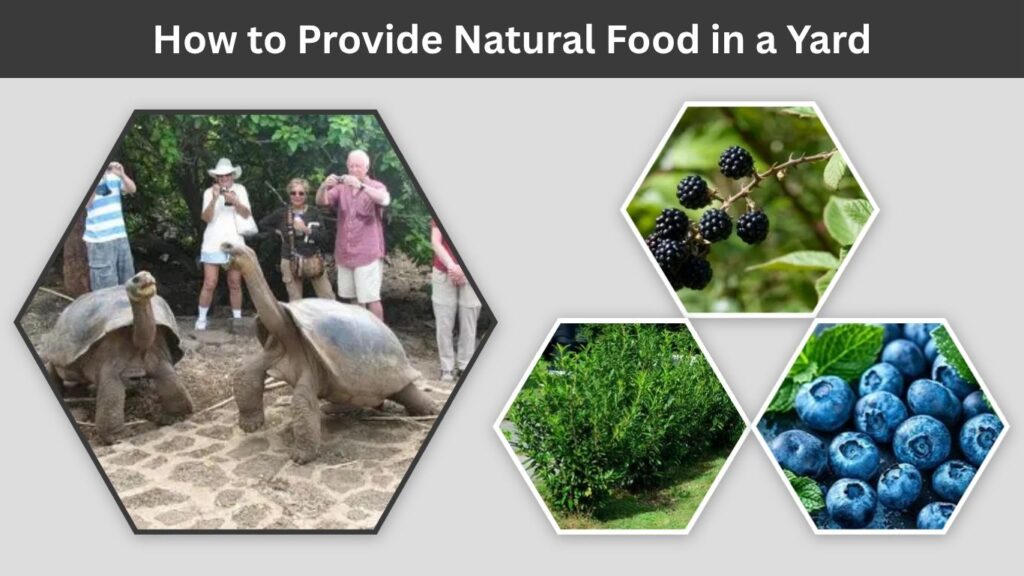
Homeowners with gopher tortoises nearby can support them without direct feeding. Maintaining a diverse, pesticide-free landscape gives the animals access to natural forage.
Helpful plants may include:
- Native grasses
- Clover
- Plantain
- Wild peas
- Blackberries
- Blueberries
- Hibiscus
- Prickly pear cactus
- Native asters
- Low-growing legumes
Avoid mowing all vegetation extremely short, especially near the burrow. Leave open feeding areas while keeping the burrow entrance and sandy apron clear.
Do not place food inside the burrow or directly at its opening. This may attract predators, ants, rodents, or other unwanted animals.
Why Diet Diversity Matters
No single plant provides everything a gopher tortoise needs. A varied diet helps supply the correct balance of fiber, calcium, protein, moisture, vitamins, and minerals.
Diet diversity supports:
- Healthy digestion
- Strong bones
- Proper shell development
- Normal growth
- Reproduction
- Hydration
- Immune function
Habitat loss can reduce plant diversity and force tortoises to travel farther for food. Protecting open, sunny habitats with native vegetation is therefore essential to their long-term survival.
FAQs
What is a gopher tortoise’s favorite food?
Gopher tortoises often prefer tender broadleaf plants, legumes, flowers, berries, and fresh grass. Their preferences change depending on the season and local plant availability. They naturally eat a varied diet rather than depending on one favorite food.
Can gopher tortoises eat watermelon?
A gopher tortoise can physically eat watermelon, but wild tortoises should not be routinely fed it. Watermelon contains high amounts of water and sugar but relatively little fiber. Natural grasses, leaves, flowers, and native fruits are healthier choices.
Do gopher tortoises eat lettuce?
Gopher tortoises may eat lettuce when it is offered, but iceberg lettuce has little nutritional value. Wild tortoises should be allowed to forage naturally. When caring for a tortoise under professional guidance, dark leafy greens are generally more nutritious than iceberg lettuce.
Do gopher tortoises eat weeds?
Yes. Many plants described as weeds are important natural foods for gopher tortoises. They commonly eat plantain, wild lettuce, clover, pusley, beggarweed, and other broadleaf plants growing in open, sandy habitats.
How often do gopher tortoises eat?
Gopher tortoises may forage regularly during warm, suitable weather, but their feeding frequency changes with temperature and season. They eat less during extreme heat, cold weather, drought, or long periods spent inside their burrows.