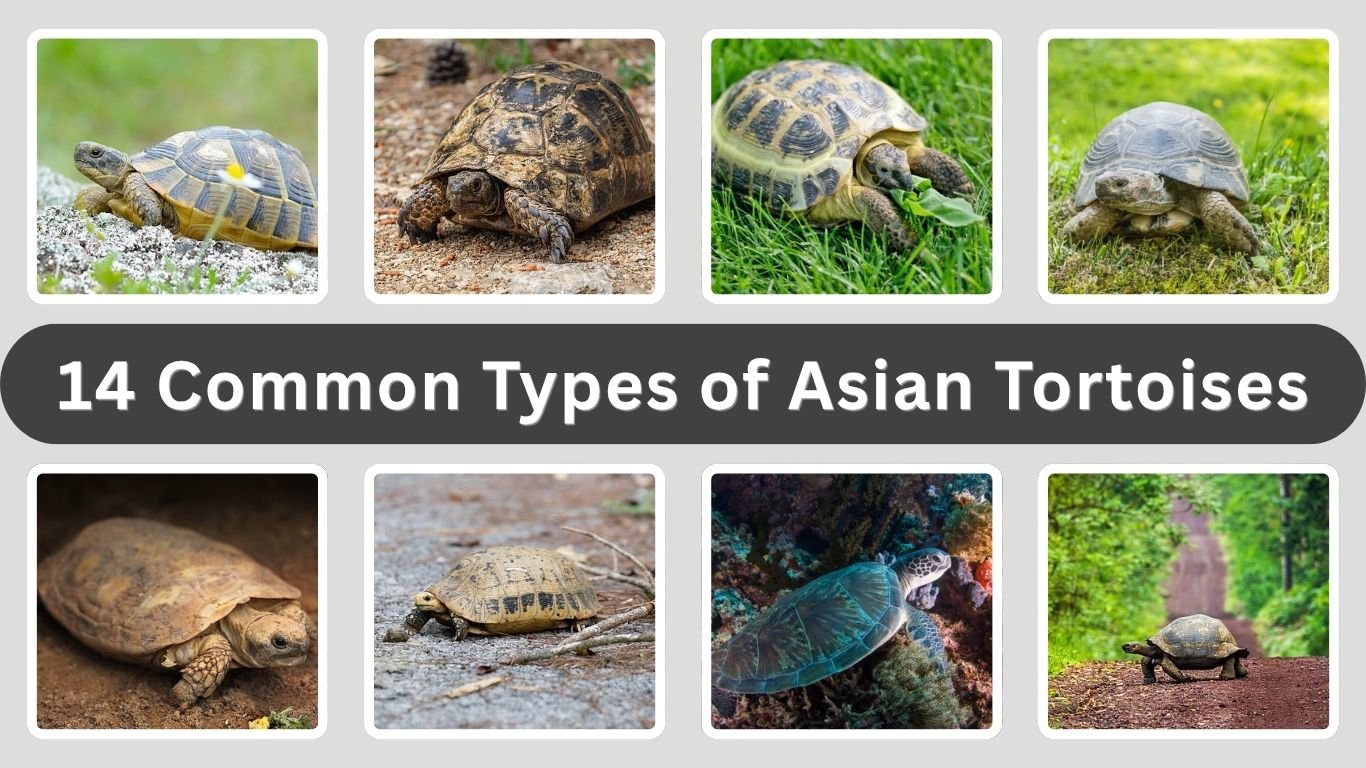
Asian tortoises are fascinating reptiles known for their diverse shapes, sizes, and habitats. From dry grasslands to dense tropical forests, these species have adapted to a wide range of environments across Asia. Many are recognized for their unique shell patterns and long lifespans, making them important both ecologically and culturally. However, several species are now threatened due to habitat loss and illegal trade.
This guide highlights 14 common types of Asian tortoises, providing simple identification, habitat details, behaviors, and lifespan information to help you better understand these remarkable creatures.
1. Indian Star Tortoise
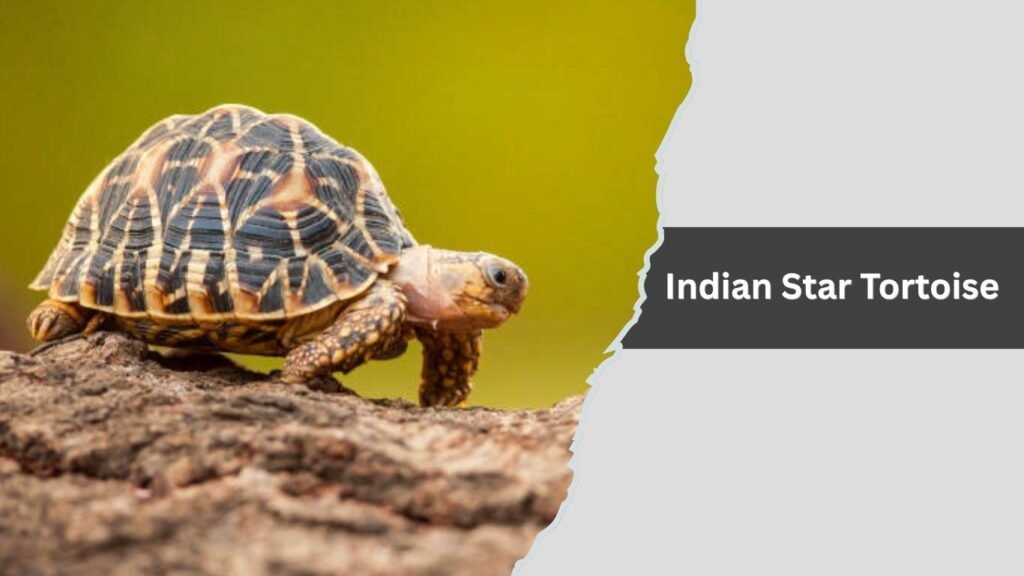
The Indian Star Tortoise is one of the most recognizable Asian tortoises due to its striking shell pattern. Native to parts of India, Sri Lanka, and Pakistan, it thrives in warm climates with seasonal rainfall. Its unique appearance and relatively calm nature have made it popular among reptile enthusiasts. Despite its beauty, it faces threats from habitat loss and illegal pet trade. This tortoise is well-adapted to dry environments and can tolerate varying conditions, making it a resilient species in the wild.
Identification
- Distinct star-shaped yellow or cream lines radiating from the center of each dark shell plate
- High-domed, rounded carapace that helps it right itself if flipped
- Medium size, typically reaching 20–30 cm in length
- Skin is light brown or yellowish with darker spots or scales
- Males are usually smaller with longer tails, while females are larger and more rounded
Habitat
The Indian Star Tortoise is commonly found in dry grasslands, scrub forests, and semi-arid regions. It prefers areas with scattered vegetation where it can find both food and shelter. These environments often experience seasonal changes, including periods of drought and monsoon rains. The tortoise adapts by becoming less active during extreme heat or dryness. It often shelters under bushes, in tall grasses, or in shallow depressions to stay cool. Access to sunlight is important for thermoregulation, so it frequently moves between shaded and open areas throughout the day.
Behaviors
This tortoise is generally shy, solitary, and slow-moving. It is most active during cooler parts of the day, such as early morning and late afternoon. During the hottest hours, it rests in shaded areas to avoid overheating. Indian Star Tortoises are not aggressive and tend to withdraw into their shells when threatened. They rely heavily on camouflage to blend into their surroundings. During the rainy season, activity levels increase due to the abundance of food. Males may show mild territorial or mating behaviors, especially during the breeding season.
Diet and Lifespan
Indian Star Tortoises are herbivores that primarily feed on grasses, leafy greens, flowers, and occasional fruits. Their diet in the wild is high in fiber and low in protein, which helps maintain healthy shell growth. In captivity, a similar diet is essential for proper health. They require access to clean water and calcium sources for strong shell development. With proper care and a suitable environment, they can live between 30 to 50 years, and in some cases even longer, making them a long-term commitment for owners.
2. Burmese Star Tortoise
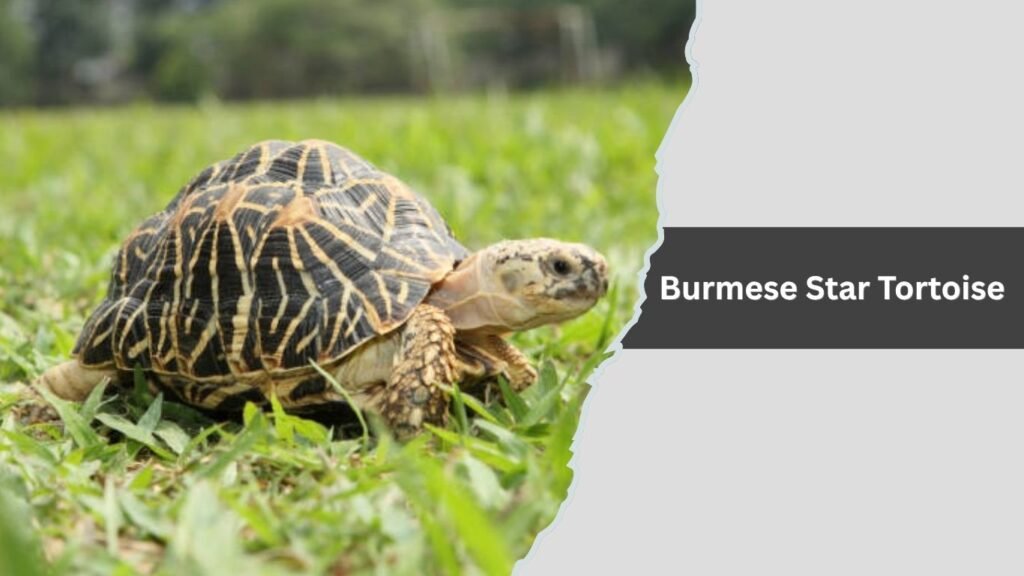
The Burmese Star Tortoise is a rare and visually striking species native to Myanmar. Once thought to be extinct in the wild, conservation efforts have helped reintroduce it into its natural habitat. It is known for its bold star patterns, similar to the Indian Star Tortoise but often more pronounced. This species prefers dry environments and plays an important role in its ecosystem. Due to past overcollection and habitat loss, it remains critically endangered, making protection efforts essential for its survival.
Identification
- Bold, radiating yellow star patterns on a dark shell
- High-domed carapace with more defined star lines than the Indian Star Tortoise
- Medium-sized, typically growing up to 25–30 cm
- Shell appears slightly more elongated compared to related species
- Males are smaller with concave plastrons; females are larger and rounder
Habitat
The Burmese Star Tortoise inhabits dry forests, scrublands, and thorny bush areas in central Myanmar. These regions experience hot temperatures and seasonal rainfall. The tortoise prefers habitats with loose soil where it can find shelter and regulate its body temperature. It often seeks refuge under vegetation or in shallow burrows during extreme heat. Access to open spaces is important for basking, while shaded areas provide protection. Conservation programs have focused on restoring these natural habitats to support reintroduced populations.
Behaviors
This species is generally calm and solitary, showing peak activity during cooler times of the day. It tends to avoid direct sunlight during extreme heat by hiding in shaded areas. Burmese Star Tortoises are not aggressive and rely on their shells for protection. During the breeding season, males may compete for females through gentle pushing. They are known to be more active during the rainy season when food is abundant. Like many tortoises, they move slowly and deliberately, conserving energy in harsh environmental conditions.
Diet and Lifespan
Burmese Star Tortoises are herbivores, feeding mainly on grasses, leaves, flowers, and seasonal fruits. Their natural diet is rich in fiber, which supports healthy digestion and shell growth. In captivity or conservation settings, they are provided with similar plant-based diets along with calcium supplements. Clean water is also essential for hydration. With proper care and protection, they can live for 40 to 60 years. Their long lifespan highlights the importance of long-term conservation and habitat preservation efforts.
3. Elongated Tortoise
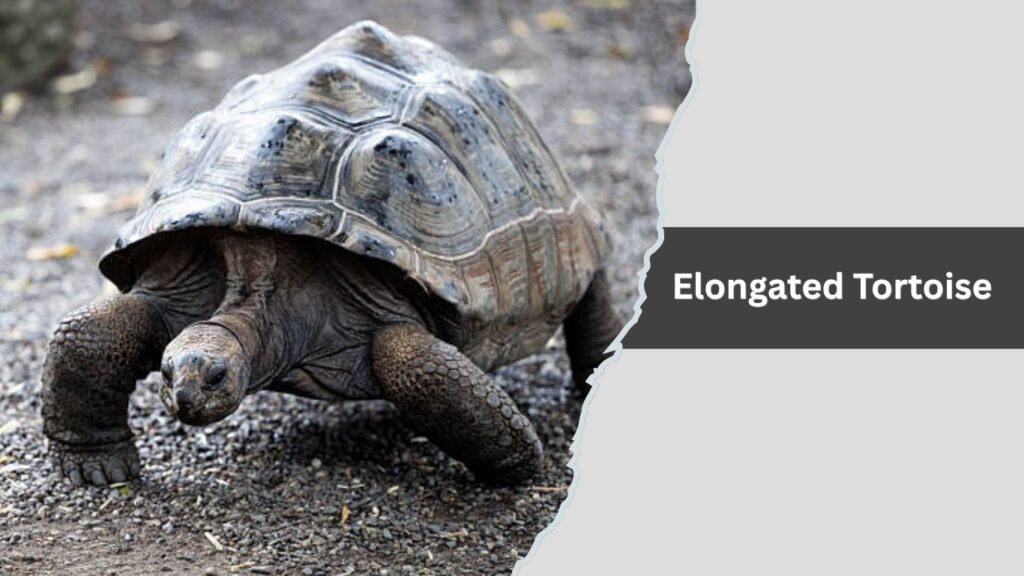
The Elongated Tortoise is a widely distributed Asian species found across South and Southeast Asia. It gets its name from its slightly stretched shell shape compared to other tortoises. This species is adaptable and can live in a variety of environments, from forests to grasslands. Despite being relatively common, its population is declining due to habitat destruction and hunting. It is known for its calm nature and plays an important role in maintaining ecological balance in its habitat.
Identification
- Elongated, somewhat flattened shell compared to other tortoises
- Carapace is usually light brown to yellowish with darker blotches or markings
- Medium-sized, typically reaching 25–35 cm in length
- Limbs are strong and covered with rough, protective scales
- Head is relatively small with a slightly pointed snout
Habitat
The Elongated Tortoise is commonly found in tropical and subtropical regions, including forests, grasslands, and hilly areas. It prefers habitats with dense vegetation where it can find shelter and food. This species often stays in moist environments, especially during the dry season. It may hide under leaf litter, fallen logs, or in shallow burrows to maintain humidity and avoid predators. Its ability to adapt to different habitats makes it more widespread than many other tortoise species.
Behaviors
This tortoise is generally quiet, slow-moving, and solitary. It is most active during the early morning, late afternoon, or after rainfall when temperatures are cooler. During hot or dry conditions, it tends to remain hidden to conserve moisture. Elongated Tortoises are not aggressive and rely on their shell for defense. When threatened, they withdraw their head and limbs. They are also known to be more active during the rainy season, taking advantage of increased food availability.
Diet and Lifespan
Elongated Tortoises are omnivorous, unlike many other tortoise species. Their diet includes leaves, grasses, fruits, flowers, fungi, and occasionally small invertebrates. This varied diet helps them survive in different environments. In captivity, a balanced diet is essential to maintain their health. They also require access to clean water for drinking and soaking. With proper care, they can live for 40 to 50 years, though lifespan may vary depending on environmental conditions and care.
4. Asian Forest Tortoise
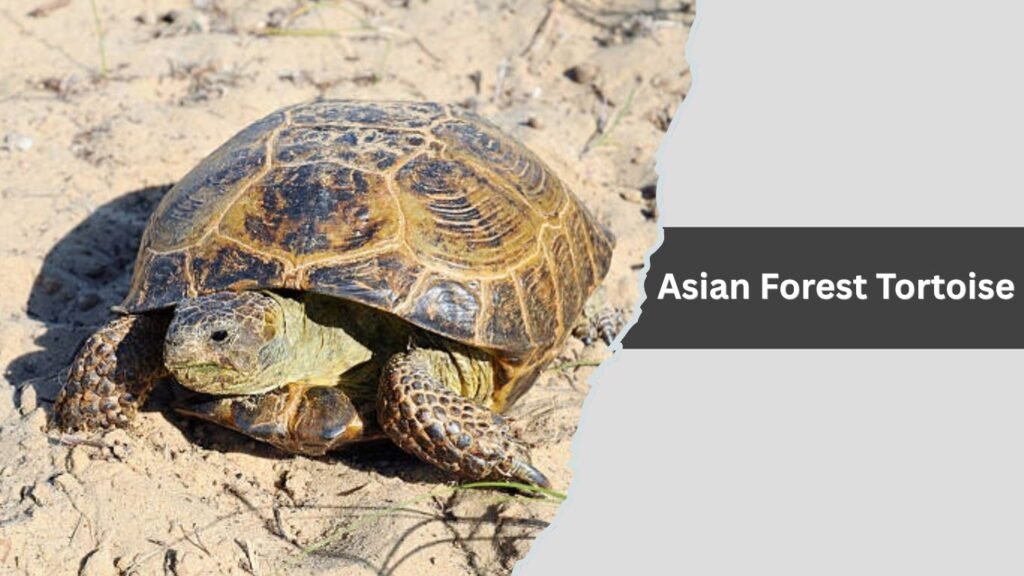
The Asian Forest Tortoise is one of the largest tortoise species in Asia, known for its strong build and forest-dwelling lifestyle. Native to Southeast Asia, it prefers humid environments and dense vegetation. Unlike many dry-land tortoises, this species thrives in moist forests and is often seen near water sources. Its size and strength make it unique among Asian tortoises. However, it faces threats from habitat destruction and hunting, which have caused population declines in many regions.
Identification
- Large, heavy-bodied tortoise with a broad, domed shell
- Carapace is dark brown to black, often with a rough texture
- Adults can grow up to 50–60 cm in length
- Thick, sturdy limbs adapted for digging and moving through forest floors
- Head is relatively large with a blunt snout
Habitat
The Asian Forest Tortoise lives in tropical rainforests, moist woodlands, and areas with high humidity. It prefers dense vegetation where it can find shelter and maintain moisture levels. This species is often found near streams, rivers, or swampy areas. The forest floor, covered with leaf litter and fallen logs, provides ideal hiding spots. Unlike desert tortoises, it relies heavily on shaded environments and does not tolerate extreme dryness well. Its habitat plays a key role in regulating temperature and protecting it from predators.
Behaviors
This tortoise is mostly solitary and spends much of its time hidden under vegetation or debris. It is generally active during cooler or wetter periods, especially after rainfall. The Asian Forest Tortoise is known for its strong digging ability, which helps it create shallow shelters. When threatened, it may withdraw into its shell or attempt to move away slowly. It is less reliant on basking compared to dry-land tortoises and prefers shaded areas. Its movements are steady and deliberate, conserving energy in dense forest environments.
Diet and Lifespan
The Asian Forest Tortoise is omnivorous, feeding on a variety of plant and animal matter. Its diet includes fallen fruits, leaves, mushrooms, insects, and small invertebrates. This varied diet supports its large size and energy needs. In captivity, a balanced mix of vegetation and protein sources is important. Access to clean water is essential for hydration and soaking. With proper conditions, it can live for 40 to 60 years or more, making it a long-lived species that requires long-term conservation efforts.
5. Impressed Tortoise
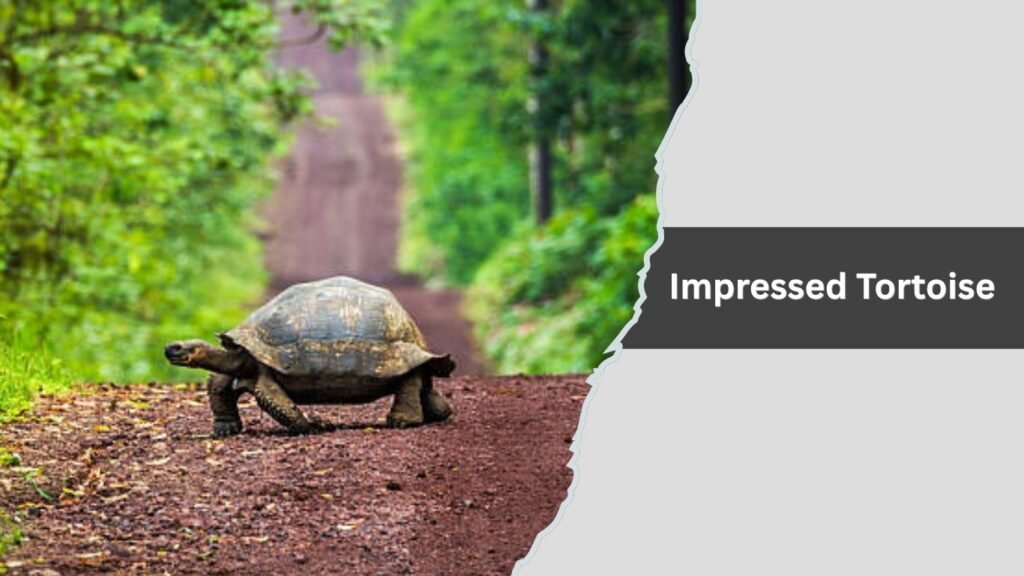
The Impressed Tortoise is a unique and lesser-known Asian species found mainly in parts of Southeast Asia. It is named for the distinctive sunken or “impressed” centers on its shell plates. This tortoise prefers cool, moist forest environments and is rarely seen due to its secretive nature. Its unusual appearance and limited distribution make it particularly interesting to researchers. However, like many forest species, it is threatened by habitat loss and human activities.
Identification
- Shell has distinct sunken or “impressed” centers on each scute
- Carapace is light brown to yellowish with darker edges
- Medium-sized, typically reaching 25–30 cm in length
- Shell is somewhat flattened compared to high-domed tortoises
- Limbs are sturdy with rough scales adapted for forest terrain
Habitat
The Impressed Tortoise inhabits mountainous forests, especially in cooler and more humid regions. It is commonly found in dense vegetation with plenty of leaf litter and natural cover. These tortoises prefer higher elevations where temperatures are lower and humidity is high. They often shelter under fallen logs, rocks, or thick undergrowth. Access to moisture is essential, and they are frequently associated with areas near streams or damp forest floors. Their habitat provides both protection and a stable microclimate.
Behaviors
This species is highly secretive and not often observed in the wild. It is mainly active during cooler periods, such as early morning, evening, or after rainfall. The Impressed Tortoise spends much of its time hidden to avoid predators and harsh conditions. It moves slowly and cautiously through its environment. When disturbed, it withdraws into its shell for protection. Its behavior is closely tied to maintaining moisture and avoiding excessive heat, which is crucial for its survival.
Diet and Lifespan
The Impressed Tortoise is believed to be mostly herbivorous, feeding on leaves, grasses, fruits, and forest vegetation. It may also consume fungi and other organic matter found on the forest floor. In captivity, a varied plant-based diet helps maintain its health. Clean water is important for hydration. Although exact lifespan data is limited, it is estimated to live around 30 to 50 years under suitable conditions. More research is needed to fully understand its long-term biology.
6. Burmese Brown Mountain Tortoise
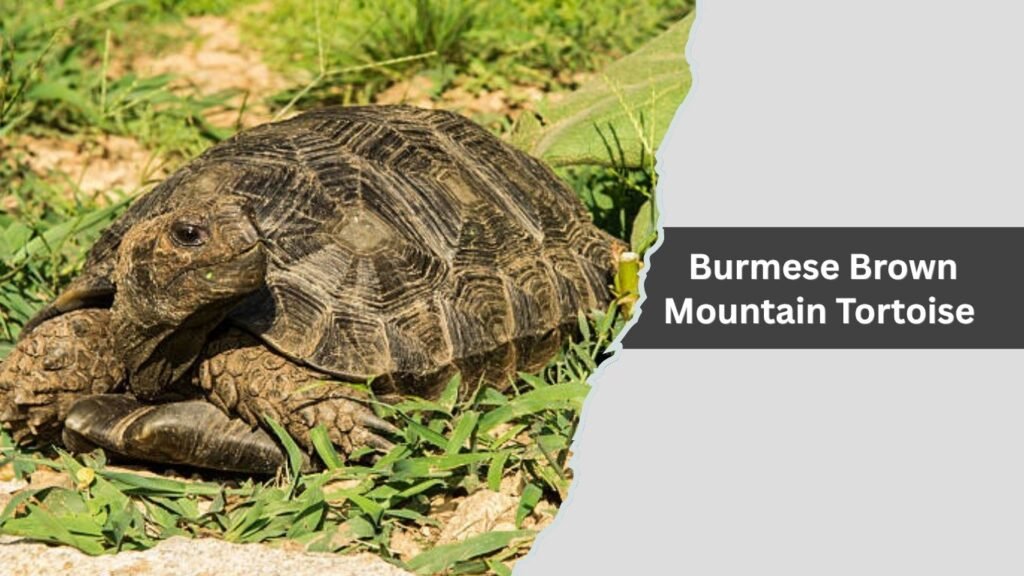
The Burmese Brown Mountain Tortoise is a large and robust species found in parts of Southeast Asia, particularly in Myanmar and nearby regions. It is known for its strong build and adaptability to hilly and forested environments. This tortoise prefers moist habitats and is often associated with mountainous terrain. Due to hunting and habitat destruction, its population has declined in the wild. It plays an important ecological role by helping in seed dispersal within its habitat.
Identification
- Large, heavy-bodied tortoise with a broad, domed shell
- Carapace is brown to dark brown, often smooth with subtle growth rings
- Can grow up to 40–50 cm in length
- Thick, powerful limbs adapted for climbing and digging
- Head is relatively large with a blunt snout and strong jaw
Habitat
The Burmese Brown Mountain Tortoise is commonly found in hilly forests, tropical woodlands, and mountainous regions with high humidity. It prefers dense vegetation where it can find shelter and maintain moisture. This species is often seen near streams, forest edges, and areas with abundant leaf litter. The cool, shaded environment helps regulate its body temperature. It relies on natural cover such as fallen logs and thick undergrowth for protection from predators and harsh weather conditions.
Behaviors
This tortoise is generally slow-moving and solitary. It is most active during cooler parts of the day or after rainfall. The Burmese Brown Mountain Tortoise is known for its ability to move through uneven terrain, including slopes and forest floors. When threatened, it withdraws into its shell or attempts to move away steadily. It spends much of its time resting under vegetation. During wetter seasons, it becomes more active due to increased food availability and favorable environmental conditions.
Diet and Lifespan
The Burmese Brown Mountain Tortoise is omnivorous, feeding on a mix of plant and animal matter. Its diet includes leaves, fruits, grasses, fungi, insects, and small invertebrates. This varied diet supports its large size and energy needs. In managed environments, a balanced diet is essential for health. Access to clean water is important for hydration. It can live for 40 to 60 years or more under suitable conditions, making it a long-lived species requiring ongoing conservation efforts.
7. Travancore Tortoise
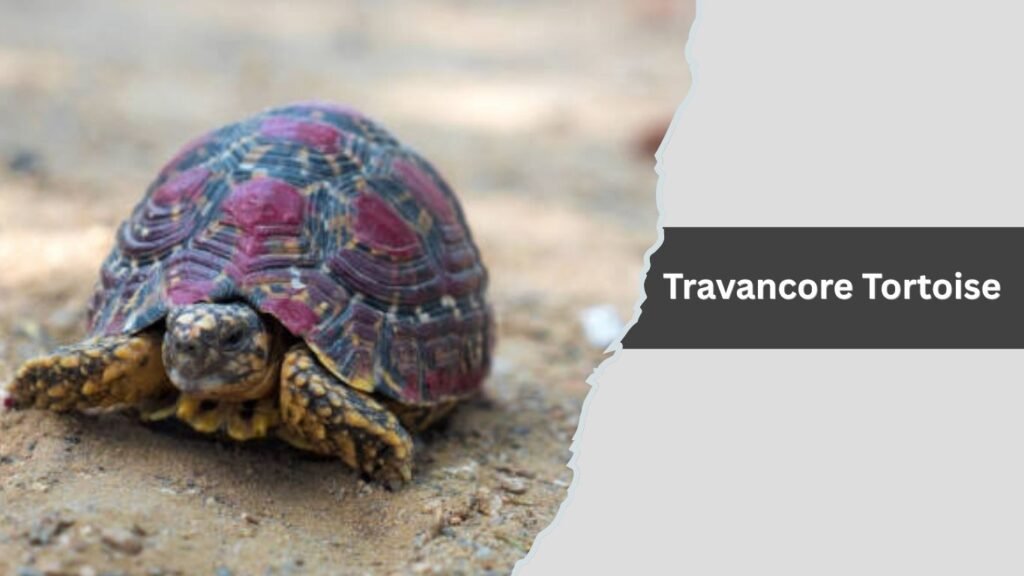
The Travancore Tortoise is a medium-sized species native to the Western Ghats of India. It is well adapted to humid forest environments and is often found in dense vegetation. This tortoise is less commonly seen due to its secretive habits and limited geographic range. It plays an important ecological role in forest ecosystems, particularly in seed dispersal. Although not as widely known as some other species, it faces threats from habitat loss and human activities.
Identification
- Moderately domed shell with a smooth to slightly rough texture
- Carapace is dark brown to black, sometimes with faint lighter markings
- Medium-sized, typically growing up to 25–30 cm in length
- Limbs are sturdy and covered with rough scales
- Head is relatively small with a slightly pointed snout
Habitat
The Travancore Tortoise lives primarily in tropical evergreen and semi-evergreen forests of the Western Ghats. It prefers areas with dense undergrowth, leaf litter, and high humidity. These tortoises are often found near forest streams or damp ground where moisture levels remain stable. The thick vegetation provides protection from predators and extreme weather. It relies on shaded environments and does not tolerate dry conditions well, making forest conservation essential for its survival.
Behaviors
This species is shy, slow-moving, and mostly solitary. It is active during cooler periods of the day, especially in the early morning or after rainfall. The Travancore Tortoise spends much of its time hidden under leaf litter, fallen logs, or dense vegetation. When threatened, it withdraws into its shell for protection. Its activity increases during the rainy season when food is more abundant. It moves quietly through the forest floor, avoiding open areas.
Diet and Lifespan
The Travancore Tortoise is omnivorous, feeding on leaves, fruits, flowers, fungi, and small invertebrates. Its varied diet supports its survival in forest ecosystems. In captivity, a balanced diet with plant matter and occasional protein sources is important. Clean water is necessary for hydration and soaking. It can live for around 40 to 50 years under suitable conditions, although exact lifespan data in the wild is still limited.
8. Sulawesi Forest Tortoise
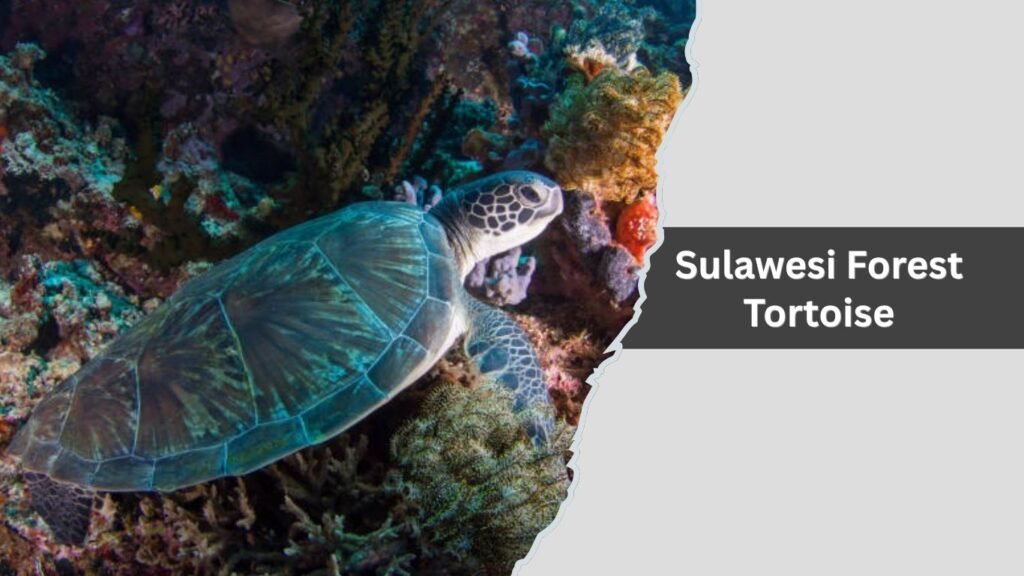
The Sulawesi Forest Tortoise is a rare species native to the island of Sulawesi in Indonesia. It is closely associated with tropical forest habitats and is not commonly seen in the wild. This tortoise is known for its adaptability to humid environments and its role in forest ecosystems. Due to limited distribution and ongoing habitat loss, it is considered vulnerable. Its secretive nature and remote habitat make it less studied compared to other Asian tortoises.
Identification
- Medium-sized tortoise with a slightly elongated, domed shell
- Carapace is brown to dark brown, sometimes with lighter markings
- Typically grows up to 25–30 cm in length
- Limbs are strong and covered with rough, protective scales
- Head is small with a blunt snout
Habitat
The Sulawesi Forest Tortoise inhabits tropical rainforests with high humidity and dense vegetation. It prefers shaded environments with thick leaf litter, fallen logs, and natural ground cover. These tortoises are often found near water sources such as streams or damp forest floors. The stable, moist climate is essential for their survival. They rely on forest cover to regulate body temperature and avoid predators, making them highly dependent on intact forest ecosystems.
Behaviors
This tortoise is generally shy, solitary, and rarely observed. It is most active during cooler times of the day or after rainfall. The Sulawesi Forest Tortoise spends much of its time hidden under vegetation to maintain moisture and avoid threats. When disturbed, it withdraws into its shell for protection. Its movements are slow and cautious, and it tends to avoid open areas. Activity levels increase during wetter seasons when food is more available.
Diet and Lifespan
The Sulawesi Forest Tortoise is believed to be omnivorous, feeding on leaves, fruits, fungi, and small invertebrates. This varied diet supports its survival in forest environments. In managed care, a balanced diet with plant matter and occasional protein is important. Access to clean water is necessary for hydration. Its lifespan is estimated to be around 30 to 50 years, though detailed studies are limited due to its rarity.
9. Forsten’s Tortoise
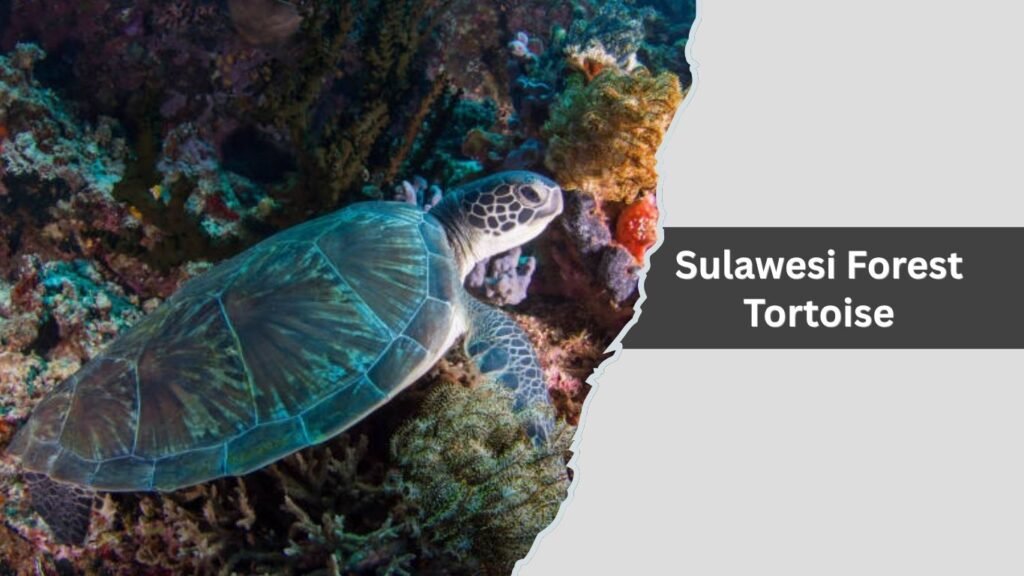
Forsten’s Tortoise is a relatively rare species native to Indonesia, particularly found on Sulawesi and nearby islands. It is known for its smooth shell and adaptability to forest environments. This tortoise prefers humid conditions and is often associated with tropical vegetation. Due to habitat loss and human activities, its population has been declining. It plays a role in maintaining forest ecosystems, especially through seed dispersal and nutrient cycling.
Identification
- Smooth, moderately domed shell with a slightly elongated shape
- Carapace is brown to dark brown, sometimes with subtle lighter patches
- Medium-sized, usually reaching 20–25 cm in length
- Limbs are strong with rough scales for movement on forest floors
- Head is small with a rounded snout
Habitat
Forsten’s Tortoise lives in tropical forests with high humidity and dense vegetation. It prefers areas with thick leaf litter, fallen logs, and shaded ground cover. These tortoises are often found near moist environments such as streams or damp forest floors. The stable temperature and humidity of forest habitats are essential for their survival. They rely heavily on natural shelter to avoid predators and maintain proper body conditions.
Behaviors
This species is generally shy, slow-moving, and solitary. It is most active during cooler parts of the day, such as early morning or after rainfall. Forsten’s Tortoise spends much of its time hidden under vegetation or debris. When threatened, it withdraws into its shell for protection. It tends to avoid open spaces and prefers staying within dense cover. Activity increases during wetter seasons when food is more abundant.
Diet and Lifespan
Forsten’s Tortoise is omnivorous, feeding on a mix of plant and animal matter. Its diet includes leaves, fruits, flowers, fungi, and small invertebrates. This varied diet helps it adapt to forest environments. In managed care, a balanced diet is important for maintaining health. Clean water is necessary for hydration. It is estimated to live around 30 to 50 years, although detailed lifespan data in the wild remains limited.
10. Pancake Tortoise
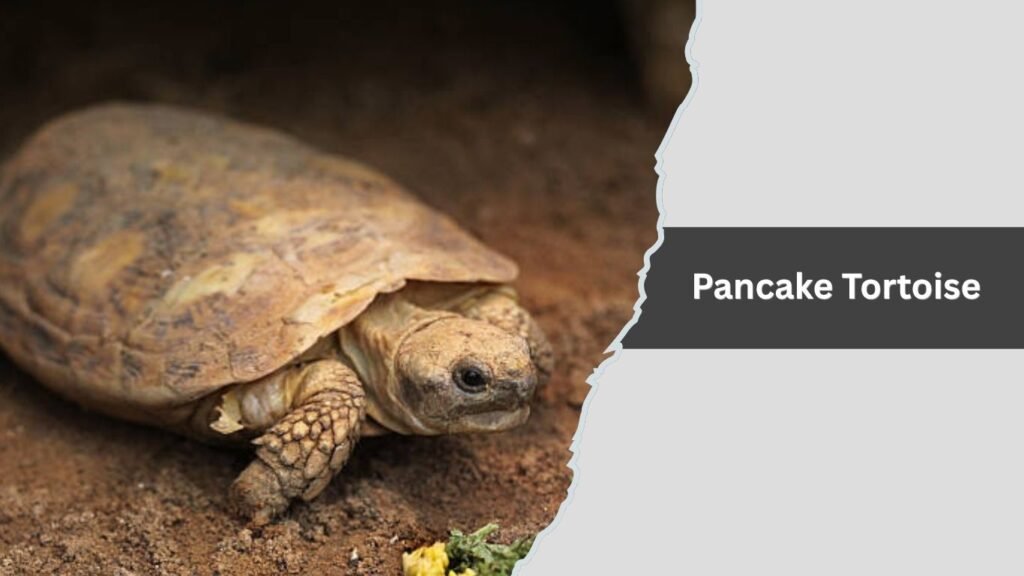
The Pancake Tortoise is a unique and highly distinctive species found in parts of East Africa. Although not strictly Asian, it is often included in broader tortoise lists due to its unusual characteristics. It is known for its flat, flexible shell, which allows it to hide in narrow rock crevices. This adaptation makes it very different from most tortoises. Its population is threatened by habitat loss and collection for the pet trade, making conservation efforts important.
Identification
- Extremely flat, flexible shell unlike typical domed tortoises
- Carapace is light brown to yellowish with dark radiating lines
- Medium-sized, usually reaching 15–18 cm in length
- Shell edges are softer, allowing slight flexibility
- Limbs are relatively long and adapted for quick movement
Habitat
The Pancake Tortoise inhabits rocky outcrops, dry savannas, and semi-arid regions. It prefers areas with plenty of crevices and cracks where it can hide for protection. These habitats provide both shelter and safety from predators. Unlike many tortoises, it does not rely heavily on burrowing but instead uses rock formations. The environment is typically warm with low humidity, and access to hiding spaces is essential for survival.
Behaviors
This tortoise is more active and agile than most species. It can move quickly and is known for its ability to climb and squeeze into tight spaces. When threatened, it darts into rock crevices rather than withdrawing into its shell. Pancake Tortoises are generally shy and prefer to stay hidden. They are most active during cooler parts of the day and may bask briefly in sunlight before retreating to shelter.
Diet and Lifespan
The Pancake Tortoise is herbivorous, feeding mainly on grasses, leaves, and dry vegetation. Its diet is adapted to arid environments with limited food availability. In managed care, a high-fiber plant-based diet is essential. Access to clean water is also important. It can live for around 25 to 35 years, though lifespan may vary depending on environmental conditions and care.
11. Marginated Tortoise
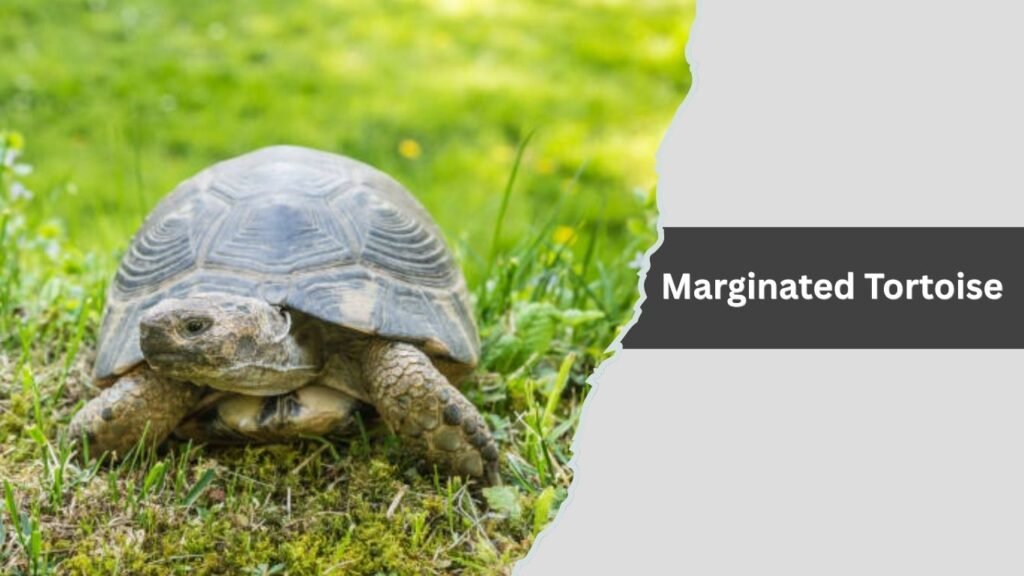
The Marginated Tortoise is the largest tortoise species found in Europe and nearby regions, though it is sometimes included in broader regional lists. It is known for its distinctive flared shell edges and hardy nature. This species adapts well to dry, rocky environments and is often found in Mediterranean climates. While not strictly Asian, it shares similarities with other tortoises in terms of behavior and ecological role.
Identification
- Large tortoise with a flared, skirt-like rear shell (marginated edges)
- Carapace is dark brown to black with lighter growth rings
- Can grow up to 30–35 cm in length
- Shell is elongated with a slightly flattened top
- Limbs are strong and covered with thick scales
Habitat
The Marginated Tortoise typically inhabits dry, rocky hillsides, scrublands, and open woodlands. It prefers areas with plenty of sunlight for basking and vegetation for feeding. These habitats usually have a Mediterranean climate with hot summers and mild winters. The tortoise often shelters under bushes, rocks, or in shallow burrows to escape extreme heat. It is well adapted to environments with seasonal changes in temperature and food availability.
Behaviors
This species is generally active during the day, especially in the morning and late afternoon. It spends time basking to regulate its body temperature. Marginated Tortoises are mostly solitary but may come together during breeding periods. When threatened, they withdraw into their shell for protection. They are relatively hardy and can tolerate cooler temperatures compared to some tropical species. Activity levels decrease during very hot or cold conditions.
Diet and Lifespan
The Marginated Tortoise is herbivorous, feeding mainly on grasses, leafy plants, flowers, and herbs. Its diet is high in fiber and low in protein, which supports healthy shell development. In managed care, a similar natural diet is important. Clean water and calcium sources are essential for overall health. This species can live for 50 to 100 years, making it one of the longer-lived tortoises.
12. Russian Tortoise
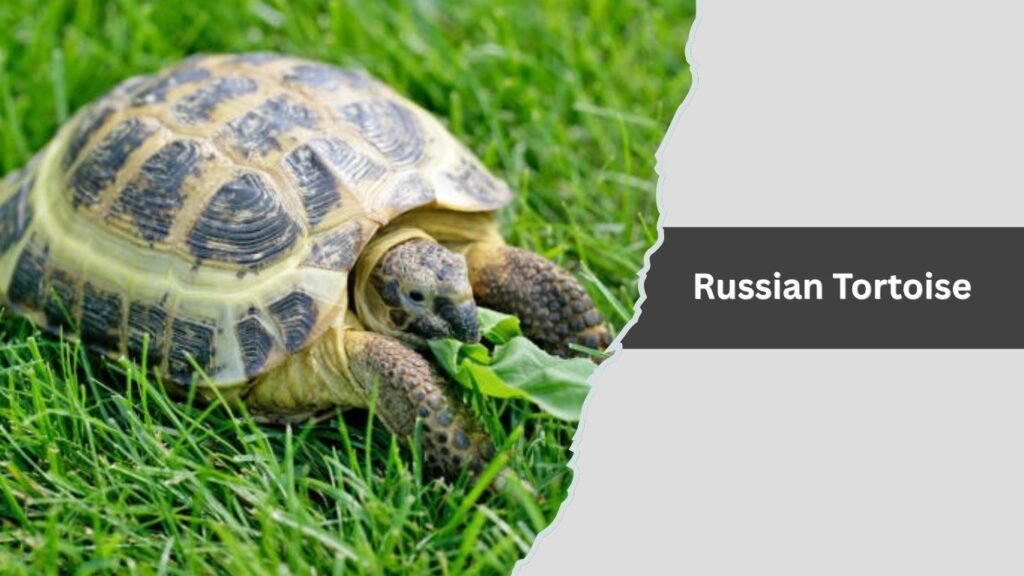
The Russian Tortoise, also known as the Central Asian Tortoise, is a hardy and widely distributed species found across Central Asia. It is well adapted to harsh environments, including deserts and dry grasslands. This tortoise is popular due to its resilience and manageable size. It survives extreme temperatures by burrowing and reducing activity during unfavorable conditions. Despite being common in some areas, habitat degradation poses a threat to wild populations.
Identification
- Small to medium-sized tortoise with a rounded, slightly flattened shell
- Carapace is tan to olive brown with darker blotches
- Typically grows up to 15–25 cm in length
- Has four claws on each front foot (a key identifying feature)
- Shell is low-domed compared to many other tortoises
Habitat
The Russian Tortoise inhabits arid regions such as deserts, semi-deserts, and dry grasslands. It prefers areas with loose soil, which allows it to dig burrows for shelter. These burrows help regulate temperature and provide protection from predators. The climate in its habitat includes hot summers and cold winters. It relies on open spaces for basking and nearby vegetation for food, making it well adapted to environments with limited resources.
Behaviors
This species is active mainly during spring and early summer when temperatures are moderate. During extreme heat or cold, it enters periods of dormancy, such as aestivation or brumation. The Russian Tortoise is known for its digging ability and spends much time in burrows. It is generally solitary and calm. When threatened, it withdraws into its shell. Its activity pattern is closely linked to seasonal changes in its environment.
Diet and Lifespan
The Russian Tortoise is herbivorous, feeding on grasses, weeds, leafy plants, and occasional flowers. Its diet is naturally high in fiber and low in protein. In managed care, maintaining a similar diet is essential for health. It requires access to clean water and calcium for shell strength. This species can live for 40 to 50 years or more under proper conditions, making it a long-term commitment.
13. Greek Tortoise
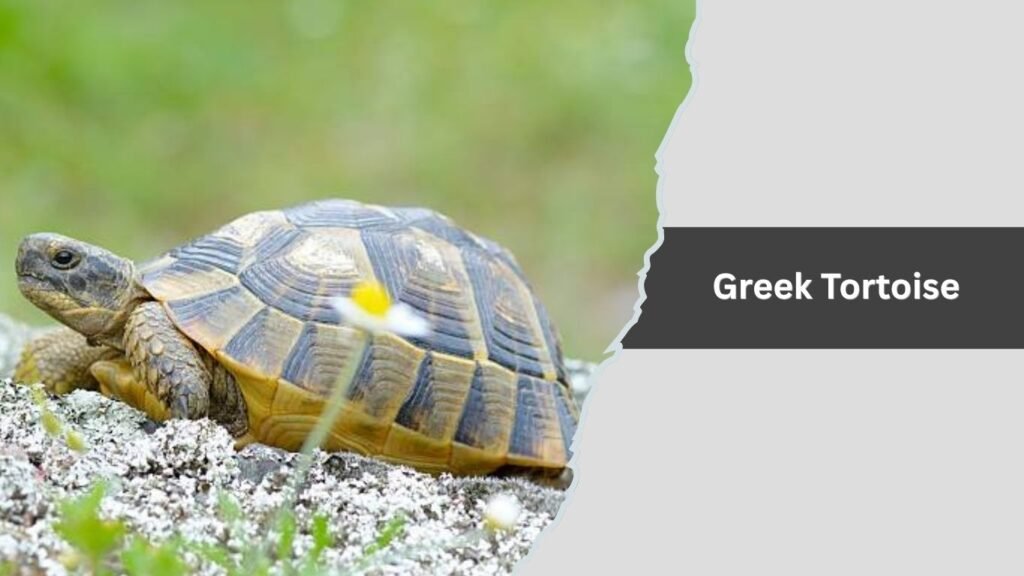
The Greek Tortoise is a well-known species found across parts of Southern Europe, North Africa, and Western Asia. It is highly adaptable and can survive in a variety of environments, from dry scrublands to forest edges. This tortoise is popular due to its manageable size and hardy nature. Although not strictly Asian, it is often included in broader regional lists. Habitat loss and collection have impacted some populations in the wild.
Identification
- Rounded, domed shell with yellow and dark brown or black patterns
- Carapace often shows contrasting patches rather than stripes
- Medium-sized, typically growing up to 20–30 cm
- Strong, scaled limbs suited for walking on rough terrain
- Distinct spur-like scales on the thighs (a key identifying feature)
Habitat
The Greek Tortoise inhabits dry grasslands, scrub forests, rocky hillsides, and open woodlands. It prefers warm climates with plenty of sunlight for basking. These areas often have seasonal rainfall and periods of drought. The tortoise shelters under bushes, rocks, or in shallow burrows to escape extreme heat. It requires a mix of open spaces for movement and vegetation for feeding. Its adaptability allows it to thrive in a wide range of environments.
Behaviors
This species is mostly active during the day, especially in the morning and late afternoon. It spends time basking to regulate body temperature. Greek Tortoises are generally solitary but may interact during breeding seasons. When threatened, they withdraw into their shells. They are known to reduce activity during very hot or cold periods. Their movements are slow and deliberate, conserving energy in environments where resources may be limited.
Diet and Lifespan
The Greek Tortoise is herbivorous, feeding on grasses, leafy plants, flowers, and herbs. Its natural diet is rich in fiber, which supports healthy digestion and shell growth. In managed care, a similar plant-based diet is important. Access to clean water and calcium is essential. This species can live for 50 to 80 years or more, making it a long-lived tortoise that requires long-term care and conservation attention.
14. Egyptian Tortoise
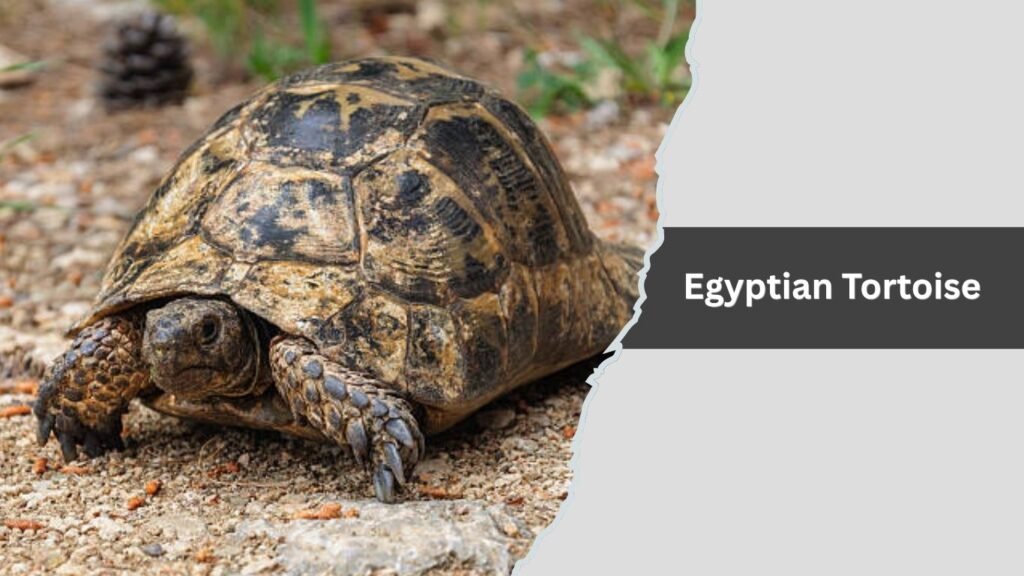
The Egyptian Tortoise is one of the smallest tortoise species in the world and is native to North Africa and parts of the Middle East. It is well adapted to desert environments and is known for its light coloration, which helps reflect heat. This species is highly sensitive to environmental changes and is considered critically endangered due to habitat loss and illegal collection. Its small size and unique adaptations make it a remarkable species among tortoises.
Identification
- Small, compact tortoise with a slightly domed shell
- Carapace is pale yellow to ivory with faint or no dark markings
- Typically grows up to 10–14 cm in length
- Limbs are light-colored and covered with fine scales
- Head is small with a short, rounded snout
Habitat
The Egyptian Tortoise inhabits arid desert and semi-desert regions with sparse vegetation. It prefers sandy or loose soil where it can dig shallow shelters. The environment is extremely hot and dry, so it relies on burrows, shrubs, and rocks for shade and protection. These habitats have limited water sources, making survival challenging. The tortoise is highly adapted to conserving moisture and avoiding extreme heat.
Behaviors
This species is mainly active during cooler parts of the day, such as early morning and late afternoon. During extreme heat, it remains hidden in burrows or shaded areas. The Egyptian Tortoise is shy and avoids open exposure to predators. When threatened, it withdraws into its shell. It moves slowly and conserves energy due to limited food and harsh environmental conditions. Activity levels are influenced by temperature and seasonal changes.
Diet and Lifespan
The Egyptian Tortoise is herbivorous, feeding on grasses, herbs, and small desert plants. Its diet is low in moisture, so it obtains water mainly from food. In managed care, a high-fiber diet is essential for health. Access to fresh water should still be provided. This species can live for 30 to 50 years under suitable conditions, though survival in the wild is increasingly threatened by environmental pressures.
FAQs
What is the most common Asian tortoise?
The Indian Star Tortoise is considered one of the most common and recognizable Asian tortoises. Its wide distribution and unique star-patterned shell make it well known. However, its popularity has also led to overcollection, which threatens wild populations despite its relatively common status.
Which Asian tortoise is the largest?
The Asian Forest Tortoise is among the largest tortoises in Asia. It can grow up to 50–60 cm in length and has a heavy, robust body. Its large size and strength help it move through dense forest habitats and survive in humid environments.
Are all Asian tortoises herbivores?
No, not all Asian tortoises are strictly herbivores. While many primarily eat plants, some species like the Asian Forest Tortoise and Elongated Tortoise are omnivorous. They may consume fruits, fungi, and small invertebrates in addition to vegetation.
How long do Asian tortoises live?
Asian tortoises generally have long lifespans, often ranging from 30 to 60 years. Some species, like the Marginated or Greek Tortoise, can live even longer under proper conditions. Lifespan depends on habitat, diet, and overall care or environmental stability.
Why are many Asian tortoises endangered?
Many Asian tortoises are endangered due to habitat loss, deforestation, and illegal wildlife trade. They are often captured for the pet market or food trade. Conservation efforts, including habitat protection and breeding programs, are essential to ensure their survival.