
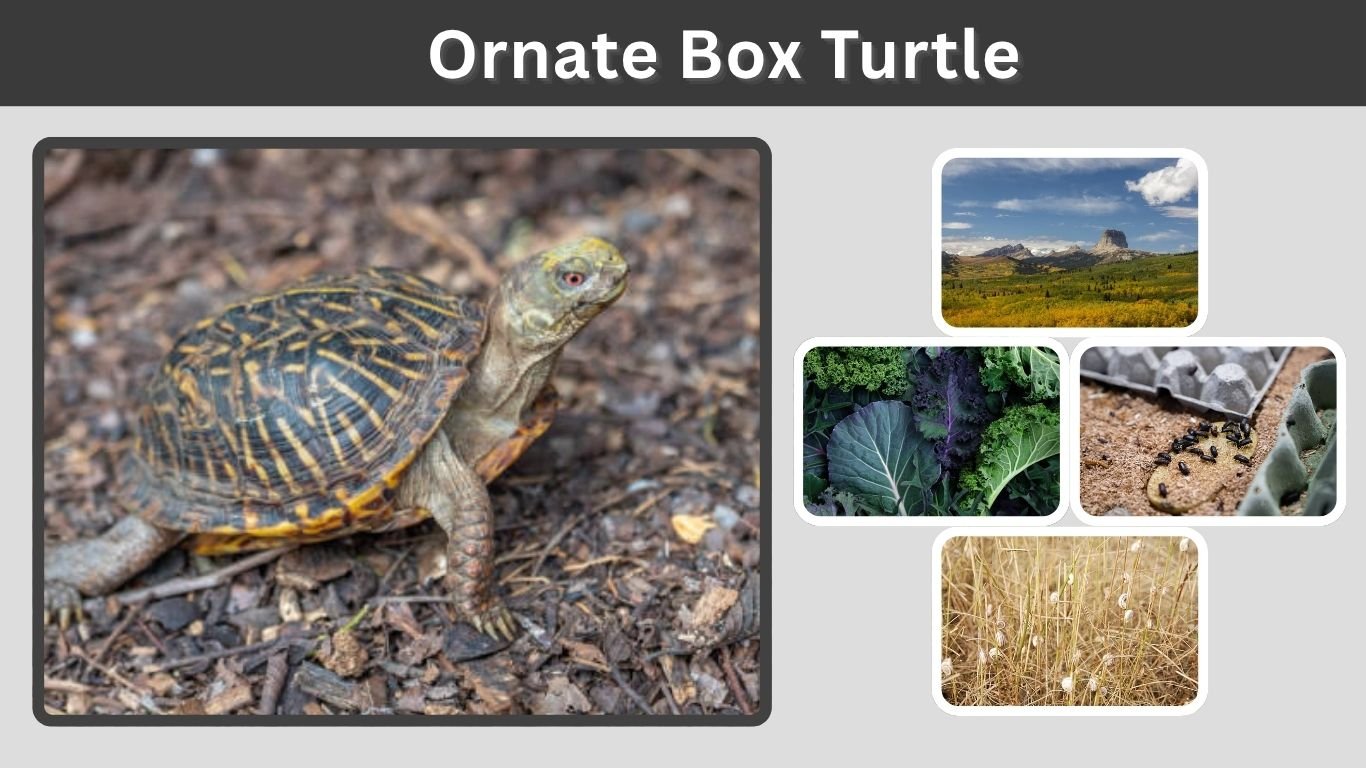
The ornate box turtle is a beautiful terrestrial turtle species known for its colorful shell markings and strong adaptation to grassland habitats. Native to the central United States, this turtle is commonly found in prairies, open woodlands, and dry plains with loose soil for burrowing. Many reptile enthusiasts admire ornate box turtles because of their striking appearance, manageable size, and fascinating behavior. Understanding their habitat, diet, lifespan, and care requirements is important for both conservation efforts and responsible pet ownership, especially as wild populations continue facing environmental challenges.
What Is the Ornate Box Turtle?
The ornate box turtle is a North American box turtle species recognized for its decorative shell patterns and preference for dry grassland habitats. Unlike many semi-aquatic turtles, ornate box turtles spend most of their lives on land and are highly adapted to warm environments with seasonal weather changes.
Scientific Classification
The scientific name of the ornate box turtle is Terrapene ornata. It belongs to the Emydidae family, which includes freshwater and terrestrial turtles found throughout North America. Two recognized subspecies exist, including the western ornate box turtle and the desert ornate box turtle.
Why the Species Is Unique
Several characteristics make the ornate box turtle especially distinctive among box turtles.
- Bright starburst shell patterns improve camouflage.
- Strong burrowing behavior helps survive extreme weather.
- It is highly adapted to prairie ecosystems.
- Its shell can fully close for defense against predators.
Natural Range and Distribution
Ornate box turtles are commonly found throughout central and southwestern regions of the United States. Their range includes Kansas, Oklahoma, Texas, Nebraska, Colorado, Missouri, and parts of New Mexico. Most populations live in open grasslands with loose sandy or well-drained soil.
Ornate Box Turtle Habitat
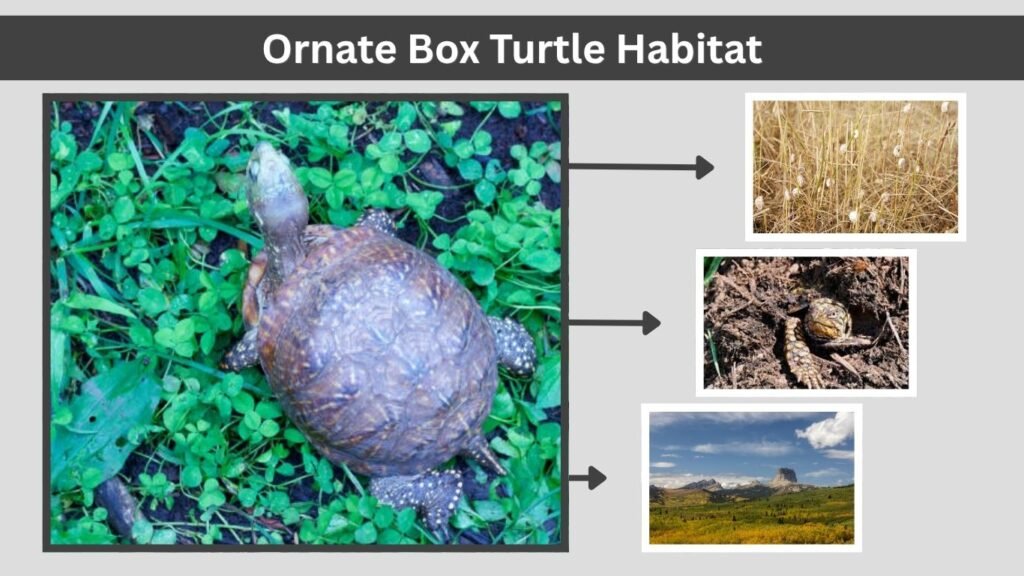
The ornate box turtle prefers dry habitats with warm temperatures and seasonal rainfall. Grasslands and prairies provide ideal living conditions because they contain soft soil for burrowing, low vegetation for shelter, and abundant insects for feeding.
Preferred Environmental Conditions
These turtles thrive in habitats with moderate humidity and access to loose substrate. During extremely hot weather, they often dig shallow burrows to escape heat and reduce water loss. Their habitat must provide enough shelter to protect them from predators and environmental stress.
Ornate Box Turtle Range
The species is widely distributed across several states in the central United States. Kansas and Oklahoma contain some of the most stable populations, while smaller groups are also found in Texas, Colorado, and Missouri grasslands.
Habitat Adaptations
Ornate box turtles possess several adaptations that help them survive in prairie ecosystems.
- Strong claws assist with digging and burrowing.
- Patterned shells blend with dry grasses.
- Compact body size improves mobility on land.
- Their shell closure protects against predators.
Ornate Box Turtle Size and Identification
The ornate box turtle is considered a medium-sized box turtle species with highly recognizable shell markings. Adults are usually smaller than Gulf Coast box turtles but larger than some desert subspecies. Their shell patterns make them one of the most visually striking turtles in North America.
Ornate Box Turtle Size
Adult ornate box turtles generally grow between four and six inches in shell length. Females are often slightly larger than males, although males typically develop longer tails and brighter eye coloration during maturity.
Shell Appearance and Color
The shell is usually dark brown or black with yellow lines radiating outward in star-like patterns. These colorful markings help camouflage the turtle among prairie grasses and dry vegetation. The plastron often contains darker blotches and irregular markings.
Male vs Female Ornate Box Turtle
Male and female ornate box turtles show several visible differences.
- Males often have red or orange eyes.
- Females usually have brown or yellow eyes.
- Male tails are thicker and longer.
- Females tend to have flatter plastrons.
Ornate Box Turtle Diet
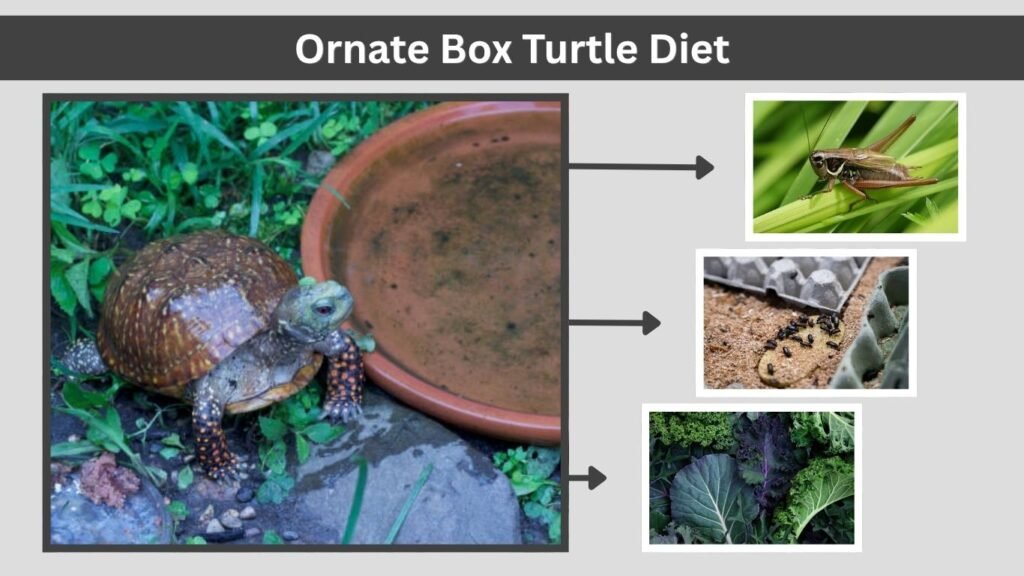
The ornate box turtle is an omnivore that consumes both insects and plant material. In the wild, its diet changes throughout the year depending on seasonal food availability. Protein-rich foods are especially important during growth and breeding periods.
What Do Ornate Box Turtles Eat?
Adult ornate box turtles commonly eat grasshoppers, beetles, worms, berries, mushrooms, and leafy vegetation. Insects form a large portion of their natural diet because they provide essential protein and nutrients needed for healthy development.
Ornate Box Turtle Food List
Captive turtles require a balanced and varied diet to remain healthy.
- Crickets and mealworms provide protein.
- Leafy greens supply vitamins and minerals.
- Fruits should be offered occasionally.
- Calcium supplements strengthen the shell.
Hatchling Ornate Box Turtle Diet
Baby ornate box turtles need more protein than adults because they grow rapidly during early life stages. Hatchlings usually eat tiny insects, worms, and soft fruits that are easy to digest and rich in nutrients.
Ornate Box Turtle Care
Proper care is essential for maintaining healthy ornate box turtles in captivity. These reptiles require warm temperatures, moderate humidity, and safe enclosures that mimic their natural grassland habitats. Well-maintained environments encourage natural behaviors and reduce stress-related health problems.
Indoor Enclosure Setup
Indoor habitats should include dry substrate, hiding areas, and basking spots. Soil and sand mixtures are commonly used because they allow turtles to dig naturally. Enclosures should also provide enough space for walking, exploring, and thermoregulation.
Temperature and Lighting Requirements
Ornate box turtles require warm daytime temperatures with cooler nighttime conditions. UVB lighting is important for calcium metabolism and healthy shell development. Proper heating and lighting also support digestion, activity levels, and overall immune system health.
Ornate Box Turtle Lifespan
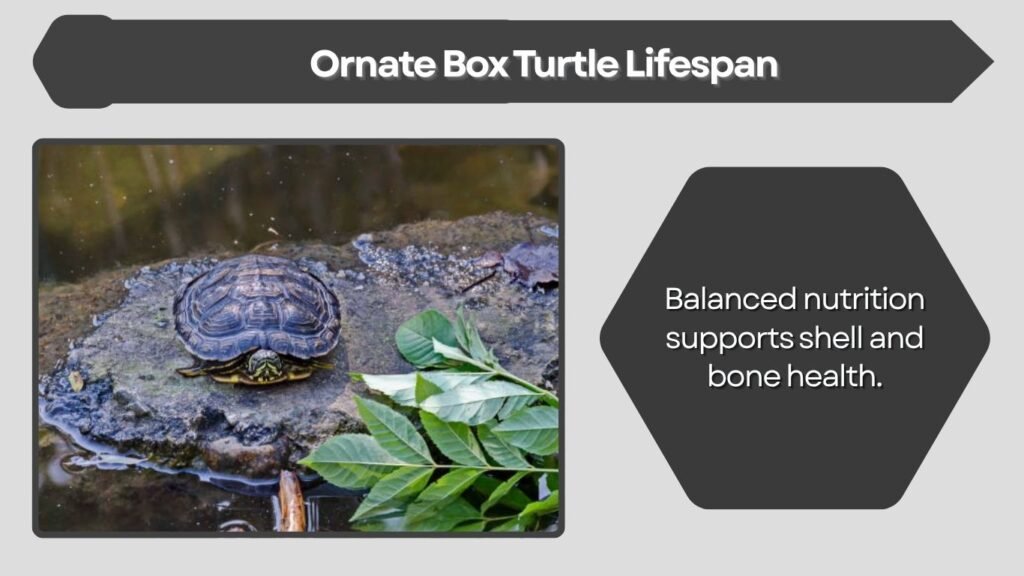
The ornate box turtle is a long-living reptile that can survive for decades under suitable environmental conditions. Proper nutrition, clean habitats, and protection from predators play major roles in determining overall lifespan. Captive turtles often live longer than wild turtles because they receive regular food and veterinary care.
How Long Do Ornate Box Turtles Live?
In the wild, ornate box turtles commonly live between 30 and 40 years, although some individuals may survive much longer. Captive turtles can sometimes exceed 50 years when provided with excellent care and stable environmental conditions.
Factors That Affect Lifespan
Several factors influence the health and longevity of ornate box turtles.
- Balanced nutrition supports shell and bone health.
- Proper humidity reduces dehydration risks.
- UVB lighting improves calcium absorption.
- Clean enclosures lower infection risks.
Common Health Problems
Like many reptiles, ornate box turtles may develop health issues if their care requirements are not met. Respiratory infections, shell rot, parasites, and nutritional deficiencies are among the most common problems affecting captive turtles.
Ornate Box Turtle Behavior and Adaptations
The ornate box turtle has evolved several unique adaptations that help it survive in dry grassland environments. These turtles are generally shy, solitary, and most active during cooler parts of the day. Their ability to burrow is especially important for avoiding heat and conserving moisture.
Behavioral Adaptations
Ornate box turtles often reduce activity during periods of extreme heat or drought. They may dig shallow burrows and remain hidden beneath soil or vegetation to maintain body temperature and avoid dehydration.
Structural Adaptations
Their physical characteristics provide protection and environmental advantages.
- Hinged shells allow complete closure for defense.
- Strong limbs improve digging ability.
- Shell patterns provide natural camouflage.
- Thick skin helps reduce water loss.
Do Ornate Box Turtles Hibernate?
Ornate box turtles enter a seasonal state called brumation during colder months. In winter, they bury themselves underground where temperatures remain more stable. This behavior helps conserve energy until warmer weather returns in spring.
Ornate Box Turtle Reproduction
Breeding season usually begins during spring and early summer when temperatures rise and food becomes more available. Female ornate box turtles lay eggs in carefully selected nesting areas with loose soil and adequate warmth for incubation.
Mating and Nesting Behavior
Male turtles often compete for females during breeding season. After mating, females search for safe nesting sites where eggs can develop without excessive moisture or temperature fluctuations.
Ornate Box Turtle Eggs
Female ornate box turtles typically lay several eggs in shallow nests dug into soft soil. Incubation time depends on environmental temperatures, and hatchlings emerge fully independent once development is complete.
Baby Ornate Box Turtles
Baby ornate box turtles are very small and vulnerable during their first months of life. Their shells are softer than adult shells, making protection from predators and harsh weather especially important for survival.
Ornate Box Turtle vs Eastern Box Turtle
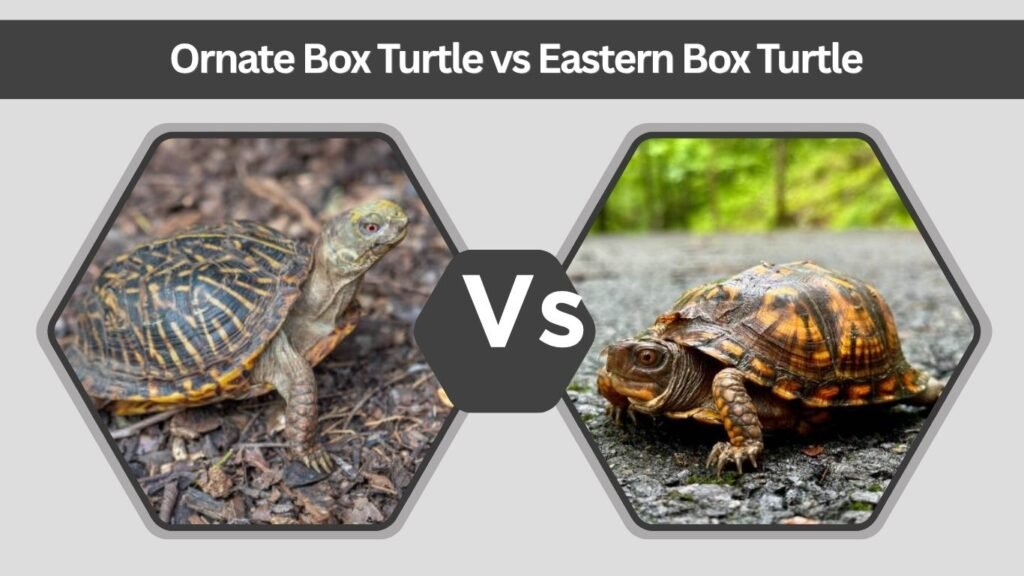
Although ornate box turtles and eastern box turtles belong to the same genus, they differ in appearance, habitat preference, and behavior. The ornate box turtle is more adapted to dry grasslands and prairie environments, while the eastern box turtle prefers humid forests and woodland habitats. Their shell patterns, body structure, and environmental needs also vary significantly. Understanding these differences is important for proper identification, conservation awareness, and responsible captive care for each species.
| Feature | Ornate Box Turtle | Eastern Box Turtle |
| Scientific Name | Terrapene ornata | Terrapene carolina carolina |
| Average Size | 4–6 inches | 4.5–6 inches |
| Shell Shape | Flatter shell | Higher domed shell |
| Shell Pattern | Yellow starburst markings | Orange or yellow irregular patterns |
| Habitat | Prairies and grasslands | Forests and woodlands |
| Climate Preference | Dry and semi-arid regions | Humid environments |
| Geographic Range | Central United States | Eastern United States |
| Burrowing Behavior | Strong burrower | Moderate burrowing behavior |
| Water Preference | Mostly terrestrial | More tolerant of moist habitats |
| Lifespan | 30–40+ years | 30–50+ years |
Keeping Ornate Box Turtles as Pets
Ornate box turtles can become interesting long-term pets for experienced reptile keepers. However, they require specialized care, spacious enclosures, and environmental conditions that closely resemble natural grassland habitats.
Are Ornate Box Turtles Good Pets?
These turtles are calm and relatively quiet animals, but they are not highly interactive pets. Their long lifespan means owners must commit to decades of proper care and habitat maintenance.
Important Care Considerations
Prospective owners should understand several responsibilities before keeping ornate box turtles.
- Large enclosures are necessary for exercise.
- Proper lighting supports shell health.
- Balanced diets prevent nutritional disorders.
- Veterinary care may be needed throughout life.
Legal and Ethical Concerns
In some states, collecting wild ornate box turtles is restricted or illegal because of declining populations. Responsible owners should only purchase turtles from legal breeders and avoid supporting illegal wildlife trade activities.
FAQs
What do ornate box turtles eat?
Ornate box turtles are omnivores that eat both animal and plant matter. Their diet commonly includes insects, worms, beetles, berries, mushrooms, and leafy greens. Captive turtles also benefit from calcium supplements and a varied diet to support healthy shell growth and overall nutrition.
How big do ornate box turtles get?
Adult ornate box turtles usually grow between four and six inches in shell length. Females are often slightly larger than males, although males may appear more colorful because of their brighter eyes and distinctive shell markings.
Do ornate box turtles hibernate?
Yes, ornate box turtles enter a seasonal state called brumation during colder months. They bury themselves underground to stay protected from freezing temperatures and conserve energy until warmer weather returns in spring.
Are ornate box turtles endangered?
Ornate box turtles are not currently classified as critically endangered, but many wild populations are declining because of habitat destruction, road mortality, and illegal collection for the pet trade. Conservation efforts are important for protecting their natural grassland habitats.
Are ornate box turtles good pets?
Ornate box turtles can make good pets for experienced reptile keepers who understand their environmental needs. They require proper lighting, balanced diets, spacious enclosures, and long-term care commitments because they can live for several decades in captivity.