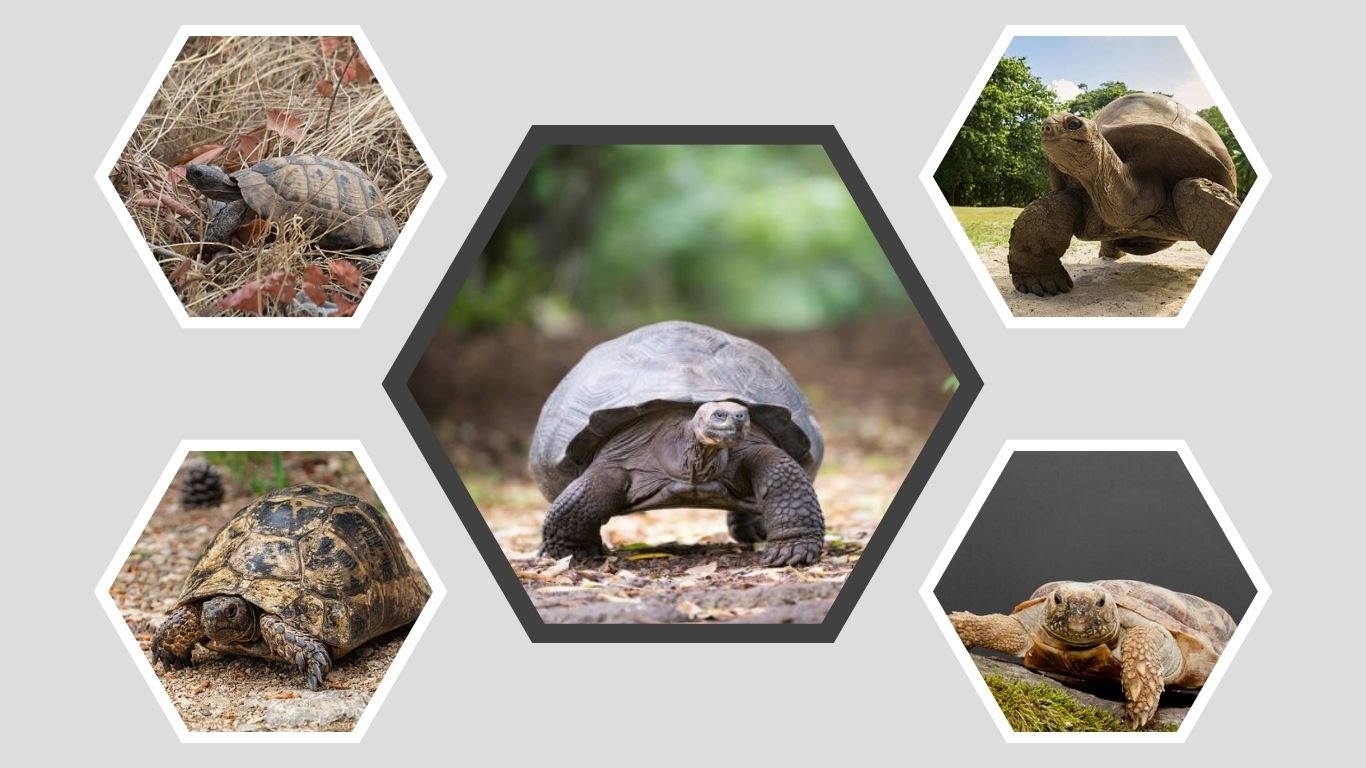
Land tortoises are fascinating reptiles known for their long lifespans, slow movements, and strong protective shells. These animals are found in different parts of the world, including deserts, grasslands, forests, and tropical islands. Each tortoise species has unique features, behaviors, and habitat preferences that make it different from others. Some species remain small and lightweight, while others grow into massive giants that can live for more than a century. Learning about the different types of land tortoises helps us better understand their lifestyles, diets, and importance in nature and wildlife conservation efforts around the world.
1. Indian Star Tortoise
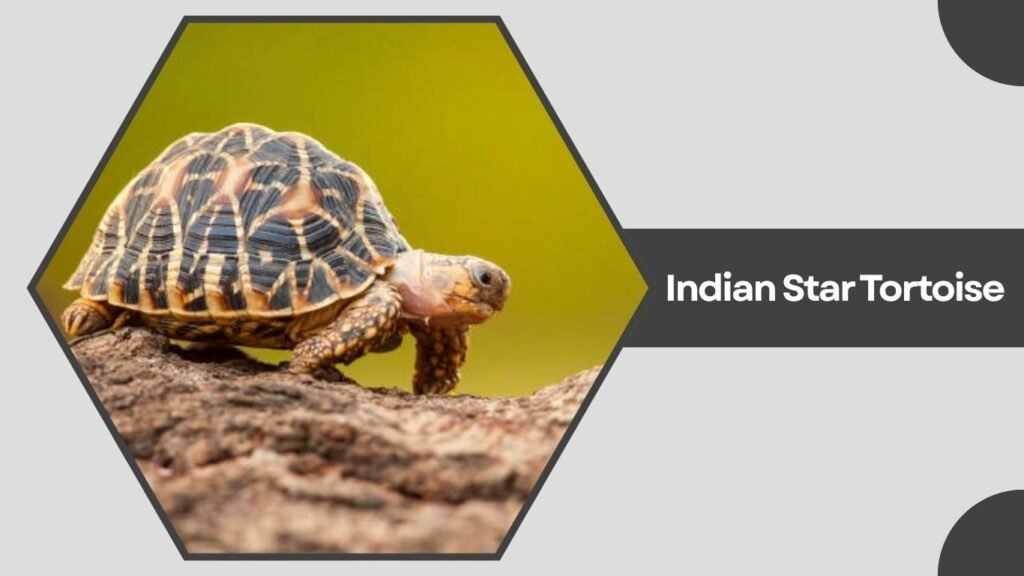
The Indian Star Tortoise is a beautiful land tortoise known for the star-shaped patterns on its shell. Native to India, Sri Lanka, and Pakistan, this species is admired for its calm temperament and attractive appearance. It is commonly found in dry regions and grasslands where warm temperatures support its survival.
Identification
- Scientific Name: Geochelone elegans
- Shell Color: Dark brown or black with yellow star patterns
- Average Length: 7–12 inches
- Weight: Around 2–6 kilograms
- Shell Shape: High-domed and rounded
- Females are usually larger than males
- Strong legs adapted for walking on land
Habitat
Indian Star Tortoises live in dry grasslands, thorny forests, and semi-arid regions. They prefer warm environments with moderate humidity and plenty of vegetation. During extremely hot weather, they often rest under shrubs or shaded areas to avoid overheating. In the wild, they are commonly found in regions with seasonal rainfall and dry conditions.
Behaviors
This tortoise is calm, shy, and mostly solitary in nature. It becomes active during cooler parts of the day, especially early mornings and evenings. Indian Star Tortoises spend much of their time slowly searching for food or resting in shaded places. When frightened, they pull their head and legs into their shell for protection.
Diet and Lifespan
Indian Star Tortoises are herbivores that mainly eat grasses, leafy greens, flowers, and fruits. A fiber-rich diet helps maintain healthy shell growth and digestion. In the wild and captivity, access to clean water and proper nutrition is essential. With good care and suitable living conditions, they can live between 35 and 80 years.
2. Leopard Tortoise
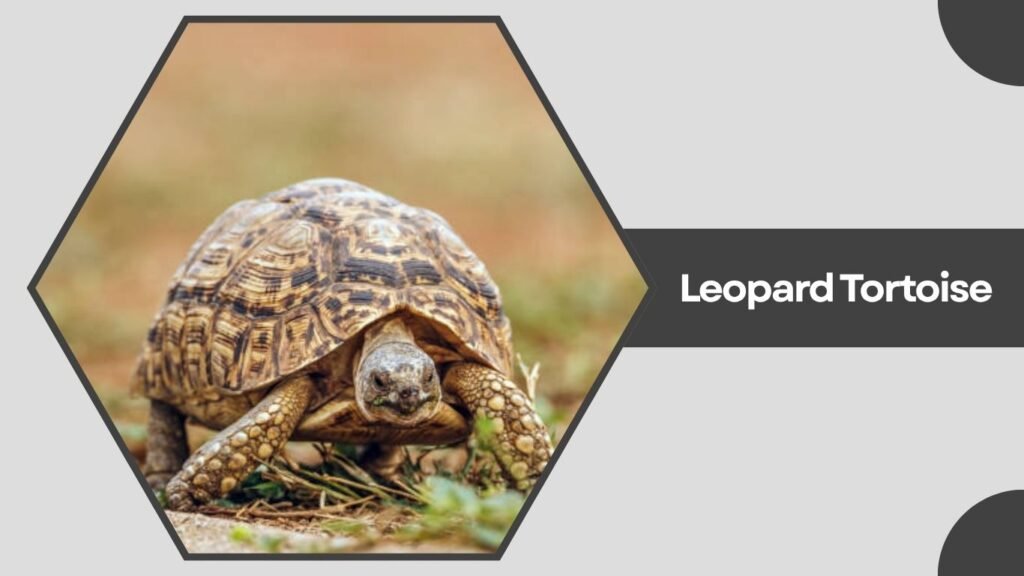
The Leopard Tortoise is one of the largest tortoise species in Africa. It gets its name from the leopard-like spots and patterns covering its shell. This species is popular for its attractive appearance, gentle behavior, and ability to adapt to different dry environments across eastern and southern Africa.
Identification
- Scientific Name: Stigmochelys pardalis
- Shell Color: Yellow or tan with black spots and markings
- Average Length: 10–28 inches
- Weight: Around 30–100 pounds
- Shell Shape: High-domed with detailed patterns
- Strong, thick legs for walking on rough land
- Hatchlings have brighter shell markings
Habitat
Leopard Tortoises live in grasslands, savannas, and dry scrublands throughout Africa. They prefer warm climates with open spaces and scattered vegetation. These tortoises avoid dense forests and extremely humid regions. During very hot weather, they may rest in shaded areas or abandoned burrows to stay cool and protected.
Behaviors
Leopard Tortoises are peaceful and slow-moving reptiles. They spend most of the day grazing on plants and resting under shade. Unlike some tortoise species, they cannot swim and should stay away from deep water. When threatened, they usually retreat into their shell and remain still until danger passes.
Diet and Lifespan
Leopard Tortoises are herbivores that mainly eat grasses, weeds, cactus pads, and leafy plants. A high-fiber diet is important for healthy shell growth and digestion. They also require calcium for strong bones and shells. With proper care and a healthy environment, Leopard Tortoises can live between 50 and 100 years.
3. Sulcata Tortoise
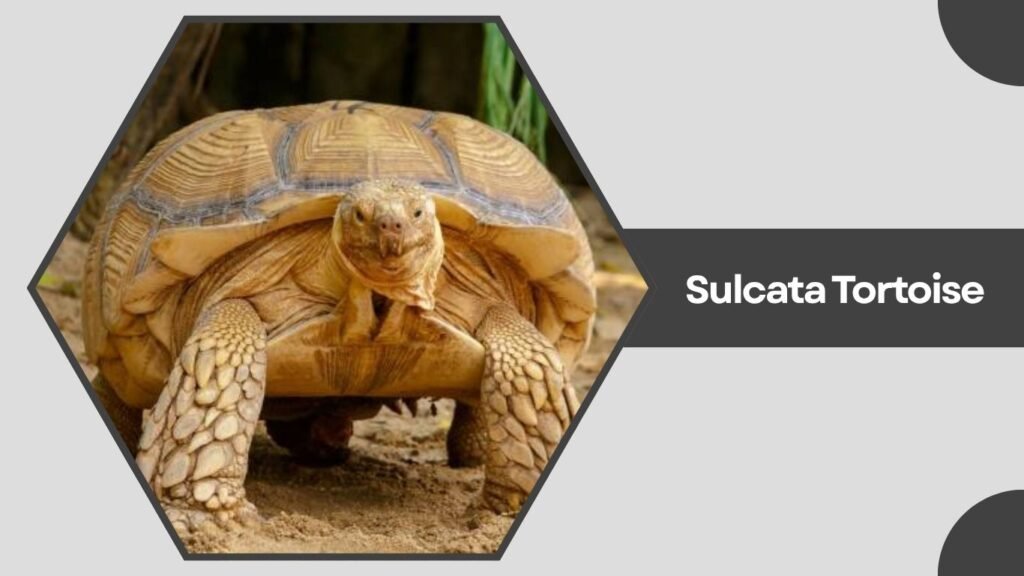
The Sulcata Tortoise, also called the African Spurred Tortoise, is one of the largest land tortoises in the world. Native to the Sahara region of Africa, this species is famous for its strength, large size, and long lifespan. It is a popular pet tortoise but requires significant space and care.
Identification
- Scientific Name: Centrochelys sulcata
- Shell Color: Sandy brown or golden yellow
- Average Length: 18–30 inches
- Weight: Around 70–150 pounds
- Shell Shape: Broad and oval-shaped
- Thick, powerful legs with large scales
- Spurs are visible on the hind legs
Habitat
Sulcata Tortoises live in hot, dry deserts and savannas across northern Africa. They prefer arid environments with very little rainfall and loose soil for digging burrows. These burrows help them escape extreme heat and maintain stable temperatures during the day and night.
Behaviors
Sulcata Tortoises are active, strong, and excellent diggers. They spend much of their time searching for food or digging deep burrows for shelter. This species is generally calm but can become territorial around other tortoises. During cooler mornings and evenings, they are more active and likely to explore their surroundings.
Diet and Lifespan
Sulcata Tortoises are strict herbivores that mainly eat grasses, hay, weeds, and leafy plants. A high-fiber and low-protein diet is essential for healthy growth. Fresh water and calcium are also important for shell health. With proper care and space, Sulcata Tortoises can live between 70 and 100 years.
4. Russian Tortoise
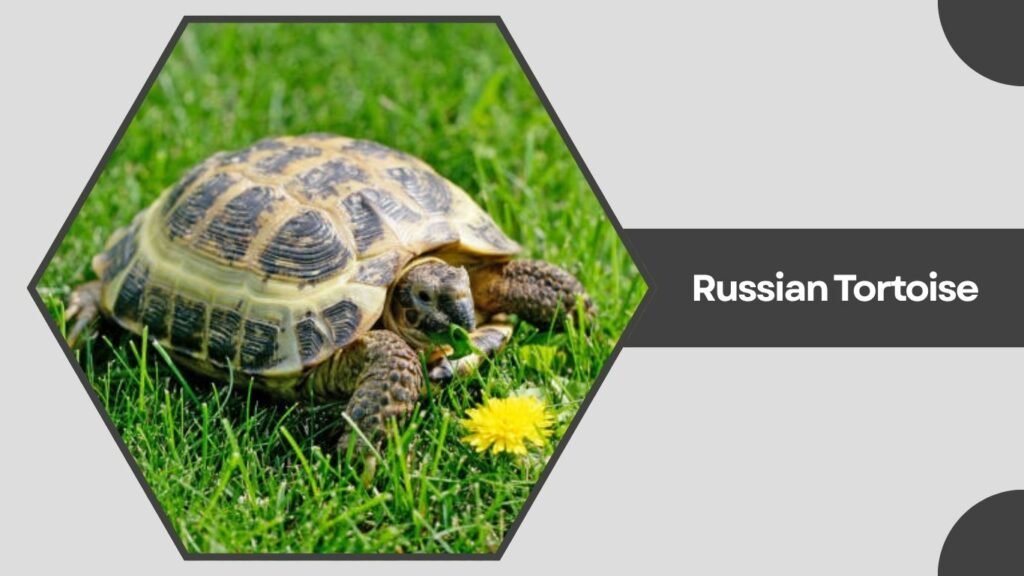
The Russian Tortoise is a small and hardy land tortoise native to Central Asia. It is widely kept as a pet because of its manageable size, friendly nature, and ability to adapt to captivity. This species is known for its active behavior and strong digging habits in dry environments.
Identification
- Scientific Name: Testudo horsfieldii
- Shell Color: Tan, brown, or olive with dark markings
- Average Length: 5–10 inches
- Weight: Around 1–3 pounds
- Shell Shape: Rounded and slightly flattened
- Four claws on each front foot
- Males usually have longer tails than females
Habitat
Russian Tortoises live in dry grasslands, deserts, and rocky regions of Central Asia. They prefer warm climates with loose soil that allows them to dig burrows for shelter. These tortoises can tolerate cooler temperatures better than many tropical species and often remain underground during extreme weather.
Behaviors
Russian Tortoises are active, curious, and excellent diggers. They spend much of the day exploring, grazing, and digging tunnels for protection. This species is generally calm and adapts well to human care. During very hot or cold conditions, they may become less active and stay hidden in burrows.
Diet and Lifespan
Russian Tortoises are herbivores that mainly eat grasses, weeds, leafy greens, and flowers. A diet rich in fiber and calcium supports healthy shell development and digestion. They should avoid high-protein foods and excessive fruit. With proper care and a suitable environment, they can live between 40 and 60 years.
5. Greek Tortoise
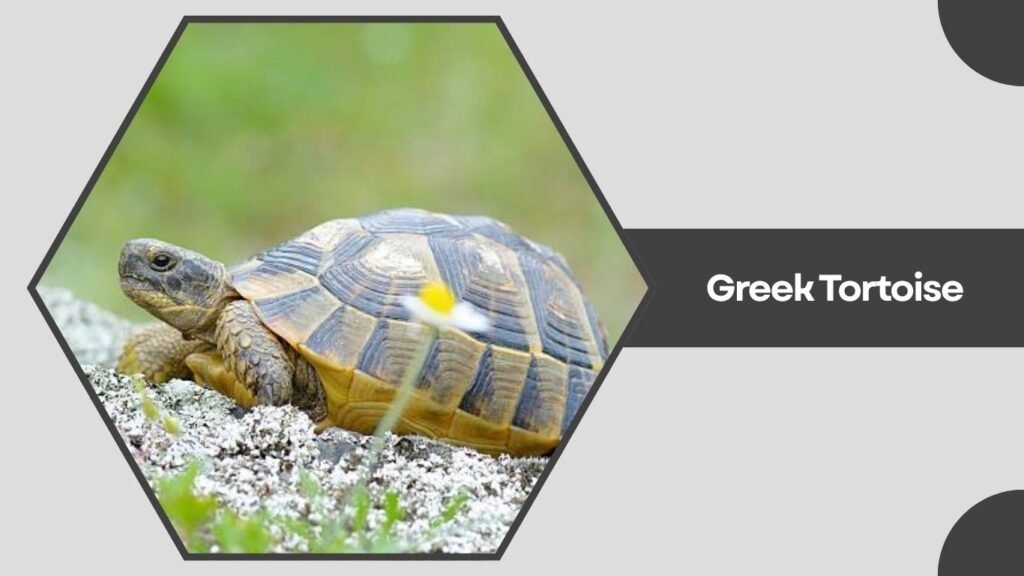
The Greek Tortoise is a small to medium-sized land tortoise found in parts of southern Europe, North Africa, and the Middle East. It is one of the oldest known tortoise species and is popular for its gentle personality and attractive shell patterns. This species adapts well to warm, dry climates.
Identification
- Scientific Name: Testudo graeca
- Shell Color: Yellow, tan, or brown with dark patches
- Average Length: 5–10 inches
- Weight: Around 2–5 pounds
- Shell Shape: Rounded and high-domed
- Thick scales cover the front legs
- Distinct spur-like bumps near the thighs
Habitat
Greek Tortoises live in dry forests, scrublands, rocky hills, and grasslands. They prefer warm regions with moderate vegetation and loose soil for hiding or digging shallow shelters. These tortoises are commonly found in Mediterranean climates where summers are hot and winters are mild.
Behaviors
Greek Tortoises are calm, slow-moving, and mostly active during the daytime. They spend much of their time grazing, basking in sunlight, and resting under plants or rocks. During extreme heat or cold, they may reduce activity and remain hidden for long periods to conserve energy.
Diet and Lifespan
Greek Tortoises are herbivores that feed on grasses, weeds, flowers, and leafy plants. A fiber-rich diet with proper calcium intake helps maintain strong shells and healthy growth. They should avoid processed foods and excessive fruit. With proper care and habitat conditions, they can live between 50 and 70 years.
6. Hermann’s Tortoise
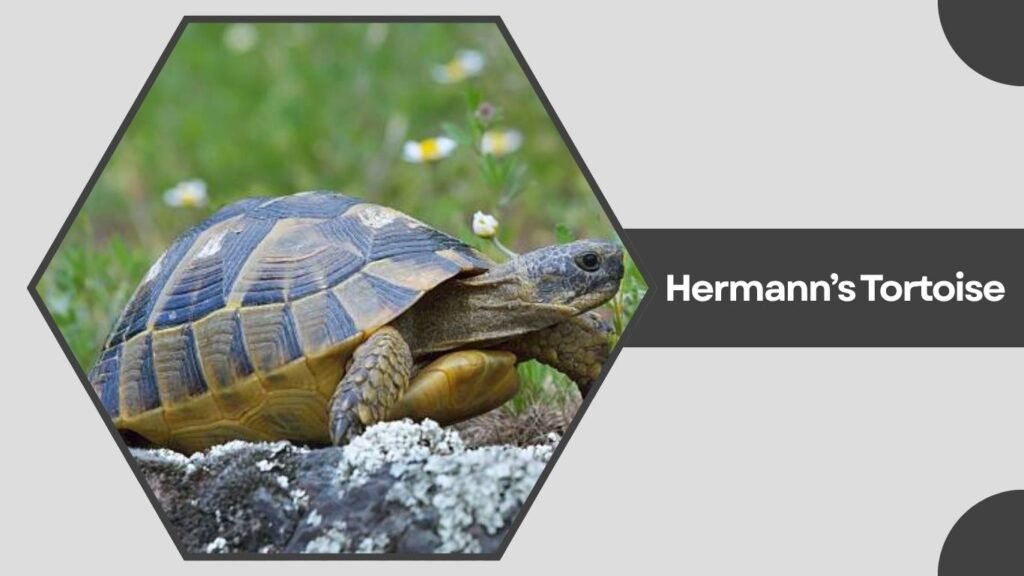
Hermann’s Tortoise is a small European land tortoise known for its bright shell colors and active personality. Native to southern Europe, this species is popular among reptile keepers because of its manageable size and hardy nature. It thrives best in warm outdoor environments with access to sunlight and vegetation.
Identification
- Scientific Name: Testudo hermanni
- Shell Color: Yellow or golden with black markings
- Average Length: 6–10 inches
- Weight: Around 2–4 pounds
- Shell Shape: High-domed and compact
- Strong claws for digging and climbing
- Tail usually ends with a small horn-like tip
Habitat
Hermann’s Tortoises live in Mediterranean forests, grasslands, and rocky hillsides. They prefer dry and sunny regions with bushes, shrubs, and open spaces for grazing. These tortoises often hide under plants or rocks during very hot weather and may dig shallow shelters for protection and rest.
Behaviors
Hermann’s Tortoises are active, curious, and alert during the daytime. They spend time exploring, basking in sunlight, and searching for food. This species enjoys climbing small obstacles and digging in loose soil. During colder months, they may enter a hibernation period to conserve energy and survive low temperatures.
Diet and Lifespan
Hermann’s Tortoises are herbivores that mainly eat grasses, weeds, leafy greens, and flowers. A balanced diet rich in fiber and calcium supports healthy shell growth and digestion. They should receive proper sunlight or UVB lighting for strong bones. With suitable care, Hermann’s Tortoises can live between 50 and 75 years.
7. Red-Footed Tortoise
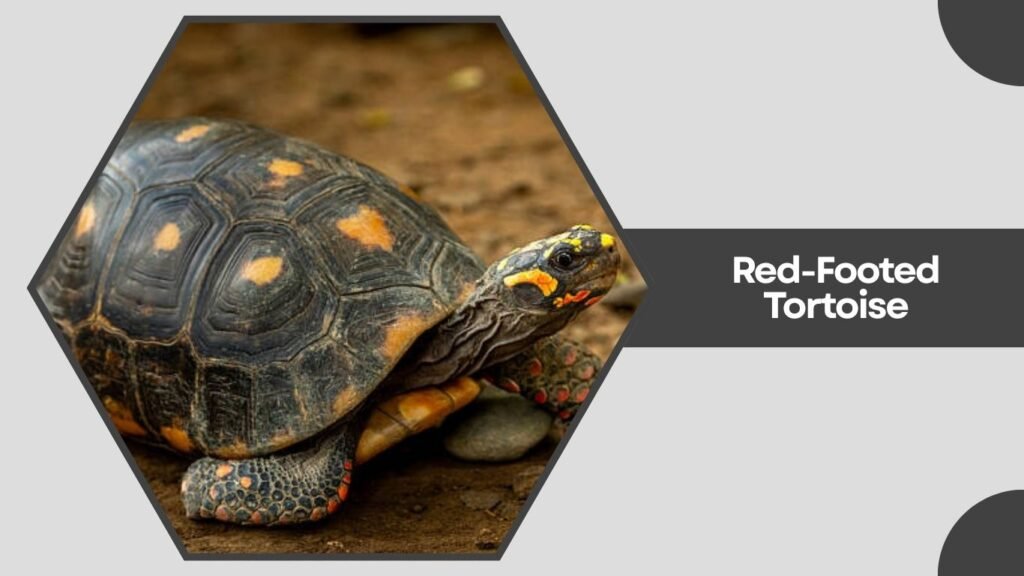
The Red-Footed Tortoise is a colorful tropical tortoise native to South America. It is named after the bright red, orange, or yellow scales on its legs and head. This species is popular as a pet because of its friendly nature, moderate size, and ability to adapt well to captivity.
Identification
- Scientific Name: Chelonoidis carbonarius
- Shell Color: Dark brown or black with lighter center markings
- Average Length: 10–16 inches
- Weight: Around 10–30 pounds
- Bright red or orange scales on legs and face
- Shell Shape: Slightly domed and elongated
- Males usually have a narrower waist shape
Habitat
Red-Footed Tortoises live in tropical forests, savannas, and humid grasslands across South America. They prefer warm environments with moderate to high humidity and plenty of vegetation. Unlike desert tortoises, they enjoy moist conditions and often stay near shaded areas, bushes, or forest edges for protection.
Behaviors
Red-Footed Tortoises are calm, social, and active during the day. They spend much of their time searching for food and exploring their surroundings. This species is more tolerant of other tortoises than many land tortoise species. During hot weather, they often rest in shaded or damp areas to stay cool.
Diet and Lifespan
Red-Footed Tortoises are omnivorous and eat leafy greens, fruits, flowers, mushrooms, and small amounts of animal protein. A balanced diet with calcium supports healthy shell growth and overall health. Fresh water and humidity are important for this species. With proper care, they can live between 40 and 60 years.
8. Yellow-Footed Tortoise
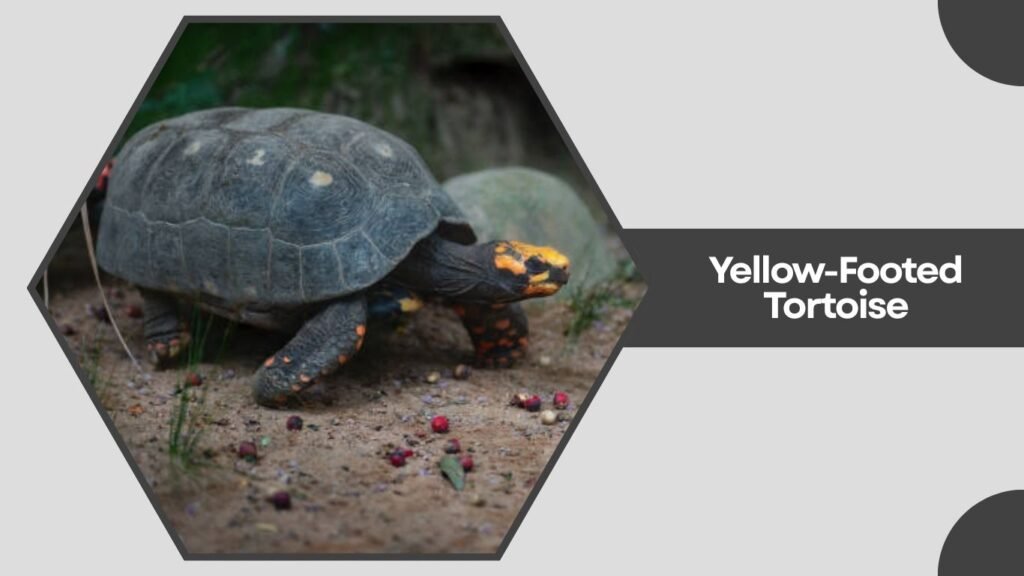
The Yellow-Footed Tortoise is a large tropical tortoise native to South America. It is closely related to the Red-Footed Tortoise but can be identified by the yellow scales on its legs and head. This species is known for its calm behavior, strong build, and preference for humid forest environments.
Identification
- Scientific Name: Chelonoidis denticulatus
- Shell Color: Dark brown or black with lighter center patterns
- Average Length: 16–28 inches
- Weight: Around 20–60 pounds
- Yellow scales on the legs and head
- Shell Shape: Domed and elongated
- Strong legs designed for forest terrain
Habitat
Yellow-Footed Tortoises live in tropical rainforests, humid woodlands, and forest edges across South America. They prefer warm temperatures, high humidity, and shaded environments with dense vegetation. These tortoises are commonly found near moist soil, fallen leaves, and areas with easy access to water and food sources.
Behaviors
Yellow-Footed Tortoises are generally calm, slow-moving, and active during the daytime. They spend much of their time searching for food on the forest floor and resting under plants or logs. This species enjoys humid conditions and may soak in shallow water to stay hydrated and cool.
Diet and Lifespan
Yellow-Footed Tortoises are omnivores that eat fruits, leafy greens, flowers, mushrooms, and small amounts of animal matter. A balanced diet rich in calcium and fiber helps maintain healthy shell growth and digestion. Proper humidity and hydration are also important for their health. With good care, they can live between 50 and 80 years.
9. Pancake Tortoise
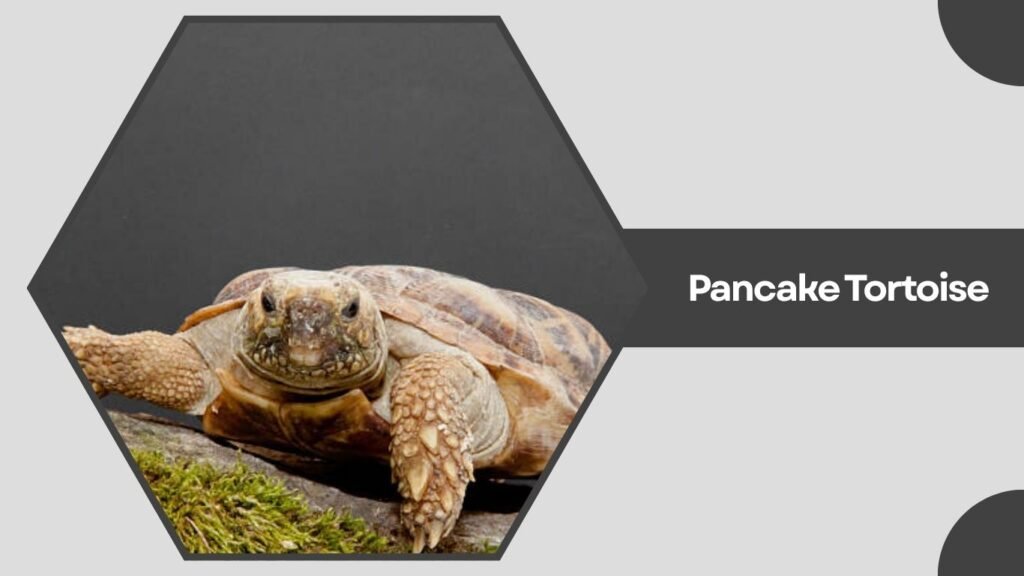
The Pancake Tortoise is a unique land tortoise native to East Africa. Unlike most tortoises, it has a flat and lightweight shell that allows it to hide inside narrow rock crevices. This species is known for its speed, climbing ability, and unusual appearance compared to other tortoises.
Identification
- Scientific Name: Malacochersus tornieri
- Shell Color: Brown or golden with dark patterns
- Average Length: 6–7 inches
- Weight: Around 1–2 pounds
- Shell Shape: Flat, soft, and flexible
- Long legs adapted for climbing rocks
- Thin shell compared to other tortoise species
Habitat
Pancake Tortoises live in rocky hillsides and dry savanna regions of East Africa. They prefer warm climates with plenty of rock crevices for shelter and protection. Unlike burrowing tortoises, this species relies on narrow spaces between rocks to escape predators and rest during hot weather.
Behaviors
Pancake Tortoises are fast, alert, and excellent climbers. When threatened, they quickly squeeze into rock cracks instead of hiding completely inside their shell. They are more active during cooler parts of the day and spend time basking on rocks to regulate body temperature.
Diet and Lifespan
Pancake Tortoises are herbivores that mainly eat grasses, leaves, weeds, and small plants. A high-fiber diet with proper calcium supports healthy shell and bone development. Fresh water and access to sunlight are important for their well-being. With proper care, Pancake Tortoises can live between 30 and 50 years.
10. Aldabra Giant Tortoise
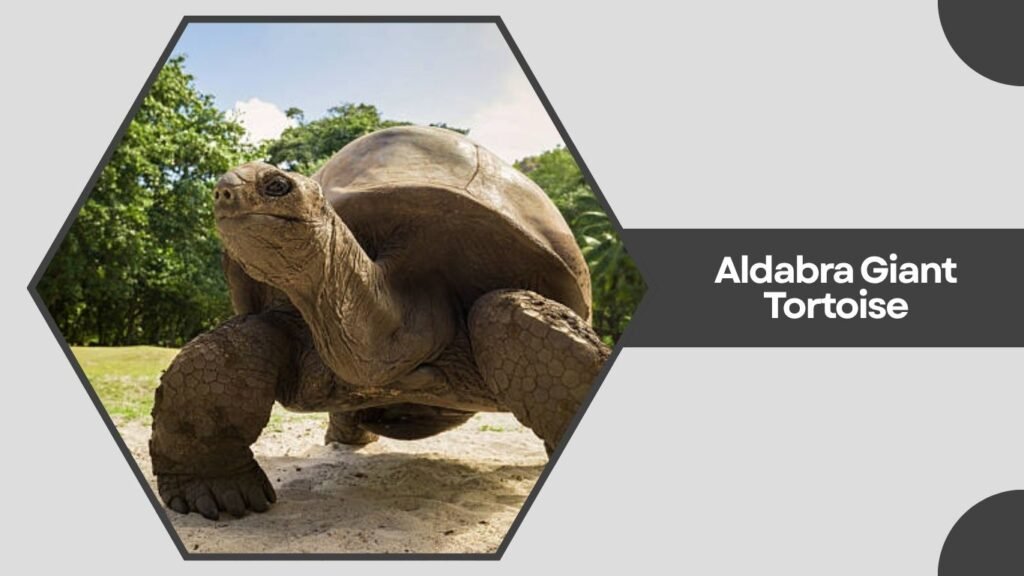
The Aldabra Giant Tortoise is one of the largest tortoise species in the world. Native to the Aldabra Atoll in the Seychelles, this massive tortoise is famous for its enormous size, long lifespan, and slow-moving nature. It is considered an important species for conservation and wildlife preservation.
Identification
- Scientific Name: Aldabrachelys gigantea
- Shell Color: Dark gray or black
- Average Length: 36–48 inches
- Weight: Around 300–550 pounds
- Shell Shape: Large, broad, and high-domed
- Thick, powerful legs support heavy body weight
- Long neck helps reach vegetation and leaves
Habitat
Aldabra Giant Tortoises live in tropical islands, grasslands, mangrove swamps, and coastal regions. They prefer warm climates with open spaces and access to vegetation for grazing. These tortoises are commonly found in areas with dry land and scattered shade where they can rest during hot weather.
Behaviors
Aldabra Giant Tortoises are calm, slow-moving, and mostly active during the daytime. They spend much of their time grazing, basking in sunlight, and resting in shaded areas. Despite their large size, they are generally peaceful animals. During extreme heat, they may rest in mud or shallow water to cool down.
Diet and Lifespan
Aldabra Giant Tortoises are herbivores that mainly eat grasses, leaves, shrubs, and fruits. A high-fiber diet and access to clean water are important for maintaining good health. These tortoises grow slowly but can live for an extremely long time. With proper conditions, they may live between 80 and 150 years.
11. Galápagos Giant Tortoise
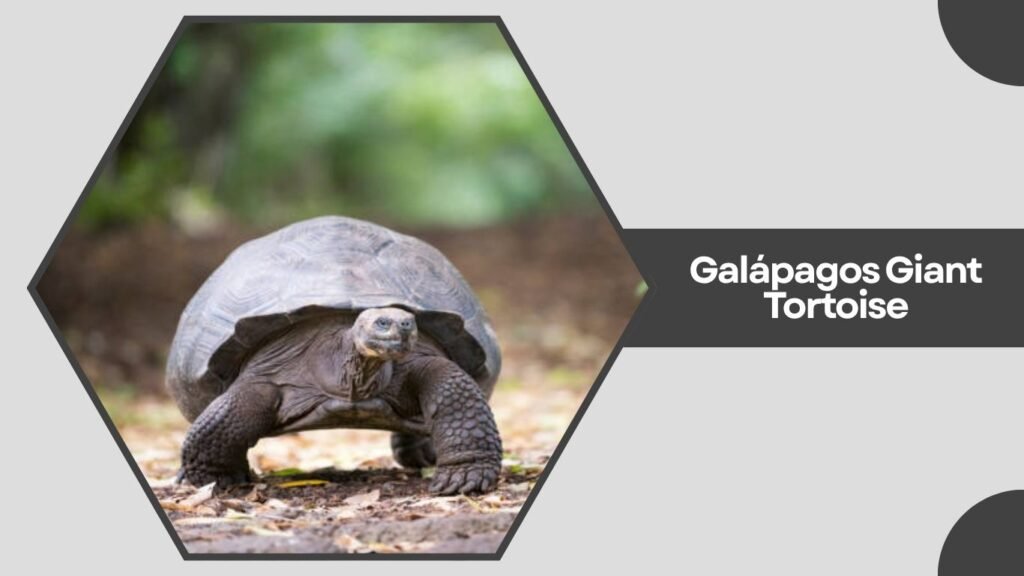
The Galápagos Giant Tortoise is one of the most famous tortoise species in the world. Native to the Galápagos Islands of Ecuador, this giant tortoise is known for its massive size, long neck, and incredible lifespan. It became widely recognized through the studies of Charles Darwin and remains an important symbol of wildlife conservation.
Identification
- Scientific Name: Chelonoidis niger
- Shell Color: Dark brown or black
- Average Length: 36–60 inches
- Weight: Around 250–500 pounds
- Shell Shape: Domed or saddle-backed depending on island type
- Very long neck for reaching vegetation
- Thick, sturdy legs support heavy body weight
Habitat
Galápagos Giant Tortoises live in grasslands, volcanic slopes, forests, and shrublands across the Galápagos Islands. They prefer warm climates with access to vegetation and fresh water. Some populations migrate seasonally between humid highlands and dry lowlands in search of food and suitable temperatures.
Behaviors
Galápagos Giant Tortoises are peaceful and slow-moving animals. They spend most of their day grazing, resting, and basking in sunlight. These tortoises can travel long distances in search of food and water. During hot weather, they often relax in mud or shaded areas to stay cool and hydrated.
Diet and Lifespan
Galápagos Giant Tortoises are herbivores that feed on grasses, cactus pads, leaves, fruits, and shrubs. Their slow metabolism allows them to survive long periods with limited food or water. Proper nutrition and a natural environment support healthy growth. These tortoises are extremely long-lived and can survive for more than 100 years.
12. Egyptian Tortoise
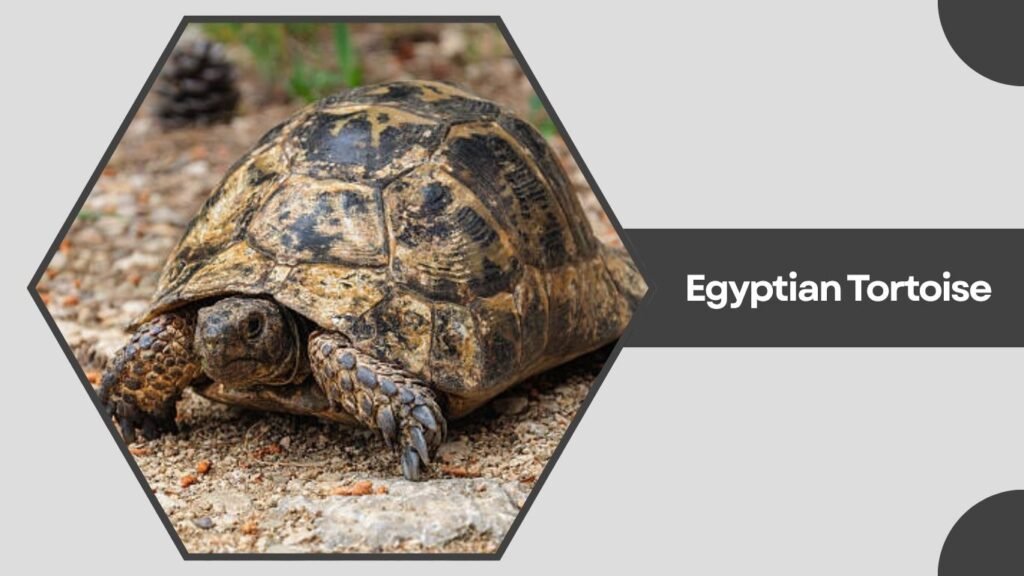
The Egyptian Tortoise is one of the smallest tortoise species in the world. Native to North Africa, this rare tortoise is known for its pale shell color and ability to survive in dry desert environments. Due to habitat loss and illegal collection, it is considered a critically endangered species.
Identification
- Scientific Name: Testudo kleinmanni
- Shell Color: Pale yellow, ivory, or light gold
- Average Length: 4–6 inches
- Weight: Around 0.5–1 pound
- Shell Shape: Rounded and slightly domed
- Small body size compared to most tortoises
- Thin legs adapted for desert movement
Habitat
Egyptian Tortoises live in dry deserts, coastal scrublands, and sandy regions of North Africa. They prefer warm climates with low humidity and sparse vegetation. These tortoises often hide under bushes or shallow burrows during the hottest parts of the day to avoid extreme desert temperatures.
Behaviors
Egyptian Tortoises are shy, calm, and mostly active during cooler morning and evening hours. They spend much of their time searching for food and resting in sheltered areas. Because of their small size, they rely heavily on camouflage and hiding to escape predators in the wild.
Diet and Lifespan
Egyptian Tortoises are herbivores that mainly eat grasses, herbs, leafy plants, and desert vegetation. A fiber-rich diet with proper calcium is important for healthy shell growth and digestion. Fresh water and sunlight also support their health. With proper care and protection, they can live between 30 and 50 years.
13. Marginated Tortoise
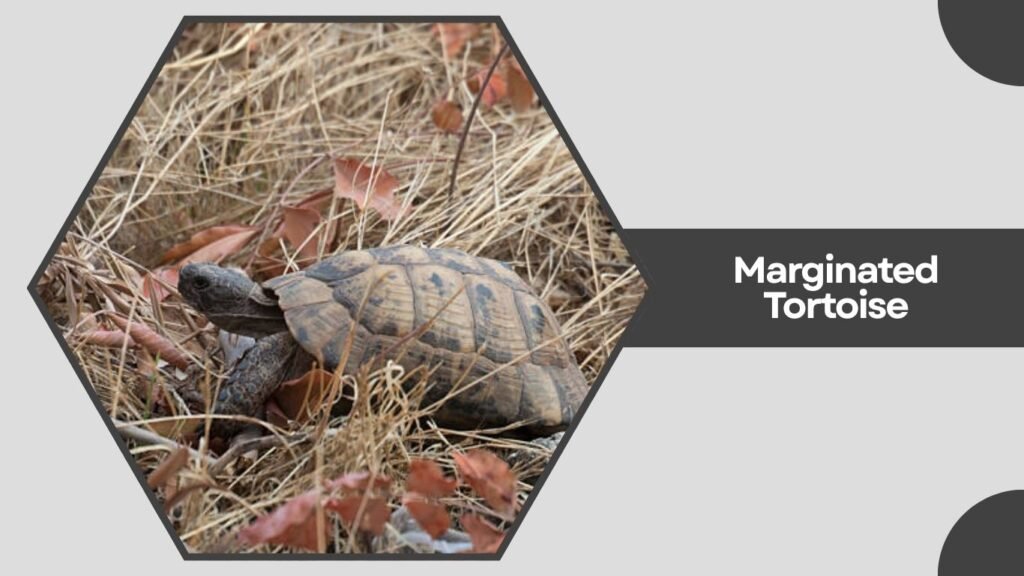
The Marginated Tortoise is the largest tortoise species found in Europe. Native to Greece and parts of southern Europe, this tortoise is recognized for the flared edges at the back of its shell. It is valued for its unique appearance, active behavior, and ability to adapt to dry Mediterranean environments.
Identification
- Scientific Name: Testudo marginata
- Shell Color: Black or dark brown with yellow markings
- Average Length: 10–14 inches
- Weight: Around 5–11 pounds
- Shell Shape: Elongated with flared rear edges
- Thick, sturdy legs for walking on rocky land
- Males usually grow larger than females
Habitat
Marginated Tortoises live in Mediterranean forests, rocky hillsides, grasslands, and shrub-covered areas. They prefer warm climates with dry summers and mild winters. These tortoises often rest under bushes, rocks, or small shelters during hot weather and enjoy environments with plenty of natural vegetation.
Behaviors
Marginated Tortoises are active, calm, and mostly diurnal, meaning they are active during the day. They spend time grazing, basking in sunlight, and exploring their surroundings. This species can become territorial during breeding season. In colder months, they often enter hibernation to survive low temperatures and conserve energy.
Diet and Lifespan
Marginated Tortoises are herbivores that mainly eat grasses, weeds, flowers, and leafy plants. A high-fiber diet with sufficient calcium helps maintain healthy shell development and digestion. Access to sunlight or UVB lighting is important for bone health. With proper care and habitat conditions, they can live between 50 and 100 years.
FAQs
What is the difference between a tortoise and a turtle?
Tortoises mainly live on land and have strong, sturdy legs designed for walking. Turtles usually live in water and have webbed feet or flippers for swimming. Tortoises also have more rounded and heavier shells compared to most turtles.
How long do land tortoises live?
Most land tortoises have very long lifespans. Depending on the species, they can live from 30 years to over 100 years. Giant tortoise species such as the Aldabra and Galápagos tortoises are known to live the longest.
What do land tortoises eat?
Most land tortoises are herbivores and eat grasses, leafy greens, flowers, weeds, and fruits. Some tropical species may occasionally eat small amounts of animal protein. A balanced, high-fiber diet is important for healthy shell growth and digestion.
Do land tortoises need sunlight?
Yes, land tortoises need natural sunlight or UVB lighting to produce vitamin D3 and absorb calcium properly. Without enough sunlight, they may develop weak shells and bone problems. Regular exposure to proper lighting is essential for their health.
Can land tortoises be kept as pets?
Yes, many tortoise species are kept as pets because of their calm nature and long lifespan. However, they require proper housing, correct temperatures, healthy diets, and long-term care. Some large species also need significant outdoor space to live comfortably.