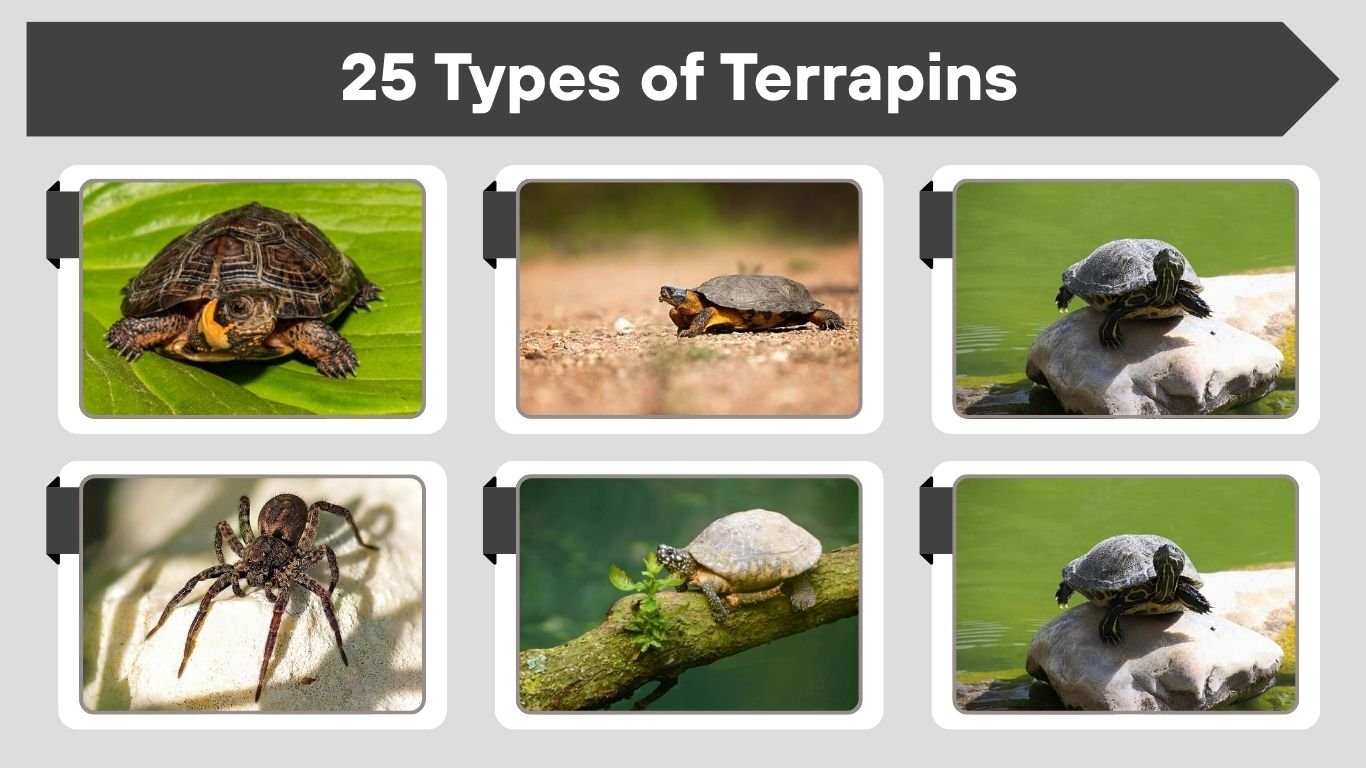
Terrapins are fascinating semi-aquatic reptiles that live in freshwater and brackish water habitats around the world. They are known for their strong swimming abilities, patterned shells, and unique behaviors. Some terrapins prefer marshes and ponds, while others thrive in rivers, wetlands, and coastal environments. These reptiles play an important role in maintaining healthy aquatic ecosystems by controlling insects, plants, and small aquatic animals. From the colorful Diamondback Terrapin to the rare Bog Turtle, each species has distinct features and habitat preferences that make them interesting to study and appreciate in the reptile world.
1. Diamondback Terrapin
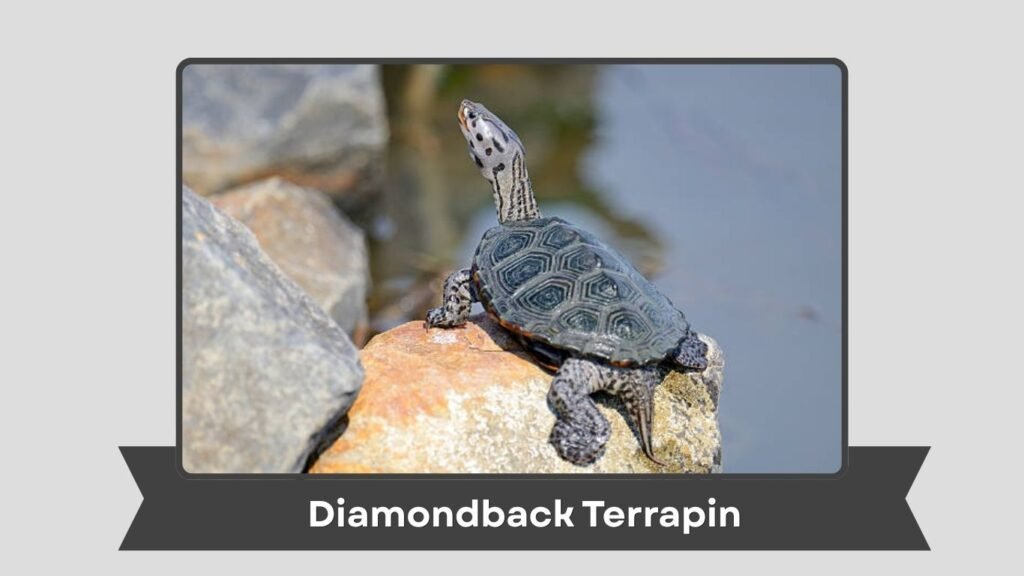
The Diamondback Terrapin is a unique terrapin species native to the coastal salt marshes of the United States. It is well known for the beautiful diamond-shaped patterns on its shell and its ability to live in both brackish and salty water environments. This species is highly valued for its distinctive appearance and adaptability.
Identification
- Scientific Name: Malaclemys terrapin
- Shell Color: Gray, brown, or black with diamond-like patterns
- Average Length: 5–9 inches
- Weight: Around 1–2 pounds
- Skin often has black spots or markings
- Webbed feet adapted for swimming
- Females are usually much larger than males
Habitat
Diamondback Terrapins mainly live in coastal marshes, estuaries, mangroves, and tidal creeks. They prefer brackish water, which is a mixture of fresh and salt water. These terrapins are commonly found along the eastern and southern coasts of the United States where marsh vegetation and muddy shores provide shelter and food.
Behaviors
Diamondback Terrapins are active swimmers and spend much of their time in water searching for food. They often bask in sunlight on rocks, mudbanks, or logs to regulate body temperature. During colder months, they may bury themselves in mud and become less active until temperatures rise again.
Diet and Lifespan
Diamondback Terrapins are omnivores that eat snails, small fish, crabs, insects, mollusks, and aquatic plants. Their strong jaws help crush hard shells of prey. A balanced diet supports healthy shell growth and overall health. In suitable conditions, Diamondback Terrapins can live between 25 and 40 years.
2. Red-Eared Slider
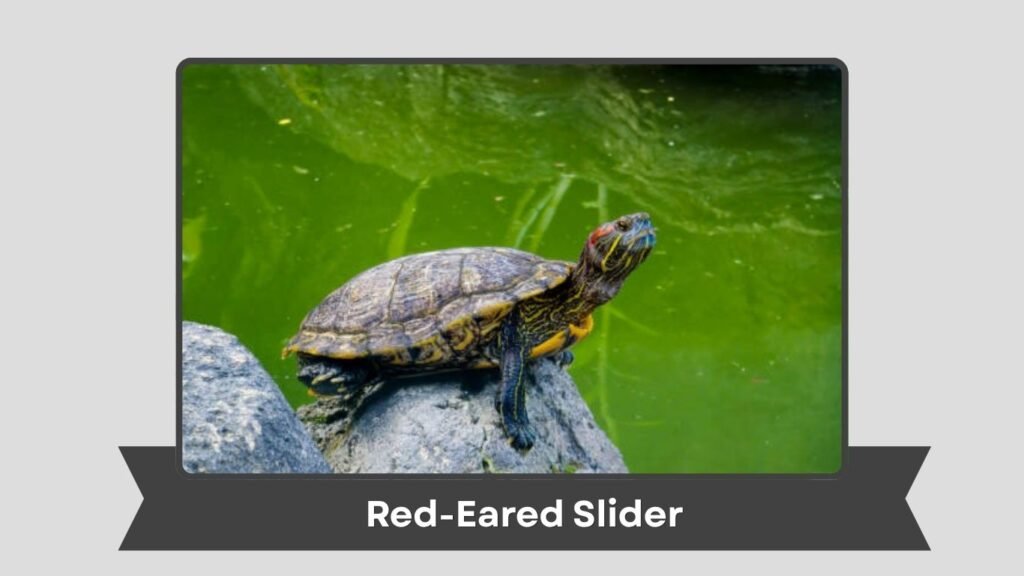
The Red-Eared Slider is one of the most common and recognizable terrapin species in the world. Native to the southern United States, it is famous for the bright red markings behind its eyes. This freshwater terrapin is highly adaptable and is often kept as a pet because of its active behavior and colorful appearance.
Identification
- Scientific Name: Trachemys scripta elegans
- Shell Color: Green to dark olive with yellow markings
- Average Length: 6–12 inches
- Weight: Around 2–5 pounds
- Bright red stripe behind each eye
- Webbed feet designed for swimming
- Shell becomes darker with age
Habitat
Red-Eared Sliders live in freshwater habitats such as ponds, lakes, marshes, rivers, and slow-moving streams. They prefer warm waters with abundant vegetation and basking spots like logs or rocks. This species adapts easily to different environments and can survive in both natural and urban water bodies.
Behaviors
Red-Eared Sliders are active and social baskers that spend hours warming themselves in sunlight. They are strong swimmers and quickly dive into water when threatened. These terrapins are most active during the daytime and often compete for sunny resting spots in crowded habitats.
Diet and Lifespan
Red-Eared Sliders are omnivores that eat aquatic plants, insects, fish, snails, and commercial turtle food. Younger terrapins usually eat more protein, while adults consume more plant material. Clean water and balanced nutrition are important for their health. With proper care, they can live between 20 and 40 years.
3. Painted Terrapin
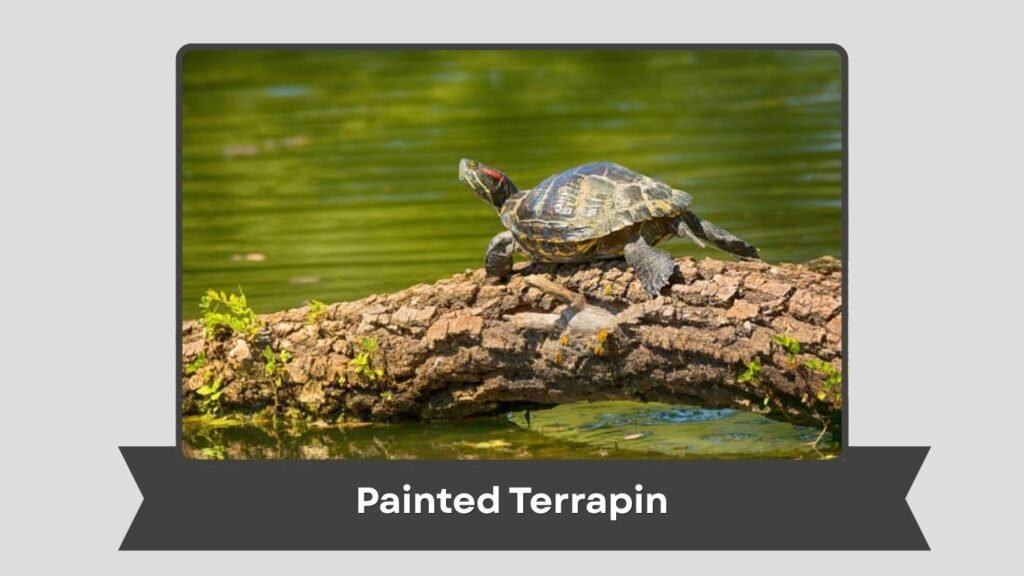
The Painted Terrapin is a rare freshwater terrapin found in parts of Southeast Asia. It is known for its smooth shell and the bright colors that appear on males during the breeding season. This species spends most of its life in rivers and estuaries and is considered critically endangered due to habitat loss and hunting.
Identification
- Scientific Name: Batagur borneoensis
- Shell Color: Gray or olive-brown
- Average Length: 18–28 inches
- Weight: Around 15–40 pounds
- Males develop white heads with red markings during breeding season
- Webbed feet adapted for swimming
- Smooth and flattened shell shape
Habitat
Painted Terrapins live in rivers, estuaries, mangrove swamps, and coastal wetlands in Southeast Asia. They prefer slow-moving water with sandy riverbanks for nesting. These terrapins depend heavily on healthy wetland ecosystems that provide safe nesting areas, vegetation, and protection from predators.
Behaviors
Painted Terrapins are mostly aquatic and spend much of their time swimming or resting near riverbanks. During nesting season, females travel onto sandy shores to lay eggs. They are generally shy and avoid human disturbance. Males become more colorful during the breeding period to attract mates.
Diet and Lifespan
Painted Terrapins are mainly herbivores that feed on aquatic plants, fruits, leaves, and mangrove vegetation. Occasionally, they may consume small aquatic animals. Proper nutrition and clean water are essential for their survival. In protected environments, Painted Terrapins can live between 30 and 50 years.
4. River Terrapin
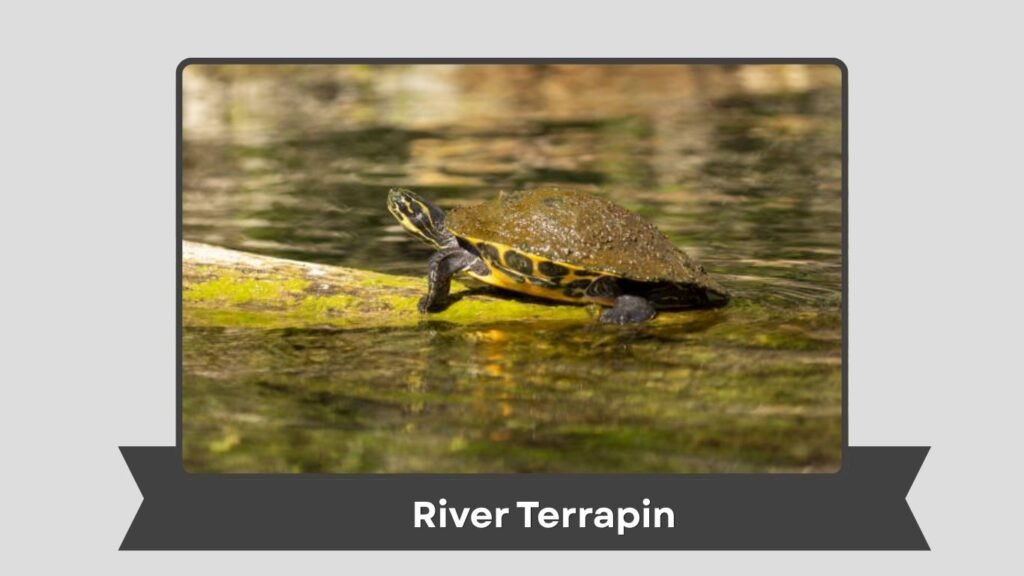
The River Terrapin is a large freshwater terrapin native to Southeast Asia. It is highly valued for its smooth shell, strong swimming ability, and importance in wetland ecosystems. Due to habitat destruction, pollution, and egg collection, this species has become critically endangered in many parts of its natural range.
Identification
- Scientific Name: Batagur baska
- Shell Color: Dark brown, gray, or olive
- Average Length: 20–24 inches
- Weight: Around 20–55 pounds
- Smooth and slightly flattened shell
- Strong webbed feet for swimming
- Males develop darker breeding colors during mating season
Habitat
River Terrapins live in large rivers, estuaries, mangrove forests, and coastal wetlands. They prefer slow-moving water with sandy banks for nesting and basking. This species depends on healthy aquatic ecosystems with clean water, vegetation, and protected nesting areas for successful survival and reproduction.
Behaviors
River Terrapins are mostly aquatic and spend much of their lives swimming or resting near riverbanks. They are generally shy and avoid areas with heavy human activity. During breeding season, females travel onto sandy shores to lay eggs, while males may display brighter seasonal colors.
Diet and Lifespan
River Terrapins are mainly herbivores that eat aquatic plants, fruits, leaves, and algae. They may occasionally consume small aquatic animals or insects. A balanced diet and clean habitat are essential for their health and survival. With proper environmental conditions, River Terrapins can live between 40 and 60 years.
5. Northern River Terrapin
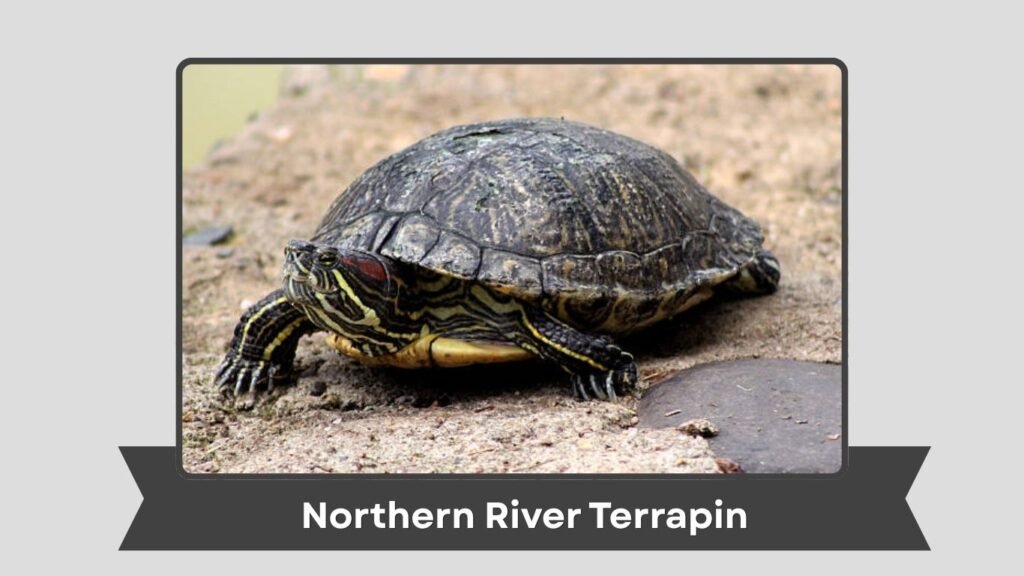
The Northern River Terrapin is a rare and critically endangered terrapin species found in South and Southeast Asia. It is known for its large size, smooth shell, and strong connection to river ecosystems. Conservation programs are working to protect this species because wild populations have declined significantly over the years.
Identification
- Scientific Name: Batagur baska
- Shell Color: Dark gray, olive, or brown
- Average Length: 20–24 inches
- Weight: Around 20–50 pounds
- Smooth and slightly flattened shell
- Strong webbed feet for swimming
- Males may develop darker head colors during breeding season
Habitat
Northern River Terrapins live in large rivers, estuaries, mangrove forests, and coastal wetlands. They prefer slow-moving water with sandy nesting beaches and dense vegetation nearby. These terrapins depend on clean aquatic habitats for feeding, breeding, and safe movement between river and coastal environments.
Behaviors
Northern River Terrapins are mostly aquatic and spend much of their time swimming or resting near riverbanks. They are shy animals that avoid disturbance and human activity. During nesting season, females travel onto sandy shores to lay eggs, while males may show seasonal color changes linked to breeding.
Diet and Lifespan
Northern River Terrapins are mainly herbivores that feed on aquatic plants, fruits, leaves, and algae. Occasionally, they may eat small aquatic animals or insects. Proper nutrition and healthy water conditions are essential for survival. In protected habitats, Northern River Terrapins can live between 40 and 60 years.
6. Southern River Terrapin
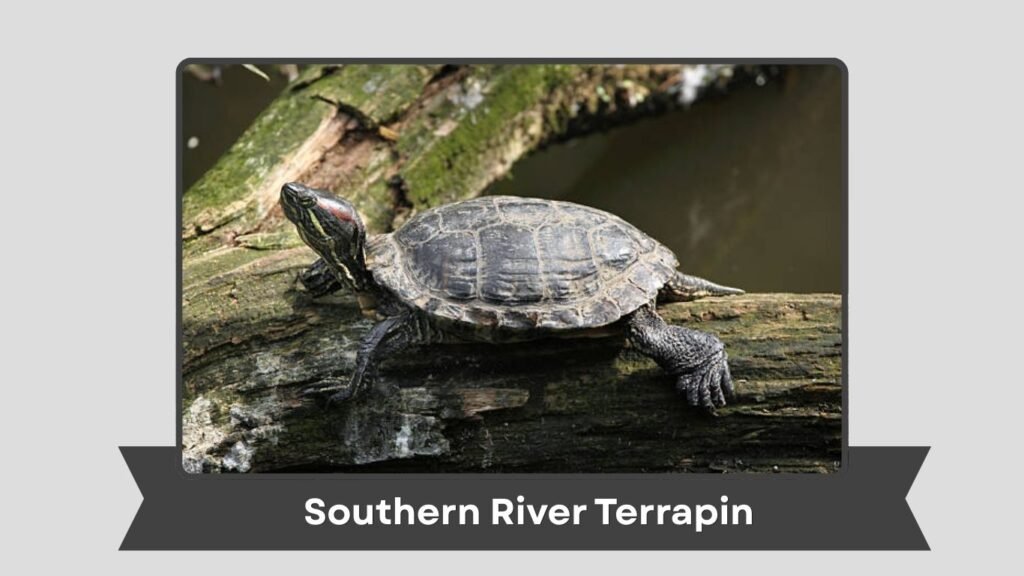
The Southern River Terrapin is a large freshwater terrapin native to Southeast Asia. It is admired for its smooth shell, powerful swimming ability, and importance in river ecosystems. Unfortunately, this species is critically endangered because of habitat destruction, pollution, and illegal collection of eggs and adults from the wild.
Identification
- Scientific Name: Batagur affinis
- Shell Color: Dark brown, gray, or olive-green
- Average Length: 18–24 inches
- Weight: Around 20–45 pounds
- Smooth and flattened shell shape
- Strong webbed feet for swimming
- Males may develop black and white breeding colors
Habitat
Southern River Terrapins live in rivers, estuaries, mangrove forests, and coastal wetlands of Southeast Asia. They prefer slow-moving water with sandy riverbanks for nesting. Healthy wetlands with vegetation and clean water are essential for their feeding, breeding, and long-term survival in the wild.
Behaviors
Southern River Terrapins are mostly aquatic and spend much of their time swimming, basking, or resting near riverbanks. They are shy animals that usually avoid human activity. During breeding season, females leave the water to lay eggs on sandy beaches, while males display seasonal color changes.
Diet and Lifespan
Southern River Terrapins are mainly herbivores that feed on aquatic plants, leaves, fruits, and algae. They may occasionally consume small aquatic animals. A clean environment and balanced diet are important for healthy growth and reproduction. Under proper conditions, Southern River Terrapins can live between 40 and 60 years.
7. Yellow-Spotted River Terrapin
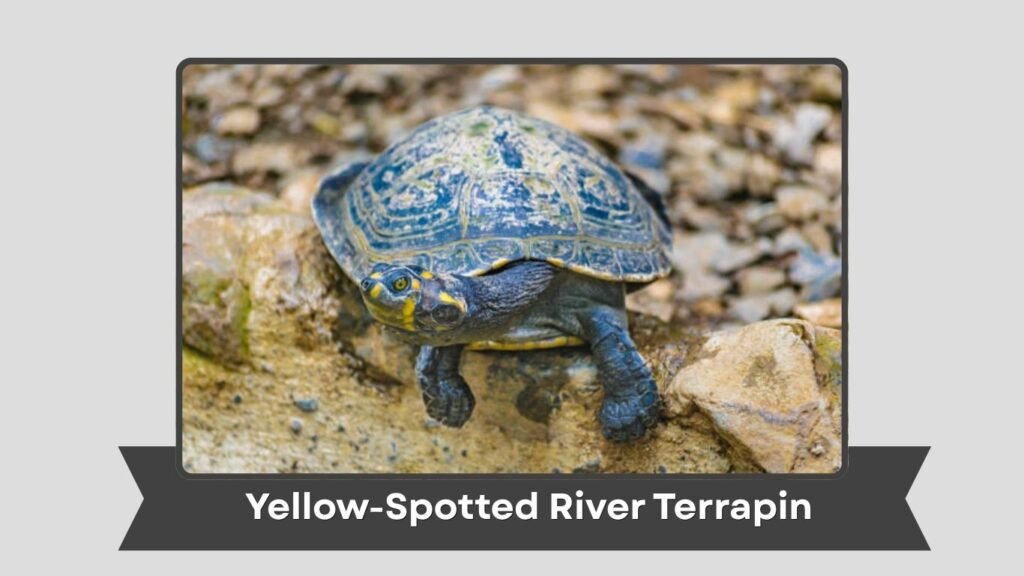
The Yellow-Spotted River Terrapin is a freshwater terrapin species found in parts of South America. It is recognized for the bright yellow spots and markings on its head and shell. This terrapin is highly adapted to river environments and plays an important role in maintaining healthy aquatic ecosystems.
Identification
- Scientific Name: Podocnemis unifilis
- Shell Color: Brown, olive, or dark gray
- Average Length: 14–28 inches
- Weight: Around 10–30 pounds
- Yellow spots and stripes on the head
- Flattened shell designed for swimming
- Strong webbed feet for movement in water
Habitat
Yellow-Spotted River Terrapins live in rivers, lakes, flooded forests, and wetlands throughout South America. They prefer slow-moving freshwater habitats with sandy banks and abundant vegetation. During nesting season, females often travel to exposed riverbanks where they lay eggs in warm sandy soil.
Behaviors
Yellow-Spotted River Terrapins are active swimmers and spend much of their lives in water. They frequently bask in sunlight on logs or riverbanks to regulate body temperature. These terrapins are generally social and may gather in groups while basking or feeding in suitable habitats.
Diet and Lifespan
Yellow-Spotted River Terrapins are omnivores that eat aquatic plants, fruits, seeds, insects, and small aquatic animals. Their diet changes depending on age and seasonal food availability. Proper nutrition and clean freshwater habitats are essential for survival. In suitable conditions, they can live between 30 and 50 years.
8. Indian Black Turtle
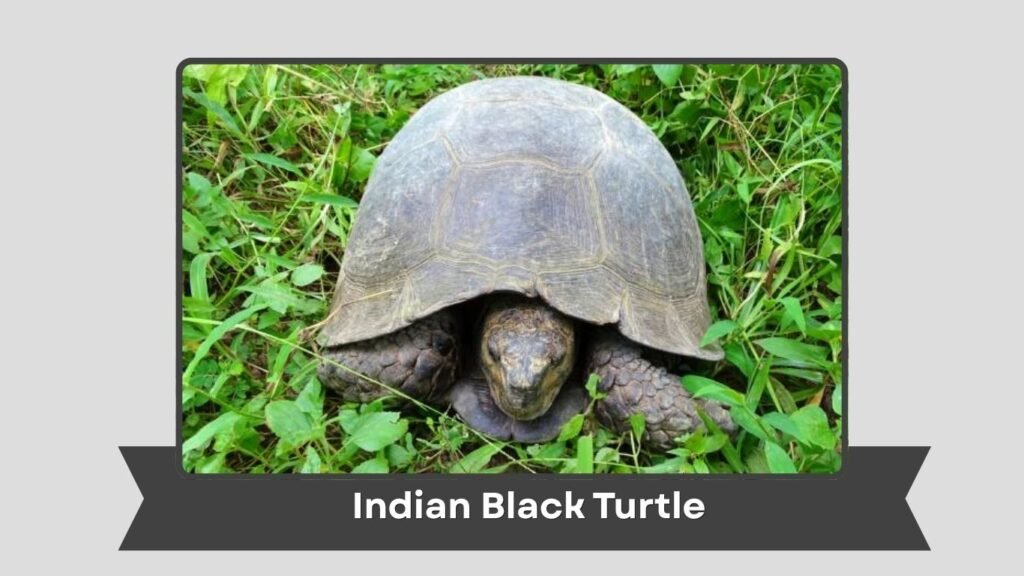
The Indian Black Turtle is a freshwater terrapin commonly found in South Asia. It is known for its dark shell, smooth appearance, and ability to adapt to different aquatic habitats. This species is often seen in ponds, lakes, and slow-moving rivers where it spends much of its time swimming and basking.
Identification
- Scientific Name: Melanochelys trijuga
- Shell Color: Dark brown or black
- Average Length: 6–14 inches
- Weight: Around 2–6 pounds
- Smooth and oval-shaped shell
- Webbed feet adapted for swimming
- Head may have yellow or orange markings
Habitat
Indian Black Turtles live in freshwater ponds, marshes, lakes, canals, and slow-moving rivers across South Asia. They prefer warm aquatic environments with soft mud, vegetation, and sunny basking areas. This terrapin is highly adaptable and can survive in both natural wetlands and human-made water bodies.
Behaviors
Indian Black Turtles are active during the daytime and spend time swimming, basking, and searching for food. They often rest on logs, rocks, or muddy banks under sunlight. When disturbed, they quickly dive into water for protection and may hide in mud or vegetation.
Diet and Lifespan
Indian Black Turtles are omnivores that eat aquatic plants, algae, insects, snails, fish, and small invertebrates. A varied diet helps maintain healthy growth and shell development. Clean water and proper basking conditions are important for their health. In suitable habitats, they can live between 25 and 40 years.
9. Malayan Box Turtle
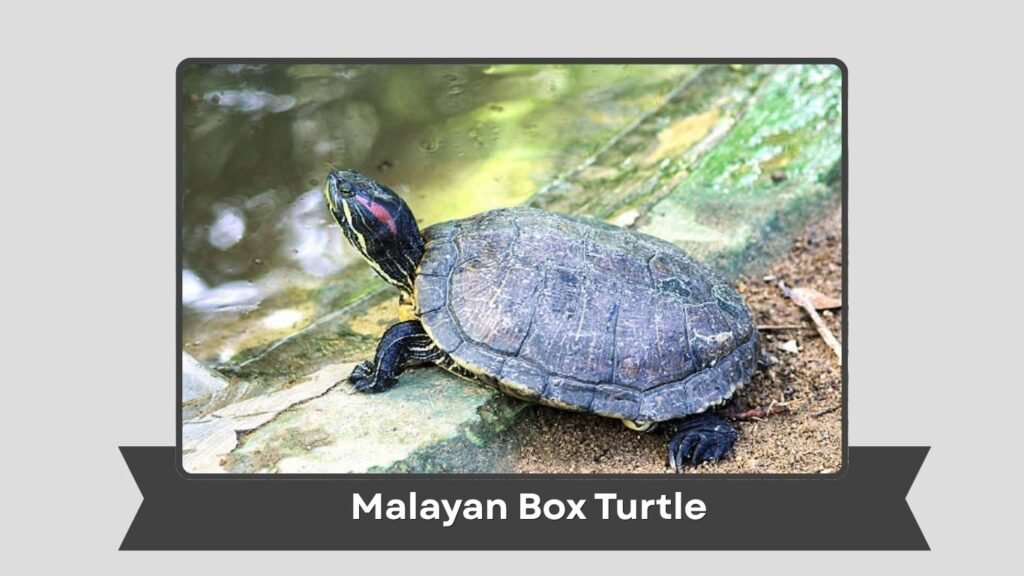
The Malayan Box Turtle is a semi-aquatic terrapin native to Southeast Asia. It is popular for its ability to completely close its shell for protection using a hinged plastron. This species is commonly found in wetlands and slow-moving freshwater habitats where warm temperatures and dense vegetation support its survival.
Identification
- Scientific Name: Cuora amboinensis
- Shell Color: Dark brown or black with yellow lines
- Average Length: 6–8 inches
- Weight: Around 1–3 pounds
- Hinged plastron allows full shell closure
- Webbed feet adapted for swimming
- Yellow stripes are often visible on the head
Habitat
Malayan Box Turtles live in swamps, rice fields, ponds, marshes, and slow-moving rivers across Southeast Asia. They prefer warm freshwater environments with muddy bottoms and dense vegetation. These terrapins are often found in shallow water areas where they can easily hide among plants and debris.
Behaviors
Malayan Box Turtles are generally calm and spend much of their time swimming, basking, or resting in shallow water. They are mostly active during the day but may also move around during cooler evenings. When threatened, they pull their head and limbs inside the shell and close it tightly for defense.
Diet and Lifespan
Malayan Box Turtles are omnivores that eat aquatic plants, fruits, insects, worms, snails, and small fish. A balanced diet supports healthy shell growth and overall well-being. Clean water and access to basking areas are important for good health. With proper care, they can live between 25 and 40 years.
10. Asian Leaf Turtle
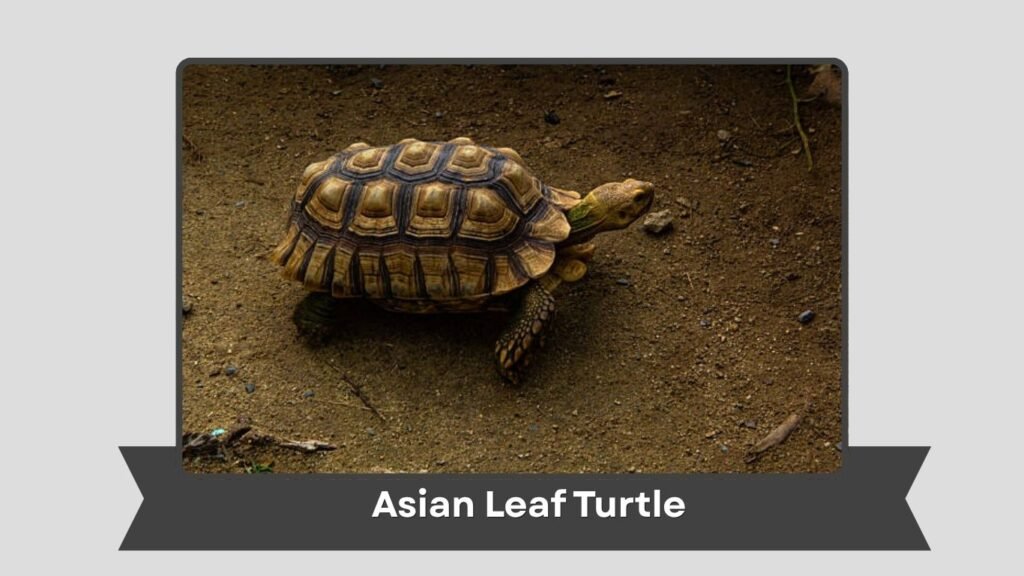
The Asian Leaf Turtle is a small freshwater terrapin found in Southeast Asia. It gets its name from its leaf-shaped shell and excellent camouflage among forest leaves and vegetation. This species is known for its shy nature and preference for humid forest habitats with clean streams and shallow water.
Identification
- Scientific Name: Cyclemys dentata
- Shell Color: Brown, olive, or dark tan
- Average Length: 6–9 inches
- Weight: Around 1–3 pounds
- Shell has a leaf-like appearance
- Webbed feet help with swimming
- Head often shows faint yellow or orange markings
Habitat
Asian Leaf Turtles live in tropical forests, streams, ponds, marshes, and slow-moving rivers across Southeast Asia. They prefer humid environments with dense vegetation, muddy ground, and shallow freshwater sources. These terrapins are commonly found near forest floors where fallen leaves provide natural camouflage and protection.
Behaviors
Asian Leaf Turtles are shy and mostly active during the evening or nighttime. They spend much of their time hiding among leaves, mud, or underwater vegetation to avoid predators. When disturbed, they quickly retreat into water or remain motionless to blend into their surroundings.
Diet and Lifespan
Asian Leaf Turtles are omnivores that eat insects, worms, snails, aquatic plants, fruits, and small invertebrates. A varied diet helps maintain proper nutrition and shell health. Clean water and humid conditions are important for their survival. In suitable environments, Asian Leaf Turtles can live between 20 and 40 years.
11. European Pond Turtle
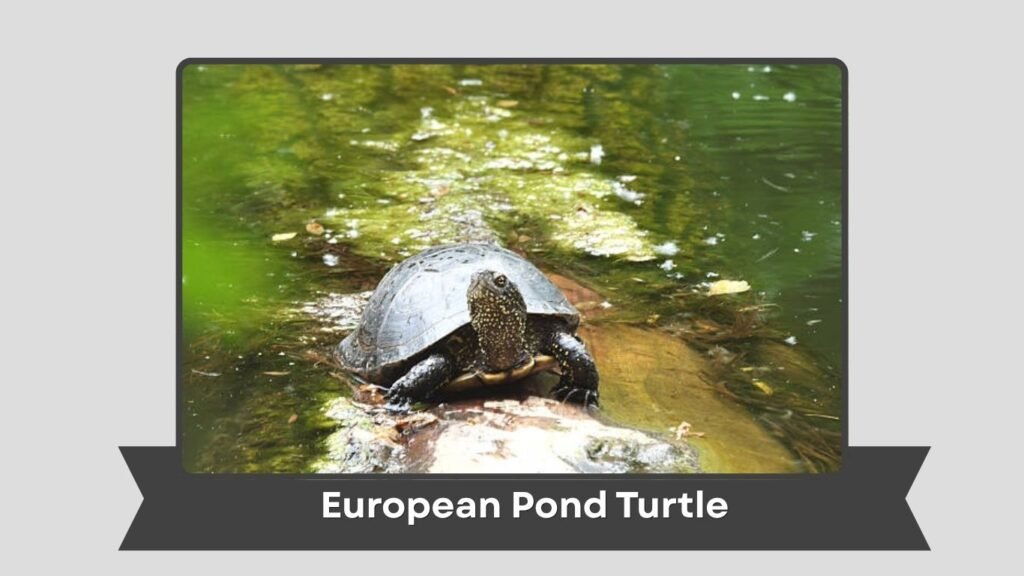
The European Pond Turtle is a freshwater terrapin native to Europe, western Asia, and parts of North Africa. It is known for its dark shell covered with small yellow spots and its excellent swimming ability. This species prefers calm freshwater habitats and is considered an important part of wetland ecosystems.
Identification
- Scientific Name: Emys orbicularis
- Shell Color: Dark brown or black with yellow spots
- Average Length: 5–14 inches
- Weight: Around 1–3 pounds
- Smooth and slightly domed shell
- Webbed feet designed for swimming
- Yellow markings appear on the head and limbs
Habitat
European Pond Turtles live in ponds, marshes, lakes, canals, and slow-moving rivers. They prefer freshwater habitats with soft mud, aquatic plants, and sunny basking areas. This species is commonly found in wetlands where dense vegetation provides shelter, food, and safe nesting locations.
Behaviors
European Pond Turtles are active swimmers and spend much of their day basking in sunlight on logs or rocks. They are generally shy and quickly dive into water when disturbed. During colder months, they often bury themselves in mud underwater to survive winter conditions.
Diet and Lifespan
European Pond Turtles are omnivores that feed on insects, worms, snails, fish, amphibians, and aquatic plants. Young turtles usually eat more animal protein, while adults consume more plant matter. Clean water and balanced nutrition support healthy growth. In suitable habitats, they can live between 40 and 60 years.
12. Caspian Turtle
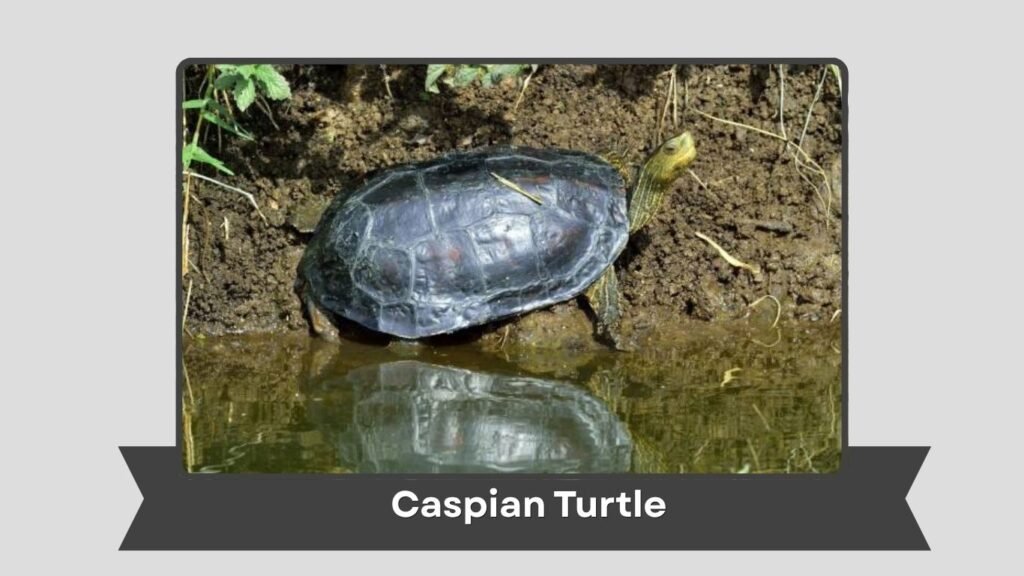
The Caspian Turtle is a freshwater terrapin native to the Middle East and parts of Asia. It is known for its striped shell patterns, active swimming behavior, and adaptability to different aquatic habitats. This species is commonly found in warm freshwater environments with access to basking areas and vegetation.
Identification
- Scientific Name: Mauremys caspica
- Shell Color: Olive, brown, or dark green with yellow markings
- Average Length: 6–10 inches
- Weight: Around 1–3 pounds
- Smooth and slightly flattened shell
- Yellow stripes appear on the head and neck
- Webbed feet help with swimming
Habitat
Caspian Turtles live in ponds, lakes, canals, marshes, and slow-moving rivers across the Middle East and nearby regions. They prefer freshwater habitats with muddy bottoms, aquatic plants, and sunny basking spots. These terrapins adapt well to both natural wetlands and human-made water systems.
Behaviors
Caspian Turtles are active during the daytime and spend much of their time swimming or basking in sunlight. They are alert and quickly dive into water when disturbed. During cooler weather, they may become less active and rest underwater or within muddy areas for protection.
Diet and Lifespan
Caspian Turtles are omnivores that eat aquatic plants, algae, insects, worms, snails, and small fish. Younger turtles often consume more protein, while adults eat a greater amount of plant material. Proper nutrition and clean water are important for their health. They can live between 25 and 40 years in suitable conditions.
13. Chinese Pond Turtle
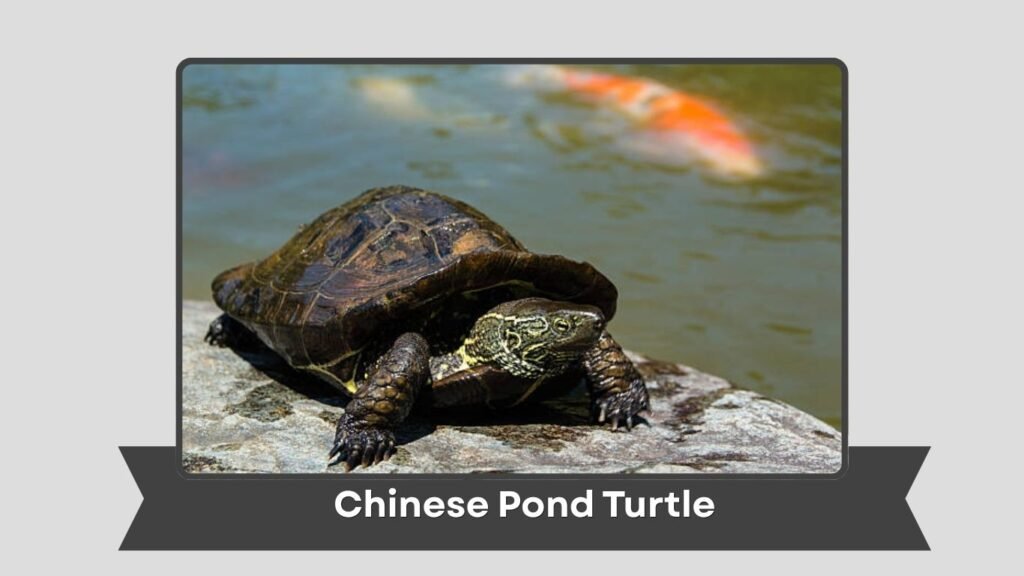
The Chinese Pond Turtle is a freshwater terrapin native to East Asia. It is popular for its calm nature, striped shell patterns, and adaptability to different aquatic habitats. This species is widely kept as a pet and is valued for its hardy behavior and attractive appearance in freshwater environments.
Identification
- Scientific Name: Mauremys reevesii
- Shell Color: Brown, olive, or black with lighter stripes
- Average Length: 5–10 inches
- Weight: Around 1–3 pounds
- Three raised ridges often appear on the shell
- Yellow lines are visible on the head and neck
- Webbed feet support strong swimming ability
Habitat
Chinese Pond Turtles live in ponds, marshes, rice fields, lakes, and slow-moving rivers across East Asia. They prefer freshwater habitats with muddy bottoms, aquatic plants, and sunny basking spots. This terrapin adapts well to both natural wetlands and human-made water systems with calm water conditions.
Behaviors
Chinese Pond Turtles are active swimmers that spend much of their day searching for food or basking in sunlight. They are generally calm but quickly retreat into water when threatened. During colder seasons, they may reduce activity and remain hidden in mud or underwater vegetation.
Diet and Lifespan
Chinese Pond Turtles are omnivores that eat aquatic plants, insects, worms, snails, fish, and small crustaceans. A balanced diet helps maintain healthy shell growth and overall health. Clean water and regular basking opportunities are important for their well-being. In suitable conditions, they can live between 20 and 40 years.
14. Reeves’s Turtle
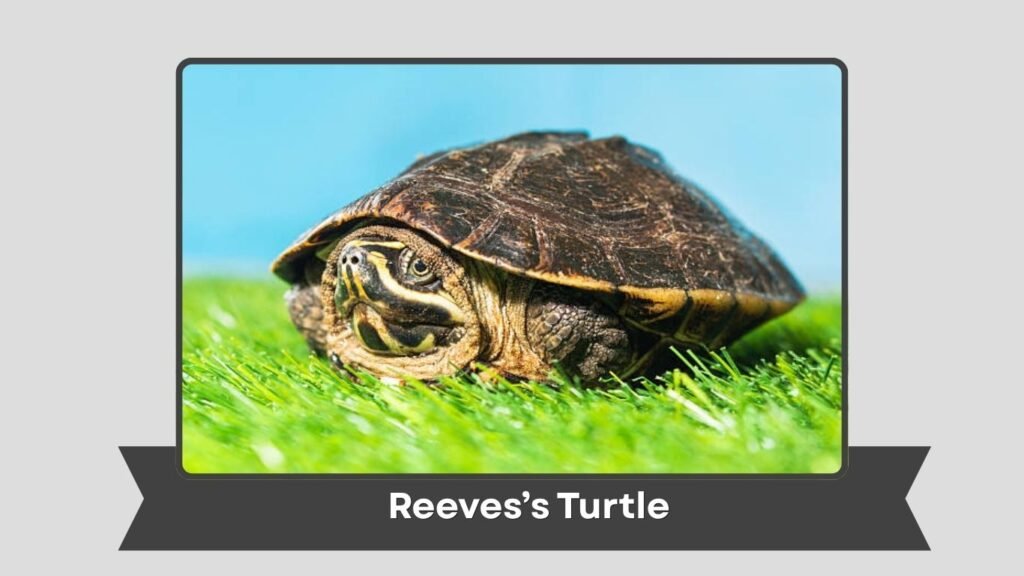
Reeves’s Turtle is a small freshwater terrapin native to China, Korea, and Japan. It is widely known for the three distinct ridges running along its shell and its calm temperament. This species adapts well to captivity and is commonly found in ponds, wetlands, and slow-moving freshwater habitats.
Identification
- Scientific Name: Mauremys reevesii
- Shell Color: Dark brown, olive, or black
- Average Length: 4–9 inches
- Weight: Around 1–3 pounds
- Three raised ridges run along the shell
- Yellow or cream lines appear on the face and neck
- Webbed feet assist with swimming
Habitat
Reeves’s Turtles live in ponds, marshes, canals, rice fields, and slow-moving rivers across East Asia. They prefer freshwater habitats with muddy bottoms, aquatic plants, and sunny basking areas. These terrapins can adapt to both natural wetlands and human-made water systems with calm and shallow water.
Behaviors
Reeves’s Turtles are generally calm and active during the daytime. They spend much of their time swimming, basking, and searching for food. When threatened, they quickly retreat into water or hide in mud and vegetation. During colder weather, they may become inactive and rest underwater for long periods.
Diet and Lifespan
Reeves’s Turtles are omnivores that eat insects, worms, snails, fish, aquatic plants, and algae. Younger turtles often consume more animal protein, while adults eat more plant matter. A balanced diet and clean water are important for healthy growth. With proper care, they can live between 20 and 40 years.
15. Florida Red-Bellied Turtle
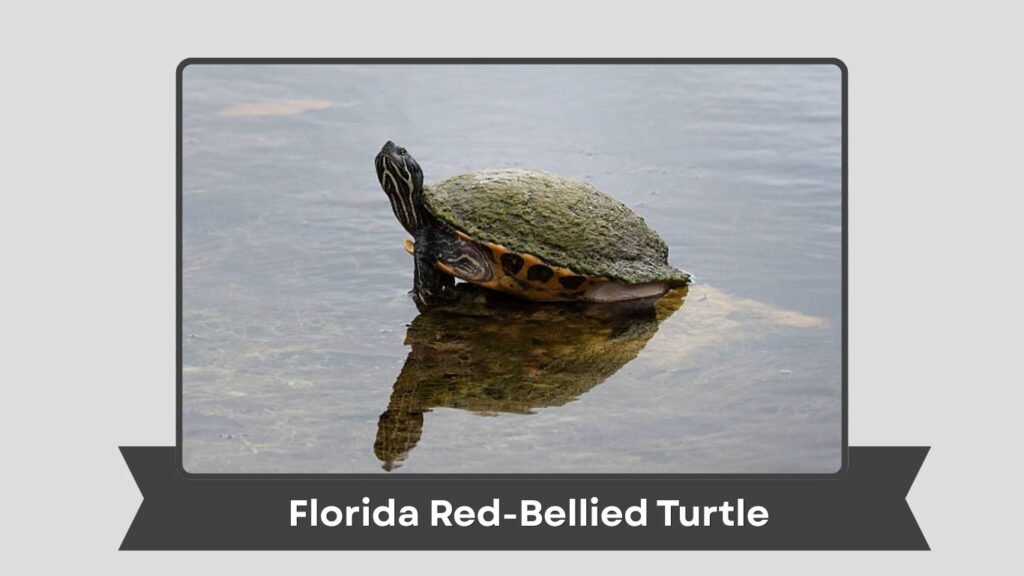
The Florida Red-Bellied Turtle is a large freshwater terrapin native to the southeastern United States. It is known for the reddish color on the underside of its shell and its strong swimming ability. This species is commonly found in warm freshwater habitats with abundant vegetation and sunny basking areas.
Identification
- Scientific Name: Pseudemys nelsoni
- Shell Color: Dark brown or black with red and yellow markings
- Average Length: 8–15 inches
- Weight: Around 4–10 pounds
- Reddish or orange plastron beneath the shell
- Yellow stripes appear on the head and neck
- Webbed feet designed for efficient swimming
Habitat
Florida Red-Bellied Turtles live in ponds, lakes, marshes, canals, and slow-moving rivers in the southeastern United States. They prefer freshwater habitats with dense aquatic vegetation and plenty of basking spots such as logs or rocks. Warm water and calm environments support their feeding and nesting activities.
Behaviors
Florida Red-Bellied Turtles are active during the daytime and spend much of their time swimming or basking in sunlight. They are social baskers and are often seen resting together on logs. When disturbed, they quickly slide into the water and hide among vegetation or muddy areas.
Diet and Lifespan
Florida Red-Bellied Turtles are mostly herbivores that feed on aquatic plants, algae, grasses, and fruits. They may occasionally eat insects or small aquatic animals. A balanced diet and clean water are essential for healthy shell development and growth. In suitable conditions, they can live between 30 and 50 years.
16. Ouachita Map Turtle
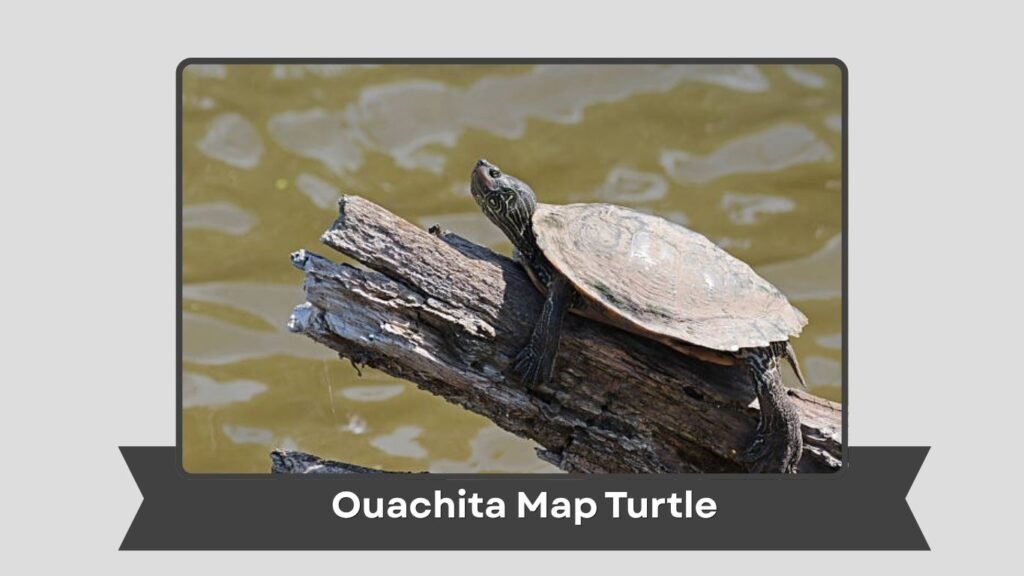
The Ouachita Map Turtle is a freshwater terrapin native to the central United States. It gets its name from the map-like lines and patterns covering its shell. This species is known for its excellent swimming ability and preference for rivers with strong currents and abundant basking areas.
Identification
- Scientific Name: Graptemys ouachitensis
- Shell Color: Olive, brown, or green with map-like markings
- Average Length: 5–10 inches
- Weight: Around 1–5 pounds
- Shell has a small raised ridge along the center
- Yellow markings appear on the head and neck
- Webbed feet support strong swimming skills
Habitat
Ouachita Map Turtles live in rivers, lakes, reservoirs, and large streams across the central United States. They prefer freshwater habitats with flowing water, submerged logs, and rocky basking spots. These terrapins are commonly found in areas with clean water and plenty of aquatic vegetation.
Behaviors
Ouachita Map Turtles are active swimmers and spend much of their time basking in sunlight on logs or rocks. They are cautious animals and quickly dive into the water when approached. This species is most active during warm daylight hours and often gathers in groups while basking.
Diet and Lifespan
Ouachita Map Turtles are omnivores that eat insects, snails, crayfish, fish, and aquatic plants. Females, with their stronger jaws, often consume more hard-shelled prey. Proper nutrition and clean water help maintain healthy shell growth and overall health. In suitable conditions, they can live between 20 and 40 years.
17. Mississippi Map Turtle
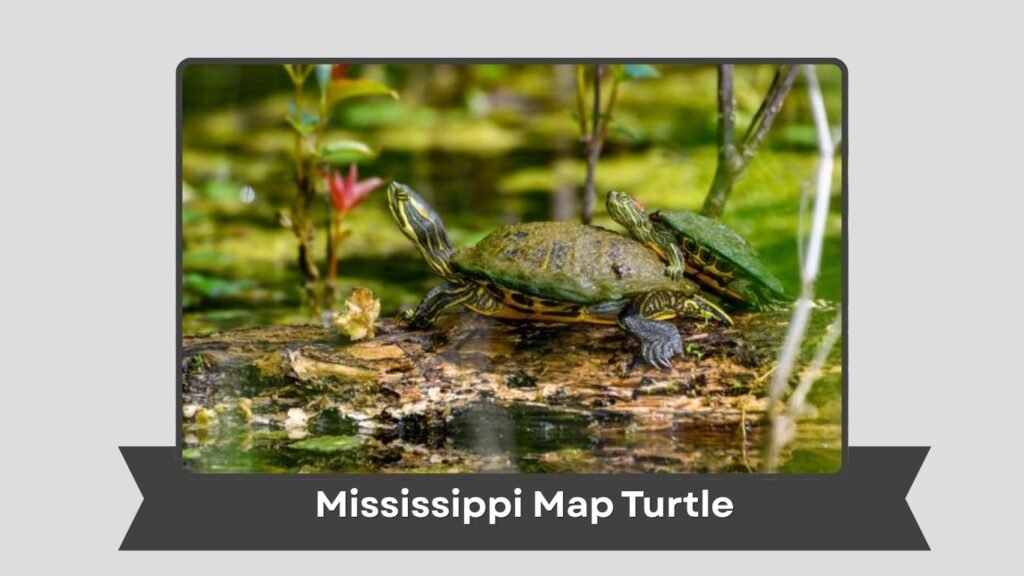
The Mississippi Map Turtle is a freshwater terrapin native to the central United States. It is famous for the map-like markings on its shell and the distinctive yellow spot behind each eye. This species is an excellent swimmer and is commonly found in large rivers and freshwater habitats with strong currents.
Identification
- Scientific Name: Graptemys pseudogeographica kohnii
- Shell Color: Olive or brown with map-like patterns
- Average Length: 5–10 inches
- Weight: Around 1–5 pounds
- Yellow crescent-shaped spot behind each eye
- Shell has a raised central ridge
- Webbed feet adapted for swimming
Habitat
Mississippi Map Turtles live in rivers, lakes, reservoirs, and large streams throughout the central United States. They prefer freshwater habitats with flowing water, submerged logs, and sunny basking spots. Clean water and abundant aquatic vegetation help support their feeding and nesting activities.
Behaviors
Mississippi Map Turtles are active during the daytime and spend much of their time basking on rocks or logs. They are shy and quickly jump into the water when disturbed. These terrapins are strong swimmers and often remain close to deeper water areas for safety and feeding.
Diet and Lifespan
Mississippi Map Turtles are omnivores that eat insects, snails, crayfish, fish, and aquatic plants. Females often consume more hard-shelled prey because of their stronger jaws. A healthy diet and clean aquatic habitat are important for growth and shell health. In suitable conditions, they can live between 20 and 35 years.
18. False Map Turtle
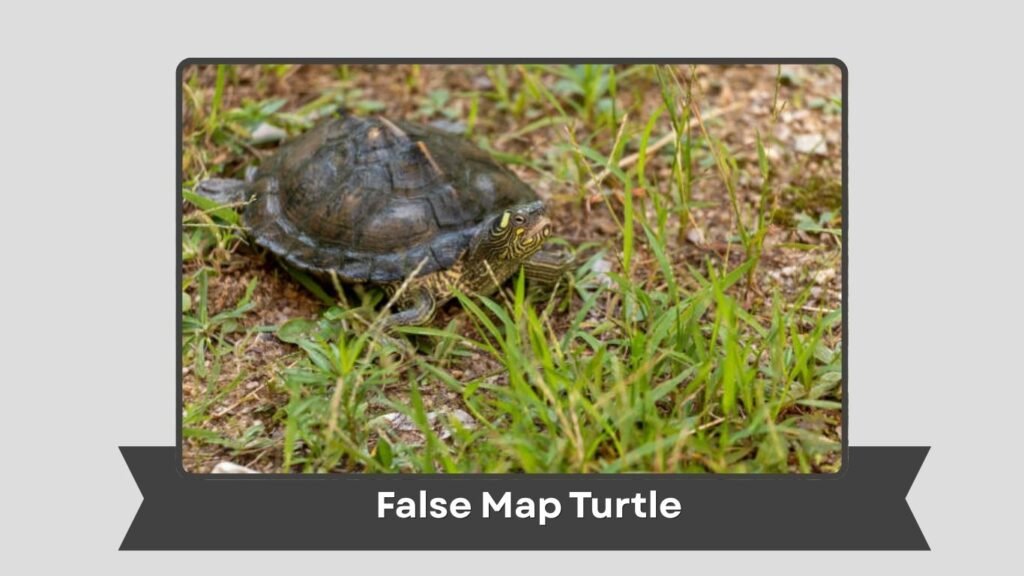
The False Map Turtle is a freshwater terrapin native to the United States. It closely resembles other map turtle species because of the detailed map-like markings on its shell. This terrapin is known for its strong swimming ability, shy behavior, and preference for clean rivers and large freshwater habitats.
Identification
- Scientific Name: Graptemys pseudogeographica
- Shell Color: Olive, brown, or green with map-like patterns
- Average Length: 4–10 inches
- Weight: Around 1–4 pounds
- Shell has a raised ridge along the center
- Yellow stripes appear on the head and neck
- Webbed feet help with swimming in strong currents
Habitat
False Map Turtles live in rivers, lakes, reservoirs, and large streams throughout parts of the United States. They prefer freshwater habitats with flowing water, submerged logs, and rocky basking areas. These terrapins are commonly found in areas with clean water and abundant aquatic vegetation.
Behaviors
False Map Turtles are active swimmers and spend much of their time basking on rocks or logs in sunlight. They are shy animals and quickly dive into the water when disturbed. This species is usually active during the daytime and often gathers with other turtles in basking areas.
Diet and Lifespan
False Map Turtles are omnivores that eat insects, snails, crayfish, fish, and aquatic plants. Females often consume larger hard-shelled prey due to their stronger jaws. A balanced diet and clean water help maintain healthy growth and shell condition. In suitable environments, they can live between 20 and 40 years.
19. Cumberland Slider
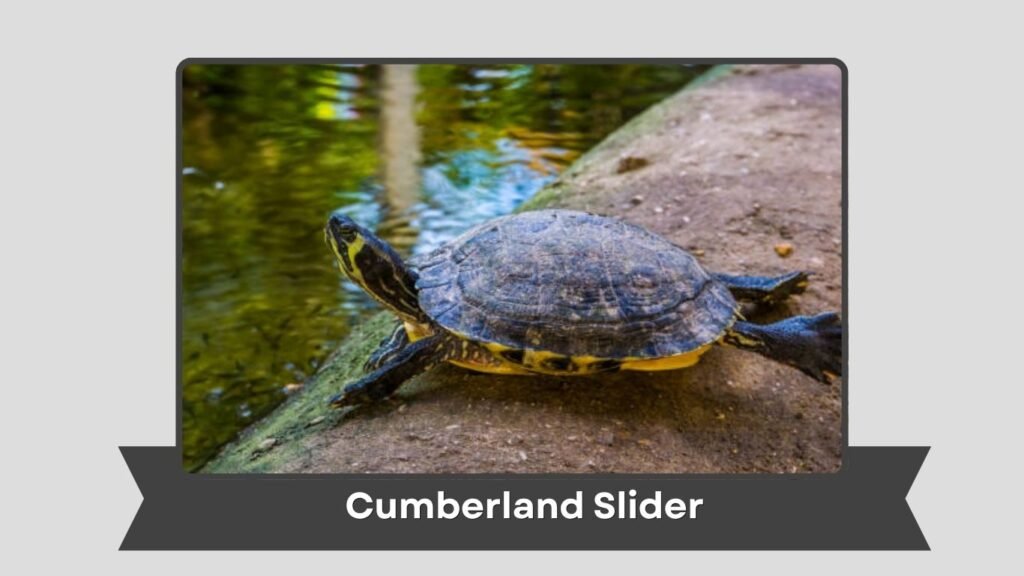
The Cumberland Slider is a freshwater terrapin native to the southeastern United States. It is closely related to the Red-Eared Slider but can be identified by the yellow markings on the sides of its head. This species is popular for its active behavior, colorful shell patterns, and adaptability to different freshwater habitats.
Identification
- Scientific Name: Trachemys scripta troostii
- Shell Color: Olive, brown, or green with yellow patterns
- Average Length: 7–11 inches
- Weight: Around 2–5 pounds
- Yellow stripes appear on the head and neck
- Smooth shell with circular markings
- Webbed feet designed for swimming
Habitat
Cumberland Sliders live in ponds, lakes, marshes, rivers, and slow-moving streams in the southeastern United States. They prefer freshwater habitats with warm water, aquatic plants, and sunny basking areas. Logs, rocks, and muddy banks provide important resting and basking spots for this species.
Behaviors
Cumberland Sliders are active during the daytime and spend much of their time swimming, basking, and searching for food. They are social baskers and are often seen resting together on logs or rocks. When frightened, they quickly slide into the water and hide among vegetation or mud.
Diet and Lifespan
Cumberland Sliders are omnivores that eat aquatic plants, algae, insects, snails, worms, and small fish. Younger turtles consume more protein, while adults eat more plant material. Proper nutrition and clean water help maintain healthy shell growth. In suitable conditions, they can live between 20 and 40 years.
20. Yellow-Bellied Slider
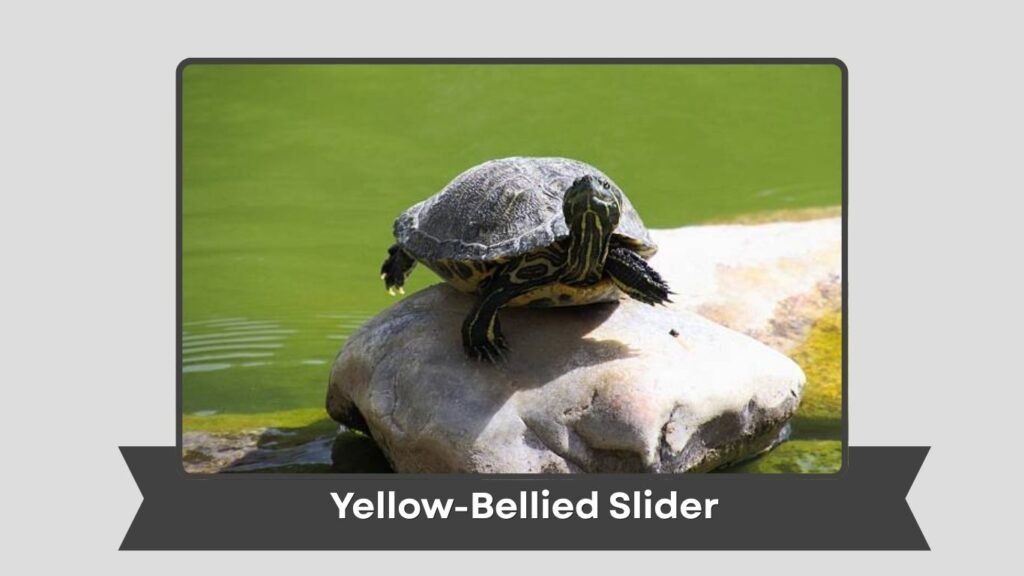
The Yellow-Bellied Slider is a freshwater terrapin commonly found in the southeastern United States. It is known for the bright yellow markings on its body and the yellow underside of its shell. This species is highly active, enjoys basking in sunlight, and adapts well to different freshwater environments.
Identification
- Scientific Name: Trachemys scripta scripta
- Shell Color: Olive, brown, or dark green with yellow markings
- Average Length: 8–13 inches
- Weight: Around 2–6 pounds
- Bright yellow plastron beneath the shell
- Yellow stripes appear on the head and legs
- Webbed feet support strong swimming ability
Habitat
Yellow-Bellied Sliders live in ponds, lakes, marshes, swamps, and slow-moving rivers. They prefer freshwater habitats with warm temperatures, abundant vegetation, and easy access to basking areas like logs or rocks. These terrapins are commonly found in calm waters with muddy bottoms and plenty of sunlight.
Behaviors
Yellow-Bellied Sliders are active during the daytime and spend long periods basking in sunlight to regulate body temperature. They are strong swimmers and quickly dive into the water when disturbed. This species is social and is often seen basking in groups on logs or riverbanks.
Diet and Lifespan
Yellow-Bellied Sliders are omnivores that eat aquatic plants, algae, insects, worms, snails, and small fish. Younger turtles usually consume more protein, while adults eat more vegetation. Clean water and a balanced diet are important for shell and bone health. In suitable environments, they can live between 20 and 40 years.
21. Spotted Turtle
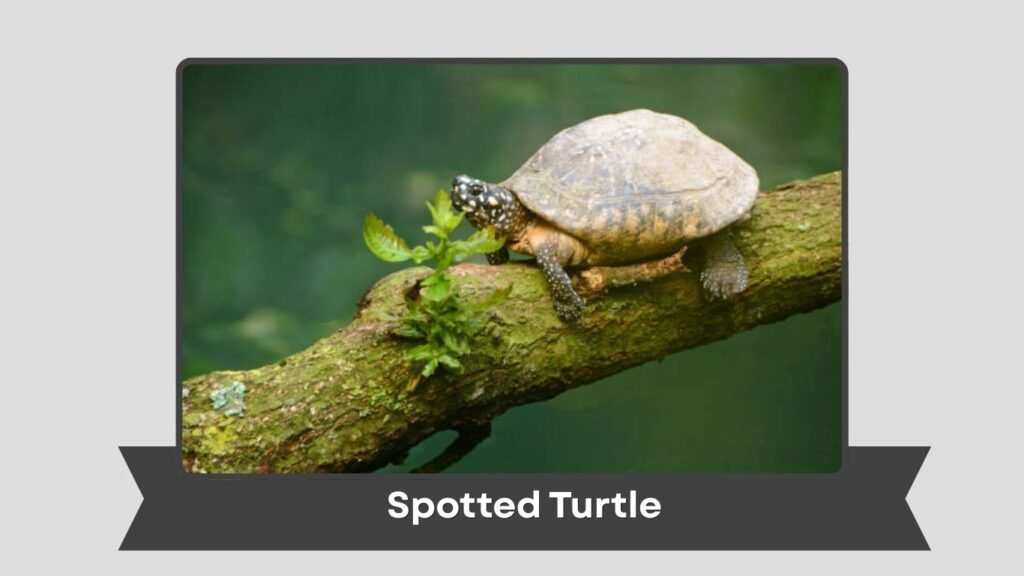
The Spotted Turtle is a small freshwater terrapin native to North America. It is easily recognized by the bright yellow spots scattered across its dark shell. This species is admired for its beautiful appearance, gentle behavior, and preference for clean wetland habitats with shallow water and dense vegetation.
Identification
- Scientific Name: Clemmys guttata
- Shell Color: Black or dark brown with yellow spots
- Average Length: 3–5 inches
- Weight: Around 0.5–1 pound
- Smooth and slightly domed shell
- Bright yellow markings appear on the head and limbs
- Webbed feet help with swimming
Habitat
Spotted Turtles live in marshes, bogs, ponds, wetlands, and shallow streams throughout parts of North America. They prefer clean freshwater habitats with soft mud, aquatic plants, and sunny basking areas. These terrapins are commonly found in calm environments where dense vegetation provides shelter and protection.
Behaviors
Spotted Turtles are active during the daytime and spend time swimming, basking, and searching for food. They are generally shy and quickly hide underwater or among plants when disturbed. During colder months, they may bury themselves in mud and remain inactive until temperatures become warmer.
Diet and Lifespan
Spotted Turtles are omnivores that feed on insects, worms, snails, aquatic plants, and small crustaceans. A varied diet supports healthy shell development and overall growth. Clean water and proper basking conditions are important for their health. In suitable environments, Spotted Turtles can live between 25 and 50 years.
22. Wood Turtle
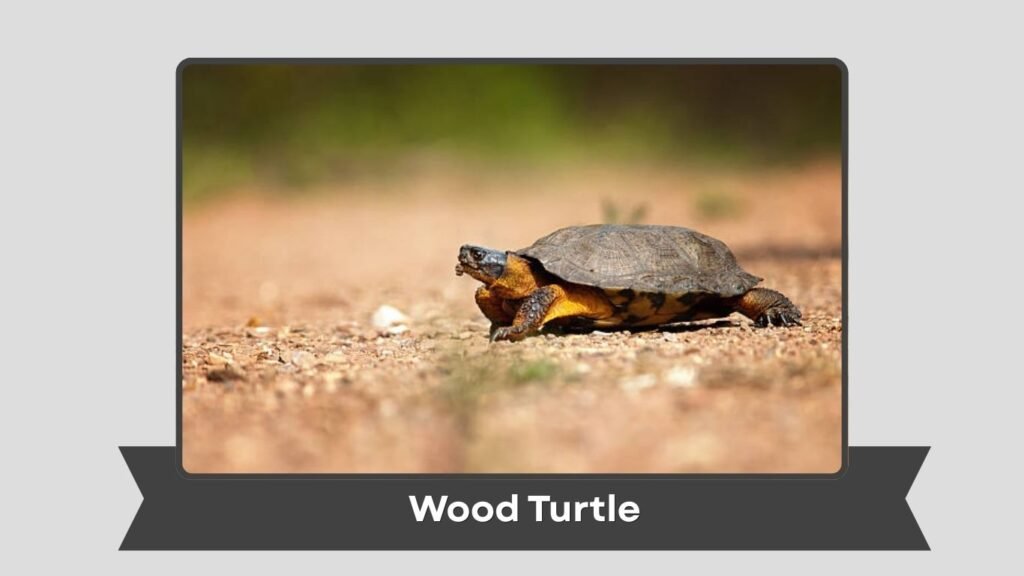
The Wood Turtle is a semi-aquatic terrapin native to North America. It is known for its rough, sculpted shell and intelligent behavior. This species spends time both in water and on land, often exploring forests, meadows, and streams in search of food and shelter.
Identification
- Scientific Name: Glyptemys insculpta
- Shell Color: Brown, gray, or dark tan
- Average Length: 5–9 inches
- Weight: Around 1–3 pounds
- Shell has raised, pyramid-like patterns
- Legs may show orange or reddish coloring
- Strong claws help with walking on land
Habitat
Wood Turtles live in streams, rivers, wetlands, forests, and grassy meadows throughout parts of North America. They prefer clean freshwater habitats with sandy or muddy banks and nearby vegetation. Unlike many aquatic turtles, they often spend large amounts of time exploring land areas close to water sources.
Behaviors
Wood Turtles are active, curious, and known for their strong movement on land. They spend time basking, swimming, and searching for food in forests and shallow water. During colder months, they usually remain underwater in streams or rivers to survive winter conditions safely.
Diet and Lifespan
Wood Turtles are omnivores that eat insects, worms, berries, mushrooms, aquatic plants, and small invertebrates. Their varied diet helps support healthy growth and shell condition. Clean habitats and balanced nutrition are important for long-term survival. In suitable conditions, Wood Turtles can live between 40 and 60 years.
23. Bog Turtle
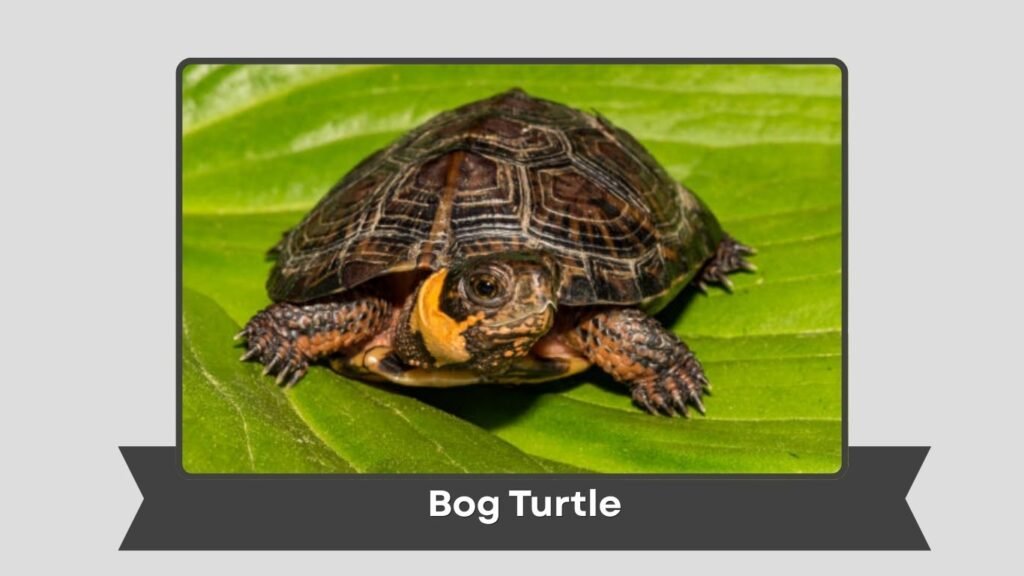
The Bog Turtle is the smallest turtle species in North America and is known for its shy nature and rare status. It lives in wetland habitats with soft mud and dense vegetation. Due to habitat destruction and illegal collection, this terrapin is considered critically endangered in many areas.
Identification
- Scientific Name: Glyptemys muhlenbergii
- Shell Color: Dark brown or black
- Average Length: 3–4.5 inches
- Weight: Around 0.2–0.5 pounds
- Bright orange or yellow patch behind each eye
- Smooth and slightly domed shell
- Small webbed feet adapted for wetland movement
Habitat
Bog Turtles live in marshes, bogs, wet meadows, and spring-fed wetlands in eastern North America. They prefer shallow water with muddy soil and thick vegetation for hiding and nesting. These habitats provide important shelter, basking spots, and feeding areas necessary for their survival.
Behaviors
Bog Turtles are shy and secretive animals that spend much of their time hidden in mud or vegetation. They are active during warm daylight hours and often bask in sunlight near shallow water. During winter, they remain buried in mud or underwater to survive cold temperatures.
Diet and Lifespan
Bog Turtles are omnivores that feed on insects, worms, snails, seeds, berries, and aquatic plants. A balanced diet helps support healthy shell growth and overall health. Clean wetlands and proper environmental conditions are important for their survival. In suitable habitats, Bog Turtles can live between 20 and 40 years.
24. Chicken Turtle
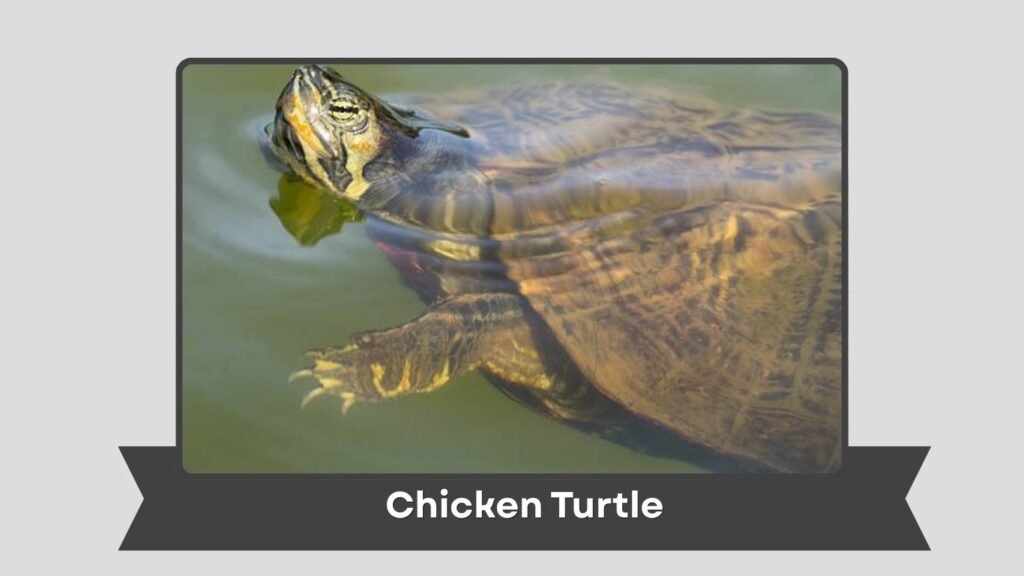
The Chicken Turtle is a freshwater terrapin native to the southeastern United States. It is known for its unusually long neck and smooth shell. This species gets its name from the taste of its meat, which was once compared to chicken. It prefers calm freshwater habitats with abundant vegetation.
Identification
- Scientific Name: Deirochelys reticularia
- Shell Color: Olive, brown, or dark green with net-like patterns
- Average Length: 4–10 inches
- Weight: Around 1–3 pounds
- Long neck compared to most turtles
- Yellow stripes appear on the head and neck
- Webbed feet designed for swimming
Habitat
Chicken Turtles live in ponds, marshes, swamps, ditches, and slow-moving freshwater habitats. They prefer shallow water with muddy bottoms and dense aquatic vegetation. These terrapins are often found in calm wetlands where basking spots and soft soil provide suitable conditions for feeding and nesting.
Behaviors
Chicken Turtles are active swimmers and spend much of their time searching for food in shallow water. They are shy and quickly escape into vegetation when disturbed. Unlike many turtles, they may travel across land more frequently, especially during seasonal movements between water sources.
Diet and Lifespan
Chicken Turtles are omnivores that feed on insects, crayfish, fish, tadpoles, aquatic plants, and small invertebrates. Their long neck helps them catch prey efficiently in water. A balanced diet and clean habitat are important for healthy growth. In suitable conditions, they can live between 15 and 30 years.
25. Eastern Mud Turtle
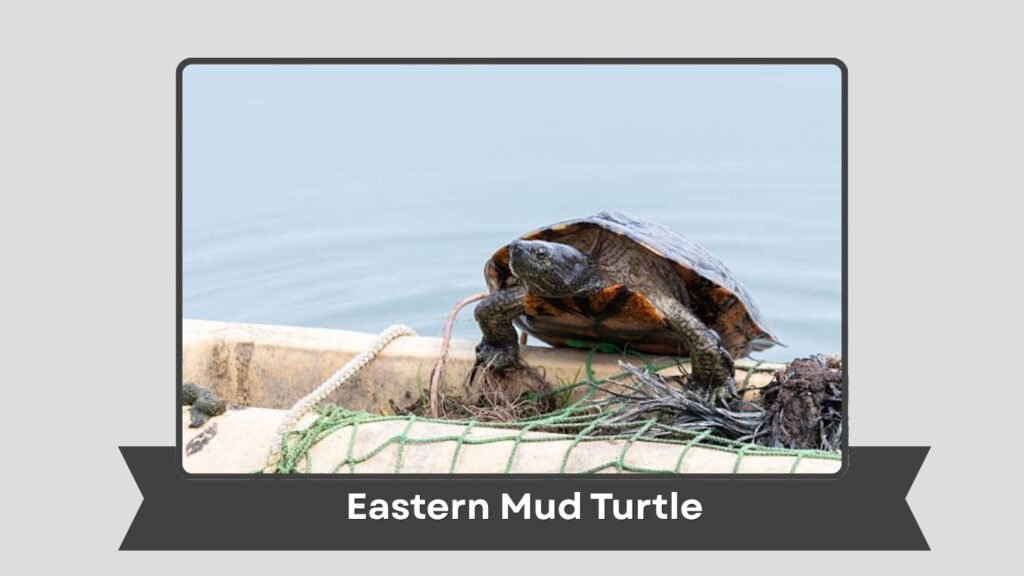
The Eastern Mud Turtle is a small freshwater terrapin native to the eastern and southern United States. It is known for its smooth shell, strong musk scent used for defense, and ability to adapt to different wetland habitats. This species spends much of its time in shallow water or muddy environments.
Identification
- Scientific Name: Kinosternon subrubrum
- Shell Color: Brown, olive, or black
- Average Length: 3–5 inches
- Weight: Around 0.5–1 pound
- Smooth and rounded shell
- Hinged plastron offers extra protection
- Small webbed feet help with swimming and walking
Habitat
Eastern Mud Turtles live in ponds, marshes, swamps, ditches, and slow-moving streams throughout the eastern United States. They prefer shallow freshwater habitats with muddy bottoms and dense vegetation. These terrapins are commonly found in calm wetlands where soft mud provides shelter and protection.
Behaviors
Eastern Mud Turtles are generally shy and spend much of their time walking along muddy bottoms in search of food. They are active during warm weather and may bask occasionally in sunlight. When threatened, they release a strong musky odor as a defense against predators.
Diet and Lifespan
Eastern Mud Turtles are omnivores that eat insects, worms, snails, crustaceans, aquatic plants, and small fish. A varied diet supports healthy shell growth and overall health. Clean water and proper habitat conditions are important for survival. In suitable environments, Eastern Mud Turtles can live between 20 and 40 years.
FAQs
What is the difference between a terrapin and a turtle?
Terrapins are a type of turtle that usually live in brackish or freshwater habitats such as marshes, ponds, and rivers. Most turtles can live in oceans, freshwater, or on land depending on the species. Terrapins are generally semi-aquatic and spend time both in water and on land.
What do terrapins eat?
Most terrapins are omnivores and eat a mixture of aquatic plants, insects, snails, worms, fish, and small crustaceans. Their diet may change with age, as younger terrapins often eat more protein while adults consume more vegetation and aquatic plants.
How long do terrapins live?
Terrapins can live for many years when provided with proper care and a healthy habitat. Depending on the species, their lifespan usually ranges from 20 to 60 years. Factors such as diet, clean water, temperature, and protection from predators affect their longevity.
Do terrapins need sunlight?
Yes, terrapins require sunlight or UVB lighting to maintain healthy bones and shells. Sunlight helps them produce vitamin D3, which allows proper calcium absorption. Without enough UVB exposure, terrapins may develop weak shells, poor growth, and other health problems.
Can terrapins be kept as pets?
Yes, many terrapin species are commonly kept as pets because of their interesting behaviors and colorful appearance. They require clean water, proper filtration, basking areas, UVB lighting, and a balanced diet. Some species grow quite large and need spacious aquatic habitats for long-term care.