
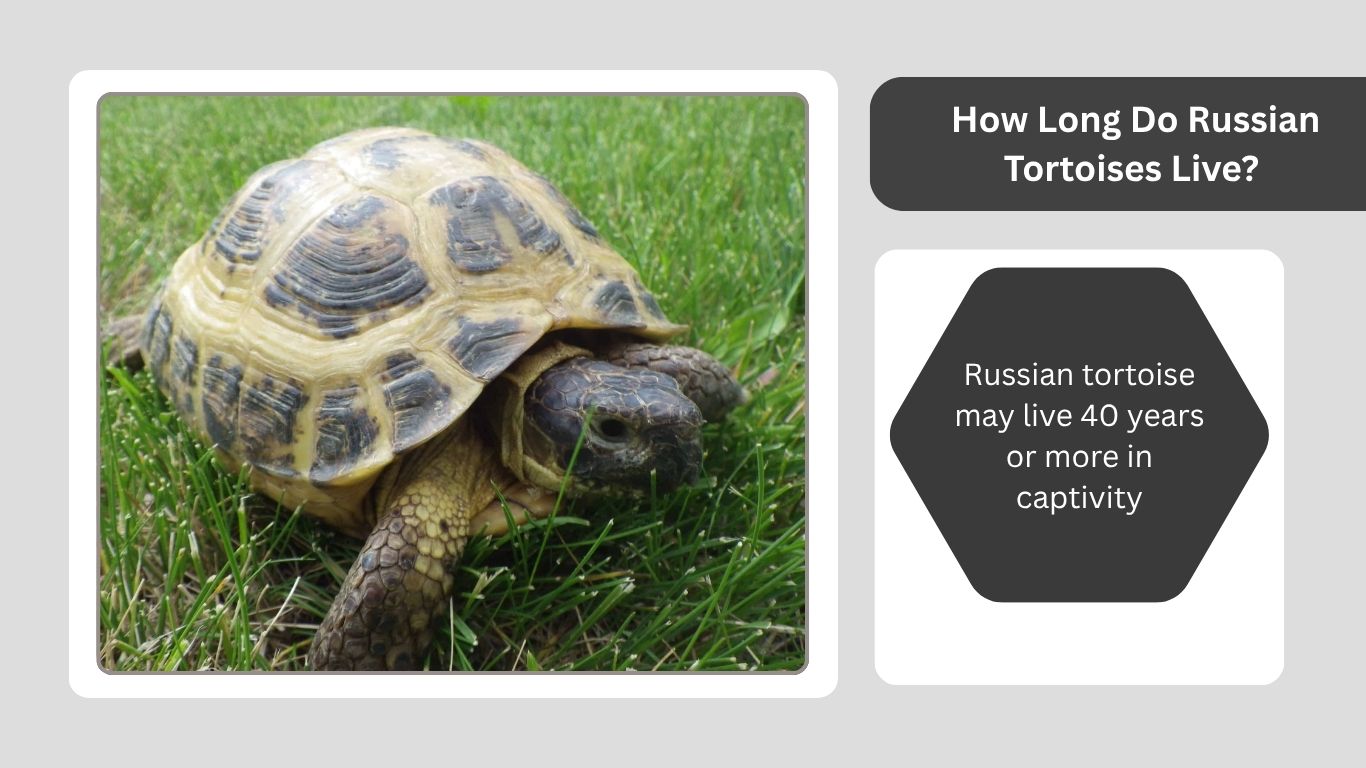
Russian tortoises are long-lived reptiles, and many can stay with their owners for decades. With proper care, a healthy Russian tortoise may live 40 years or more in captivity. Their lifespan depends on diet, lighting, enclosure size, temperature, hydration, and stress level. This guide explains how long Russian tortoises live and what helps them reach a healthy old age.
How Long Do Russian Tortoises Live?
Russian tortoises are known for their impressive lifespan. In good conditions, they can live much longer than many common pets. A well-cared-for Russian tortoise can become a lifelong companion, so new owners should understand the long-term commitment before bringing one home.
Most Russian tortoises live 30 to 50 years in captivity when they receive proper care. Some may live even longer with excellent housing, nutrition, and veterinary support. In the wild, their lifespan may be shorter because of predators, harsh weather, food shortages, parasites, and injury.
| Living Condition | Average Lifespan | Main Factors |
| Poor captive care | 10–20 years | Wrong diet, weak lighting, small enclosure |
| Good captive care | 30–50 years | Proper UVB, diet, heat, space, hydration |
| Excellent captive care | 50+ years | Long-term stable care and low stress |
| Wild habitat | Often shorter | Predators, climate, disease, food shortage |
Russian Tortoise Lifespan in Captivity
In captivity, Russian tortoises often live longer than they would in the wild because they are protected from predators and extreme conditions. However, captivity only helps when the care is correct. A tortoise kept in a small tank with poor lighting and the wrong food may become sick early.
A healthy captive Russian tortoise needs strong UVB lighting, a warm basking area, cool hiding areas, dry substrate, and a high-fiber diet. Long lifespan is not only about age. A tortoise should also stay active, eat well, walk normally, and maintain a strong shell.
Russian Tortoise Lifespan in the Wild
In the wild, Russian tortoises live in dry grasslands, rocky areas, and semi-desert regions of Central Asia. They are adapted to harsh climates, but wild life brings many risks. Young tortoises are especially vulnerable to predators.
Adult Russian tortoises are tough, but they may still face drought, injury, parasites, and limited food. Their natural burrowing behavior helps them escape heat and cold. Even so, wild conditions are less predictable than a well-managed captive enclosure.
How Old Can a Russian Tortoise Get?
A Russian tortoise can reach several decades of age. Many pet Russian tortoises live into their 30s or 40s, and some may pass 50 years with excellent care. Because of this, buying or adopting one should never be treated as a short-term choice.
Owners should plan for long-term housing, future care costs, and possible changes in life situation. A Russian tortoise may outlive other pets and may need care arrangements if the owner can no longer look after it.
What Helps Russian Tortoises Live Longer?
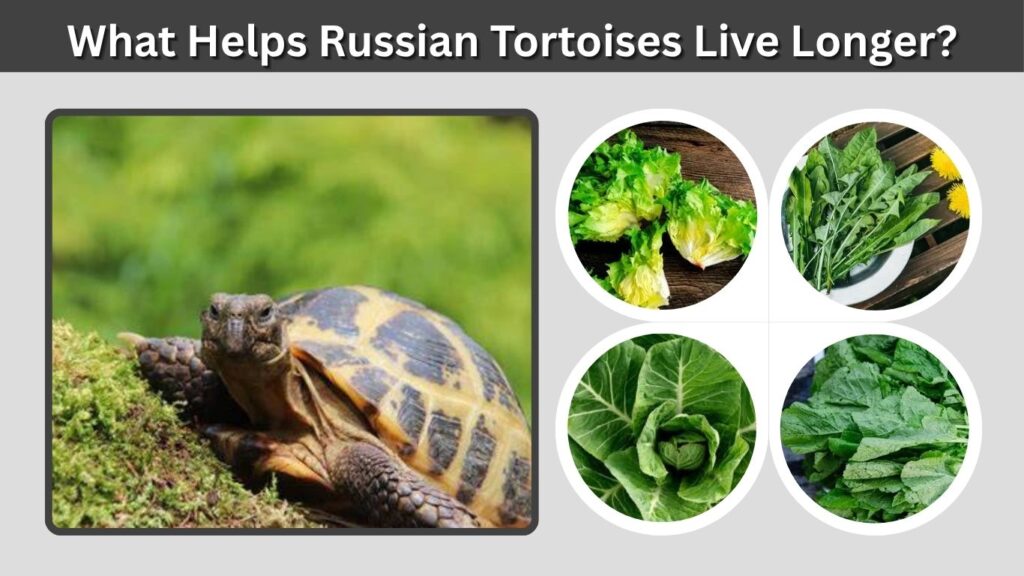
A long life depends on consistent care. Russian tortoises are hardy, but they are not maintenance-free. Many health problems come from small mistakes that continue for months or years. Good daily care helps prevent shell problems, weak bones, poor digestion, and stress.
Proper Diet
Russian tortoises need a high-fiber, low-sugar diet. Their natural diet is based on weeds, grasses, leaves, and flowers. They should not eat fruit regularly because sugary foods can upset digestion.
Good food choices include:
- Dandelion greens
- Plantain leaves
- Clover
- Mulberry leaves
- Hibiscus leaves and flowers
- Turnip greens
- Mustard greens
- Collard greens
- Safe pesticide-free weeds
- Timothy hay or orchard grass for added fiber
Avoid feeding too much lettuce with low nutrition. Also avoid dog food, cat food, bread, meat, dairy, and processed foods. These foods can damage the digestive system and shorten the tortoise’s life.
UVB Light and Heat
UVB lighting is one of the most important parts of Russian tortoise care. UVB helps the tortoise use calcium properly. Without it, the tortoise may develop weak bones, soft shell problems, and serious illness.
A basking area is also needed. Russian tortoises use heat to digest food and stay active. If the enclosure is too cold, the tortoise may stop eating or become weak. If it is too hot without a cool area, it can become stressed or dehydrated.
The enclosure should have a warm basking side and a cooler side. This allows the tortoise to move around and regulate body temperature naturally.
Space and Exercise
Russian tortoises are active walkers and diggers. A small glass tank is usually not ideal for long-term care. Even though they are small tortoises, they need a large floor area to explore.
A cramped enclosure can cause stress, pacing, poor muscle condition, and boredom. A larger setup allows natural movement, grazing, hiding, and burrowing. Exercise supports healthy weight, strong legs, better digestion, and mental stimulation.
Outdoor pens can be excellent when the weather is safe, but they must be secure. Russian tortoises can dig, climb, and squeeze through gaps. A safe outdoor enclosure should protect them from predators, escape, pesticides, and extreme temperatures.
Can Russian Tortoises Live Outside?
Russian tortoises can live outside in some climates, but only when conditions are safe. Outdoor living can be very beneficial because it provides natural sunlight, fresh air, exercise, and grazing. However, not every location is suitable year-round.
Outdoor Living Requirements
A Russian tortoise can live outside when the enclosure is dry, secure, and temperature-safe. The area must have sunny basking spots, shaded retreats, hiding areas, and safe soil for digging. It should not stay wet or muddy for long periods.
Important outdoor needs include:
- Predator-proof fencing
- Dig-proof enclosure edges
- Safe plants and weeds
- No pesticides or herbicides
- Shaded hiding areas
- Dry shelter from rain
- Access to clean water
- Protection from overheating
- Protection from cold nights
Outdoor living is not safe if the tortoise cannot escape heat, cold, flooding, or predators. Owners should check outdoor tortoises daily.
Can Russian Tortoises Live Outside in Florida?
A Russian tortoise may spend time outside in Florida, but full-time outdoor living can be difficult because Florida is often humid and wet. Russian tortoises come from dry habitats, so constant damp conditions can increase the risk of shell and respiratory problems.
A dry, raised, well-drained outdoor pen is important. During heavy rain, storms, extreme heat, or cold snaps, the tortoise may need to come indoors. Florida owners should be extra careful with drainage, shade, and humidity control.
Can Russian Tortoises Live in Cold Weather?
Russian tortoises can tolerate cooler seasons better than many reptiles, but they should not be exposed to unsafe cold. In nature, they may burrow and go through seasonal dormancy. In captivity, cold weather must be managed carefully.
Do not leave a Russian tortoise outside during freezing weather without expert preparation. Unsafe cold can cause illness or death. If brumation is planned, it should be done only with a healthy tortoise and proper guidance.
Can Russian Tortoises Live Together?
Russian tortoises do not need companions to be healthy. In fact, many do best when housed alone. They are not social animals like dogs or rabbits. Keeping more than one can lead to stress, bullying, fighting, and food competition.
Can Two Russian Tortoises Live Together?
Two Russian tortoises may live together only in a very large enclosure with careful monitoring. Even then, problems can happen. One tortoise may dominate the best basking spot, push the other away from food, or constantly follow it.
Signs of bullying include:
- One tortoise hiding all the time
- One tortoise not eating well
- Repeated biting or ramming
- Constant chasing
- One tortoise sitting on top of another
- Shell or leg injuries
- Weight loss
- Stress pacing
If these signs appear, the tortoises should be separated. A peaceful-looking pair can still have hidden stress.
Can Male Russian Tortoises Live Together?
Two male Russian tortoises should usually not live together. Males can be territorial and may fight. They may ram, bite, chase, or flip each other over. These behaviors can cause injuries and long-term stress.
Even if two males seem calm at first, problems may appear later as they mature. Housing males separately is the safest choice.
Can Two Female Russian Tortoises Live Together?
Two females may be easier than two males, but it is still not guaranteed. Female Russian tortoises can also become dominant. They may compete for food, space, and basking areas.
If two females are kept together, the enclosure must be very large with multiple hides, feeding areas, and basking spots. Owners should watch their weight and behavior closely. If one becomes stressed, separation is needed.
Can Russian Tortoises Live With Other Animals?
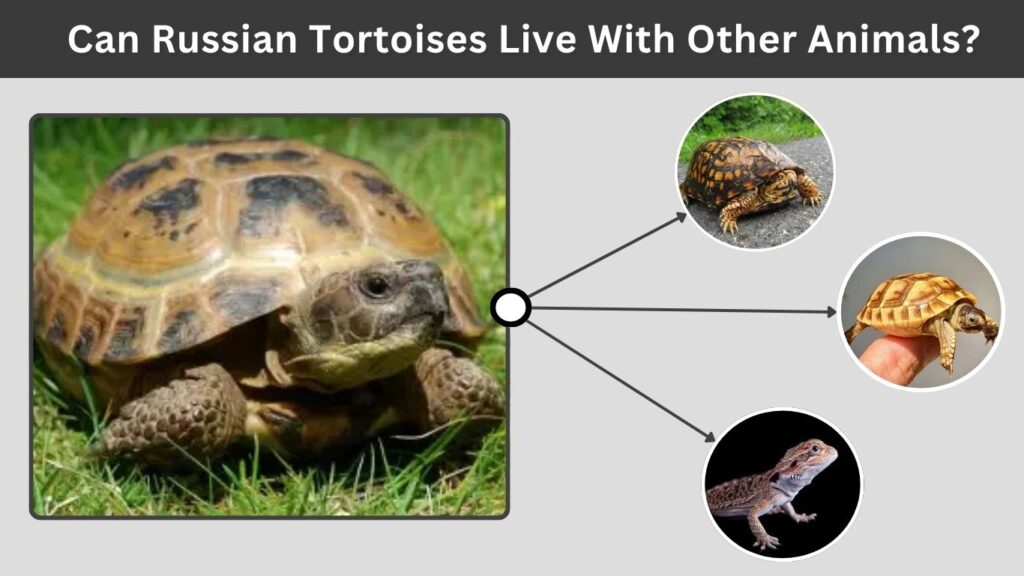
Russian tortoises should not live with other reptile species or household pets. Different species have different temperature, humidity, diet, and disease risks. Mixing animals may look interesting, but it usually creates more danger than benefit.
Can a Russian Tortoise Live With a Bearded Dragon?
A Russian tortoise should not live with a bearded dragon. Bearded dragons and Russian tortoises have different care needs, diets, behaviors, and disease risks. A bearded dragon needs a different setup, and the animals may stress or injure each other.
They may also carry germs or parasites that affect the other species. Even if they seem calm, sharing an enclosure is not a good idea.
Can a Russian Tortoise Live With a Box Turtle?
A Russian tortoise should not live with a box turtle. Box turtles usually need more humidity and different habitat conditions. Russian tortoises need a drier setup. Mixing them can lead to stress, illness, and poor care for one or both animals.
Different turtle and tortoise species should be housed separately. This is safer and makes it easier to provide the correct environment.
Can Russian and Greek Tortoises Live Together?
Russian and Greek tortoises should not be housed together. They may look similar in size, but they can have different needs and may spread illness between species. They may also fight or compete for space.
Each tortoise species should have its own enclosure. This reduces stress and helps owners control diet, temperature, humidity, and health monitoring.
How Long Can a Russian Tortoise Live Without Food?
A healthy adult Russian tortoise may survive for a period without food, especially if it is inactive or in a cooler season. However, this does not mean it is safe to withhold food. Long periods without eating can lead to weight loss, weakness, dehydration, and illness.
Short-Term Appetite Loss
A Russian tortoise may skip food for a short time because of stress, temperature changes, new enclosure conditions, or seasonal behavior. If the tortoise is alert, active, and hydrated, a short appetite drop may not be an emergency.
Common reasons for appetite loss include:
- Enclosure too cold
- New home stress
- Poor UVB lighting
- Wrong food choices
- Dehydration
- Illness
- Egg-laying behavior in females
- Seasonal slowdown
If appetite loss continues, the enclosure should be checked first. Temperature, lighting, hydration, and diet are common causes.
Long-Term Food Refusal
If a Russian tortoise refuses food for many days or weeks, especially while losing weight, it may be sick. Long-term food refusal can be caused by respiratory infection, parasites, mouth problems, poor temperatures, or internal issues.
A tortoise that is weak, swollen, wheezing, unable to walk, or losing weight should see a reptile veterinarian. Waiting too long can make the problem worse.
Water Is More Important Than Food
A tortoise may survive longer without food than without water. Dehydration can become dangerous quickly. Russian tortoises should always have access to clean water, even if they do not seem to drink often.
Regular soaking can help, especially for young tortoises or tortoises recovering from stress. The water should be shallow and warm, not hot. Soaking also encourages hydration and normal waste passing.
Where Do Russian Tortoises Live Naturally?
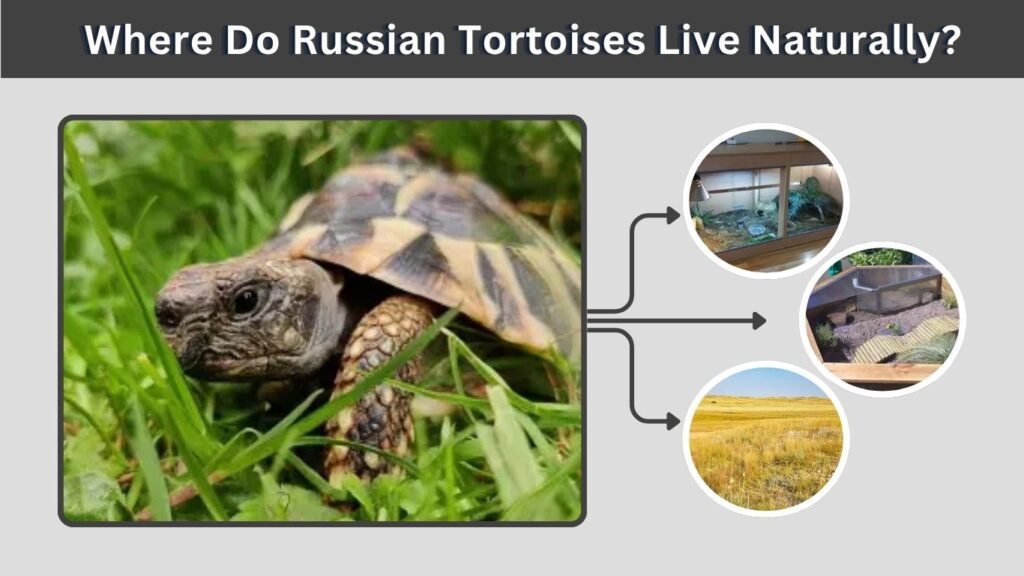
Russian tortoises are native to parts of Central Asia. They live in dry, open habitats where they can graze, dig, and escape harsh weather. Their natural environment explains why they need dry conditions and plenty of floor space in captivity.
Natural Habitat
Russian tortoises live in dry grasslands, scrublands, rocky slopes, and semi-desert areas. They are adapted to hot summers, cool nights, and seasonal changes. Burrows are important because they help the tortoise avoid heat, cold, and predators.
In captivity, their enclosure should copy some of these natural conditions. They need dry substrate, basking heat, cooler hiding areas, and room to dig. A damp, tropical-style setup is not suitable for this species.
Why Habitat Affects Lifespan
A Russian tortoise’s environment directly affects its lifespan. Poor habitat can lead to stress, shell problems, respiratory issues, weak bones, and digestive trouble. A good habitat supports natural behavior and long-term health.
The best setup allows the tortoise to choose between warm and cool areas, light and shade, open space and hiding spots. This control helps the tortoise stay active and comfortable.
Indoor vs Outdoor Living
Russian tortoises can live indoors, outdoors, or in a combination of both. Indoor setups allow better temperature control, while outdoor setups offer natural sunlight and more space. The best choice depends on climate, safety, and the owner’s ability to manage the enclosure.
Many owners use an indoor enclosure during bad weather and an outdoor pen during safe seasons. This gives the tortoise the benefits of natural sunlight while reducing weather-related risks.
How to Help a Russian Tortoise Live Longer
A long-lived Russian tortoise needs steady care year after year. Small improvements in diet, space, lighting, and health monitoring can make a big difference over time.
Daily and Weekly Care Tips
- Offer safe weeds and leafy greens
- Provide clean water daily
- Use strong UVB lighting indoors
- Keep a proper basking area
- Give enough floor space
- Allow digging and hiding
- Avoid sugary foods and animal protein
- Keep the enclosure dry and clean
- Monitor weight and appetite
- Separate tortoises if bullying appears
Good care should be consistent. Russian tortoises often decline slowly when something is wrong, so regular observation is important.
Common Mistakes That Shorten Lifespan
Many Russian tortoise problems come from avoidable care mistakes. A small tank, poor diet, no UVB, or constant dampness can damage health over time. These issues may not kill a tortoise immediately, but they can reduce lifespan.
Avoid keeping Russian tortoises with other reptiles, feeding fruit regularly, using only lettuce, or keeping them on wet substrate. Also avoid letting dogs, cats, or wild animals access the enclosure.
When to See a Reptile Vet
A Russian tortoise should see a reptile veterinarian if it stops eating for a long time, loses weight, has swollen eyes, wheezes, has runny nose bubbles, cannot walk normally, or has a soft or damaged shell.
Females may need veterinary help if they appear egg-bound. Signs include repeated digging, straining, weakness, swollen body, or long-term appetite loss. Early treatment can prevent serious complications.
FAQs
How long do Russian tortoises live in captivity?
Russian tortoises usually live 30 to 50 years in captivity with proper care. Some may live longer when they have strong UVB lighting, a high-fiber diet, enough space, clean water, and low stress. Poor care can greatly shorten their lifespan.
Can a Russian tortoise live outside?
Yes, a Russian tortoise can live outside in safe weather and a secure enclosure. The area must be dry, predator-proof, escape-proof, and free from pesticides. It also needs sunny basking areas, shade, hides, and clean water. Wet or freezing conditions are unsafe.
Can Russian tortoises live together?
Russian tortoises can sometimes live together in very large enclosures, but it is risky. They may bully, bite, chase, or compete for food and basking spots. Many Russian tortoises do best alone. Separate them if stress or aggression appears.
How long can a Russian tortoise live without food?
A healthy adult Russian tortoise may survive for a while without food, but it is not safe to test this. Food refusal can signal stress, cold temperatures, poor lighting, dehydration, or illness. Water is essential, and long-term appetite loss needs veterinary attention.
Can a Russian tortoise live with a bearded dragon?
No, a Russian tortoise should not live with a bearded dragon. They have different diets, temperatures, behaviors, and disease risks. Sharing an enclosure can cause stress or injury. Each species should have its own properly designed habitat.