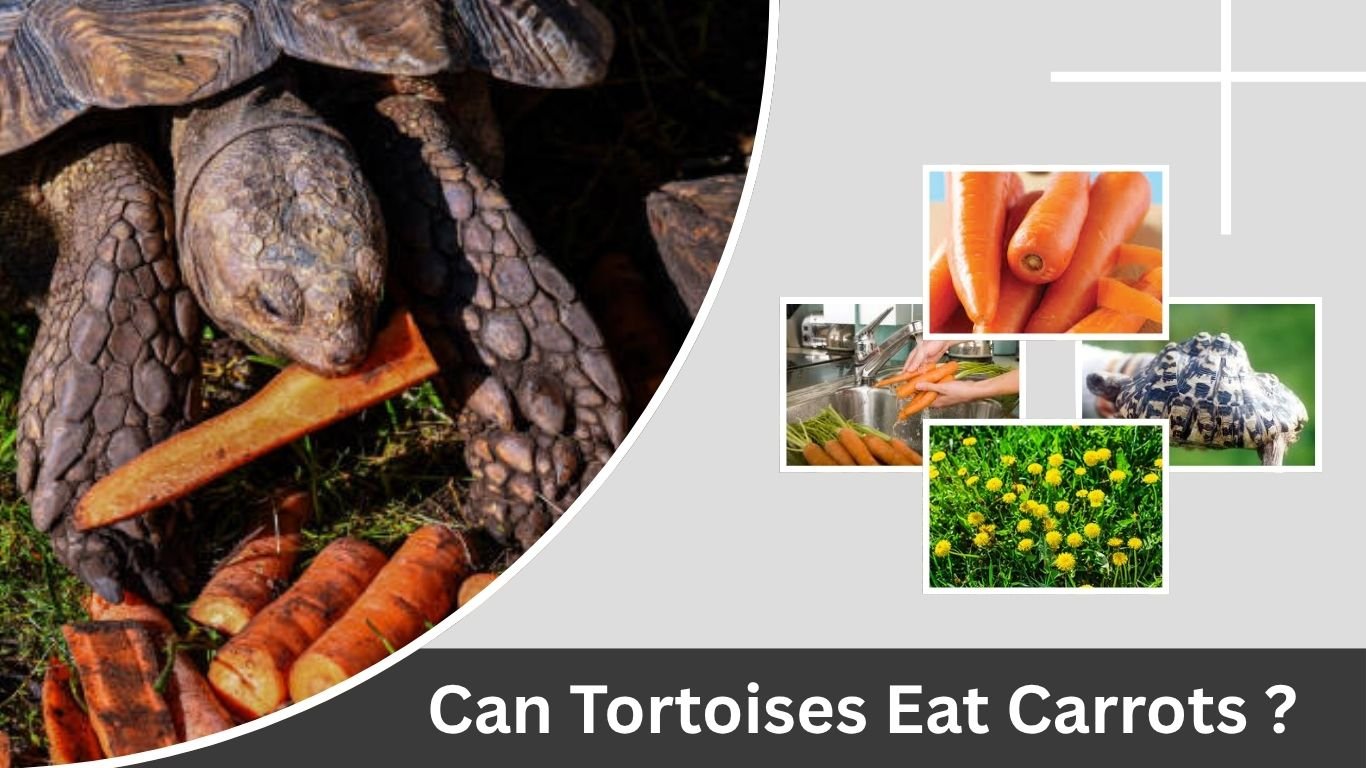
Tortoise owners often wonder whether carrots are a safe and healthy addition to their pet’s diet. The short answer is yes, tortoises can eat carrots—but only in moderation. While carrots provide some useful nutrients, they are not a natural staple in a tortoise’s diet and should be treated as an occasional supplement rather than a regular food source.
Are Carrots Safe for Tortoises?
Carrots are non-toxic and generally safe for tortoises to eat. However, they are not ideal as a primary food because tortoises thrive on fibrous, low-sugar plants. Feeding carrots occasionally is fine, but relying on them too heavily can lead to nutritional imbalance.
Nutritional Value of Carrots
Carrots contain several nutrients that can benefit tortoises when given in small amounts. They are particularly known for their high vitamin A content, which supports eye health and immune function. Additionally, carrots provide a modest amount of fiber, which aids digestion.
However, compared to leafy greens, carrots are less nutritionally balanced for tortoises. They lack sufficient calcium and contain more sugar than most natural forage plants.
Why Carrots Are Not a Staple Food
In the wild, most tortoise species feed on grasses, weeds, and leafy plants that are high in fiber and low in sugar. Carrots, being root vegetables, do not match this natural diet profile.
The main concern is their sugar content, which can:
- Disrupt gut bacteria
- Lead to digestive issues
- Encourage picky eating habits
Because of this, carrots should never replace the core components of a tortoise’s diet.
Benefits and Risks of Feeding Carrots
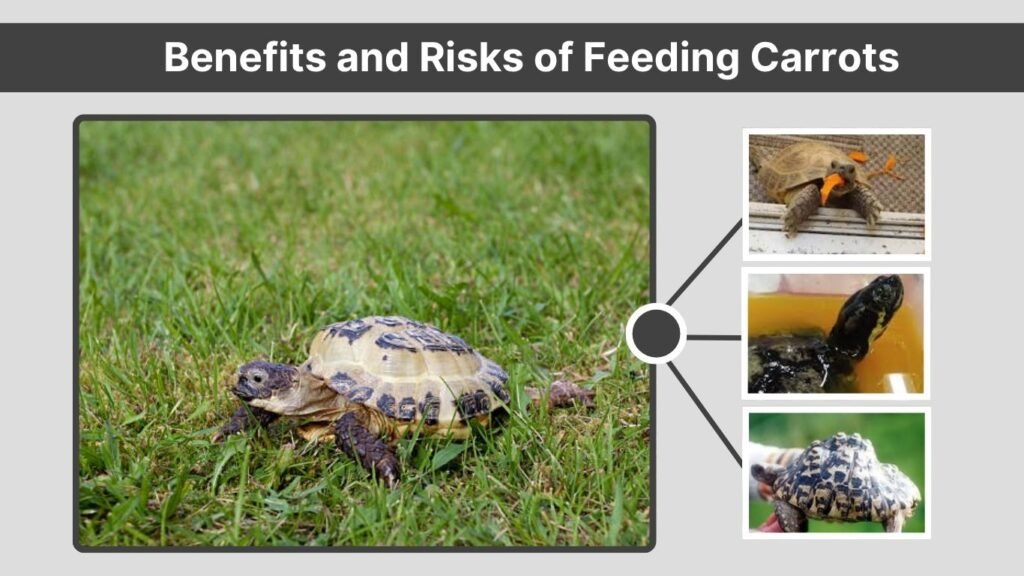
Carrots can offer some health benefits when used correctly, but overfeeding them can quickly lead to problems. Understanding both sides helps you make better feeding decisions.
Benefits of Carrots
- Supports eye health due to vitamin A
- Adds variety and enrichment to meals
- Provides mild hydration because of water content
These benefits make carrots a good occasional treat, especially when mixed with healthier greens.
Risks of Carrots
- High sugar content can upset digestion
- Poor calcium-to-phosphorus ratio affects shell health
- Overfeeding may lead to dietary imbalance
Feeding too many carrots can gradually reduce a tortoise’s interest in more nutritious foods like leafy greens, which should always be the priority.
How Often and How Much Carrot to Feed
Moderation is key when feeding carrots. The right frequency and portion size ensure your tortoise gets the benefits without the risks.
Recommended Feeding Frequency
- Offer carrots 1–2 times per week
- Avoid daily feeding
- Treat as a supplement, not a main food
Keeping carrots as an occasional addition helps maintain a balanced diet.
Portion Size Guide
- Serve thin slices or small cubes
- Mix with leafy greens rather than feeding alone
- Keep portions small relative to the full meal
A good rule of thumb is that carrots should make up only a small fraction of the total food offered.
Best Way to Prepare Carrots for Tortoises
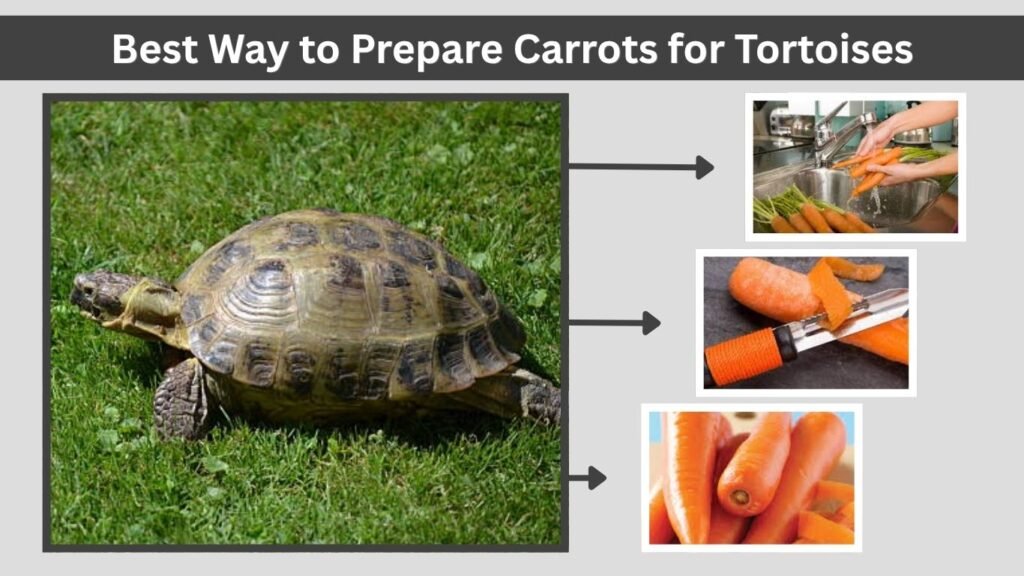
Proper preparation ensures that carrots are safe, easy to eat, and beneficial for your tortoise. Simple preparation methods work best.
Preparation Tips
- Wash thoroughly to remove dirt and chemicals
- Peel if the skin is rough or treated
- Chop into small, bite-sized pieces
- Serve raw only for maximum nutrition
- Avoid adding salt, spices, or oils
Raw carrots retain their nutrients and provide the texture tortoises are adapted to handle.
Can Tortoises Eat Different Parts of Carrots?
Not all parts of the carrot plant are equal. Some parts are actually more suitable for tortoises than others.
Carrot Root vs Other Parts
| Carrot Part | Safe for Tortoises | Notes |
| Carrot root | Yes (moderation) | Higher sugar content |
| Carrot tops | Yes | More natural and nutrient-rich |
| Carrot leaves | Yes | Good fiber source |
| Carrot peelings | Yes | Must be washed properly |
| Cooked carrots | No | Nutrients reduced, not ideal |
Carrot tops and leaves are often a better choice than the root because they are closer to the leafy plants tortoises naturally eat.
Can Different Tortoise Species Eat Carrots?
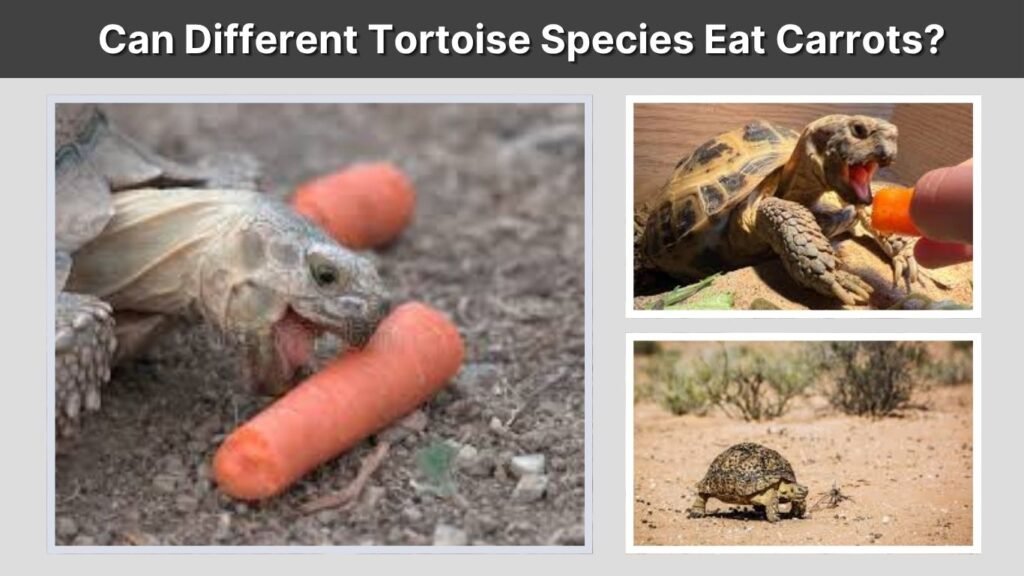
Diet tolerance varies between species, but the general rule remains the same: carrots should only be fed in moderation. Some species handle slightly more variety, while others require stricter diets based on their natural habitat.
Species Comparison
| Species | Can Eat Carrots | Feeding Advice |
| Sulcata | Yes | Rare treat; focus on grasses and hay |
| Russian | Yes | Mainly leafy greens, occasional carrot |
| Desert | Limited | Very small amounts only |
| Red-footed | Yes | More flexible diet, still moderate |
Sulcata Tortoises
Sulcata tortoises are grazing species that thrive on grasses and hay. Carrots can be given occasionally, but too much can interfere with their fiber-heavy diet. It’s best to prioritize dry grasses and only add carrot as a rare treat.
Russian Tortoises
Russian tortoises eat a wide variety of leafy plants in the wild. They can tolerate small amounts of carrot, but their diet should still be dominated by fibrous greens like dandelion and mustard leaves.
Desert Tortoises
Desert tortoises are adapted to very low-sugar diets. Carrots should be given sparingly, if at all. Even small amounts should be mixed with natural forage to avoid upsetting their digestive system.
Red-Footed Tortoises
Red-footed tortoises have a more varied diet compared to other species. They can handle carrots slightly better, but moderation is still important to prevent excess sugar intake.
Can Baby Tortoises Eat Carrots?
Baby tortoises require a highly nutritious diet to support growth and shell development. Their digestive systems are more sensitive than adults, making food choices especially important.
Feeding Advice for Baby Tortoises
- Avoid carrots or offer only very small amounts
- Focus on calcium-rich leafy greens
- Ensure a balanced, high-fiber diet
- Introduce new foods slowly
Young tortoises benefit most from foods that support strong shell growth, which carrots alone cannot provide.
What Should Tortoises Eat Instead?
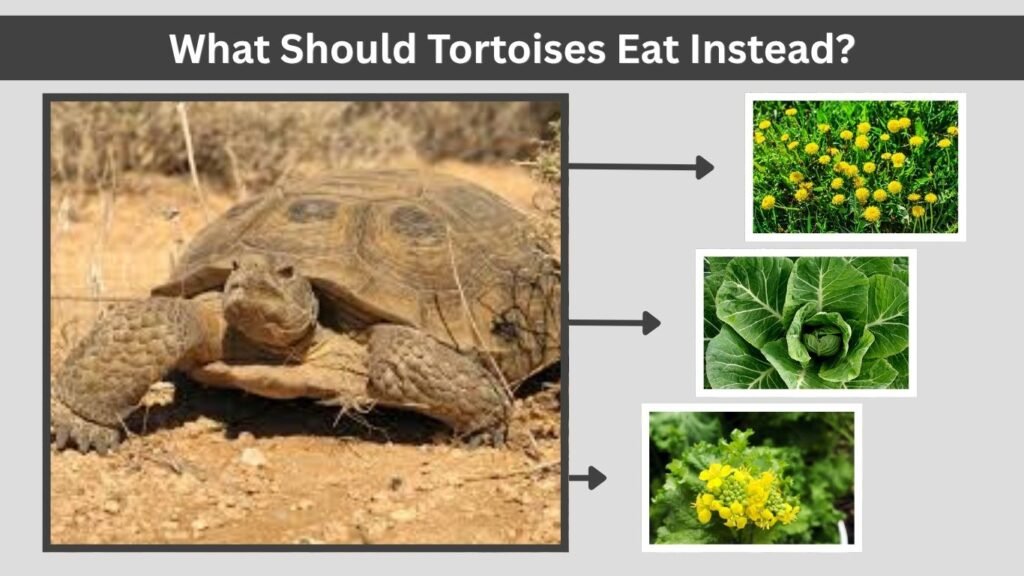
A proper tortoise diet should closely mimic what they eat in the wild. This means focusing on high-fiber, low-sugar plant matter rather than root vegetables.
Best Daily Foods
- Dandelion greens
- Collard greens
- Mustard greens
- Turnip greens
- Grass and hay (for grazing species)
These foods provide the right balance of nutrients and fiber, helping maintain healthy digestion and shell strength.
FAQs
Can tortoises eat carrots every day?
No, tortoises should not eat carrots every day. Carrots are relatively high in sugar and can disrupt digestion if fed too frequently. Offering them once or twice a week in small amounts is a safer approach.
Are carrot tops better than carrots?
Yes, carrot tops are generally better than the root. They contain more fiber and less sugar, making them closer to the leafy plants tortoises naturally consume in the wild.
Can tortoises eat cooked carrots?
Cooked carrots are not recommended. Cooking reduces important nutrients and changes the texture, which can make them less suitable for a tortoise’s digestive system.
How much carrot is safe for a tortoise?
A small portion once or twice a week is enough. Carrots should only make up a small part of the overall diet and should always be mixed with healthier leafy greens.