
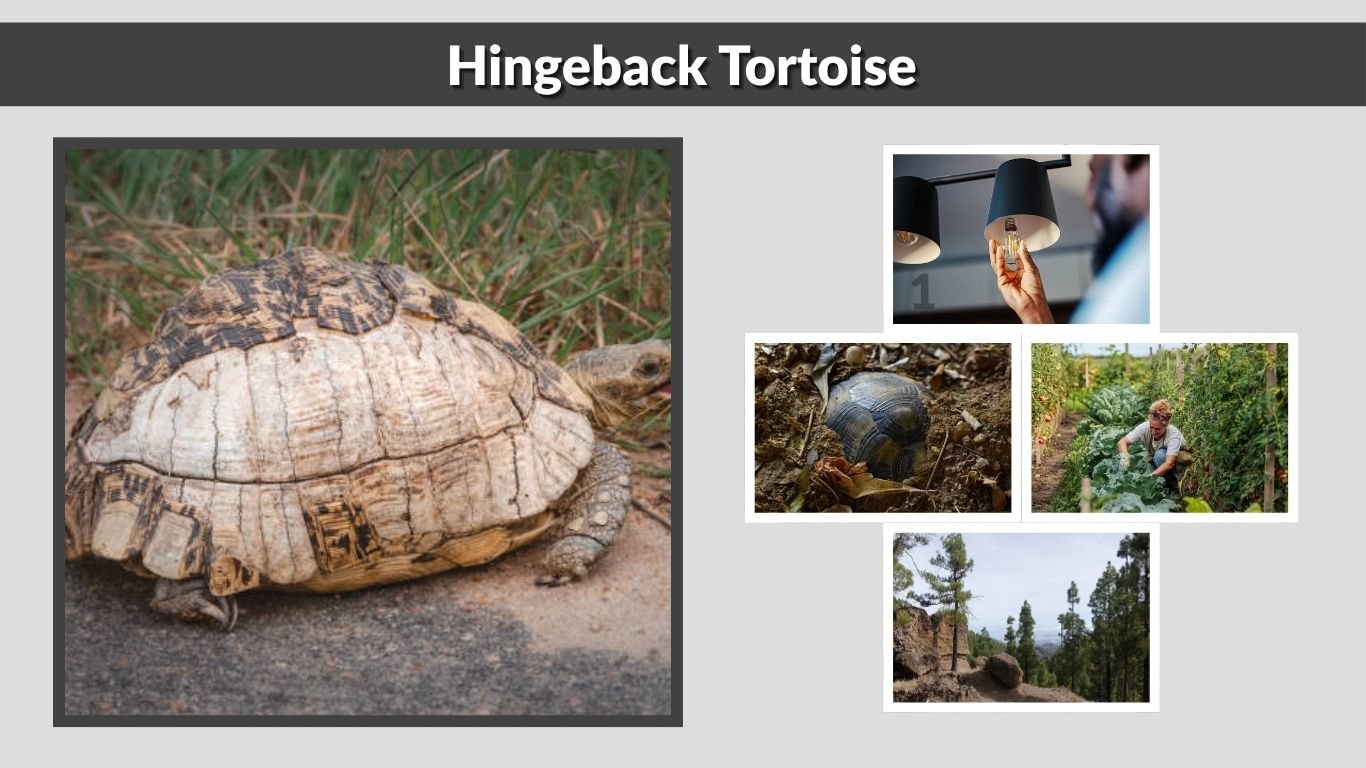
Hingeback tortoises are unique reptiles known for their unusual shell structure and adaptable nature. Native to Africa, these tortoises belong to the Kinixys genus and stand out because of their hinged shell, which allows them to close the back portion for protection. Unlike desert tortoises, hingebacks thrive in humid environments and require specialized care. Understanding their species, size, diet, and habitat is essential if you want to keep them healthy and stress-free in captivity.
What Is a Hingeback Tortoise?
A hingeback tortoise is a medium-sized African tortoise recognized for its flexible shell hinge. This hinge allows the tortoise to partially close its shell when threatened, offering extra defense against predators. They are commonly found in forests and savanna regions, where humidity and vegetation are abundant.
These tortoises are generally shy, preferring to hide under leaf litter or logs rather than stay exposed. Unlike many other tortoise species, hingebacks are more active during humid conditions and may become less active in dry or cold environments.
Types of Hingeback Tortoises
There are several species of hingeback tortoises, each with slightly different care needs and environmental preferences.
Bell’s Hingeback Tortoise
- Native to East Africa
- One of the hardier species
- Adapts well to captivity
Home’s Hingeback Tortoise
- Smaller in size compared to others
- Popular among reptile keepers
- Requires consistent humidity
Speke’s Hingeback Tortoise
- Found in savanna regions
- More tolerant of slightly drier conditions
- Active and curious behavior
Forest Hingeback Tortoise
- Lives in dense, humid forests
- Needs higher humidity than other species
- More sensitive to improper care
Hingeback Tortoise Size and Growth
Hingeback tortoises are relatively small compared to many other tortoise species, making them suitable for indoor enclosures. Most species grow steadily over several years, and their final size depends on both genetics and care.
- Average adult size ranges from 5 to 9 inches
- Forest species may grow slightly larger
- Females are often bigger than males
- Growth rate depends on diet and habitat conditions
A healthy hingeback tortoise will show gradual growth rather than rapid size increases. Proper nutrition and environmental stability are key factors in achieving normal development.
Hingeback Tortoises Natural Habitat and Behavior
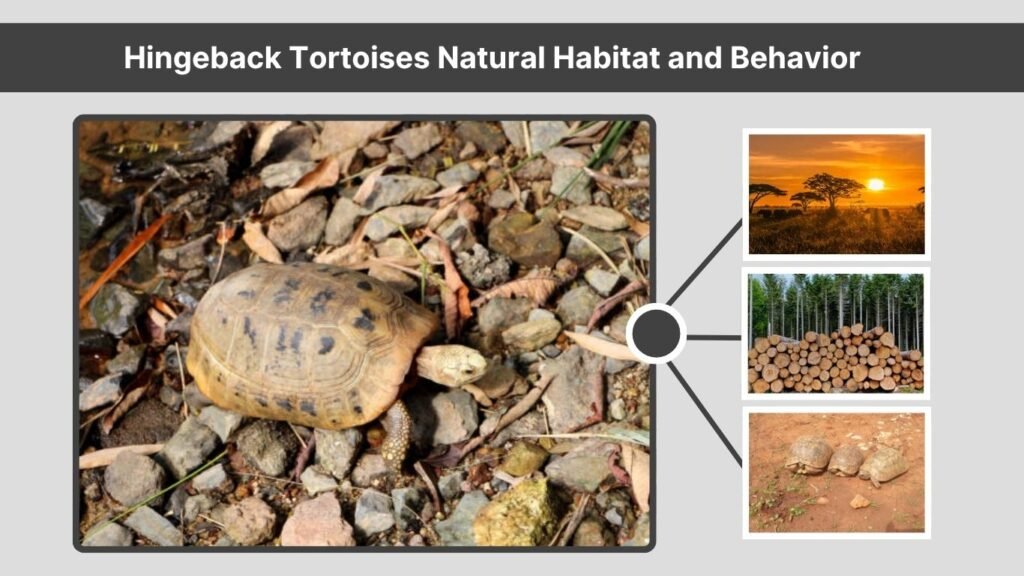
In the wild, hingeback tortoises live in tropical forests, woodlands, and savanna areas across Africa. Their natural environment is typically warm, humid, and filled with vegetation. They spend much of their time hiding under leaves, logs, or dense plants to avoid predators and maintain moisture.
Behaviorally, hingebacks are quiet and somewhat secretive. They are not aggressive and prefer to retreat when disturbed. Their most distinctive behavior is the ability to “close up” their shell using the hinge at the back, which provides additional protection.
These tortoises are most active during periods of higher humidity, such as after rainfall. In dry conditions, they may become less active and spend more time hiding to conserve moisture.
Hingeback Tortoise Care Guide
Proper care is essential for keeping a hingeback tortoise healthy in captivity. Their needs differ from desert tortoises, especially when it comes to humidity and enclosure setup.
Enclosure Setup
- Use a secure indoor enclosure
- Provide hiding spots like logs or shelters
- Ensure good ventilation
Substrate and Bedding
- Use coconut coir or soil-based substrate
- Add leaf litter for a natural feel
- Keep substrate slightly moist
Temperature and Humidity
- Maintain temperatures between 24–30°C
- Keep humidity levels around 60–80%
- Mist the enclosure regularly
Lighting and UVB
- Provide UVB lighting daily
- Helps with calcium absorption
- Prevents shell deformities
Hingeback Tortoise Diet
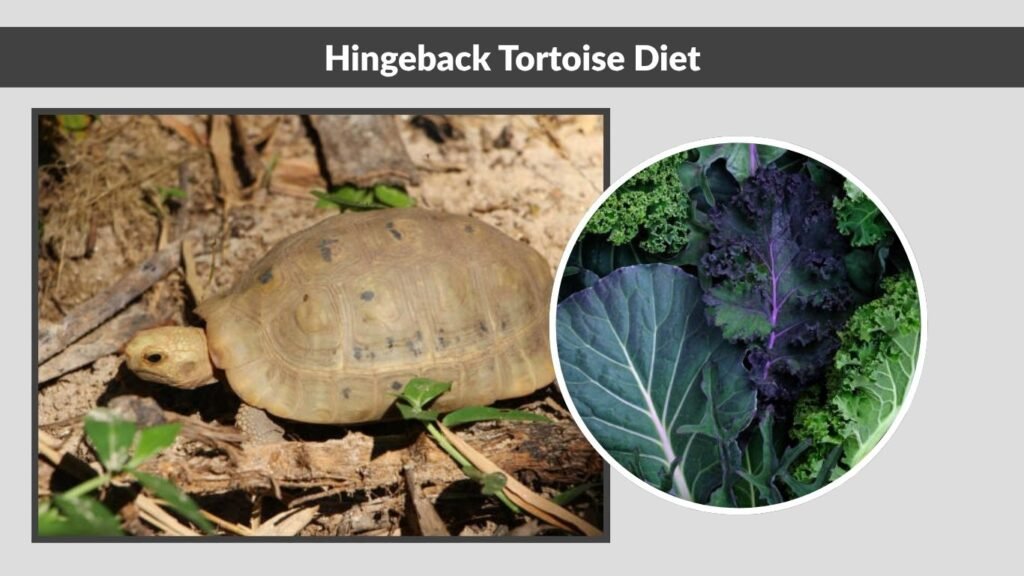
A hingeback tortoise has an omnivorous diet, which sets it apart from many plant-only tortoise species. Their diet in captivity should mimic what they would naturally eat in the wild.
They consume a mix of fruits, leafy greens, and small animal protein. Foods like papaya, banana, and dark leafy vegetables are commonly accepted. In addition, they benefit from insects such as worms or snails, which provide essential protein.
A balanced diet is critical to prevent nutritional deficiencies. Calcium supplementation should also be included to support shell and bone health.
Do Hingeback Tortoises Hibernate?
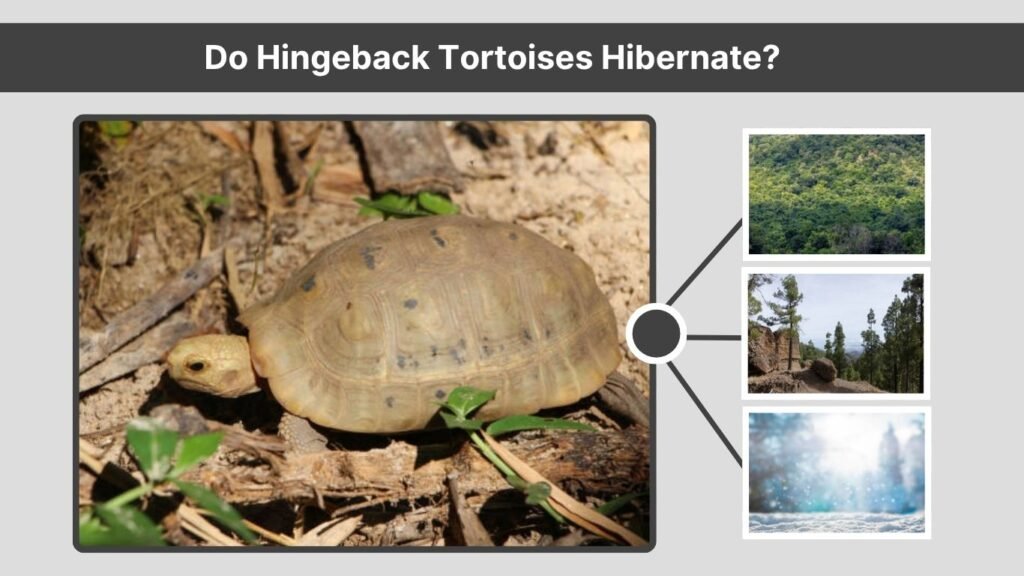
Hingeback tortoises do not truly hibernate like some other reptile species. Because they come from tropical and subtropical regions, they are adapted to relatively stable temperatures throughout the year. However, they may become less active if temperatures drop or humidity levels decrease.
In captivity, it is important to maintain consistent warmth and humidity to prevent stress. If conditions become too cold or dry, the tortoise may stop eating and hide more frequently, which can lead to health problems over time.
Baby Hingeback Tortoise Care
Young hingeback tortoises require more attention than adults because they are more sensitive to environmental changes and stress.
- Maintain higher humidity levels than for adults
- Provide soft, easy-to-digest foods
- Avoid handling too frequently
- Monitor eating and activity daily
Baby tortoises grow steadily when given proper care, and early conditions play a major role in their long-term health.
Buying a Hingeback Tortoise
If you are planning to buy a hingeback tortoise, it is important to make informed decisions to ensure you get a healthy animal.
- Choose captive-bred tortoises whenever possible
- Avoid wild-caught individuals
- Check local laws and regulations
- Look for clear eyes and active behavior
Buying from a reputable breeder helps reduce the risk of disease and improves the chances of successful care.
Pros and Cons of Hingeback Tortoises as Pets
Hingeback tortoises can be rewarding pets, but they are not suitable for everyone. They require specific care conditions that may be challenging for beginners.
Pros
- Unique hinged shell feature
- Manageable size for indoor setups
- Interesting and calm behavior
Cons
- Require high humidity levels
- Sensitive to environmental changes
- Long lifespan commitment
Common Mistakes to Avoid
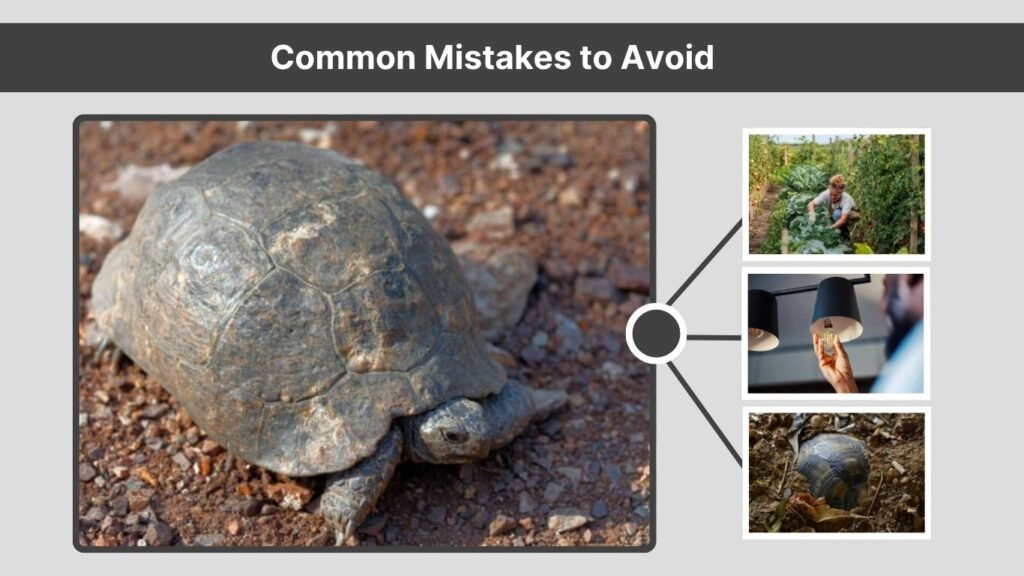
Many new keepers make mistakes that can negatively affect their tortoise’s health. Understanding these common issues can help you provide better care.
Improper Humidity Levels
Keeping the enclosure too dry is one of the most common mistakes. Hingeback tortoises need consistent moisture to stay healthy.
Poor Diet Choices
Feeding only vegetables without protein can lead to nutritional deficiencies. A balanced omnivorous diet is essential.
Lack of UVB Lighting
Without UVB light, tortoises cannot properly absorb calcium, which can result in shell and bone problems.
Inadequate Enclosure Setup
Small or poorly designed enclosures can cause stress and limit natural behavior. Proper space and hiding areas are important.
FAQs
What do hingeback tortoises eat?
Hingeback tortoises eat a mix of fruits, leafy greens, and small insects. Their omnivorous diet requires both plant matter and protein, along with calcium supplements to support healthy shell growth.
How big do hingeback tortoises get?
Most hingeback tortoises grow between 5 and 9 inches in length. Size can vary depending on the species, diet, and overall care conditions provided in captivity.
Do hingeback tortoises need high humidity?
Yes, hingeback tortoises require moderate to high humidity levels, typically between 60% and 80%. Low humidity can lead to dehydration and health issues over time.
Are hingeback tortoises good pets for beginners?
They can be kept as pets, but they are better suited for keepers with some reptile experience. Their humidity and diet requirements can be challenging for beginners.
How long do hingeback tortoises live?
With proper care, hingeback tortoises can live between 20 and 50 years. Their long lifespan means they require a long-term commitment from their owner.